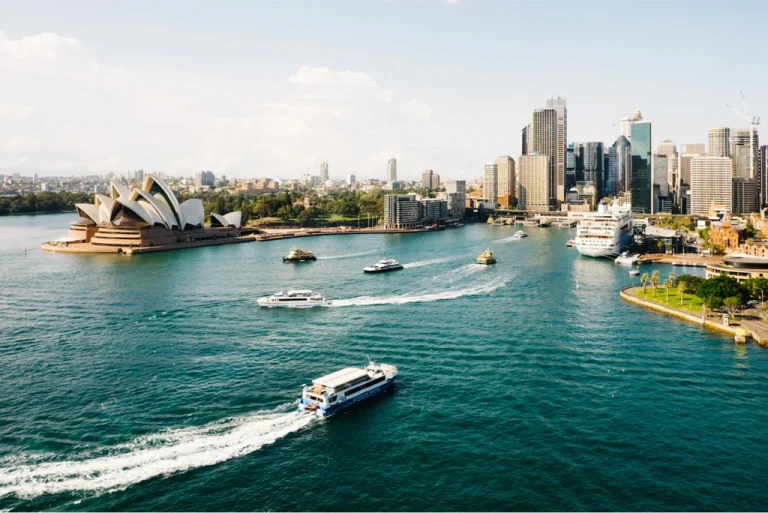
Yet another fine has been leveled against Crown Resorts, this time for allowing an excluded individual to gamble for nearly 15 hours at the Crown Melbourne property.
Crown Melbourne is being fined AU$100,000 ($64,500) for the incident, which the head of the Victorian Gambling and Casino Control Commission says underscores the need to protect vulnerable individuals.
“Exclusion is a critical harm minimization tool. It enables a clear barrier between an individual and the gambling environment especially during moments of vulnerability,” stated Suzy Neilan.
The incident occurred on the evening of October 31st of last year, when the individual entered Crown Melbourne and gambled continuously for 14 hours and 40 minutes.
Crown had previously excluded the person in August of 2024 ‘for welfare concerns’, notes the VGCCC.
The authority highlighted that during the time the excluded punter played, they were not approached by a Crown PlaySafe attendant or ‘any other employee’.
Suzy Neilan, CEO of the VGCCC
The VGCCC CEO noted that the individual also was not identified by Crown surveillance systems and “Crown staff only became aware of the breach after being alerted by a VGCCC inspector”.
The individual had made efforts to disguise their identity, but the VGCCC still stated that Crown had shortcomings in its systems and controls.
Such controls have been augmented in the last 12 months, with Crown assisting the VGCCC in its investigation and reconfiguring gaming floor entrances, location of facial recognition cameras and increasing training for entry point officers.
“This incident highlights the challenges of enforcing exclusions, but also the importance of continuous improvement and vigilance,” noted Neilan.
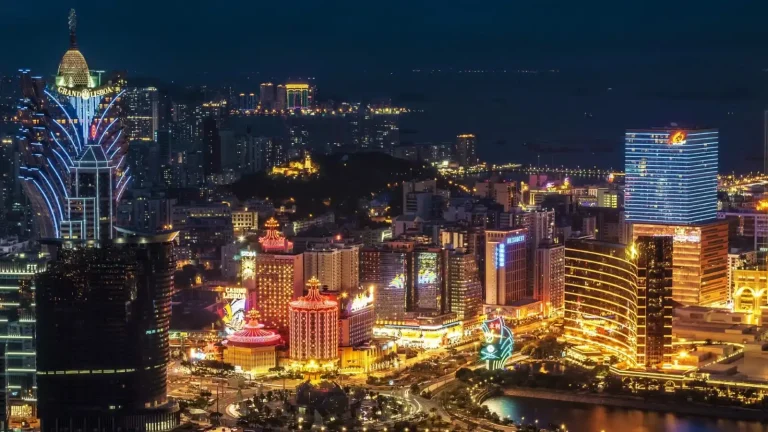
Macau’s economy chief said Monday that the city is pressing ahead with the phase-out of satellite casinos while pushing deeper economic diversification amid what he described as growing global uncertainty and persistent structural weaknesses at home.
Secretary for Economy and Finance Tai Kin Ip told lawmakers that the long-running consolidation of satellite casinos — gaming venues operated under third-party management but licensed through the city’s concessionaires — is nearing completion.
“So far, six satellite casinos have closed and 1,600 workers have already returned to work at the original concessionaire companies”, Tai said during a session at the Legislative Assembly.
Four satellite casinos remain in operation but “will still close,” he said, affecting around 3,000 employees. So far a government hotline for affected workers has received only nine requests for help, he noted.
“We will continue managing the transition of these workers step by step to ensure a smooth process”, Tai said.
Reviewing the past year, Tai said the city’s overall economic situation “maintained a recovery trend” in 2025 under strong backing from Beijing.
The Secretary said the integrated tourism sector recorded steady progress, emerging industries “were promoted in an orderly manner,” the financial system remained stable, and the unemployment rate among residents stayed “relatively low”. Prices, he added, were generally stable.
But Tai warned that Macau — a “highly open, externally oriented micro-economy” — faces significant global headwinds. The international economic structure is undergoing “fundamental transformations,” with rising instability clouding prospects for growth, he said.
Tai Kin Ip, Macau Secretary for Economy and Finance
Regarding the gaming sector, Tai pledged strict oversight of concessionaires’ contractual obligations, especially their non-gaming investment commitments. The official indicated that the government will guide operators toward projects that generate socio-economic benefits and enhance Macau’s international image.
A comprehensive review of concessionaires’ compliance will be conducted, he said, ensuring the industry develops in a “lawful, healthy and orderly” manner.
Tourism: deeper international outreach
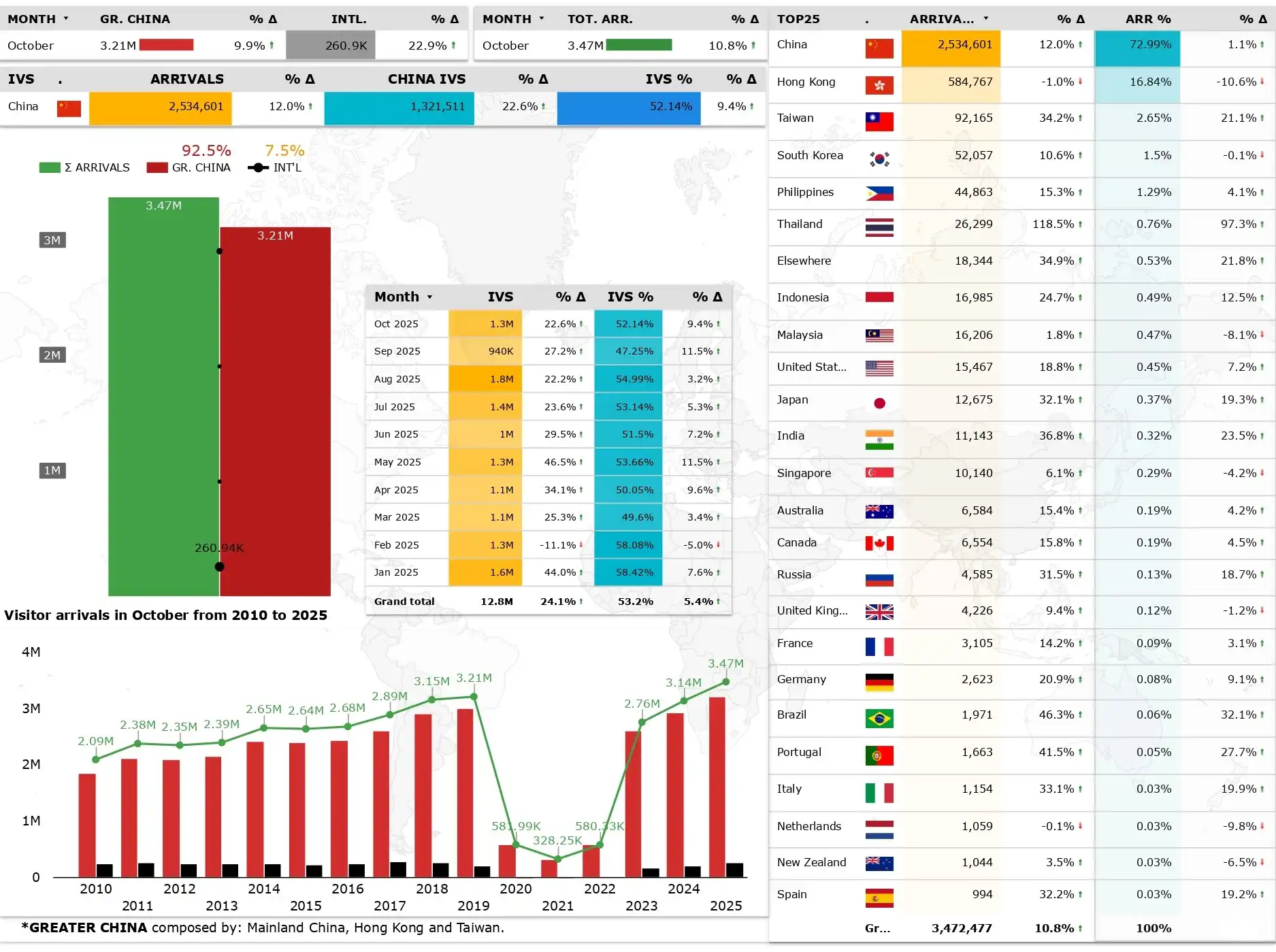
For the integrated tourism and leisure sector, Tai said the government will strengthen its Greater China visitor base while expanding its outreach to Southeast and Northeast Asia.
Macai visitor arrivals October 2025
Overseas economic, commercial, tourism and cultural offices will be used to reinforce promotional networks, while operators will be encouraged to stage diversified events and community-based activities.
Authorities will enhance cooperation with major travel and digital payment platforms, enrich “tourism+” cross-sector products, and improve service quality to consolidate Macau’s standing as a World Center of Tourism and Leisure.
Domestically, Tai said the evolution of consumer habits has left some districts recovering more slowly than others, while “the situation of imbalance and insufficiency in Macau’s economic development persists.”
Long-standing structural problems also remain unresolved, particularly the scale and competitiveness of emerging industries. “All these factors raise additional requirements for the work of the economic and financial sector,” he said.
Tai outlined the central work focus for 2026: “full commitment to economic development, concentrated efforts on diversification, proactive action for people’s well-being, and innovation for long-term progress.”
Planning will center on four areas, starting with accelerating adequate economic diversification under the city’s “1+4” strategy. Authorities will intensify investment promotion, optimize the business environment, and establish industrial and guidance funds to steer private capital into long-term strategic sectors.
The sports betting powerhouse Kambi Group has agreed a long-term extension of its online sports betting partnership with Paf, an international gaming company known for its commitment to responsible gaming and sustainable entertainment.
This latest renewal further deepens the partnership between Paf and Kambi, which was first established in 2010 and has seen Paf launch its Kambi-powered sportsbook in several regulated markets, including Estonia, Finland, Latvia, Spain, and Sweden.
Headquartered and licensed by the local government in Åland, Finland, the operator will continue to leverage Kambi’s Turnkey Sportsbook offering and a curated selection of front-end development services to power its flagship Paf brand, alongside brands such as Speedybet and Golden Bull.
Werner Becher, CEO of Kambi, said: “We are proud to announce this latest contract renewal with Paf, growing Kambi’s relationship with one its longest standing partners. We are enthused to continue working closely with Paf, empowering them with our premium sports betting products and supporting their strategic growth ambitions.”
Christer Fahlstedt, CEO of Paf, said: “Extending our longstanding partnership with Kambi was a natural choice, building on many years of strong and trusted collaboration. We are passionate about continuing to deliver unforgettable sports betting entertainment to our players across Europe, and Kambi’s services will continue to play an important part as we build on this success.”
Macau’s premium-mass segment showed stronger-than-expected momentum in November, with the average wager per player rising to HK$26,754 ($3,430)—2 percent higher than levels recorded during the Chinese New Year 2025 holiday—despite the absence of major weekend events, according to a new proprietary table survey conducted by Citigroup.
The bank noted that November is typically the slowest month of the fourth quarter, making the latest figures a ‘positive surprise.’ Citigroup recorded HK$14.4 million ($1.85 million) in total premium-mass wagers during its November survey, up 19 percent year-on-year, while the number of premium-mass players rose 5 percent to 540. This reflects a 13 percent year-on-year increase in average wager per player, compared with HK$23,706 ($3,040) during the same period last year.
Analysts highlighted that the rise in betting volume occurred on a normal Friday without any special tourism drivers, reinforcing confidence in Citigroup’s November GGR estimate of MOP20.5 billion ($2.56 billion), up 11 percent from a year earlier.
It is worth noting that the fourth quarter has started strongly, with October GGR reaching the highest level since the start of the pandemic, climbing to MOP24.09 billion ($3.01 billion)—a 15.9 percent year-on-year increase.
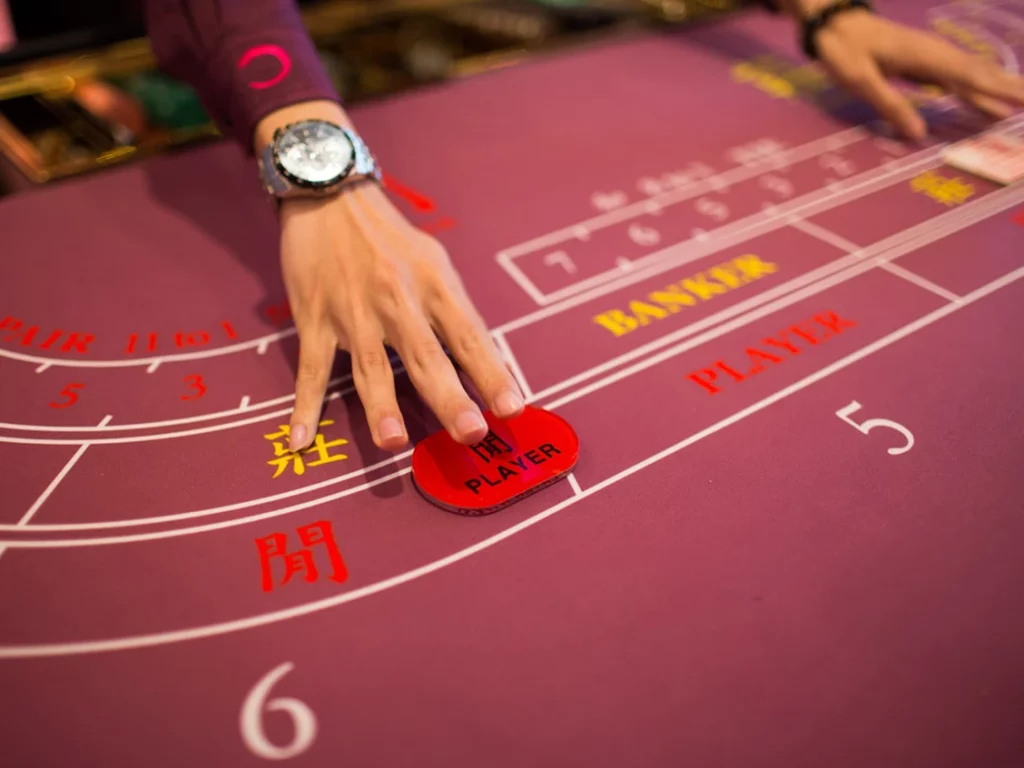
The investment bank also viewed the average baccarat minimum bet of HK$2,112 ($271)—a 5 percent year-on-year rise—as another indicator of sustained recovery in the grind-mass segment.
High rollers
High-stakes play also picked up. Citigroup observed 31 ‘whales’ in November, up from 21 in the same month last year. Although the average wager among whales slipped to HK$216,000 ($27,690) from HK$268,000 ($34,360) a year earlier—largely due to the absence of an exceptionally large HK$2.2 million ($282,000) whale recorded in November 2024—removing the Player of the Month from both data sets shows underlying whale betting rising 7 percent year-on-year, averaging HK$183,000 ($23,460).
Citigroup identified the Player of the Month at Wynn Palace’s Chairman’s Club. Despite drilling noises from expansion works, the player ‘looked unbothered’ and wagered HK$1.2 million ($153,800). Other notable observations included an HK$800,000 ($102,560) whale at MGM Cotai and a HK$500,000 ($64,100) whale at The Venetian.
Galaxy leads market share
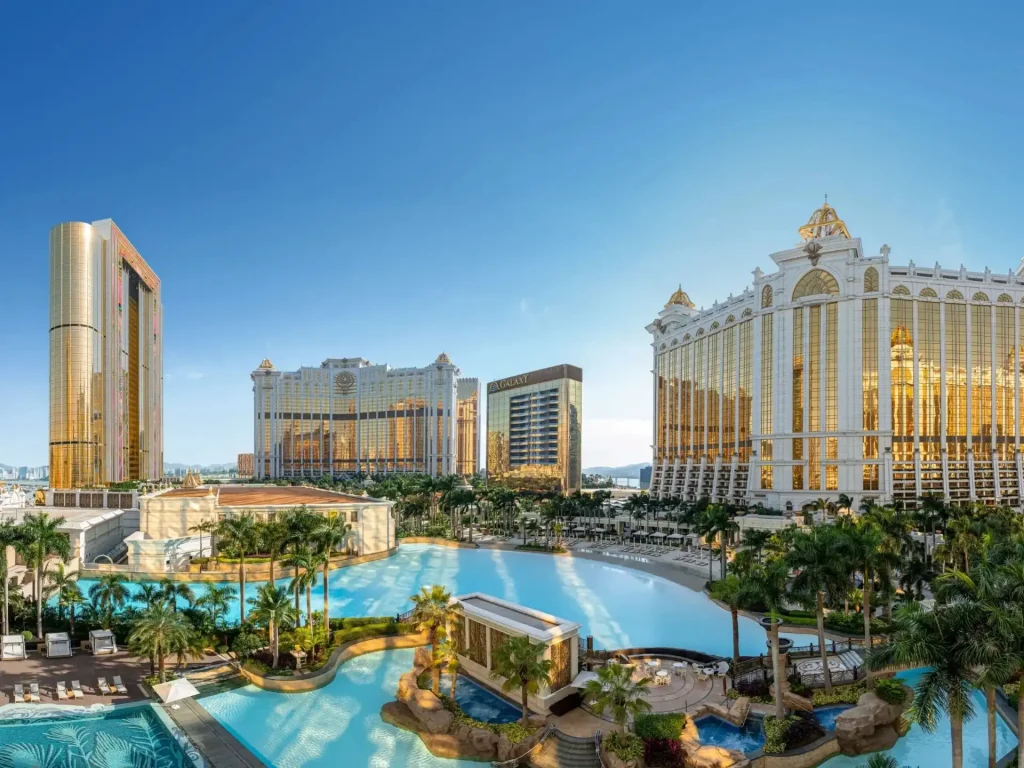
Galaxy Entertainmentmaintained its lead in premium-mass share, capturing 27 percent of total wagers observed—up from 21 percent a year earlier. The eight whales seen across its two properties represented the highest count among all six operators surveyed.
MGM China moved into second place with a 23 percent share, a significant increase from 13 percent in November 2024. Analysts recorded seven whales across MGM Cotai and MGM Macau, underscoring the operator’s increasingly competitive position in high-end play.
Good Morning. In the shadows. Australia is facing a dramatic surge in illegal offshore gambling, now over a third of online activity, projected to reach $3.25 billion by 2029, driven by product bans and unregulated operators, with serious implications for tax revenues and sports integrity. Meanwhile, Casino Fortuna, one of Macau’s most profitable satellite casinos, will cease operations on December 10th, AGB has found out. In the Philippines, Pronet Gaming has become the first internationally licensed B2B gaming company to establish an SCBPO-accredited operation, partnering with Claymore Solutions to enhance its presence and technical capabilities in the region.
Australia is experiencing a significant rise in illegal offshore gambling, which has doubled since 2019 and now comprises over a third of the country’s online gambling activity, totaling $2.54 billion in 2024 and projected to reach $3.25 billion by 2029. A report from Responsible Wagering Australia highlights that product bans, ineffective enforcement, and aggressive marketing by unlicensed operators are driving this trend, resulting in an expected loss of nearly $1.76 billion in taxes and fees over the next five years. The illegal market offers better odds and bonuses, attracting consumers away from licensed bookmakers, and poses significant risks to sporting integrity due to a lack of accountability.
Every operator can launch, but few can lead. In Asia, leadership is won in the 90 days after go-live, when payments feel effortless, content resonates locally, and every touchpoint builds trust.
TCSJOHNHUXLEY, recognized worldwide for its casino equipment and services, has strategically acquired the dice manufacturing operations of Gaming Partners International (GPI).
The acquisition grants TCSJOHNHUXLEY full ownership of GPI’s dice manufacturing assets, thereby strengthening the company’s production capacity and expanding its portfolio.
With this purchase, the gaming supplier is reinforcing its position as the definitive industry leader. The company will now offer three premier dice brands: TK, Paulson, and TCSJOHNHUXLEY. Crucially, operations will be maintained in both Mexico and Missouri, USA, providing customers with dual supply capabilities for enhanced supply chain resilience and flexibility across all global markets.
This deal is a strategic move that enhances TCS’s core offering, secures its dominance in the dice sector, and ensures the continued delivery of the highest quality and most secure gaming dice to casinos worldwide.
“The acquisition of the GPI dice business is a truly transformative step for TCS”, shared Tristan Sjoberg, Executive Chairman of TCSJOHNHUXLEY. “By immediately securing the renowned TK and Paulson brands, we are fundamentally consolidating our position as the definitive global leader in casino dice manufacturing. Leveraging this increased scale and our dual production capabilities, we can provide customers with unmatched supply security and sustained access to the world’s most precise, trusted, and high-quality gaming dice.”
The combined capabilities solidify the company’s commitment to producing the highest standard of precision gaming dice. TCSJOHNHUXLEY’s own “Certified Perfects” Dice are globally acknowledged as the worldwide industry standard for casino gaming dice and are trusted globally for accuracy, quality, and security.
In iGaming today, design drives player loyalty as powerfully as game variety or payout speed. Slotegrator’s Head of Design, Volga Butsko, recently shared how UX choices build trust, deepen engagement, and secure operators a lasting edge.
While many still associate design with visual appeal, in online casinos and sportsbooks, it plays a far more strategic role. According to Volga Butsko, Head of Design at Slotegrator, a well-crafted interface affects how players feel from the very first seconds.
Those initial impressions often determine whether they continue or abandon the experience. Design guides players through the platform, sets the tone of interaction, and builds familiarity that encourages long-term retention.
Over more than 13 years of product development, Slotegrator has refined a set of principles that define every interface the company creates:
The foundation is a player-centric approach, backed by prototype testing and continuous feedback.
The balance between innovation and industry tradition: keeping patterns players already trust while introducing modern visuals, microanimations, and distinctive artistic styles.
Long-term value and consistency across devices, languages, and cultural contexts also remain essential.
“Design is not just about visuals — it’s a way to strengthen player trust, enhance engagement, and support our partners’ business goals,” shared Volga Butsko, Head of Design at Slotegrator.
To explore Volga Butsko’s insights in depth and to know more about the UX trends that will shape the next stage of iGaming development, read the full interview.
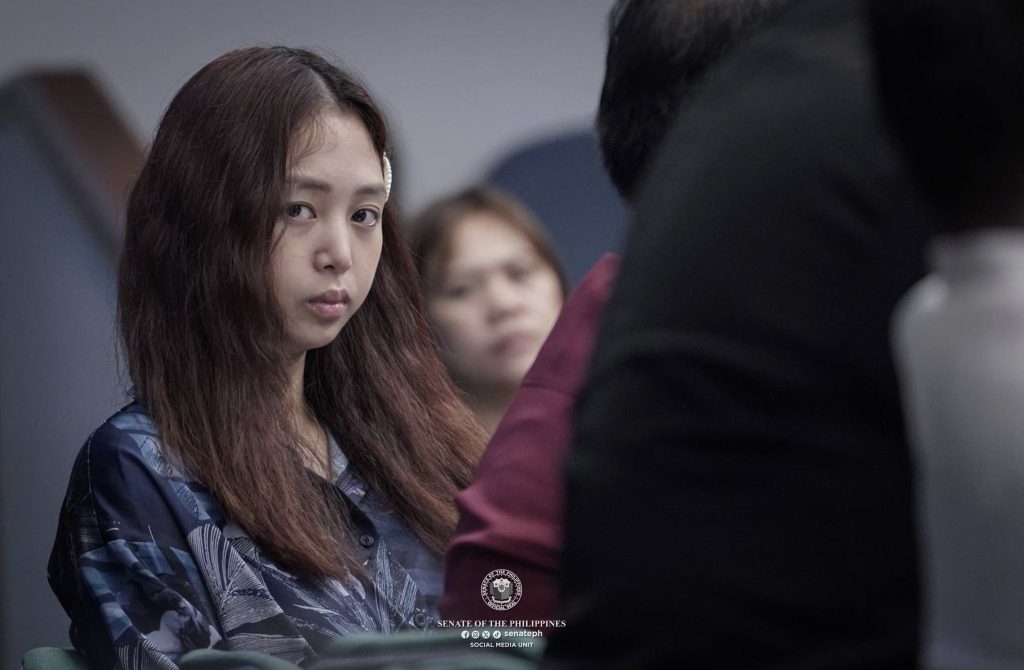
Cassandra Li Ong, a key figure linked to shuttered Philippine Offshore Gaming Operator Lucky South 99, has resurfaced in headlines after revelations that she is now at large, with authorities confirming she fled the country months before an arrest warrant could be served.
Her disappearance has triggered renewed scrutiny of enforcement lapses surrounding the transitions in both Congress and immigration oversight, echoing concerns previously raised in the case of dismissed Bamban mayor Alice Guo, also known as Guo Hua Ping.
During Senate deliberations on the Department of Justice’s 2026 budget, Sen. Sherwin Gatchalian disclosed that Ong had been released from House custody at the close of the 19th Congress, a period when no criminal case had yet been filed against her. Speaking on behalf of the DOJ during plenary, Gatchalian explained that detention orders issued by the House of Representatives automatically lapsed with the adjournment of the legislative session, clearing the way for Ong’s release. It was only after the transition to the 20th Congress that a qualified human trafficking case was formally filed, leaving Ong outside custody and now considered a fugitive.
“Because the case was filed only after she had been released, she is at large,” Gatchalian said, adding that law enforcement agencies are attempting to locate her. A warrant of arrest and a hold-departure order have since been issued, and proceedings to cancel Ong’s passport are underway. The Bureau of Immigration has no departure record for Ong, raising concerns that she may have exited the Philippines through unofficial channels. Sen. Risa Hontiveros suggested the possibility of an “Alice Guo Part Two,” alluding to earlier allegations that Guo slipped through the country’s southern backdoor to evade authorities.
However, new information from the Presidential Anti-Organized Crime Commission indicates Ong may have used more conventional routes. PAOCC spokesperson Winston Casio said investigators last traced her to Japan in January 2025. According to Casio, Ong left the Philippines after her release from House custody but before any hold-departure order or arrest warrant had been issued. “That was the last we got, Japan. After that, we have no idea where she went,” he said.
The timing places Ong abroad around the same period a Pampanga Regional Trial Court issued a warrant for her arrest between March and May 2025 in connection with qualified human trafficking charges linked to alleged scam operations at Lucky South 99. Former presidential spokesperson Harry Roque is also named as a co-accused in the same case. Casio added that an Interpol Red Notice is now in effect and that the PAOCC is coordinating with both local and international law enforcement units to locate her.
Ong is one of three individuals apprehended by Indonesian authorities in August 2024 as “suspicious foreigners,” alongside former mayor Alice Guo and her alleged sister Sheila Guo. The trio were deported to Manila to face immigration-related complaints, including allegations that they had illegally exited the Philippines. However, unlike Guo – who was later convicted of qualified human trafficking – Ong was not facing any criminal charges at the time of her return, limiting the government’s ability to restrict her movements.
Her subsequent disappearance is now prompting questions over whether gaps in coordination between Congress, the DOJ, and the Bureau of Immigration enabled her escape. With no pending charges when the 19th Congress ended, no legal mechanism existed to prevent Ong from leaving the country, and no immediate case was filed to justify her continued detention. Critics argue that this misalignment in timing effectively created an unintended window for Ong to depart.
Gatchalian acknowledged the challenge of filing cases within strict procedural timelines following legislative transitions but assured that ongoing coordination aims to prevent similar lapses. Hontiveros, who has been at the forefront of the Senate’s investigation into POGO-linked abuses, stressed the need for a comprehensive review of escape routes exploited by high-profile suspects, referencing the unresolved questions surrounding Guo’s earlier departure. “We still don’t know the full story of how Alice Guo escaped then,” she said, noting that Ong’s case underscores the urgency of systemic reform.
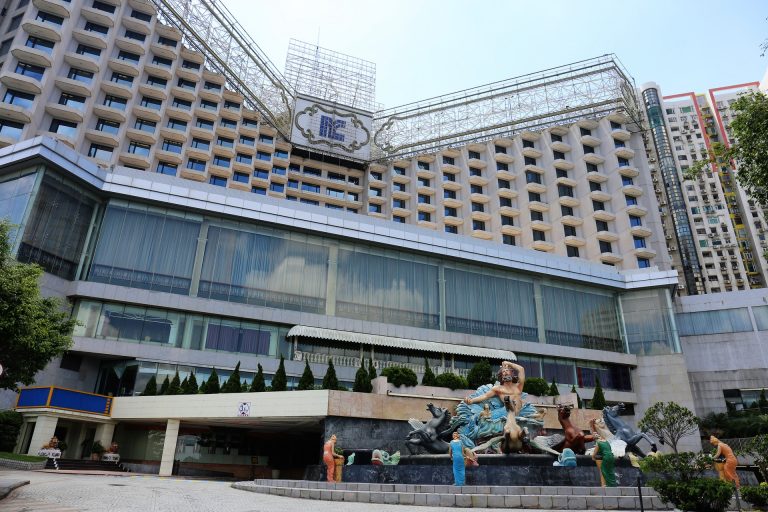
Macau’s long-abandoned Beijing Imperial Palace Hotel in Taipa, located next to Melco’s Altira Hotel, has been renamed the Gold Coast Hotel and is slated to reopen in the second quarter of 2026, according to promotional materials displayed at the property.
The redevelopment marks the first significant progress at the site since the hotel ceased operations nearly a decade ago.
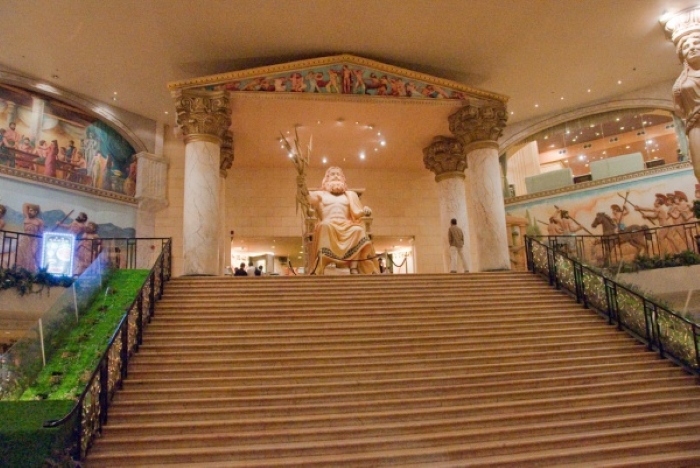
Situated on the same roundabout as Altira, the former five-star property—previously known as the New Century Hotel—once housed the Greek Mythology Casino, a landmark attraction for mainland Chinese and regional visitors.
The casino suspended operations in late 2015 after the Gaming Inspection and Coordination Bureau (DICJ) ordered its closure for “interior renovation.” The hotel itself was later shut down by the Macao Government Tourism Office (MGTO) in July 2016 due to safety and management issues, and its license was officially returned to authorities in early 2017. The property has remained idle ever since.
Recent activity suggests that a new owner has taken over the site, with construction vehicles entering the grounds and new signage indicating corporate offices associated with Yoho Treasure Island Resorts World Hotel (located on the Macau peninsula across from Wynn Macau).
Public construction filings list the name ‘Gold Coast Hotel’, although no Chinese name has yet been announced.
Promotional banners at the property indicate that the Gold Coast Hotel is targeting a second-quarter 2026 opening. Details of the redevelopment—including the future positioning, facilities, and whether any gaming-related elements could be included—have yet to be disclosed.
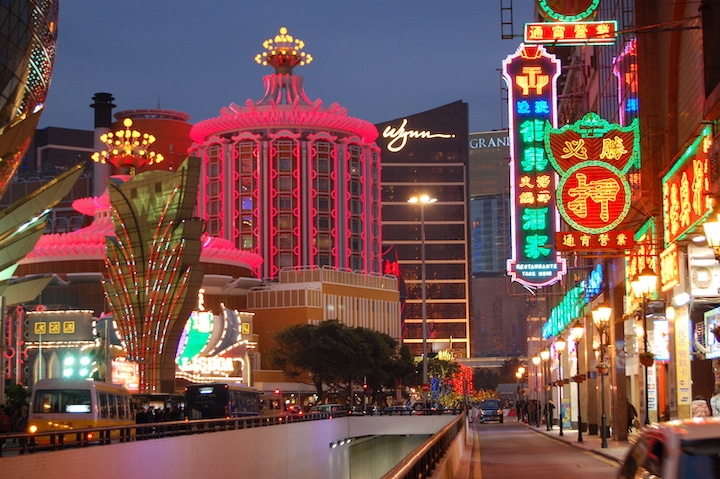
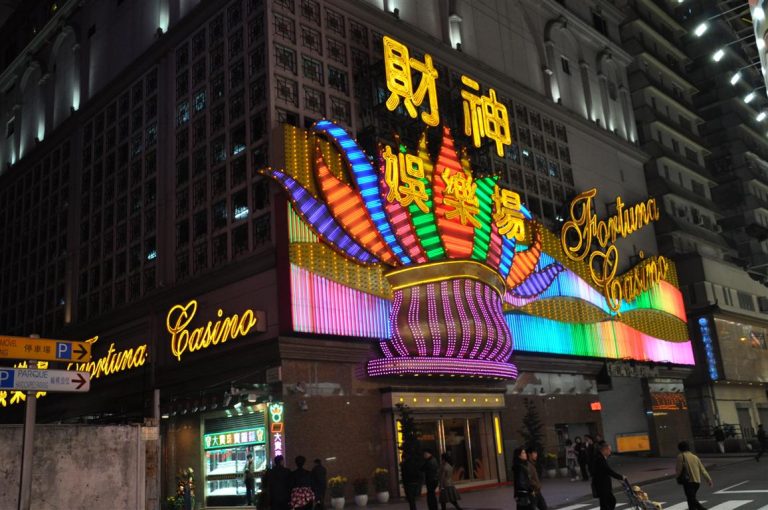
Casino Fortuna, one of Macau’s most profitable satellite casinos – located next to Hotel Lisboa on the Macau Peninsula, will cease operations on December 10th, according to an internal notice seen by AGB.
The notice, dated November 20th, states that the company will terminate labor contracts and compensate employees for what it described as ‘dismissal without reasonable cause,’ according to Kou Seng, the hotel group’s operator.
Casino Fortuna operates under SJM’s gaming license. An industry insider told AGB that Kam Pek Casino is also preparing to close on November 30th. The same source said Landmark Casino has not yet announced a closure date and appears intent on remaining open “until the final moment.”
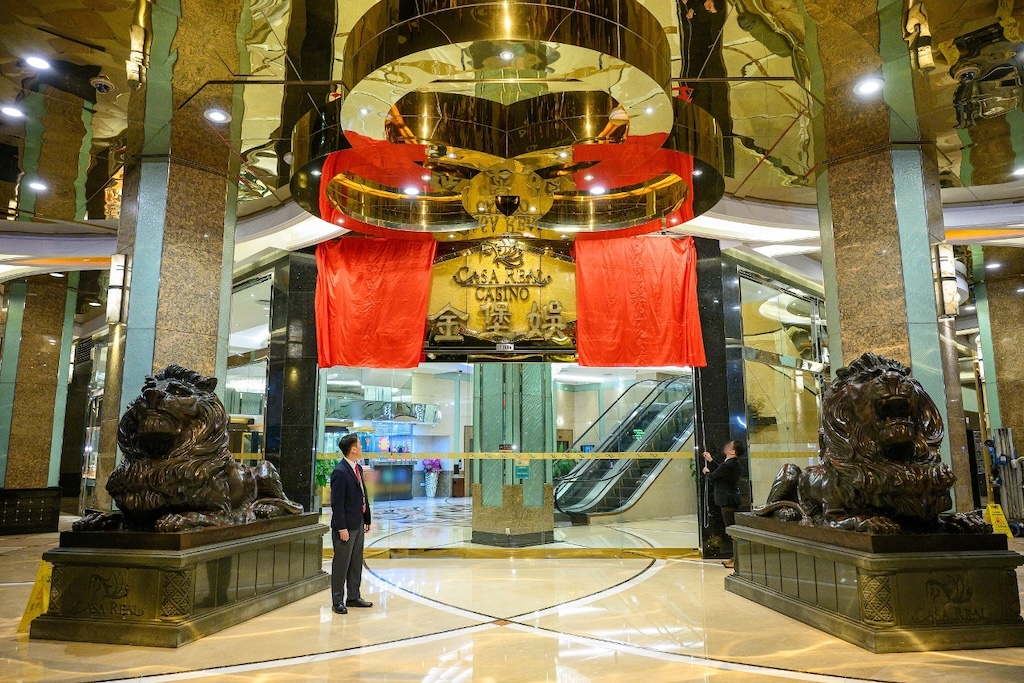
Shuttered Casino Casa Real
Casino Casa Real, another long-running satellite property, officially closed at 23:59 on November 21st.
So far, the satellite casino located next to Galaxy Entertainment’s StarWorld Hotel in the NAPE district—L’Arc Hotel—is the only property that will successfully avoid closure. As AGB reported earlier, SJM has offered HK$1.75 billion ($224 million) for its acquisition. Once completed, L’Arc Hotel would become the sole “survivor” among all satellite casinos.
Meanwhile, Casino Ponte 16 is scheduled to close on November 28th, after SJM confirmed it would not proceed with a previously considered acquisition that would have transformed the property into a self-operated casino.
The decision casts uncertainty over the previously announced expansion plan for Ponte 16, which is operated by Success Universe Group. It also raises questions about whether SJM and Success Universe Group will continue jointly advancing the Inner Harbor revitalization project, a key non-gaming diversification commitment under Macau’s current gaming concessions.
As part of the redevelopment blueprint, the plan includes constructing—or refurbishing—a floating casino facility. Success Universe previously told media that the group’s next expansion phase is expected to cost over HK$100 million ($12.8 million).