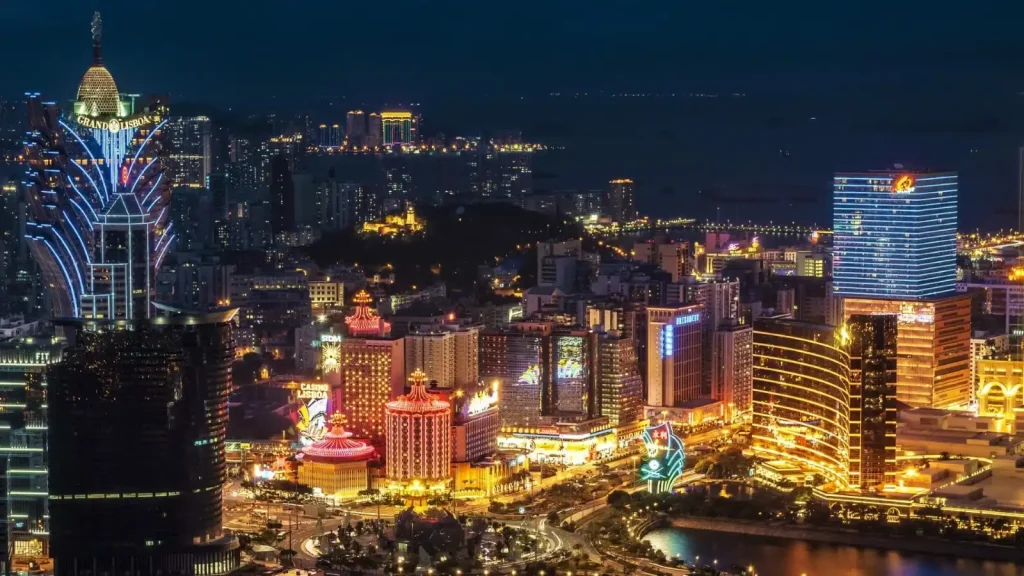
Macau’s economy chief said Monday that the city is pressing ahead with the phase-out of satellite casinos while pushing deeper economic diversification amid what he described as growing global uncertainty and persistent structural weaknesses at home.
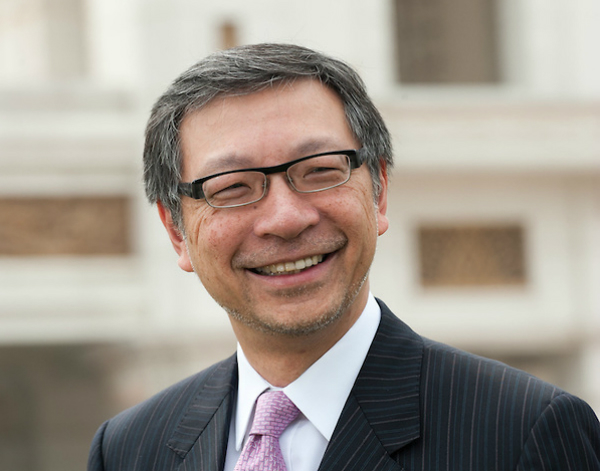
Secretary for Economy and Finance Tai Kin Ip told lawmakers that the long-running consolidation of satellite casinos — gaming venues operated under third-party management but licensed through the city’s concessionaires — is nearing completion.
“So far, six satellite casinos have closed and 1,600 workers have already returned to work at the original concessionaire companies”, Tai said during a session at the Legislative Assembly.
Four satellite casinos remain in operation but “will still close,” he said, affecting around 3,000 employees. So far a government hotline for affected workers has received only nine requests for help, he noted.
“We will continue managing the transition of these workers step by step to ensure a smooth process”, Tai said.
Reviewing the past year, Tai said the city’s overall economic situation “maintained a recovery trend” in 2025 under strong backing from Beijing.
The Secretary said the integrated tourism sector recorded steady progress, emerging industries “were promoted in an orderly manner,” the financial system remained stable, and the unemployment rate among residents stayed “relatively low”. Prices, he added, were generally stable.
But Tai warned that Macau — a “highly open, externally oriented micro-economy” — faces significant global headwinds. The international economic structure is undergoing “fundamental transformations,” with rising instability clouding prospects for growth, he said.

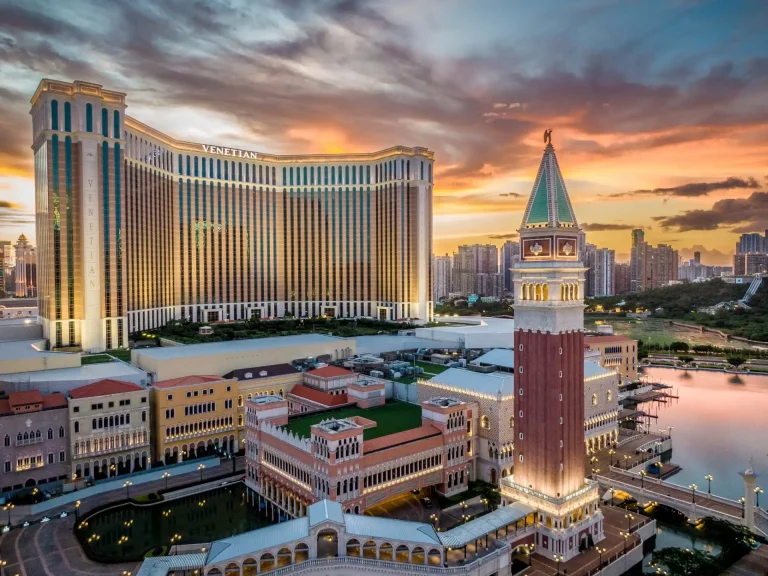
Regarding the gaming sector, Tai pledged strict oversight of concessionaires’ contractual obligations, especially their non-gaming investment commitments. The official indicated that the government will guide operators toward projects that generate socio-economic benefits and enhance Macau’s international image.
A comprehensive review of concessionaires’ compliance will be conducted, he said, ensuring the industry develops in a “lawful, healthy and orderly” manner.
Tourism: deeper international outreach
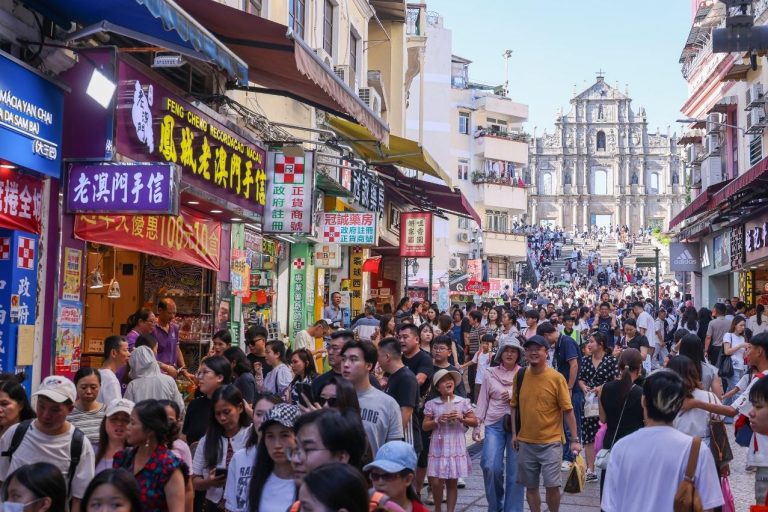
For the integrated tourism and leisure sector, Tai said the government will strengthen its Greater China visitor base while expanding its outreach to Southeast and Northeast Asia.
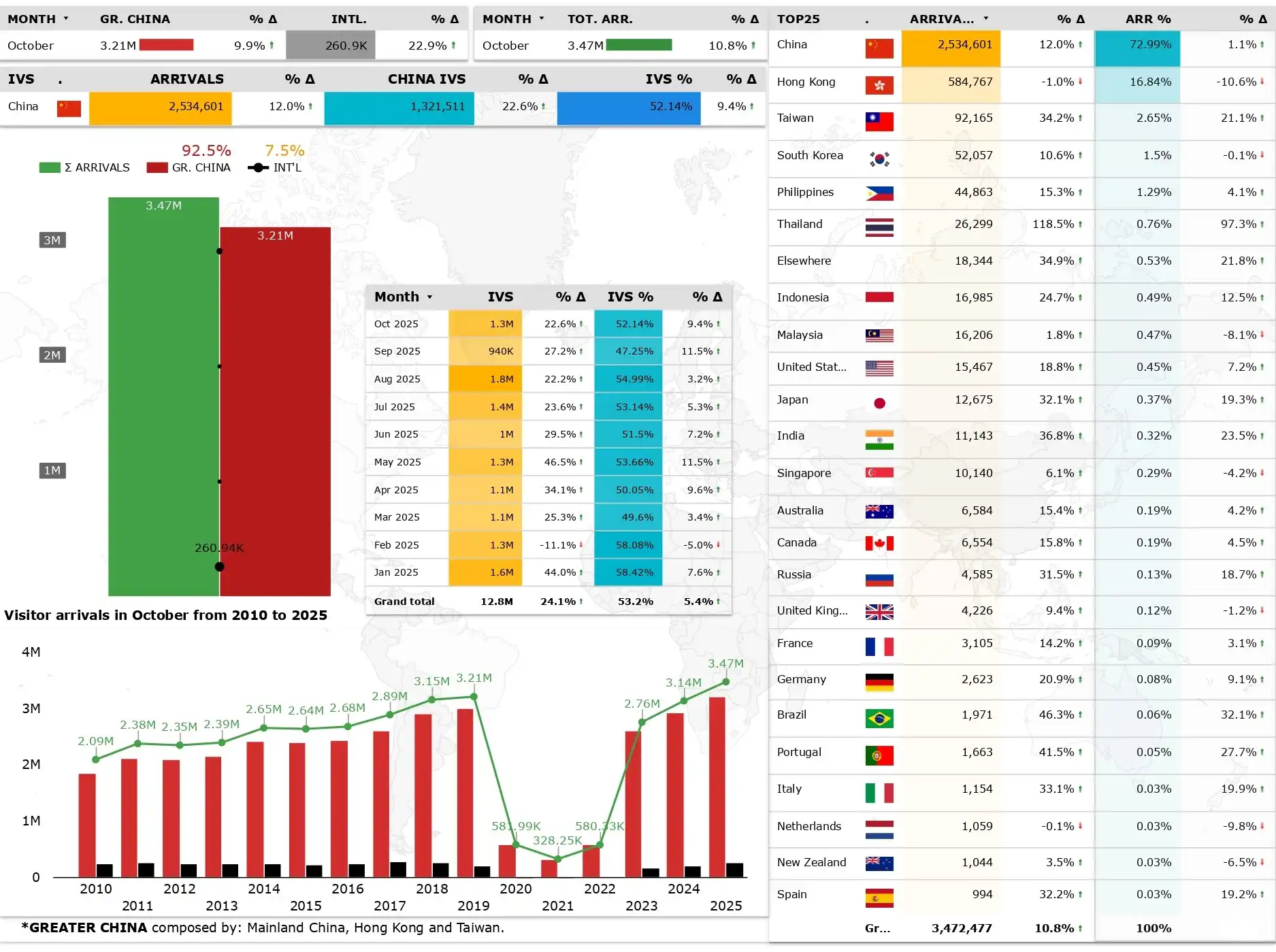
Overseas economic, commercial, tourism and cultural offices will be used to reinforce promotional networks, while operators will be encouraged to stage diversified events and community-based activities.
Authorities will enhance cooperation with major travel and digital payment platforms, enrich “tourism+” cross-sector products, and improve service quality to consolidate Macau’s standing as a World Center of Tourism and Leisure.
Domestically, Tai said the evolution of consumer habits has left some districts recovering more slowly than others, while “the situation of imbalance and insufficiency in Macau’s economic development persists.”
Long-standing structural problems also remain unresolved, particularly the scale and competitiveness of emerging industries. “All these factors raise additional requirements for the work of the economic and financial sector,” he said.
Tai outlined the central work focus for 2026: “full commitment to economic development, concentrated efforts on diversification, proactive action for people’s well-being, and innovation for long-term progress.”
Planning will center on four areas, starting with accelerating adequate economic diversification under the city’s “1+4” strategy. Authorities will intensify investment promotion, optimize the business environment, and establish industrial and guidance funds to steer private capital into long-term strategic sectors.