


Prediction market platform Polymarket paid a network of social media creators to film staged betting videos using replica versions of its website, accumulating more than 140 million views before a Wall Street Journal investigation published on 21 June 2026 exposed the campaign.
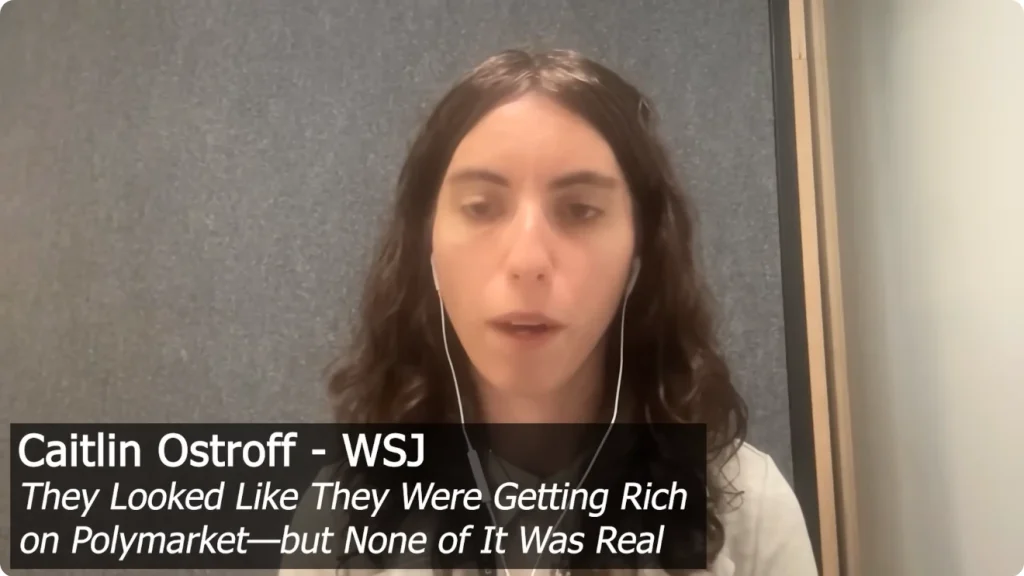
The Journal alleged Polymarket paid “dozens of mostly college-age creators” to film themselves making fake trades and sometimes scoring fake wins. The Journal reviewed 1,105 videos from 10 creators posted between December 2025 and mid-May. A bet appeared in about 70 percent of them. None of the wagers, worth roughly $1.9 million, was real.
The content was created using simulated versions of the platform that closely resembled the live product. Among the counterfeit domains used was poiymarket.com, which featured in 118 videos; the winning trades displayed there totalled around $900,000, yet the identical positions on the genuine platform would have generated losses exceeding $166,000. Once Journal reporters sought comment from Polymarket, the fraudulent domain went offline.
One video posted in January by college student George Makihara showed what appeared to be a $100,000 profit from a wager that U.S. President Donald Trump would say “McDonald’s” during the month. The Journal reported that the clip used footage of Trump speaking the word two months before the bet’s resolution period. More than 50 real Polymarket users reportedly placed the same wager in January and lost.
The distribution operation was systematic. The fabrications extended beyond individual markets. Internal guidance reviewed by the Journal – drawn from a chat archive of close to 20,000 messages – showed marketing firm Virality mandating that all reposts feel spontaneous and authentically personal. Creators were only paid when at least 60 percent of their audience was based in the U.S. That targeting carried a particular edge given that Polymarket has been barred from offering its main prediction market platform to Americans since a 2022 settlement with the Commodity Futures Trading Commission.
The word “free” appeared in nearly a quarter of the analyzed videos, with the line “Is this just free money?” repeated in 27, according to the WSJ. The investigation is the second disclosure controversy to hit Polymarket’s marketing operation within the same month. Politico reported on 5 June that Chief Marketing Officer Matthew Modabber used a personal PayPal account to pay creators who promoted Polymarket odds on X without labeling the posts as paid advertisements. The report found that Modabber sent at least $350,000 to creators or influencers, while the account sent more than $2.5 million to more than 800 people overall.
The Journal also reported that streamer Adin Ross has a multimillion-dollar deal with Polymarket, and that Polymarket paid clippers to promote at least 19 videos discussing how to trade on inside information. Polymarket has said it prohibits trading based on stolen or confidential data.
The story quickly moved beyond trade publications. Popular YouTube investigator Coffeezilla, who focuses on deceptive advertising and financial fraud, published a video titled “140 Million Saw Fake Bets: Polymarket’s Biggest Lie” within days of the Journal’s report, bringing the story to a substantially younger consumer audience and intensifying pressure on the platform’s reputation.
In an official response, Polymarket declared its dedication to “maintaining accurate, fair, and transparent markets” and announced intentions to perform a comprehensive review of its marketing materials. Polymarket refrained from specifically responding to allegations concerning simulated trades or undisclosed compensation arrangements in its official communication.
The campaign ran while the platform was pitching itself to institutional investors including the NYSE’s parent company, ICE, which put $1.6 billion into the company. The regulatory picture is also deteriorating. Kentucky Attorney General Russell Coleman filed lawsuits in state court against both Polymarket and rival Kalshi, accusing both of running unlicensed sports wagering in the state. The House Committee on Oversight and Government Reform has also opened an investigation into potential insider trading on both Polymarket and Kalshi.
A separate WSJ analysis found that just 0.1 percent of Polymarket accounts that have been trading since late 2022 raked in 67 percent of the platform’s total profits. That figure sits in uncomfortable juxtaposition to a campaign that repeatedly asked viewers whether prediction markets represent “free money.”
The irony of the scandal is hard to overstate. Polymarket’s central value proposition rests on the verifiability of its markets. Real trades on the platform run on the Polygon blockchain and settle in USDC, with every position publicly auditable. A platform that markets itself on radical transparency now faces questions about whether its promotional conduct meets the same standard it applies to its markets.