Thailand’s casino-friendly Pheu Thai Party has nominated another member of the influential Shinawatra family as a candidate for the country’s premiership.
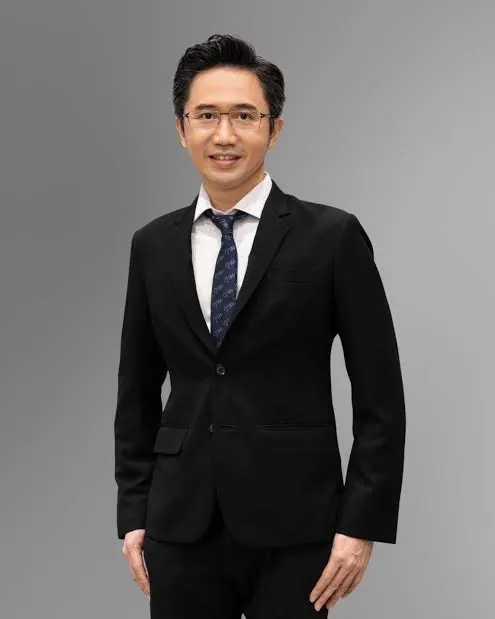
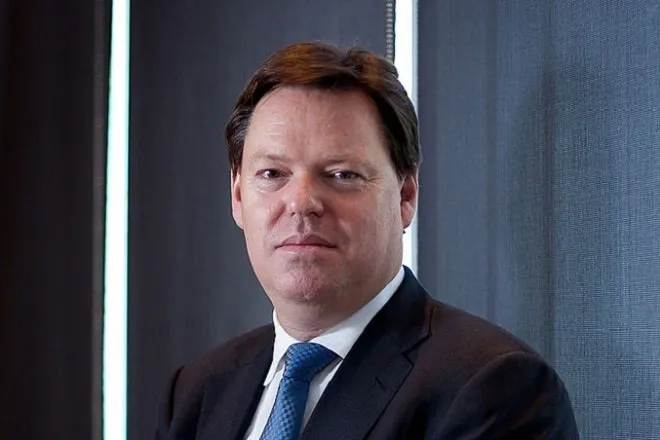
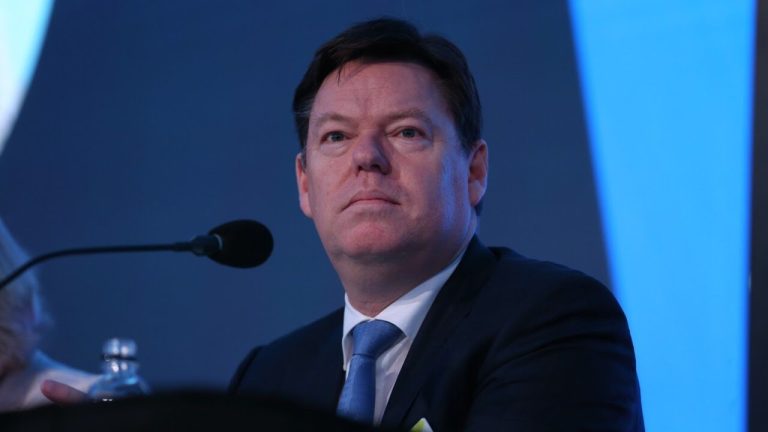
Yodchanan Wongsawat
The party announced on December 16th that Yodchanan Wongsawat, a nephew of former prime minister Thaksin Shinawatra, would be one of its three nominees for prime minister.
The nomination comes as Thailand prepares for a general election on February 8th, following the dissolution of Parliament last week by Prime Minister Anutin Charnvirakul.
The move has stirred political attention, as Thaksin has long been viewed as supportive of economic liberalization initiatives, including backing efforts to legalize gaming industry.
Those efforts gained momentum in the last two year but ultimately fell through amid political turmoil linked to the administration of his daughter, Paetongtarn Shinawatra.
In August, Paetongtarn was removed from office by a court ruling over ethical breaches related to her handling of a border dispute with Cambodia.
Thaksin, who served as prime minister from 2001 until he was ousted in a 2006 military coup, has remained a central figure in Thai politics and is widely regarded as a key driving force behind efforts to legalize the gaming industry in Thailand.
Yodchanan, 46, is the son of former prime minister Somchai Wongsawat and currently serves as an associate professor of biomedical engineering at Bangkok-based Mahidol University. He leads a slate of three Pheu Thai nominees, alongside party leader and former deputy finance minister Julapun Amornvivat and veteran politician Suriya Juangroongruangkit.
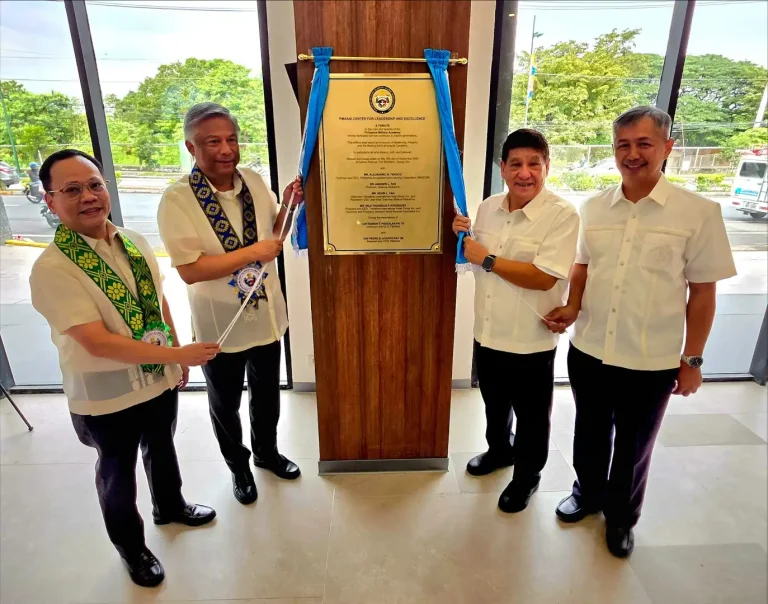
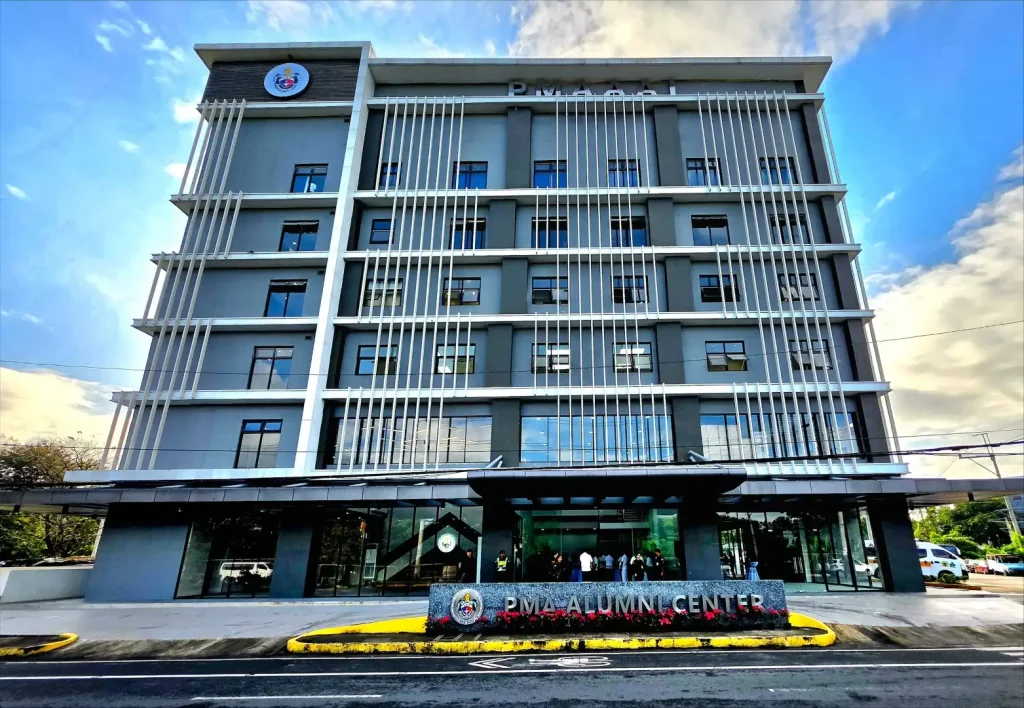
Alejandro H. Tengco, Chairman and CEO of the Philippine Amusement and Gaming Corporation (PAGCOR), spearheaded the blessing and inauguration of the Philippine Military Academy Alumni Association Inc. (PMAAAI) Center for Leadership and Excellence at Fort Bonifacio, Taguig, on Tuesday, December 16.
The completion of the mid-rise, multipurpose facility worth P600 million marked a key milestone for the country’s premier military alumni organization. The center was funded by the Newport World Resorts Foundation which PAGCOR approved and supported in 2024.
The center will house the PMAAAI’s offices and will serve as a venue for leadership development, learning, and fellowship among PMA alumni.
In his remarks, Mr. Tengco said the project moved swiftly from vision to reality, noting that only six months had passed since the second phase of construction was launched in June this year.
“Today, we gather not to imagine what could be, but to inaugurate what now stands before us: the PMAAAI Center of Leadership and Excellence,” Mr. Tengco said.
“We at PAGCOR are deeply humbled for the opportunity to play a role in this journey, made possible by the generosity of the Newport World Resorts Foundation,” he said.
Mr. Tengco said the project is solid proof that nation-building is a shared undertaking by both the public and private sectors.
“The Newport World Resorts Foundation’s support reminds us that nation-building is not the government’s task alone, but a shared responsibility among all sectors of society.”
Newport World Resorts Foundation Inc. Chairman and President Nilo Thaddeus P. Rodriguez congratulated the PMAAAI on the completion of the project, saying it demonstrated the strength of cooperation “when intentions are clear,” and expressed hope that the center would support many years of learning and service.
Mr. Tengco also announced that PAGCOR has also committed to support two major PMA projects next year: the construction of the academy’s first Warfare Laboratory at the PMA General Hospital and the reconstruction of the four-story PMA Processing Center at the V. Luna Medical Center.
For his part, PMAAAI Chairman and CEO Admiral Ramon Punzalan said the new facility represents a long-envisioned home for PMA alumni and a reaffirmation of their lifelong commitment to leadership and public service.
“What we inaugurated this morning is more than a structure,” Punzalan said. “It is a place for leadership rooted in values, excellence, and faithful service to God, country, and people.”
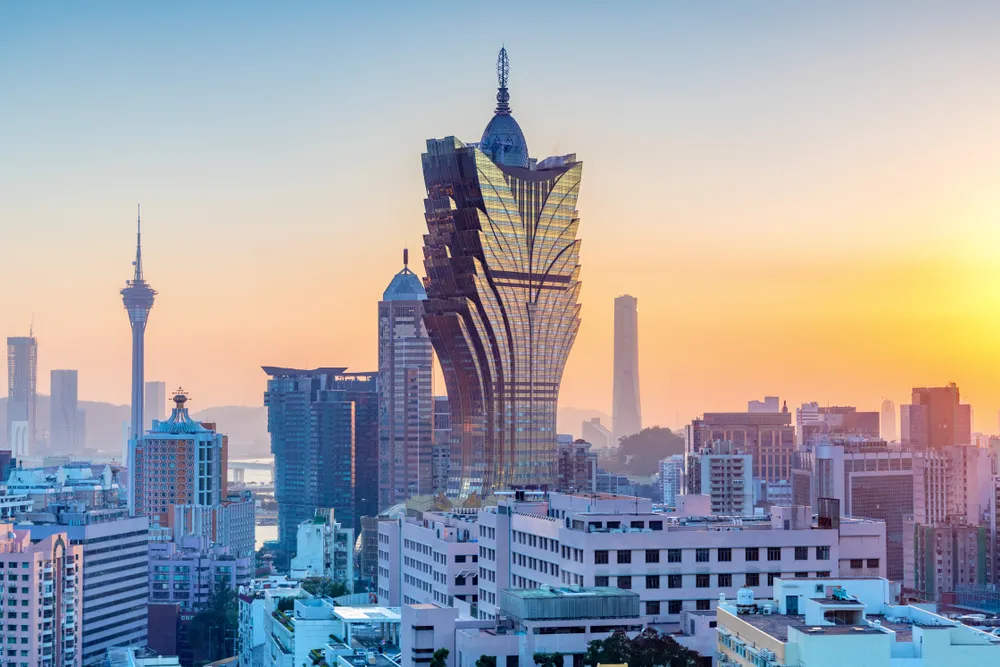
Macau casino operator SJM Holdings is likely to face continued pressure on market share and earnings into 2026, with analysts warning that satellite casino closures, rising competition and structural weaknesses at its core properties will limit growth prospects.
“We expect SJM’s market share to fall further toward 10 percent in 2026, given dilution from satellite closures”, said Samuel Hui, director of APAC corporate ratings at Fitch Ratings, in comments provided to Asia Gaming Brief. Hui said the operator’s recovery will hinge on execution rather than expansion as Macau’s gaming market matures.
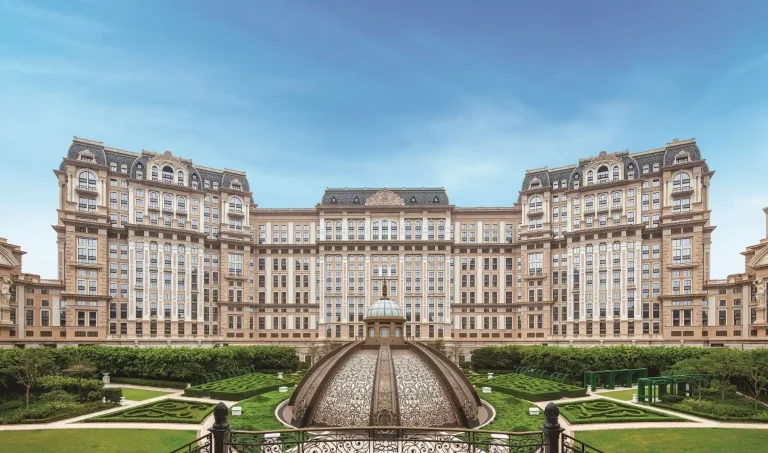
Growth at Grand Lisboa Palace (GLP), SJM’s flagship Cotai resort, is already losing momentum, Hui said, amid intensifying competition from larger integrated resorts.
“GLP’s isolated location and limited facilities with mass appeal weaken its competitiveness against other integrated resorts”, he said. While SJM is pursuing initiatives to improve connectivity, food and beverage, retail and event offerings, Hui cautioned that “its effectiveness in materially increasing market share remains uncertain”.
Academics also point to operational shortcomings at SJM’s legacy properties on the Macau peninsula.
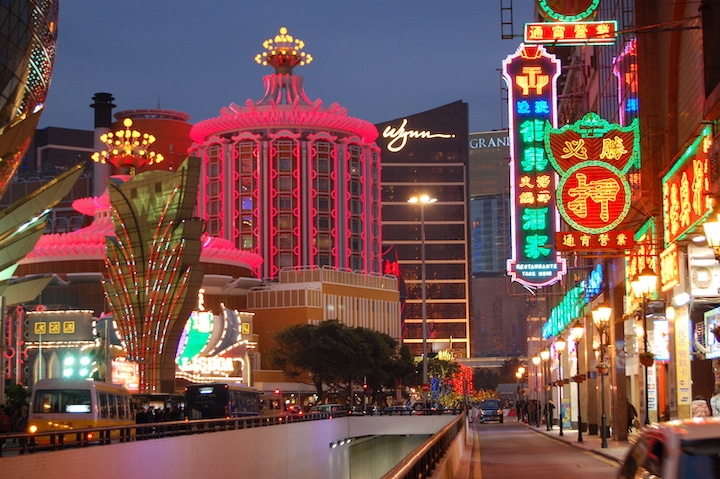
“Despite its emphasis on Macau’s heritage, iconic architecture and the display of cultural items, Grand Lisboa appears to have a confusing layout without a singular and clear center of attraction,” said Carlos Siu Lam, associate professor at the Gaming Teaching and Research Center of the Macao Polytechnic University. He added that customer service “seems to lag behind that of others”.
Satellite consolidation reshapes strategy
The analysts’ assessments come as SJM restructures its operations following the phased shutdown of satellite casinos under revised gaming laws. These venues — which operate inside hotels not owned by concessionaires — must either be brought under direct control or cease operations by the end of the year.
Hui said the relocation of tables and machines from closing satellites into SJM’s self-owned properties could help preserve part of its customer base and improve margins.
“We believe a significant portion of satellite customers will still be better served by SJM’s self-owned properties, such as the recent reopening of Casino Lisboa’s gaming area, given similar product offering”, he said.
SJM has intensified marketing efforts since the fourth quarter of 2025 to recapture lost traffic. Fitch assumes the group will retain around 50 percent of remaining satellite casino gross gaming revenue (GGR), inclusive of operations from its acquisition of Casino L’Arc.
Retaining that share will be critical, Hui said, as SJM absorbs about 4,000 satellite staff back onto its payroll. “Retaining such market share, while generating a higher margin, will be crucial to offset the increase in operating cost”, he explained.
Cost relief is expected to be gradual. Hui said SJM could benefit “through natural attrition and redeployment of the additional satellite staff over the coming years”.
Siu said some peninsula properties could benefit disproportionately from consolidation. “Oceanus is likely to benefit from the closing of the multiple satellite casinos due to their similar targets and policies”, he noted, adding that with “a clearer image and improved customer experience, the relocation of tables and machines may pose opportunities for improved business performance”.
Base mass focus limits differentiation
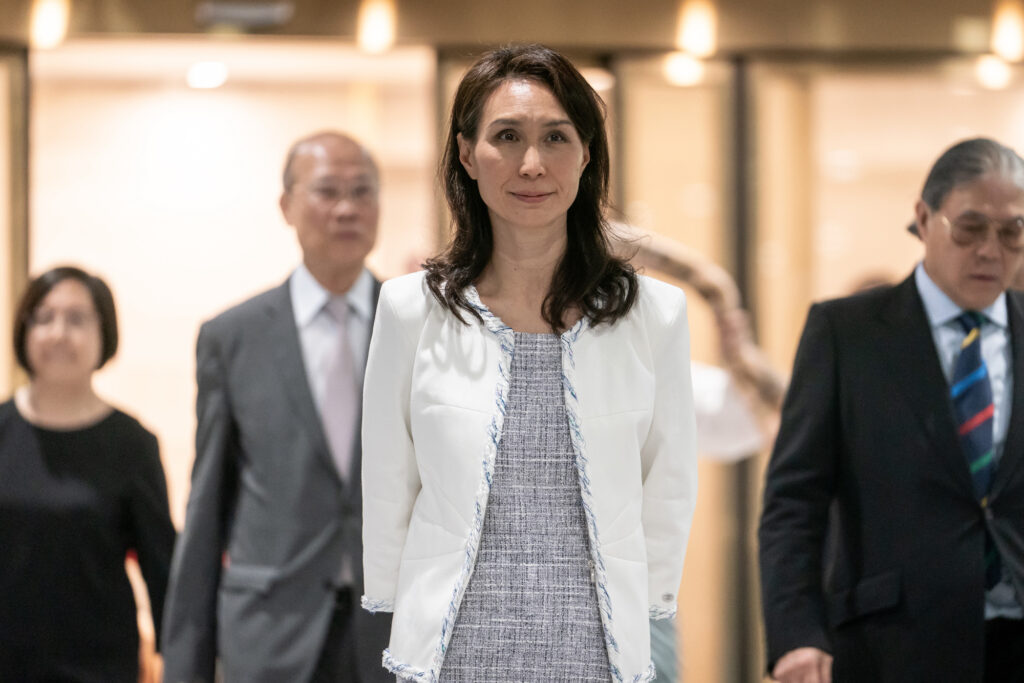
Daisy Ho, Chairman and Executive Director of SJM
Both analysts said SJM’s peninsula-focused strategy leaves it targeting different customer segments from Cotai’s integrated resorts, but also caps its upside.
“Already [it is] targeting different segments, with SJM’s portfolio focusing more on base mass,” Hui said, noting that this differentiates the group from Cotai operators but exposes it more directly to price-sensitive customers.
Siu said SJM has been working to improve operational efficiency and appeal to the mass market through bundled offerings and better use of existing assets.
“With the high capital expenditure and slow market gains, its earnings have been gradually improving,” he said, adding that SJM has been making greater use of its hotels, food and beverage outlets and Yaohan department stores to lift non-gaming revenue.
Hui, however, said non-gaming income is unlikely to materially change the earnings profile. “Non-gaming revenues are expected to remain a small portion, below 10 percent,” he said.
Partnerships and events to support peninsula play
To strengthen its competitiveness, SJM has also pursued partnerships and themed attractions, analysts said.
“SJM appears to be making use of the ‘Macau Palace’ floating casino and restaurants along with the food streets to focus on its peninsula strategy,” Siu said, adding that collaborations with third parties to host themed events — including family-oriented attractions — could help draw additional foot traffic.
The strategy aligns with management’s emphasis on revitalizing core assets such as Hotel Lisboa. Hui said recent references by SJM’s Chairman Daisy Ho to a “new operating framework” and “revitalized zones” relate mainly to satellite closures and the reopening of the Crystal Palace gaming area at Hotel Lisboa, rather than a broader transformation.
The structural issues flagged by analysts were reflected in SJM’s 3Q25 results. Profit attributable to owners plunged 91 percent year-on-year to HK$9 million (US$1.16 million), while group GGR fell 4.7 percent to HK$7.14 billion ($919 million).
Market share declined to 11.8 percent from 13.9 percent a year earlier, largely due to a sharp drop in satellite casino contributions.
Chairman and Executive Director Daisy Ho has described the disruption from satellite closures as “inevitable”, saying the group is “actively realigning resources — both people and tables — to strengthen core operations” and positioning SJM for a more “integrated and resilient platform” in 2026.
Analysts remain cautious, however, warning that the path to stabilization will depend on disciplined execution rather than a return to rapid growth, as SJM seeks to defend its historic base in an increasingly competitive Macau market.
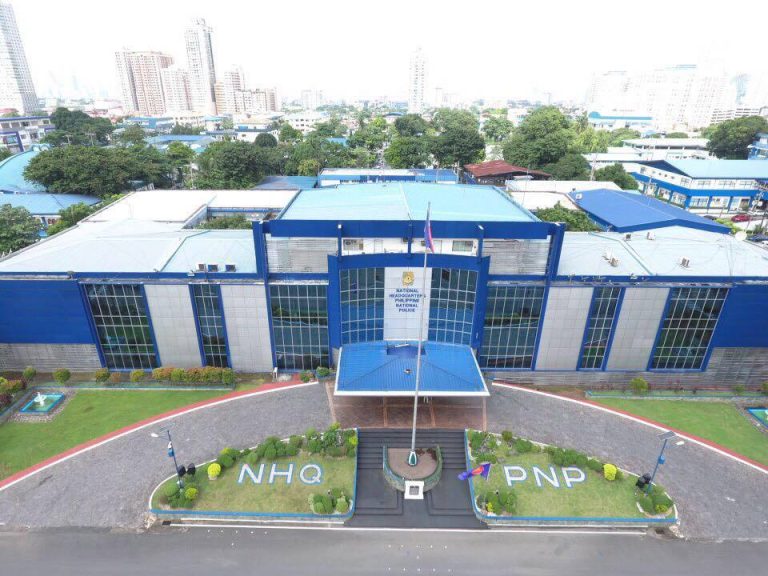
The Philippines police has been ordered to intensify patrols and intelligence operations against illegal Philippine Offshore Gaming Operators (POGOs) in its ongoing crackdown on the sector after it was banned from January 1st of this year.
In a Monday statement, the Acting Philippine National Police Chief indicated that federal and state units were to increase their monitoring of coastal and border areas, after reports that criminal syndicates were trying to relocate operations and recruit victims via illegal travel routes.
In particular, the reports indicated that sea routes from Palawan to Sabah, then overland to Malaysia, were being used to get to destinations such as Myawaddy, Maynmar, or Phnom Penh.
Cited by the Philippine News Agency, the official noted that “We are working with the intelligence community and our foreign counterparts in relation to this information. But I have already instructed concerned police offices to intensify patrols along backdoor routes that may be exploited by syndicates to continue their illegal POGO operations”.
Philippine-listed DigiPlus Interactive Corp. said it is regaining momentum in its online gaming business, with revenues showing consistent improvement in recent months as the company accelerates platform upgrades and bolsters player protection measures.
The firm, formerly known as Leisure & Resorts World Corp., highlighted disciplined execution and targeted initiatives across its app-based platforms, which it said have enhanced resilience and user experience.
Among the measures, DigiPlus rolled out a surety bond program with PhilFirst Insurance to safeguard player funds, aiming to reinforce confidence in its digital ecosystem. It also expanded its payment network by partnering with Bayad and Pay&Go, accredited by the Bangko Sentral ng Pilipinas, to provide more convenient cash-in and cash-out options.
Strengthening compliance and responsible gaming
In anticipation of tighter oversight, DigiPlus said it is refining advertising and marketing practices to ensure campaigns remain responsible and avoid reaching minors or vulnerable groups.
The company is also expanding its responsible gaming initiatives, including self-exclusion tools, educational campaigns, and collaborations with mental health and financial literacy experts.
Chairman Eusebio Tanco assured investors that the company’s operating performance and regulatory standing remain stable, with financial results tracking in line with expectations. “DigiPlus remains focused on disciplined capital allocation and long-term value creation,” he said.
The Philippine gaming sector has faced heightened scrutiny in recent years, with regulators tightening rules on online platforms to address concerns over consumer protection and financial integrity.
The company saw a 59 percent drop in net income for the third quarter, to PHP1.71 billion ($29.1 million). Revenue for the period contracted 23 percent year-on-year to PHP19.05 billion ($325 million), while EBITDA fell 55 percent to PHP2 billion ($34.1 million). The company attributed the declines to ‘temporary disruptions in player activity and transaction volumes’, after the Bangko Sentral ng Pilipinas (BSP) ordered e-wallet providers in August to delink in-app access to licensed gaming sites.
Macau is projected to receive approximately 39 million visitor arrivals by the end of 2025, marking a full recovery to pre-pandemic tourism levels, according to Maria Helena de Senna Fernandes, Director of the Macao Government Tourism Office (MGTO).
Speaking to the media during the 2025 World Tourism Economy Forum, Senna Fernandes revealed that the city recorded 36.5 million visitor arrivals between January and November this year. The new forecast, made just two weeks before year-end, would see Macau match its historic peak of 39.4 million visitors achieved in 2019.
International visitor numbers are expected to recover to approximately 80 percent of pre-pandemic levels. “We hope to attract more international tourists in the future through Macau’s own efforts, collaboration with the Greater Bay Area, and partnerships with different provinces and cities in mainland China,” Senna Fernandes said.
The tourism chief outlined plans to establish tourism and trade representative offices in Southeast Asia and Northeast Asia next year, as stated in the government’s Policy Address. These offices will serve as key development points for expanding Macau’s international reach.
Senna Fernandes highlighted new opportunities arising from China’s transit visa exemption policy for international travelers, which enables deeper cooperation between Macau and mainland Chinese cities beyond the Greater Bay Area. The policy opens possibilities for exploring new multi-destination tourism routes and joint travel packages with cities across China.
Maintaining service quality remains a priority for Macau’s tourism sector. The city was ranked first in the “2024 Top Ten Destinations for Chinese Outbound Tourist Satisfaction” survey released by the China Tourism Academy this year.
During the forum, which focused on “New Quality Productivity: New Engine for the World Tourism Economy,” Senna Fernandes emphasized the importance of cross-sector integration. She noted that Macau aims to develop new growth areas by combining tourism, culture, major sporting events, and entertainment to enrich visitor experiences.
The official said Macau’s tourism authorities plan to strengthen both traditional and digital marketing efforts to attract a wider base of international visitors through multiple channels.
Macau’s gross gaming revenue (GGR) in December is expected to accelerate, delivering year-on-year growth of between 13 percent and 21 percent, supported by stable mass-market demand and a recovery in VIP volumes despite recent volatility in win rates, according to Macquarie Research.
If realized, Macau’s fourth-quarter 2025 performance would stand out. October GGR reached its highest level since the pandemic, with a 15.9 percent year-on-year increase. November also exceeded seasonal expectations, posting a 14.4 percent year-on-year rise. The growth is much higher than the general forecast for the one-digit GGR growth for the full year of 2025.
In a research note published on December 15th, Macquarie said that while weekly GGR declined 12 percent week-on-week due to a lower VIP win rate, overall performance remained resilient, with weekly revenue still up 12 percent year-on-year.
Based on an assumed daily GGR of between MOP640 million and MOP720 million ($79.4 million to $89.3 million) for the remainder of the month, December GGR is projected to reach between MOP20.6 billion and MOP22 billion ($2.56 billion to $2.73 billion), representing a 13–21 percent annual increase.
The report, authored by analysts Linda Huang and Becky Cai, noted that Macau’s average daily revenue was approximately MOP650 million ($80.6 million) last week. The week-on-week decline was primarily due to a weaker VIP hold, with VIP win rates estimated at 2.3-2.7 percent, compared with 3.3-3.5 percent in November.
Despite this, both the mass and VIP segments recorded higher activity levels compared with the previous month, with mass-market average daily revenue rising 3 percent to 5 percent and VIP average daily revenue increasing 4 percent to 6 percent versus November levels.
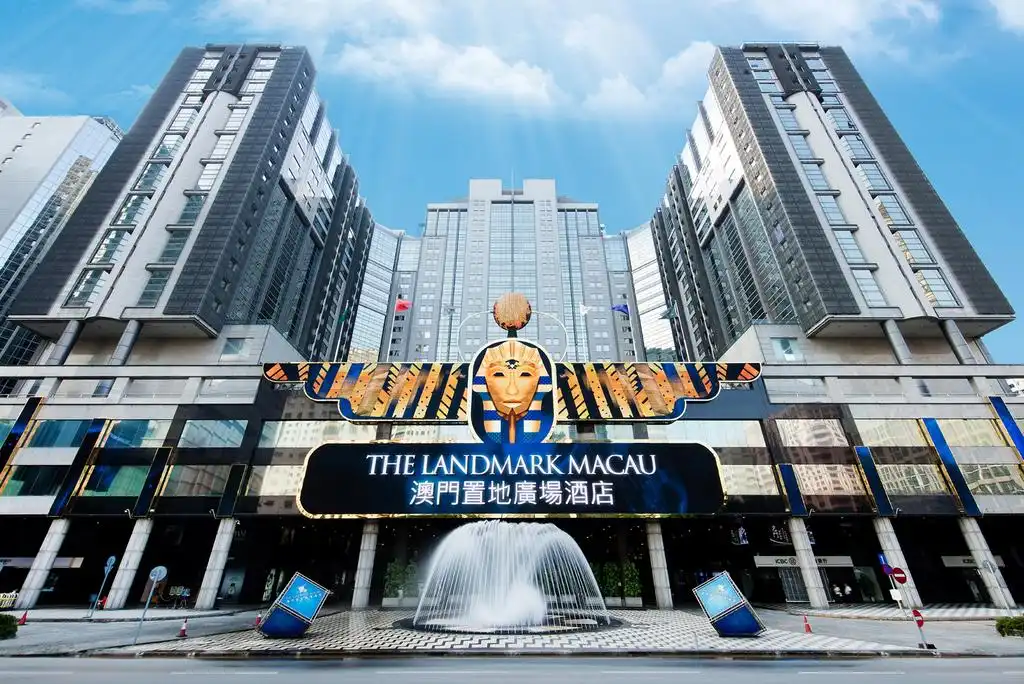
Macquarie added that December’s performance underscores the continued normalization of Macau’s gaming market, with demand holding up despite short-term fluctuations in VIP play. The brokerage also highlighted structural changes within the market, including the impending closure of Casino Landmark at the end of December. This will mark the shutdown of all remaining satellite casinos, except Casino L’Arc, which is currently undergoing an acquisition process.
While SJM expects the reallocation of gaming tables to existing properties to improve margins, Macquarie cautioned that the exit of satellite casinos could result in a 1 percent loss of market share for the operator. The report noted that intensifying promotional activities by competitors could further heighten market competition. ‘With Sands China ramping up its promotional activities, we believe competition for market share will intensify further next year’, the analysts said.
Looking beyond gaming revenue, Macquarie also anticipates a recovery in global luxury demand, which could provide an additional growth driver for Macau’s integrated resort operators. The brokerage expects improving luxury consumption trends to support mall retail businesses within casino resorts, adding another dimension of earnings potential alongside gaming operations.
For the period ahead, Macquarie said it remains more optimistic about Macau’s 2026 GGR outlook than the government’s current projection, forecasting mid-single-digit growth for the full year. The firm expects GGR growth to remain in double digits in the first quarter of 2026 due to a low comparison base, before moderating from the second quarter onward as base effects normalize.
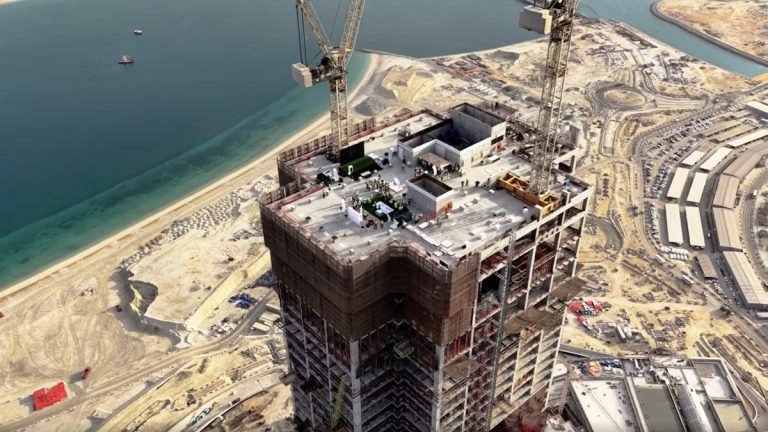
Wynn Al Marjan Island has announced it finished its project’s topping out, a ‘defining milestone’ for what will be the UAE’s first integrated resort.
‘Rising to 283 meters across 70 floors, the tower has now reached its highest structural concrete point just 27 months after foundation works began. When its spire is installed in 2026, the tower will reach 352 meters, becoming the tallest man-made structure in Ras Al Khaimah by more than 100 meters, a powerful marker of the ambition behind this project’ the group announced.
The project also indicated its timeline is in line to be able to receive guests in Spring 2027, with all tower structural concrete complete and nearly all guest-room structures finished as of late November 2025.
Wynn Resorts recently revealed that 67 percent of its defined $5.1 billion budget for its Wynn Al Marjan Island integrated resort had either been spent or contractually secured.
Wynn Resorts estimates the UAE could generate $3–5 billion in annual gaming revenue once three integrated resorts are operating. Based on its modelling, Wynn Al Marjan Island is expected to produce between $1 billion and $1.7 billion in gross gaming revenue at steady state.
The company projects annual property EBITDAM of $500–800 million, implying a project return of 9.8–15.7 percent and a return on equity of 16.7–34.3 percent after the resort’s typical three-year ramp-up period.
Good Morning. Leadership can be a fluid thing. In the case of The Star, this has been particularly prominent. Now, the group has announced that its CEO and Managing Director, Steve McCann, is leaving, effective immediately, just weeks after the Bally’s/Investment Holdings investment was approved. Looking at Macau, the closure of satellite casinos is prompting operators to lower minimum bets at baccarat tables, hoping to get more punters in the door. Looking to the Philippines, timelines and estimated gains on the privatization of Casino Filipino are still on track, as PAGCOR moves closer to pure regulator status.
Australia’s The Star Entertainment Group has announced that its CEO and Managing Director Steve McCann is leaving the company, effective from today. The executive had only held the role for a little over a year, facing the significant challenges required for the joint investment by Bally’s and Investment Holdings to go through, as well as weathering the group’s financial troubles.
Australian gaming operator The Star has announced that its Group CEO and Managing Director Steve McCann will be leaving the roles, effective from December 16th.
McCann was appointed to the dual role in December of 2024, amongst a tumultuous period for the group due to significant financial difficulties and regulatory constraints.
The group indicated that Executive Chair Bruce Mathieson Jr ‘will take on additional duties […] while a search for a permanent CEO is conducted’. McCann also agreed to ‘remain available to assist the company through a handover period in relation to government and regulator interaction until 8 July 2026’.
McCann’s departure comes just weeks after the group received regulatory approval by both the New South Wales and Queensland governments for a AU$300 million ($193.5 million) investment by Bally’s and Mathieson-controlled Investment Holdings.
This resulted in a change to the company’s board, including the appointment of Bruce Mathieson Jr as Chairman of the Board, alongside appointments of Soo Kim and George Papanier as Board members nominated by Bally’s.
Speaking of McCann’s departure, Mathieson Nr noted that “Steve joined at a time of crisis for The Star and has helped to deliver a critical financial reset for the business and successfully progressed our Remediation Plan, which have laid the foundations for The Star’s long-term future success.”
McCann stated that “The strategic investment by Bally’s Corporation and Investment Holdings Pty Ltd provides an opportunity for The Star to move in a new direction and pursue a pathway to recovery and future growth. Now is the right time for new leadership to be put in place with the experience and passion to build on that momentum and take The Star forward.”