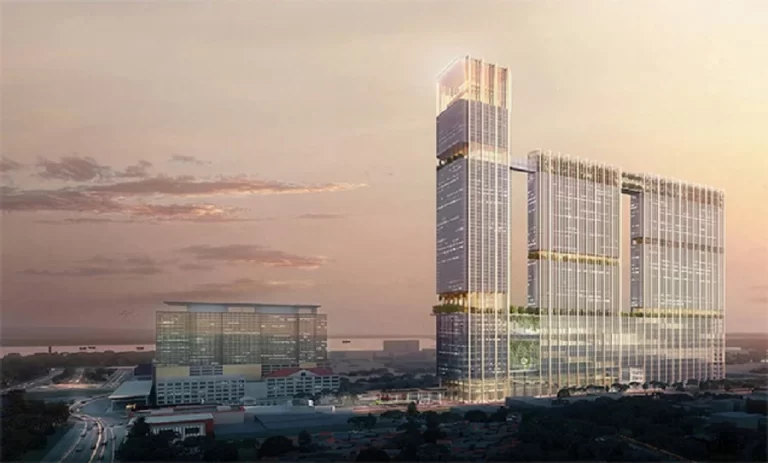
NagaCorp, operator of Phnom Penh’s leading integrated resort, NagaWorld, has announced the termination of a subscription agreement to help fund its $3.5 billion Naga 3 expansion.
Despite the termination of the agreement, the company indicated that it ‘intends to continue with the development of the Naga 3 Project’.
The agreement was signed in 2019 and encompassed the group’s then-controlling shareholder Dr. Chen Lip Keong contributing 50 percent of the expected costs for the build-out, around $1.76 billion, as well as any potential cost overruns.
This was to be settled by way of a rights issue of settlement shares at a price of HK$12 ($1.54) per share for the controlling shareholder. The rest was set to be ‘funded by internally generated funds’.
The filing on December 15th of this year indicated that there was a deed of mutual termination of the agreement signed, waiving claims in connection with the subscription agreement.
Due to the termination, the cash advances already provided – totaling $316 million paid by the subscriber – has been ‘forfeited and taken to reserves’, and no settlement shares would be issued.
The group notes that, given it will continue the development of the project, it ‘will evalute the remaining development plan of Naga 3 and explore alternative sources of funding, if necessary’.
NagaCorp had previously announced that it was pushing back the completion of Naga 3 by four years, to September of 2029, after previously expecting its completion by September of 2025. This also included a project resize.
Initially the project was expected to elevate the resort’s offerings to 5,000 hotel rooms, 1,300 gaming tables and 4,500 electronic gaming machines.
All three recommended bidders for casino licenses in downstate New York City have received final approval from the New York State Gaming Commission.
Following a Monday meeting by the commission, the Bally’s Bronx project at Ferry Point, Hard Rock’s Metropolitan Park at Citi Field, and Resorts World New York City in South Ozone Park were officially greenlighted.
The Genting Group’s Resorts World New York City is expected to be the first to offer live table games, as early as March of 2026, given that it’s expanding its current property which hosts a video lottery terminal. The estimated price tag of the expansion is around $5.5 billion.
Each of the three bidders must pay a $500 million licensing fee and pledge a minimum of $500 million in capital investments.
In a statement, New York Governor Kathy Hochul noted that “The three approved casinos will generate billions of dollars for the MTA (metropolitan transportation authority) and education, create tens of thousands of jobs and deliver real benefits to their surrounding communities.
Each of the projects made significant commitments to their communities and to New York State, and the Gaming Commission was clear that they will hold these projects accountable and make sure they keep their promises”.
The approval for the bids had to be completed by December 31st.
New Zealand and Australia gaming operator SkyCity Entertainment has announced the resignation of its Chief Risk Officer, Carolyn Kidd.
Carolyn Kidd
The company indicated in a Tuesday filing that Kidd ‘has tendered her resignation and will leave the business on 31 January 2026’.
The executive initially joined SkyCity as its Chief Risk Officer in April of 2023, having previously served as Chief Risk Officer for Westpac New Zealand. She also held the same role in Bankwest Commonwealth Bank, as well as at Sovereign insurance (later purchased and rebranded as AIA NZ).
Speaking of the departure, SkyCity’s CEO Jason Walbridge stated, “Carolyn has played an essential role in strengthening SkyCity’s risk capability in New Zealand and South Australia, including uplift across host responsibility, financial crime, and enterprise risk management”.
In its statement, the company indicated that it ‘remains firmly committed to developing its long-term risk transformation program and continues to build on the foundations now in place’. While not as extensive as the AML/CTF failings identified by authorities in Crown Resorts and The Star, SkyCity also faced non-compliance issues, resulting in strong remediation procedures.
In August, the group was allowed to retain its Adelaide casino license despite authorities finding ‘significant failings’. In November, the group secured a 15-year renewal of its casino venue license in Queenstown, New Zealand – starting December 7th.
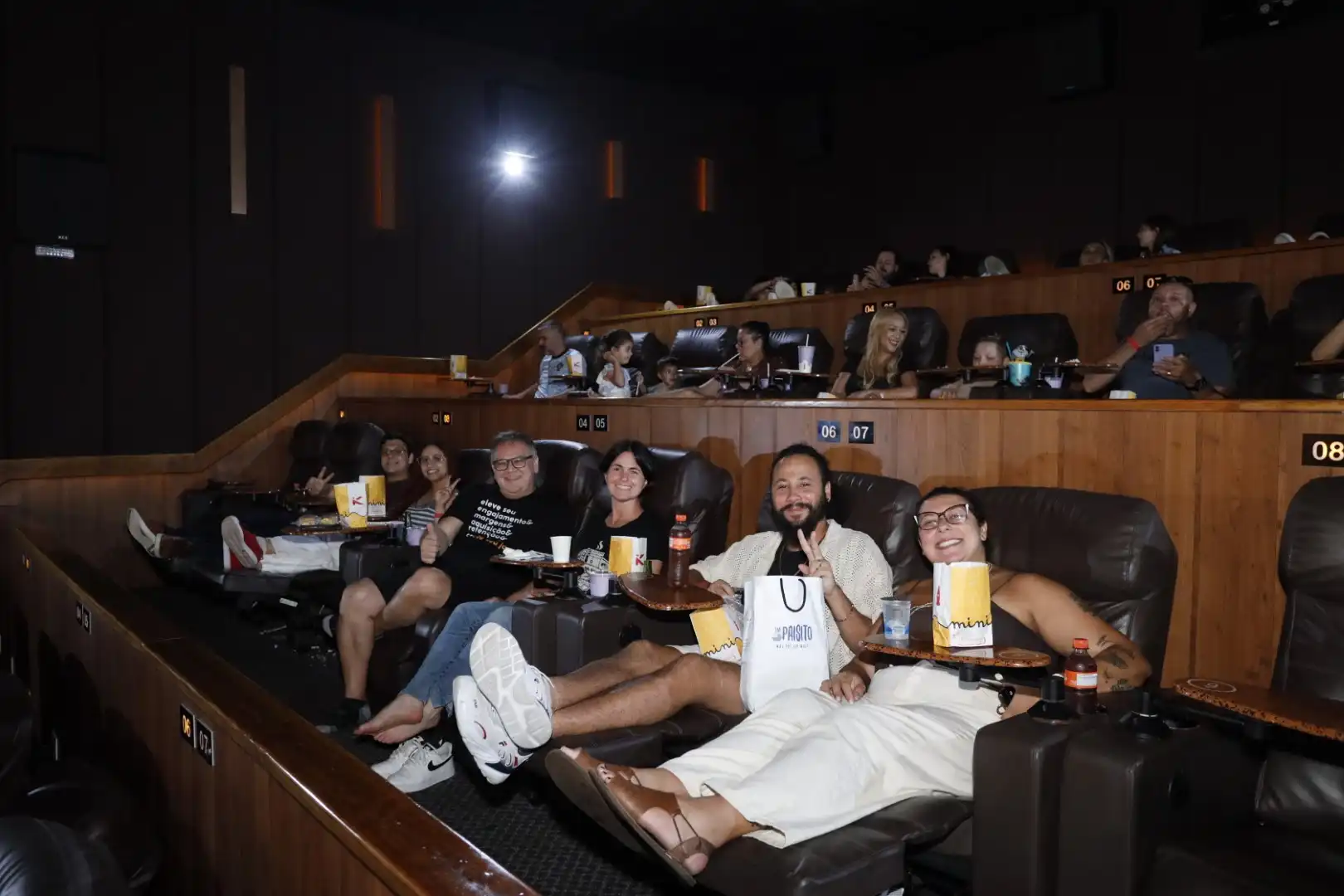
SOFTSWISS hosted an exclusive SOFTSWISS Cinema Club event in Malta and Brazil for the second time this year. The company brought together key partners, influencers, and media for the world premiere of ‘Zootopia 2’.
The SOFTSWISS Cinema Club is an exclusive series of events for SOFTSWISS partners, which brings the industry community together to watch world movie premieres in a relaxed setting. The event’s key message is simple: business goes beyond numbers. At the heart of every successful company are people: their relationships, trust, and shared experiences.
The final screening event of the year reinforced this idea by fostering a warm, welcoming environment for partners and their families. A relaxed viewing format, a dedicated kids’ table, and special gifts encouraged guests to connect outside the usual business context.
Zootopia-themed snacks and a branded photo zone, along with face-painting by a professional artist who turned kids into adorable little animals, brought the movie spirit to life and turned the cinema club into a joyful, family-first experience.
Valentina Bagniya, CMO at SOFTSWISS
“For us, the SOFTSWISS Cinema Club is about creating a moment where people feel seen, welcome, and connected, not as colleagues or partners, but simply as humans. We’re grateful to share these warm, family-first evenings with our community, because trust is built through experiences like this,” said Valentina Bagniya, Chief Marketing Officer at SOFTSWISS.
The December family screening generated a wave of feedback on social media. Guests shared warm photos taken in the specially designed soft-light setting and posted heartfelt messages of gratitude for the cosy atmosphere and sense of togetherness the evening created.
Following the success of the F1: The Movie screened this summer, the company continued to develop the SOFTSWISS Cinema Club, bringing the community together to watch ‘Zootopia 2’. This momentum reflects the strength of the SOFTSWISS marketing approach: in 2025, the marketing team was named Marketing Team of the Year at the EGR Marketing & Innovation Awards, and CMO Valentina Bagniya was recognised as B2B Marketer of the Year.
The organizing committee of the Regulating the Game Global Awards 2026 has announced that nominations are now officially closed, marking a strong and diverse field of submissions from across the global gambling, regulatory, compliance, and technology sectors.
The Global Awards recognise outstanding leadership, innovation, integrity, and impact across six categories, celebrating individuals and organisations shaping a more responsible, resilient, and forward-looking gambling sector.
This year’s nominations reflect the increasingly international reach of Regulating the Game, with submissions spanning multiple jurisdictions and sectors, including regulators, operators, technology providers, researchers, and community-focused organisations.
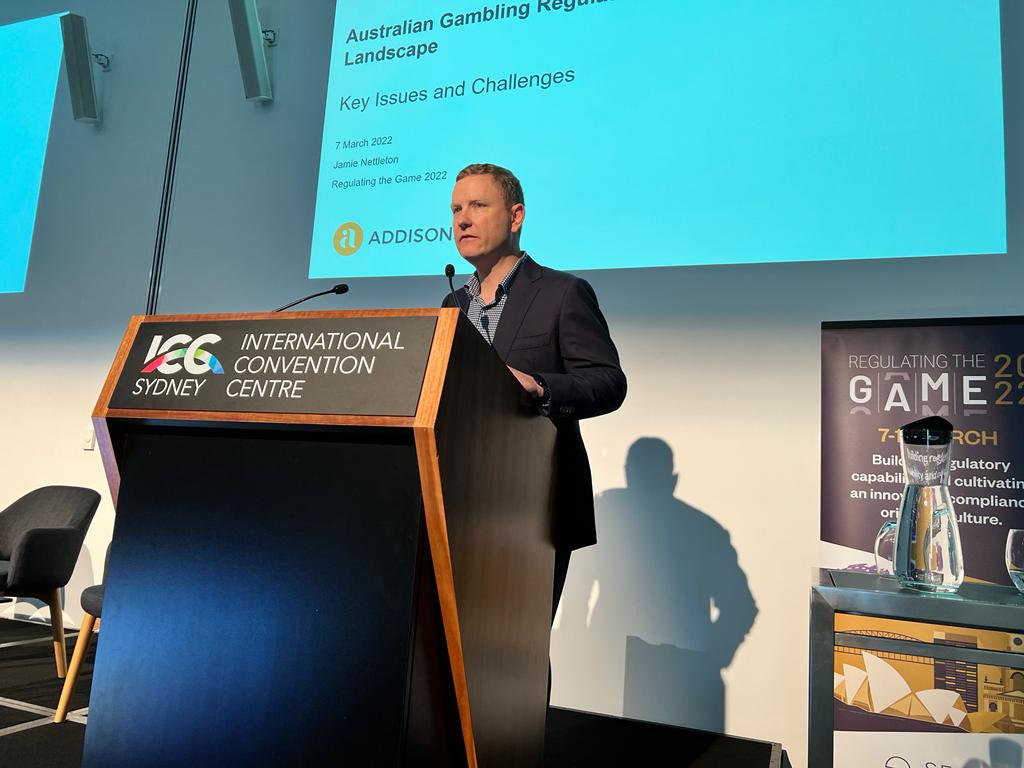
The independent assessment and shortlisting process is now underway. Shortlisted finalists will be announced on 2 February 2026 and will be formally recognised at the Regulating the Game Global Awards & Gala Dinner in Sydney.
Paul Newson
Paul Newson, Principal at Vanguard Overwatch and Founder of Regulating the Game, said: “As the inaugural Regulating the Game Global Awards, the breadth and quality of nominations received speaks to the strength of the global conversation around regulation, compliance, integrity, and safer gambling. We’re grateful to everyone who took the time to nominate and look forward to announcing the shortlist in February.”
The Global Awards form a centrepiece of Regulating the Game 2026, bringing together regulators, policymakers, industry leaders, innovators, and advisors from around the world to recognise excellence and progress across the sector.
Further details, including shortlisted finalists, will be released on 2 February 2026.
For further information on sponsorship, exhibition opportunities, Pitch!, and conference registration, visit www.regulatingthegame.com or contact the RTG team.
Logifuture, a leading innovator in iGaming solutions, has unveiled its first-ever Logifuture Wrapped, offering in-depth insights into sports betting fan behaviour.
Logifuture Wrapped showcases annual data from some of Logifuture’s biggest partner brands to highlight sports betting trends across the year. The first Logifuture Wrapped focuses on Bet9ja – Nigeria’s biggest sportsbook and casino, which is powered by Logifuture technology, from what was a record-breaking year for the brand.
The research revealed that, among Bet9ja players, the English Premier League was the most popular league to bet on, ahead of Spain’s La Liga and Italy’s Serie A. Other data points included:
Most Backed EPL Team in 2025 (% of Bets) – Liverpool;
Least Backed EPL Team in 2025 (% of Bets) – Wolves;
Best Value EPL Team in 2025 (Odds vs Payout) – Brentford;
Worst Value EPL Team in 2025 (Odds vs Payout) – Manchester United.
However, the most popular team to bet on globally was Real Madrid.
Accumulator bets were very popular among Nigerian sports fans, with the average number of selections per bet at 10.19.
Logifuture Head of Content and Social Media Tom Beck, said: “What we learned is that form and momentum matter more than legacy at the ticket window, but players still emotionally back global brands even when returns don’t justify it. You see that split in the data. Manchester United were backed on reputation while Brentford delivers actual value for disciplined bettors.”
“When players want certainty, they follow pedigree. Real Madrid was our most popular team to bet on in 2025, which reflects how confidence shapes selection.”
“The metric that stood out to me the most was the average selections per betslip: 10.19. It shows an attitude to playing that is aspirational, where players are willing to stack outcomes for the chance of life-changing returns.”
Casino, virtual sports and BOOM!
Logifuture powers Bet9ja with a full suite of casino games as well as its flagship virtual products, Simulate and Zoom Soccer.Bet9ja is also the exclusive home of betBOOM, which randomly amplifies the odds of players’ betslips up to a 100x multiplier.
Logifuture Wrapped highlighted headline payout data of what some players received.
Zoom Soccer biggest win: N19.8 million (~£10,000);
Simulate biggest win: N9.9 million (~£5,000);
betBOOM biggest win: N47.2 million (~£24,400);
Sportsbook biggest win: N58.7 million (~£30,300);
Casino biggest win: N79.2 million (~£40,900).
Beck added: “The results show what that means in practice: 10,000+ players became millionaires through betting in 2025. For context, NGN 1 million is approximately £515.”
“Our largest traditional sportsbook win came through football markets. Casino eclipsed everything at N79.2 million. Our players are no longer specialists in one product. They’re portfolio operators, rotating between verticals based on appetite and opportunity.”
“This is a mature market now. The diversity of wins across categories tells me our players have real options and the confidence to use them.”
ENJOY has strengthened its market access through a new partnership with SoftGamings, bringing its slot and live casino portfolio to one of the industry’s leading aggregation platforms.
The deal sees ENJOY’s content, including standout releases Hotfire Diamonds, Bison Strike and Grand Lightning, made available to SoftGamings’ extensive network, reinforcing the studio’s strategy to deliver its titles across multiple markets.
The integration is the latest in a string of alliances with key industry stakeholders, and reaffirms the studio’s commitment to innovative design, technical reliability and long-term commercial impact.
Christos Zoulianitis, Chief Commercial Officer at ENJOY, said: “This new partnership firmly places ENJOY’s games in front of a wider audience seeking proven, high-quality entertainment. SoftGamings has established itself as a trusted distribution partner, and this collaboration supports our focus on sustainable, global growth.”
Inna Lukina, Head of Partnerships at SoftGamings, added: “ENJOY delivers strong, player-focused content that stands out for both its technical execution and playability. Adding its titles to our platform offers our clients access to a brand with clear creative direction and momentum.”
India’s Digital Personal Data Protection (DPDP) Act is set to reshape one of the country’s fastest-growing digital sectors – video gaming. As the number of gamers in India crosses the 500 million mark, the Act ushers in a new era of transparency, stricter data responsibility for Data Fiduciaries, and deeper user trust for Data Principals.
The DPDP Act introduces stronger consent and data minimisation requirements, enhanced safeguards for children’s data and higher compliance expectations for large gaming platforms. Studios must now offer clear, granular consent journeys that give players full visibility into what data is being collected and why.
This recalibration is expected to affect analytics, personalisation pipelines, community systems and in-game social features, prompting companies to revisit long-standing data practices.
For India’s gaming ecosystem, this translates into a more strategic approach to data collection and retention, stricter guardrails for minors in free-to-play titles, tighter limits on short-term data storage, enhanced security and mandatory breach notifications to both the Data Protection Board of India and affected users. Together, these changes will require significant operational redesign and investment in compliance-ready infrastructure, but industry leaders see them as a net positive.
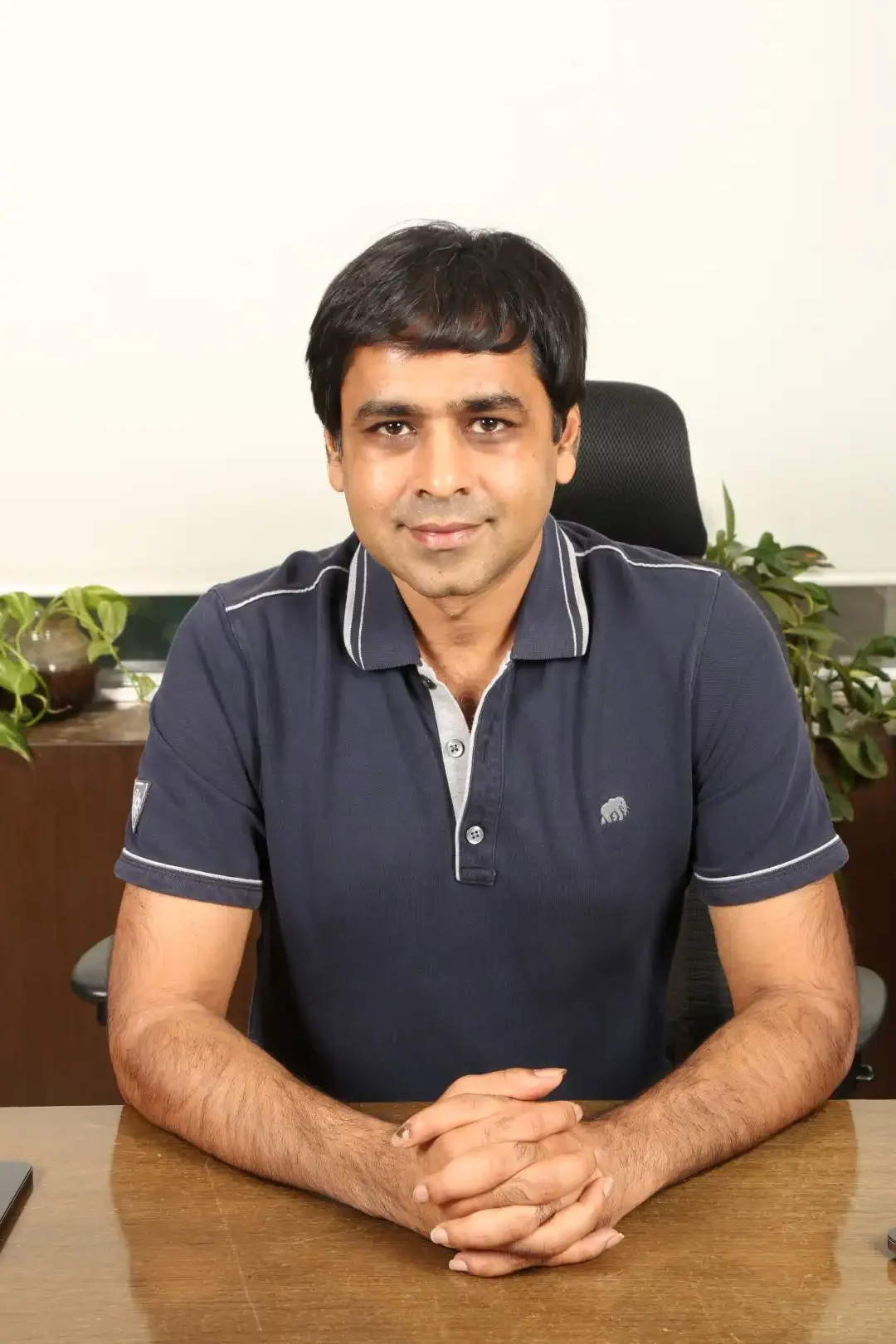
Nitish Mittersain, MD & CEO, Nazara Technologies
Nitish Mittersain, Jt. MD & CEO, Nazara Technologies, said,“The DPDP Act is a defining moment for India’s gaming industry. As an ecosystem, we have moved from growth at all costs to growth built on trust, safety and accountability. When players and parents know their data is being handled responsibly, they stay longer, spend more and become advocates for the medium. At Nazara, our approach is simple – adherence and compliance. The Act gives the industry a common language and a clear baseline to build that discipline.”
From an ecosystem perspective, the DPDP Act is emerging as a key pillar in aligning user rights, industry innovation and regulatory clarity. Sector bodies are already working with gaming companies to translate the legislation into practical frameworks and playbooks.
Vinayak Godse, CEO, Data Security Council of India (DSCI) added, “The DPDP Act and the notified rules strengthen the foundation of India’s digital economy by aligning user rights, business growth, and responsible innovation, and offer essential operational clarity for organisations implementing the DPDP Act, including those in highly data-driven sectors such as gaming. The Rules reinforce transparency and security obligations, streamline breach-reporting procedures, and provide practical guidance on processing children’s data, which is again a critical area for gaming platforms.
By introducing structured responsibilities for Significant Data Fiduciaries and a risk-sensitive compliance framework, the Rules set clear expectations that will help gaming companies transition from broad data practices to purpose-driven, accountable processing. DSCI believes these provisions will strengthen user trust, elevate safety standards, and support innovation across India’s rapidly expanding gaming ecosystem.”
Gaming is among the most data-driven consumer sectors in India. Under the DPDP Act, industry leaders anticipate three major shifts: improved player trust, higher-quality, more purposeful data, and greater operational maturity. While there will be an initial period of adjustment, the longer-term outcome is expected to be a more stable, compliant and globally aligned gaming ecosystem.
Anurag Choudhary, Founder & CEO, Felicity Games, shared,“The DPDP Act is forcing every studio – big or small – to ask hard questions about how they use player data. That can feel daunting at first, but it is ultimately healthy. For us, the priority is to build ‘privacy by design’ into our game lifecycle. That means clear, meaningful consent flows, transparent dashboards for players, and special care for minors who interact with our titles. If we get those basics right, we are not just compliant – we are building deeper, more durable relationships with our players.”
Children’s data protection is the sharpest test of how seriously the industry takes the DPDP Act. Games accessed by minors will need more robust parental and guardian consent mechanisms, stronger safety-by-design principles and strict limits on profiling under-18 users. For developers and publishers, the message is clear: confidentiality, privacy and international best practices around data are no longer optional – they are central to building games that are safe, trusted and built for long-term growth.
Kashyap Reddy, CEO and Co-founder, Hitwicket, commented, “Indian gamers are passionate, vocal, and incredibly savvy about the experiences they choose. For us, cricket is built on fairness and respect – and we believe the same ethos should apply to how we treat data. Every match we host is backed by analytics, but behind every data point is a fan. As Indian gaming increasingly reaches a global audience, strong privacy practices and responsible data directly influence player trust. The act will make gaming more transparent and safer for kids. This means parents will have better comfort level with their children playing games. Parents will ensure they grant their approval only to higher quality games/brands”
The Act, which received Presidential assent on August 11, 2023, lays out the obligations of Data Fiduciaries, the rights and duties of Data Principals, special provisions such as children-focused protections, the role and powers of the Data Protection Board of India, and a clear regime for penalties and dispute resolution. In practice, this means gaming companies must map their data flows, build robust consent management and age-gating, and strengthen internal governance across product, engineering, marketing and customer support teams. For mid-sized studios and emerging gaming companies, the law is also an opportunity to differentiate on trust from day one.
Sridhar Muppidi, President, Game Developer Association of India (GDAI), stated, “We welcome the new Data Protection Act, which is comprehensive and will help protect gamers’ privacy. We don’t expect the DPDP Act to have any major impact on Indian game developers, as most already follow GDPR-level standards. That said, we encourage the government to run awareness campaigns to educate smaller developers, since any breach could lead to heavy penalties.”
Macau’s six-historic-district revitalization program, previously driven and funded by the city’s six gaming operators, is being formally transferred to a civic organization, marking a strategic shift in the government’s approach to local development.
The transition was confirmed with the establishment of the Center for Local Development on December 15th, an entity set up by the government and operated by the General Union of Neighborhood Associations of Macau.
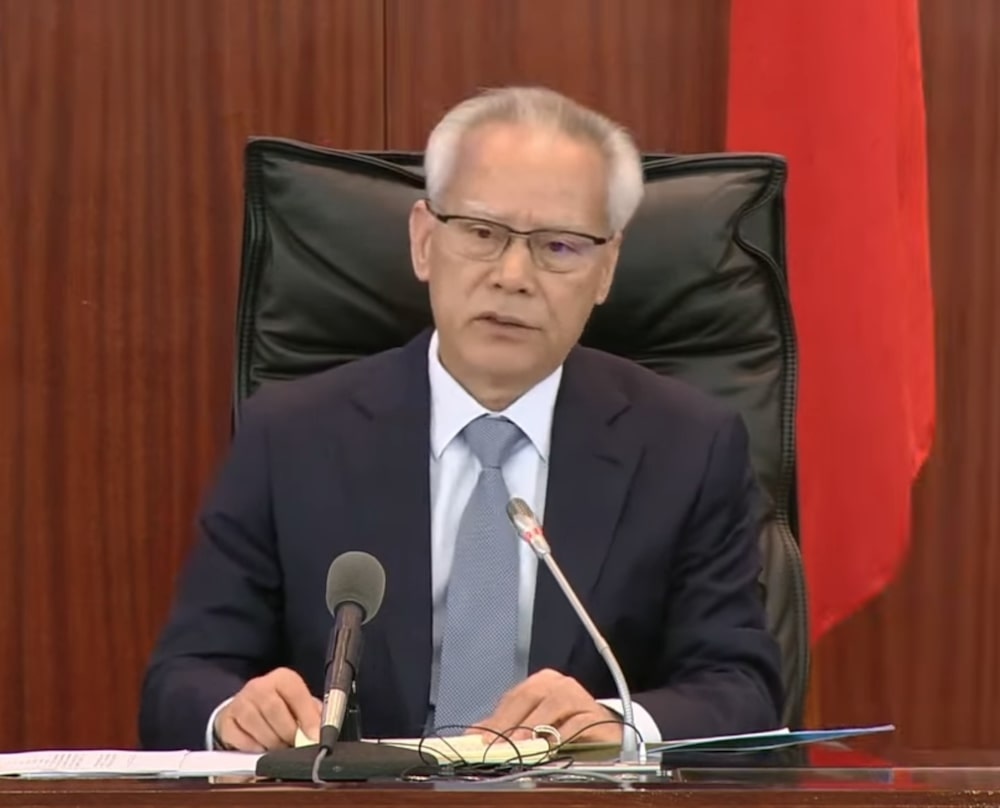
Macau Chief Executive Sam Hou Fai’s 2026 Policy Address
The handover was first outlined in Chief Executive Sam Hou Fai’s 2026 Policy Address, which stated that responsibility for advancing the revitalization of the six districts would move from gaming operators to civil society groups. The move signals a re-calibrated policy direction, with authorities seeking to push operators to support local projects through resource input, while allowing community organizations to take the lead in planning and execution.
The Director of the Economic and Technological Development Bureau, Yau Yun Wah, said the government has adopted a new collaborative model for district development, described as “government oversight and coordination, enterprise resource input, and civil-led planning and organization.” According to Yau, the model is intended to better integrate social resources and leverage the respective strengths of each stakeholder to promote sustainable development.
He said the introduction of civil-led innovation is expected to address previous issues such as fragmented resources and a lack of coordination, helping projects better reflect the actual needs of each district. The government, he added, will be responsible for supervision and coordination, with performance indicators such as event outcomes, participation levels, and commercial branding outcomes used to comprehensively monitor and evaluate the use of resources, ensuring activities align with policy objectives.
The Center for Local Development officially commenced operations on Monday, with a launch ceremony held at the Barra district.
The center is supported by both a steering committee and an advisory panel. The steering committee, comprising 14 representatives from the government, civic groups, and the business sector, is responsible for reviewing and guiding district development projects.
The advisory panel includes 18 members from gaming operators, commerce, tourism, culture, communications, urban planning, and academia, providing professional and technical input.
Iec Long fireworks factory
Union chairman Chan Ka Leong said the center’s core mission is to revitalize the six districts, stimulate the local economy, and support small and medium-sized enterprises.
Each district will be developed based on its historical and cultural characteristics to create distinctive intellectual property and branding. For example, the Barra district will focus on maritime and folk belief culture to shape a “slow-living” area, while Lai Chi Vun and the Iec Long Firecracker Factory site will integrate industrial heritage with waterfront spaces.
The six-district revitalization initiative was first launched in early 2023, when gaming operators were assigned responsibility for different historic districts. The program formed part of the non-gaming diversification commitments made by operators under Macau’s current 10-year gaming concession framework.
Mohegan Tribal Gaming Authority’s former South Korea project INSPIRE has refinanced its construction debt, removing a $100 million credit enhancement obligation and easing a long‑standing overhang on the group’s bonds, CBRE Credit Research said.
The refinancing, confirmed by management on the latest earnings call, means no cash outflows were required from Mohegan’s restricted group, analysts noted.
‘Contractual support of the Korea entity has been an overhang on the credit since last year’s ownership change […] this should be viewed positively’, CBRE said in the dispatch, reiterating Outperform ratings on the company’s first and second lien notes.
Bain Capital, an American private investment firm based in Boston, exercised its acquisition rights for INSPIRE’s parent firm MGE Korea Limited in February.
In its recent third-quarter financial report, Mohegan said lenders led by Bain Capital seized control of its former South Korean resort vehicle on February 13th, triggering the deconsolidation of the business and a shift to discontinued operations across prior periods.
The move generated a $77.6 million gain on disposal and recognition of $137 million in estimated guarantee liabilities tied to the project. The company no longer holds equity in INSPIRE or its parent entities and will not benefit from the resort’s performance.
Mohegan’s bonds remain attractive relative to peers, with leverage at 5.2 times and spreads offering more than 100 basis points per turn compared to other high‑yield gaming issuers, CBRE added.
CBRE also highlighted strong growth in Mohegan’s digital segment, with EBITDA up 29 percent year‑on‑year in the quarter, and said concerns about cannibalization from potential New York casino licenses were limited.
Mohegan’s balance sheet ‘is in the best shape it has been for quite some time,’ CBRE said, pointing to reduced Korea risks and continued digital momentum as key supports for its credit profile.
In its recent fiscal 2025 annual report, Mohegan highlighted that ‘Discussions with Bain Capital are ongoing with respect to resolution of the Company’s and its subsidiaries’ ongoing connections to Mohegan INSPIRE, Inspire, MGE Korea Limited, and their creditors, including with respect to the full transition over time of the duties of the Company’s subsidiaries under a management agreement with respect to Mohegan INSPIRE entered into in 2021. Until such transition is completed, certain of the Company’s subsidiaries may continue to provide certain services to Inspire’.