
Home Blog Page 183

Macau casinos earn similar revenue with far lower junket costs: Study

0

Macau’s gaming industry has undergone a profound structural shift under the new gaming concession framework, with data showing that commissions, incentives, and rebates paid by concessionaires in 2023 and 2024 fell far more sharply than gross gaming revenue (GGR), amid a continued decline in the role of gaming junkets and changes in casino operating models.

According to a peer-reviewed study published in Global Gaming & Tourism Research, an academic journal of the Center for Gaming and Tourism Studies at Macao Polytechnic University, total industry-wide spending on commissions, incentives, discounts, and rebates amounted to MOP39.507 billion ($4.94 billion) in 2024 and MOP31.762 billion ($3.97 billion) in 2023. These figures represent declines of between 37 percent and 49 percent compared with MOP62.608 billion ($7.83 billion) recorded in 2019.

By contrast, industry GGR over the same periods fell by a smaller margin of between 22 percent and 37 percent, indicating that operators are generating comparable levels of gaming revenue with significantly lower intermediary-related costs.
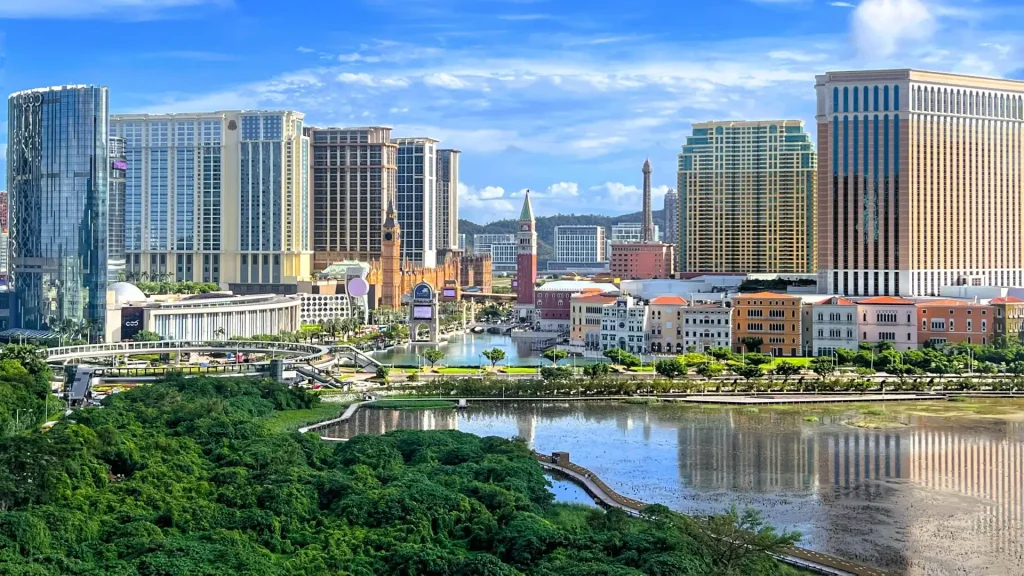
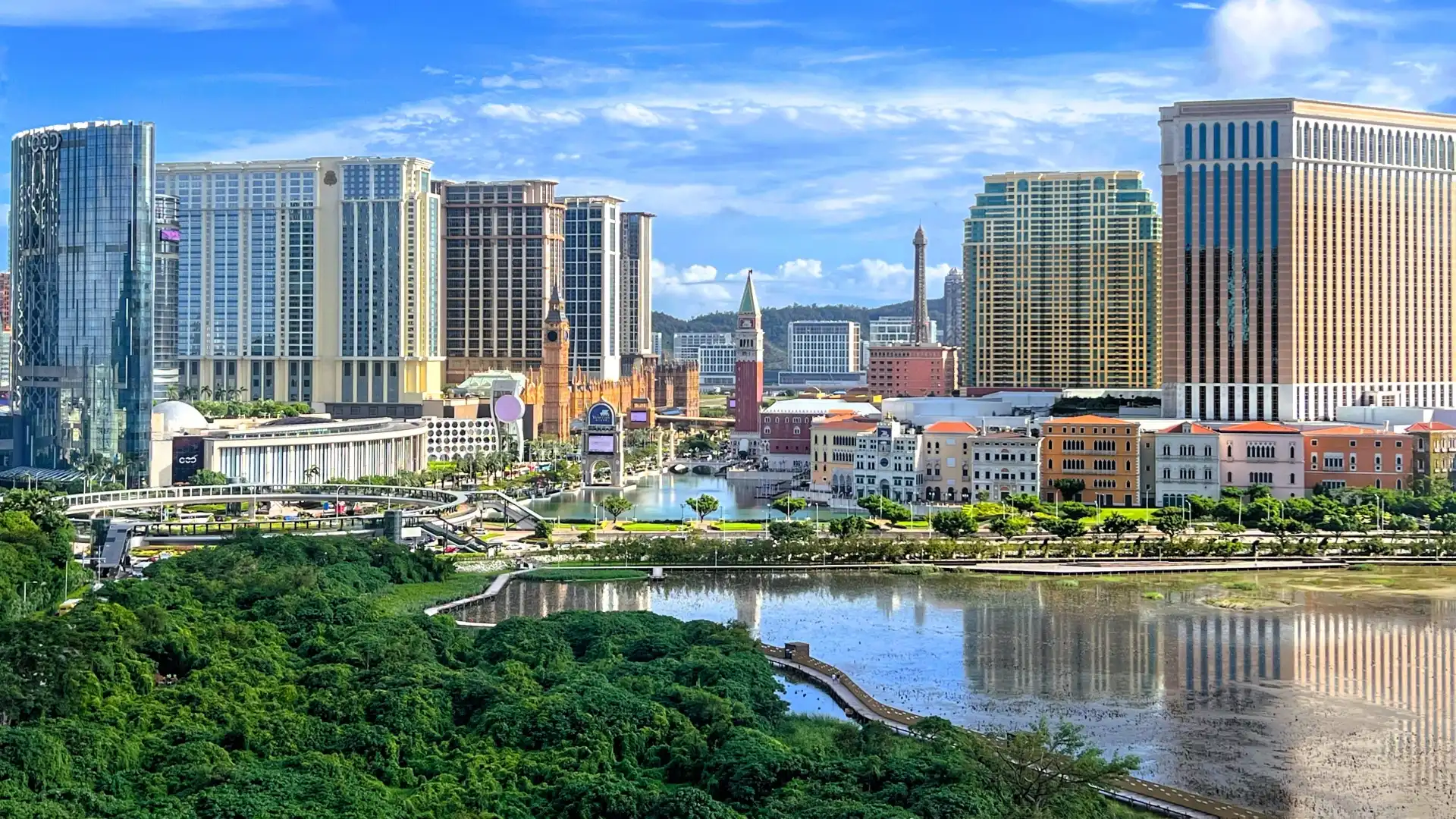
Cotai Strip, Macau

The real cost and dividend of junkets’ retreat

The study examines these developments from a financial performance perspective, focusing on how changes in cost structures, revenue generation, and profitability reflect the industry’s structural transformation under the new regulatory regime and reshape the economics of casino operations.

The research, authored by academics Che Wai Long, Liu Ming, and Zhang Renzhe, frames this shift as a story of ‘structural transformation’ driven by regulatory change rather than cyclical recovery alone. 

Under the new gaming concession regime and the revised junket law, gaming intermediaries are no longer permitted to operate under profit-sharing models and may work with only a single concessionaire. Their role has been reduced largely to a capped, commission-based rolling-chip system.

As the study notes, this regulatory overhaul has effectively weakened the bargaining power and economic significance of junkets, particularly in the VIP segment. ‘The data reveal that concessionaires can now achieve similar gaming revenue with much lower commission, incentive, and rebate expenditures than before,’ the authors write, attributing the shift to both the fading role of junkets and the introduction of commission caps under the new framework.

The financial impact is uneven across operators, reflecting differing historical reliance on junket-driven VIP business. SJM Resorts shows the most dramatic change, with commission-related costs as a share of gaming revenue plunging from about 20 percent in 2019 to just 5 percent to 7 percent in 2023 and 2024. Melco Resorts follows closely, cutting its ratio from around 22 percent to between 11 percent and 13 percent.

Galaxy Entertainment also reduced its reliance on intermediaries, while MGM China and Wynn Macau recorded more modest declines. Sands China stands out as the sole exception: its ratio edged up from 19 percent in 2019 to about 20 percent in 2023 and 21 percent in 2024. The study suggests this reflects different strategic paths and varying degrees of dependence on premium-mass and junket-linked segments, rather than a reversal of the broader industry trend.
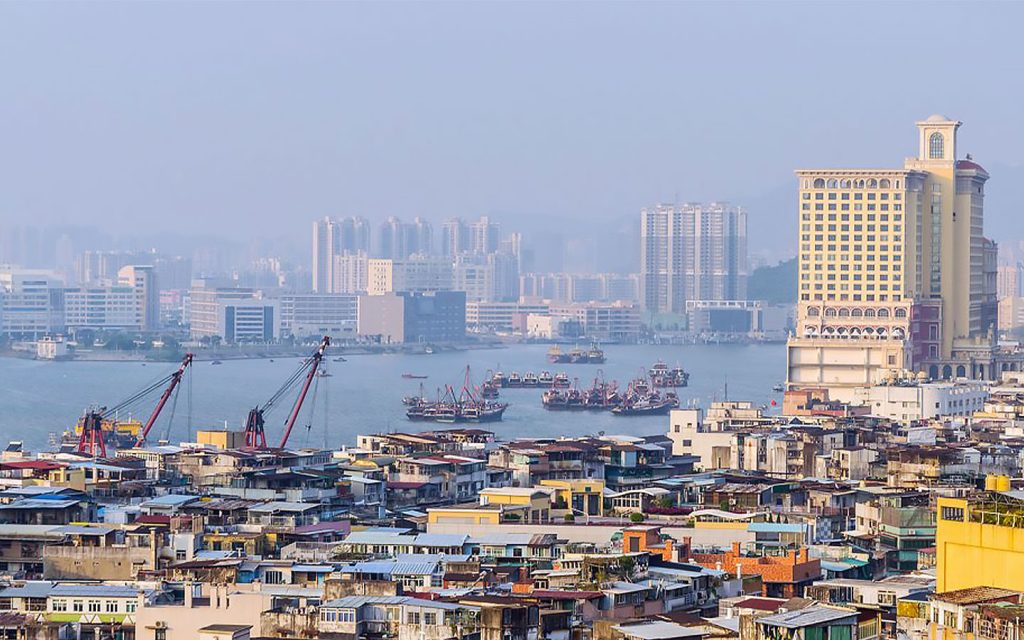
Macau, Inner Harbour, MGM, redevelop, MGM China, Non-Gaming

The accounting puzzle behind non-gaming investment pledges

Beyond gaming operations, the paper devotes substantial attention to the accounting treatment of the MOP108.8 billion ($13.6 billion) in non-gaming investment commitments made by the six concessionaires over the 10-year concession period. These pledges, covering areas such as meetings and exhibitions, entertainment, sports, culture, health, and themed attractions, form a central pillar of Macau’s diversification policy.

However, the researchers caution that investment commitments should not be conflated with recognized assets. Because project details, timelines, and asset ownership remain subject to government approval and ongoing uncertainty, the study argues that these pledged amounts should not be recognized as intangible assets on balance sheets. Instead, they should be disclosed as contingent liabilities under prevailing accounting standards.

‘This distinction is critical for investors assessing the true financial position of gaming companies,’ the authors note, warning that premature capitalization could overstate asset values and understate risk.

The issue becomes more complex in the context of the government-mandated revitalization of six historic districts, such as MGM China’s responsibility for Barra and Galaxy Entertainment’s role in Lai Chi Vun Shipyards. According to the study’s ‘decision tree’ analysis, the appropriate accounting treatment hinges on whether the revitalized assets ultimately belong to the government and whether the arrangements constitute service concession agreements.

If assets remain government-owned and do not involve service concession rights, large-scale investments by operators may need to be expensed directly rather than capitalized, placing immediate pressure on profit and loss statements despite their long-term policy value.

According to the most recent developments, in mid-December Macau’s six historic district revitalization program—previously driven and funded by the city’s six gaming operators—began a formal transition to management by a civic organization.

The move confirms that gaming operators act as investors in the community scheme but do not derive income from this category of non-gaming investment.
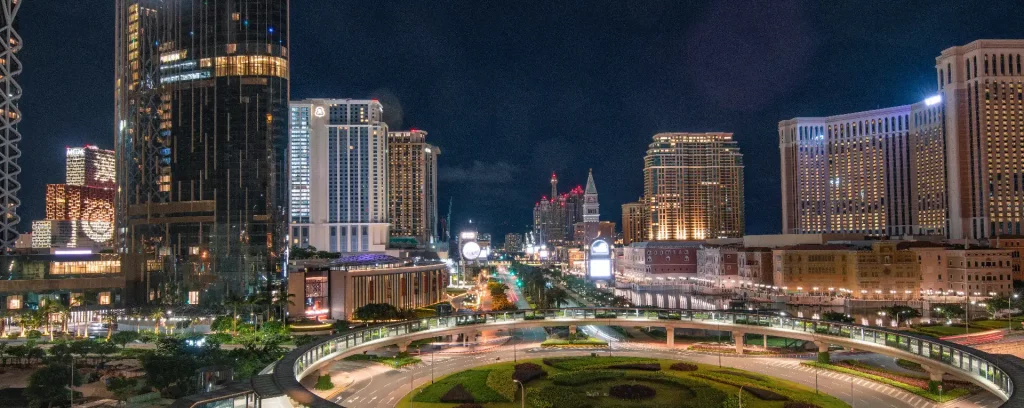
Macau, cotai-strip, Gaming revenue, Macau GGR, gaming operators

Financial winners and laggards under the new regime

While the industry as a whole continues to face tighter margins compared with the pre-pandemic era, the paper highlights marked divergence in financial performance among concessionaires. Aggregate net profit for the six operators reached MOP29.447 billion ($3.68 billion) in 2024 and MOP18.512 billion ($2.31 billion) in 2023, still down 38 percent and 61 percent respectively from 2019 levels.

Individual outcomes, however, vary sharply. MGM China is identified as the only operator to record a higher net profit margin than in 2019, rising from about 8 percent to approximately 16 percent in 2024, largely due to a significant reduction in depreciation and amortization expenses. Galaxy Entertainment maintained the most stable margins, albeit slightly lower than before the pandemic, while Sands China’s profitability was weighed down by higher interest expenses.

The study argues that these contrasts offer important insights into how different business models and cost structures respond to regulatory tightening, the collapse of the VIP junket system, and the policy-driven push toward non-gaming development.
Sri Lanka’s casino entrance levy increased

0

Sri Lanka’s Inland Revenue Department (IRD) has announced significant tax changes for casino operators and betting and gaming establishments, set to take effect on January 1, 2026.

In an official notice released today, the IRD revealed that the Casino Entrance Levy (CEL) will be doubled from $50 to $100 per entrant, The Daily Mirror reported.

Under the new regulations, all gaming businesses in Sri Lanka must collect a levy of $100, or its equivalent in another convertible foreign currency or Sri Lankan rupees, from each individual entering their premises.

Additionally, the Gross Collection Levy for betting and gaming enterprises will rise from 15 percent to 18 percent. This new rate applies to gross collections exceeding Rs. 1 million ($3.230) per month, impacting businesses such as bookmakers and gaming operators.

These revisions follow changes to the Betting and Gaming Levy Act No. 40 of 1988, as amended by the Betting and Gaming Levy (Amendment) Act No. 25 of 2025.

The IRD has urged all casino operators and betting businesses to adhere to the revised levy structure starting from the effective date. For further clarification, stakeholders are encouraged to reach out to relevant officials at the Inland Revenue Department.

Macau gaming revenue to rise 5–6% in 2026: JP Morgan

0

Macau’s gross gaming revenue (GGR) is expected to grow by 5–6 percent in 2026, supported by continued strength in the mass and slot segments, according to a research note from JP Morgan.

The investment bank said industry profit growth is likely to slightly outpace top-line expansion next year, signalling an improvement in earnings flow-through following a stronger-than-expected recovery in 2025.

The outlook was outlined by JP Morgan analysts DS Kim, Selina Li and Lindsey Qian, who said they continue to model moderate but sustainable growth for Macau’s gaming market after a solid rebound this year. Mass and slot GGR are forecast to rise by 7–8 percent in 2026, while VIP revenue is expected to decline by around 5 percent, reflecting a high comparison base after an unexpectedly strong showing in 2025.

‘More importantly, we forecast the industry profit growth (+6–7 percent) to finally — albeit modestly — outpace top-line growth (+5–6 percent) in 2026E,’ the analysts wrote, adding that this would help narrow the profit flow-through gap seen in 2025, when EBITDA growth lagged overall GGR expansion.

JP Morgan noted that Macau’s gaming sector delivered a stronger-than-anticipated performance in 2025, with full-year GGR rising 9 percent to MOP247.4 billion ($30.9 billion), nearly double the bank’s initial forecast of 5 percent growth. Revenue momentum strengthened as the year progressed, culminating in the strongest quarterly performance in six years during the fourth quarter, despite a modest miss in December against elevated market expectations.

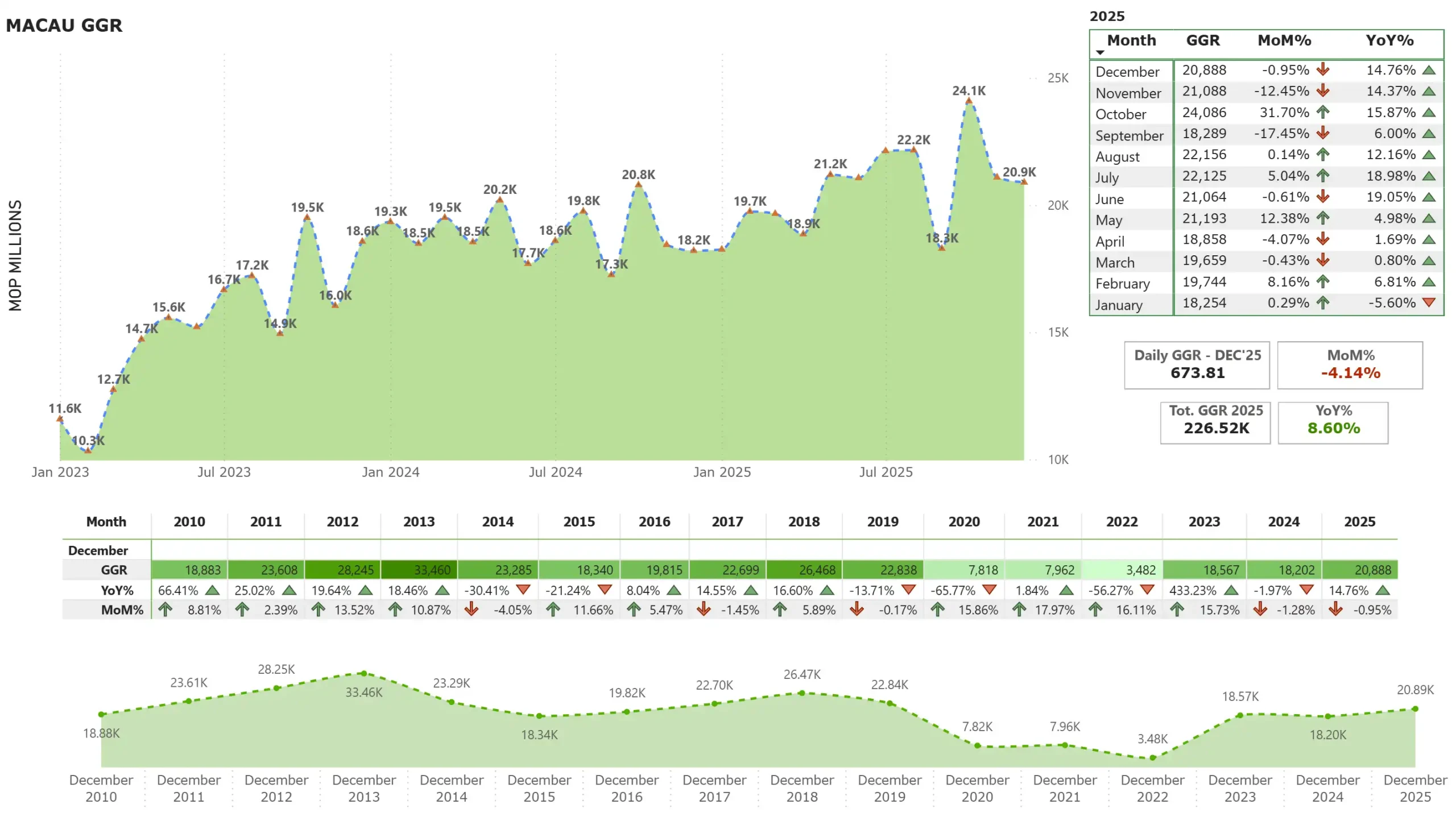
Macau GGR December 2025

December GGR rose 15 year-on-year to MOP20.9 billion ($2.61 billion), reaching around 91 percent of pre-pandemic levels. While the result came in below the latest consensus forecast, the bank attributed the shortfall to higher expectations rather than any weakening in underlying demand. Mass-market revenue continued to outperform, remaining well above pre-COVID levels, while VIP play recovered to more than 30 percent of its pre-pandemic base.

The analysts said profit momentum should remain intact in 2026 as cost structures stabilise and the mass segment supports margins. ‘In other words, even with likely moderating GGR, we see profit momentum sustaining, if not accelerating, in 2026E,’ the note said.

South Korea’s Jeju Dream Tower casino sales jump 61.8% year-on-year in 2025

0

South Korea’s Jeju Dream Tower, operated by Lotte Tour Development, recorded a sharp rise in casino sales in 2025, with full-year takings for the January to December period reaching KRW476.6 billion ($329.6 million), representing a 61.8 percent year-on-year increase, according to the company’s consolidated financial disclosure.

The foreigner-only casino resort on Jeju Island continued to benefit from a recovery in gaming demand, with table games accounting for the majority of casino revenue. Full-year table game revenue totalled KRW455.6 billion ($315.1 million), up 64.9 percent from 2024, while slot machine revenue reached KRW21.1 billion ($14.6 million), marking a 14.4 percent year-on-year increase.

Hotel revenue for the January to December period amounted to KRW80.6 billion ($55.7 million), representing a 4.8 percent decline compared with the previous year, indicating a comparatively weaker performance in the non-gaming segment.

In December alone, Jeju Dream Tower reported casino sales of KRW41.0 billion ($28.3 million), down 20.2 percent month-on-month but up 73.8 percent year-on-year. Table game revenue for the month came in at KRW38.9 billion ($26.9 million), reflecting a 22.1 percent sequential decline but a 75.6 percent increase compared with December 2024.

Slot machine revenue in December rose to KRW2.1 billion ($1.5 million), up 44.2 percent from November and 46.4 percent higher year-on-year.

Hotel revenue for December reached KRW7.5 billion ($5.2 million), representing a 16.0 percent month-on-month increase and a 36.8 percent rise compared with the same period last year.

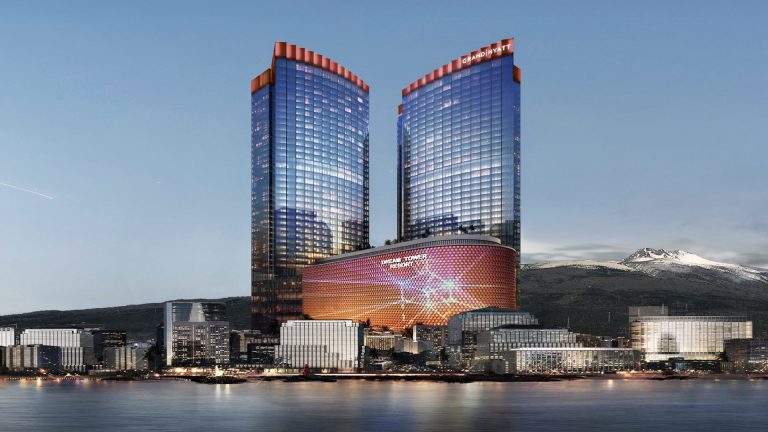
Opened in December 2020, Jeju Dream Tower is Jeju Island’s tallest building and one of South Korea’s largest integrated resorts. The property includes the Grand Hyatt Jeju hotel, casino, and a range of dining, retail, and entertainment facilities.

Macau visitor arrivals hit record 40.06 million in 2025

0

Macau welcomed 40.06 million visitor arrivals in 2025, setting a new historical record and surpassing pre-pandemic levels, according to preliminary data released on Saturday by the Public Security Police Force. 

The figure represents a 14.7 percent year-on-year increase compared with 2024 and exceeds the previous all-time high recorded in 2019 by 654,000 visitors, underscoring the city’s continued tourism recovery.

Total inbound and outbound border movements reached 235 million trips during the year, up 9.8 percent year on year, with both indicators marking new records. Authorities said Macau had already surpassed its 2019 visitor total by 11 a.m. on December 27th, before a further surge in arrivals during the final days of the year as tourists visited the city ahead of New Year celebrations.

The 2025 visitor tally also exceeded official expectations, coming in above the 38-39 million arrivals forecast previously issued by the Macau Government Tourism Office (MGTO) for the year.

The latest figures highlight strong momentum in Macau’s tourism sector, driven by sustained demand from regional markets and a high volume of cross-border travel, particularly toward year-end. The data reflect continued normalization of travel flows following the lifting of pandemic-related restrictions, with visitor numbers now firmly above pre-COVID benchmarks.

Macau Airport, Air Macau

Macau airport passenger volume down 1.6% in 2025

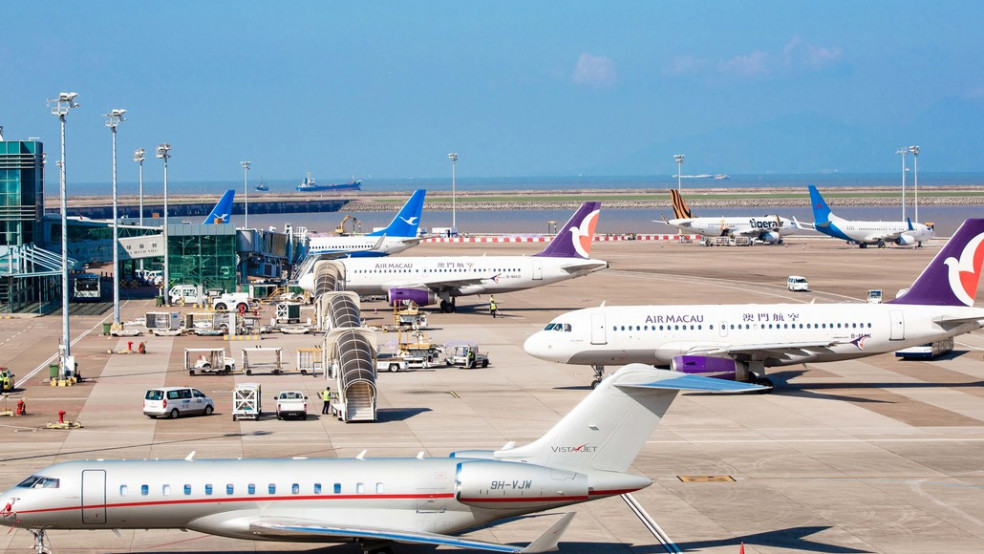
In contrast to the record visitor arrivals via land and sea borders, passenger traffic at Macau International Airport declined in 2025. The airport handled around 7.52 million passengers, representing a 1.6 percent decrease from the previous year, according to the airport operator.

In a statement, Macau International Airport Company said the shortfall was ‘due to the economic context and some factors of uncertainty,’ noting that passenger traffic fell below expectations during the first half of the year and the summer holiday period. The company had earlier warned that geopolitical developments and global economic instability could affect its 2025 performance.

Despite the overall decline, the operator reported several positive trends. Passenger arrivals from overseas rose 7 percent, the number of international routes increased 26 percent, and cargo volume recorded 1.08 percent annual growth. The airport is currently served by 29 airlines operating flights to 47 destinations across Mainland China, Taiwan, Southeast Asia, Japan and South Korea.

To address weaker passenger numbers, the company said it worked with industry stakeholders to attract new airlines, contributing to a recovery in the fourth quarter. New routes were launched or resumed to destinations including Jinan, Cebu, Haiphong, Ho Chi Minh City and Vladivostok, with discussions ongoing over potential cooperation with Middle Eastern carriers.

Daily Asia Gaming eBrief: Macau December GGR misses trend

0
Good Morning. Seasonal winds do not always blow as expected. Macau’s December GGR delivered solid year-on-year growth, yet still underperformed traditional seasonal trends, according to Deutsche Bank, pointing to slower-than-normal recovery momentum. While forecasts remain constructive, recent results suggest caution heading into early 2026. Meanwhile, Kazakhstan is pressing ahead with plans to establish new gambling zones across multiple regions, positioning casino development as a tool to drive tourism and tax income. Officials insist the strategy is expansion, not tax relief, suggesting a more assertive regulatory stance.

What you need to know


On the radar


AGB Intelligence

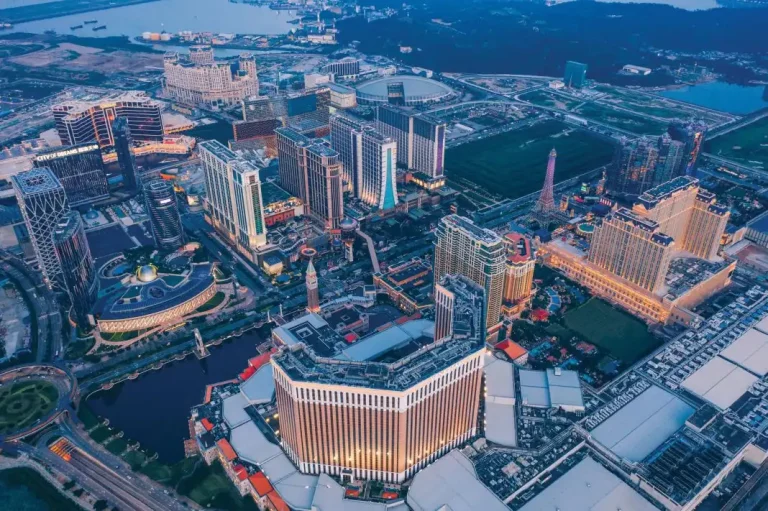
Cotai Strip, Macau

Macau December GGR below trend: Deutsche Bank

Macau’s gross gaming revenue for December came in below historical seasonal trends, totaling about $2.61 billion, according to Deutsche Bank. The result marked a 4.1 percent sequential decline on a per-day basis from November, despite a 14.8 percent year-on-year increase. December GGR remained 8.5 percent below December 2019 levels and was around 480 basis points weaker than typical December seasonality.

Industry Updates


INTELLIGENCEASEAN | CAREERS | EVENTS

Kambi Group secures multi‑year deal to power Pickwin’s online sportsbook

0

Kambi Group has entered a multi-year agreement with Pickwin to deliver its award‑winning Turnkey Sportsbook solution to one of Mexico’s fastest‑growing online betting operators.

As part of the agreement, Pickwin will replace its previous third-party sportsbook provider with Kambi’s comprehensive end-to-end sportsbook solutions, including its award-winning Bet Builder, advanced trading capabilities, and regulatory compliance expertise, underscoring Pickwin’s commitment to offering a premium product tailored to Mexico’s dynamic sports betting market.

Pickwin will also benefit from shared margin-driving insights provided from Kambi’s extensive global partner network, enabling superior pricing and risk management through the billions of bets processed by Kambi annually.

Werner Becher, Kambi Group CEO, said, “We are excited to partner with Pickwin and support their vision in delivering world-class sports betting experiences throughout Mexico. Our proven track record in Latin America, combined with our deep understanding of regulatory frameworks, makes this the ideal partnership to support sustainable growth.”

Scheduled to launch imminently, the partnership further strengthens Kambi’s footprint in Mexico, reinforcing its reputation as the leading B2B sportsbook supplier in Latin America for operators seeking cutting-edge technology and excellence in regulated markets.

Diego Sanchez, Pickwin, Co-founder and CEO, added, “Partnering with Kambi marks a pivotal moment for Pickwin as we continue our rapid growth in Mexico’s thriving sports betting market. Kambi’s reputation in the region gives us the confidence to deliver a premium experience to our players and we are excited about the opportunities this collaboration will present.”

Macau December GGR below trend, slips sequentially despite YoY growth: Deutsche Bank

0

In a note issued after the data release, Deutsche Bank said December GGR rose 14.8 percent year on year, but remained 8.5 percent below December 2019 levels, indicating that the market has yet to fully recover to pre-pandemic benchmarks.

Macau GGR December 2025

The sequential per-day decline of 4.1 percent was notably weaker than historical patterns, with analyst Steven Pizzella noting that the average December-to-November sequential change between 2013 and 2019 was a 70 basis-point increase, placing the latest result around 480 basis points below trend.

The December performance followed a series of mixed comparisons against 2019 levels in preceding months. GGR in November was down 7.8 percent versus November 2019, while October and September declined 8.9 percent and 17.2 percent, respectively. Deutsche Bank said the December outturn suggests a stabilisation in recovery momentum, though at a slower pace than historical seasonality would imply.

Macau December GGR 2025

While the year-on-year growth rate of 14.8 percent was positive, it fell short of Deutsche Bank’s recent channel checks, which indicated a 17 percent to 22 percent year-on-year growth range. 

In its forward projections, Deutsche Bank maintained a constructive but measured outlook for Macau’s gaming market. The bank forecasts January GGR of approximately $2.53 billion, representing 10.9 percent year-on-year growth.

Over the longer term, Deutsche Bank projects first-quarter 2026 GGR of $8.0 billion, up 10.6 percent year on year; full-year 2026 GGR of $32.8 billion, up 5.8 percent; and 2027 GGR of $34.4 billion, implying 5.0 percent growth.

Wynn Macau sets $150M annual cap for IP license fees in 2026

0

Wynn Macau said it has set an annual cap of about $150 million for intellectual property license fees payable to a unit of its parent company Wynn Resorts in 2026, under continuing connected transactions.

The Macau casino operator said the cap, equivalent to around HK$1.17 billion ($150 million), applies to fees paid under intellectual property license agreements with Wynn NKH, LLC, a wholly owned subsidiary of US-based Wynn Resorts.

Under the agreements, which took effect on January 1st, 2025, Wynn Macau and its operating arm Wynn Resorts (Macau) are licensed to use Wynn Resorts’ trademarks and other intellectual property.

The license fee is calculated as the higher of 3 percent of the group’s gross monthly revenue derived from the licensed intellectual property, or a fixed minimum of $1.5 million per month.

The agreements replaced earlier intellectual property license arrangements dating back to 2009 and have a perpetual term, subject to termination under specified conditions, including changes in control or material regulatory events affecting gaming licenses.

Wynn Resorts is the controlling shareholder of Wynn Macau, holding about 72 percent of its issued share capital, making the transactions “continuing connected transactions” under Hong Kong listing rules.

Wynn Macau said the annual cap for 2026 was determined after arm’s-length negotiations, taking into account the fee formula, historical payments and the group’s expected business performance. The cap is similar to that set for 2025.

Late-night congestion follows New Year fireworks on Macau’s Cotai Strip

0

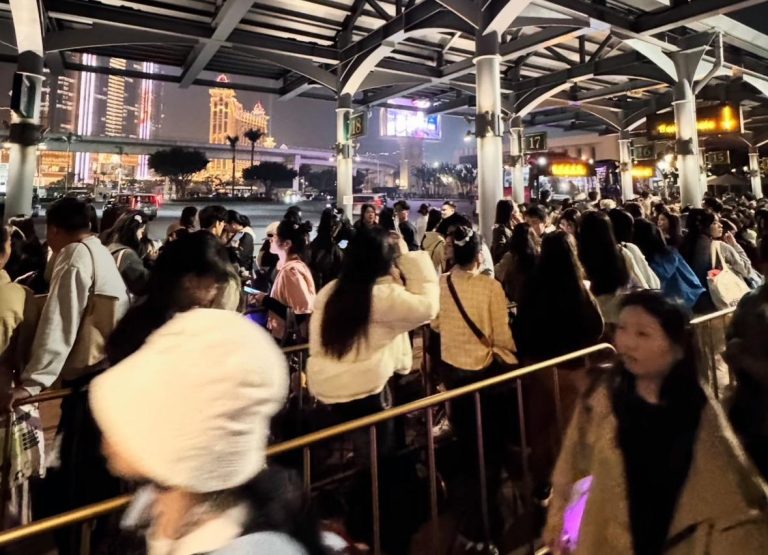
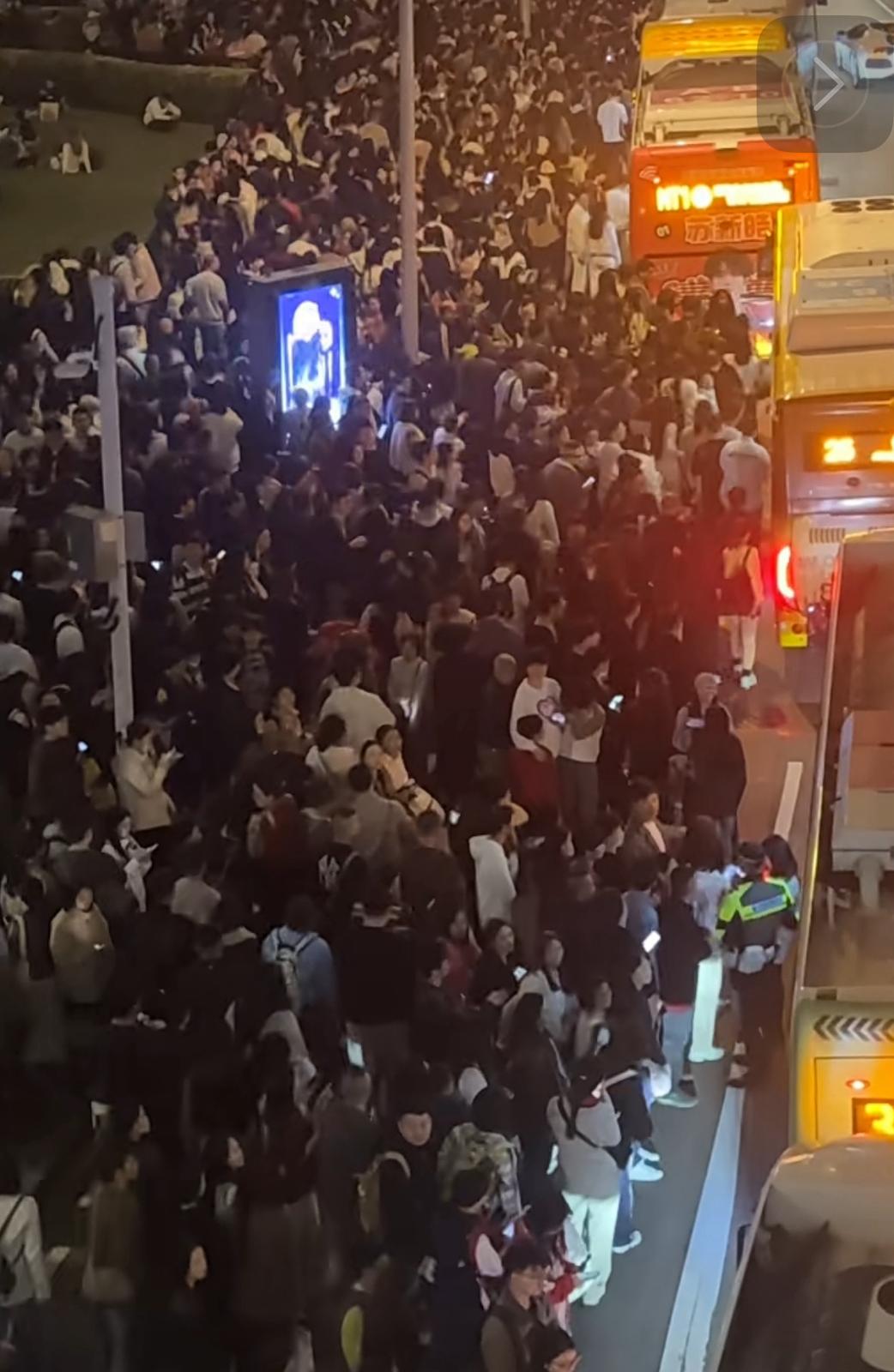
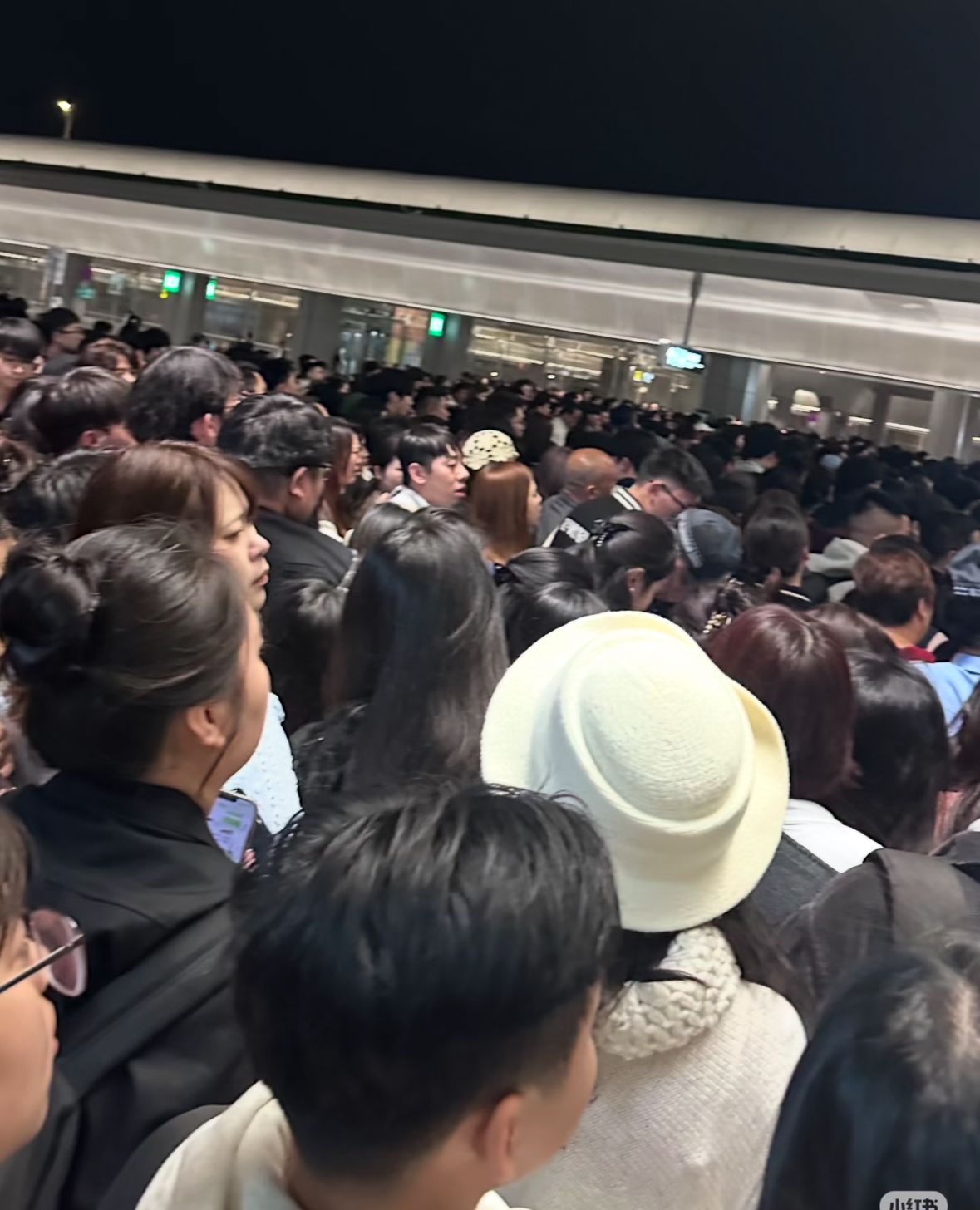
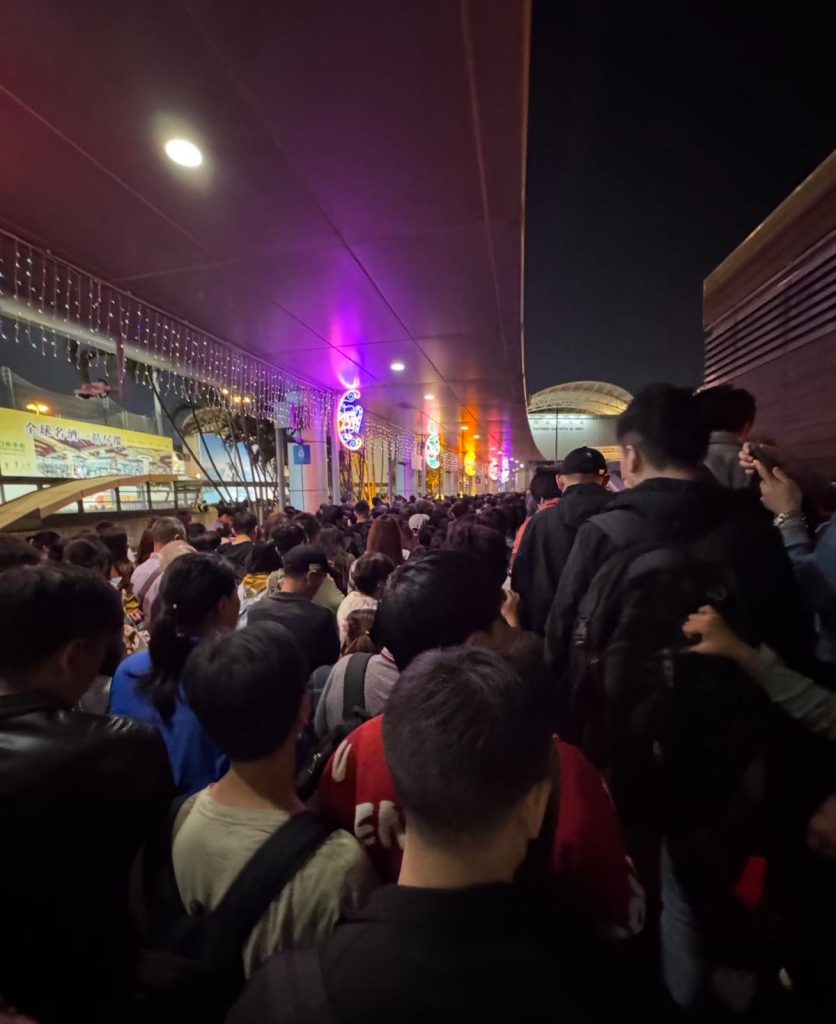
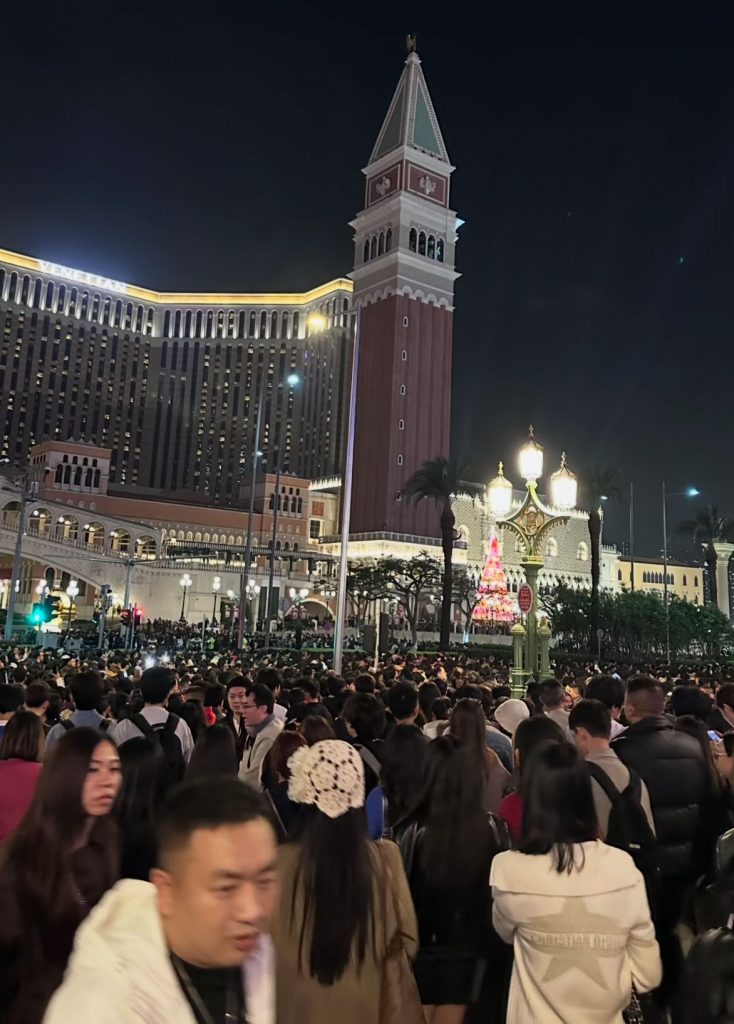
Macau experienced widespread late-night transport congestion following New Year’s Eve fireworks celebrations, as large crowds departing event areas after midnight overwhelmed public transport systems and pedestrian routes across the city, particularly in Cotai.

Late-night congestion follows New Year fireworks on Macau’s Cotai Strip

The fireworks display, held shortly after midnight on January 1st, attracted thousands of residents and visitors, with many spectators gathering along the Cotai Strip and around the Parisian’s Eiffel Tower replica. While the display itself lasted only several minutes, the simultaneous dispersal of crowds placed heavy pressure on surrounding roads, transport interchanges, and border crossings during the early hours of the morning.

According to data released by the Public Security Police Force, total cross-border movements on December 31st reached 760,363, including more than 180,000 inbound visitors. The high volume of arrivals, combined with concentrated post-countdown crowd movements, contributed to congestion that persisted well beyond midnight.

Accounts shared on mainland Chinese social media platform Xiaohongshu described long delays and severe overcrowding along pedestrian corridors and near bus stops, light rail stations, and taxi queues. Several users reported being unable to move for extended periods, while others cited confusion caused by unclear directional signage or a lack of on-site guidance. Some posts warned that dense crowds raised concerns about personal safety during dispersal.

In addition to affecting same-day visitors attempting to leave event areas, the congestion also disrupted movement for tourists staying overnight in Macau. Several online posts said that even visitors whose hotels were located within Cotai or nearby districts were unable to return to their accommodations for extended periods after the fireworks ended. Some users reported spending two to three hours attempting to travel short distances back to hotels in the same area, citing overcrowded pedestrian routes, unavailable taxis, and limited late-night public transport options.

Transport difficulties were further compounded by reported disruptions to app-based taxi services. Multiple users heard by AGB said ride-hailing platforms repeatedly displayed “system busy” messages or failed to connect passengers with drivers during peak demand, which they attributed to excessive traffic volumes. As a result, some travellers abandoned app bookings and joined already congested public transport queues.

Late-night public bus capacity was also cited as insufficient by online commentators, with some users claiming they waited several hours before boarding a bus or securing a taxi. Other photos circulating on social media showed prolonged queues at the Hengqin border checkpoint and nearby light rail stations, with some travellers remaining on site until early morning before completing their journeys.

The situation triggered extensive discussion online, with many commentators questioning whether transport planning and crowd-management measures were adequate for a large-scale festive event. Suggestions included stronger crowd-flow separation, clearer exit zoning, additional temporary transport services, and improved real-time coordination to ease congestion during future peak periods.