

Home Blog Page 153

Wynn Al Marjan Island bridge project reaches half completion

0

Construction of the 548-meter Wynn Bridge, a key infrastructure link to Wynn Al Marjan Island, has reached nearly half completion, the developer announced Tuesday.

The bridge will connect the resort via Wynn Boulevard to the E311 and E611 highways, creating a direct route from major UAE hubs to Ras Al Khaimah.

Piling works have been completed, with nine of 10 bridge column pile caps now in place. Overall progress stands at 48 percent, with completion scheduled for late 2026.

The company said the bridge will not only serve a functional role but also enhance the visitor experience, ensuring seamless access and “world-class standards” from the moment guests begin their journey north.

The integrated resort is expected to be able to receive guests in Spring 2027, with all tower structural concrete complete and nearly all guest-room structures finished as of late November 2025.

Wynn Resorts estimates the UAE could generate $3–5 billion in annual gaming revenue once three integrated resorts are operating. Based on its modelling, Wynn Al Marjan Island is expected to produce between $1 billion and $1.7 billion in gross gaming revenue at steady state.


SkyCity aiming to “lead the change” in online casino gaming in New Zealand: CEO

0

SkyCity Entertainment Group is ‘looking to become the trusted local leader’ in regulated online casino gaming in New Zealand as the country moves closer to passing its Online Casino Gambling Act.

In a Monday press release, SkyCity CEO Jason Walbridge noted that “Gaming is evolving in exciting ways, bringing together the best of in‑person and digital experiences.”

The executive added that, while SkyCity aims to “lead this change […] Any move into a regulated online market would be built on strong consumer safeguards and SkyCity’s enduring commitment to responsible gambling, so the experience remains safe and enjoyable for everyone.”

The new bill would allow 15 licenses through a three-stage process – expression of interest, auction to invited parties, and full license application.

The bill is hoped to be enacted in early 2026, with the expression of interest scheduled for July, the auction for September and the application processing commencing in October. The new online casino gambling licenses could be issued from December 1st of this year.

The comments from the CEO come as SkyCity Auckland celebrated its 30th anniversary, having opened doors on February 2nd, 1996. The group welcomed over 100 million visitors at the property since its opening.

New Zealand International Convention Center, NZICC, New Zealand

Speaking of the group’s ongoing efforts, Walbridge highlighted the  upcoming opening of the New Zealand International Convention Center (NZICC) on February 11th, which hopes to increase visitation to SkyCity Auckland from the current 5 million per year.

“The venue is expected to attract 33,000 new international visitors annually, injecting more than $90 million into the economy. We can’t wait to share this magnificent building with the world as it’s set to be a game changer for Auckland and New Zealand,” highlighted the executive.

Paradise Co. sees 30.4% YoY increase in January casino sales, topping $65.23M

Foreigner-only Korean integrated resort operator Paradise Co. saw a 31.4 percent yearly increase in casino sales for January, topping KRW94.26 billion ($65.23 million).

According to results released on Tuesday, the figure was also 26.7 percent higher than December.

Table games brought in the majority of income, at KRW89.17 billion ($61.71 million), a sequential rise of 29.6 percent and a yearly uptick of 32.9 percent. Machine games sales saw a downturn from the previous month, dropping by 8.8 percent to KRW5.09 billion ($3.52 million), however the figure was a yearly rise of 9.4 percent.

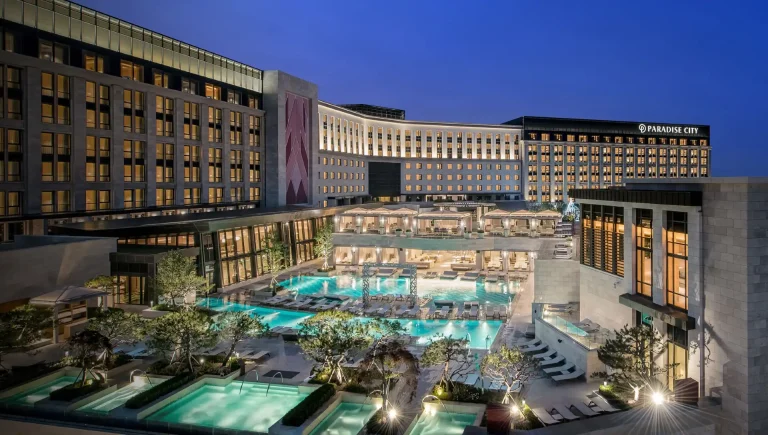
The group’s Paradise City property continued to generate the highest returns, with KRW51.95 billion ($35.95 million) in casino sales, up by 47.4 percent yearly. The Incheon resort saw drop improve by just 4.9 percent yearly, hitting KRW327.87 billion ($226.89 million).

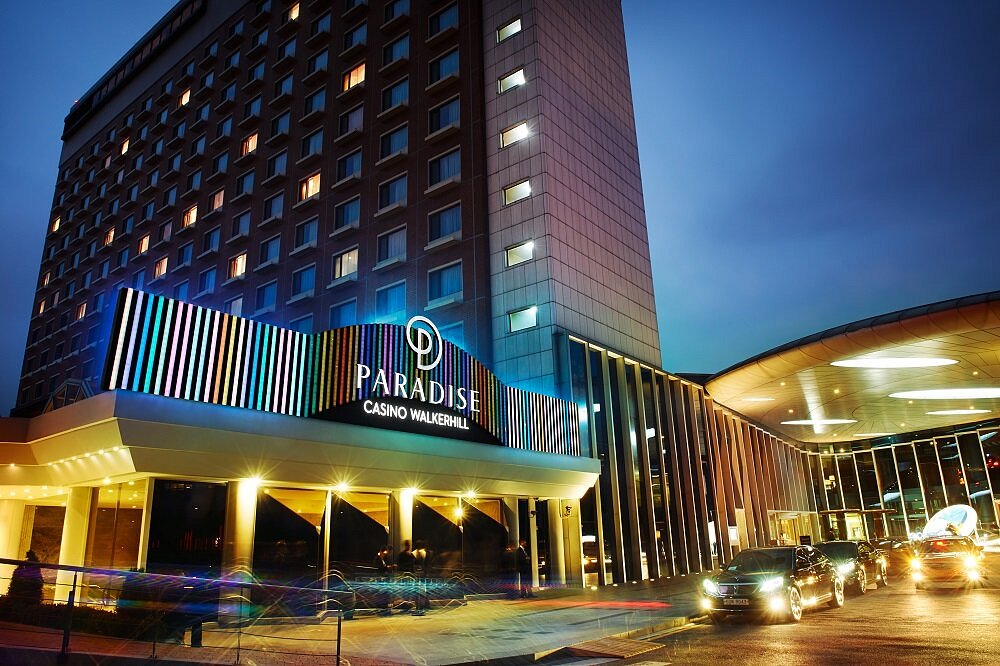
Paradise Walkerhill, South Korea

The second-highest drop at Paradise Co’s venues was at its Seoul property – Walkerhill Casino, up by only 2.5 percent yearly, to KRW228.37 billion ($158.04 million), resulting in a 2.1 percent rise in casino sales to nearly KRW30.02 billion ($20.77 million).

The monthly results follow a strong FY25, which saw casino sales increase by 9.9 percent year-on-year to KRW900.5 billion ($623.6 million), with table games generating KRW846.3 billion ($585.7 million) for the year, while slot machine revenue totaled KRW54.2 billion ($37.5 million).

Paradise Co. operates four foreigner-only casinos in South Korea: Walkerhill in Seoul, Paradise City in Incheon, Busan Casino, and Jeju Grand.

China lottery sales hit record $904B in 2025, growth slows to 0.7%

0

China’s lottery market set a new annual sales record in 2025, but growth decelerated sharply to just 0.7 percent year-on-year, reflecting a marked slowdown from the strong expansion seen a year earlier, according to official data released by the Ministry of Finance.

Nationwide lottery sales totaled CNY6.28 trillion ($903.6 billion) in 2025, surpassing the previous year’s CNY6.23 trillion ($897.1 billion) but falling well short of the 7.6 percent growth recorded in 2024. The data underscore a cooling trend in the lottery sector despite the record headline figure.

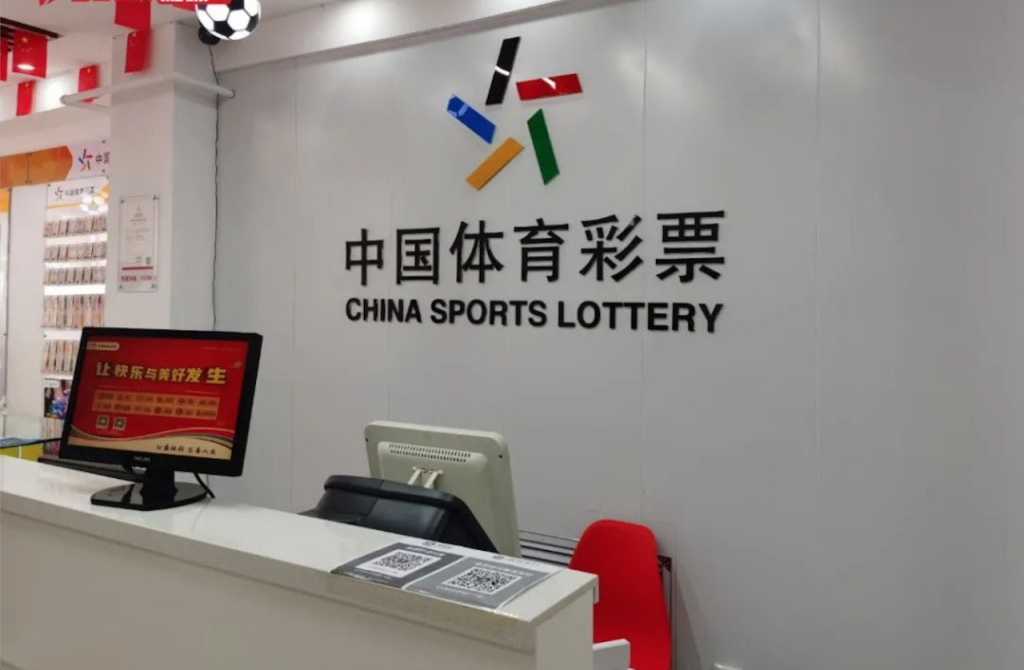
China sports lottery sales

Sports lotteries continued to account for the majority of sales, generating CNY4.19 trillion ($603.4 billion) for the year, up 0.9 percent year-on-year. Welfare lotteries contributed CNY2.09 trillion ($300.1 billion), representing a more modest increase of 0.3 percent.

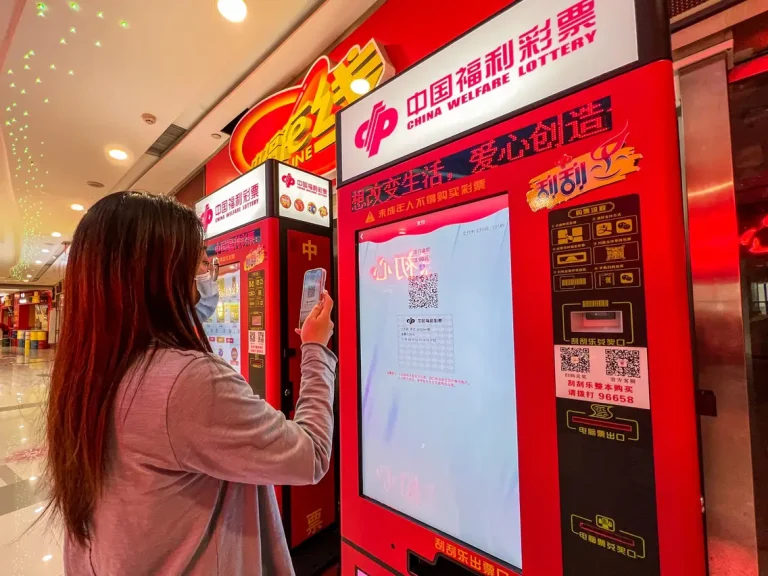
By lottery type, the annual breakdown showed mixed performance. Instant lotteries were the main growth driver, with full-year sales rising 13 percent to CNY1.31 trillion ($188.7 billion). 

In contrast, sales of number-based lotteries edged down 0.7 percent to CNY1.78 trillion ($255.7 billion), while sports betting-style “guessing” lotteries declined 3.2 percent to CNY2.78 trillion ($399.6 billion). Keno-type lotteries also slipped slightly, down 0.9 percent year-on-year.

Regionally, lottery sales increased in 21 provinces over the full year, led by Shandong, Hubei, and Henan, while 10 provinces recorded declines, including Jiangxi, Zhejiang, and Sichuan.

The Ministry of Finance said lottery authorities should closely monitor market developments and strengthen sales management to ensure stable operations, while fiscal departments were urged to reinforce oversight and maintain orderly market conditions to support the sector’s sustainable development.

Philippines runs risk of being placed on FATF grey list again: central bank governor

0

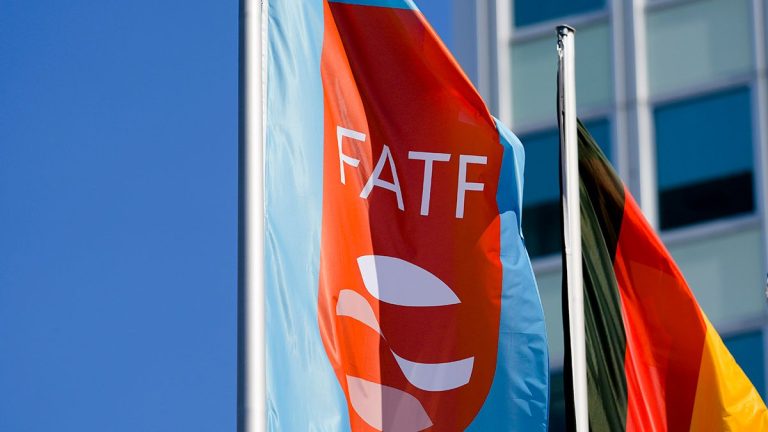
The governor of the Philippines’ central bank says that there is a risk that the nation could be placed back on the Financial Action Task Force (FATF) grey list again, as its next evaluation is upcoming.

In statements on Monday cited by the Philippine News Agency, Bangko Sentral ng Pilipinas (BSP) Governor Eli Remolona Jr. told journalists “we have to do what we need to do to show FATF that we’re doing everything we can”.

The nation was successfully removed from the list in February of 2025, nearly four years after it was grey-listed by the FATF. The international body had cited numerous deficiencies, including AML/CFT risks associated with casino junkets and supervision of DNFBPs (designated non-financial businesses and professions).

Despite the upgrade, at the time, the Philippines was asked to continue to work with the Asia/Pacific Group on Money Laundering (APG) ‘to sustain its improvements in its AML/CFT system’.

In his Monday statements, the BSP governor noted that preventing the Philippines’ return to the list “is going to be a long process”, with its next evaluation period scheduled for 2027.

The potential return to the list could depend on the handling of the large-scale corruption linked to government flood control projects which came to light last year.

The BSP governor notes that the Anti-Money Laundering Council (AMLC), which he chairs, has secured freeze orders for over 4,600 bank accounts linked to individuals and entities suspected to have been involved. However, investigations are ongoing and further revelations could work against the nation’s hard work to be stay off the FATF’s list.

Due to its successful efforts in shutting down Philippine Offshore Gaming Operators (POGOs) and overall increased oversight, the Philippine Gaming and Amusement Corporation (PAGCOR) is likely no longer the key focus in the FATF’s next evaluation, despite warranting inspection.

PAGCOR’s Chairman Alejandro H. Tengco in May of last year was honored with a plaque of recognition for the agency’s efforts in addressing the FATF’s AML/CTF concerns.

At the time the official noted that “As the country’s gaming regulator, we will continue to ensure that our licensees adhere to all anti-money laundering rules and regulations.”

Uber rolls out cross-border Hong Kong–Macau trips and Macau taxi services

0

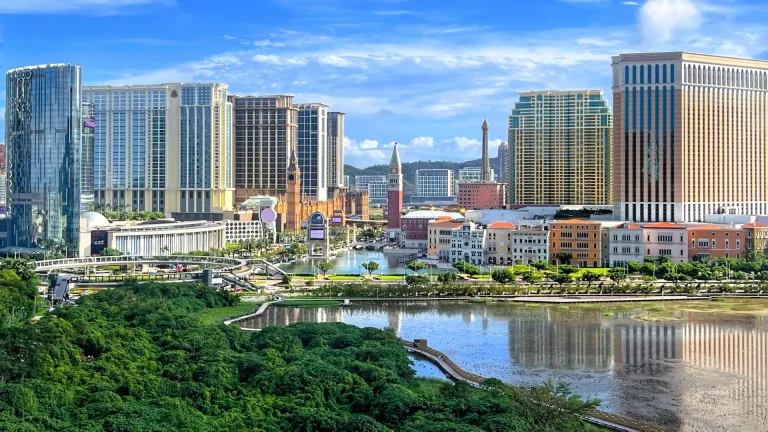
Uber has launched new cross-border travel services linking Hong Kong and Macau, and introduced Macau taxi bookings on its app, expanding its mobility offerings in the Greater Bay Area. 

The services went live on February 3rd, allowing users to book point-to-point transfers between the two cities and request licensed Macau taxis directly through the Uber platform.

Under the new cross-border option, riders can arrange direct trips in both directions—Hong Kong to Macau and Macau to Hong Kong—with upfront pricing that includes bridge and tunnel tolls. The service requires advance booking of at least 24 hours and allows reservations up to 90 days ahead. 

According to Uber, the offering is designed to simplify journeys that traditionally involve multiple transfers and long waiting times, particularly for travelers commuting for work, family visits, or leisure .

The cross-border transfers are operated by Kwoon Chung Bus Holdings, a long-established cross-border transport provider. Vehicles and drivers are fully licensed for cross-boundary operations, and eligible passengers can clear immigration while remaining inside the vehicle, reducing border processing time. Uber said the service provides a premium, point-to-point experience with fixed pricing and complimentary waiting time included .

In addition to cross-border trips, Uber has introduced Macau taxi services through its app. Users can now hail licensed Macau taxis, with fares calculated according to the official taxi meter and paid electronically within the app. The service supports multiple languages and removes the need for cash payments or separate local applications, offering a standardized user experience for residents and visitors alike .

Estyn Chung, General Manager of Uber Hong Kong, said the launch provides “a new way for people to travel easily between Hong Kong and Macau, as well as getting around in Macau”, adding that the company aims to support tourism and create additional opportunities for drivers in the city .

The launch comes as Macau moves to expand transport capacity and modernize its regulatory framework. Macau authorities have pledged to add 800 taxis to the existing fleet of more than 1,400 vehicles. The government has also confirmed plans to amend taxi regulations to establish a legal basis for ride-hailing. Officials have said the policy shift is intended to supplement existing transport services rather than replace them. Rising visitor volumes have intensified pressure on the city’s ground transportation network.

Chinese arrivals to Cambodia top 1.2M in 2025, up over 40%

0

Chinese tourist arrivals to Cambodia exceeded 1.2 million in 2025, marking a year-on-year increase of more than 40 percent, according to the latest data released by the country’s tourism authorities.

According to the The Cambodia Chinese Times, official data show that Cambodia welcomed 5.57 million international visitors in 2025, down 16.9 percent from 2024. Despite the overall decline, the Chinese market demonstrated strong momentum.

In total, 1,201,681 Chinese tourists visited Cambodia during the year, a sharp 41.5 percent increase compared with the previous year. China ranked as Cambodia’s second-largest source market.

Vietnam remained the top source of visitors, with 1.22 million arrivals, although this figure declined 8.8 percent year-on-year. Thailand fell to third place after arrivals dropped 52.4 percent to 1.02 million, largely due to ongoing border tensions that disrupted cross-border travel.

By mode of entry, air travel accounted for the bulk of international arrivals. Cambodia recorded 2.86 million air arrivals in 2025, up 19.2 percent year-on-year. Phnom Penh International Airport handled 2.11 million passengers, an increase of 20.6 percent, while Siem Reap International Airport recorded 672,000 arrivals, up 9.3 percent. Sihanouk International Airport posted the fastest growth, with arrivals surging 144.5 percent to 71,400.

In terms of destinations, Phnom Penh received 1.89 million foreign visitors, down 16.9 percent year-on-year. Siem Reap welcomed 955,100 visitors, a decline of 6.7 percent, while Sihanoukville recorded 415,400 arrivals, up 30.4 percent, reflecting a recovery in coastal tourism.

The rebound in Chinese visitation has also supported Cambodia’s gaming and tourism-related sectors. Casino operator NagaCorp reported solid growth in 2025, driven partly by the return of Chinese and regional visitors to its NagaWorld integrated resort in Phnom Penh.

In a related development, Cambodian authorities have announced a visa-free trial for Chinese citizens from June 15th to October 15th, 2026. Under the scheme, travelers will be able to enter Cambodia by completing an electronic arrival card, stay for up to 14 days per visit, and make multiple entries without paying visa fees—a move expected to further boost Chinese arrivals.

SOFTSWISS and KingMakers highlight scalable growth in Africa at ICE Barcelona 2026

SOFTSWISS and KingMakers took part in a fireside chat at ICE Barcelona 2026, exploring effective approaches to expanding iGaming businesses in African markets.

Olga Resiga, Chief Business Development Officer at SOFTSWISS, and Ronnie Whelan, CEO of KingMakers, discussed how operators can expand sustainably across different African jurisdictions by adapting product strategy to local player behaviour, building retention-first mechanics for low-stakes audiences, and staying agile in regulatory compliance.

During the discussion, Ronnie Whelan highlighted that Africa offers strong growth potential thanks to rising smartphone use, better mobile connectivity, and a young, digitally engaged audience. However, he stressed that operators cannot apply a single approach across all markets. Success depends on understanding how local players behave.

Olga Resiga, Chief Business Development Officer at SOFTSWISS, participated in an exclusive fireside chat with Ronnie Whelan, CEO at KingMakers, at ICE Barcelona 2026

Commenting on the discussion, Olga Resiga, Chief Business Development Officer at SOFTSWISS, said: “Although the market is largely shaped by low-stakes players, success comes from managing large player volumes through personalised strategies. This requires deep player analytics, precise bonus management, and personalised marketing mechanics applied at scale. This is exactly where SOFTSWISS focuses its efforts– helping operators combine volume, efficiency, and sustainable growth through technology and expertise.”

The speakers explored the differences in player preferences. For example, Nigeria leans towards sports betting, while South Africa favours casino games. To succeed, operators must adapt their product mix, gamification, and retention strategies. Regulation and compliance were other key topics. Ronnie Whelan noted that in the evolving regulatory frameworks across Africa, cooperation with local authorities is essential. Operators must build systems that can adapt to regulatory changes while protecting players. 

Ronnie Whelan, CEO of KingMakers, shared: “African markets offer strong growth potential, but they reward focus and discipline. Operators need to understand each market on its own terms. That’s the only way to build products that genuinely fit local players. Discussions like this are valuable because they move the conversation beyond headlines and into practical execution.”

Whelan also views crypto and stablecoins as worth exploring and potentially valuable, provided operators adopt them responsibly.These themes extend beyond Africa and are explored in greater depth in the 2026 iGaming Trends report by SOFTSWISS, which covers global market dynamics including regulation, AI adoption, betting formats, cybersecurity, and responsible gambling.

Daily Asia Gaming eBrief: Macau February GGR to increase up to 12.8%

0
Good Morning. Off to a running start. The Year of the Horse is anticipated to bring with it a steady pace for Macau’s gaming industry. While expectations are for the holiday to disrupt play in the early part of the month, punters should return in force afterwards, with analysts predicting a yearly GGR increase of between 4 and 12.8 percent. Looking to South Korea, Jeju Dream Tower saw table games boost its January results, with a 55 percent increase in casino sales yearly. Meanwhile, Grand Korea Leisure has again denied that it will open a casino in Seoul, even though it previously announced it would study the possibility.

What you need to know

On the radar


AGB Intelligence

Macau gaming, satellite casinos

February GGR could increase 4-12.8% say analysts

February in Macau is expected to get off to a slow start, due to the influence of the Chinese New Year celebrations, but analysts are predicting a recovery after the festivities, helping boost GGR by up to 12.8 percent. Steady visitation and underlying gaming demand should help even out the month, and provide a solid platform for gaming results throughout the rest of the year.


Industry Updates


INTELLIGENCEASEAN | CAREERS | EVENTS

Macau February GGR could rise by 10.5%: Seaport

0

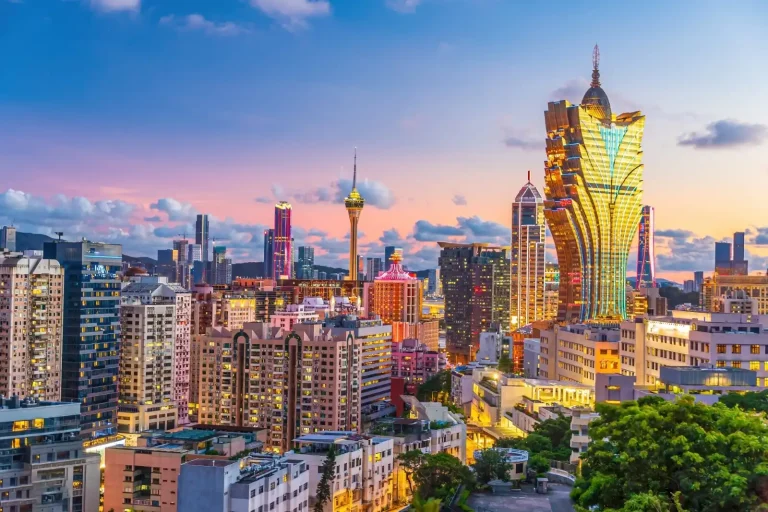
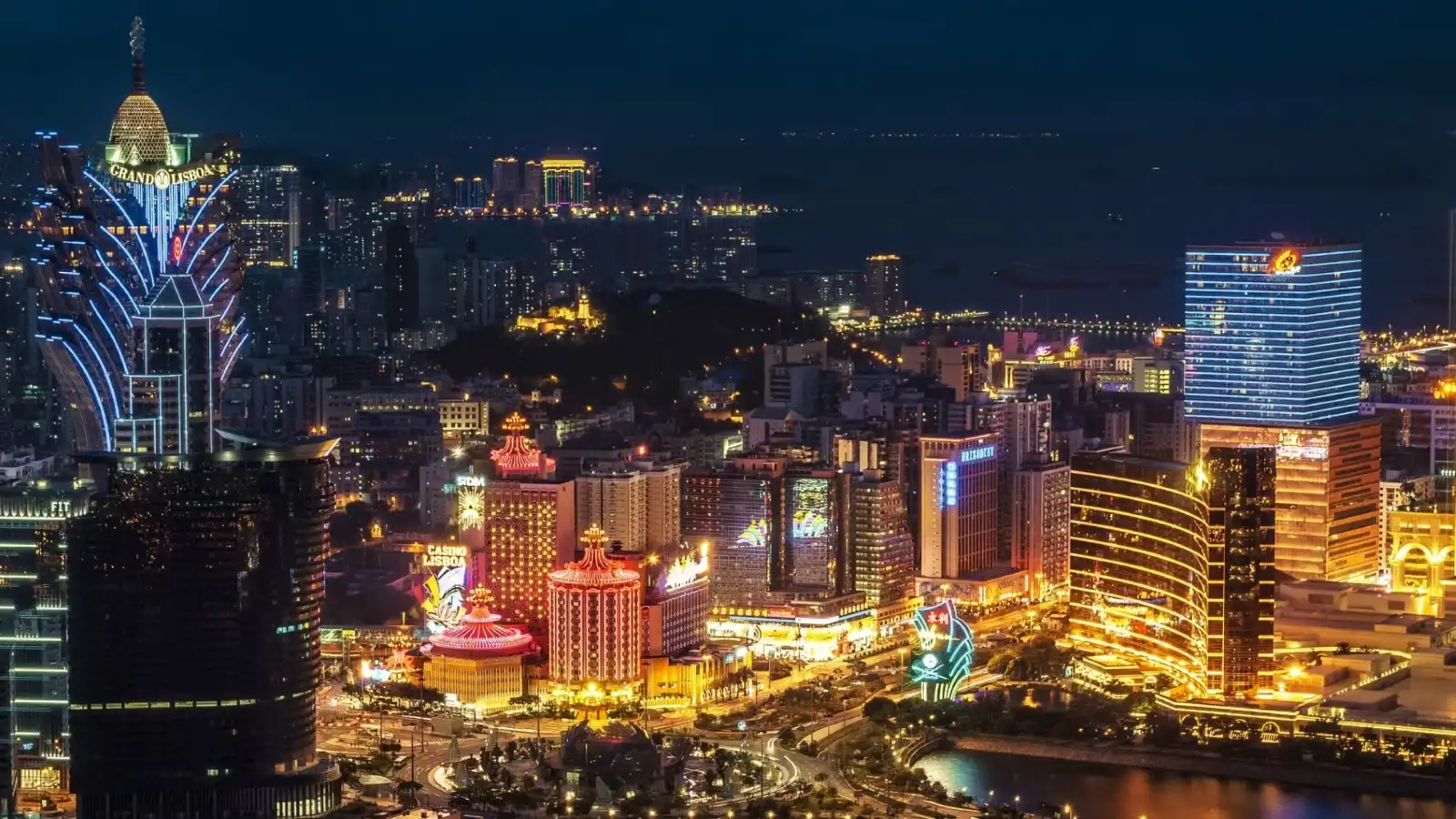
Macau’s February gross gaming revenue (GGR) could rise by some 10.5 percent yearly, according to analysis by Seaport Research Partners, with expectations that first quarter GGR could increase by 15.6 percent yearly and rise by 7 percent for the full year.

In a Monday note, Senior Analyst Vitaly Umansky noted that ‘2026 growth is supported by easy comps in 1H and continued eased money flows and visa issuance. Any pick-up on overnight base mass will further increase growth, and help share gains from operators with more capacity’.

Umansky notes that there could be a further upwards revision if February results come in ‘stronger than expected’.

Despite remaining concerns about ‘the sustainability of GGR growth and the Chinese economy (along with geopolitical risks’, Umansky notes that gaming valuations, in particular those linked to Macau, ‘remain largely too low, contributing to a continued positive risk/reward positioning’.

The senior analyst furthers that ‘we believe investors are being well compensated to take on China-related risk […] warranting upside’.

While premium play in Macau has been going strong post-COVID, Umansky notes that ‘the base mass segment (especially the overnight base mass casino customer) has remained relatively weaker, although there are some indications that mid- tier play is improving along with the higher end during the summer months’.

The analyst furthers that ‘the key driver of growth in 2026 remains liquidity (along with easy visa policy); as long as the liquidity channels remain open, Macau should continue to meet gaming demand (high-end demand in particular)’.

Seaport has given Las Vegas Sands and Sands China Buy ratings, with Neutral ratings for both MGM and MGM China, Buy ratings for Wynn and Wynn Macau, Melco and Galaxy, while SJM has a Sell rating – being ‘poorly positioned in a very competitive Macau market’.

The legacy gaming operator is expected ‘to be the biggest market share loser in Q4 and lose share in 2026 as the satellite business has now been shut down and Grand Lisboa continues to struggle with share gain’.