Casino information systems group AXES.ai has joined the International Gaming Standards Association (IGSA) as its newest committee member, with CEO Earle G. Hall appointed to the Emerging Technologies Committee.
Mark Pace
In a Monday release, IGSA President Mark Pace stated the group is “excited to welcome back AXES.ai to the organization at the Committee Level. I am fortunate to have had a great working relationship with the President & CEO, Earle G. Hall, who has previously served as our Chairman of the Board, and I am looking forward to Earle and the rest of the team at AXES.ai sharing their insights on the Emerging Technologies Committee.”
Earle G. Hall also expressed his excitement for the appointment as Chair of the committee, noting it comes at a “pivotal time for our industry”.
The executive furthered: “As technologies like AI, stablecoin, and cybersecurity accelerate, we will work closely with our members, regulators, and the operators we all support to bring clarity, guidance, and global standards for responsible innovation.”
Earle G. Hall served as Chairman of IGSA’s board in 2023 and has held multiple board positions since 2019.
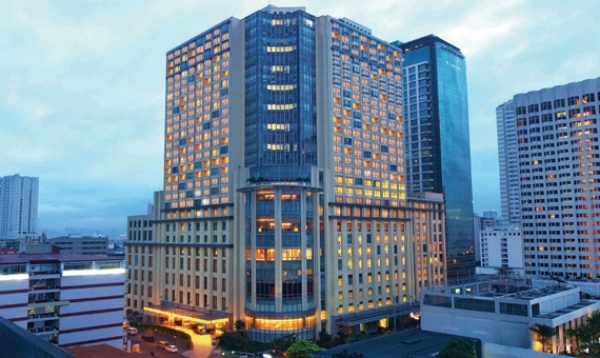
New Coast Hotel Manila operator International Entertainment Corporation (IEC) has tapped former Playtech and Evoke gaming executive Brian Mattingley as its latest member of the board.
Brian Mattingley
Mattingley, who served as a non-executive chairman of Playtech and CEO of Evoke, joins IEV as a non-executive director, following the resignation of Cheng Hong Wai.
The gaming veteran has been appointed for an initial term of three years, starting March 23rd, at a rate of $80,000 per year.
Regarding the departure of Cheng Hong Wai, IEC indicated that the executive has retired from the group ‘in order to devote more attention and dedication to his other engagements’, expressing ‘its sincere gratitude to Mr. Cheng for his valuable contributions to the company during his tenure of office’.
Cheng has also ceased to be chairman of the Audit Committee, with Danica Ramos Lumawig assuming the role from Monday.
The board changes come at a crucial time for IEC, as upgrades to its integrated resort in Manila are finished, with a hotel reopening targeted for July.
IEC recently reported 2H25 gaming revenue of HK$442.5 million ($56.6 million), up 84.4 percent yearly, with gaming activities accounting for 96.4 percent of the group’s total revenue. Despite the strong revenue, IEC registered a loss of HK$85.8 million in 2H25, narrowing by 9.7 percent yearly.
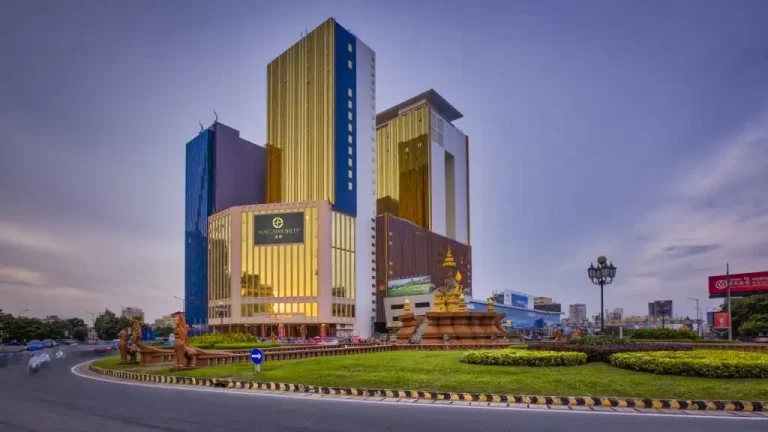
Phnom Penh casino operator NagaCorp saw a significant boost from VIP and premium mass in FY25, boosting its gross gaming revenue (GGR) by 27.4 percent yearly to $691.6 million.
According to the group’s financial results, published on Monday, the group recorded net profit of $309.9 million – up by 56 percent yearly, excluding an $89.11 million non-cash impairment loss on its suspended integrated resort project in Vladivostok, Russia.
The group’s focus on growing its mass market player base and ‘optimizing players’ experiences’ included ‘the introduction of higher-margin products such as side bet games’.
Mass market revenue contributed 69.3 percent of the group’s total during the year, with the group noting it is ‘the engine driving our sustainable and high-quality growth’.
Premium mass and VIP shine
Pagani-Huayra-Imola-Roadster-Naga
Mass market tables revenue at its NagaWorld IR in Phnom Penh was up 27.2 percent yearly, to $342.4 million, with an improved win rate of 22.9 percent, compared to 20.3 percent in FY24. Buy-ins were up by 12.6 percent, to $1.49 billion.
Mass-market EGMs also saw an increase, with revenue up 13.5 percent yearly to $142.6 million, and a slight 0.1 percentage-point drop in the win rate to 7.1 percent. EGM bills in were up 12.5 percent yearly to $2.93 billion.
The group noted that its ‘Premium Mass high-limit areas continue to attract higher-value patrons, significantly enhancing Mass Market table yield and driving a notable shift in customer mix’. Premium mass accounted for 38.5 percent of total mass market tables GGR, up by 33.9 percent yearly.
The group’s VIP segment also saw a significant increase in 2025, with Premium VIP revenue up by 32.1 percent to $136.2 million, despite a slightly lower win rate of 3.5 percent (compared to 3.7 percent in 2024). Rolling chip was up by 51.6 percent yearly, to $5.5 billion.
Looking to the Referral VIP market, revenue was up by 57.2 percent, to $70.4 million, with a strong increase in the win rate, from 2.3 percent in FY24 to 3 percent in FY25. Rolling chip was up by 17.2 percent yearly to $2.32 billion.
High-value visitors
The group notes that ‘the strong rebound was fueled by the increased influx of higher-value business travelers into Cambodia and higher gaming spend among our Premium VIP clientele’. The group notes that these clients ‘consist primarily of regional business owners, who demonstrate stronger spending power, extended stay durations and frequent repeat visitation’.
The group also highlighted that increased Chinese visitation to Cambodia during the year contributed to increased footfall and gaming activity in Premium VIP.
Regarding potential risk from its VIP segment, the group noted that the ‘majority of Premium VIP players are cash players, resulting in minimal credit exposure’, highlighting that the increase in rolling chip volume ‘was driven purely by a higher volume of visitors, not by extending credit terms or taking on additional credit risk’.
At the end of 2025, the group had trade receivables amounting to $4.9 million, up from $2.6 million in 2024.
NagaCorp currently has capital and reserves amounting to $2.4 billion, up from $2.2 billion in 2024.
Considering the results, the group has announced a dividend of $0.19 per share for the year for shareholders registered before July 3rd, 2026. The dividend is payable on August 7th, 2026.
No update to Naga 3
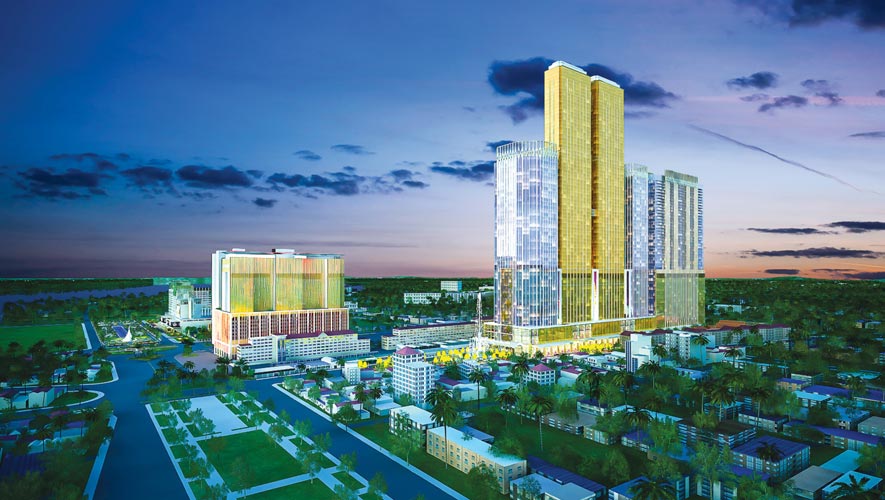
Regarding the group’s Naga 3 investments, following the mutual termination of a funding agreement for the project in December of last year, ‘there has been no material update to the Naga 3 project during the year’.
The agreement was signed in 2019 and encompassed the group’s then-controlling shareholder, Dr. Chen Lip Keong, contributing 50 percent of the expected costs for the build-out, around $1.76 billion, as well as any potential cost overruns.
NagaCorp, in December of last year, indicated that it will continue the development of the project, but ‘will evaluate the remaining development plan of Naga 3 and explore alternative sources of funding, if necessary’. NagaCorp had previously announced that it was pushing back the completion of Naga 3 by four years, to September of 2029, after previously expecting its completion by September of 2025. This also included a project resize.
Initially, the project was expected to elevate the resort’s offerings to 5,000 hotel rooms, 1,300 gaming tables, and 4,500 electronic gaming machines.
Macau gaming operator Sands China has highlighted the need for new growth drivers in the city’s tourism sector amid increasing regional competition and evolving visitor behavior, according to remarks reported by Macau Daily.
Wilfred Wong, Vice Chairman and Executive Director of Sands China
Wilfred Wong, Vice Chairman and Executive Director of Sands China, said Macau’s gaming-tourism sector—referred to by the government as the integrated tourism and leisure industry—remains the backbone of the local economy but is entering a more complex phase of development.
The executive was speaking at the “2026 Macau Industrial and Commercial Development Seminar” hosted by the Chinese General Chamber of Commerce.
Wong noted that the city is contending with the accelerated legalization of gaming across the region, alongside constraints in land and labor resources. At the same time, shifting consumption patterns are reshaping demand, requiring the industry to adapt. “To promote the sustainable and high-quality development of Macau’s tourism and leisure industry, new momentum must be cultivated through coordinated industry development and innovation,” he said.
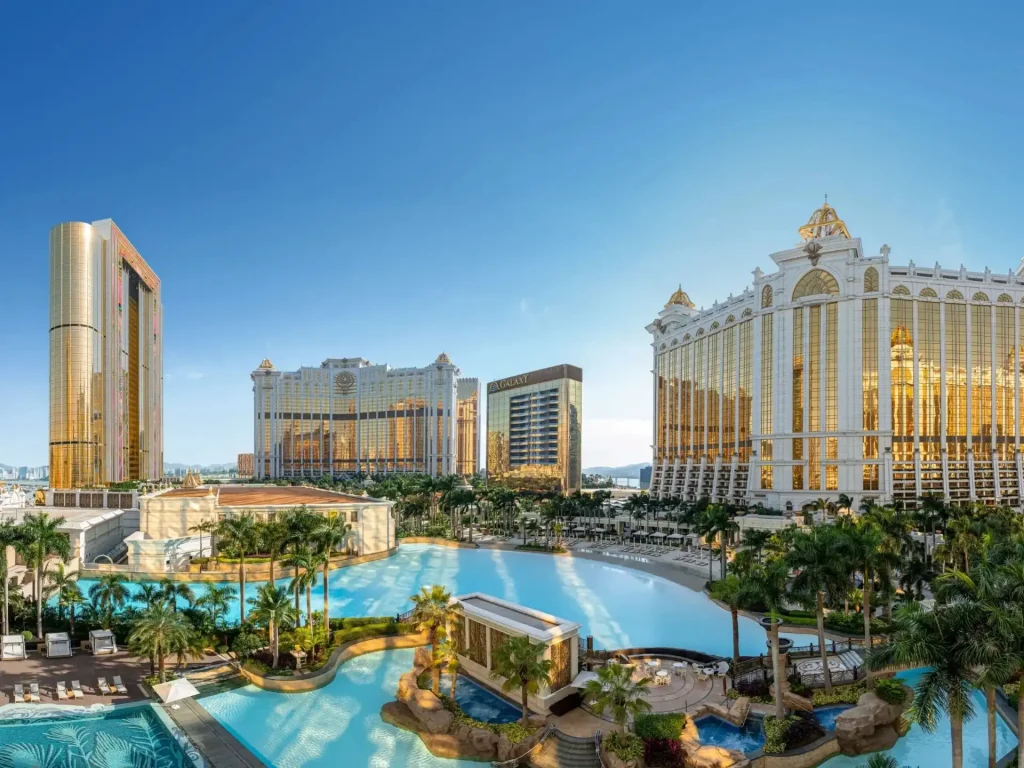
Sands China is Macau’s leading gaming operator (although contesting closely with Galaxy), holding around one-quarter of market share in terms of gross gaming revenue (GGR) among the six concessionaires. Its properties are also well known for their non-gaming offerings, including meetings, incentives, conventions, and exhibitions (MICE), retail, and entertainment.
Focus on international markets and experiential tourism
According to Macau Daily, Wong emphasized that Macau remains heavily reliant on mainland Chinese visitors, with international tourists accounting for less than 10 percent of total arrivals. He said the city should make better use of its status as both a UNESCO World Heritage destination and a “Creative City of Gastronomy“, tailoring its appeal to different markets. Cultural and historical tourism could be strengthened for Western audiences, while food, shopping, and entertainment offerings could be further developed for Southeast Asian visitors, supported by a stronger lineup of festivals and performances.
The executive also pointed to a broader shift in tourism consumption toward experience-driven and thematic offerings. In this context, sectors such as MICE, entertainment, and sports are emerging as increasingly important sources of growth. Wong said the industry should continue introducing innovative products and internationally recognized intellectual properties to reinforce Macau’s positioning as a global tourism destination.
Closer integration with the Greater Bay Area (GBA) was also highlighted as a key opportunity. Wong suggested that cooperation should evolve beyond simple visitor exchanges toward deeper industrial collaboration, including the development of multi-destination itineraries linking cities such as Zhuhai, Guangzhou, and Shenzhen. He added that Hengqin could serve as an extension of Macau’s tourism ecosystem, supporting areas such as large-scale events, healthcare tourism, and cultural experiences, while improved cross-border transport connectivity would further enhance regional mobility.
Wong also underscored the importance of building a more robust talent pipeline to support the sector’s transformation. This includes developing interdisciplinary and internationally oriented training programs, as well as strengthening language capabilities to improve service standards for global visitors.
Consumption shift and support measures
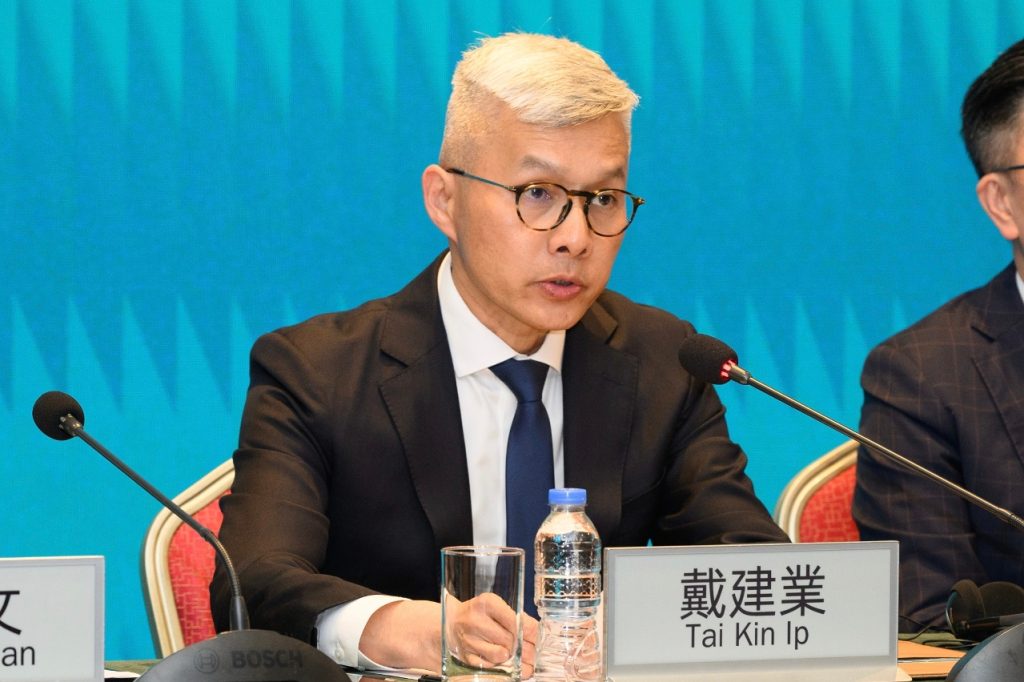
The seminar also reflected broader concerns about changing market dynamics. Macau’s Secretary for Economy and Finance, Tai Kin Ip, said visitor spending per capita has been declining in recent years, with consumption shifting from “shopping-driven” to “experience-driven” patterns. He noted that this transition is placing higher demands on local businesses to adapt and upgrade their offerings in line with new expectations.
Macau’s Secretary for Economy and Finance, Tai Kin Ip
To address these changes, the official said the government has rolled out a series of measures aimed at supporting economic diversification and business transformation. These include organizing large-scale events to attract visitors, promoting digital upgrades among small and medium-sized enterprises (SMEs), and introducing initiatives to revitalize community-level consumption.
Authorities are also exploring further policies to improve the business environment and encourage new types of commercial activity.
Continent 8 Technologies has formed a strategic partnership with specialist Lloyd’s broker New Dawn Risk, combining their cybersecurity and insurance expertise to deliver a unified risk‑management solution for the global iGaming sector.
This collaboration will benefit gaming operators from both enhanced security protection and reduced insurance premiums, with underwriters offering discounts based on the security maturity and controls in place.
“This partnership represents a significant step forward in how we support our clients,” said Elizabeth Grima, Senior Executive Manager, New Dawn Risk. “By combining Continent 8’s trusted cybersecurity services with our tailored insurance solutions, we are offering iGaming companies a truly end-to-end risk management package. It goes beyond traditional broking – it’s about delivering resilience, continuity, and peace of mind in a sector where cyber threats and regulatory pressures are constantly evolving.”
The new offering will initially launch in the UK and Europe, with plans to expand globally. It combines specialist cybersecurity services with tailored insurance to make protection more accessible to iGaming companies. Services include Managed SOC & MDR, Cyber Threat Intelligence Exchange, DDoS protection, Web Application and API Protection (WAAP), and Multi‑Factor Authentication (MFA) for end users. Businesses adopting the package will benefit from discounted premiums, which increases their access to cost-effective coverage.
“We are excited to partner with New Dawn Risk,” added Patrick Gardner, Chief Security Officer at Continent 8 Technologies. “This collaboration brings together two specialists in their fields to offer a compelling mix of advanced cybersecurity controls and tailored insurance solutions for the iGaming industry. Strong cyber defences not only protect operators and suppliers but also demonstrate sound risk management – an increasingly important factor when it comes to reducing insurance premiums. As the go-to cybersecurity provider to the industry, we’ve been delivering multi-layered protection solutions to high-risk gaming businesses for years, and this partnership builds on that proven foundation.”
R. Franco Digital has expanded its international footprint through a major partnership with leading GameTech operator Novibet, bringing its portfolio live across regulated markets in Europe and Latin America.
The partnership sees R. Franco Digital’s diverse and high-performing games portfolio integrated into Novibet’s platform, further enhancing the GameTech operator’s premium casino offering and providing its growing international player base with access to high-quality, engaging content. This move further boosts R. Franco Digital’s status as a top-tier supplier in key jurisdictions across two continents.
Among the initial wave of hit titles to be featured on Novibet’s range of sites are Strange Spins, Valentine’s Dates, Aphrodite, Link City, and 40 Super 7 FS. These games have already garnered acclaim for their immersive mechanics and localised appeal, making them a strategic addition to Novibet’s premium and entertainment-led casino experience.
This latest collaboration highlights R. Franco Digital’s continued momentum, as the supplier continues to pursue its roadmap of international expansion by partnering with tier-one operators across established and emerging markets.
Javier Sacristán Franco, International Business Director at R. Franco Digital, said: “Partnering with a leading GameTech operator such as Novibet is a testament to the quality and versatility of our content. Their strong presence in both Europe and Latin America aligns perfectly with our strategic goals. We are confident that our recent hits, such as Link City and Aphrodite, will resonate strongly with Novibet’s audience, delivering the high-quality entertainment experience players expect. We look forward to a long and fruitful relationship as we continue to grow together.”
Fotini Matthaiou, Executive Director of Casino at Novibet, added: “Enhancing our casino offering through strategic content partnerships remains a key priority for Novibet. R. Franco Digital’s portfolio brings engaging, high-quality gameplay experiences that strengthen our proposition, in line with our commitment to delivering premium entertainment and long-term player value across our regulated markets. This partnership marks an important step in expanding our presence across Europe and Latin America, as we continue to grow our content offering with diverse and locally relevant experiences for our international audience.”
The Philippines’ anti-graft court has denied a motion by Macau-linked gambling investor Jack Lam to dismiss criminal charges tied to an alleged PHP50 million ($900,000) bribery scheme involving immigration officials, allowing the case to proceed.
According to local media reports citing a resolution issued by the court’s Sixth Division, judges ruled that the charges filed against Lam for violation of Presidential Decree No.46 remain valid, rejecting his argument that the case lacked sufficient factual basis. The court also upheld a hold-departure order against Lam, preventing him from leaving the Philippines.
The case stems from allegations that Lam, through intermediary Wenceslao Sombero Jr., paid PHP50 million ($828K) to former Bureau of Immigration deputy commissioners Al Argosino and Michael Robles in November 2016. The payment was reportedly made in exchange for the release of more than 1,300 Chinese nationals detained for illegal employment at the Fontana Leisure Park and Casino in Pampanga.
Argosino and Robles were previously convicted of plunder and graft and sentenced to lengthy prison terms, with at least PHP30 million ($540,000) returned to the Department of Justice. Lam sought dismissal of his case partly on the grounds that charges against the officials for the same offense had been dropped in 2021 due to double jeopardy concerns. However, the court ruled that this protection does not apply to Lam, as he is not simultaneously charged with or convicted of plunder.
The court further noted that, at this stage, prosecutors are only required to allege the acts constituting the offense, not prove them. It also declined to classify Lam as a fugitive, citing insufficient evidence regarding the timing and circumstances of his departure from the Philippines.
Lam, a veteran investor in Macau’s junket sector, is associated with Hong Kong-listed Jimei International Entertainment Group Ltd., which has operated casino and resort assets, including Fontana. Notably, operations at the Fontana Resort and Country Club were indefinitely suspended by Clark authorities in early 2025, underscoring ongoing regulatory scrutiny surrounding the property.
Citigroup has maintained a positive outlook on Macau’s gaming sector, stating that softer trends observed in March are largely seasonal and do not signal any underlying weakness in demand, according to its latest proprietary table survey conducted in March 2026.
The bank noted that recent perceptions of a slowdown may be influenced by recency bias, as its previous survey was conducted during the Chinese New Year period, when activity is typically stronger.
Based on historical data, Citigroup emphasized that March has consistently been an ordinary month for gross gaming revenue (GGR) on a day-to-day basis. The latest data continue to point to solid year-on-year growth across several key metrics, supporting expectations for low-to-mid teens GGR growth in the first quarter of 2026.
Analysts George Choi and Timothy Chau highlighted that the average wager per Premium Mass player rose 17 percent year-on-year to HK$20,689 ($2,643) in March, compared with HK$17,611 ($2,249) in the same period last year. Total wager observed reached HK$11.2 million ($1.43 million), largely flat year-on-year, while the number of Premium Mass players declined 16 percent to 543. The increase in per-player spending offset the lower player count, indicating resilient demand among higher-value customers.
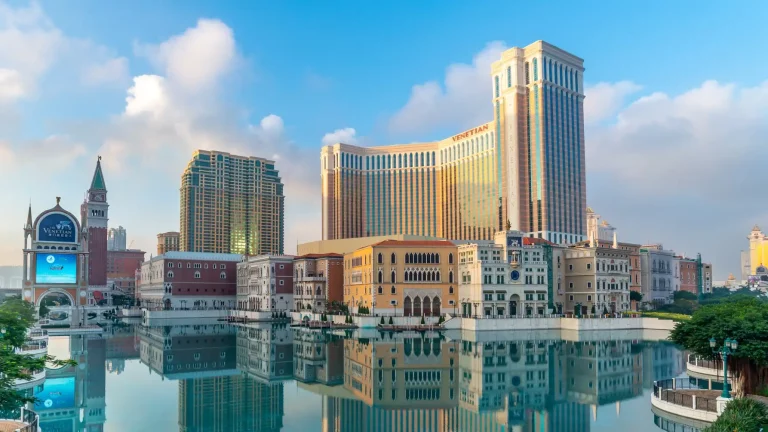
In its ‘whale watch’ observations, Citigroup reported 25 whales during the month, up from 20 in March 2025. The ‘Player of the Month’ was identified at Galaxy Macau’s Horizon Room with wagering of HK$350,000 ($44,700). Additional high-value players were recorded at The Venetian Macao and Galaxy Macau’s Pavilion North, each wagering around HK$300,000 ($38,300).
The bank also noted that the apparent softness compared with the Chinese New Year period is consistent with historical patterns. Average Premium Mass wager per player in March was 30 percent lower than the HK$29,625 ($3,784) recorded during Chinese New Year 2026, broadly in line with declines of 33 percent in 2025 and 30 percent in 2024.
Similarly, the number of whales was 47 percent lower than during the holiday period, compared with declines of 59 percent and 51 percent in the prior two years. Citigroup reiterated that both metrics improved on a year-on-year basis.
Operator performance showed Galaxy Entertainment Group (GEG) regaining the top position in Premium Mass with a 32 percent market share, despite a decline from 36 percent a year earlier. Sands China ranked second with a 21 percent share, up from 18 percent last year.
Citigroup added that Sands China may present increasing investment interest following a recent share price pullback, noting that the market may be ‘overly pessimistic’ about the company’s prospects for EBITDA recovery.
Meanwhile, average mass baccarat minimum bets across Macau rose 3 percent year-on-year to HK$2,028 ($259), with Cotai increasing 6 percent to HK$2,192 ($280), while the peninsula saw a 7 percent decline to HK$1,540 ($197).
Other observations included ongoing renovations at MGM Cotai’s high-limit area, which temporarily reduced gaming capacity.
Good morning. ‘Organized crime enablement’. That’s the hefty claim leveled by a German hacker who claims to have breached Malta Gaming Authority’s systems and is threatening to release data she says is damning. The MGA’s response so far has been limited, and the scope of the hack and authorities’ response is unclear, but the penetration of one of the world’s top iGaming licensors is raising concerns regardless. Meanwhile, in Singapore, Marina Bay Sands’ multi-billion-dollar expansion is going ahead under contractor Woh Hup, significantly increasing the operator’s footprint by 2030. And in Macau, tourism boomed in February, as the Chinese New Year holidays boosted visitation to 4.2 million, up by nearly one-third yearly.
The iGaming industry could be in for a shock, if there is any substance to a threat made by a German hacker about her alleged breach of Malta Gaming Authority’s systems. The MGA has identified a ‘breach within one of its systems’, with the hacker claiming to have shared the data with authorities and media to expose ‘organized crime enablement schemes’. The scope of the data, its content, and what steps authorities will take against the hack will define the potential fallout.
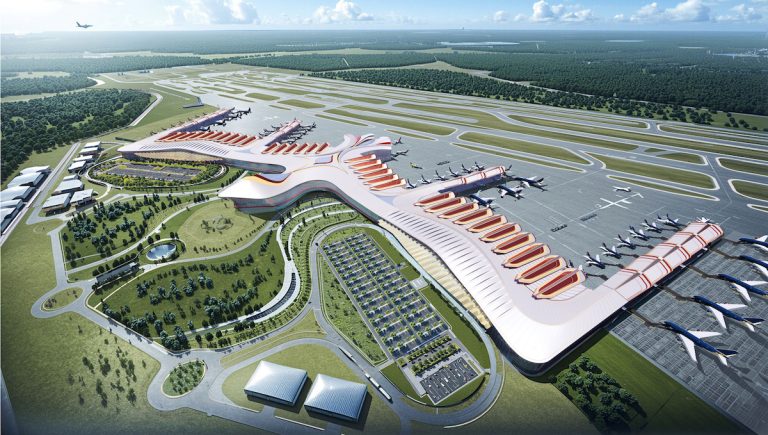
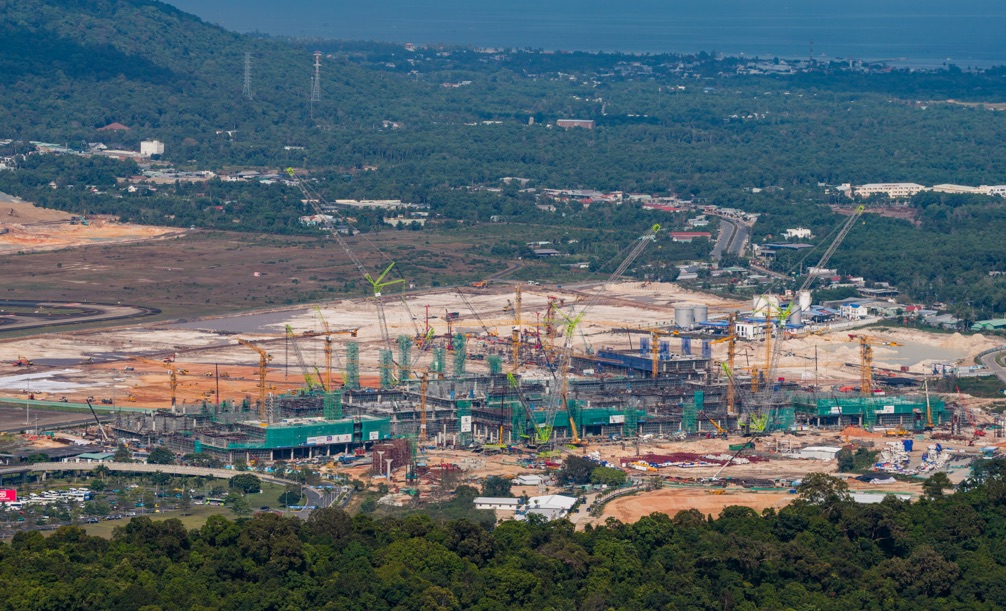
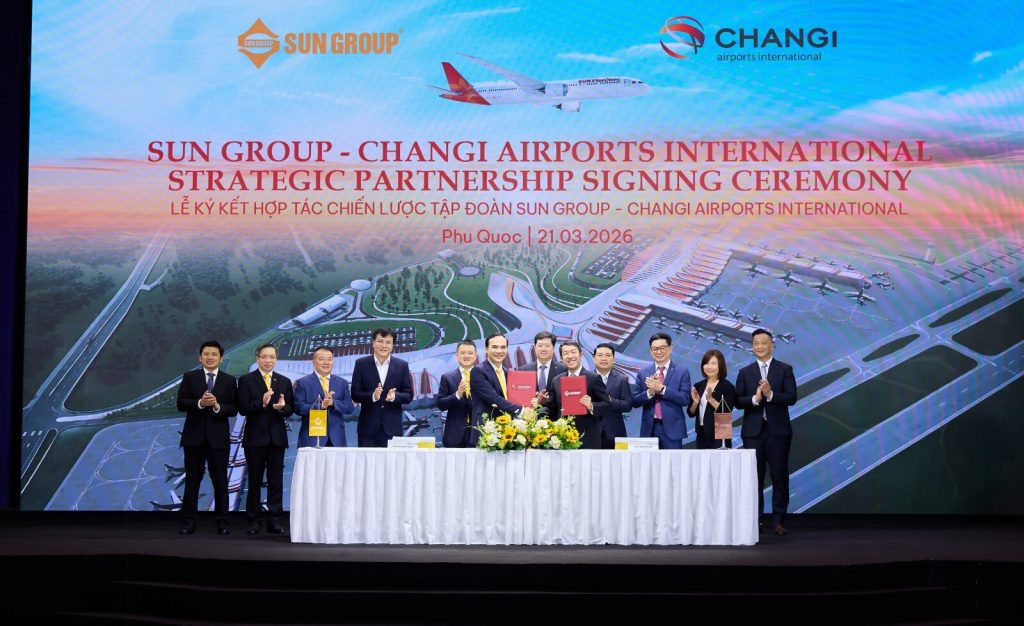
Vietnam’s Sun Group and Singapore’s Changi Airports International (CAI) have signed a strategic cooperation agreement to manage Phu Quoc International Airport, transforming it into Vietnam’s first ‘airport destination’.
The agreement was signed on March 21st, with CAI serving as a design advisor, operational frameworks developer, systems implementer, and providing management and performance optimization after the airport comes online.
After completion, the airport is expected to have yearly capacity of 24 million passengers, which it hope to eventually expand to 50 million.
The airport is also hoped to boost Sun Group’s tourism and aviation network within Phu Quoc. The province is currently home to Corona Resort & Casino – which was granted permanent local gaming permission in November of last year.
The property is one of three which was can allow local gambling. The Grand Ho Tram Resort was also authorized, albeit under a five-year pilot program, while the under-construction Van Don integrated resort – under Sun Group’s wing – will also benefit from the program once open.
Sun Group also operates ‘the first luxury airline in Vietnam’, Sun Air, providing private jet management and air charter services, as well as Sun PhuQuoc Airways, a leisure ‘resort airline’ that commenced operations in November of last year.
Speaking of the new partnership, CAI CEO Eugene Gan noted that “We are impressed by Sun Group’s vision for developing Phu Quoc as the next upcoming travel destination. Its integrated tourism and entertainment eco-system provides a strong foundation for the long-term development of Phu Quoc International Airport as a key gateway for the island”.