



Asian iGaming operators are taking a stronger approach to competition and responsible gaming than their competitors in other jurisdictions. That’s according to EvenBet Gaming, a leading online gaming software and solutions provider, who laid out exactly the differences between the markets, and why Asia is so exciting.
Speaking to AGB, EvenBet CEO Dmitry Starostenkov noted that, while the Asian market is a key target, strong opportunities still exist within Europe and there are emerging possibilities in Brazil. But for all of the markets, product innovation and leveraging the use of AI are going to be key for shaping the future of the gaming environment.
Regulation
Looking to Asia, amongst a survey of some 700 respondents, the operator found that Asian operators were primarily focused on competition and responsible gaming, linked to the rapidly growing market value.
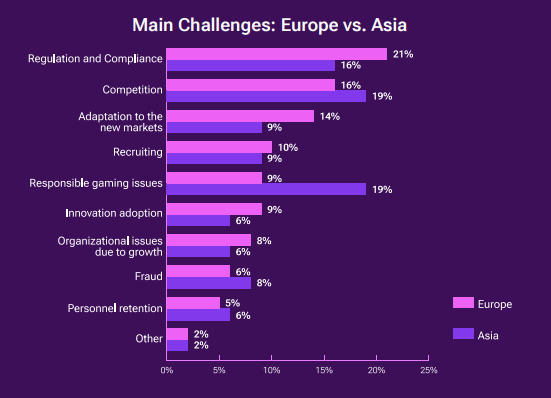
The executive notes that “more weight was placed on responsible gaming in Asia (19 percent) than Europe (9 percent)”. Growing concern over scam centers, illegal offshore gaming operations and illicit money laundering has lent caution to operators who are increasingly looking to foreign investment which require strong compliance. While not only a concern in Asia, recent news reports have not helped the region’s reputation.
The Philippines has been a spotlight, with the shutdown of Philippine Offshore Gaming Operators (POGOs) and the recent move against Philippine Inland Gaming Operators (PIGOs) – two very separate things – drawing political and investor attention. Calls to totally shut down the PIGO industry – which is not linked to POGOs – has created much debate, with hopes that legitimate operators registered under PAGCOR will not face undue prohibition.
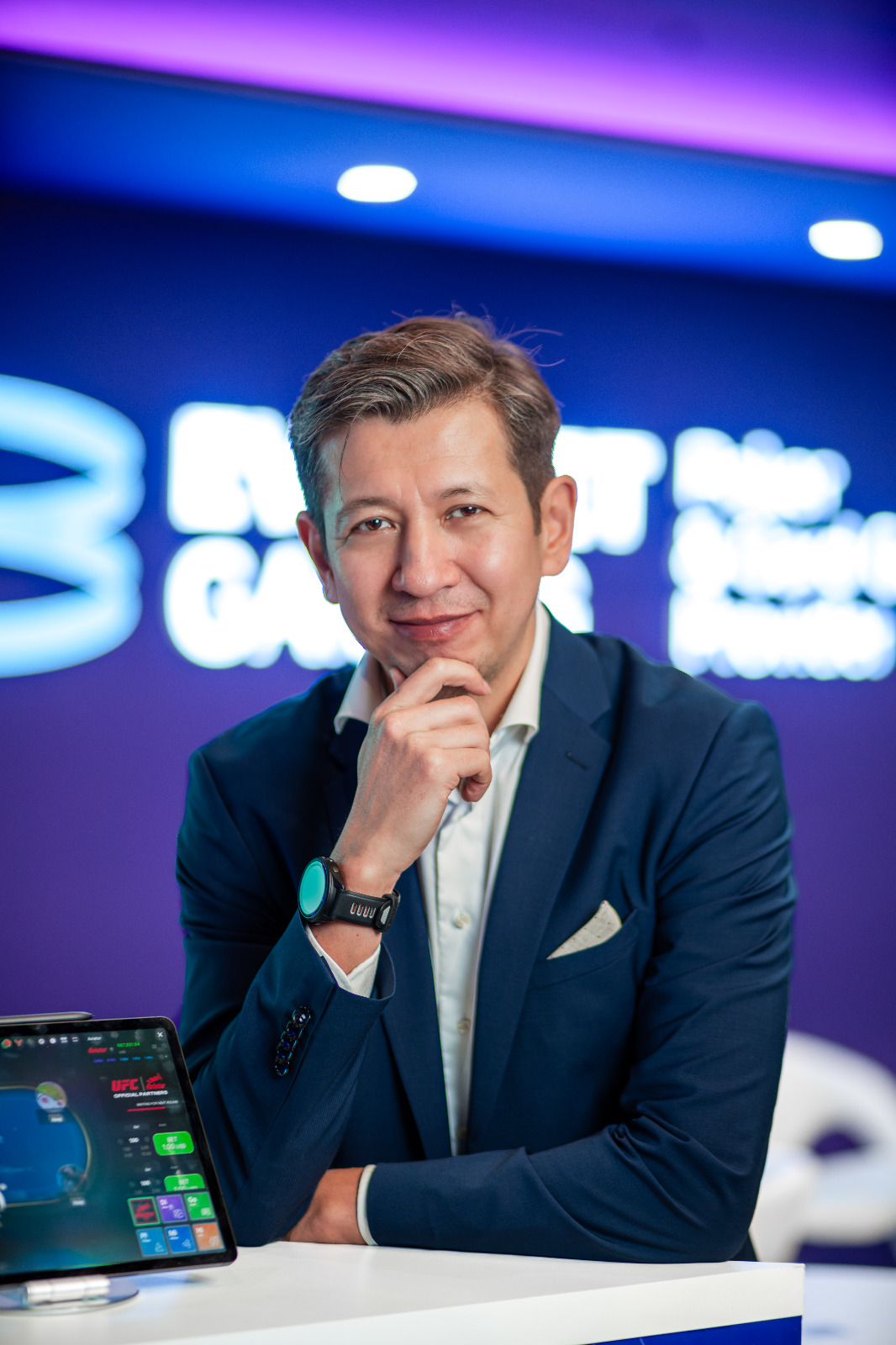
EvenBet’s CEO Starostenkov, noted that PAGCOR has been tightening its efforts to ensure responsible gaming guidelines, “leading to companies in the market investing greater resources into aligning with the updated policies.” And the draw of the Philippines has been massive in recent years, with GGR skyrocketing after the pandemic, showcasing how innovation and responsible regulation can create value.
“The Philippines has cemented its status as one of the fastest-growing regions in Southeast Asia, and the increased focus on safer gambling spotlights regulatory progress and signals the growing appetite of brands eager to tap into its potential,” notes the executive.
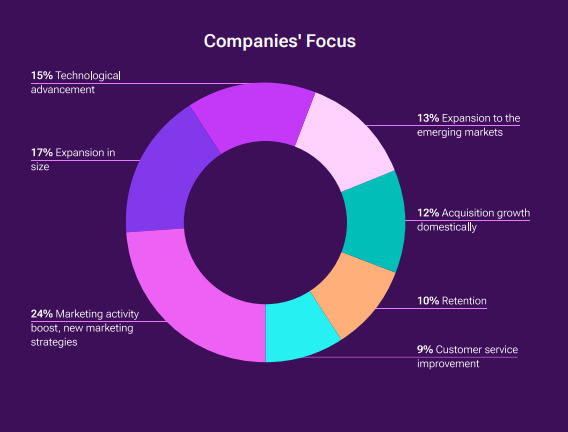
Operators with multi-national aspirations have also refocused. While Brazil promised a strong potential, many of the companies have faced lackluster return possibilities, encouraging a refocus on the Asian market (both for veterans and potentials) – with marketing cited as the key focus for 29 percent of respondents (as compared to 20 percent in Europe).
Shifting trends
But the overall consumption process is changing, and companies need to evolve as well. The survey results find that “Asia has shifted from a mobile-first to a mobile-only continent,” notes the CEO.
“With 1.5 billion smartphone users and the emergence of a younger generation of tech-literate consumers in key markets such as India and Thailand, the race to capture this audience has accelerated. Operators and suppliers have increasingly targeted mobile-first marketing channels, mainly social media, as the gateway to harnessing market potential.”
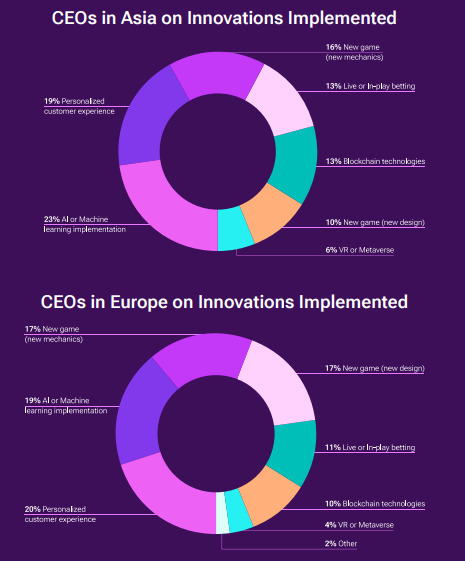
And an unavoidable topic is AI. The third most prominent focus ranked amongst respondents in the survey across both Europe and Asia was Artificial Intelligence.
That being said, “the tech-based priorities varied across the continents. In Europe, 2025 was the year of personalization (21 percent), as businesses sought to counter rising acquisition costs with a renewed focus on fostering loyalty and increasing retention. In Asia, new games and mechanics were the key focus,” notes Starostenkov.
“As Asian markets regulate and mature, companies are prioritizing product iteration and innovation and remain ahead of fierce competition,” notes the CEO. He furthered that “executives are looking to leverage the power of AI to speed up product prototyping and refine real-time personalization as they look to streamline and optimize operations.”
How to promote
Social media has become the prime method for iGaming brand promotion, both in Asia and in Europe, with a significant 62 percent of Asia-based respondents noting that they “do not rely on in-person networking for updates”. This contrasts highly with the 9 percent registered by respondents in Europe.
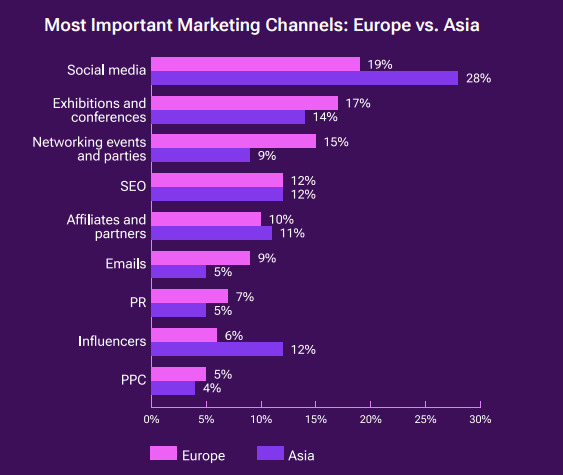
EvenBet notes that “The sheer size of Asia is the likely culprit for this discrepancy, making in-person networking difficult due to the time and cost associated with travel. There are also numerous high-profile industry events hosted in Europe and the Americas, which those based in Asia cannot readily attend, thus creating a greater reliance on digital channels.”.
So what’s the best avenue?
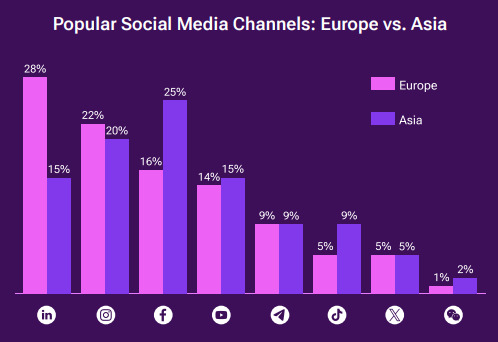
“Businesses have increasingly looked to build brand recognition and trust with consumers by leveraging the influence of streamers and bloggers that communicate in the native language and through the audience’s preferred platforms,” notes the executive. “These niche iGaming influencers have proven more effective at converting customers in Asia than high-profile celebrities. This is an area to keep an eye on in 2026 as players increasingly search for interactive, real-time experiences.”
What’s next?
“Expect regulation and compliance to dominate as a key challenge throughout 2026. As new markets open, a significant investment in resources is demanded to align with guidelines, while evolving frameworks in existing markets requires businesses to adjust long-standing offerings. Competition will also remain a persistent issue”, indicates the EvenBet CEO.
iGaming is on the rise, particularly within Asia, and with various iterations and possibilities. Streaming has become mainstream in regards to entertainment, and platforms are maximizing the opportunities. This also breeds a new generation of content creators and influencers – but responsible gaming will be key in making sure advertising, marketing and promotions are not detrimental.
“The iGaming industry is moving at breakneck speed, and its value is set to soar. Only those agile enough to react to market trends and align with increasingly complex regulatory environments will position themselves for success,” highlights Starostenkov.