



Macau’s gaming regulator has reaffirmed that maintaining a “healthy and orderly development” of the gaming industry remains the city’s core competitive strength, even as the 2026 Policy Address offers limited new details on the sector.
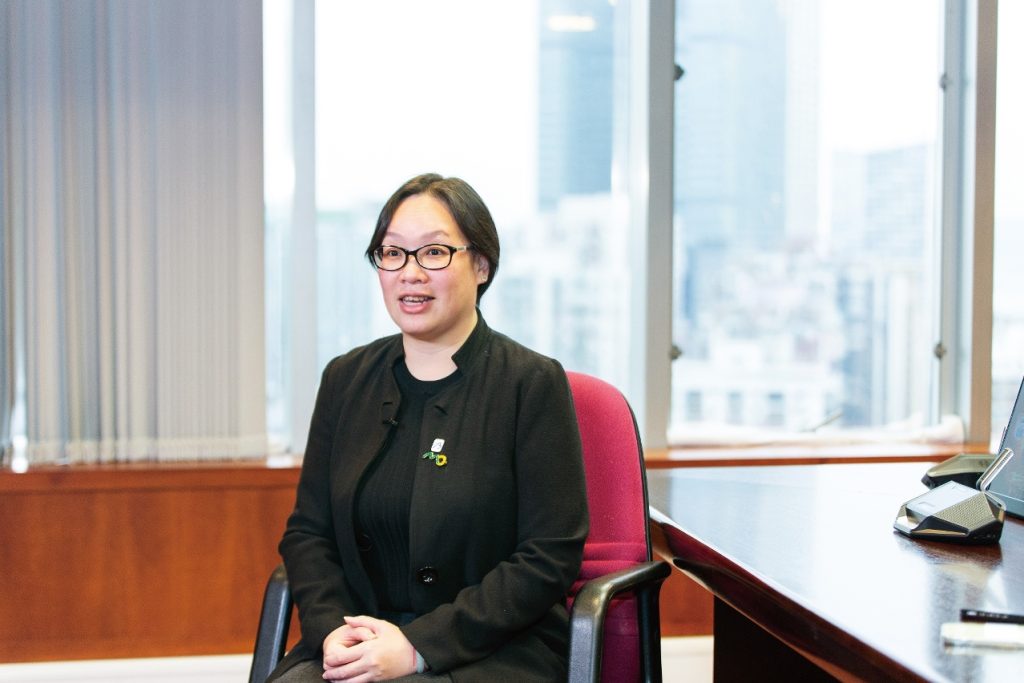
Speaking Tuesday at the Legislative Assembly, Gaming Inspection and Coordination Bureau (DICJ) Director Ng Wai Han said Macau’s policy direction for gaming “has long been clearly defined” and remains rooted in its positioning as part of an integrated tourism and leisure industry.
The 2026 policy blueprint places its main gaming-related emphasis on reviewing concessionaires’ non-gaming investment obligations under the new casino contracts.
Secretary for Economy and Finance Tai Kin Ip stated that the government will strictly oversee compliance with legal and contractual requirements while accelerating the completion of both gaming and non-gaming commitments. He noted that investments should prioritize projects that deliver economic and social value and strengthen Macau’s international branding, thereby supporting the city’s diversification objectives.
The more detailed section of the policy guidelines outlines only three gaming-specific priorities: urging concessionaires to fulfill their gaming and non-gaming investment obligations; assessing compliance with the concession terms; and continuing to enhance responsible gaming through improved employee training and professional development.
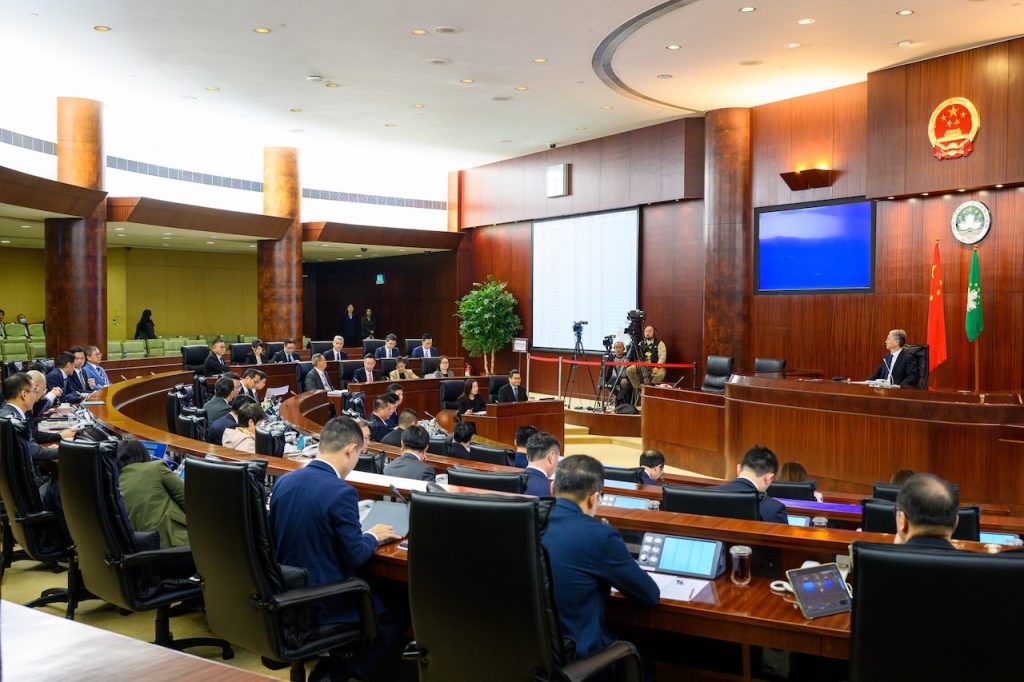
Lawmakers pressed the government to provide clearer strategic direction. Legislator Pereira Coutinho criticized the policy report for lacking a substantive roadmap for gaming development amid rising competition from neighboring jurisdictions.
Ng Wai Han responded that the overarching framework has been articulated across multiple planning documents—namely the city’s second Five-Year Plan and the amended gaming law—which position gaming as one component of Macau’s goal to become a world-class tourism and leisure center. She emphasized that the objective is to ensure the industry develops legally, healthily, and in an orderly manner to support economic diversification.
Ng Wai Han added that the government closely tracks gaming policy trends in nearby regions and conducts regular competitive analysis. Maintaining a stable, well-regulated, and sustainable industry, she said, is essential to safeguarding Macau’s long-term strengths.
The DICJ will continue supervising casino operations in accordance with the law, explore the introduction of new gaming products when appropriate, and encourage operators to expand into overseas markets. The official did not provide specific details on either of the possible new games or the focus of potential international expansion.
Several legislators also raised questions about the revitalization of the six major districts. Tai reiterated that the new model is based on “government supervision and coordination, operator investment, and community-led programming.” Under this framework, the government will oversee top-level planning, approvals, and monitoring; casino operators will provide funding and leverage their capacity to attract visitors; and local associations will coordinate community involvement to boost district vitality and support sustainable development.
When asked whether concessionaires will be required to invest in new non-gaming district projects, Tai said the priority for the next two years is to review ongoing investments and ensure compliance with the 11 contractual categories. Potential expansion into new zones may be considered at a later stage, he added.