Galaxy Entertainment Group (GEG) saw robust financial performance for the first half of 2025, with adjusted EBITDA reaching HK$6.9 billion ($881 million), a 14 percent year-on-year increase.
The Macau-based gaming operator also declared an interim dividend of HK$0.70 ($0.09) per share, payable in October 2025.
Net revenue for the six-month period rose 8 percent year-on-year to HK$23.2 billion ($2.96 billion). Net profit attributable to shareholders surged 19 percent to HK$5.2 billion ($664 million), reflecting strong operational performance despite challenging market conditions.
For the first half of 2025, net gaming revenues increased by 10.7 percent year-on-year to nearly HK$18.58 billion ($2.36 billion). Non-gaming revenues for the same period were almost HK$3.17 billion ($404.2 million), representing a gain of 2.5 percent from the previous year.
Second-quarter results showed sustained momentum, with net revenue of HK$12 billion ($1.53 billion), up 10 percent year-on-year and 8 percent quarter-on-quarter. Adjusted EBITDA for the quarter reached HK$3.6 billion ($460 million), marking a 12 percent year-on-year increase and 8 percent quarter-on-quarter growth.
Cotai’s Galaxy Macau drives group earnings
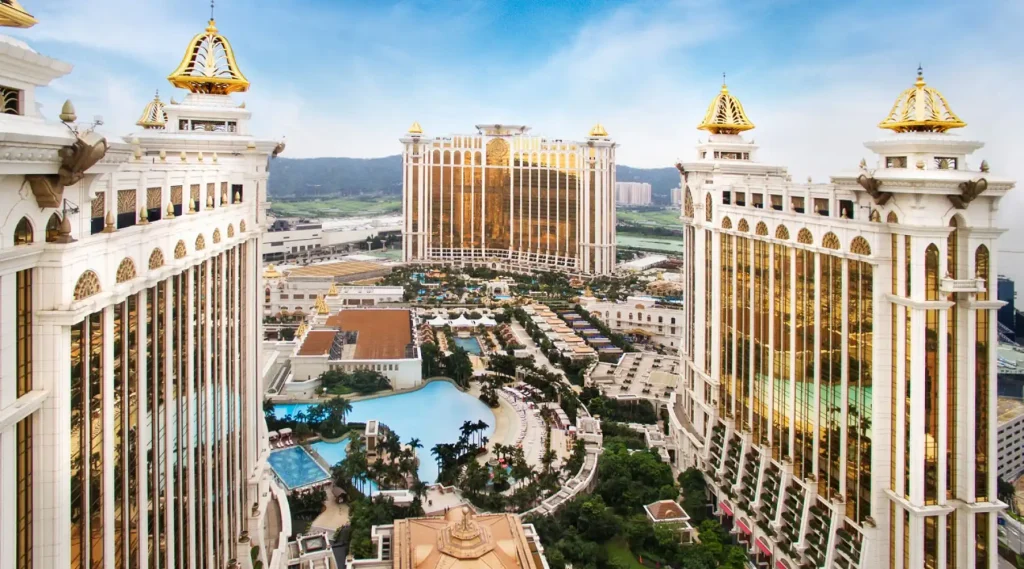
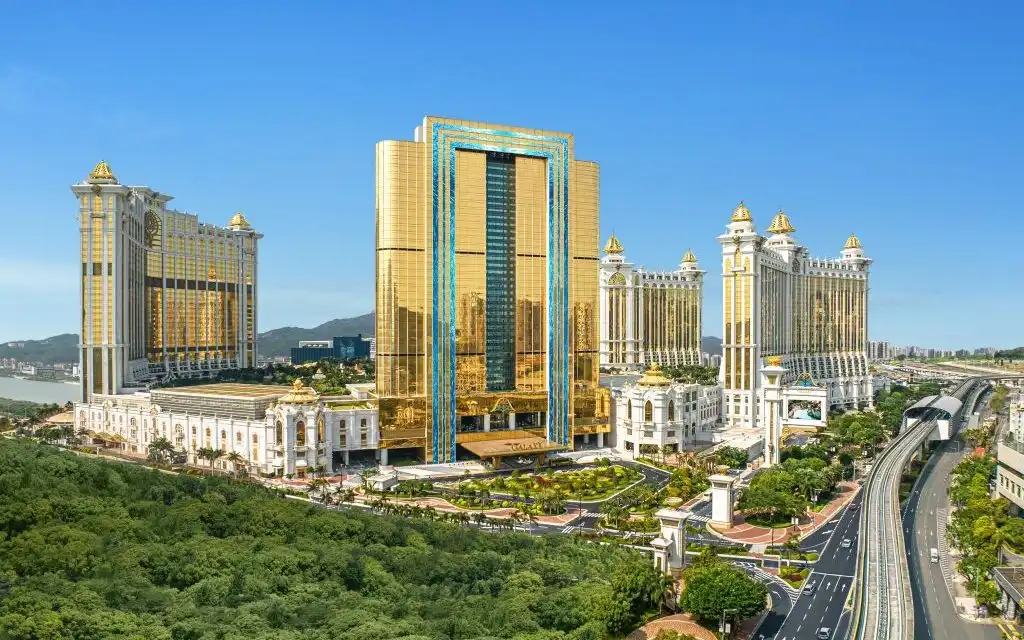
Galaxy Macau, the company’s flagship integrated resort in Cotai, was the primary contributor to group earnings, generating net revenue of HK$19.1 billion ($2.44 billion) for the first half of 2025, up 13 percent year-on-year. The resort’s adjusted EBITDA reached HK$6.3 billion ($805 million), an 18 percent increase from the previous year.
The property showcased strong operational efficiency, with hotel occupancy across its nine hotels reaching 98 percent in the second quarter. The ultra-luxury Capella at Galaxy Macau, the group’s latest hotel addition, offered exclusive previews in May 2025 and bolstered performance during the Golden Week period.
In June 2025, Galaxy Macau achieved record single-day visitation of over 123,000 visitors, driven by major entertainment events, including performances by K-pop star G-Dragon and Hong Kong singer Jacky Cheung at the Galaxy Arena.
Chairman highlights entertainment strategy success
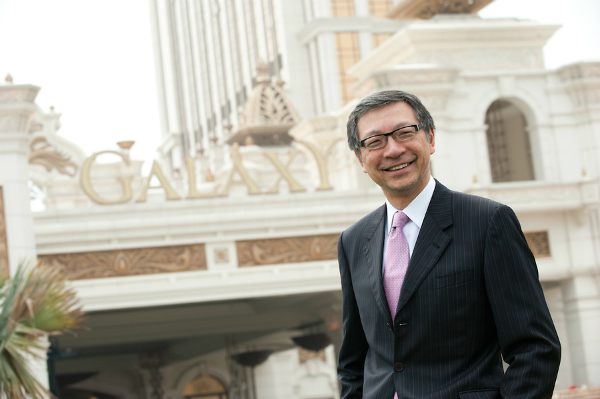
Francis Lui Yiu Tung, chairman of Galaxy Entertainment Group, underscored the company’s successful execution across all business segments in his statement to shareholders.
“GEG delivered solid results and increased market share despite competitive conditions,” Lui said. “We drove growth in every segment, particularly the premium mass market.”
Lui emphasized the impact of entertainment programming on customer attraction and retention. “Over the past two years, entertainment shows and events have proven critical in driving new and repeat visitors to Macau. In the first half of 2025, we hosted approximately 190 entertainment, sports, and MICE events, resulting in a 65 percent year-on-year increase in foot traffic at Galaxy Macau.”
The entertainment strategy included high-profile events such as the ITTF World Cup Macao 2025 in April, performances by K-pop stars like BTS’s j-hope and BIGBANG’s G-Dragon, and concerts by artists including Wakin Chau and Jacky Cheung.
Development pipeline progresses
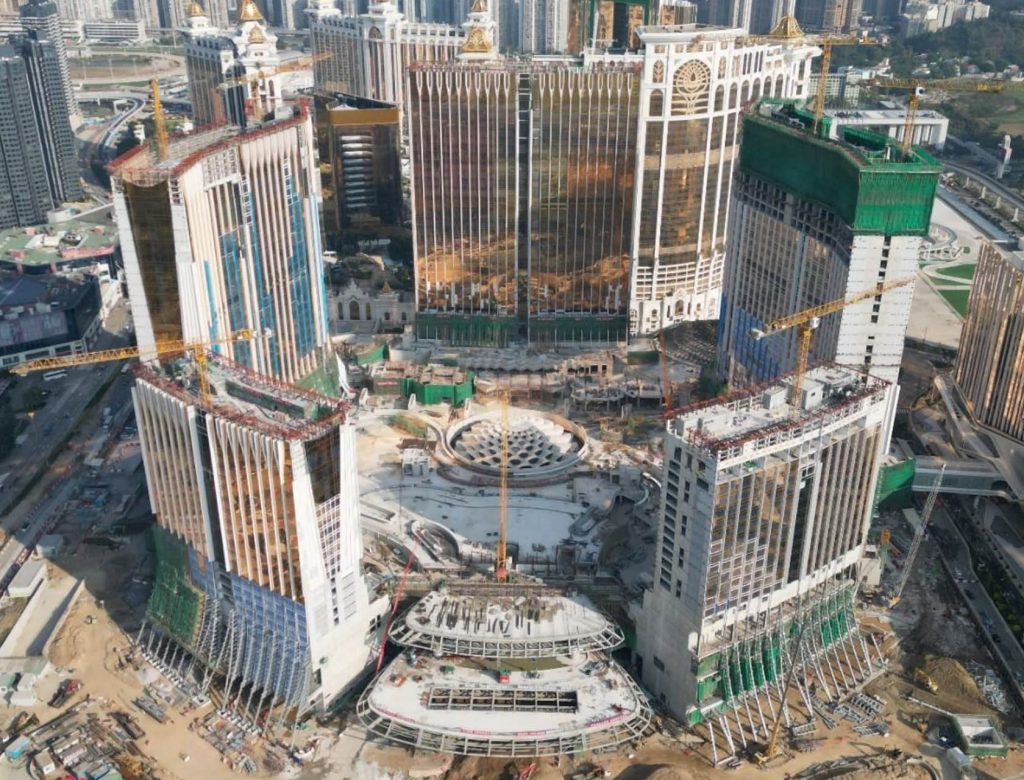
Galaxy Entertainment Group continues to advance its expansion plans, with significant progress on Phase 4 construction. The company has completed the superstructure and external facade and has awarded new contracts for internal fit-out works.
“We are making strong progress on Phase 4,” Lui noted. “This approximately 600,000-square-meter development includes multiple high-end hotel brands new to Macau, a 5,000-seat theater, extensive food and beverage options, retail, non-gaming amenities, landscaping, a water resort deck, and a casino.”
Phase 4 is slated for completion in 2027. Beyond Macau, the company is exploring expansion opportunities in the Greater Bay Area and overseas markets, with a particular focus on Thailand.
The group maintains a robust balance sheet, with cash and liquid investments of HK$30.7 billion ($3.92 billion) as of June 30th, 2025, and minimal debt. This financial strength supports ongoing development projects while enabling capital returns to shareholders through dividends.