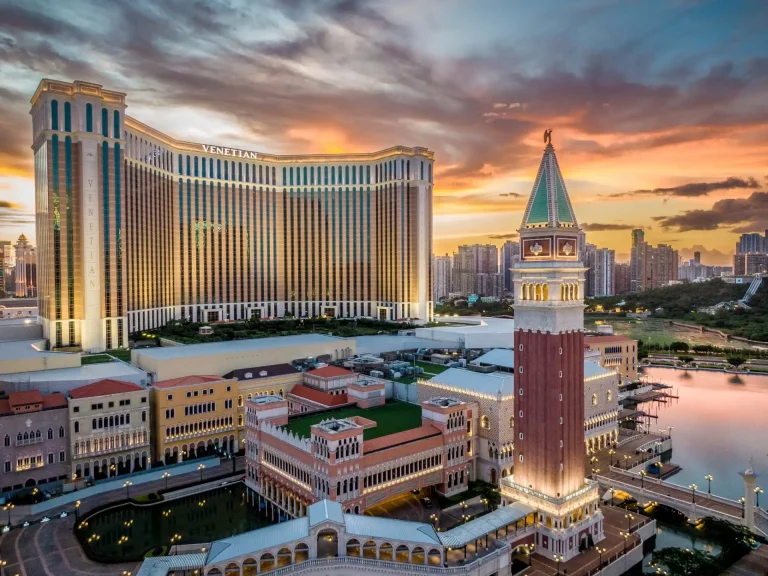
Two of the gaming industry’s most closely followed analysts offered sharply divergent readings of Macau’s trajectory at G2E Asia this week, agreeing on the top-line numbers but parting ways on whether the city’s six concessionaires are heading into a profitability squeeze or simply buying time before the next leg of growth.
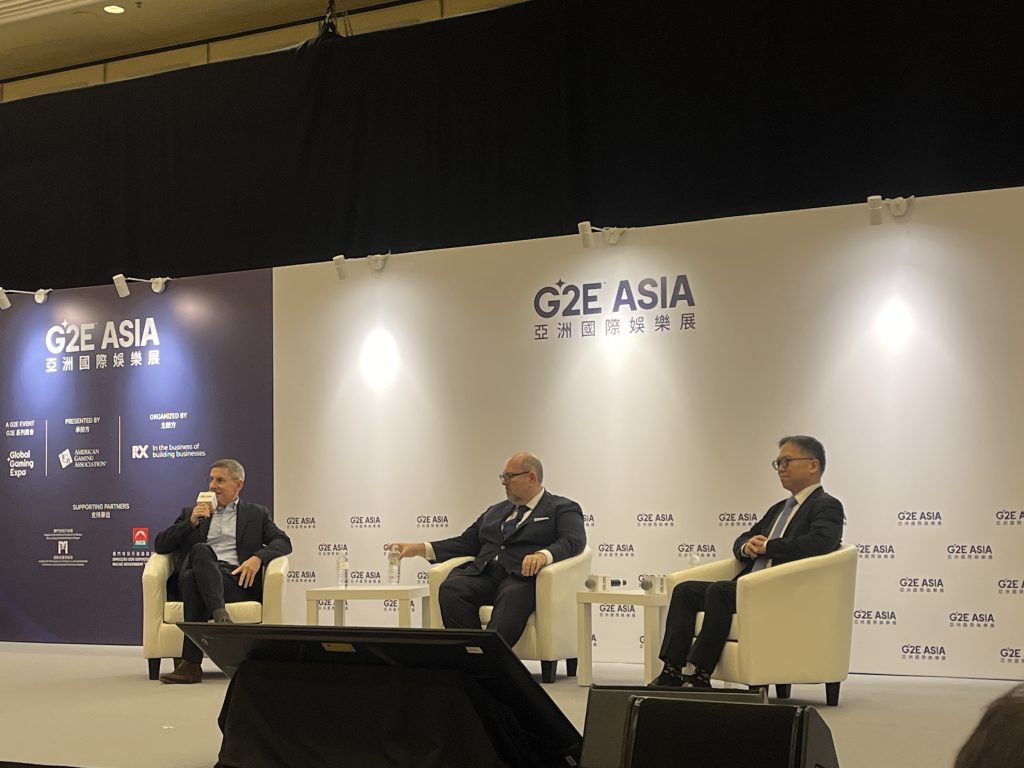
Speaking on a panel about the financial outlook for Asia’s integrated resort boom, Vitaly Umansky of Seaport Research Partners and George Choi of Citigroup laid out competing frameworks for understanding a market that has recovered in revenue terms but remains structurally different from its pre-pandemic incarnation.
A mature market, or one still under-penetrated?
For Umansky, Macau has crossed into maturity. “The Macau market has changed significantly from where it was right before COVID, and profitability and return on investment has changed dramatically from where it used to be,” he said, noting that historically momentum-driven Macau stocks have lost appetite among investors now drawn to AI and technology plays.
Choi, who described himself as “the perennial bull” in the investment community, took the opposite view. Citing penetration rates of under 2 percent into the mainland Chinese population, he argued the runway remains long. Rather than tracking GDP, wine sales or property data — all of which he called backward-looking — he relies on monthly ground-level visits to Macau and a comparison of GGR against overnight visitation, which points to per-capita GGR growth of roughly 10 percent. Citigroup is forecasting 6 percent industry GGR growth and 8 percent EBITDA growth for 2026.

“Buying business”: the competitive squeeze
Where the two converged was on the cost side. Umansky warned that Macau is now in its seventh or eighth consecutive quarter of outsized year-on-year growth in operating expenses and player reinvestment ratios. “Every single operator in Macau is buying business,” he said. “And they have to do it because it’s a highly competitive market.”
His most pointed observation concerned the composition of that business. “This isn’t mass, this is VIP called mass,” he said, describing how agents have proliferated across the market and operators are paying for customers in ways that echo the old junket model. He drew a parallel to 2009, when junket commissions spiraled out of control until the Macau government imposed caps — but expressed skepticism that six concessionaires could coordinate a similar reset on their own, citing the free-rider problem.
Only MGM has surpassed its 2019 EBITDA, Umansky noted, largely because it operates 200 more tables than before the pandemic.

Side bets: lifeline or accelerant?
Choi pointed to side bets as a genuine growth lever, crediting the operators’ creativity and noting that Marina Bay Sands in Singapore has lifted its theoretical hold materially through products like Lucky 6 and Lucky 7. “If it all plays out, then that’s effectively them being able to buy some time before any corrective action can happen in Macau,” he said.
Umansky agreed side bets are beneficial but flagged limits. Roughly 45 percent of MBS’s GGR now comes from side bets, against 20 to 25 percent in Macau — a gap unlikely to close because Southeast Asian players favour high-volatility play in a way Macau’s customer base does not. He also raised a concern about player burn: a customer arriving with a $50,000 bankroll will lose it faster when betting on high-variance products, shortening length of play.
The base-mass problem
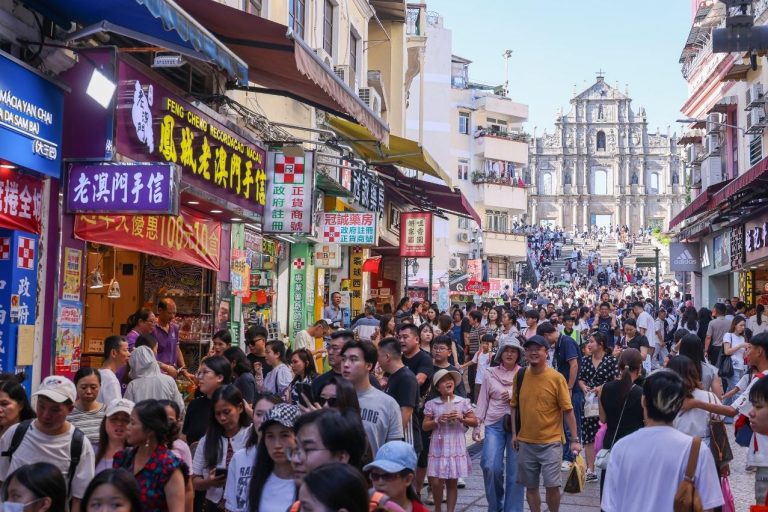
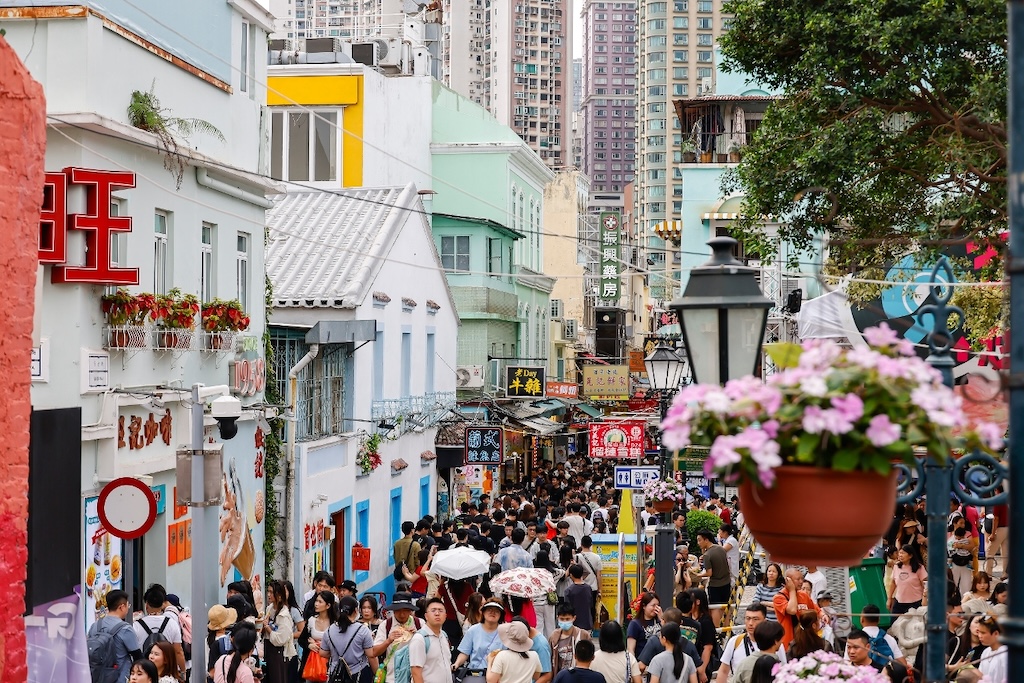
Both analysts identified the erosion of overnight base-mass visitation as Macau’s most stubborn issue. With mainland property values down significantly, discretionary gambling spend among middle-tier visitors has weakened, and operators have responded by lowering the theoretical-win threshold to qualify for premium-mass reinvestment — cannibalizing their own higher-margin business.
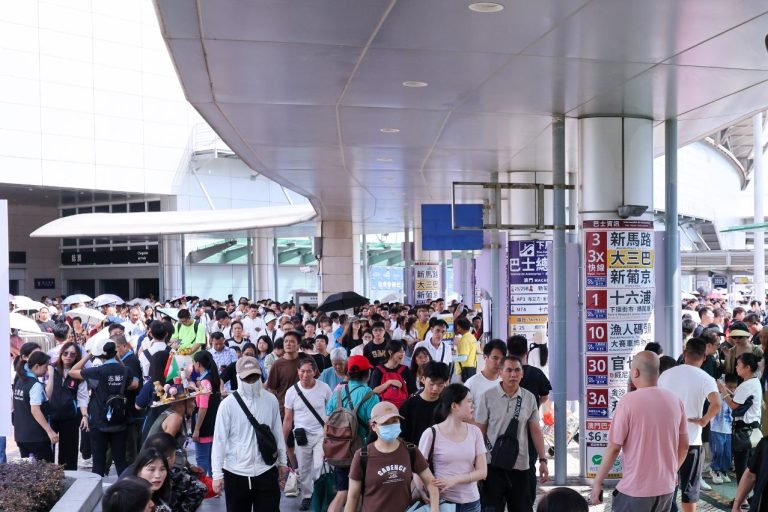
Hotel capacity compounds the problem. Macau is running at roughly 90 percent occupancy, with weekends frequently sold out, while operators continue converting standard rooms into suites aimed at higher-tier players. SJM’s border hotel in Hengqin, due to open later, may provide some relief on the affordable end.
Quoting Sheldon Adelson, Choi argued the industry should keep its eye on absolute returns rather than ratios: “EBITDA dollars are more important than EBITDA margin.” Whether Macau’s operators can keep growing those dollars without inviting another regulatory intervention is the question the market has yet to answer.