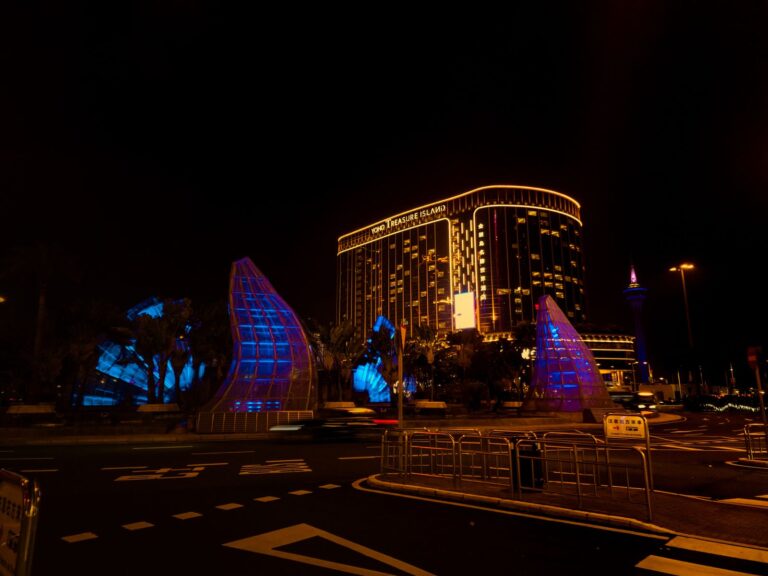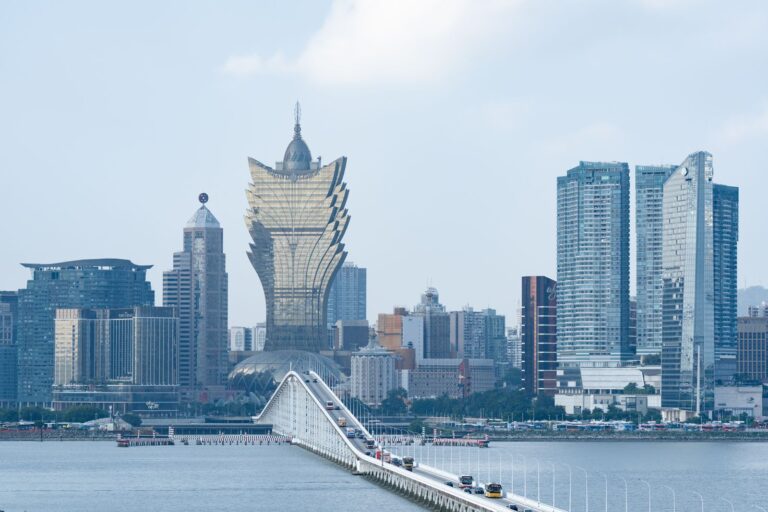
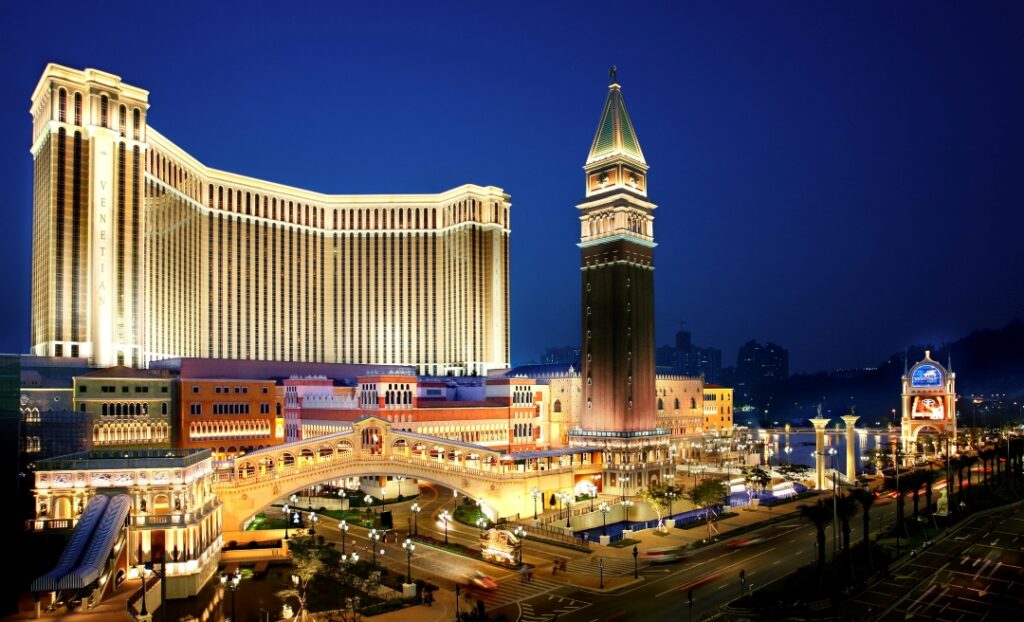
Sands China solidified its dominance in Macau’s mass gaming market during the second quarter of 2025, securing a 24 percent market share despite intense competition among the territory’s casino operators.
According to a UBS memo, Sands China led the mass and slot gaming segment with a 24 percent market share in 2Q25, up from 23.6 percent in 1Q25. Galaxy Entertainment followed with the second-largest share at 19 percent, an increase from 18.7 percent in the prior quarter.
MGM China also saw growth in the mass and slot gaming segment, with its market share rising to 16.9 percent from 15.9 percent in 1Q25. Conversely, SJM Holdings experienced the steepest decline, dropping to 13.4 percent from 14.5 percent, with its satellite operations falling to 5.3 percent from 5.9 percent.
Wynn Macau faced challenges, with its market share slipping to 11.6 percent from 12.5 percent in 1Q25. Melco Resorts, however, posted a modest gain, increasing its share to 15.1 percent from 14.8 percent.

Non-gaming revenue gains momentum
Macau’s non-gaming sector showed resilience, with revenue growing 4 percent year-over-year to reach $1.19 billion in 2Q25. This growth underscored the ongoing recovery in the region’s hospitality and entertainment sectors.
Galaxy Entertainment led non-gaming revenue growth, posting an 8 percent year-over-year increase, bolstered by new hotel capacity, including the Capella Hotel, which gained traction among VIP and premium mass segments following its soft launch on May 1st, 2025.
In contrast, Wynn Macau’s non-gaming revenue fell 11 percent year-over-year, marking the largest decline among major operators. This highlighted the uneven recovery across operators’ hospitality and retail operations.
Sector margins under pressure
The Macau gaming sector’s luck-adjusted EBITDA margins contracted in 2Q25 due to rising operational costs and intensified promotional activities. Sector reinvestment rates rose by approximately 40 basis points quarter-over-quarter, reflecting operators’ increased spending on customer acquisition and retention.
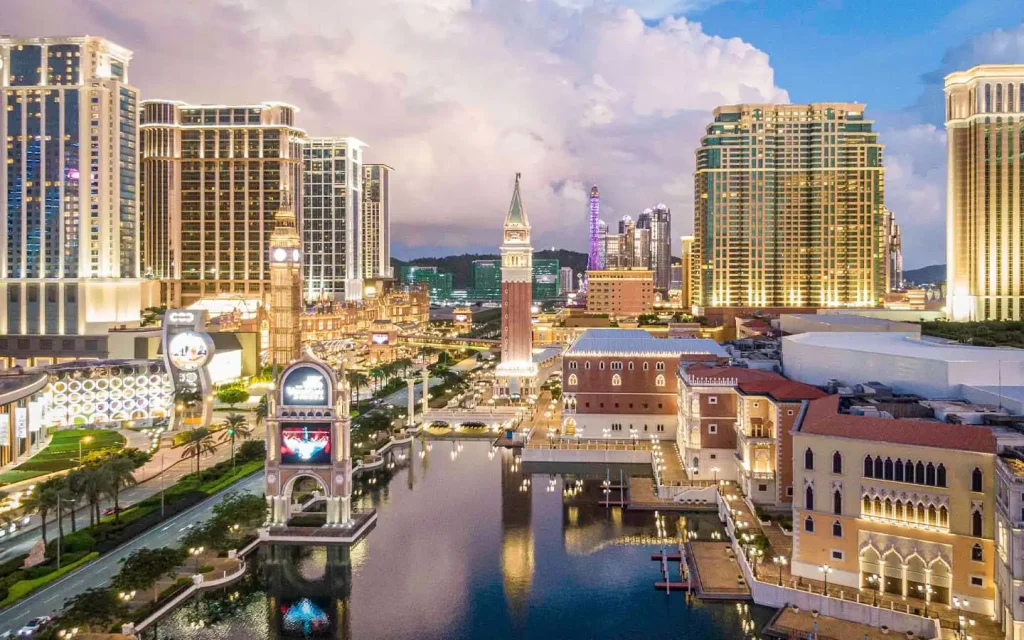
This heightened promotional activity aligned with popular concerts and the opening of new hotel properties, such as the Capella and Londoner Grand hotels. Mass per capita spending reached approximately MOP5,500 ($685) per visitor in 2Q25, a 12 percent quarter-over-quarter increase, driven by a higher proportion of premium customers.
The sector’s luck-adjusted EBITDA remained flat year-over-year at approximately $2 billion but improved 3 percent quarter-over-quarter. Daily operating expenses rose 2 percent quarter-over-quarter to $20.9 million, reflecting higher wages and increased business volumes.
Despite margin pressures, operators remain optimistic about demand, with management attributing the acceleration to concert-driven visitation and anticipating sustained momentum into the summer season.