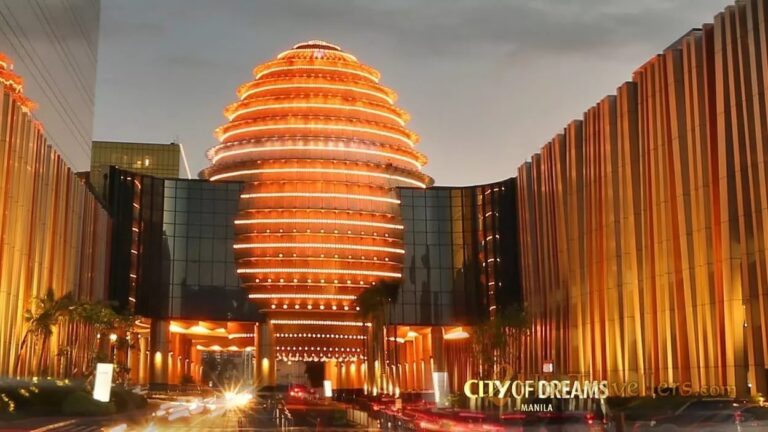
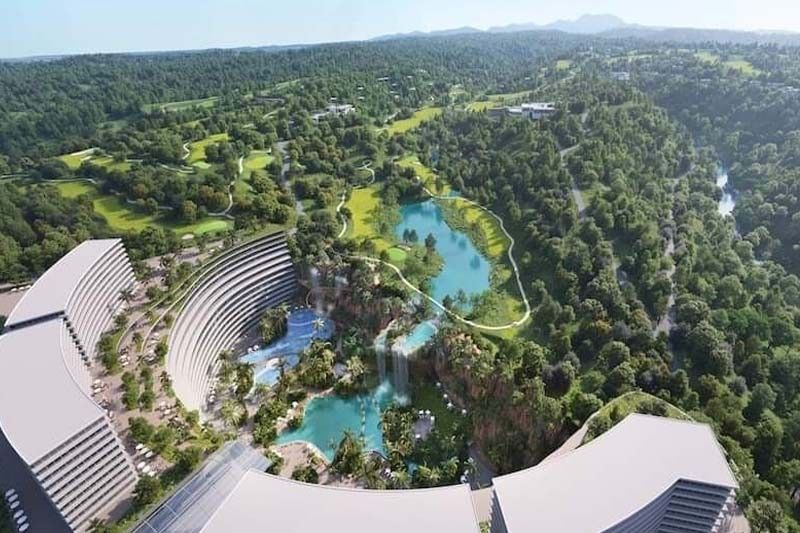
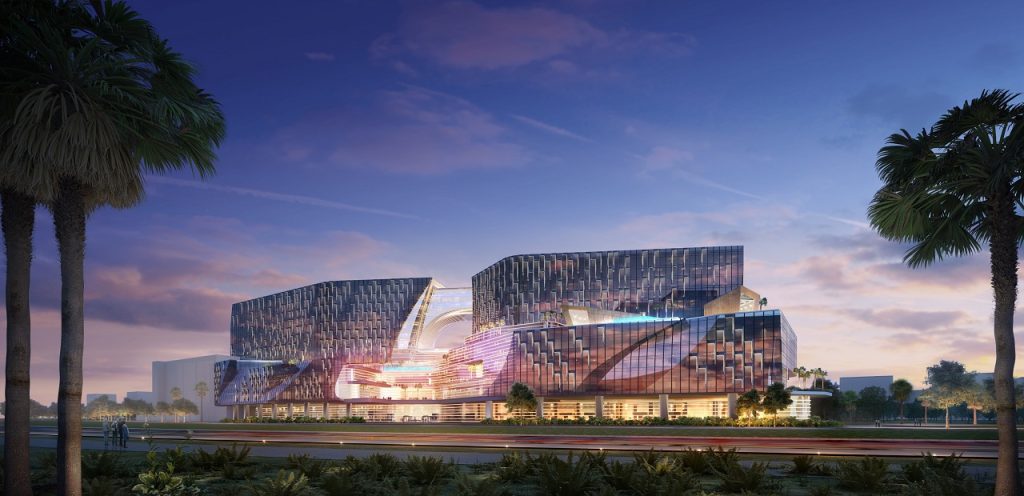
The parent company of Premium Leisure Corp, a joint partner with Melco Resorts & Entertainment in City of Dreams Manila, is reportedly aiming to invest at least $300 million in a new casino-resort in Clark.
The investment is said to be undertaken by SM Investments – the Philippines’ most valuable company and the parent of Belle Corp, parent of Premium Leisure Corp.
Speaking to Reuters, a source said “aside from the casino, there will be a convention center and a hotel”.
Premium Leisure has already applied for a license to build and operate the casino and resort, sources told the publication.
The move would help create further synergy for Clark as a gaming hub, with Hann Resorts also seeking an IPO of up to PHP20 billion ($343.6 million) by early next year.
Hann Reserve
The group operates the Hann Casino Resort and is developing the multi-billion-dollar Hann Reserve, both in Clark.
While it’s still uncertain whether Melco Resorts will have a stake in the newly-proposed project in Clark, the group has been pursuing numerous opportunities outside its base in Macau – such as City of Dreams Mediterranean, in Cyprus and City of Dreams Sri Lanka, in Colombo, Sri Lanka.
Melco currently rents space from Belle Corp for City of Dreams Manila, as well as splitting revenue from the property with Belle Corp.
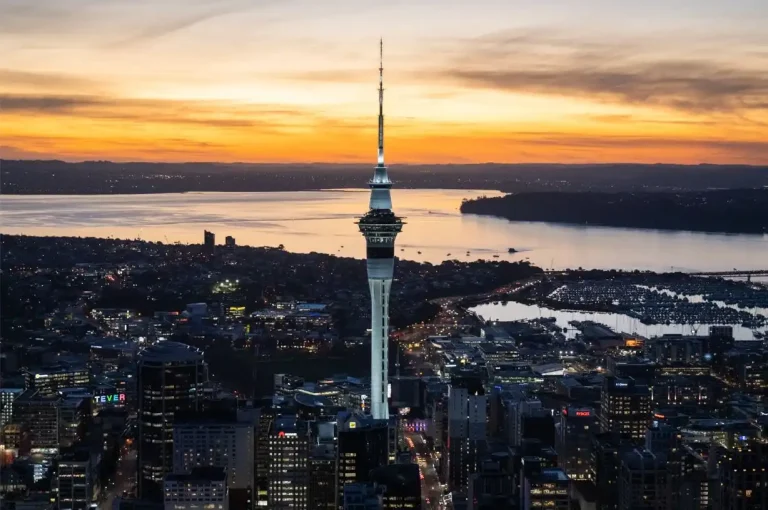
SkyCity Entertainment Group has reached an agreement with New Zealand authorities to temporarily close the gambling area of its SkyCity Auckland casino for five consecutive days due to a failures to detect continuous play by a customer.
The casino closure would occur from a Monday to a Friday, with the dates still to be agreed on between SkyCity and New Zealand’s Secretary for Internal Affairs.
SkyCity is currently estimating that the five-day closure will negatively impact underlying Group EBITDA by ‘around NZ$5 million ($3.04 million)’.
The group has now revised its FY25 underlying Group EBITDA to between NZ$245 million ($148.93 million) and NZ$265 million ($161.1 million).
The closure agreement is still conditional on ‘the Gambling Commission consenting to the withdrawal of the Application by the Secretary’. This application related to a temporary suspension of SkyCity’s Auckland casino operator’s license for a period ‘in the range of 10 days’.
This application followed a compliant to the Department of Internal Affairs in February 2022 ‘by a former customer who gambled in the SkyCity Auckland casino from August 2017 to February 2021’.
In it, the Secretary alleged that SkyCity did not abide by requirements in its Host Responsibility Program (HRP).
SkyCity puts the incident down to ‘a design error in a technology system developed by SkyCity to monitor continuous play by carded customers (which has since been rectified)’.
The company did acknowledge that it ‘failed to exercise the level of vigilance required by the HRP to use staff observation independently and alongside the technology to identify those incidents of continuous play by the customer and then act accordingly’.
However, it noted that the complainant’s ‘problematic behavior was silent or hidden’.
Speaking of the event, SkyCity’s Chair Julian Cook noted: “reaching this agreement to close the SkyCity Auckland gambling area for five days resolves this matter. However, there is still considerable work required and underway to improve our risk systems, including our approach to mitigating financial crime and problem gambling“.
SkyCity has recently undergone a raft of management changes and improvements to its AML/CFT framework, after being investigated in New Zealand and Australia for non-compliance.
The group notes that it further intends to have ‘mandatory carded play across its New Zealand casinos by mid-2024, and at the SkyCity Adelaide casino by the end of 2024’.
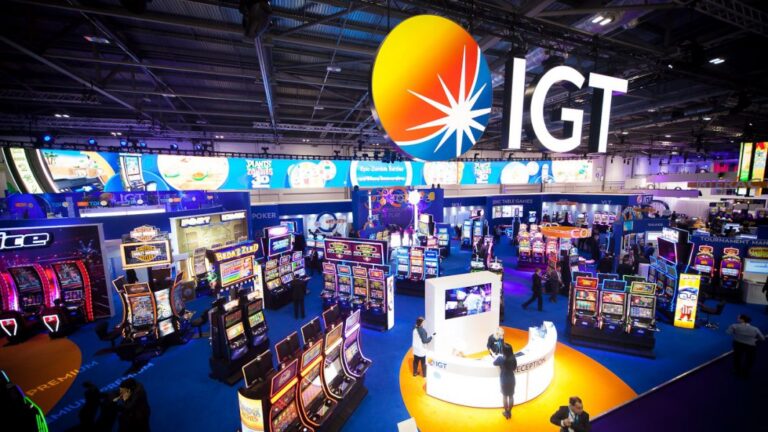
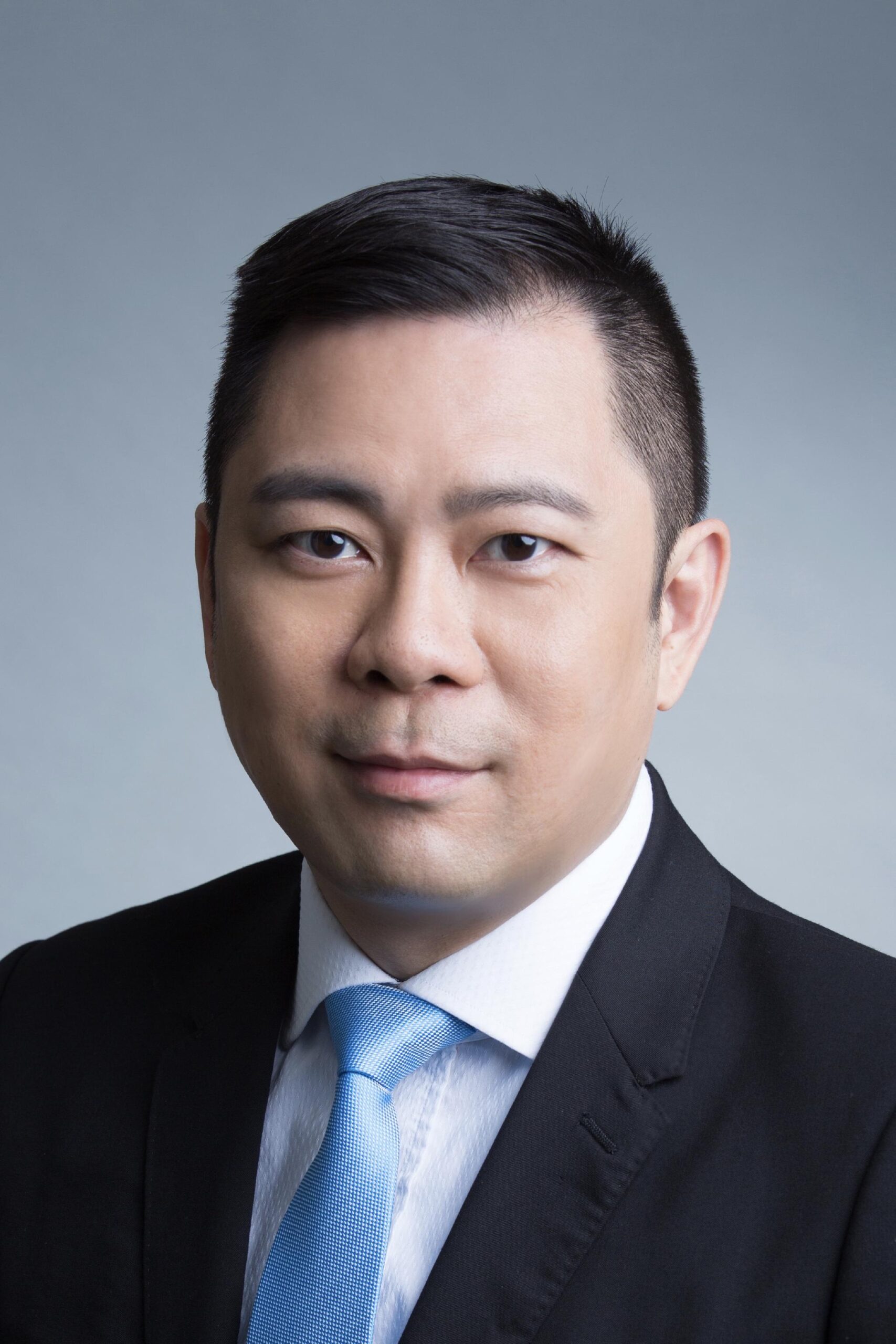
International Game Technology (IGT) PLC has announced that Renato Ascoli, IGT CEO of Global Lottery, will be inducted into the Lottery Industry Hall of Fame as a member of the Class of 2024.
Renato Ascoli, CEO, Global Lottery, IGT
Ascoli will be honored later this year at an event hosted by the Public Gaming Research Institute (PGRI) in conjunction with the World Lottery Summit in Paris.
“I am incredibly honored to be inducted into the Lottery Industry Hall of Fame‘s Class of 2024,” said Ascoli. “Working in the lottery industry with many great leaders and innovators has been an absolute privilege. The future of the lottery industry is bright, and I look forward to helping our customers propel the modernization of lottery worldwide while continuing to generate funds for philanthropic causes.”
In his current role, Ascoli is responsible for global lottery and iLottery sales and operations, product and sales development, and technology and support for IGT’s 90-plus lottery customers worldwide. Since the merger of GTECH and IGT in 2015, Ascoli has successfully led both the Global Lottery and Global Gaming business units for the Company.
Some of the key achievements within his tenure have been launching sports betting with the Rhode Island Lottery, partnering with the Mississippi Lottery to initiate operations, deploying lottery terminals in Walmart retail stores, and rolling out IGT’s proprietary Cash Pop draw game, which is now live in over 15 jurisdictions.
“With nearly 20 years of experience serving in high-level positions in the lottery and gaming industries, Renato Ascoli is an accomplished senior executive whose leadership has been paramount in driving new business and innovation,” said Vince Sadusky, IGT CEO. “Renato has a keen ability to identify and realize business growth opportunities, and his contributions will benefit the lottery industry for years to come. IGT congratulates Renato on his well-deserved induction into this year’s Lottery Industry Hall of Fame.”
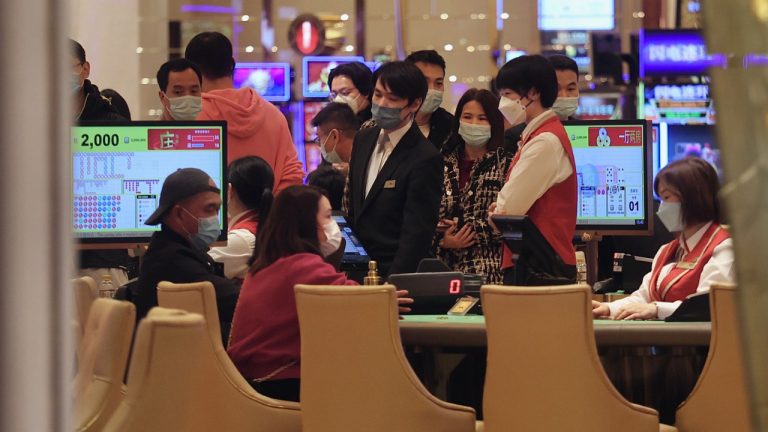
The hiring pace in Macau’s gaming sector is decelerating as the post-COVID recovery slows down. After an initial surge in hiring following the lifting of pandemic restrictions, the recruitment trend is now shifting towards a more gradual, moderate pace.
Billy Song, president of the Macau Responsible Gaming Association
In an interview with AGB, Billy Song, president of the Macau Responsible Gaming Association, points out that Macau’s demand for manpower is expected to decrease gradually in the long term. He attributes this shift to several factors, including the employment environment, the implementation of smart gaming tables, and the gaming table cap.
The rapid rebound in Macau’s casino visitation and gaming revenue seen in the initial post-reopening phase has started to level off in recent months. Social media reports indicate that some local job seekers for croupier positions have been rejected due to lack of qualifications.
Under Macau’s legal framework, only local residents are allowed to work as croupiers.
Billy Song observes that, despite the unemployment rate remaining very low, the Macau employment environment has shown weakening momentum. This is evident as local small businesses face challenging circumstances amid consumption outflow. In this context, Song notes that more workers have shifted from non-gaming sectors, increasing the overall manpower supply.
Additionally, he also mentions that the shutdown of satellite casinos during COVID-19 led to an excess supply of croupiers. Currently, operators are still working to mitigate these effects.
Under pressure from the Macau government, gaming operators refrained from large-scale layoffs during COVID, causing some operators to take time to absorb this surplus manpower.
According to previous reports, Macau gaming operator SJM Holdings was left with 2,150 excess staff following the closure of five satellite casinos in 2022. As of 2Q23, this cost the company approximately HK$169 million ($21.6 million) in redundant payroll expenses.
Meanwhile, the salary level for the croupier position is relatively higher than other jobs requiring the same qualifications. In this context, some local workers are seeking out the position.
Based on the survey of manpower needs and wages in the gaming industry from the Statistics and Census Service (DSEC), there were 51,771 full-time employees in the gaming sector at the end of the fourth quarter of 2023, a decrease of 0.8 percent year-on-year. Among them, dealers totaled 23,359, down by 1.5 percent year-on-year.
The average salary (excluding irregular remuneration) of full-time employees in the gaming sector in December last year was MOP25,290 ($3,148), up by 6.8 percent year-on-year, while the average earnings of dealers were MOP20,870 ($2,598), up 5.4 percent. This is due mainly to the low base of comparison caused by a relatively large number of employees being placed on unpaid leave in the same month of 2022.
Challenges from smart gaming tables
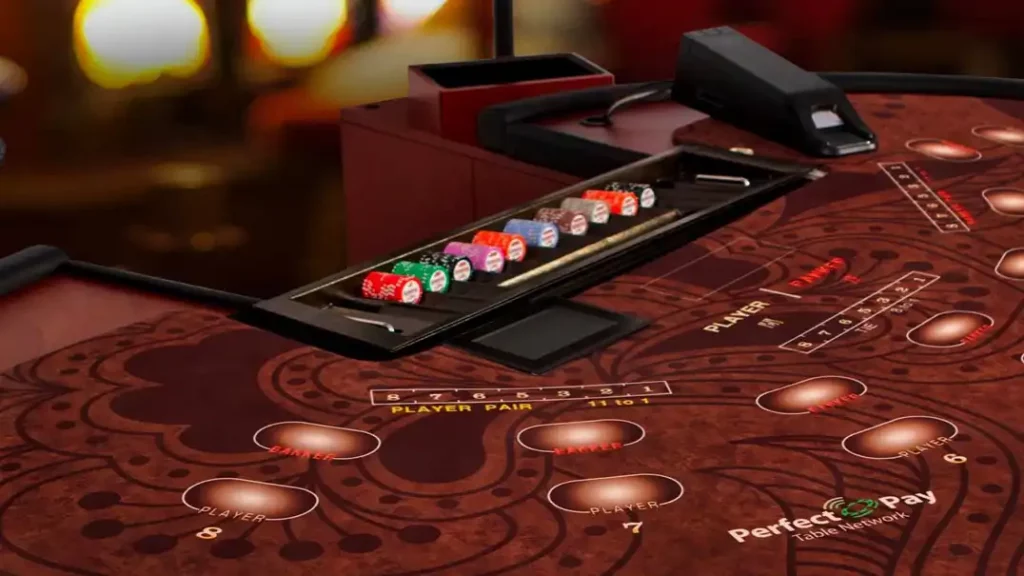
The adoption of innovative technology, specifically smart gaming tables, poses a challenge for employees in Macau’s gaming industry. All six gaming operators have announced plans to implement these advanced tables, signaling a shift towards automation and efficiency.
Billy Song, President of the Macau Responsible Gaming Association, notes that the gaming operators’ goal includes reducing dependency on human labor in the long term. Smart gaming tables are designed to minimize errors and accelerate the betting pace, enhancing operational efficiency and player experience.
According to a previous analysis by investment bank Citigroup, the integration of smart gaming tables could lead to a transformation of job roles within casinos. While these technologies streamline operations and improve security, they may also reduce the demand for traditional dealer roles. Automation of game play and enhanced table management could potentially require fewer human resources per table.
Moreover, alongside the implementation of smart tables, the gaming industry faces regulatory constraints such as the gaming table and slot machine cap. As of the latest data between April and June, the number of gaming tables and slot machines remained at 6,000 and 12,000, respectively.
Suntrust Resort Holdings has entered into supply and installation agreements with various contractors for the Westside City project.
The information was disclosed in a Wednesday filing on the Hong Kong Stock Exchange by its parent, LET Group.
According to the filing, Suntrust has appointed a contractor to undertake the supply of audiovisual systems for the project at a contract sum of PHP144.7 million ($2.5 million). Additionally, another supplier has been hired to perform installation works valued at PHP11.8 million ($202,000).
Audiovisual equipment will be installed in casino areas, hotel rooms, and other areas within the property. The agreement stipulates that Suntrust needs to pay 10 percent of the contract sum as a down payment. The target completion date is June 30th, 2025.
As per the disclosure, Suntrust is scheduled to open the Westside City project in the first quarter of 2025.
The Main Hotel Casino of the Westside City project, located in the capital of the Philippines, will feature 475 luxury hotel rooms and suites, a ballroom capable of accommodating 550 people, and support facilities including meeting rooms and a bridal room.
The casino will have 281 gaming tables, 1,126 slot machines, and 134 electronic table games for both the mass and VIP markets.
The property will also comprise a 1,000-seat and two 800-seat theaters, a grand opera house, a 3,000-seat performing arts theater, a mall composed of food and beverage and retail units, and four cinemas, along with a parking facility with over 1,000 spaces.
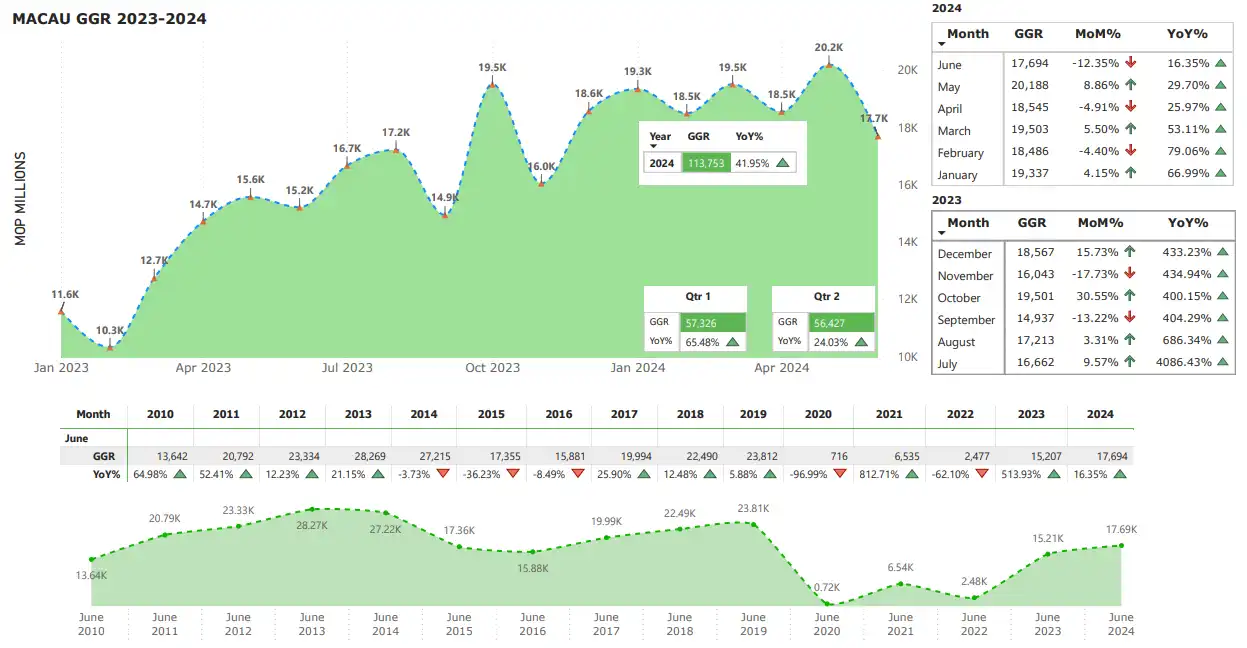
Investment bank CLSA has revised down its estimates for Macau’s casino gross gaming revenue (GGR) for 2024 and 2025 due to near-term uncertainty, such as seasonality and China’s intensified crackdown on illicit money exchange.
According to its latest investment memo, CLSA now projects Macau’s casino GGR to reach MOP232.7 billion ($28.6 billion) in 2024, a 27 percent increase year-on-year. For 2025, GGR is expected to grow by 3.9 percent to MOP241.7 billion.
The brokerage lowers its 2024 and 2025 GGR estimates by 3 percent and 5.3 percent, respectively, adjusting visitation and GGR per visitor assumptions based on the Macau casino regulator’s reported 2Q24 GGR of MOP56.4 billion ($7 billion), which is 1.6 percent lower than 1Q24, and the effects of China’s crackdown on illegal money exchange.
The weaker 2Q24 GGR in Macau was largely attributed to a seasonally weak June, coinciding with the UEFA Euro 2024. June’s GGR was just over MOP17.69 billion ($2.2 billion), the lowest monthly figure so far this year. Several investment analysts suggested this figure might represent the ‘floor’ for Macau’s monthly GGR run rate this year.
‘Although a soft start to July’s GGR and recent crackdown on illegal money exchange activity have weighed on investor sentiment, stable balance sheets and sensible competition should enable the companies under our coverage to weather these short-term headwinds,’ the CLSA analysts noted.
In addition to lowering its GGR forecasts for 2024 and 2025, CLSA also reduced its estimates for the Macau gaming sector’s EBITDA for the same years, citing increased promotional activities and rising payroll costs.
CLSA now expects sector adjusted EBITDA to be HKD63.3 billion ($8.1 billion) this year, down 8 percent from its previous estimate. This figure would represent 85 percent of the levels seen in 2019, the last trading year before the onset of COVID.
For 2025, the brokerage has lowered its EBITDA forecast for Macau’s casino sector by 5.8 percent, to around HKD71.7 billion ($9.2 billion).
Sector EBITDA is expected to be fully normalized in the second half of 2025, with Macau’s gaming industry EBITDA reaching 4 percent above the 2019 level.
The CLSA analysts also forecast that, considering the promotional activity and rising payroll costs among Macau casino operators, the sector’s EBITDA margin (measured against net revenue) will contract by 1.2 percentage points to 30.3 percent in 2Q24.
The Chairman of the Philippines’ gaming regulator (PAGCOR) has told a Senate committee that he is against newly proposed bills aiming to completely ban online gaming sites (POGOs).
According to local media, Alejandro H. Tengco, the head of PAGCOR, was the sole opponent of three proposals aimed at shutting down online gaming in the nation.
The official noted that an outright ban is unfair for legitimate online gaming companies and IGLs (internet gaming licensees, formerly known as POGOs). He highlighted that the government stood to lose PHP40 billion ($686.55 million) in taxes and fees if the ban were to come into effect.
Tengco furthered that PAGCOR brought in some PHP56 billion ($961.2 million) in gross gaming revenue from the online sector last year.
In the first half of this year, some PHP17.5 billion ($300.38 million) was brought in by PAGCOR from online operators, estimated to swell to PHP42 billion ($720.92 million) for the full year due to license fee collections.
Rather than ban operations, Tengco is pushing for illegal operators to become compliant, register under PAGCOR, and pay their due taxes. This, he estimates, could add an additional PHP200 billion ($3.43 billion) to PHP250 billion ($4.29 billion) in government revenues.
Offshore gaming operators (formerly known as POGOs) have been the cause of many complaints, raids and pushes for legislative changes – due to illegal operators, oftentimes housed in compounds known as POGO hubs, carrying out unlicensed activities including scams and human trafficking, with some allegations of torture.
While PAGCOR has already notified that it’s banning POGO hubs, and already instituted a complete re-application and evaluation of IGLs, many in the public, and in lawmaking bodies, are still discontent with the potential ills of the online sector.
The Philippines is seen as a highly progressive gaming jurisdiction due to allowing both offshore and onshore online gaming – via IGLs and PIGOs, a unique framework within Asia.
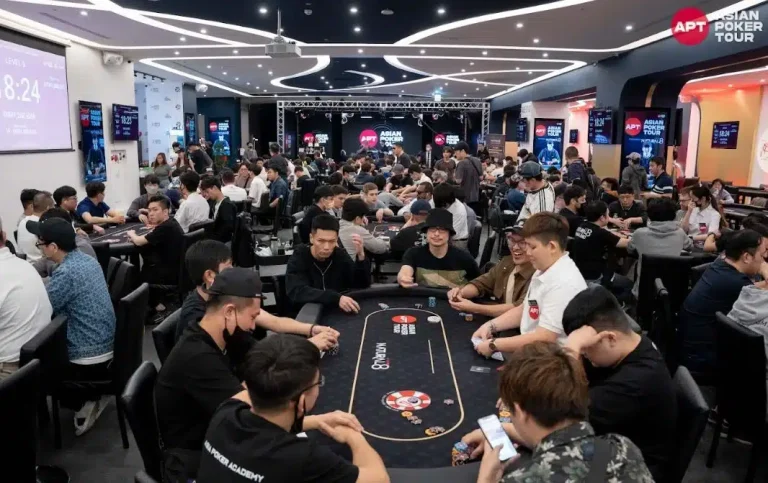
The Asian Poker Tour (APT), sponsored by Natural8, is set to host its APT Taipei Poker Classic 2024 from September 27th to October 7th.
The 11-day event will take place across two venues in central Taipei, just 1.7 kilometers apart, in partnership with the Chinese Texas Hold’em Poker Club (CTP).
The main games will be held at the CTP Asia Poker Arena (APA), Asia’s largest permanent poker room, while additional events will be hosted at the Chinese Mahjong League venue.
The previous APT event held in Taipei was the largest poker series in the island’s history, with the new event to host prize pool guarantees over TWD150 million ($4.6 million).
The flagship APT Main Event will feature the same buy-in of TWD50,000 ($1,537) as the record-breaking APT Taipei 2023 edition, but with an increased guarantee of TWD65 million ($2 million) – more than double the previous iteration.
The action-packed schedule will encompass 108 Trophy Events, catering to a diverse range of poker enthusiasts. Highlights include a No Limit Hold’em Heads Up (64 Cap) tournament, over 20 High Roller events, and a variety of poker variants such as Pot Limit Omaha (PLO).
This will include also Draw Poker tournaments (including a 19-game Dealer’s Choice and a Mix Game Masters 9 Game), as well as an eclectic mix of No Limit Hold’em and Pot Limit Omaha side events, including Short Deck, Crazy Pineapple, and more.
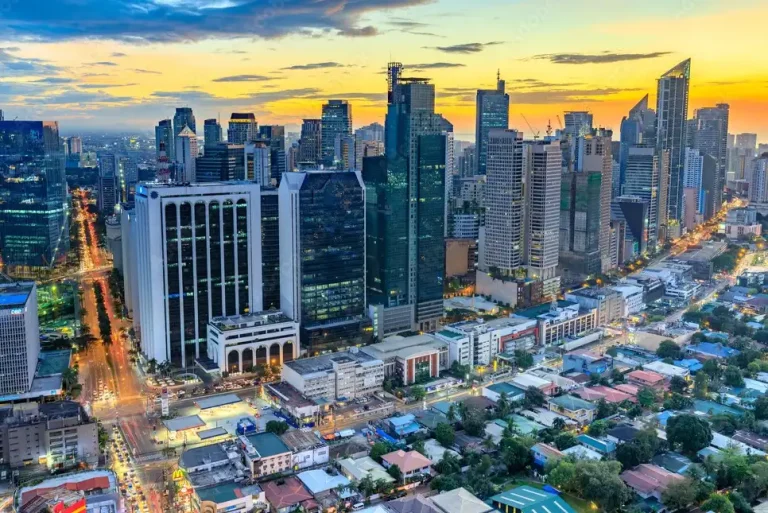
Manila has been scored one of the five riskiest cities for tourists, while Singapore was ranked the safest, according to a new study by Forbes Advisor.
Of the total 60 cities ranked, Singapore had the best score, with the second lowest health security risk, infrastructure security risk and digital security risk.
The latter reflects ‘the ability of citizens to freely use the internet without fear of privacy violations, identity theft and online attacks’. The city also had the lowest natural disaster risk amongst the 60 surveyed.
Coming in second safest was Tokyo, Japan, followed by Toronto, Canada.
Also deemed low risk, at number 53, is Osaka, while Seoul came in at 54.
Sydney ranked 57, while Melbourne ranked 52.
The higher ranking indicates a safer city.
Hong Kong came in at number 48, trailing New York (46), Abu Dhabi (45) and Dubai (32).
Bangkok came right in the middle, at number 30, largely due to a strong personal security risk ranking of five.
Kuala Lumpur, despite a better personal security risk rating, was number 29 overall in the ranking.
Ho Chi Minh City ranked number 20, scoring 10th in regards to digital security risks.
In the top 10 riskiest cities, Yangon, Myanmar was ranked 3rd – equally placed for personal security, health security and infrastructure security risks, while ranked 1st for the digital security risk.
Manila, Philippines, came in 5th overall. The capital was ranked 9th overall In both crime risk and infrastructure security risk, while ranked 5th in personal security risk, 7th in health security risk and 12th in digital security risk.
Dhaka, Bangladesh came in 6th, with security threats seen across the board, only slightly better than Manila. Manila’s ranking places it amongst cities such as Caracas, Venezuela (1st), Karachi Pakistan (2nd) and Lagos, Nigeria (4th).
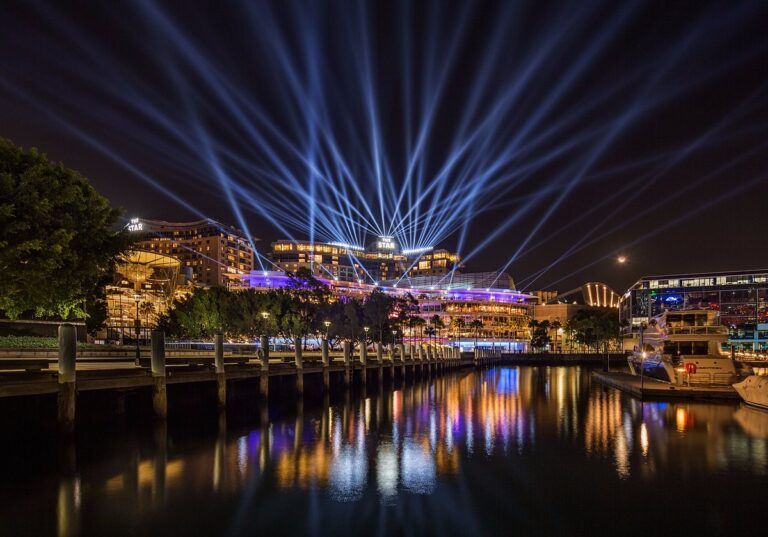
The Star Entertainment Group has announced that all electronic gaming machines (EGMs) and electronic table games (ETGs) at its three properties are now back in operation and fully functional.
The announcement comes after the company temporarily suspended its electronic gaming operations earlier this week, following performance issues identified during a system upgrade intended to enhance the transition to cashless gaming.
‘As previously announced, the decision to turn off all EGMs and ETGs was to ensure compliance with relevant regulations, and to maintain the company’s commitment to safer gambling procedures,’ Star Entertainment stated.
The group has been facing a shrinking premium gaming market and regulatory scrutiny, including a second NSW inquiry into the suitability of the company’s flagship Sydney casino to hold a gaming license due on July 31st.
The Star Entertainment has now confirmed that the systemic performance issues have been rectified, and all EGMs and ETGs in its Sydney, Gold Coast, and Brisbane properties have been progressively turned back on and are once again operational.