The Philippines had a 10 percent year-on-year rise in tourist arrivals during the first nine months of 2024, as the latest data reveals a substantial growth compared to the same period of last year.
The total number of visitors reached some 4.4 million marking a 9.89 percent increase from the 4 million of the previous year.
While overseas Filipinos accounted for 355,692 arrivals (an 8 percent share), the bulk of the growth is attributed to foreign tourists, who represented 4.08 million arrivals, making up 91.99 percent of the total. This segment saw a robust growth rate of 10.36 percent compared to 3.7 million in 2023.
South Korea remains the top source of foreign tourists, with 1.19 million arrivals, which constitutes 26.9 percent of the total. This is a significant increase of 12.1 percent from the previous year. The United States follows with 694,142 arrivals, reflecting a modest growth of 1.65 percent.
Japan and China have also shown impressive growth, with Japan experiencing a 31.69 percent increase (totalling 293,658 arrivals) and China growing by 30.27 percent (totaling 260,134).
Several other countries contributed to the surge in tourist numbers, namelly, Taiwan with a 14.8 percent increase, and India with a 15.14 percent rise.
Although Vietnam visitors reported a 10.5 percent decrease, this country still remains a notable contributor to the Philippines tourism sector.
While the growth is encouraging, certain countries, such as Australia and Canada, experienced slight declines of 0.6 percent and 3.2 percent respectively. The Philippines continues to navigate the challenges posed by global travel uncertainties, but the overall trend indicates a robust recovery.
Thailand’s Fiscal Policy Office (FPO) has wrapped up its public hearings on a proposed entertainment complex bill, compiling a report with 45 significant recommendations that will soon be presented to the Cabinet for further deliberation.
According to The Nation, the FPO, a policy unit of the Ministry of Finance, has categorized these recommendations to facilitate the Cabinet’s review and decision-making process regarding the draft legislation aimed at establishing entertainment complexes with casinos in Thailand. This initiative is part of the government’s strategy to attract foreign visitors and increase national revenue.
In a recent study, the House of Representatives concluded that allowing these entertainment complexes is essential for boosting tourism and economic growth in the country.
Among the 45 recommendations, one major suggestion is to rename the legislation from the “Entertainment Complex with Casino” to the “Integrated Resort Act.” This change aims to better reflect the multifaceted nature of the proposed developments.
Participants also advocated for expanding the range of permissible entertainment activities within each complex from four to seven. This expansion would include dedicated zones for showcasing Thai culture, enhancing the overall appeal of the resorts.
Another suggestion involved adjusting the shareholder composition within these complexes, with participants proposing that Thai ownership should range from 30 percent to 51 percent.
Licensing and location proposals
The hearings also addressed the duration of licenses for the entertainment complexes. While some participants proposed reducing the license validity from 30 years to 10, others recommended extending it to between 50 and 60 years.
Additionally, a proposal emerged to limit the number of entertainment complexes to between three and seven throughout the country.
Geographically, participants suggested that these complexes should be strategically located in popular tourist destinations such as Phuket, Chiang Mai, Chonburi, Rayong, or Hua Hin, rather than in the capital city of Bangkok.
Phuket
Furthermore, there were discussions regarding entry fees for Thai citizens, with proposals ranging from THB1,000 to THB2,000 ($30-$60) per visit or an annual fee of THB20,000 to THB40,000 ($598-$1,196).
As previously reported, the entertainment complex draft bill suggests that tax rates would be set at 17 percent of gaming revenue, while casinos must be part of a wider integrated resort that offers at least four other entertainment businesses.
These may include restaurants, amusement parks, department stores, hotels, and areas for promoting Thai culture.
7777 gaming signed a strategic agreement with R. Franco Digital, a prominent player in the gaming sector and part of the Orenes Group.
This partnership sees 7777 gaming’s extensive portfolio of casino content distributed across Spain and key markets in Latin America, where R. Franco Digital has a significant presence.
Through this agreement, players in these regions will gain access to 7777 gaming’s popular and diverse titles, including Devil’s Deal Soul for Sale, Cash 100, Crazy 100 Bucks, Thracian Treasures, Crazy 20 Bucks, Barbarian, Candy Anyways, Club Mr. Luck, Jinn, Sea of Treasures, and many more. Known for their innovative features and captivating gameplay, these games are set to bring a fresh wave of excitement to players across Spain and Latin America.
Zhana Aleksandrova, Business Development Manager for Spain & Latin America at 7777 gaming, commented: “The signed agreement with R. Franco Digital gives us another level of motivation and dedication to two very important markets for us – Spain and Latin America. R. Franco Digital has a strong presence, a wide network of partners, and an audience that loves exciting and innovative casino games. We are confident in our mutual success and are looking forward to receiving feedback from the players’ community.”
Guillermo Ruipérez, Head of Sales at R. Franco Digital, added: “We always strive to adapt our offerings to the requirements of our clients and their players. Our partnership with 7777 gaming aligns with our mission to offer the latest and most innovative gaming concepts available on the market right now. We are constantly upgrading and expanding our portfolio of providers to ensure that our clients are satisfied with what we can offer.”
This collaboration represents a significant step forward for both companies, as they work together to bring high-quality, engaging casino games to new and existing players in these vibrant markets.
SUZOHAPP, a world leader in the manufacturing and distribution of gaming, amusement, and sports betting products, announced the appointment of Geoff McDowell as its new President, effective October 1, 2024.
Geoff McDowell, President, SUZOHAPP
McDowell previously worked at SUZOHAPP from 2010 to 2017, successfully leading the gaming business in Australia and Asia. He rejoins the company from Coinflip, a global digital currency platform, where he was SVP/GM of US Kiosks. Before that, he held the position of CEO of Atlas Gaming Pty Ltd, an Australian developer of proprietary gaming content and products.
“We are thrilled to welcome Geoff back to our global leadership team to lead one of our core divisions,” said Drew Scielzo, ACON Partner. “His proven track record in growth and strategy execution will be invaluable as we continue to serve our customers and achieve strong results. We also extend our gratitude to Sim Bielak for his years of dedicated service and leadership at SUZOHAPP.”
Geoff McDowell expressed his excitement about his return and the opportunity to drive SUZOHAPP’s success: “SUZOHAPP is an exciting company with tremendous growth potential and a strong team,” he said. “I look forward to embracing this new challenge in an industry I am passionate about!”
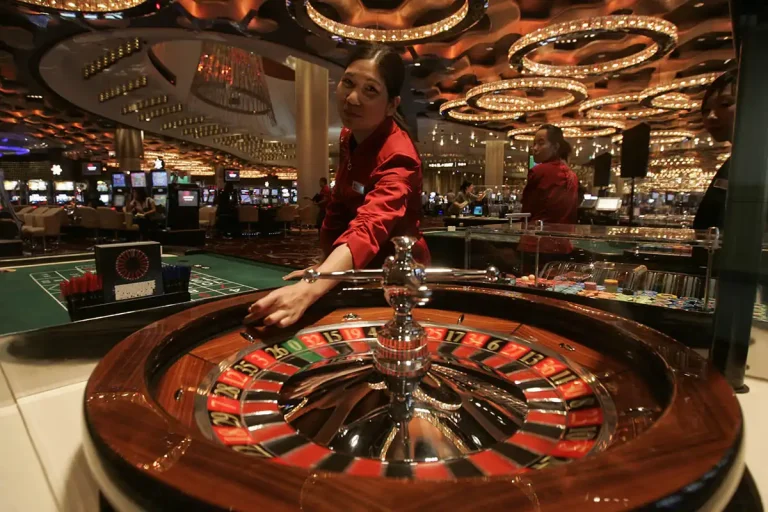
According to a report from Citigroup, Macau’s premium mass wagers surged during the October Golden Week, shattering previous records.
According to the latest October table survey, ‘the amount of premium mass wagers we observed… is record-breaking.’ The number of premium mass players and high-rollers, often referred to as ‘whales’, also reached unprecedented levels. This year, premium mass table utilization hit approximately 52 percent, marking the highest utilization rate since the market reopened.
Data from earlier surveys consistently show that demand for premium mass gaming has remained resilient, even in the face of weaker trends in Chinese discretionary spending year-to-date. Analyst George Choi believes that recent policy measures announced by the Chinese government have further boosted players’ appetite for gaming.
The total premium mass wager in October 2024 rose to HK$27.2 million ($3.5 million), reflecting an 81 percent increase compared to October 2023 and an 18 percent rise from Chinese New Year 2024.
The number of premium mass players also set a record, amounting to 966—a substantial 90 percent increase year-on-year. Despite this significant rise in player count, the average wager per player saw only a modest decline of 5 percent, landing at HK$28,150 ($3,625), which remains the third-highest level recorded.
Macau October Golden Week visitor arrivals stats from the CPSP as of 07/10/2024
High-stakes players at record levels
In addition to overall growth in premium mass gaming, Citigroup‘s Whale Watch data reveals that the number of high-stakes players, or ‘whales,’ also reached a record high this month, increasing to 62—an 88 percent rise compared to October 2023 and a 51 percent increase since Chinese New Year 2024.
A ‘whale’ is defined as a player whose bet size ranges from HK$100,000 to HK$500,000 ($12,800 to $64,000) per hand or more.
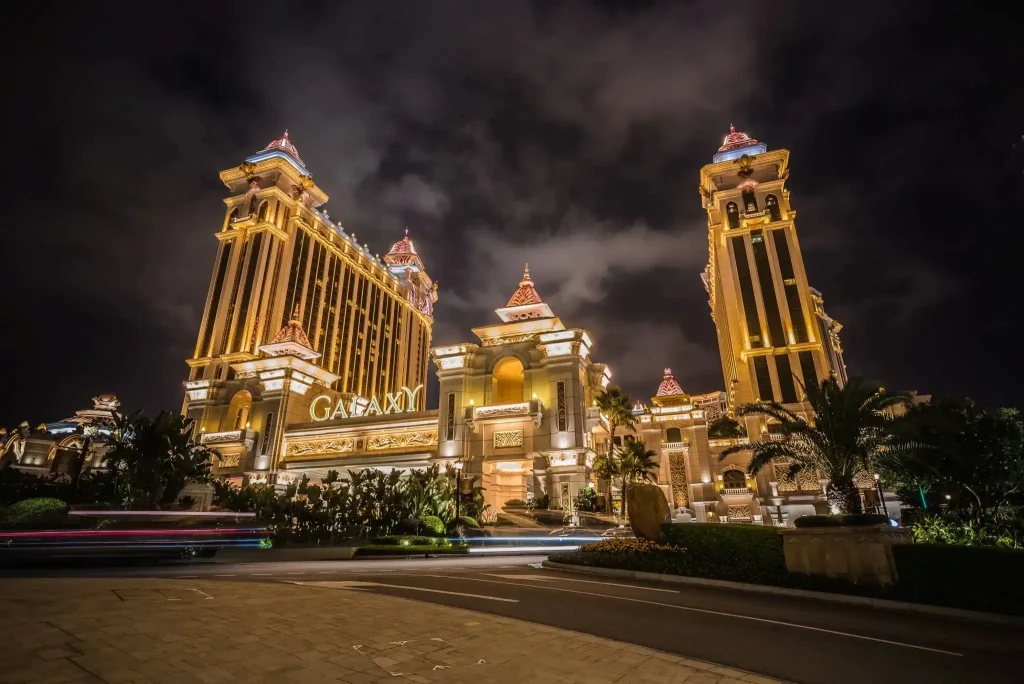
Highlighting this trend, the ‘Player of the Month’ made an appearance at Galaxy Macau’s Horizon Room with an impressive HK$420,000 ($54,083) bet. This player was among 15 whales encountered at Galaxy Macau that day.
At the Chairman Club of Wynn Palace, five whales collectively wagered HK$1.1 million ($140,000) on a single hand, contributing to a total of 12 whales spotted at that venue.
Furthermore, at City of Dreams, nine whales were seen betting between HK$100,000 ($12,877) and HK$400,000 ($51,507), while five whales placed similar bets at the Sands Apex Room at Plaza.
Galaxy leads premium mass segment market share
In terms of market share, Galaxy ranks as the leader in the premium mass segment, holding a 29 percent share of the total wagers observed. The total wager at Galaxy Macau‘s Horizon Room was the highest among all major premium mass venues, reaching HK$4.3 million ($550,000).
This performance is attributed in part to the Andy Lau concerts held at the Galaxy Arena from October 3rd to 6th, which likely drew significant crowds to the property.
The brokerage notes that Wynn also demonstrated strong performance during Golden Week, reinforcing its status as a premium mass outperformer.
Meanwhile, according to observations by Citigroup, the recently reopened Londoner Grand Casino features 168 smart baccarat tables, with minimum bets ranging from HK$500 ($65) to HK$3,000 ($386), averaging HK$1,400 ($180). This represents a significant reduction compared to the previous Londoner casino, where minimum bets start at HK$2,000 ($258) and can go up to HK$10,000 ($1,288).
New side bet
Recently, the six major operators introduced a new side bet for baccarat, named Lucky 7/Super Lucky 7. The rules for this bet are straightforward, and according to Citigroup, ‘this new side bet pays as much as 100-to-1,’ suggesting it is poised to quickly gain popularity among players.
Analysts indicate that the house advantage for these new side bets is positioned in the mid-to-high teens, making it more favorable for casinos compared to the Small 6/Big 6 side bets that were launched earlier in May 2024.
Survey data indicates that Lucky 7/Super Lucky 7 is now available at all baccarat tables in major venues such as Galaxy, MGM, Melco, and Wynn, as well as selected premium mass tables at Sands and a few pits at SJM’s Grand Lisboa and Grand Lisboa Palace.
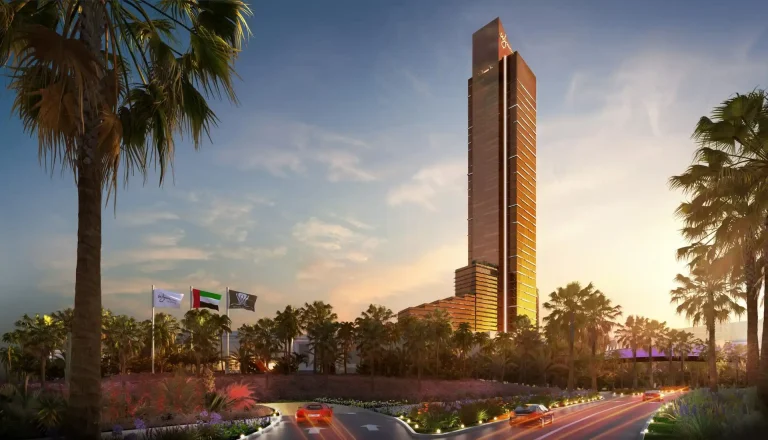
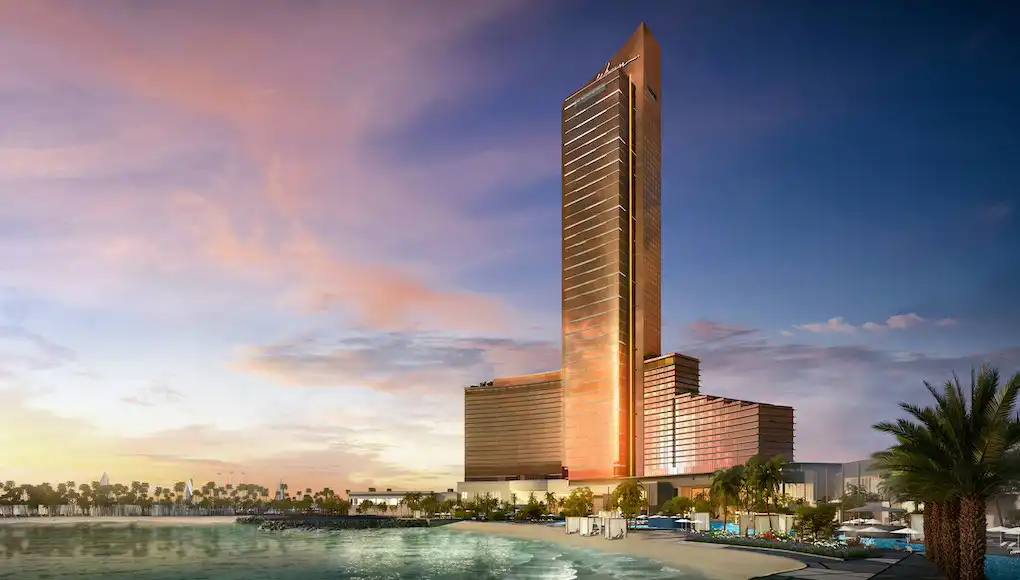
Good morning. Here Comes the Sun. Wynn Resorts has received the UAE’s first commercial gaming license, paving the way for the 2027 opening of its multi-billion dollar Wynn Al Marjan Island resort in Ras Al Khaimah. Meanwhile, in Asia, Macau-based Sanum Investments accuses Laos courts of unlawful pressure in its case against ST Group over the casino Savan Vegas, risking foreign investment. In Macau, the city’s sole Chief Executive candidate advocates for casino residency shows to enhance tourism and ensure competitiveness with neighboring cities.
Altenar, a leading sportsbook provider is bringing its global expertise to Asia, looking to expand its operations. Since 2011, Altenar has powered hundreds of online sports betting sites worldwide and is a major B2B provider in Europe and Latin America licensed markets.
For global betting company 1xBet, Asia is a key market for several reasons. This is why 1xBet pays special attention to the Asian market and actively promotes its sports betting platform and the most popular gambling games on the continent.
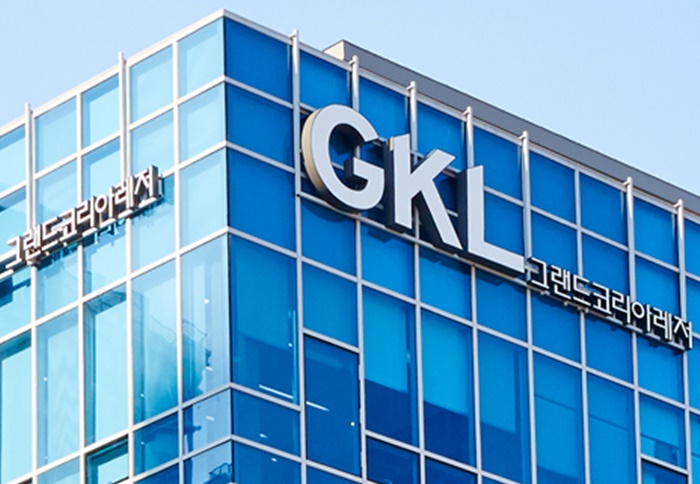
South Korean foreigner-only casino operator, Grand Korea Leisure (GKL), reported a 3 percent year-on-year increase in casino sales for September, reaching nearly KRW 34.32 billion ($25.5 million).
However, this figure was down 16.9 percent from the previous month. Table-game sales rose 4.9 percent year-on-year but dropped 17.1 percent sequentially to KRW31.60 billion. Machine-game sales declined both year-on-year and sequentially.
For the first nine months of 2024, GKL’s total sales fell 6 percent year-on-year to KRW287.39 billion, despite an overall increase in customer spending, or “drop,” by 13.5 percent.
GKL operates three Seven Luck casinos, with locations in Seoul and Busan. The company’s performance has been gradually improving following the challenges of the COVID-19 pandemic, and in August, it announced its first interim dividend since 2019.
While September’s figures were mixed, the company continues to focus on long-term recovery, supported by South Korea’s tourism efforts through its affiliation with the Korea Tourism Organization.
Companies offering online gambling services in Australia must now complete the applicable customer identification procedures (ACIP) before allowing players to gamble.
According to the Australian Transaction Reports and Analysis Centre (AUSTRAC), the changes were initially introduced in September 2023 with the aim of strengthening customer identification procedures for online gambling operators. The goal was to ensure that criminal elements would not be able to exploit these services.
Operators had one year to prepare for the stricter rules. During this period, customer identification could be delayed in some circumstances but these interim measures have now officially expired.
As a result, from the 29th of September 2024 onwards, ACIP must be completed by all online gambling service providers before creating an online gambling account or commencing to provide any designated service.
Companies must now not allow players to gamble until they are reasonably satisfied that the customer is who they claim to be. This means operators have to integrate robust identity verification systems and processes to verify submitted documents quickly and accurately, and thereby avoid falling foul of the stricter laws set by the Australian government.
Macau’s sole candidate for Chief Executive, Sam Hou Fai, has committed to promoting residency shows by casino operators as a key strategy to boost tourism.
During a town hall meeting on Saturday, Sam, who previously served as the president of SAR’s Court of Final Appeal, emphasized the need for the gaming hub to address its competitive shortcomings to keep pace with neighboring cities like Hong Kong and Shenzhen.
According to the South China Morning Post, Sam pointed out that Macau’s advantages have not been fully realized since the launch of the Greater Bay Area initiative five years ago.
“In various sectors, we are lagging behind…Shenzhen excels in technology, Guangzhou showcases comprehensive capabilities, and Hong Kong remains a financial powerhouse. We must enhance our competitiveness.”
Sam Hou Fai
In his vision for consolidating Macau’s status as a World Center for Tourism and Leisure, Hou-fai proposed making the organization of concerts featuring major stars a regular initiative.
He underscored the importance of attracting international tourists, particularly from Southeast Asia, and enhancing Macau’s global image by drawing comparisons to Dubai’s successful tourism strategies.
In a visit to the city in 2019, President Xi Jinping encouraged Macau to “appropriately diversify its economy,” a message that resonates with the local government’s ongoing efforts to diversify beyond its casino-dominated economy. Recent plans have focused on sectors like healthcare, finance, innovation, and culture.
The candidate further revealed that the heads of Macau’s six casino concessionaires have agreed to jointly promote the city as an attractive travel destination for markets outside mainland China.
He also proposed that these operators utilize their substantial investment commitments—estimated at MOP100 billion patacas ($12.5 billion)—to enhance non-gaming offerings, a requirement tied to their 10-year license extensions.
“In light of reports that a renowned UK artist was offered around $200 million for a half-year residency but declined due to family commitments, we must continue to pursue opportunities like this for sustained operations,” Sam remarked.
British music sensation Adele allegedly declined an invitation to perform in the city, the SCMP noted.
While acknowledging the missed opportunity with Adele, Hou-fai noted the upcoming return of the House of Dancing Water show at the City of Dreams resort later this year, after a four-year hiatus. This long-standing production combines acrobatics, dance, and diving and has been a staple since its debut in 2010.
The House of Dancing Water
The candidate believes that residency shows can enhance Macau’s appeal over time, contrasting them with touring concerts that are typically short-lived.
Looking ahead, Hou-Fai indicated that his administration would carefully evaluate the efficiency and appropriateness of casino operators’ non-gaming investments.
Since announcing his candidacy in late August, Sam has actively engaged with local associations and unveiled his platform during a recent town hall meeting. The campaigning period will continue until October 11th, with a 400-member election committee scheduled to vote for the new leader on October 13th, where nearly all committee members have nominated Sam.
SOFTSWISS, a leading tech company with over 15 years of iGaming experience, invites industry experts to share their vision and insights on trends that will dominate in 2025.
SOFTSWISS continues preparing comprehensive reports on emerging tendencies with the upcoming 2025 edition. Following the success of the previous two editions, which were downloaded over 3,500 times, the company invites industry experts to contribute their perspectives and experience to make the third report even more relevant to the community.
The new iGaming Trends 2025 Report will allow industry experts to share their visionary ideas with the whole iGaming sector. Industry professionals can follow the link to share their predictions on which trends will dominate and stay pertinent next year. Participation is anonymous; however, those experts wishing to be quoted can provide their contact information.
With the iGaming Trends 2025 Report, visionaries can emerge from any position or company and make their voices heard by offering unique and compelling ideas. As a token of appreciation, five participants who share their contact details will be randomly selected to receive gifts from SOFTSWISS, with shipping included.
Valentina Bagniya, Chief Marketing Officer at SOFTSWISS, shares: “A few years ago, it was tough to get proper and relevant information on the iGaming industry and oversee the future of its development. The lack of research and relevant information did not allow trustworthy predictions and business growth to be planned. Our iGaming Trends report is not a strict guideline but rather a beacon, helping you navigate the turbulent sea of new ideas and stay on the right course.”
SOFTSWISS consistently delivers insights and tools to help the iGaming industry navigate change. The 2024 iGaming Trends Report was widely regarded for its comprehensive coverage of regulation, marketing, responsible gambling, and fraud prevention – providing essential guidance for long-term business strategy. One of the latest editions, SOFTSWISS recently launched the Casino SEO Audit Guide to help operators boost brand visibility and attract more players.
Now, the 2025 iGaming Trends Report is in development, aimed at reflecting the most significant shifts in the industry. Survey responses will directly shape the report, making it a vital resource for decision-makers. By contributing, experts ensure that the final report captures the real changes driving the market.