The Cape Verde government announced that it will analyze alternatives to the tourism and gaming project by Macau Legend a day after it decided to terminate the land concession contracts granted to the operator, citing non-compliance by the investors.
‘The government will be looking into alternative solutions for the Gamboa and Santa Maria Islet Redevelopment Project’, reads a government statement cited by news agency Lusa.
The clarification comes following a request for clarification from the African Party for the Independence of Cape Verde (PAICV), the country’s main opposition party.
In the same note, the government stated that it acted ‘in good faith’ by sending ‘several letters to MLD, giving it numerous opportunities to resume the works, which have been halted for about three years, to negotiate the sale of shares or the transfer of its contractual position to a potential interested party’.
The outcome was ‘the resolution of the establishment conventions and the contracts derived from them, with the reversal of the assets,’ published on Monday in the country’s Official Bulletin.
‘To date, an eight-story building,’ which remains empty, ‘and a bridge connecting to Santa Maria Islet’ have indeed been completed, in an area of the Praia waterfront that has remained closed off.
The Cape Verde government has terminated its contracts with Macau Legend Development (MLD) due to repeated violations of obligations related to a €250 million ($264.7 million) tourism and gaming investment in Praia.
Despite providing MLD with opportunities to resume construction or negotiate alternatives, the company failed to act. The Cape Verde Council of Ministers’ decision cited various contractual violations and unauthorized transfers of ownership stakes.
Additionally, MLD’s legal issues, including court convictions against its shareholders, contributed to the government’s decision.
The project, initially announced in 2015, has not progressed since construction began in 2016, leading to significant local opposition, particularly from environmental groups. The government plans to reverse the assets involved in the project, which remains largely incomplete, with only minimal construction visible.
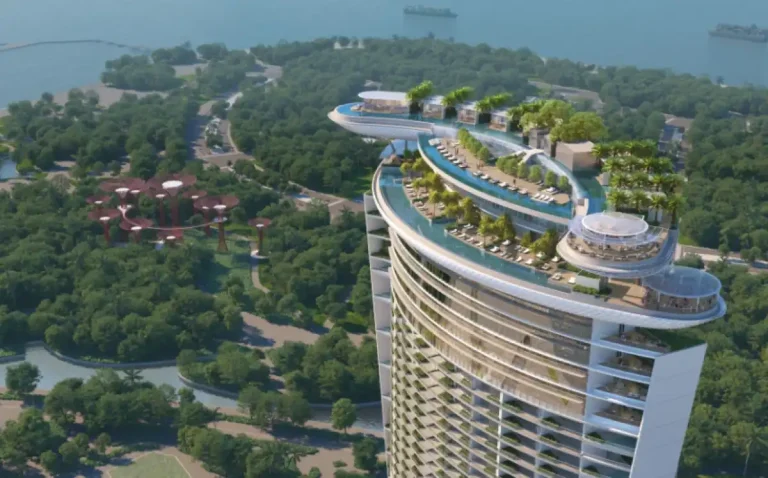
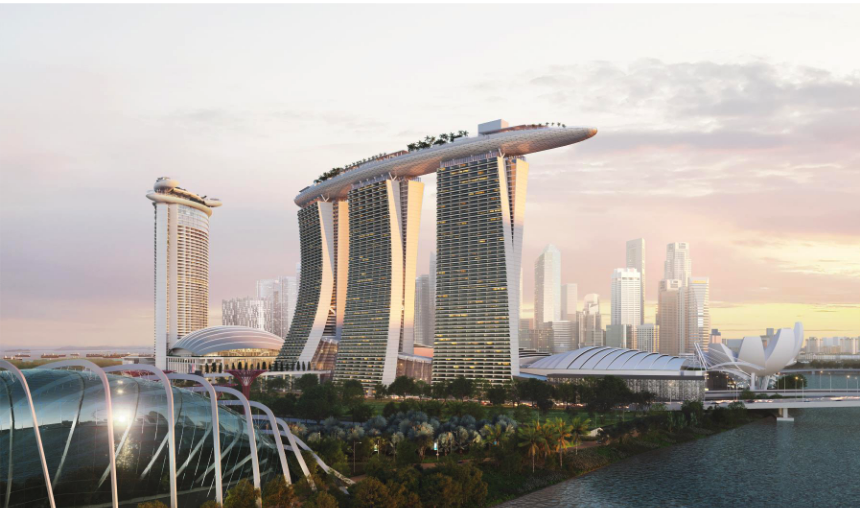
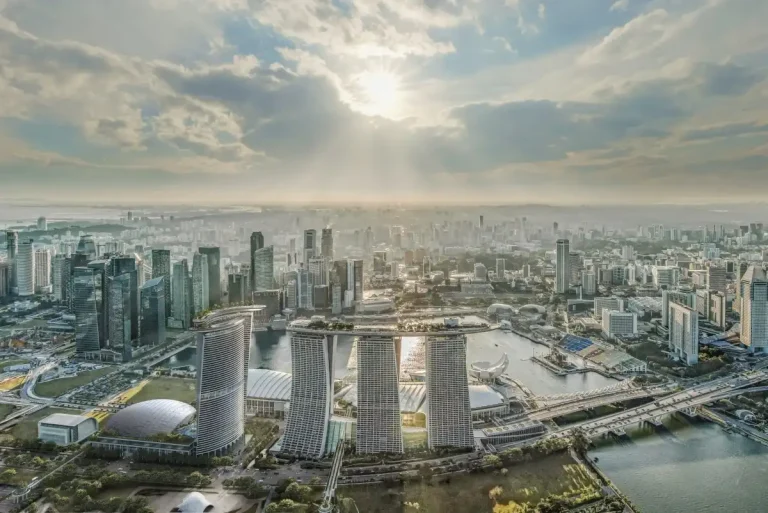
Marina Bay Sands is aiming to create the ‘most valuable tourism development in the world’ with its IR2 (Integrated Resort 2) expansion, targeting a 40 percent increase in adjusted property EBITDA once the project is completed.
According to an investor presentation released on Tuesday, the group is hoping to push its pre-IR2 adjusted property EBITDA from $2.5 billion up to $2.5 billion after IR2 is operational.
This comes as the group focuses on Asia’s growing wealth and high-net-worth individuals, focusing on ‘high-value tourism’ to ‘drive growth in our revenues and cash flow in the future’.
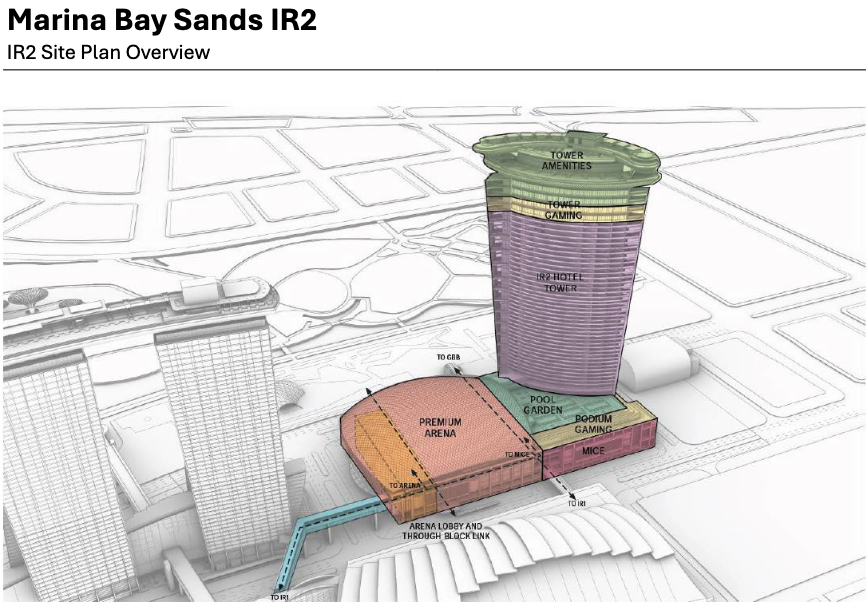
The key features of the addition are the 570-suite ultra-luxury hotel (including 23 ‘signature multi-bay mansions’), 15,000-seat arena and 110,000 square feet of premium MICE facilities, as well as more premium gaming areas.
While the group is contractually obligated to complete IR2 by July of 2029, MBS indicated that ‘the current estimate is that construction will be complete in June 2030 with an anticipated opening date in January 2031’.
It furthers that ‘any extension of the completion date beyond July 2029 is subject to the approval of the Singapore government’. It intends to seek this extension ‘following the commencement of construction and additional contracting and procurement work’.
Breaking down its capital expenditure expectations, for 2025 some $1.2 billion is expected – $1 billion for the land premium and $200 million for capex.
For 2026, only $350 million is envisaged, all going to capex. This expands to $400 million in 2027, rising to $1.15 billion in 2028.
Capex for IR2 is expected to peak in 2029 at $1.85 billion, falling to $550 million for 2030 and beyond.
By focusing on higher net worth individuals, MBS plans to further boost its gross gaming revenue share beyond the 54 percent it boasted in 3Q24, as well as its 69 percent share in mass GGR. As of 3Q24, MBS had 74 percent of EBITDA share in the duopoly.
This is boosted by Asia’s most-played table game: baccarat, which has seen a higher rolling hold percentage since the introduction of additional wager variants, such as Tiger Baccarat in 2018 and Dragon Tiger Baccarat in 2024.
The group also aims to improve efficiency and the customer experience by rolling out the Angel Eye Complete Smart Tables across the property, with the ‘dual camera + AI solution’ rolled out across all rolling and premium mass tables mid-this year, with expectations ‘to have the full solution deployed across all tables by end of 2025’.
Galaxsys, an innovative games studio known for its creativity and commitment to innovation, has just launched its latest turbo game, Slap Shot. This new release combines a simple yet exciting concept with engaging mechanics to offer a thrilling experience for players.
About Slap Shot
The game challenges players to deliver the perfect slap to their opponent using customizable features. Players specify their desired bet amount, choose their slap tools and characters, and aim to deliver a successful slap to win. With customizable options allowing players to select their preferred tools and characters, each round is a satisfying adventure.
Bonus rounds appear when players deliver a powerful hit that disorients the opponent or purchase a bonus round, adding an extra layer of excitement.
Features & Highlights
Slap Shot offers a wide range of in-game features and highlights, creating a truly engaging experience for players. Here are the main highlights of this turbo game by Galaxsys.
Character Customisation
Slap Shot lets players personalize their experience by choosing their characters and slapping tools, making each round more fun and engaging.
Bonus Mode
Bonus rounds appear when players deliver a powerful hit that disorients the opponent or when they purchase a bonus round.
Engaging Gameplay and Animations
With a focus on player satisfaction, Slap Shot features a visually appealing and user-friendly design.
Auto Bet
The feature allows players to switch to the mode where the system places bets automatically.
Staying true to Galaxsys’ dedication to delivering unique and memorable games, Slap Shot is a standout addition to the studio’s growing portfolio.
Good morning. Netflix and chill may no longer be the case, as the group’s most recent Paul vs. Tyson fight has demonstrated. While sportsbooks undoubtedly benefited from the bout, new opportunities are being created beyond bookies, as syndication and advertising all have a future role to play. Meanwhile, in Macau, the outgoing Chief Executive says there are no plans to shrink the gaming industry, but rather to diminish its role in GDP as it boosts other industries. And in the regulatory world, the IFHA warns of the ongoing issues in eliminating illegal gambling.
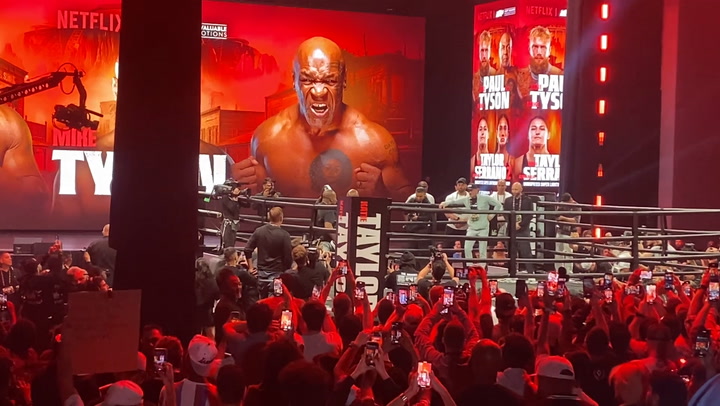
The heavily publicized boxing bout between Youtuber Jake Paul and boxing legend Mike Tyson drew upwards of 60 million household views and encouraged heavy betting from multiple demographics. But on-demand platforms venturing into live sports could pave the way for more, and varied, income streams – benefiting sportsbooks, syndicators and even punters themselves, with tailored content hitting key audiences via platforms they already utilize heavily.
Asia is the most populated continent on the planet and Football is the No. 1 sport in most countries. The World Cup qualifying matches are traditionally watched by billions of fans in the region, but FIFA has decided to reward Asia with a significant representation at the tournament only now.
Altenar, a leading sportsbook provider is bringing its global expertise to Asia, looking to expand its operations. Since 2011, Altenar has powered hundreds of online sports betting sites worldwide and is a major B2B provider in Europe and Latin America licensed markets.
Marina Bay Sands is reportedly seeking Singapore’s largest loan, totaling some SG$12 billion ($9 billion) to help fund the expansion of its integrated resort in the city.
According to Bloomberg, the loan is being coordinated by DBS Group Holdings, Malayan Banking Bhd (Maybank), Oversea-Chinese Banking Corporation (OCBC), and United Overseas Bank Ltd (UOB).
The terms have reportedly not yet been finalized, but the facility carries a term of seven years and will be syndicated to other financiers.
The proceeds will partially be used to refinance an SG$4 billion ($3 billion) seven-year loan from August 2019 and help fund MBS’ expansion. This comes as the cost of the expansion has risen to around $8 billion, up from a $3.3 billion estimate in 2019.
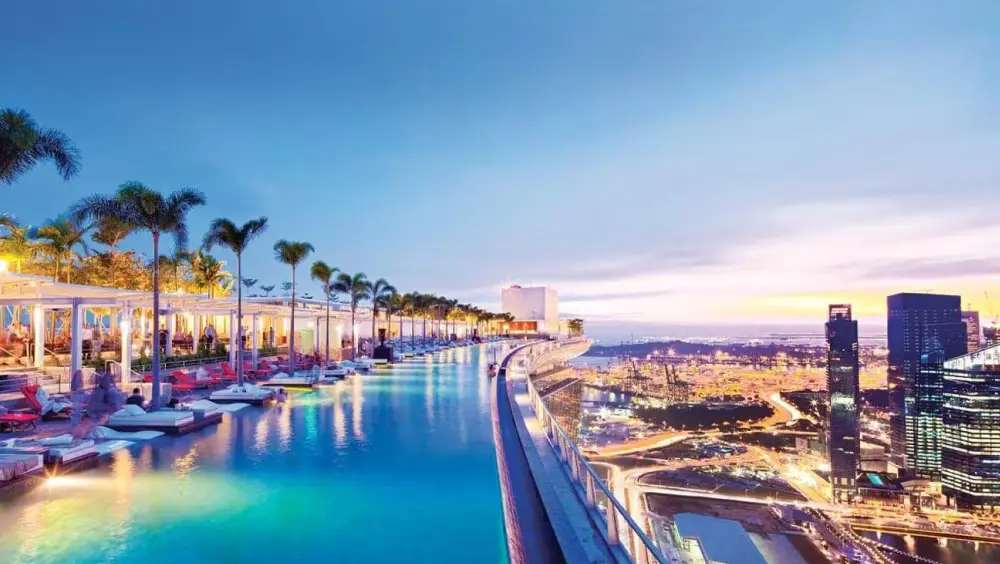
Entertainment Arena, Phase 2Infinity Pool
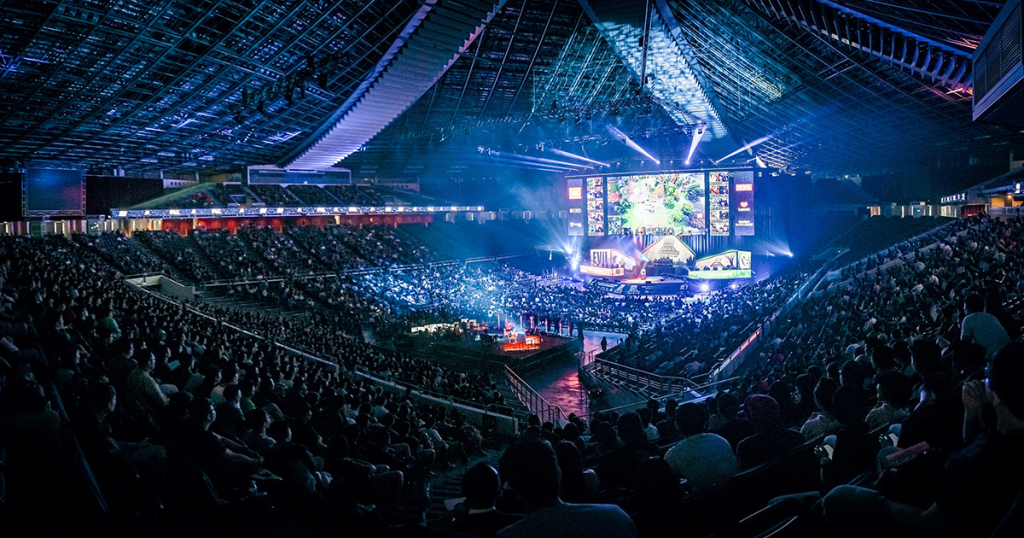
The expansion, entitled MBS IR2 (Integrated Resort 2), includes a fourth hotel tower with over 570 rooms, expanded casino space, a 15,000-seat arena, a sky roof, and 110,000 square feet for MICE.
The expansion includes approximately $4.7 billion for design and construction, $2 billion for land premiums, and $1.3 billion for pre-opening and finance costs.
Construction of the fourth tower is scheduled to commence in June 2025 and is expected to be completed by June 2030, with an estimated official opening in January 2031.
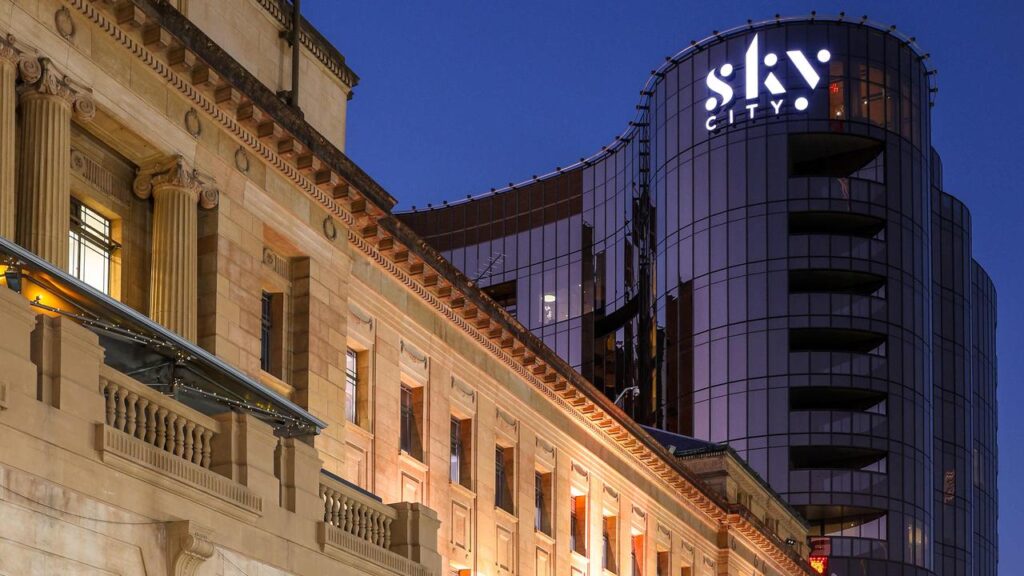
SkyCity Entertainment Group has announced the appointment of Elaine Campbell to the newly created role of Chief Legal, Governance and External Relations Officer, effective from March 2025.
The appointment is still subject to regulatory approvals.
Campbell is a Barrister and Solicitor of the High Court of New Zealand and has extensive experience in financial services and capital markets.
The executive joins SkyCity from Chorus Limited, where she most recently held the position of Executive General Manager, Access. Before the role, she also acted as Chief Corporate Officer & General Counsel and General Counsel & Company Secretary for the New Zealand Stock Exchange-listed firm.
Campbell also previously served as General Counsel at AMP Limited, Director of Compliance and Head of Compliance Monitoring at the New Zealand Financial Markets Authority, Executive Counsel at the New Zealand Markets Disciplinary Tribunal, and Head of Market Supervision and General Counsel at NZX Limited.
Jason Walbridge, CEO, SkyCity Entertainment Group
Speaking of the appointment, SkyCity’s CEO, Jason Walbridge, noted “Elaine is a highly respected executive with a proven track record. I’m delighted she is joining the SkyCity team”.
In its recent earnings guidance, SkyCity’s CEO indicated that there are still ongoing regulatory matters to handle in Adelaide, Australia and that the group is working with a consultancy firm to deliver improvement programs in anti-money laundering and counter-terrorism financing (AML/CTF), as well as host responsibility.
In late October, the firm announced the resignation of the group’s General Counsel and Company Secretary, effective in January 2025. In the announcement, Walbridge highlighted Jo Wong’s pivotal role in navigating the company through regulatory and legal matters, including the Australian Transaction Reports and Analysis Center (AUSTRAC) civil penalty proceedings.
In May of this year, AUSTRAC ordered SkyCity to pay a civil penalty of AU$67 million ($44.6 million) pertaining to historical AML/CTF failings at its casino in Adelaide.
Then in September, SkyCity Casino Management Ltd, a subsidiary, was penalized NZ$4.16 million ($2.6 million) for breaches of AML/CTF obligations.
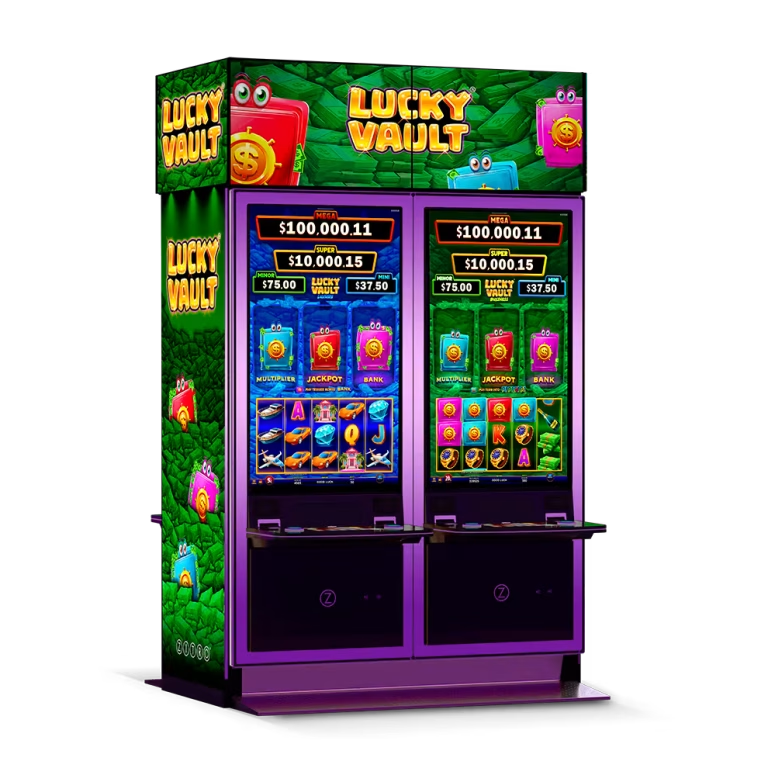
Zitro’s latest slot, Lucky Vault, challenges players to discover the riches behind three colorful vaults, each offering additional prizes during both the Base and Free Games.
Players can unlock a series of free games based on the combinations of vaults activated: earn 9 free games for one vault, 12 for a combination of two, and 15 for unlocking all three.
In both the Base Game and Free Games, players can activate the MULTIPLIER (blue vault) for Wild Multipliers, while the BANK (purple vault) awards increased credit prizes.
During Free Games, the JACKPOT (red vault) feature allows players to win the MEGA, SUPER, MINOR, or MINI jackpots by collecting matching symbols. Four matching Minor or Mini symbols, or five matching Mega or Super symbols, will grant players their corresponding jackpot values.
But the fun doesn’t stop there! Additional vault features can be activated during the Free Games, increasing the chances of unlocking even greater rewards!
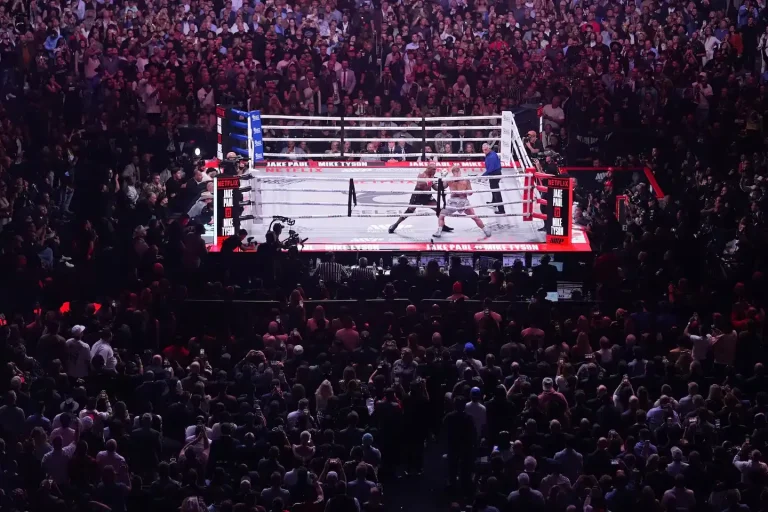
While the match itself failed to meet expectations for many, the Jake Paul vs. Mike Tyson event live-streamed on Netflix offered a lot of insights into how companies, including sportsbooks and syndicators, can reach new audiences.
Aside from the $40 million purse taken home by 27-year-old Youtuber-turned-boxer Jake Paul, and the $20 million Mike Tyson made after going the eight-rounds, some estimates indicate that up to $100 million could have been wagered on the match.
According to betting data from FanDuel Sportsbook, in regards to bet count, Mike Tyson was the fan favorite – at 85 percent. Looking at the bet handle, however, Jake Paul was in the lead, at 53 percent. But the most popular round betting pick was for Tyson to win the fight in the first round.
Punters taking the long shot on Tyson faced significantly higher earnings. Canadian rapper Drake reportedly wagered some $355,000 on Tyson via online sportsbook Stake, which would have paid out over $1.01 million. Other celebrities, such as UFC superstar Connor McGregor (who reportedly bet some $1 million on fights over the weekend) and NBA star Shaquille O’Neal also chose to wager on the 58-year-old boxing legend.
“Watching with friends and making small bets just makes it more fun and engaging”.
And Jake Paul has been quick to notice this. Paul co-founded sportsbook Betr in 2022 with Simplebet co-founder Joey Levy. The brand, which focuses on micro-betting, was featured prominently in the opening video of the event, and aims to tap into the “tens of billions of dollars in revenue” from the US sports betting industry by the end of the decade, according to Levy.
Wagers, streaming and syndication
Benedikt Becker, Shikenso Analytics
“The fight showed how live sports fuel massive betting engagement. DraftKings, as the official sponsor, was front and center with prominent ring sponsorship during the event,” points out Becker.
“What’s interesting is the shift toward younger, tech-savvy audiences who are Netflix subscribers and getting more involved. Sharing trades on social media or with friends has become increasingly popular, adding a social layer to the experience,” he notes.
Both Drake and McGregor shared the fact that they had bet on Tyson via social media.
Sportsbooks – such as DraftKings, FanDuel, Caesars, bet365, BetMGM and others – were also quick to grab onto the event to attract new punters, offering hefty promotions and bonus bets.
Aside from sportsbooks, Netflix’s shift from video-on-demand (VOD) to live sports could provide further options to other companies as well, such as for sports technology providers.
“Companies like Sportradar can pivot by offering tools like real-time player stats, odds, and overlays to enhance the streaming experience.
“A wild idea? Netflix could integrate upselling features to their subscribers—clickable player profiles and stats, or even list fantasy leagues in their Netflix Game section. Sportradar could power these innovations, creating a new revenue stream for both sides,” notes Becker.
Sportradar, a sports technology company, provides everything from sports data, odds and live streams to gaming products and casino solutions.
But looking to Netflix itself, how can it capitalize off of its ongoing venture into live sports?
“Netflix’s live events offer global reach and targeting based on subscriber data. Marketing opportunities include prime slots for their ad-tier subscribers, demographic and localized targeting, in-stream product placements or exclusive pre- and post event content,” notes Becker.
“Another key shift? Sponsorship intelligence will become more critical than ever. Brands will need a holistic approach to track exposure—not just visually but also through brand shoutouts and mentions in press and media. Combining this with fan sentiment analysis—both during the event and on social media—will be key for measuring ROI and optimizing future campaigns”.
Becker notes how at Shikenso Analytics, brands have already been approaching the company to use its AI-powered insights to measure and optimize sponsorship impact. This has been particularly talked about during the boom in eSports, as sponsors try to truly understand what they’re getting for their buck.
Potential and cautionary tales
“Netflix will definitely expand. The Tyson-Paul fight showed there’s demand, and their ability to localize content gives them an edge. For example, cricket could dominate here in Southeast Asia, where it’s hugely popular. Other sports like F1, basketball, or eSports also fit Netflix’s global and younger audiences.”
But in order to do this properly, it needs to get its formula right, and avoid mistakes that give it a negative image.
“Netflix will likely need to upgrade their streaming capabilities. During the Tyson fight, meme culture exploded with “25 percent loading” jokes, and even meme coins were launched during the event. It’s fascinating how quickly internet culture jumps on trends, but it also highlights how critical a smooth streaming experience will be as Netflix scales its live offerings,” notes the marketer.
Despite the streaming dropouts, it’s estimated that some 60 million households watched the fight, which was offered to all 280 million-plus subscribers to Netflix. The event also reportedly triggered a double-digit rise in new subscriptions to the service, earning it millions in new revenue.
“Having run affiliate and performance campaigns for Netflix in the past, I know firsthand how challenging it’s become to drive subscriptions with the same offering,” notes Becker.
“Live sports tap into fandom and bring a sense of immediacy that on-demand content doesn’t. This trend is huge in Asia too.”
It will be interesting to see how other video-on-demand companies pivot to live sports streaming, something Apple is also doing, and exactly how this will shape the future of sports betting worldwide. And while the Paul vs. Tyson fight was dubbed by many as a “money grab”, it appears to have been effective.
Reducing the gaming industry’s share of Macau’s gross domestic product (GDP) has become a key metric in the city’s efforts toward economic diversification, and operators are doing their part, says the outgoing Chief Executive.
Macau Chief Executive Ho Iat Seng
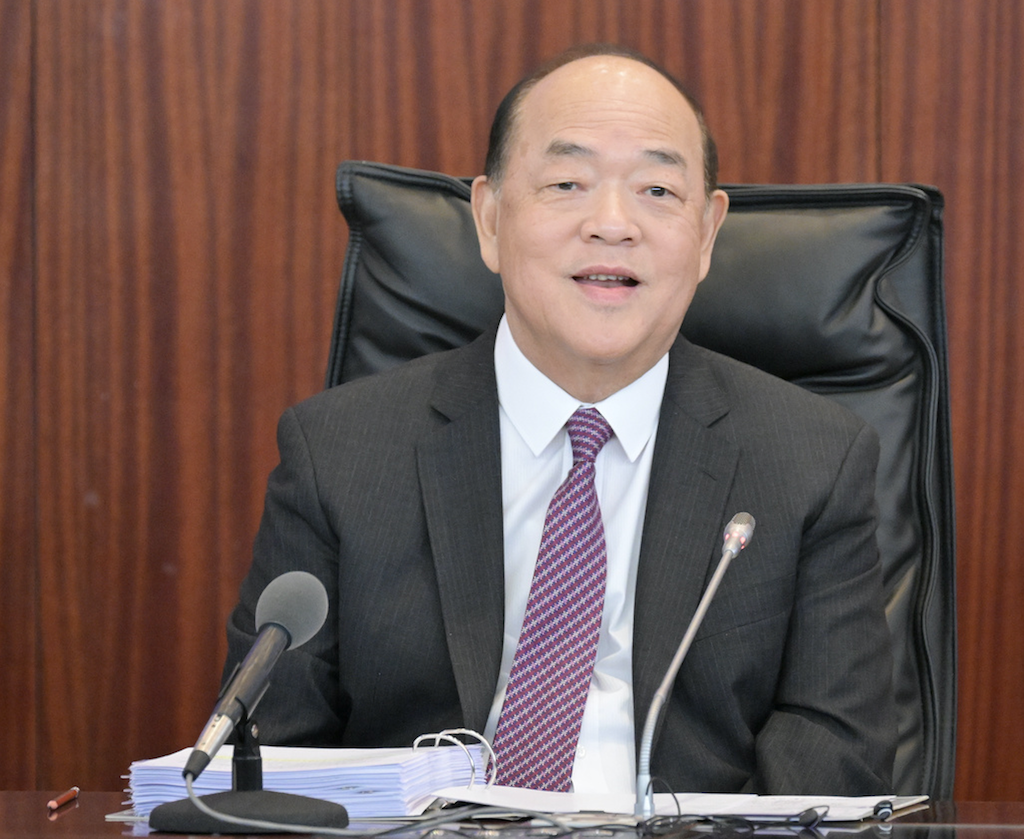
Macau Chief Executive Ho Iat Seng emphasized that the government’s objective is to “grow the pie”—to expand the overall economy so that the gaming sector’s proportion of GDP naturally declines, rather than actively shrinking the industry itself.
At a press conference summarizing his five-year term on Tuesday, Ho highlighted that the gaming industry’s contribution to Macau’s GDP had dropped from a peak of over 60 percent to 37 percent in 2023. He anticipates the share will stabilize at around 40 percent this year, which he described as a “healthy” level.
Reflecting on the city’s recent gaming concession renewal process, Ho noted that operators were required to invest over MOP100 billion ($12.5 billion) in non-gaming projects as part of their new licenses. He acknowledged the severe challenges gaming companies faced during the pandemic, calling the concession process particularly “arduous.”
Under the 10-year gaming concession contracts, which began in January 2023, Macau’s six casino operators initially pledged a collective MOP108.7 billion ($13.5 billion) for non-gaming investments. This commitment was later increased by 20 percent after the city’s market-wide casino gross gaming revenue (GGR) exceeded the predetermined threshold of MOP180 billion ($22.56 billion) for the full year 2023.
Operators’ efforts praised
Macau’s six gaming operators are making strong efforts to bring prestigious concerts and shows to the city, aiming to rebrand Macau from a gaming hub to a city of entertainment.
Ho also praised the gaming industry’s efforts to transform Macau into a “City of Performance.” He recognized the initial success of the city’s burgeoning concert industry, highlighting how major operators have brought internationally renowned artists and performances to Macau, significantly enhancing its global reputation.
Meanwhile, the Chief Executive noted the government’s anticipation of a shift in visitor patterns after the pandemic. He emphasized that the administration has consistently prioritized non-gaming investments by the operators to support this transition.
To address land constraints that limit large-scale event development, the government has built a 50,000-capacity outdoor venue in Cotai. Ho announced that its first concert is scheduled for December 28th, though further details remain undisclosed.
34M visitor arrivals expected this year
This year’s gaming revenue is expected to surpass initial forecasts, according to Macau’s leader.
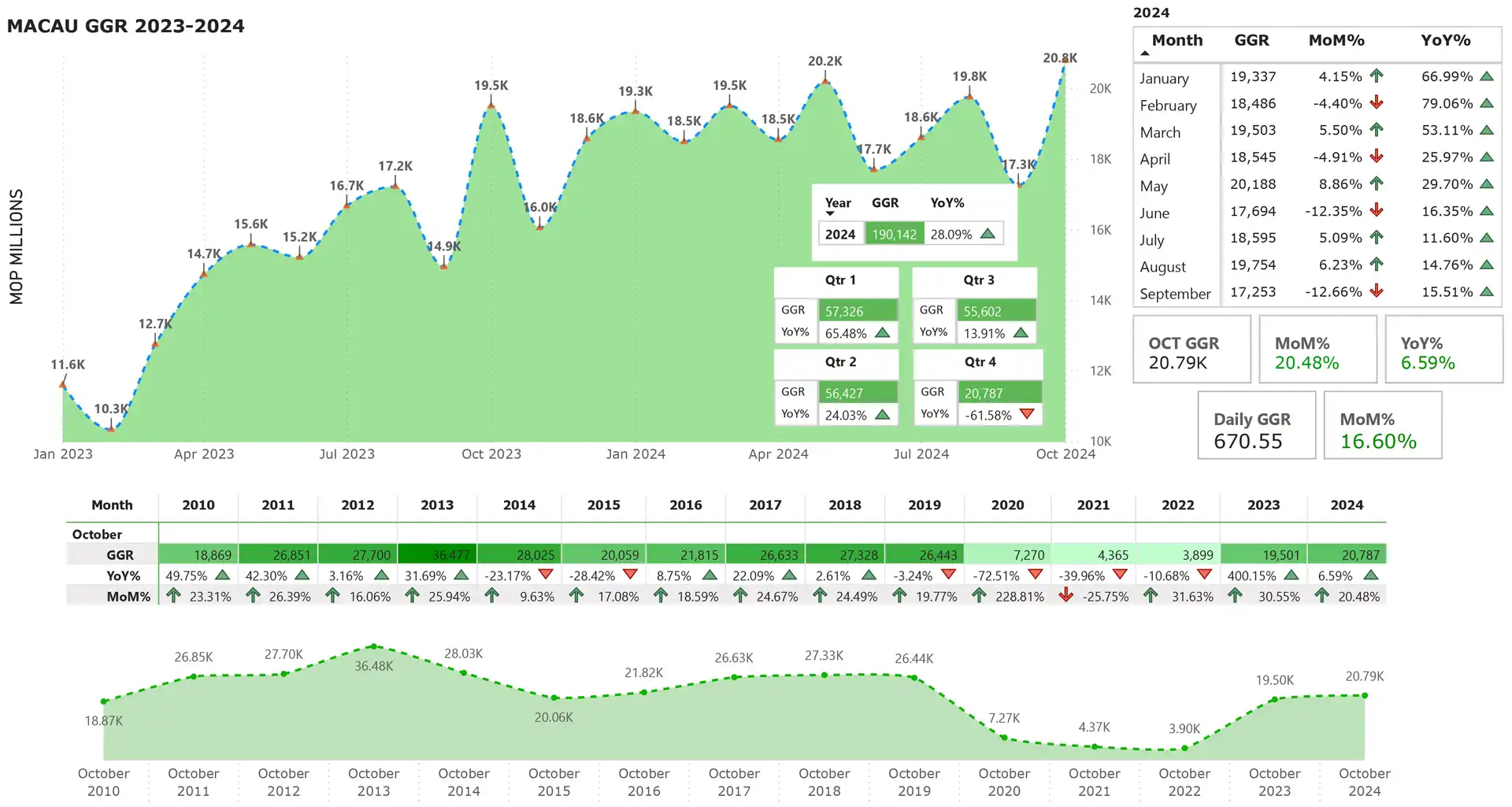
The government’s budget projects gaming revenue to reach MOP216 billion in 2024 ($27.07 billion), with further growth to MOP240 billion ($30.1 billion) by 2025. Ho Iat Seng indicated that monthly gaming revenue from January to October averaged MOP19 billion ($2.4 billion), exceeding the budgeted estimate of MOP18 billion ($2.3 billion).
Annual visitor arrivals are now expected to hit 34 million, surpassing the Macau Government Tourism Office’s (MGTO) earlier forecast of 33 million. This marks a robust recovery in the tourism sector.
Macau visitor arrivals YOY 2024
Looking ahead, while gaming revenue for 2024 is forecasted to grow by 11 percent year-on-year, the government has taken a cautious approach by increasing its overall budget by just 6 percent—signaling prudent fiscal management.
Tom Horn Gaming, a premier iGaming software supplier, has launched its latest game, Wild Snowflakes, just in time for the winter season. This winter-themed slot transports players to a serene snowy wonderland brimming with excitement and rewards.
Expanding Wilds and QuickX™ Bonus Buy Feature
With expanding wilds and the supplier’s proprietary bonus buy feature, QuickX™, Wild Snowflakes delivers thrilling gameplay and allows players to tailor their journey based on their preferences.
This medium-to-high variance game is played across a 5×3 gaming grid, populated with frosty fruit symbols and snowflakes, which act as wilds. When a wild snowflake lands as part of a winning combination on the 2nd, 3rd, or 4th reel, it expands to fill the entire reel, transforming other symbols above and below into wild snowflakes for bigger wins.
Players in applicable jurisdictions can activate one of three expanding wild features with 2x, 3x, or 5x multipliers using the QuickX™ bonus buy feature. This proprietary mechanic allows players to purchase direct access to bonus rounds, bypassing the base game grind. QuickX™ empowers players to customize their gameplay, offering a shortcut to increased winning potential. The cost of activating QuickX™ is dynamically calculated based on the player’s original bet size, multiplied by the chosen bonus buy multiplier.
A Winter-Themed Classic Slot with a Contemporary Twist
“Wild Snowflakes is a celebration of the beauty and magic of winter, brought to life through stunning visuals and an immersive theme. By combining the charm of a classic slot with engaging features, we’ve designed a game that’s both nostalgic and exciting. It’s the perfect addition to any operator’s portfolio this winter season, “ said Katarina Slaninova, Head of Marketing at Tom Horn Gaming.
The game will be available for distribution through Tom Horn Gaming’s extensive partner network from 21 November.