Home Blog Page 601

Public consultation feedback on draft Thai casino bill

A public consultation for the draft bill on the legalization of comprehensive entertainment complexes with casino gambling in Thailand was conducted between August 2 and 18, 2024. The Ministry of Finance has collated the responses, which will be presented to Cabinet and thereafter tabled in the House of Representatives for further deliberation.

The following is a summary of the key issues raised in the consultation process.

Locations of Complexes

The draft law should explicitly specify eligible locations for entertainment complexes outside of Bangkok and its metropolitan area to promote regional development. Suitable locations proposed include tourism-driven regions such as Phuket, Chiang Mai, Chonburi, Rayong, Hua Hin, and other areas with high tourist potential.

Components of the Entertainment Complex

The number of component categories should be expanded from four to seven. Support for spaces dedicated to promoting Thai culture should be included. Clearer definitions of each component, including minimum area requirements for shopping malls and specific criteria for casino areas, should be established. To promote Thai products, provisions for OTOP (One Tambon One Product) should be incorporated. Additionally, value-added components that contribute to national development, such as large convention centers and museums, should be considered.

Thailand, Chao Phraya River, Thai, casino, entertainment
Number of Licenses

The number of licenses should be clearly specified in the Act to avoid an excessive number. For example, the law could limit licenses to 3-7 nationwide. Licenses should be allocated regionally, with no more than 2-3 in Bangkok and 5-7 in other areas.

Duration of License

There is debate over the appropriate duration of licenses. Some argue that a 30-year term is excessive and should be reduced to 10 years. Others contend that 30 years is insufficient and propose extending it to 50-60 years with the option for renewal. There are suggestions for the license term should commence on the date of operational commencement.

License Fee Quantum

Concerns have been raised that the proposed license fees are excessively high, which could deter potential operators. Annual license fees should be adjusted to a reasonable level. The draft bill should clarify whether the annual fee is required in the first year following the initial payment. To accommodate potential future economic fluctuations, license fees should not be fixed in the draft law. A more flexible approach, such as periodic reviews and adjustments, would be advisable.

Shareholder Composition of Licensees

At least 30-51 percent of the ownership in a licensee should be held by Thai entities. Licensees must be registered Thai companies, whether private or public. Measures should be implemented to prevent foreign nominees from holding ownership in Thai companies.

Selection Process for Licensees

A fair and transparent tender process should be adopted for selecting licensees. Foreign investment should be permitted in the entertainment complex industry.

Specifications and Bid Tender for Licenses

The policy committee should establish clear criteria, procedures, and conditions for the bid invitation documents related to integrated entertainment venue businesses. This will ensure a fair and transparent bidding process.

Changes in Directors, Executives, or Shareholders of Licensees

Prior approval should not be required for changes in directors, executives, or shareholders as long as the individuals involved meet the necessary qualifications. Shareholder changes of up to 25 percent should be permitted in certain cases.

Licensee Penalties

The penalties outlined in the draft bill are currently considered insufficient. To ensure compliance, license suspension should be introduced as a potential consequence of violations. Fines for license holders who negligently allow prohibited persons to enter casinos should be substantially increased. In severe cases, criminal penalties should be imposed. For egregious offenses, businesses should face revocation of their licenses and potential seizure of assets or land. These stricter penalties will serve as a deterrent and help maintain the integrity of the industry.

Licensee Accounting Reports

To maintain transparency and accountability, licensees should be required to submit financial reports of their integrated entertainment venues to Parliament. This will allow for public scrutiny and oversight of the industry’s financial performance.

Transfer of License Rights

Partial transfers of license rights to other individuals should be prohibited.

Macau’s stability, Thailand's potential and UAE’s promise: gambling industry poised for major growth
Casino Entry Fees

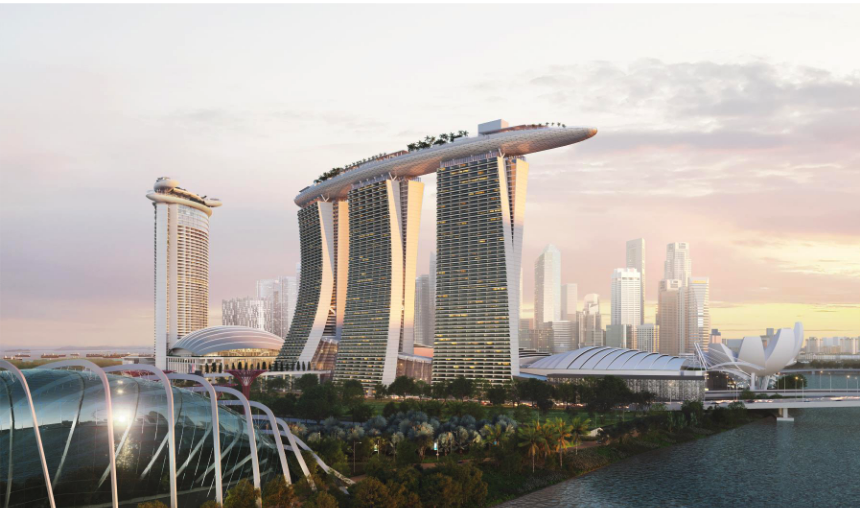
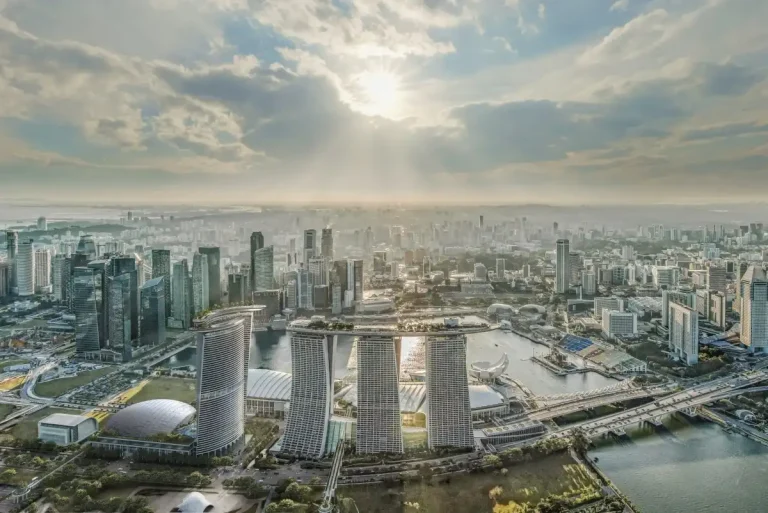
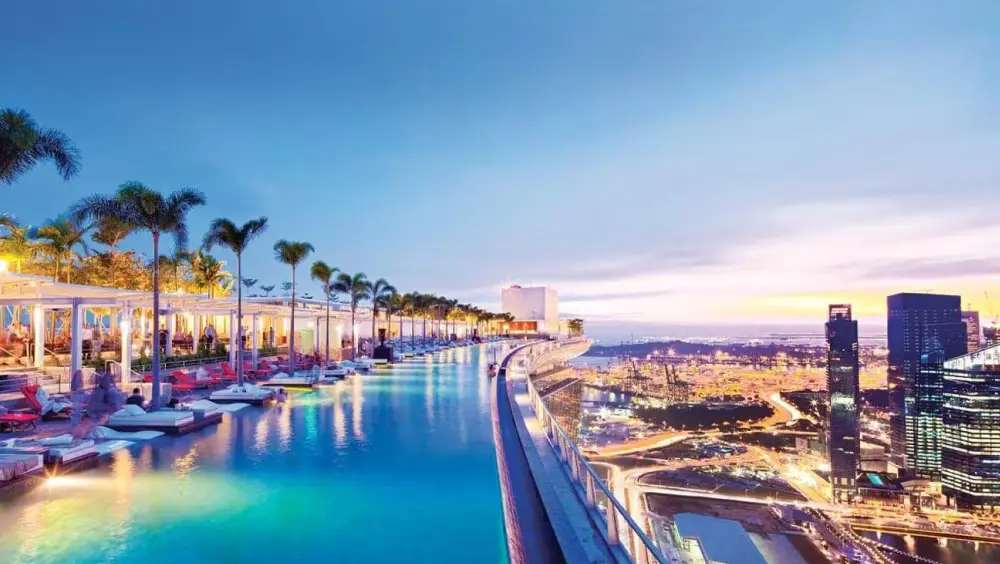
The entry fee for Thai citizens is currently considered too high and should be reduced to a range of 1,000-2,000 baht. An annual entry fee should be considered, potentially between 20,000-40,000 baht. To maintain affordability for Thai citizens, entry fees should remain unchanged for a 10-year period, similar to the approach in Singapore. Entry fees for Thai citizens should be standardized nationwide to ensure consistency and fairness.

Casino Area

The casino area should be clearly defined and proportionate to the overall size of the integrated entertainment venue. A specific casino area ratio should be established in the draft law, potentially between 5-20 percent. There is another suggestion that the casino area should be commensurate with the projected revenue of the integrated entertainment venue. Casinos should be allowed to operate 24 hours a day to cater to the preferences of visitors and maximize revenue potential.

Types of Gambling Products

The policy committee should retain the authority to add new game types beyond those explicitly listed in Section 52. Requests for the inclusion of boxing, horse racing, and online gambling. Sports betting and skill-based games like poker should also be considered. A comprehensive study of casino games offered in other countries would provide valuable insights for determining appropriate options.

Casino Access

Individuals entering casinos should be required to present their account details or a specified amount of cash intended for gambling. This will help prevent underage gambling and monitor spending habits. To mitigate potential social issues, it may be considered to restrict casino access to foreigners or Thai citizens who have traveled abroad and are returning to Thailand. Biometric data, such as fingerprint or facial recognition, should be utilized to control entry and exit to enhance security and prevent unauthorized access. This technology can also help track patron behavior and identify potential risks.

Prescribing specific qualifications for all casino-related employees could impose unnecessary burdens on government agencies and operators. Qualifications should be primarily focused on management-level employees or individuals with critical casino-related responsibilities.

Casino Promotion, Advertising, and Sales Activities

License holders should be explicitly authorized to organize promotional activities that are customary in international integrated entertainment venues. Junket operations should be prohibited, and a clear definition of “junkets” should be included in the draft law to prevent any ambiguities. This will help ensure that promotional activities are conducted ethically and do not involve illegal or exploitative practices.

Credit for Casino Players

Credit should be permitted for both Thai and foreign players, subject to stricter controls to mitigate risks. Credit limits, interest rates, and repayment periods should be clearly defined and enforced. There are also proposals to prohibit credit for Thai nationals or residents of Thailand. This approach could help protect domestic populations from excessive gambling-related debt.

Casino Regulations

Licensing requirements should be streamlined to avoid unnecessary burdens on operators. Gambling in casinos should be strictly conducted using individual player accounts. Clear regulations on casino chips should be established. To ensure fair play, rules and tools used for gambling should be precisely defined to prevent cheating. This includes guidelines for game mechanics, equipment specifications, and surveillance protocols.

Casino Tables, Smart tables, RFID, Macau
Formation of the Policy Committee

It has been suggested that the establishment of the Policy Committee need not be tied to a strict 180-day deadline following the Act’s enactment. The 180-day period is primarily intended for appointing expert members, setting up necessary offices, and ensuring operational readiness.

Composition of the Policy Committee

It has been proposed that expert members of the Policy Committee should be selected through an open recruitment process. The committee should include representatives from diverse sectors, such as community development, human rights, child and youth welfare, economics, sociology, and mental health. Additionally, there are recommendations to include representatives from key national bodies like the National Child and Youth Development Promotion Committee, the Community Organization Council, and the National Human Rights Commission to ensure a well-rounded and inclusive approach.

Powers of the Policy Committee

Concerns have been raised that the Policy Committee holds excessive authority. It is recommended to either delegate these powers to the Executive Committee or provide clearer guidelines and limitations within the Act itself to ensure a more balanced distribution of responsibilities.

Composition of the Executive Committee

Recommendations for the Executive Committee align closely with those for the Policy Committee but with the added suggestion of including representatives from private businesses and the tourism industry. Additionally, it is proposed to establish provincial-level Executive Committees in regions where entertainment complexes are situated to ensure localized oversight and governance.

Powers of the Executive Committee

It has been proposed that the committee should be granted the authority to suspend or revoke the operations of an entertainment complex if its impact proves to be more detrimental than beneficial.

However, some believe that the Executive Committee is redundant, as the Secretary-General could handle these responsibilities independently.

Function of the Regulatory Commission

The Regulatory Commission should serve as a centralized hub for all matters related to entertainment complex operations, including application processing, documentation management, and fee collection. To foster effective interagency collaboration, senior officials should be designated as liaisons with relevant regulatory bodies. To ensure robust oversight and governance, it should be placed under the purview of the Prime Minister’s Office.

Clear guidelines should be established for the management and utilization of its funds and assets. A portion of the commission’s revenue should be allocated to the regions hosting entertainment complexes to directly benefit local communities. Specific criteria should be outlined for this distribution to ensure equitable allocation and maximize contributions to national revenue.

Qualifications and Appointment of the Regulatory Commission Secretary-General

A strict age limit of 60 might limit the pool of qualified candidates, potentially excluding individuals with valuable experience. The appointment process should be transparent and inclusive, allowing for public input.

Powers of appointed officials

Appointed officials should have the authority to request necessary documents, evidence, and information. They should also have the power to temporarily suspend operations or services in response to complaints. To prevent potential abuses of power, broad discretionary authority should be limited.

Centralization of Consideration Under Other Laws

The policy committee should be empowered to coordinate and approve, permit, license, endorse, or serve as the authorized body for registration or notification under relevant laws. This centralized authority will streamline processes and ensure consistency across different regulatory frameworks.

Bangkok, Thailand
Land Lease Agreements

Foreign entities should not be permitted to lease or own land for more than 25 years. This restriction aims to protect national interests and prevent excessive foreign control of land resources.

Employee Proportion

At least 80 percent of the workforce in entertainment complexes should be comprised of Thai employees. This requirement aims to promote local employment and contribute to the Thai economy.

Reserve Funds

License holders should be required to maintain a minimum reserve fund in escrow to guarantee payments to gamblers and any fines imposed by the government. This will safeguard the interests of both players and the regulatory authority.

Payment Guarantees

To enhance financial security and facilitate debt payments, lease rights and other assets within the integrated entertainment venue should be allowed as collateral. This will provide lenders with greater confidence in the borrower’s ability to repay obligations.

bangkok thailand
Social Impact Compensation Fund

To address potential social impacts of integrated entertainment venues, a Social Impact Compensation Fund should be established. This fund would be managed by a board composed of experts, civil society representatives, and public representatives to ensure transparency and accountability. The fund should be financed by a portion of the revenue generated by integrated entertainment venues. It would have its own office and focus on gambling prevention, health promotion, and improving the quality of life for local residents. By investing in these areas, the fund can help mitigate negative social consequences and ensure that the benefits of integrated entertainment venues extend to the broader community.

Prevention of Money Laundering

Integrated entertainment venues pose a potential risk of becoming hubs for money laundering. To mitigate this risk, strict anti-money laundering measures must be implemented. The source of funds used for gambling should be thoroughly verified. High-value transactions should be reported to relevant authorities. Close cooperation with the Anti-Money Laundering Office (AMLO) is essential to ensure effective enforcement of anti-money laundering regulations.

Negative Social Impacts

There are legitimate concerns about the potential negative social impacts of integrated entertainment venues, including gambling addiction, family breakdowns, crime, moral decline, and disruptions to national order. Legalizing casinos in these venues may not fully address the issue of illegal gambling or online gambling. There is also a risk of corruption among government officials involved in the regulation of the industry. To mitigate these potential negative consequences, a comprehensive approach is needed, including:

  • Limiting access for Thai citizens: Restricting access to certain demographics, such as Thai nationals or residents, could help protect vulnerable populations.
  • Promoting responsible gambling education: Public awareness campaigns and educational programs can help individuals understand the risks of gambling and make informed decisions.
  • Establishing counseling centers: Providing access to counseling and treatment for gambling addiction is essential for supporting those affected by problem gambling.
  • Promoting creative community activities: Encouraging alternative forms of entertainment and community engagement can help reduce the appeal of gambling.
  • Increasing security around integrated entertainment venues: Enhanced security measures can help prevent crime and maintain public order.
  • Conducting ongoing studies and monitoring social impacts: Regular research and monitoring of social impacts will allow for timely adjustments and interventions to address emerging issues.
Title of the draft law

Concerns were raised that the current title is too broad and lacks specificity. A suggestion was made to rename it to “Integrated Resort Act” to better reflect international standards, positioning the project as a tourism initiative, which could enhance its public image and align with global practices.

Public Share Offerings

License holders should be restricted from raising funds through public share offerings in the Thai and international stock markets. If public shareholding is permitted, the maximum ownership should be limited to 24.99 percent to ensure that the licensee retains effective control over the business.

Revenue Distribution to Local Areas

Fees and taxes generated by integrated entertainment venues should primarily benefit the local government where the venue is situated. Revenue should be distributed to local administrative organizations to support development and infrastructure projects in the area. The draft law should clearly delineate the revenue-sharing ratio between the central and local governments to ensure equitable distribution and avoid excessive centralization of resources. This will help promote balanced regional development and ensure that local communities directly benefit from the presence of integrated entertainment venues.

Investor Protection

To enhance investor confidence, the regulatory office should have the authority to enter into contracts that provide compensation in the event of significant changes in laws or other unforeseen circumstances. This will help mitigate risks for investors and promote a stable investment environment. Dispute resolution should be handled through internationally recognized arbitration mechanisms to ensure a fair and impartial process that is independent of domestic legal systems. This will help attract foreign investment and foster confidence in the industry.

Exemptions from Other Laws

Considerable exemptions from relevant laws, such as those governing urban planning, building control, tobacco products, and alcohol control, may be necessary to facilitate the development and operation of integrated entertainment venues. However, these exemptions should be carefully evaluated to ensure they do not compromise public safety or welfare.


The feedback collated in the consultation process offers valuable insights and suggestions for improvement and demonstrates a positive step toward a more comprehensive consultative process. To further enhance the regulatory framework, industry feedback and input from subject-matter experts should be actively sought to ensure that the final regulations are practical, effective, and aligned with industry best practices.

Isle of Man gambling regulator issues $183,000 fine to erring operator

0

The Isle of Man Gambling Supervision Commission (GSC) has imposed a GBP140,000 ($183,000) civil penalty on one of its previous licensees, CyberHorizon Limited, after uncovering several regulatory breaches during an investigation.

These violations include failure to conduct proper customer risk assessments and implement required technology risk evaluations before launch, as well as insufficient enhanced due diligence processes. CyberHorizon was previously called Wow Entertainment and operated the Wow Casino brand. The company was licensed from March 2021 to September 2023, cooperated with the GSC, accepting responsibility, and settling early.

The GSC emphasized the importance of maintaining strict compliance with anti-money laundering and counter-terrorism financing regulations to uphold the Isle of Man’s reputation as a well-regulated jurisdiction. This was the second time this year that the regulator took action, having previously suspended and then cancelled the gambling license of Isle of Man-based King Gaming.

The investigation revealed that CyberHorizon had fallen short in critical areas, including customer relationship cessation after failing to meet due diligence requirements and ensuring data retrieval processes after the cessation of operations.

One of the key factors that led to the investigation was the identification of multiple infractions in a routine inspection in June 2023, which revealed non-compliance with the Gambling (Anti-Money Laundering and Countering the Financing of Terrorism) Code 2019. This prompted the GSC to take immediate regulatory action. Despite the seriousness of the breaches, the GSC acknowledged CyberHorizon’s cooperation and willingness to engage constructively in addressing these issues, which contributed to a 30% reduction in the civil penalty.

The Isle of Man continues to be the primary Tier 1 jurisdiction for companies active in pre-regulated markets but has seen the number of licensees stagnate in recent times. The departure of some big Asian facing names and the King Gaming case, as well as this latest enforcement action will likely have a signaling effect for some companies, while continued uncertainty in jurisdictions like Curacao has benefited the island and seen operators relocate there who are willing to comply with stricter rules in exchange for a politically stable and safe environment.

Rebranding or relocating? How POGOs might survive the Philippine ban

0

Gambling companies called the Philippines home long before the term POGO was ever coined, but it was under the reign of President Duterte that the country became the hub of activity which led to where we are now. The first operators set up shop in the early 2000s and were limited to where they could operate from, with many of the biggest names occupying vast offices in PBcom Tower and RCBC Plaza, overlooking Ayala Avenue in Makati. Then the Duterte regime regulating them as Philippine Offshore Gaming Operators (POGOs) (renamed Internet Gaming Licensees (IGL) in October 2023) from 2016 onwards, and numbers increased, as did the locations from which they conducted their businesses.

POGOs, which initially flourished under the Duterte administration due to liberal gaming laws, have since been linked to various criminal activities, including human trafficking, online fraud, and illegal gambling. These operations primarily target Chinese nationals, as gambling is illegal in China, but they have left a significant footprint in the Philippines by leasing and often even building call center-style facilities, and employing foreign workers, mainly from China.

POGOs
PBcom Tower in Makati

Despite President Ferdinand Marcos Jr.’s firm stance against POGOs, including a nationwide ban, many familiar with the inner workings of the Philippines believe endemic corruption may allow them to persist, either underground or by diversifying into other industries, such as call centers. Observers like Alvin Camba, a research adviser at Associated Universities Incorporated who has studied Chinese investments in Southeast Asia, and Senator Risa Hontiveros warn that some POGO operators with deep political connections might evade the ban by transitioning into different business sectors or relocating operations to neighboring countries. Some operators are already known to have moved all or parts of their operations to places like Cambodia, Myanmar, Vietnam, and Timor-Leste.

The Philippines also gave POGOs legitimacy by issuing official licenses to conduct online gambling in so-called pre-regulated markets. All of these POGO licenses have been cancelled, but operators have swiftly moved to acquire online gambling licenses from other jurisdictions such as Anjouan, Kahnawake, Tobique or Vanuatu. Previous grey market licensing hotspots such as Malta or the Isle of Man have increasingly lost traction with these types of operators due to the stricter checks carried out by them, leaving lower tier jurisdictions to benefit from the Philippine POGO exodus.

Despite the Philippines government’s efforts to shut them down, POGOs have reportedly maintained a presence by going underground. Recent raids in Cebu and Pasay City unearthed illegal POGO operations, some even posing as legitimate businesses. More than 10,000 POGO workers have had their visas downgraded, and many are expected to be deported, but as of September, a majority of these workers remain in the country.

Experts like Camba suggest that POGOs may be shifting strategies by diversifying into other industries. These operators are adept at exploiting corrupt political systems and could transition into other businesses such as Business Process Outsourcing (BPO), which shares many infrastructural similarities with POGO operations. The Philippines, with its existing infrastructure and low labor costs, is seen as a favorable location for such transitions, allowing POGOs to evade authorities while maintaining a semblance of legitimacy. The country has been a hub for legitimate BPO companies for many years, making it an ideal cover for illegal activities.

Senator Hontiveros remains vigilant, advocating for stronger enforcement of the POGO ban, yet she and others fear that the systemic corruption entrenched in the Philippines may hinder true reform. This sentiment is echoed by Chester Cabalza, the Founder and President of International Development and Security Cooperation (IDSC), a Manila-based think tank, who describes POGOs as “Trojan horses” infiltrating various sectors of the economy, leading to a range of illegal activities beyond gambling, including online fraud, espionage, and human trafficking.

Poipet Cambodia
Some POGOs are known to have moved to Cambodia

According to industry insiders in the Philippines, there are concerns that POGOs may relocate to countries with more lenient regulations. Some are known to have gone to Cambodia already, with Myanmar also being mentioned. Timor-Leste has emerged as another possible destination, where Philippine Justice Secretary Jesus Crispin Remulla recently warned local authorities about the potential risks of hosting POGO-related operations. The appeal of Timor-Leste lies in its strategic location near the Philippines, Indonesia, and Australia, making it a convenient hub for POGO operations.

Reports indicate that Chinese construction companies have been instrumental in helping POGOs establish their operations in Southeast Asia, providing the necessary infrastructure for these businesses to thrive. Some of the POGO compounds are massive in size and provide work and living spaces for thousands of people. This model has been seen not just in the Philippines, where POGO island is the most visible example of it, but also in countries like Myanmar, Cambodia, Malaysia, and Thailand, and it’s likely that the same tactics could be employed in Timor-Leste.

The Philippine government’s “Task Force POGO Closure,” which includes agencies such as the Department of Justice and the Bureau of Immigration, has ramped up efforts to tackle the issue, downgrading workers’ visas and enforcing deportation orders. However, as Camba points out, tracking the full extent of the POGO problem is difficult due to the wide range in size and scale of these operations, which vary from small setups with 10 workers (often in private condos) to large enterprises with over 1,000 employees. This makes it challenging to establish a clear baseline for measuring the government’s success in eliminating POGOs.

POGO Island, Cavite
POGO Island in Cavite

The POGO phenomenon highlights the complexities of tackling organized crime in the Philippines, where corruption, poverty, and a compromised political system create fertile ground for illicit operations. As the crackdown continues, it remains to be seen whether the government’s efforts will result in the true eradication of POGOs or merely drive them further underground or into new territories.

In the coming months, the Philippine government’s resolve will be tested, as POGOs explore every avenue to continue their operations, whether by rebranding, relocating, or diversifying. What is clear is that this issue extends beyond gambling and has deep implications for national security, organized crime, and the integrity of the country’s legal and political systems.

SJM highlights Macau’s attractions at Trip.Biz Business Travel Summit 2024 in Korea

SJM Resorts partnered with Trip.Biz, a business travel management brand under the Trip.com Group, for the Trip.Biz Business Travel Summit 2024 in Seoul. The event took place on 30 September, under the theme “Going Digital, Moving Faster – Digital Transformation.”

The summit brought together over 100 tourism industry leaders, partners, corporate clients, and media representatives. 

The attending guests included Mr. Chris Lew, Representative of Macao Government Tourism Office Korea; Ms. Anja Jia, Business Operation General Manager of Trip.Biz; and Ms. Porcia Leung, Senior Vice President of Corporate Brand Development and Marketing of SJM, among others.

SJM Resorts, S.A. (SJM) has long been committed to promoting the healthy and sustainable development of Macau’s tourism and leisure industry. While enhancing the city’s tourism offerings, SJM is also dedicated to broadening its reach into overseas markets and diversifying Macau’s visitor base.

Grand Lisboa Palace, SJM Resorts, Macau
Grand Lisboa Palace Resort Macau, SJM Resorts

Daisy Ho, Managing Director of SJM, stated, “SJM is committed to supporting Macau’s development as a ‘World Centre of Tourism and Leisure’ by creating diversified ‘Tourism+’ products that showcase Macau’s unique charm and cultural heritage. SJM also aligns with the Macau SAR Government’s push for technology-driven tourism, leveraging advanced technologies to drive innovation, as seen in attractions such as ‘AI Wonderland’ and ‘Martial Arts Arena’ at Grand Lisboa Palace Resort Macau, which utilize ‘Tourism + Education’ to add new vitality and enrich the visitor experience.”

SJM Partners with Trip.Biz for the Business Travel Summit 2024 in Korea (3)
Mr. Terence Eng, Product Director at Trip.Biz, presented the Group’s one-stop digital business travel solution.

Meanwhile, Mr. Terence Eng, Product Director at Trip.Biz, highlighted Macau as a premier travel destination to showcase its one-stop digital business travel solution. He outlined how the company’s people-centric technology, extensive network of flights, hotels, trains, and airport transfers, professional and experienced customer service, and sustainable solutions – all integrated into one platform – optimize corporate travel management and enhance the overall client experience. 

South Korea ranks as the world’s seventh-largest business travel market, according to the Global Business Travel Association (GBTA), with its annual growth rate in business travel spending ranking first globally. As Macau’s top international tourism market, Korean travellers show a strong interest in high-quality tourism facilities and services, such as golf and fine dining.

Macau Visitor Arrivals 2024

SJM participated in this summit to gain deeper insights into this high-potential market and showcased a range of tourism assets, hotel facilities, and upcoming key events under its portfolio, with a particular focus on MICHELIN-starred dining, golf tournaments, and related festive cultural activities. This highlighted the diversity and innovation of Macau’s tourism sector in this key market.

A promotional video featuring Macau’s tourism highlights was also shown during the summit, and attendees were introduced to the Macao Government Tourism Office’s (MGTO) smart itinerary planning platform. 

Attendees eagerly participated in the summit, gaining deeper insights into Macau’s tourism offerings and SJM’s services. During the lucky draw, SJM provided complimentary hotel packages, encouraging local industry partners and visitors to experience the unique blend of East-meets-West in Macau. As Macau’s most established integrated tourism and leisure enterprise, SJM will continue to participate in more industry events, promoting Macau’s diverse appeals as a “World Centre of Tourism and Leisure.”

Damian Quayle appointed as SJM Resorts Chief Gaming Officer

0

Damian Quayle has been appointed as Chief Gaming Officer at SJM Resorts effective September 2024, the executive manager announced.

Quayle announced the employment change on his LinkedIn page on September 4th. Prior to joining SJM Resorts, Quayle served as Executive Vice President of Operations at the LET Westside Integrated Resort in Manila, and as Chief Operating Officer at Australia’s Star Entertainment.

Quayle’s career at The Star Entertainment Group spanned over 11 years, culminating in his role as Chief Operating Officer for the Sydney and Gold Coast properties.

In Macau Quayle worked as a Director of Table Games Administration for Melco Crown Entertainment between 2008 and 2011.

Genius Sports launches FANHub, World’s first omnichannel platform to engage sports fans

0

Genius Sports Limited announced the launch of its fan activation platform FANHub, the world’s first advertising and only omnichannel marketing platform custom-built to captivate sports enthusiasts.

Capitalizing on 20+ years of experience in data collection, curation, and activation and harnessing direct global relationships with 400+ leagues and teams including the NFL and NCAA, Genius Sports created FANHub to give marketers an easy-to-use platform, which combines programmatic and social media buying capabilities built with a sports-first mentality.

Sports
Brooklyn Nets NBA Game at Barclays Center
Josh Linforth, CRO, Genius Sports
Josh Linforth, CRO at Genius Sports

“Sports has never been more at the center of the cultural conversation, and FANHub is primed to help marketers reach and engage fans with ultimate precision,” said Josh Linforth, CRO at Genius Sports. “Our depth and breadth of sports expertise has informed every aspect of this platform, so our customers can easily create memorable and impactful campaigns for fans across every channel.”

The FANHub platform includes the following core features:

  • Fan-First Audiences. Safely integrate 1st-party data, overlay proprietary audiences, and capture the fan journey with Genius Sports identity graph, FANHub ID.
  • Curated and Exclusive Premium Inventory. Buy high-quality, brand-safe media across social and programmatic channels, including display, video, CTV, audio, and DOOH.
  • Bidding & Insights. Monitor performance with customizable bid models, real-time reporting, pacing and bidding strategies based on audience datasets, inventory, and live game-time data points.
  • Dynamic Creative Optimization​. Scale your campaigns with display and video creative that instantly integrates Genius Sports play-by-play data and fan preferences.

“Today’s fans watch and engage with their favorite sports across channels and formats, bringing new challenges to marketers looking to reach these highly engaged audiences,” said Manny Puentes, GM of advertising at Genius Sports and board member of the IAB Tech Lab. “FANHub finally lets marketers create sophisticated sports-based media strategies, track and manage the full-funnel fan journey from season to season, and leverage our live game-time data to drive hyper-personalized and relevant campaigns.”

10K foreign POGO workers downgrade visas: Gov’t

0

According to the Bureau of Immigration (BI), over 10,000 foreign workers employed by Philippine Offshore Gaming Operators (POGOs) have applied to downgrade their visas.

On Monday, BI Commissioner Joel Anthony Viado urged all foreign nationals working for POGOs to act quickly and downgrade their visas before the upcoming October 15th deadline. This initiative is part of a broader government effort to wind down POGO operations in the country.

To facilitate a smooth transition for POGO workers, Viado explained that the Bureau has streamlined the visa downgrading process, enabling applicants to complete the necessary procedures more efficiently. He stressed the importance of submitting applications early to avoid last-minute complications.

Viado warned that those who fail to meet the deadline or exit the Philippines by December 31st could face serious penalties, including deportation and blacklisting from the country.

The visa downgrading process allows foreign POGO employees to switch from work visas to temporary visitor visas, which permit them to remain legally in the Philippines for an additional 59 days. This grace period is in line with the government’s directive mandating that all foreign POGO workers must leave by the end of the year.

Viado emphasized that there will be no extensions granted beyond the October 15th deadline. Those who miss this cutoff will be required to leave the Philippines immediately.

PAGCOR, Philippines

In a recent briefing held on September 30th, the BI, in coordination with the Philippine Amusement and Gaming Corporation (PAGCOR), met with POGO company representatives to outline the next steps. The bureau also suggested setting up designated “service days” where workers could process visa downgrades and secure exit clearances on-site.

Representatives from the Department of Labor and Employment (DOLE) will also be present at these service days to collect surrendered Alien Employment Permits from POGO workers as part of the government’s broader initiative to scale back the industry.

An interagency task force, including the BI, Department of Justice, DOLE, PAGCOR, and other relevant agencies, has been established to manage the closure of POGO operations and provide assistance to affected employees.

Wynn UAE IR sets to contribute $350M of free cash flow to parent firm: CBRE

0

Wynn Al Marjan Island is expected to deliver a major boost to Wynn Resorts, contributing over $350 million in free cash flow (FCF) once fully stabilized, according to CBRE.

This projection follows the recent announcement that Wynn Resorts has been granted a gaming license by the General Commercial Gaming Regulatory Authority (GCGRA) of the United Arab Emirates (UAE). The integrated resort, which represents a $4 billion investment in Ras Al Khaimah, signifies a major milestone for the company and the broader gaming landscape in the UAE.

In a recent report from CBRE, the issuance of the official gaming license is highlighted as a crucial step likely to attract greater interest from equity investors. “So far, investors have given no credit to Wynn Resorts for Wynn Al Marjan Island, which we estimate could generate approximately $920 million of EBITDA,” the report stated.

Given Wynn’s 40 percent ownership interest and management contract in Wynn Al Marjan Island, this integrated resort is expected to play a vital role in enhancing Wynn Resorts‘ overall financial performance.

While the announcement of Wynn’s license was relatively low-key, state media confirmed the approval, aligning with expectations of a more discreet licensing approach in the region.

The timing of Wynn’s investor day this week further suggests that the company was either confident about securing the license or had already obtained it prior to the presentation.

The investment bank predicts that investors can anticipate that Wynn Resorts will share updated projections for Wynn Al Marjan Island during this event, possibly including details regarding project financing and timelines as construction rapidly progresses toward a projected opening in the first quarter of 2027.

Despite the excitement surrounding the UAE gaming market, some challenges remain, particularly regarding the accessibility of new laws and regulations.

While the GCGRA is authorized by federal decree to regulate and supervise all forms of commercial gaming in the UAE, the federal decree itself has not been made widely public. This lack of transparency has been a concern for public equity investors; however, the official license granted to Wynn is expected to alleviate some of those apprehensions.

CBRE also flags that cultural sensitivities regarding gaming in the region may delay broader legislative announcements that decriminalize gaming. The UAE has been cautious and thoughtful in its approach to integrating gaming within its framework. 

IGT PlayDigital introduces Mystery of the Lamp game to the US online gaming market

International Game Technology (IGT) has revealed that IGT PlayDigital™ has launched the award-winning Mystery of the Lamp™ game across multiple U.S. online gaming jurisdictions, including New Jersey, Pennsylvania, Michigan, and West Virginia.

IGT’s Mystery of the Lamp game rose to super-star status by achieving high performance in land-based casinos worldwide and winning “Top Performing NEW Premium Game” at the lauded 2024 EKG Slot Awards Show.

PlayDigital, IGT

IGT PlayDigital‘s version of the player-favorite game retains many of the same attributes that continue to propel the success of the land-based game, including its three collection-pot mechanics, vibrant art package and attractive bonuses.

“Adding Mystery of the Lamp to IGT PlayDigital’s content library for the U.S. enables our customers to offer players another highly successful IGT land-based game across platforms,” said Gil Rotem, IGT PlayDigital President. “Much like we did with IGT’s Prosperity Link’s™ arrival in the online space, we anticipate players and operators will quickly gravitate to Mystery of the Lamp given its strong following around the world and the quality of the gameplay experience.”

IGT PlayDigital introduced Mystery of the Lamp Treasure Oasis, one of five IGT Mystery of the Lamp themes. The game has a 5×3 reel configuration, features four compelling jackpots and includes Hold & Win-style bonus play.

Games Global and Switch Studios expand popular series with 9 Masks of Fire Land & Win

0

Switch Studios, a premier developer under Games Global, has unveiled 9 Masks of Fire™ Land & Win™, the newest entry in the beloved series. This game ingeniously merges the thrill of table games with the excitement of slot mechanics.

9 Masks of Fire™ Land & Win™ features a unique game board reminiscent of classic roulette, with numbers one to 36 available for straight-up bets. The twist comes with a single slot-style reel alongside the grid, offering new ways to win. Once bets are placed, the reel spins and up to 10 multiplier masks can randomly land on the board, boosting payouts by up to 100x.

Three distinct modifiers can enhance win potential when triggered by the reel: the multiplier boost increases all existing multipliers on the board by up to 50x; the mask symbol adds up to six additional multipliers at random; and the Free Plays icon grants up to eight extra rounds with the current numbers and bet value intact.

Switch Studios introduces a brand-new gaming experience with 9 Masks of Fire™ Land & Win™, combining the renowned 9 Masks of Fire™ brand with the Land & Win™ mechanic. This release exemplifies the studio’s commitment to pushing innovation through collaboration, delivering a dynamic and engaging new genre for players.

Tom David, Head of Switch Studios, said: 9 Masks of Fire™ Land & Win™ is not only a collaboration between Gameburger and Switch Studios, but also the coming together of two important brands in 9 Masks of Fire™ and Land & Win. The Land & Win™ mechanic allows players to adjust game volatility by choosing how many numbers to bet on, while the 9 Masks of Fire™ brand brings a familiarity to proceedings. With plenty of additional modifiers and maximum wins up to 4,500x, it is another truly distinctive product from Switch Studios!”

Andy Booth, Chief Product Officer at Games Global, said: “The 9 Masks of Fire™ series stands as one of the crown jewels in Games Global’s expansive portfolio, consistently captivating players worldwide. This latest release is poised to not only thrill devoted fans of both slots and table games but also redefine their gaming experience. Retaining the classic charm of a vintage roulette layout, the game has been brilliantly reimagined for modern audiences, incorporating cutting-edge modifiers and offering thrilling opportunities for massive wins.”