
Home Blog Page 596

UBS foresees low single-digit GGR growth in Macau for 2025 and 2026

0

Macau’s gaming industry is expected to see low single-digit growth over the next few years, with total gross gaming revenue (GGR) projected to increase by 3 percent year-on-year through 2025 and 2026, according to the investment bank UBS.

In a report focusing on the 2025 outlook, UBS notes that future growth is largely driven by the mass market, particularly in the premium mass segment, which benefits from new hotel room supply and increased tourism initiatives.

The mass gaming segment is expected to grow by 3 percent year-on-year for both 2025 and 2026. Meanwhile, the growth in hotel room supply is seen as a key factor supporting the expansion of mass-market GGR.

Currently, the Londoner Grand Hotel, located in Sands China’s integrated resort, and the Capella Hotel, under Galaxy Entertainment, are set to open soon, contributing to a 7 percent year-on-year increase in room availability.

Both hotels are targeting premium mass players, as their hotel rooms consist mainly of suites rather than regular rooms. This added capacity will support the growing demand for premium mass gaming, a segment that continues to show promise in the post-pandemic recovery.

UBS also indicates that the expansion of tourism offerings is expected to further drive visitation to Macau, with new residency shows and other enhanced attractions adding to the destination’s appeal. Additionally, the number of cities eligible for the Individual Visit Scheme (IVS) has grown, with 10 new cities added in the first half of 2024.
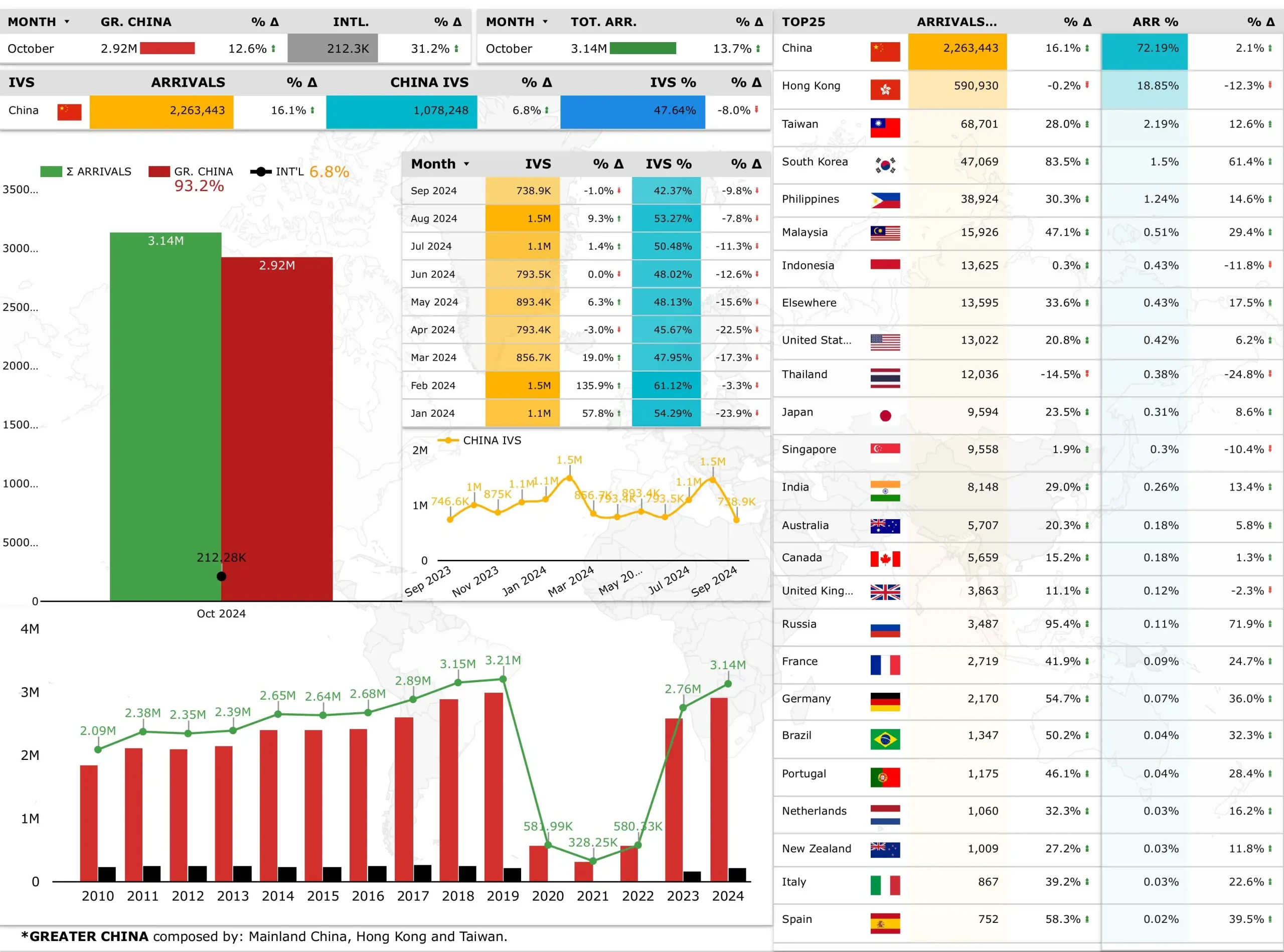
Macau Visitor Arrivals October 2024 (2)

UBS observes that visitors from these newly added IVS cities increased by 79 percent between June and September 2024, compared to the earlier part of the year.

Macau tourism, golden week, October golden week

Stimulus to offset macro uncertainties

Analysts also point to the importance of stimulus measures issued by Chinese authorities. While the global economic environment remains uncertain, there are expectations that potential stimulus from the Chinese government could help buffer any negative impacts on the Macau gaming market. This could provide additional support for the overall recovery and growth of the sector in the coming years.

On the cost front, UBS states that Macau’s gaming operators are likely to continue facing a competitive environment. However, a greater focus on the ‘efficiency of marketing expenditures’ is expected to lead to ‘more rational competition’, which should help stabilize EBITDA margins in the long term.
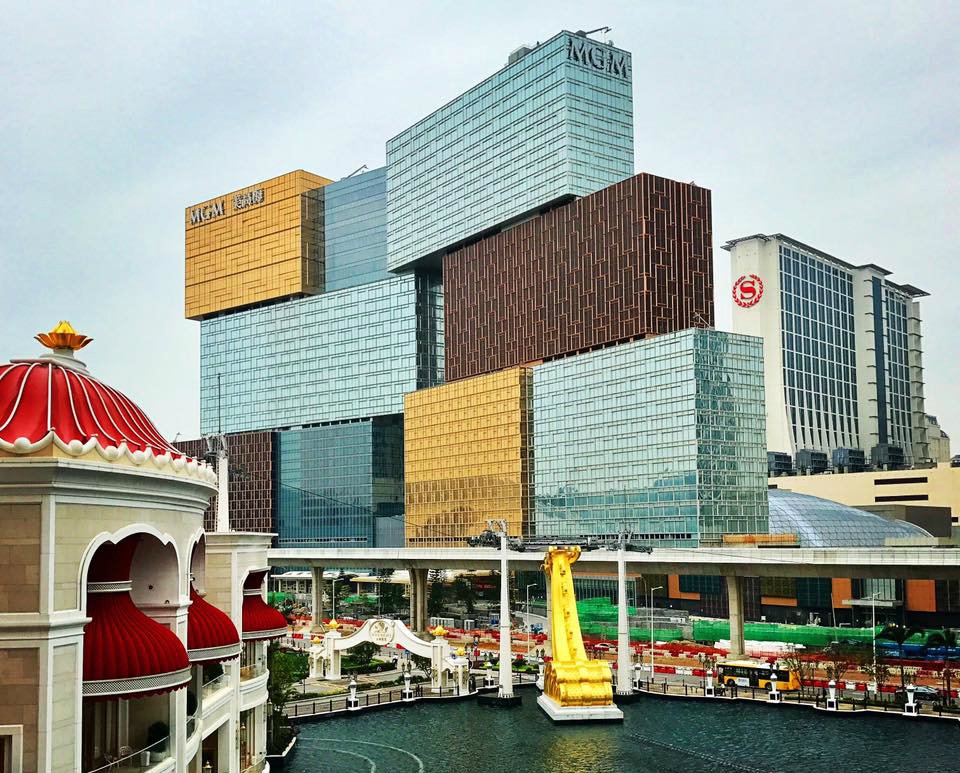
MGM Cotai, Macau GGR

MGM and Wynn expected to lose market share

Recent revisions to Macau’s gaming market estimates show a downward trend in expectations for several key operators, with adjustments mainly driven by lower market share projections for MGM and Wynn.

For MGM, UBS has lowered its 2024 GGR forecast to $4.39 billion, a 2 percent reduction from its previous estimate, reflecting a weaker market share outlook. However, this new figure is 27 percent above 2019 levels. 

Consequently, 2024 EBITDA estimates have been reduced to $266 million. Projections for 2025 and 2026 GGR and EBITDA were similarly cut, with the revised estimates for 2025 showing a 12 percent decline in GGR to $4.02 billion. MGM’s mass market share is now expected to dip to 14.3 percent in 2025 and 14 percent in 2026, reflecting stronger competition.

For Wynn Macau, GGR estimates for 2024 have been increased to $3.67 billion, still 31 percent below 2019 levels. However, projections for 2025 and 2026 have been cut, with a 6 percent reduction in 2025 GGR. Wynn’s mass market share is also expected to decline in the coming years.

Sands China, on the other hand, saw a slight upward revision for 2024, with its GGR now forecast at $6.85 billion, a marginal increase from the previous estimate. Despite this, EBITDA estimates for 4Q24 were raised by 6 percent to $633 million.

Sands is expected to benefit from the ramp-up of the Londoner Phase 2 project, which should help boost mass market share and drive strong EBITDA growth over the coming years. Projections for 2025 and 2026 also show growth, with GGR estimates of $7.53 billion and $7.93 billion, respectively.


Australian legislation to limit gambling ads to be pushed back to 2025

0

Australia’s move to limit gambling advertisements in the nation has hit yet another roadblock, with authorities doubting whether there’s any possibility to push through gambling reforms within this year.

According to reports, the bill aiming to limit the exposure of gambling advertisements failed to gain enough Senate support and that the complexity of the bill has hindered it from advancing at this time.

Anika Wells, Minister for Sport, Australia
Anika Wells, Minister for Sport

Minister for Sport of Australia, Anika Wells, indicated that the financial well-being of various sports had been a factor in both deliberations and the decision that the bill to limit adverts was not yet ready.

Meanwhile, another government official indicated that there wasn’t enough Senate support to push through the controversial blackout period on gambling ads proposed to take place before and after major sporting events.

There has been pushback, with politicians accusing officials of being overly influenced by sportsbooks, broadcasters and the sporting codes themselves.

The delay comes despite multiple studies on the topic and a proposed three-year phase-in for a total ban on gambling ads, proposed after a parliamentary inquiry mid this year.

Australia, Michelle Rowland, MP, Australian Communications Minister
Michelle Rowland, Minister for Communications

Some 31 recommendations were outlined in the report following the inquiry, with the sports minister noting that “I think it needs more nuanced work and I’m looking forward to continuing to work with Minister Rowland on the 31 recommendations”.

Wells, as quoted by The Guardian, noted that “I’ve got concerns about how [gambling] is impacting sport integrity and how this is impacting our athletes”.

The official furthered “On the flip side I have national sporting organizations, professional codes worried about how this will impact the viability of their financial models”.

While the concept has been widely discussed, there is no strict outline of what the proposed gambling ad restrictions would entail.

“More work needed to be done. We hadn’t landed on a model where all different people and all different stakeholders from all different parts of the sporting sphere were able to accept it and able to, I guess, enact it as quickly as I think what you’re looking for,” stated Wells.

DigiPlus reiterates no imminent plans to develop Boracay IR

0

Digital entertainment group DigiPlus Interactive Corp has reiterated that it does not yet have plans to develop its 24-hectare property in Boracay, Philippines.

According to statements in a briefing by the group’s president Andy Tsui, there are no “imminent plans” to develop the property into an integrated resort.

Tsui highlighted that the group will “remain focused on executing our digital transformation strategies, which give us a higher margin,” cited Business World.

DigiPlus was initially awarded a provisional gaming license by PAGCOR in 2018, alongside Macau casino concessionaire Galaxy Entertainment Group.

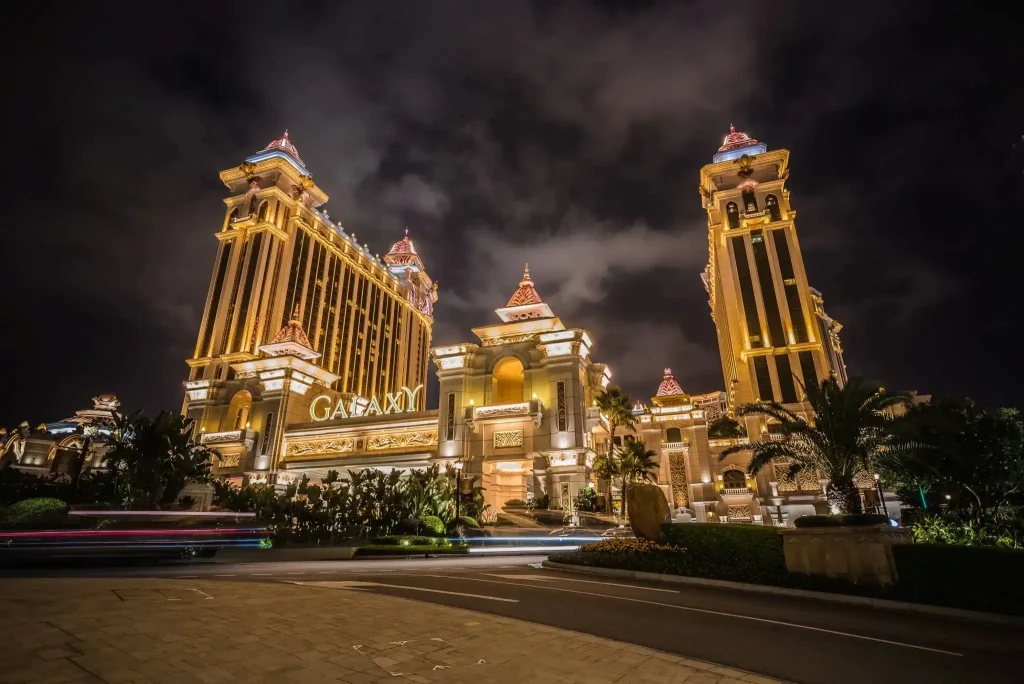
Galaxy Entertainment Group, Galaxy Macau

But in October of last year, Galaxy made it clear it was “not considering re-entering Boracay of the Philippines to develop a resort”.

Recent financial results from the group also made no mention of the Boracay project.

The envisioned Boracay IR was first estimated to cost around $500 million, but it’s unclear what the final fate of the expansive land will be.

DigiPlus recently also countered reports that it was planning on acquiring CasinoPlus, which holds a gaming license for an integrated resort in Clark.

It also expressed its keen interest in the Brazil iGaming market, announcing it had secured a federal license to operate.

Hann Resorts breaks ground on 10-hectare park as part of $4B Hann Reserve

0

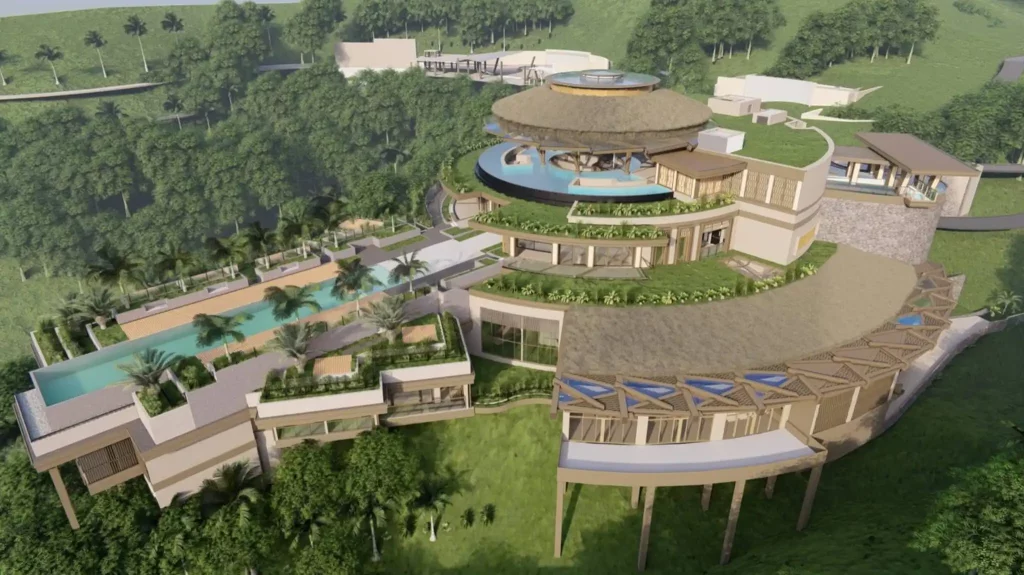
Hann Resorts has broken ground on a new 10-hectare public park as part of the group’s 450-hectar ‘eco-luxury sanctuary resort’ Hann Reserve in New Clark City, Tarlac, Philippines.

According to a company release, the park is part of a commitment to ‘serve the community’ and will be open to residents and visitors.

Hann Resorts

The park is divided in phases, with Phase 1 featuring mountain biking trails, fitness areas and elevated treetop bridges. The area is themed to include folklore elements and is expected to be completed by the end of 2026. In total, it has a committed land area of 3.45 hectares. This even includes a mini golf area – in line with the resorts’ focus on attracting top-tier golf professionals and enthusiasts – evidenced by the three 18-hole championship golf courses the resort will feature.

Phase 2, dubbed the ‘Passive Zone’, provides shaded walkways, seating, and relaxation areas ‘in a setting that celebrates cultural and natural harmony’. The zone is slated for completion by the end of 2028.

Zone 3 is expected to be completed by the end of 2030 and is labeled the ‘Kid Zone’. The area includes ‘folklore-inspired stick structures with volcanic rock formations’, including slides, climbing areas and other interactive elements.

The opening of the areas corresponds with the ramp-up of Hann Reserve, which is expected to be open to guests starting in 2026.

Banyan Tree, Hann Reserve, Hann Resorts, Philipines

The property features luxury hotel brands including Banyan Tree, Sofitel, Emblem, Westin and InterContinental Hotels & Resorts (IHG). In mid-2024, IHG announced that it would be returning to the Philippines via a franchise agreement with Hann Philippines, starting construction on a 250-key property in 2027 and welcoming guests in 2031.

The cost of the overall project could top $4 billion, with its casino expected to open sometime in 2028 if timelines aren’t further adjusted.

Hann Resorts
Ground breaking ceremony on November 22nd

According to previous timelines outlined by Hann Resorts Chairman and CEO Daesik Han at the ASEAN Gaming Summit, the first golf course is scheduled to be completed by the end of 2025, while the clubhouse, Banyan Tree and Angsana targeted for 2026, the Nick Faldo golf course in 2027, the casino and retail in 2028 – possibly accompanied by Sofitel. The next phase would include residences and an international school – utilizing golf as an extracurricular activity, with students eligible to be certified by the PGA.

The group aims to focus on the Korean market for the project, leveraging its first-mover advantage in Clark to ramp-up before competition can come into play.

In related news, Hann Resorts is likely to be postponing its initial public offering (IPO) until mid-2025, to secure new funding for Hann Reserve and continue upgrades to its Hann Casino Resort.

Hann Casino Resort, Hann Resorts

Hann Casino Resort currently operates some 147 gaming tables, 868 slot machines, two VIP clubs and two five-star hotels.

Macau Legend to contest Cape Verde decision to terminate IR project development contracts

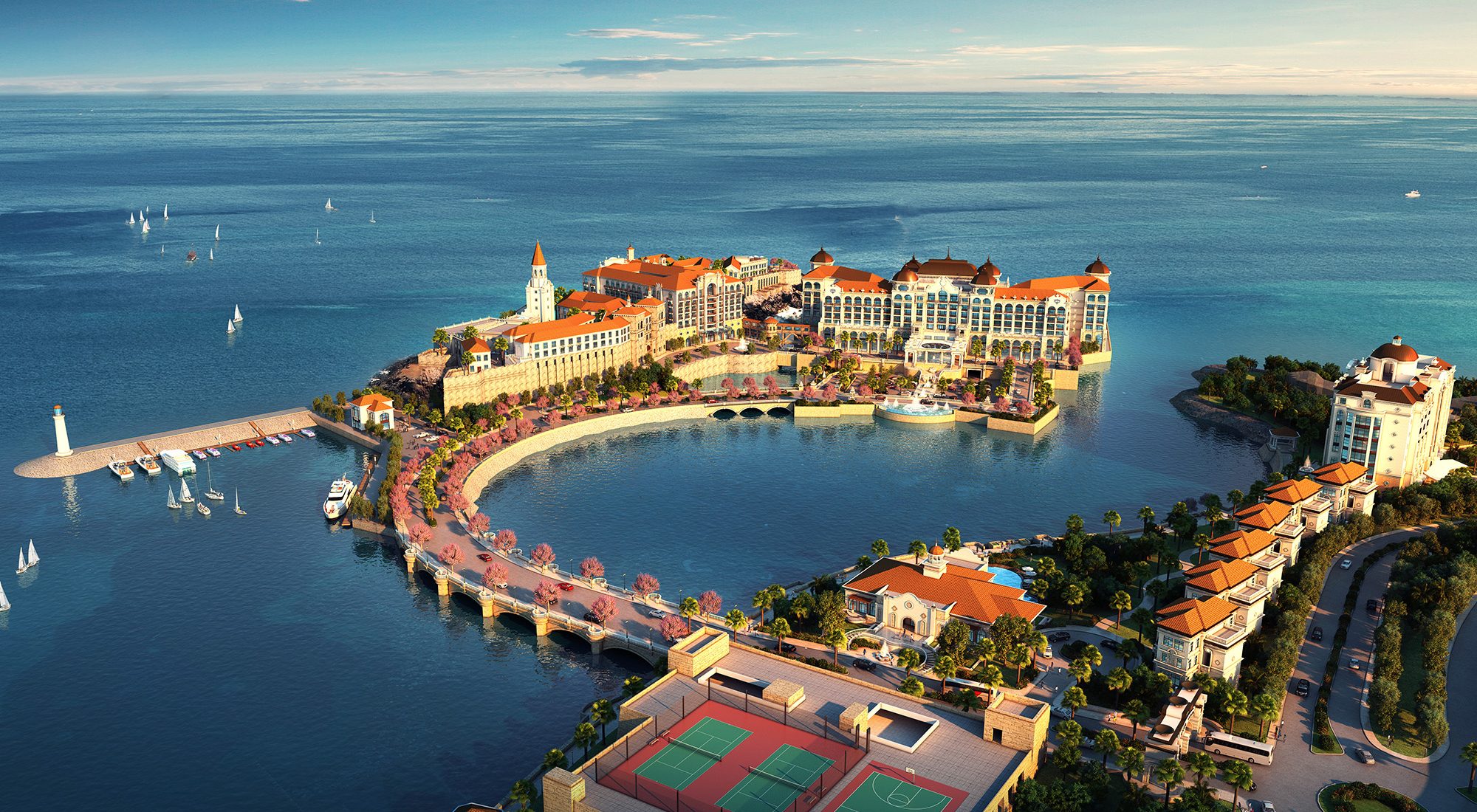
Macau Legend Development Limited has announced that it will contest the decision by the Cape Verde government to terminate contracts previously awarded to the gaming company for the development of an integrated resort in the African country.

Last week the Cape Verde government announced it had terminated its contracts with Macau Legend Development (MLD), claiming repeated violations of obligations related to a €250 million ($264.7 million) tourism and gaming investment in Praia.

The government stated that MLD “also violated” the legal framework for gaming operations, “by transferring, without the authorization of the Government of Cape Verde, ownership of more than 20 percent of the share capital.”

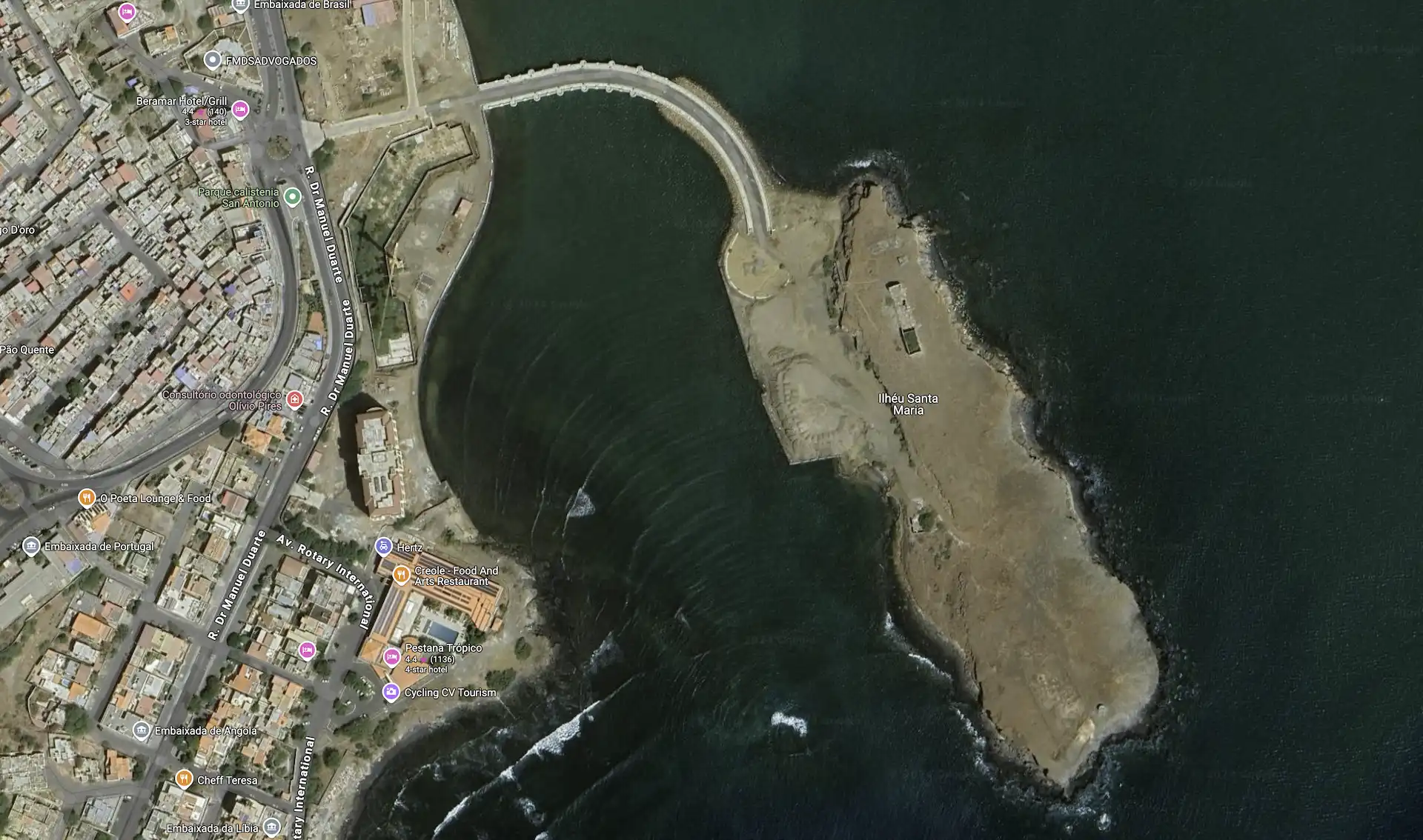
The project, initially announced in 2015, has not progressed since construction began in 2016, leading to significant local opposition, particularly from environmental groups. The government plans to reverse the assets involved in the project, which remains largely incomplete, with only minimal construction visible.

In a statement issued by Macau Legend’s board, the gaming company stated it was informed by the Government of Cape Verde on November 19th, 2024, about the termination of an agreement established by its indirect subsidiaries, MLD Cabo Verde Resorts SA and MLD Cabo Verde Entretenimento SA.

These subsidiaries are primarily involved in the hotel and gaming industry in Cape Verde and had agreements with the state concerning the construction and operation of a hotel casino and residential infrastructure in Cidade da Praia Bay.

‘The Cape Verdean government claims that the subsidiaries have failed to meet project deadlines and have not completed the Investment Project as stipulated in the Convention. Consequently, the government asserts its right to terminate both the Convention and the associated Concessions, allowing it to take control of all assets linked to the subsidiaries, including those already constructed’, Macau Legend noted.

‘In response to this development, Macau Legend is actively seeking legal counsel in Cape Verde and plans to vigorously contest the government’s allegations to protect the interests of the Company and its shareholders.’

The announcement signed by Macau legend CEO Li Chu Kwan indicated that, as of June 30th of this year, the estimated carrying value of the affected assets was approximately HK$47 million ($6 million).

‘The management will assess potential impairments related to these assets, although they do not expect a significant negative impact on the Group’s overall financial position’, the company added.

Macau Legend received a 25-year license from the Cape Verde government, 15 of which were for exclusive operation on the island of Santiago. This gaming concession cost CV Entertainment Co., a subsidiary of Macau Legend, approximately €1.2 million ($1.25 million).

Macau Legend also received a special license to exclusively operate online gambling throughout the country and the sports betting market for ten years.

About a year ago, in an interview with Hong Kong TVB, MLD President and CEO Li Chu Kwan stated that the group intended to close projects in Cape Verde and Cambodia by 2025.

Daily Asia Gaming eBrief: Galaxy preparing possible $3 bln Bangkok IR

0
Good morning. Setting the ground. Galaxy Entertainment Group has confirmed its exclusive interest in an IR project in Bangkok, with an estimated total capital expenditure of $3 billion. Meanwhile, gaming expert Daniel Cheng advises caution for casino investors after Thailand’s Constitutional Court dismissed a petition against former Prime Minister Thaksin Shinawatra claiming he attempted to undermine the monarchy and exert control over the Pheu Thai Party. In the UAE, more than half of the $5.1 billion Wynn Al Marjan Island project, the region’s first IR, is said to have been completed.

What you need to know


On the radar


AGB Intelligence

THAILAND

Thailand, casino law, Integrated Resorts, Integrated Entertainment Business Act, Paetongtarn "Ung Ing" Shinawatra

Galaxy Entertainment Group has expressed its intent to focus solely on a proposed integrated resort (IR) project in Bangkok, despite Thailand’s plan to issue five gaming licenses nationwide, including three outside the capital. Management believes that Bangkok’s status as a premier travel destination offers greater certainty for investment returns. This information was shared by Goldman Sachs after meetings with Galaxy executives in Singapore, where they indicated a willingness to collaborate with local partners.


Corporate Spotlight

1xBet: Capitalize on Asian teams’ World Cup qualifier struggles

Profit from the challenges faced by top Asian teams in World Cup qualifiers

Asia is the most populated continent on the planet and Football is the No. 1 sport in most countries. The World Cup qualifying matches are traditionally watched by billions of fans in the region, but FIFA has decided to reward Asia with a significant representation at the tournament only now.

Altenar brings premium sportsbook solution to Asia

Altenar brings premium sportsbook solution to Asia

Altenar, a leading sportsbook provider is bringing its global expertise to Asia, looking to expand its operations. Since 2011, Altenar has powered hundreds of online sports betting sites worldwide and is a major B2B provider in Europe and Latin America licensed markets.


Industry Updates


MEMBERSHIP | INTELLIGENCE | ASEAN | CAREERS

Philippines Senate Minority Leader warns government: stop helping illegal POGOs

0

A Senator in the Philippines has accused certain government officials of aiding individuals behind the now-prohibited Philippine offshore gaming operators (POGOs), helping them circumvent the ban by adopting deceptive strategies.

Senator Risa Hontiveros, who spearheaded Senate inquiries into POGOs’ alleged links to organized crime, revealed on Thursday that reports had surfaced about officials advising illegal POGO operators on how to conceal their ongoing operations.

Interior Secretary Jonvic Remulla had earlier confirmed that some POGOs were defying the ban by disguising themselves as restaurants and resorts. Hontiveros warned that others were taking it a step further, pretending to operate as legitimate business process outsourcing (BPO) firms.

“POGOs are still operating, and they are getting more creative. They are finding ways to change or conceal their identity,” Hontiveros said during a Senate forum. “We received reports that some government officials were the ones giving them such advice.”

According to Hontiveros, these officials allegedly coached operators on how to rebrand their businesses legally, transforming into “BPOs” while continuing to run illegal gaming operations in secret.

Bamban POGO Philippines
Bamban POGO hub, Philippines

“It’s the phenomenon we are observing. No names have been given to us, but it’s clear that this is happening,” she said. “Let this serve as a warning: If you’re involved, you know who you are. Stop it now.”

Hontiveros emphasized the gravity of government officials violating the POGO ban, saying they could face heavier consequences for obstructing justice. She also called on local governments to stay vigilant against illegal POGO operations within their jurisdictions, warning that they too could face accountability for providing legal cover or failing to detect such activities.

“If the regulators and members of the executive mandated to enforce the law are the ones violating it, their accountability is even heavier,” she added.

While consulting her legal team on possible actions to address these issues, Hontiveros urged the public to remain vigilant and hold leaders accountable for any complicity in illegal POGO activities.

“This is not just a legal issue; it’s a question of who we trust to uphold the law. We cannot let this go unchallenged.”

Thai casino investors to remain cautious despite court rejecting petition against Thaksin: Expert

0

Despite Thailand’s Constitutional Court dismissing a petition against former Prime Minister Thaksin Shinawatra, gaming expert Daniel Cheng notes that casino investors will have to remain cautious as they await further steps by the current Prime Minister, Paetongtarn Shinawatra.

Daniel Cheng
Gaming expert Daniel Cheng

Speaking to AGB, Cheng highlighted that the court’s ruling to reject the petition, which alleged government interference, has “wider implications of the weakening influence of loyalists in the old political establishment. The powerful top court, often viewed as a branch of the previous government, seems to have diminished in its role of furthering political objectives.” He added, “However, the old guard may still have a card to play through the Election Commission, which continues to pursue investigations.”

Cheng emphasized that the primary challenge facing Prime Minister Paetongtarn is the potential destabilization of her government, a risk that could derail her policy agenda. He compared it to the setbacks that disrupted casino legislation efforts in Japan.

“Until that risk is mitigated, casino investors will need to remain patient, awaiting a clearer path for the Paetongtarn government to advance its goal of passing the entertainment complex legislation by mid-next year,” Cheng explained.

According to the Bangkok Post, Thailand’s Constitutional Court dismissed a petition claiming that former Prime Minister Thaksin Shinawatra and the Pheu Thai Party sought to undermine the country’s democratic system, specifically by challenging the monarchy’s role as head of state.

The decision, made on Friday, removes part of a political hurdle for the Thai government’s efforts to push forward with legislation related to casinos.

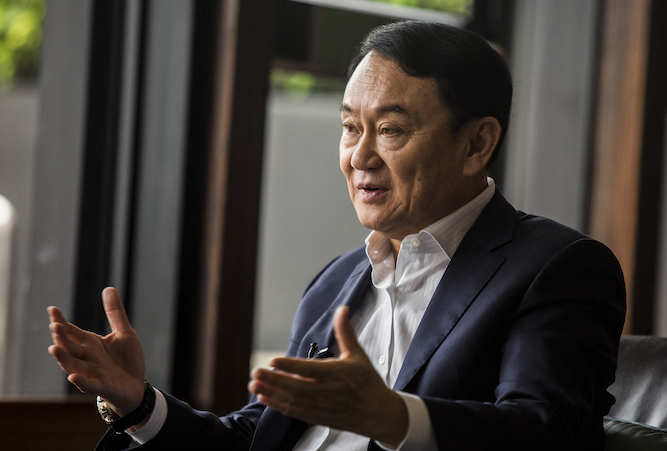
Former Thailand Prime Minister, Thaksin Shinawatra

The court found insufficient evidence to support five of the six allegations, with the remaining claim rejected by a 7-2 vote. The Attorney General’s Office also sided with the court, concluding that the actions described did not meet the criteria for regime change.

The petition, filed by lawyer Teerayut Suwankesorn, accused Thaksin of attempting to undermine the monarchy and exert influence over the Pheu Thai Party for personal gain. However, all nine judges on the Constitutional Court agreed that the petition did not meet the required conditions for consideration.

Thaksin, the father of current Prime Minister Paetongtarn Shinawatra, has consistently denied exerting influence over Pheu Thai since his return from 15 years of self-imposed exile in 2023. 

Currently, the draft law on entertainment complexes in Thailand is expected to be submitted to the cabinet for consideration later this year, with further deliberation in Parliament expected in the first half of 2025.

According to a prediction made by Maybank in the first half of this year, Thailand could see its first entertainment complexes by 2029.

Galaxy Entertainment confirms sole focus on Bangkok IR project

0

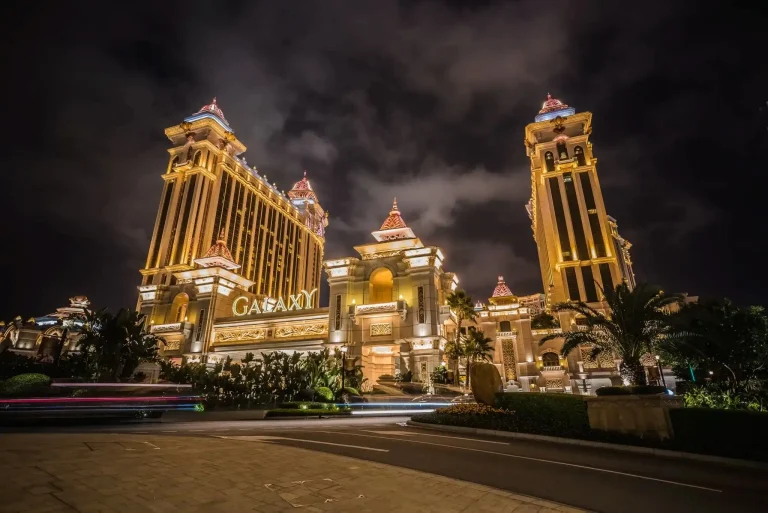
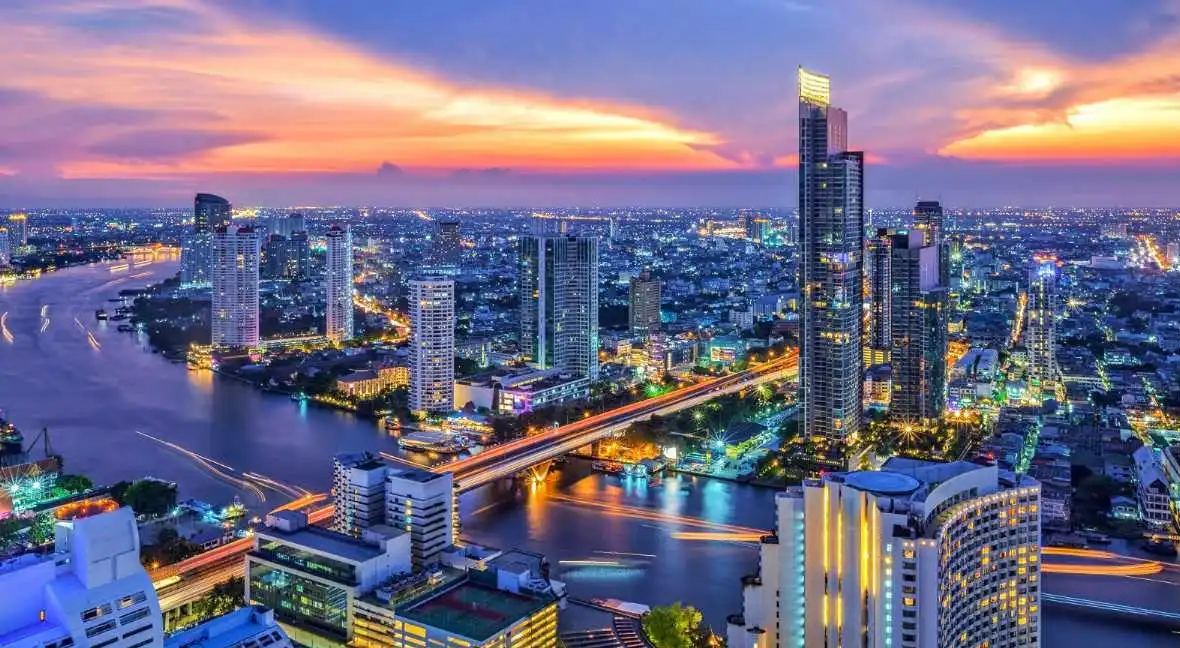
Galaxy Entertainment Group has confirmed its interest in pursuing an integrated resort (IR) project only in Bangkok, despite Thailand’s plans to issue around five gaming licenses across the country, three of which will be located outside of Bangkok.

The reason cited by Galaxy’s management is that Bangkok is seen as one of the world’s top travel destinations, which would provide itself with ‘more certainty on its investment return’. 

This information was disclosed by Goldman Sachs following a roadshow in Singapore earlier last week, where Galaxy’s CFO Ted Chan and Senior Vice President of Investor Relations Peter Caveny met with investors.

‘They are open to partnering with local businessmen or companies with strong connections and relationships,’ the report states.

According to previous reports, the Thai government plans to issue five IR licenses, including two in Bangkok, and one each in Phuket, Chiang Mai, and Pattaya. These licenses will be granted for 30 years, with the possibility of renewal for up to an additional 10 years. Gaming taxes are expected to be set at 17 percent, which is relatively low compared to other gaming jurisdictions, except for Cambodia.

Goldman Sachs highlights the strong potential of Thailand’s tourism industry for gaming growth. The country welcomed 28 million international visitors last year, a figure comparable to Macau’s inbound tourism. The majority of these visitors came from ASEAN countries, providing a solid foundation for growth in the gaming sector.

The process for legalizing casinos in Thailand is progressing steadily. The draft bill for the IR initiative is expected to be presented to the Cabinet by the end of this year, with further deliberation in Parliament expected in the first half of 2025. If approved, the government may issue a Request for Proposal (RFP) by mid-FY25.

Thailand, casino law, Integrated Resorts, Integrated Entertainment Business Act, Galaxy

Galaxy’s Thai IR estimated to contribute up to $300M in EBITDA annually

With a projected $3 billion total capital expenditure (capex) for the project—slightly above the minimum requirement of THB100 billion ($2.9 billion)—Galaxy estimates a potential $0.8 billion initial equity investment.

The brokerage notes that this funding would be supported by Galaxy’s strong balance sheet and cash flow, with half of the investment to be shared with a local partner, following the common 50/50 equity/debt funding model.

In addition, analysts from Goldman Sachs note that, given the scope and complexity of such projects, it could take several years for the casino resort to reach completion. Upon completion, Galaxy anticipates generating $225-300 million in EBITDA annually, assuming a 15-20 percent return on invested capital (ROIC)—a benchmark derived from other regional casino projects. This would represent a substantial contribution to the company’s future earnings, given that projected EBITDA for FY24 is $1.5 billion.

Regarding future market development the brokerage notes that, compared to other Asian markets, Macau remains the largest casino hub in the region, with a projected $28 billion in GGR for 2024. Singapore is the second-largest market, having recorded $5.1 billion in GGR for FY23, followed by the Philippines at $3 billion, and Malaysia and South Korea, each with $1 billion.

AGTech revenue drops 2.3% YoY during March-Sept period

0

AGTech Holdings Limited reported a 2.3 percent year-on-year decline in total revenue for the six-month period ending September 30th, 2024, amounting to approximately HK$271.4 million ($36.7 million).

The group is mainly involved in gaming technologies and lottery management, with its lottery services covering over 80 percent of the provinces and municipalities across China. In Macau, the group also owns digital Ant Bank (Macao) and the electronic payment services platform Mpay.

The lottery segment demonstrated resilience, with revenue increasing by approximately HK$12.4 million ($1.7 million) to HK$126.4 million ($17.1 million). This growth was primarily driven by a surge in sales of lottery hardware, which rose by about HK$18.9 million ($2.6 million) due to successful tender awards and timely deliveries.

However, this increase was partially offset by a HK$6.0 million ($0.8 million) decrease in revenue from lottery distribution and ancillary services, attributed to supply shortages of instant scratch tickets across several provinces in China.

AGTech remains a key player in the lottery terminal market in China, successfully securing multiple tenders to supply lottery hardware across various provinces. During this period, it won several lottery hardware tenders to supply terminals to the Sports Lottery Administration Centres in Jiangsu, Zhejiang, Guizhou, Jiangxi, Shandong, Hainan, Shaanxi, Hubei, and in the Shanghai Municipality.

AGTech Holdings

In the electronic payment sector, AGTech’s revenue dropped by approximately HK$25.6 million ($3.5 million), bringing in around HK$138.2 million ($18.7 million). This decline was linked to reduced spending by tourists in Macau and the conclusion of the 2022 Electronic Consumption Benefits Plan’s living subsidies in June 2023.

Electronic payments and banking

The group’s banking arm, Ant Bank (Macao), contributed approximately HK$6.8 million ($0.9 million) in revenue following the acquisition of a controlling stake on September 2nd, 2024.

Revenue streams included HK$5.4 million ($0.7 million) from interest income and HK$0.5 million ($0.07 million) from fees and commissions related to various financial services.

AGTech reported a loss of approximately HK$1.6 million ($0.2 million) for the period, a significant improvement from the HK$10.5 million ($1.4 million) loss recorded in the previous year.

This positive shift was largely due to reduced operational losses and a fair value gain of approximately HK$3.1 million ($0.4 million) from convertible loan facilities extended to its joint venture in India.

Macau Pass, a subsidiary of AGTech, continues to dominate the contactless payment landscape, with over 5 million “mCards” in circulation. The e-wallet service, MPay, saw a 17 percent increase in registered users, facilitating around 80 percent of all electronic payment transactions in Macau.

Macau pass

Significant enhancements have been made to MPay, including expanded transaction limits and the introduction of cross-border payment services.

With its recent acquisition, Ant Bank (Macao) has broadened its digital financial offerings, achieving a 33 percent increase in its customer base and a 142 percent growth in deposits. The bank has also focused on supporting local SMEs, leading to a 193 percent increase in corporate lending.