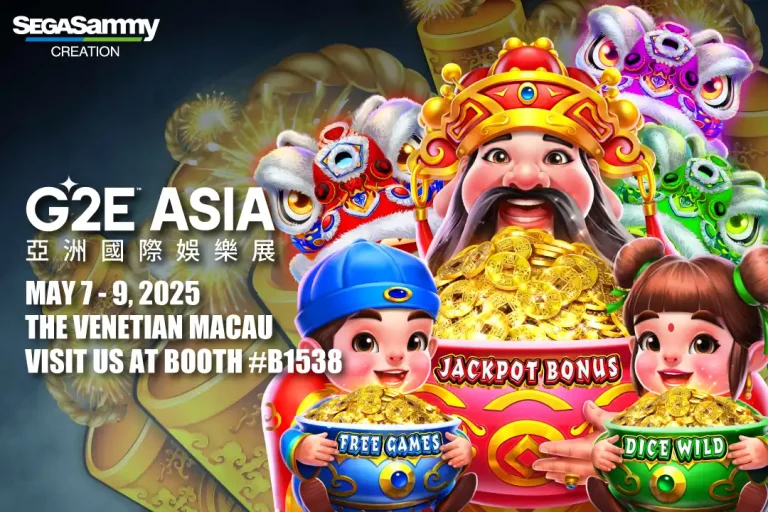

Tom Horn Gaming, a leading supplier of iGaming content, has announced the release of its latest slot game, Wild Skyfire, launching on 4 March.
This amazing slot transports players to the serene town of Hanabi, where a breathtaking fireworks-lit night sky sets the stage for an unforgettable gaming experience.
Blending traditional slot mechanics with a cosy, atmospheric aesthetic, the slot offers players a new way to enjoy gaming – one that’s both familiar and refreshingly different.
Classic elements in a distinctive setting
Unlike fast-paced, high-intensity slots, Wild Skyfire takes a different approach, immersing players in a calm yet engaging environment. Its medium volatility ensures a balanced gaming experience, appealing to both casual and seasoned players alike.
One of the standout features of Wild Skyfire is the Wild symbol, which appears in both the base game and the bonus round. In the base game, the Wild symbol forms wild clusters, increasing the chances of higher wins.
Free Spins, triggered by three Scatter symbols, introduces Sticky Wilds for greater win potential. When activated, any Wild symbols that land during the Free Spins round remain in their positions for the duration of the feature, maximising the opportunities for big wins. Players can retrigger Free Spins multiple times, with each Scatter symbol awarding an extra spin.
For players who enjoy instant action, Wild Skyfire offers a Special Offer Bonus Buy feature. This allows players to immediately access the Free Spins round by purchasing it directly, skipping the wait and diving straight into the most thrilling part of the game.
Katarina Slaninova, Head of Marketing Communications at Tom Horn Gaming said: “With Wild Skyfire we wanted to create something that stands out from the typical high-energy slots, offering a tranquil yet captivating adventure. Its serene atmosphere provides players with an immersive escape while delivering the action they love.”
By offering a game that seamlessly blends tranquillity with gameplay excitement, the company caters to a broad audience looking for both traditional slot thrills and something refreshingly different.
Players can experience the magic firsthand when the game goes on general release on 4 March. They’re invited to explore the captivating world of Hanabi, where big wins shine as bright as the fireworks overhead.
Gross gaming revenue in the Philippines could grow by as much as 17 percent this year, on a rise of electronic gaming and contributions from improving results at integrated resorts.
According to Reuters, the Philippine Amusement and Gaming Corporation (PAGCOR) head revealed the possible results on Wednesday, saying GGR could range between PHP450 billion and PHP480 billion ($7.77 billion-$8.3 billion) this year.
This would continue the upward trajectory seen in recent years, as the country emerges from the shadow of the pandemic and sees a rapidly accelerating eGaming industry.
The Philippines has benefited from an earlier opening up process post-COVID, as well as a boom in its domestic market, even despite the downturn in revenues due to the banning of Philippine Offshore Gaming Operators (POGOs) on January 1st, 2025.
While a possible casino in Thailand is only expected in 2029 at the earliest, regional gaming operators are understandably concerned about the potential drop in punters, especially as they go to explore new stomping grounds.
On a separate note, the PAGCOR Chairman also confirmed that the process of the privatization of its Casino Filipino assets is ongoing, with expectations to start potentially “next year”.
Hong Kong’s Financial Secretary, Paul Chan Mo-po, proposed exploring the regulation of basketball betting in the latest budget, released on February 26th.
The move aims to combat illegal gambling activities and will involve inviting the Hong Kong Jockey Club (HKJC) to submit relevant proposals.
Local media disclosed the plan earlier this week, noting that it is part of the city’s strategy to address its growing fiscal deficit.
In response, the HKJC has welcomed the initiative and pledged to provide detailed recommendations to the Hong Kong government in the near future, expressing anticipation for the swift implementation of the policy.
The HKJC highlighted the severe social issues stemming from illegal basketball betting, including loan sharking and the enticement of minors into gambling. According to their estimates, the volume of illegal basketball gambling reached approximately HK$70 billion to HK$90 billion ($9 billion-$11.6 billion) last year. Regulating basketball betting is expected to effectively curb the growth of illegal gambling.
Brooklyn Nets NBA Game at Barclays Center
Moreover, the move would bolster the government’s efforts to combat illicit gambling, support the HKJC‘s charitable contributions to society, and generate significant tax revenue for the government, ultimately serving the public interest.
Additionally, lawmaker Kenneth Fok Kai-kong – who represents the Sports, Performing Arts, Culture and Publication sector – pointed out the substantial public demand for basketball betting, which is currently being met through illegal channels.
Hong Kong legislator Kenneth Fok
The legislator emphasized the necessity of regulating basketball betting to combat illegal bookmaking and redirect betting revenue into the legal market. Fok anticipates that this could yield at least HK$1.5 billion to HK$2 billion ($193 million-$257 million) in additional betting tax revenue for the treasury annually.
The HKJC is expected to submit a proposal soon, and Fok says he hopes the government will promptly initiate public consultation and legislative procedures. He expressed confidence that the relevant betting programs could be launched before the start of next year’s NBA season.
However, concerns have also been raised. Lawmaker Brave Chan Yung acknowledged the rationale behind the government’s move to regulate basketball betting. However, given basketball’s immense popularity among young people in Hong Kong, with an exceptionally high density of outdoor basketball courts, there are worries that legalizing basketball betting could entice individuals, particularly young people and students who do not typically gamble, to engage in betting and potentially develop addictive behaviors.
Therefore, if basketball betting is legalized, the lawmaker opines that it will be crucial to strengthen “watch basketball, not gamble” campaigns in schools, communities, and families. Fok encourages a multi-pronged approach to address the potential negative consequences of legalizing basketball betting.
Macau’s gaming sector experienced a 26 percent year-on-year decline in average gross gaming revenue (GGR) per visitor in January 2024.
CreditSights, a Fitch Group firm, notes in its latest investment memo that the average GGR per visitor decreased from MOP6,757 ($846) in January 2024 to MOP5,006 ($627) in January 2025, likely driven by a shift in the visitor mix, with an increase in non-casino visitors.
CreditSights’ Wednesday memo noted that January 2025’s GGR per visitor was only 69 percent of pre-pandemic January 2019 levels. Analysts Nicholas Chen and David Bussey also highlighted the ongoing challenges in the gaming sector, particularly the subdued presence of junket-sourced VIPs.
Non-gaming spend is unlikely to change in the short term
CreditSights notes that non-gaming spend is unlikely to change significantly in the short term. While non-gaming projects may improve operators’ margins, the flow-through remains dependent on strong visitation and overall volume.
The group highlighted statistical data showing a 6 percent year-over-year increase in non-gaming spending for FY24, reaching 118 percent of FY19 levels. This growth was driven by a 24 percent increase in total visitor arrivals. However, non-gaming spending per capita fell by 15 percent year-over-year to MOP2,157 ($270).
Analysts expect this trend to continue, with per capita non-gaming spending normalizing as the visitor mix shifts toward less affluent regions.
Strong visitor arrivals in January
The same investment memo also points out a significant boost in overall visitor arrivals for Macau in January 2025. Total arrivals climbed to 3.6 million, a 27 percent yearly increase, surpassing pre-pandemic levels (106.5 percent of January 2019 figures). Mainland Chinese tourists continued to dominate, making up 75 percent of the total visitors.
However, Macau’s gross gaming revenue (GGR) for the month declined by 6 percent year-on-year to MOP18.3 billion ($2.29 billion), representing only 73 percent of January 2019 levels. Analysts attribute this decline to several factors, including softer tourist arrivals during the early days of the Chinese New Year (CNY) holiday, a shift in the visitor mix toward lower-spending premium mass tourists, and an increase in non-casino visitors.
Despite the January decline, analysts expect sequential improvement in GGR for February, driven by stronger visitation during the latter part of the CNY period, which saw healthier foot traffic and more visitors post-CNY compared to the previous year.
Visitor arrivals from Chinese provinces with higher GDP per capita, such as Guangdong, Jiangsu, Zhejiang, Beijing, Shanghai, and Tianjin, have already fully recovered to pre-COVID levels. Analysts suggest that future growth in visitation will likely come from provinces with lower GDP per capita, which may limit the potential for a significant increase in GGR per visitor.
Yggdrasil, a company powered by agile technology that delivers exceptional gaming experiences to operators and players worldwide, has announced a new partnership with one of the UK’s most prominent operators, the Rank Group, taking its extensive slot content to some of the market’s biggest brands.
With names including Grosvenor Casinos and Mecca Bingo in its stable, the deal with Rank sees Yggdrasil significantly expand the reach of its diverse game library.
UK customers of Rank’s brands can now enjoy recent core releases such as Max Elements GigaBlox and Trickstar Spins, alongside legacy titles, including Valley of the Dead, Golden Fish Tank and the Vikings series.
The offering also includes content from its YGG Masters studio partners, such as King Power and Shark Bait.
The varied catalogue of core and partner titles is further enhanced by Yggdrasil’s signature Game Engagement Mechanics (GEMs) like MultiMax and DoubleMax, which can now be enjoyed by even more players in Europe’s largest iGaming market.
The Rank Group partnership follows a recent surge in UK growth for Yggdrasil, with several deals signed with leading operator brands as the provider maintains its strong start to 2025.
Jose Simon, Chief Commercial Officer at Yggdrasil, said: “In any market, large or small, success is often influenced by the partners you choose to collaborate with. The Rank Group offers us an incredible opportunity to grow our market share in a competitive jurisdiction with a leading operator, and we couldn’t be more pleased with this partnership.”
Nolan Frendo, Casino Games Manager at Rank, added: “Yggdrasil needs no introduction as a creator and distributor of truly great content, and we pride ourselves on being able to attract the best games from the biggest names in the industry for our players. Yggdrasil fits that bill, and this deal sees us bring a huge amount of established and proven content to our online casinos.”
Live odds updates will no longer be featured in broadcasts of the NRL (National Rugby League) and AFL (Australian Football League), as Australia’s largest bookmaker, Sportsbet, responds to growing public frustration over sports betting promotions.
According to The Sydney Morning Herald, for the first time in years, Sportsbet will refrain from airing live betting odds during match breaks, as well as before and after games. This decision marks a significant shift in the company’s advertising strategy, which had previously included segments presented by former sports stars, including AFL’s Nathan Brown and NRL’s Joel Caine.
These segments often promoted multi bets, which have much lower odds of winning. The move follows a 40 percent reduction in overall wagering advertising over the past year, indicating the sector’s recognition of a deteriorating social license amid increasing calls to limit betting ads that have saturated the market.
A Sportsbet spokesperson stated that “Sportsbet can confirm that after listening to stakeholder and community sentiment on gambling advertising, we have taken the decision to remove integrations and ‘odds style’ ads in live sporting broadcasts.”
The decision comes amid ongoing discussions regarding stricter regulations on gambling advertising. Late Labor MP Peta Murphy previously argued that a partial ban would be ineffective, advocating for a complete prohibition to curb promotions that contribute to gambling addiction, which fuels the over AU$50 billion ($31.6 billion) wagered on sports annually.
Prime Minister Anthony Albanese has faced criticism from crossbenchers for delaying a plan to regulate sports betting more stringently and limit the volume of advertisements.
Communications Minister Michelle Rowland had proposed capping the number of ads to two per hour on radio and TV, banning ads during live sports and match breaks, and implementing an outright ban on social media advertising. However, opposition from media companies and sports executives led to the decision to postpone these reforms until after the election.
While Sportsbet will continue to air ads during breaks in play and before and after matches, the removal of live odds has been welcomed by industry representatives.
Kai Cantwell, head of Responsible Wagering Australia, described the decision as a positive step towards reducing advertising exposure for children and vulnerable populations.
“This move shows the industry is serious about addressing community concerns, particularly for parents who want to shield their children from seeing live betting odds,” Cantwell stated.
He also emphasized that this targeted, self-regulatory approach demonstrates the industry’s commitment to addressing these issues without relying on government intervention.
Piling class action lawsuits
A class action lawsuit was filed this year against Sportsbet, alleging the company engaged in illegal live betting practices that cost bettors millions of dollars. The case, lodged in Victoria’s Supreme Court by law firm Maurice Blackburn, centers on Sportsbet’s “Fast Code” service, which is claimed to have circumvented Australian gambling laws.
Under Australian law, live betting on sporting events is prohibited once the event has commenced, except when wagers are placed entirely via telephone. Sportsbet, owned by Flutter Entertainment, was previously found to have violated this law.
The law firm contends that Sportsbet’s actions flouted the law and contributed to significant financial losses for bettors, specifically covering wagers placed between December 24th, 2018, and December 24th, 2024.
The lawsuit seeks refunds for Sportsbet users who placed live in-game bets using the service over the past six years, excluding bets placed on racing events.
The legal action highlights ongoing concerns over the gambling industry’s compliance with regulations designed to prevent harm. If successful, the class action could compel Sportsbet to issue refunds for millions of dollars in bets placed using the disputed service, raising questions about the effectiveness of existing regulations and the responsibility of gambling operators.
The company has faced several lawsuits in recent years, including a civil suit dropped last October by accused fraudster Benjamin Carter, who alleged Sportsbet encouraged his excessive gambling through incentives.
In another legal dispute, Sportsbet and its insurer, Allied World, initiated proceedings against accounting giant Deloitte last August, accusing the firm of negligence during audits for William Hill Australia.
The lawsuit claims Deloitte failed to identify nearly AU$5 million ($3.1 million) in underpayments to Racing Victoria, alleging that misleading advice affected Sportsbet’s acquisition of William Hill.
Australian hotel and casino operator Iris Hotel Group (Iris) has made a confidential, non-binding proposal to acquire the Reef Hotel Casino.
The company addressed mounting speculation regarding a potential agreement with Iris in a recent dispatch, revealing it received a confidential, non-binding proposal to acquire 100 percent of the units in RCT (Reef Casino Trust).
The proposal also includes the acquisition of RCSL (Reef Corporate Services Limited) itself and Casinos Austria International (Cairns) Pty Ltd, the operator of the Reef Hotel Casino, which is owned by RCT.
‘To explore this proposal, RCSL has granted Iris a four-week period of exclusive due diligence. Discussions remain confidential and preliminary, with no certainty that they will lead to a completed transaction’, the company noted.
‘RCT has committed to keeping the market informed of developments in line with its continuous disclosure obligations’, the company highlighted.
Based in Sydney and part of Iris Capital, the Iris Hotel Group operates 13 hotels and two casinos, namely Casino Canberra – the first legal casino to open in Australia and formerly operated by Aquis Entertainment – and the Lasseters Hotel Casino in Alice Springs.
In light of the speculation regarding a potential ownership change, RCSL requested an immediate halt to the trading of its securities on Tuesday.
The Reef Casino Trust operates the Reef Hotel Casino in Cairns, Australia, and recently reported stable performance in its 2024 financial results.
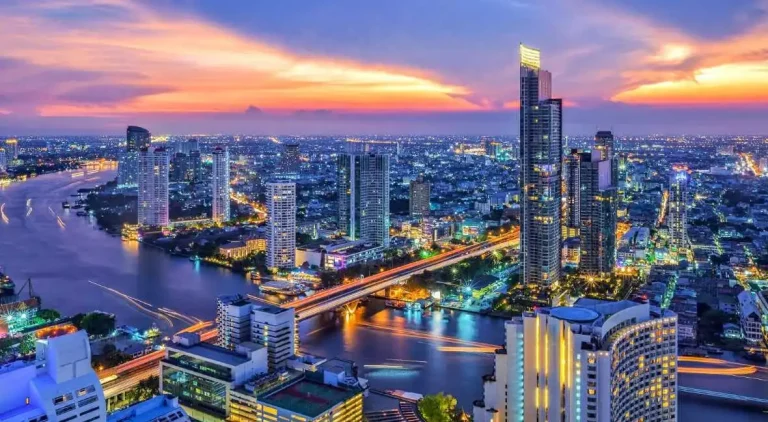
A coalition of concerned youth activists delivered a petition to Thailand’s Prime Minister’s Office, urging the government to reconsider its ideas to legalize online gambling.
The group, representing a network opposed to gambling, voiced alarm over the potential surge in youth gambling addiction, citing current statistics that paint a worrying picture.
According to The Bagkok Post, Sompat Ninlaphan, deputy permanent secretary of the Prime Minister’s Office, received the petition on behalf of the government.
Wasinee Sonsab, the network coordinator, spearheaded the effort, expressing deep concern over the proposed amendments to the Gambling Act 1935, which would pave the way for legalized online gambling.
“Currently, Thai youths can access gambling in large numbers,” Ms. Wasinee stated, referencing data from the Center for Gambling Studies. According to the center’s findings, 32.3 percent of individuals aged 15-25, or approximately 2.9 million people, engaged in online gambling in 2023.
Alarmingly, the network claims that one in four of those young gamblers, roughly 739,000 individuals, are at risk of developing a gambling addiction.
“This is a statistic that has not been protected by the government at all,” Ms. Wasinee asserted. “The network would like to express its disagreement with the policy as the government’s attempt to generate more income through online gambling is a greedy and shameful idea. This obviously demonstrates the desire to solely pursue short-term profits, with detrimental social effects that will follow in the long run.”
The youth network also criticized the government’s claim that revenue generated from legalized gambling would fund scholarships for underprivileged students. They argued that this approach essentially uses young people’s futures as a bargaining chip, without addressing the underlying risks.
Bodinchai Boonpok, leader of the Youth Network for Risk Reduction of Ramkhamhaeng University, echoed these concerns, highlighting the difficulty individuals face when trying to break free from online gambling addiction.
He noted that many gambling addicts resort to dishonest means to fuel their habit. “We do not believe that legalizing online gambling or casinos will reduce or eliminate illegal online gambling sites and illegal gambling dens,” Mr. Bodinchai said. “It is merely an excuse to trick people.”
This petition comes as the government progresses with its plans to legalize casino-entertainment complexes through the Entertainment Complex Business Act. The draft act, currently in its final stages of public hearings, is expected to be submitted to the Cabinet for approval on March 4th.
The proposed legislation aims to bring Thailand’s substantial underground gambling industry into the legal framework, generating tax revenue. The act outlines regulations regarding the establishment, operation, and oversight of these entertainment complexes, including requirements for substantial registered capital and stringent entry fees for Thai nationals.
According to government sources, the Entertainment Complex Business Act is projected to be enacted by the first quarter of 2026, with construction of the complexes expected to begin in 2027. The bill itself does not include online gambling.
The youth network’s petition underscores the growing debate surrounding the potential benefits and risks of legalizing gambling in Thailand, particularly concerning the impact on vulnerable young people.
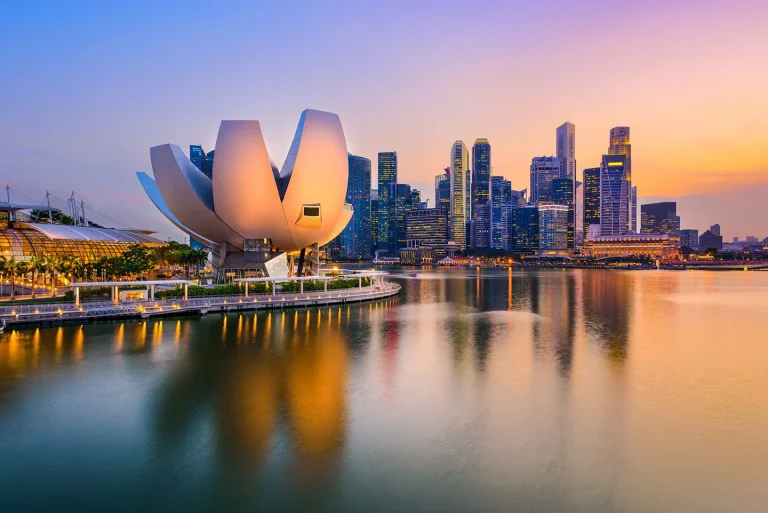
DigiPlus Interactive Corp., a Philippine-based digital entertainment company, has announced the formation of DigiPlus Global Pte. Ltd., a wholly-owned subsidiary, to be incorporated in Singapore.
The decision, approved by the company’s Board of Directors on February 26th, 2025, is part of the company’s strategy to facilitate international growth.
According to a company filing, DigiPlus Global will function as a support center and regional hub, focusing primarily on strategic partnerships, talent acquisition, and international expansion. The subsidiary will be wholly owned by Diginvest Holdings Inc., a subsidiary of DigiPlus Interactive.
“Singapore is a world-class hub for business, technology, and talent,” said Eusebio Tanco, Chairman of DigiPlus Interactive, in the announcement. He explained that the establishment of DigiPlus Global aims to strengthen the company’s ability to attract top-tier professionals, develop strategic alliances, and expand its international presence.
DigiPlus Interactive operates several digital entertainment platforms in the Philippines, including BingoPlus, ArenaPlus, and GameZone. The company clarified that DigiPlus Global will focus on corporate and operational support functions and will not engage in iGaming operations within Singapore, in compliance with local regulations.
The company noted that the Singapore subsidiary is strategically positioned to leverage the country’s advanced business infrastructure and global connectivity, further solidifying DigiPlus as a leader in digital entertainment.
It is also worth noting that DigiPlus’ subsidiary, DigiPlus Brazil Interactive Ltda., recently obtained a gaming license from the Brazilian Ministry of Finance’s Secretariat of Awards and Bets. This license allows DigiPlus to operate land-based and online sports betting, electronic games, live game studios, and other fixed-odds betting activities.
As reported by AGB, DigiPlus plans to launch its Brazilian gaming operations, starting with sports betting. The company has already allocated PHP660 million ($11.4 million) to cover initial costs, including license fees, capitalization, financial reserves, and other operational expenses for the first three months of its operations launch in Brazil.
Crown Resorts has announced that it is going to redevelop its entertainment venue in Crown Melbourne, The Palms, into a ‘world-class 1,200-seat theater’.
The ‘major redevelopment’ is set to commence at the beginning of 2026, and acts as an ‘important component of Crown’s strategy to elevate our entertainment offering and become Australia’s ultimate entertainment destination’.
The theater redevelopment also aims to ‘enhance Melbourne’s tourism industry and provide an economic boost to the entertainment sector’.
Speaking of the upgrade, Crown Melbourne CEO Mike Volkert noted that “This project is the first of many as part of our strategic vision to continue investing in Crown Melbourne to transform Crown into Melbourne’s ultimate entertainment destination and significantly contribute to Melbourne’s cultural economy as we work to revitalize our city’s nightlife, entertainment and dining experiences”.
The Palms first opened in 1997, and typically hosts over 150 shows per year.
According to Crown Melbourne’s website, the venue currently has bookings through October 7th.