Evolution, a leading provider of B2B online casino services, has announced its strengthened commitment to gaming excellence by sponsoring the Best FTN Game Design category at the Ortak x B.F.T.H. Arena Awards 2025, contributing a 10,000 FTN prize pool.
The Harmony Meetup 7 and Ortak x B.F.T.H. Arena Awards 2025 will take place in Yerevan, Armenia from 8 to 11 July, gathering industry leaders to celebrate innovation in iGaming. With 8 categories already backed by a 10,000 FTN prize pool, this event offers a unique opportunity to sponsor and gain exclusive visibility. Join us to showcase your brand and connect with key players in the industry!
BetConstruct is delighted to have Evolution joining the Ortak x B.F.T.H. Arena Awards 2025 as a sponsor for the Best FTN Game Design category, contributing a 10,000 FTN prize pool. This award recognises the outstanding casino game that best incorporates the FTN (Fasttoken) brand, celebrating exceptional design, innovation, and user experience. The winner will be honored for their creativity in integrating FTN technology to enhance gameplay and player engagement.
SBC Summit Malta, the newly rebranded continuation to CasinoBeats Summit, will take place June 10-12, 2025, at the InterContinental in St Julian’s.
SBC Summit Malta is the definitive casino and betting event where European companies and professionals converge to explore cutting-edge insights, gain transformative skills, and forge impactful connections with senior decision-makers.
With 3 nominations at the SBC Awards Europe, the global betting giant1xBet strengthens its position as a top player in the iGaming industry.
The award ceremony will be held on June 12, 2025, as part of the prestigious SBC Europe Malta summit. An authoritative jury will name the winners.
At the 2025 edition of the SBC Awards Europe, 1xBet will compete for victory in the Sportsbook Operator of the Year and the Marketing Campaign and Sponsorship of the Year nominations, while the 1xPartners brand affiliate program is included in the shortlist of contenders for the title of Best Affiliate Program.
“We are pleased to be among the nominees for the key European iGaming award. High marks from the expert jury confirm the correct development vector of the 1xBet brand and the 1xPartners affiliate program. Over the past year, our team has done much work to implement innovations, and the SBC Awards Europe 2025 nominations have become recognition of our achievements. We plan to continue improving the bookmaker platform, as well as the collaboration terms with our partners to maintain our status as one of the iGaming industry leaders,” said a 1xBet representative.
Over 400 guests, including CEOs and presidents from leading companies in the betting, gambling, and affiliate marketing sectors, will attend the event at the Hilton Malta.
Global betting company 1xBet has had a productive first half of 2025 and has won many prestigious prizes: Best Sportsbook Operator at SiGMA Americas 2025, Mobile Sports Product of the Year at the International Gaming Awards 2025, and Best Crypto Operator at the SiGMA Eurasia Awards 2025.
The Brazilian Ministry of Sports and the International Betting Integrity Association (IBIA) have signed a cooperation agreement to uphold sports betting integrity. This partnership facilitates the exchange of information on suspicious betting activity related to Brazilian sports and strengthens collaboration on integrity-focused investigations.
The agreement brings together the governmental body tasked with safeguarding the integrity and development of Brazilian sport, and the largest international betting integrity monitor for private operators in the world. Leading industry data and intelligence company H2 Gambling Capital has forecast that IBIA covers more than 70% of Brazil’s licensed remote gambling market.
According to ‘The Availability of Sports Betting Products: An Economic and Integrity Analysis’ study published in 2024, the sports betting regulatory regime in Brazil is projected to create $34bn (R$191.7bn) in sports betting turnover by 2028. With this increased growth comes a greater responsibility to protect customers, sports and betting operators from match-fixing.
A key element of the new Brazilian regulatory framework is the requirement that operators seeking a licence must join an independent sports integrity monitoring body. This licensing requirement is helping to strengthen IBIA’s capacity to monitor, assess and protect betting transactions in Brazil’s regulated sports betting market and maintain the integrity of Brazilian sporting events.
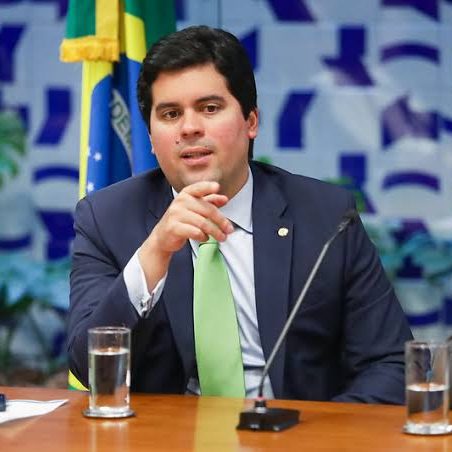
André Fufuca, Minister of Sports of Brazil
Minister of Sport, André Fufuca, said: “Today we are signing a milestone in the fight against match-fixing in Brazilian sport. Integrity must be a constant principle when it comes to transparency, ethics and, above all, the correctness of sports results. With these agreements, we will have more than enough instruments to curb this practice and guarantee greater transparency in competitions. Thus, athletes, clubs, organizations, fans and the entire population will be able to fully trust in the fairness of the results and, with this, will have peace of mind to develop the full potential of Brazilian sport.”
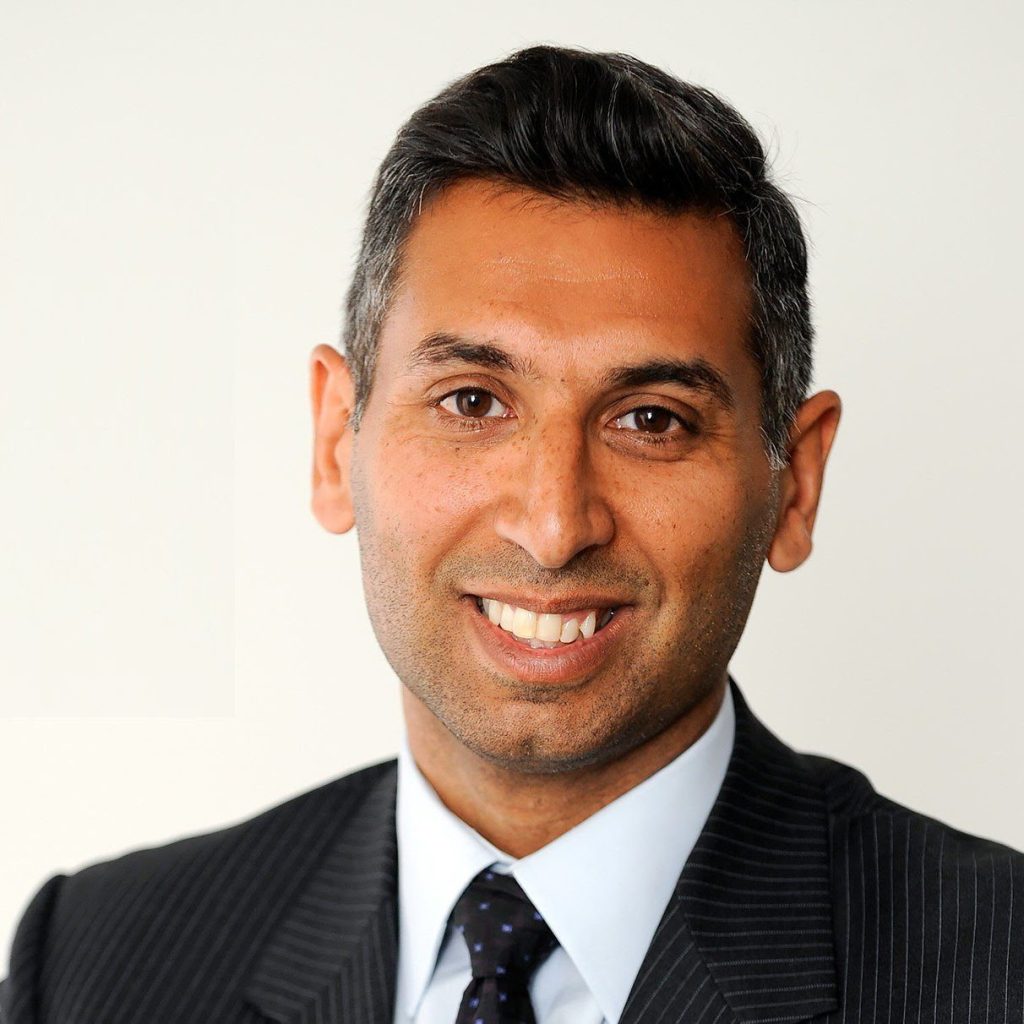
Khalid Ali, CEO, IBIA
Khalid Ali, IBIA CEO, added: “IBIA welcomes this important partnership with the Brazilian Ministry of Sports. As the market grows, so too does the responsibility to ensure that robust integrity safeguards are in place. This agreement will ensure that information on suspicious betting is swiftly shared with the Ministry to support effective integrity actions. This includes access to detailed, account-level data available only through IBIA’s unique network.”
IBIA is a globally recognised non-profit organization that seeks to safeguard the integrity of the sports and betting sectors by fighting betting-related match-fixing and fraud. It provides a free integrity monitoring service to sports governing bodies, regulatory authorities, government ministries, and law enforcement agencies that, importantly, has no potential conflicts created by the provision of competing commercial services, enabling all parties to efficiently and effectively cooperate in investigating, prosecuting and deterring sports betting-related match-fixing.
IBIA monitors over $300bn per annum in betting turnover across more than 140 sports betting brands globally, making IBIA the largest betting integrity monitor of its type for private operators in the world. The association’s unrivalled access to detailed global customer transactional data has, and will continue, to play a pivotal role in protecting the Brazilian sports betting market and sporting events from corrupt activity.
Good Morning. The Philippines is a huge growth market, with massive gains seen in recent years as the nation fully utilizes its potential. But for land-based operations, there is still a strong dependency on the daily punter, and many of those tend to come from China. Or at least they used to. Now, a drop in this key market is having a ripple effect, with operators concerned about how to make up the missing revenue. Meanwhile, Genting Singapore saw a sharp contraction in the first quarter, but expectations are for an uplift, as VIP returns.
With over 30% of global gaming revenue projected to come from Asia soon, the window of opportunity is wide open. Bettorify’s white-label and turnkey solutions deliver what most platforms miss: sharp execution backed by real local expertise.
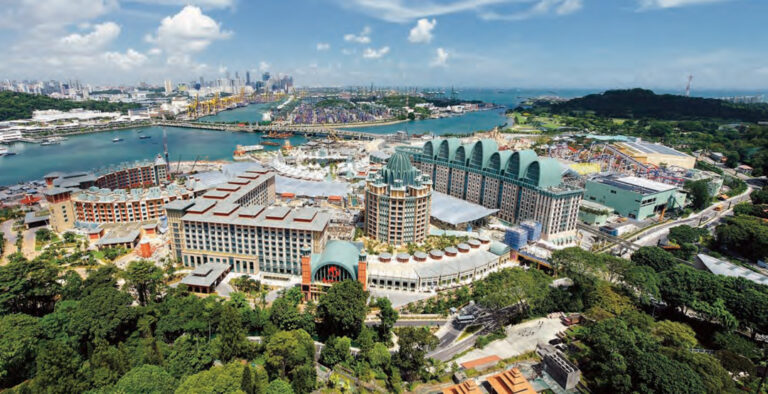
Genting Singapore posted a first-quarter net profit after tax of SG$145.0 million ($111.7 million), representing a 41.4 percent decline from the same period last year, though Maybank analysts maintain their optimistic outlook for the casino operator.
In a recent investment memo, Maybank reiterated its “BUY” recommendation with a target price of SG$1.01 ($0.78), highlighting that VIP volume and mass market segments showed meaningful quarter-on-quarter recovery despite the year-on-year decline.
The Singapore-based casino operator reported aggregate revenue of SG$626.2 million ($482.2 million) for the first three months of 2025, down 20.2 percent year-on-year but showing a slight 2.3 percent sequential increase from the previous quarter.
Gaming revenue for the first quarter stood at SG$437.5 million ($336.9 million), representing a 24.0 percent decrease from a year earlier, while non-gaming revenue declined 9.5 percent year-on-year to SG$188.5 million ($145.1 million). The company’s first-quarter adjusted earnings before interest, tax, depreciation and amortisation (EBITDA) fell by 37.3 percent year-on-year to SG$230.5 million ($177.5 million) but improved 2.8 percent sequentially.
According to Maybank’s analysis, VIP volume recovered 26 percent quarter-on-quarter to SG$8.7 billion ($6.7 billion) as Resorts World Sentosa regained 5 percentage points of VIP volume share to 44 percent. Additionally, first-quarter mass market gross gaming revenue reached a post-COVID high of SG$414 million ($318.8 million).
Maybank expects operations to be ‘seasonally slower’ in the second quarter following the Chinese New Year period but anticipates stronger performance from the third quarter of 2025. This projected improvement is largely attributed to the opening of The Laurus hotel, which will provide 183 suites aimed at accommodating more VIP and premium mass players.
The investment firm also noted that the ‘short-lived trade war between the United States and China’ did not appear to have a significant impact on VIP volumes in the second quarter of 2025.
Maybank maintains its earnings estimates and notes that at Genting Singapore’s last price, the market is discounting the company’s substantial net cash reserves.
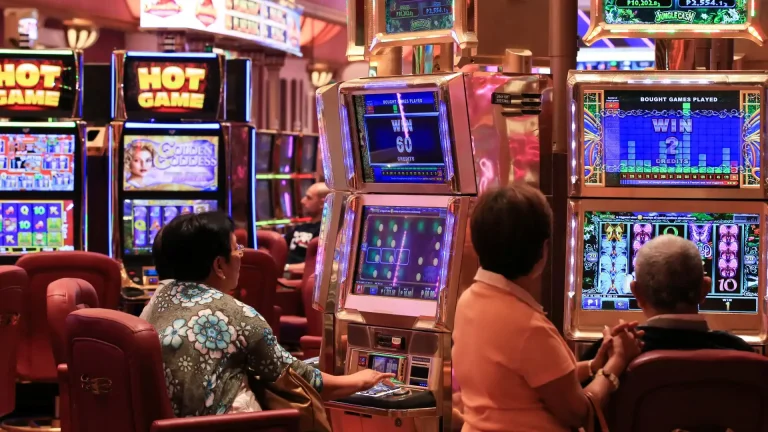
Slot machine manufacturers and gaming suppliers targeting the Philippines market are reporting an apparent slowdown in business since the beginning of 2025, with industry insiders attributing the decline primarily to the closure of Philippine Offshore Gaming Operators (POGOs) that took effect December 31st last year.
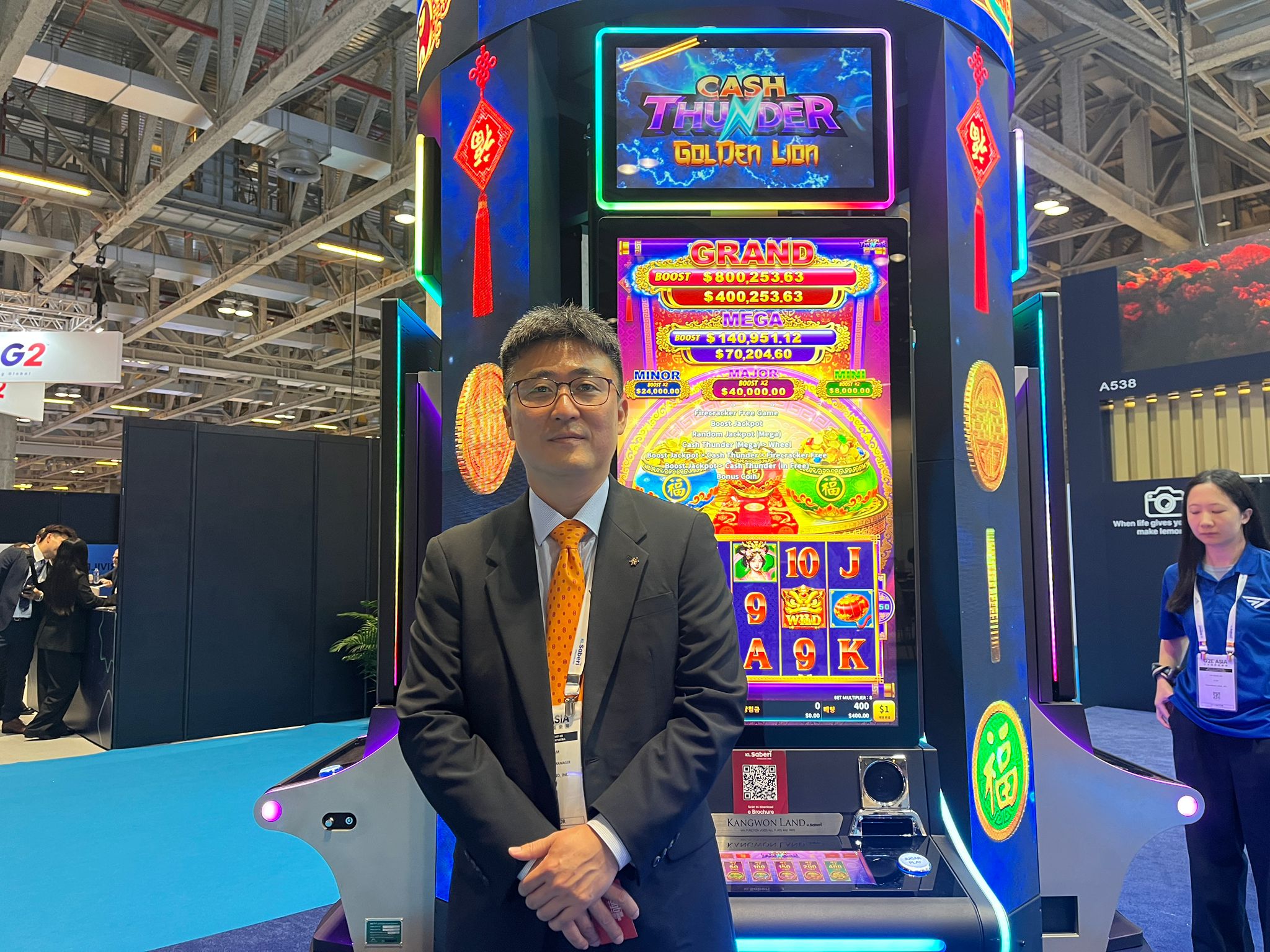
Chang Nam, Deputy General Manager of South Korea’s Kangwon Land, Inc.
Chang Nam, Deputy General Manager of South Korea’s Kangwon Land, Inc., told AGB at G2E Asia that the Philippines market has softened considerably this year.
“The Philippine market is our main target, but this year the market is not good from the beginning of the year,” said Nam, whose company manufactures the KL Saberi slot machine brand.
When asked about the factors behind the slowdown, Nam pointed directly to the government’s decision to shut down the POGO industry. “I think they close down the online gaming, POGO, that’s one of the reasons,” he explained.
According to Nam, many POGO operators were significant players in land-based casinos. “They are VIPs of the casinos because they’re making a lot of money from POGO. They play a lot on the games,” he said.
The revelation adds a new dimension to understanding the current challenges facing Philippine casinos. Despite an initial post-COVID recovery in gaming revenues, 2024 has presented significant headwinds. While the wider gaming sector benefited from the growth of E-Games, licensed casinos struggled, often experiencing substantial year-over-year declines in gross gaming revenue that contrasted sharply with the overall expansion.
VIP segment suffering across major operators
The main reason Philippine casinos are earning less is a drop in VIP gambling. All casinos are reporting ongoing problems with their high-roller business.
For example, Okada Manila’s operator reported a net loss of JPY7.56 billion in 1Q25. This was partly because VIP gambling at their Manila casino went down, and they had fewer foreign guests. Their total sales also fell by 20.8 percent.
Another big casino, Solaire at the Entertainment City, saw their total gaming earnings (GGR) fall by 18 percent. Their VIP gambling also decreased by 18 percent, reaching PHP87.7 billion.
Chinese tourism decline compounds the problem
Most operators have attributed these declines to a broader slowdown in Chinese visitation to the Philippines. Department of Tourism statistics confirm this trend, showing that China has dropped from second place on the Philippines’ list of tourism source markets in 2019, with almost 1.75 million visitors, to fourth place in 2024, with just 312,222.
From January to April this year, Chinese tourists ranked only sixth among international visitors, with 92,659 arrivals — a 34.4 percent year-on-year decrease. Meanwhile, South Korea continues to top the list with 468,337 visitors, although this also represents an 18 percent decline.
However, Nam’s comments suggest that the ban on POGOs implemented by President Ferdinand Marcos Jr. late last year has had a more direct impact on casino revenues than previously acknowledged publicly. Since the ban was first announced in July, authorities have been dismantling POGO operations and expelling foreign nationals involved – many of whom were Chinese.
Nam pointed out that suppliers like Kangwon Land were drawn to the Philippine market due to its openness to a diverse range of gaming products. “The Philippine market offers a wide variety of games, featuring suppliers like Aristocrat, Light & Wonder, Jumbo, and others. While Kangwon Land is a smaller company, this openness gives us an opportunity to enter the market,” he explained.
From the perspective of Korean visitors, Nam noted that the Philippines presents a cost-effective option. He elaborated, saying that even with a betting limit of, for example, $10,000, Philippine casinos tend to offer substantial rewards, including room accommodations and other perks. In contrast, spending the same amount in Macau might yield no such benefits.
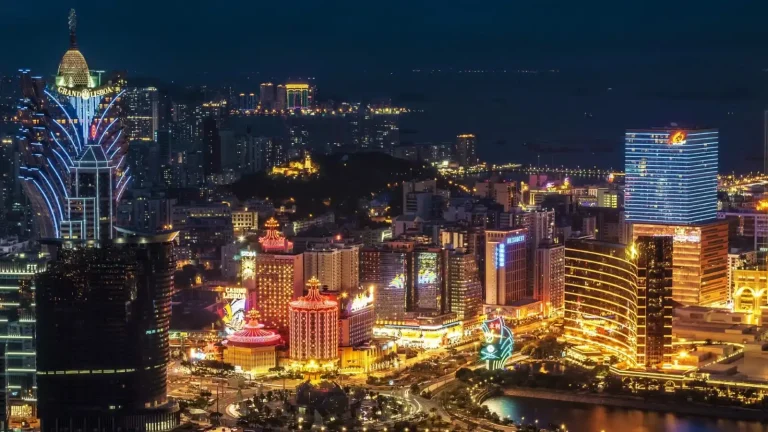
Macau collected MOP29.84 billion ($3.71 billion) in gaming tax revenue during the first four months of 2025, showing no growth compared to the same period last year, according to figures released Wednesday by the Financial Services Bureau.
April saw a monthly decline, with authorities reporting MOP7.64 billion ($950 million) in gambling taxes—down 3.9 percent from March.
The year-to-date figure represents 32 percent of the government’s annual target of MOP93.12 billion ($11.58 billion), as outlined in its 2025 fiscal plan.
Gaming taxation remains the cornerstone of Macau’s public finances, accounting for 87.7 percent of the government’s total revenue of MOP34.04 billion ($4.24 billion) as of April 30.
Total casino gross gaming revenue (GGR) reached MOP76.51 billion ($9.52 billion) between January and April, reflecting a modest 0.8 percent increase year-on-year. This marks 31.9 percent of the government’s full-year GGR forecast of MOP240 billion ($29.84 billion).
Chief Executive Sam Hou Fai indicated in his mid-April Policy Address for Fiscal Year 2025 that budget revisions might be necessary later this year, citing uncertainties in gaming revenue projections and pending expenditures not yet factored into the current financial framework.
The Asian betting market is often described in sweeping generalizations: “complex,” “fragmented,” “mobile-first,” and “bonus-driven.” While there is some truth in all of that, those narratives rarely reflect my conversations with experienced regional operators.
Here’s the reality: operators aren’t asking for more features. They have had enough of cluttered platforms with a thousand tools they didn’t request and don’t need. They want control—the ability to fine-tune their product, adjust in real-time, and respond to the market on their own terms. But most tech they use still forces them to choose either control or convenience. Rarely both, and almost never without trade-offs.
That’s exactly why we built the ULTIM8 Sportsbook iFrame—not as just another shiny add-on but as a strategic answer to a persistent problem. It is about giving operators back the keys to the solution they use, without the added operational overhead.
From working with some of the most ambitious brands across Asia and talking to the broad circle of potential partners, we have learned a few things about what makes an impact. Here is how ULTIM8 is helping solve the popular challenges that most providers haven’t even begun to address.
Table of Contents
“We want to differentiate, but every change takes so long.”
One of the most common frustrations we hear from operators is simple: “We want to stand out.” But too often, even the smallest updates require ticketing systems, development cycles, and long waits. At the same time, many providers still prioritize desktop while mobile is the only channel in many Asian markets. However, clunky interfaces, poor responsiveness, and outdated layouts still dominate the industry.
ULTIM8 changes that. Its mobile-first, real-time, customizable sportsbook front end is built for operators who want control and speed without sacrificing performance. Themes, layouts, widgets, and content can all be adjusted instantly—no dev team is required. It supports multi-language and multi-currency setups, localized content layouts, and rich visuals like player photos and team icons.
The result is a front end that’s not only fast and clean but also distinct. Because when your brand needs to stand out on mobile, it should feel like yours.
“We want to be in control of risk, not chasing problems.”
Risk management is more than just avoiding loss; it protects margins and stays ahead of threats. Too often, platforms force operators into a reactive stance, identifying issues only after the impact has already hit. Proper risk management is proactive, predictive, and built to safeguard both revenue and reputation in real time.
ULTIM8 gives that control back, without adding operational burden. Real-Time Bet Scoring evaluates every single wager instantly, before it’s accepted or settled. 24/7 security monitoring and AI-powered fraud detection monitors for threats in real time, flagging suspicious activity as it happens, not after the damage is done.
“We’re drowning in manual content management.”
For operators, keeping up with player demand in Asia, where sports culture is intense, can feel like a never-ending battle. It requires constant updates to events, odds, and markets. It’s a constant scramble; for some, managing the sheer volume of content that needs tracking, sorting, and updating can feel like a full-time job.
ULTIM8 Sportsbook iFrame steps in here too. Rather than forcing operators to spend countless hours managing every detail, we handle the complexity behind the scenes. With 50+ sports and esports, 25,000+ daily events, and over 180,000 in-play events each month, ULTIM8’s AI-driven recommendations ensure there’s always something for players to bet on and that it’s always the right content for them. No need to track every single market or odds update manually.
What sets ULTIM8 apart is our geo-specific approach to content. Our trading team designs local schedules based on what’s trending in each market. In Asia, for example, cricket is a dominant force, niche markets are essential, and timing is critical. Operators can rest easy, knowing that they’re offering players the best possible content without constantly diving into the details themselves. When operators do want to go in-depth, they can, but it’s no longer a prerequisite.
“Promotions should be easier to manage.”
Many platforms talk a big game about promotions, but when it’s time to build and deploy them, it’s slow and frustrating. We’ve heard from operators who wait days just to launch a simple Free Bet.
ULTIM8 takes the friction out of engagement with a built-in CRM that handles the heavy lifting: powered by AI, real-time recommendations, and smart segmentation. The iFrame also includes a fully integrated bonus engine with Free Bets, quests, loot boxes, predictive promotions, and gamification tools—all easy to launch and manage through a drag-and-drop Journey Builder. Operators we work with have seen up to 80% player retention simply because engagement strategies became fast and flexible again.
“We want to drive more revenue—without overhauling everything”
As we started listening closely to what operators needed, it became clear: they wanted results, fast. But they didn’t want to tear everything down and start from scratch. They needed to achieve growth with what they already had. That’s when we began exploring deeper, more sophisticated ways to generate meaningful revenue without disruption.
One area we focused on was odds personalization. At first, small tweaks in the odds might seem trivial to players. But for operators, we discovered that these adjustments could be a goldmine. By tailoring odds to match player behavior, we saw GGR increase by over 40%. No new marketing campaigns or drastic system changes were needed—just smarter use of the data you already have.
We also saw that boosting multi-bet turnover didn’t require a big campaign. Even small increases in parlay betting can significantly drive revenue. Simple features to encourage more multi-bets resulted in operators seeing up to 5% more profit. We gave players an easy, intuitive way to engage more, without overcomplicating things.
Then, we looked at cashout. Initially seen just as a player-friendly feature, we recognized its potential as a revenue driver too. By integrating flexible cashout options with smart commission models, operators could increase their profitability by another 2-5%, while giving players more control over their wagers.
None of these changes requires operators to rebuild their platform. ULTIM8 slots right into your current setup—no downtime, no major disruptions. We focus on unlocking the potential you already have with just a few thoughtful adjustments, giving you bigger results with minimal effort.
“We want to move fast, not spend six months integrating.”
This one comes up a lot: “We’d love to upgrade, but we just can’t afford the disruption.”
That’s the myth we love proving wrong. ULTIM8 Sportsbook iFrame is a plug-and-play solution. Most integrations take 2–3 weeks, but ULTIM8 can be ready in seven days. You get full documentation, dedicated support, and structured onboarding, so you can start seeing results immediately.
The Big Shift: Control Without Complexity
For Asian operators, ULTIM8 delivers more control: from a fully brandable front end to localized content, AI-driven recommendations, and real-time risk tools, without the delays or development drag.
There’s a deeper layer of relevance too: the ‘8’ in ULTIM8 is a symbol of wealth, success, and prosperity across many Asian cultures. Its performance has meaning and is built for those who expect more.