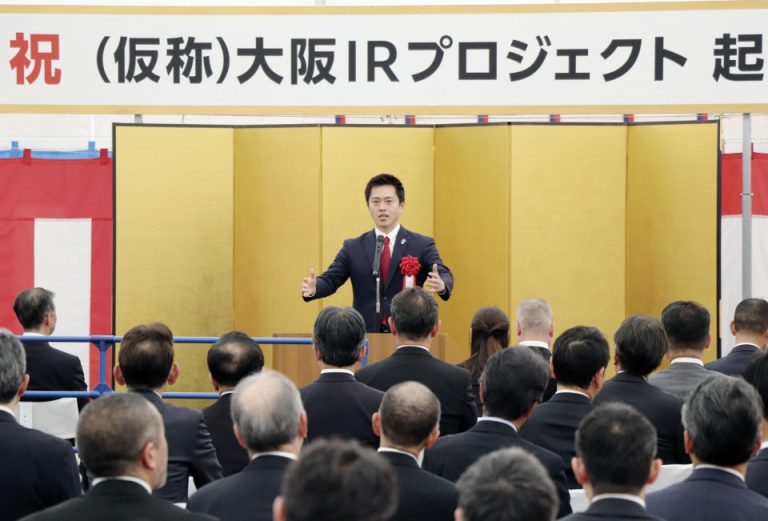
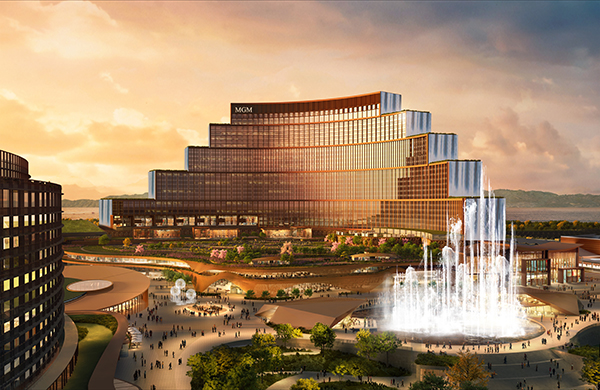
The construction of the integrated resort (IR) MGM Osaka kicked off on Thursday, April 24th, in Osaka, at a location adjacent to the 2025 World Expo venue.
“This would be Japan’s first IR. We’d like to bring economic growth to Osaka and Japan,” Osaka Governor Hirofumi Yoshimura stated during the groundbreaking ceremony hosted by the project’s operator, Osaka IR KK, according to Kyodo News.
The construction has commenced despite concerns about noise potentially affecting the World Expo, which runs from April 13th to October 13th, 2025. In July last year, the association managing the expo and business organizations requested postponement of construction work during the international event due to concerns about noise disruption and visual impact on the surroundings.
To address these concerns, the Osaka prefectural government and the resort operator have announced measures to minimize impact by reducing construction activities on days with high visitor numbers. They also plan to delay operations involving heavy machinery until after the expo concludes on October 13th.
After Japan legalized casinos in 2018 to boost tourism and regional economies, the resort complex became the country’s first IR to be granted a gaming license in April 2023.
This landmark development is a joint venture between MGM Resorts International and Japanese financial powerhouse Orix Corporation, with each holding approximately 40-42.5 percent of the stake. The remaining shares are distributed among local companies including Panasonic and West Japan Railway.
The total investment is projected at up to JPY1.6 trillion ($10 billion), positioning it among the world’s most expensive integrated resorts. According to planning documents, the facility will feature 2,500 hotel rooms, a shopping mall, a 3,500-seat theater, spa and fitness center, convention facilities, and diverse dining and entertainment options. Japanese law limits the gaming floor to 3 percent of the total indoor space. The project has already secured a $3.4 billion loan as part of its financing.
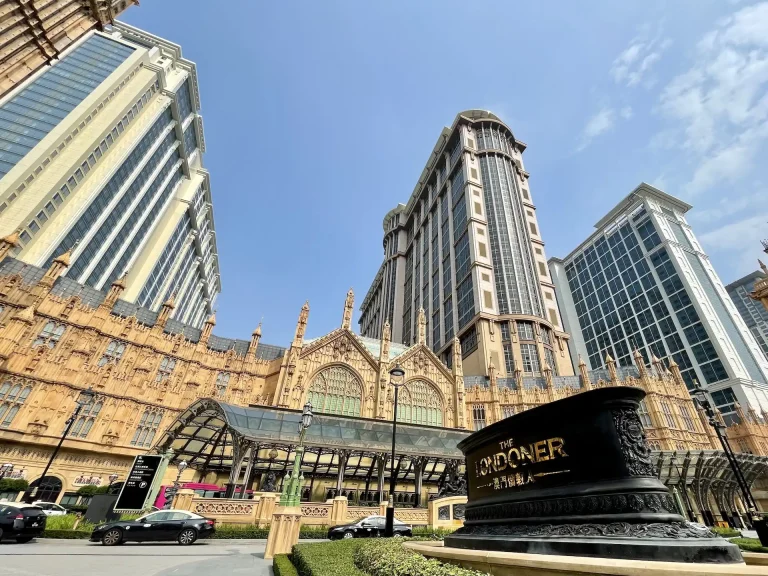
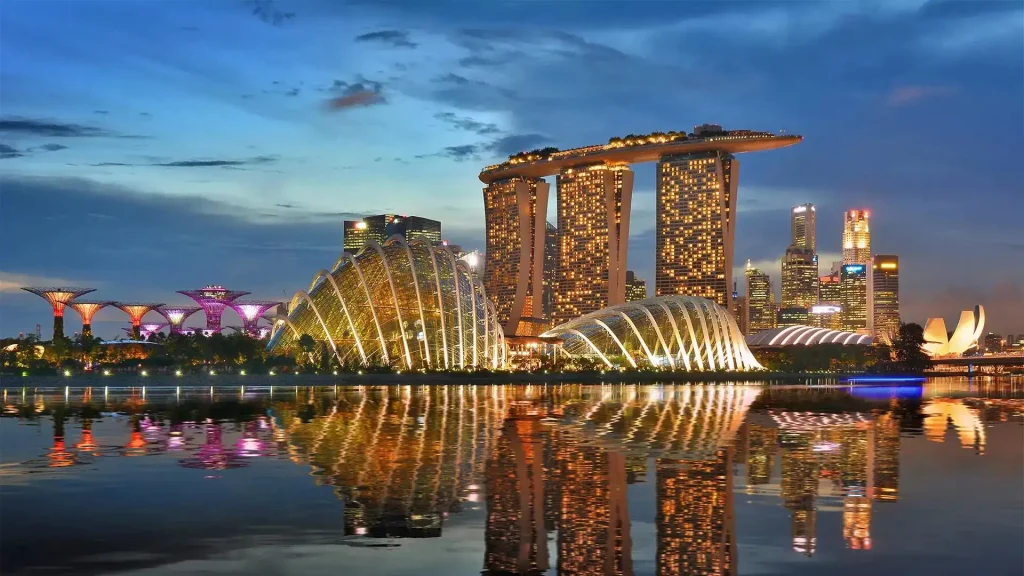
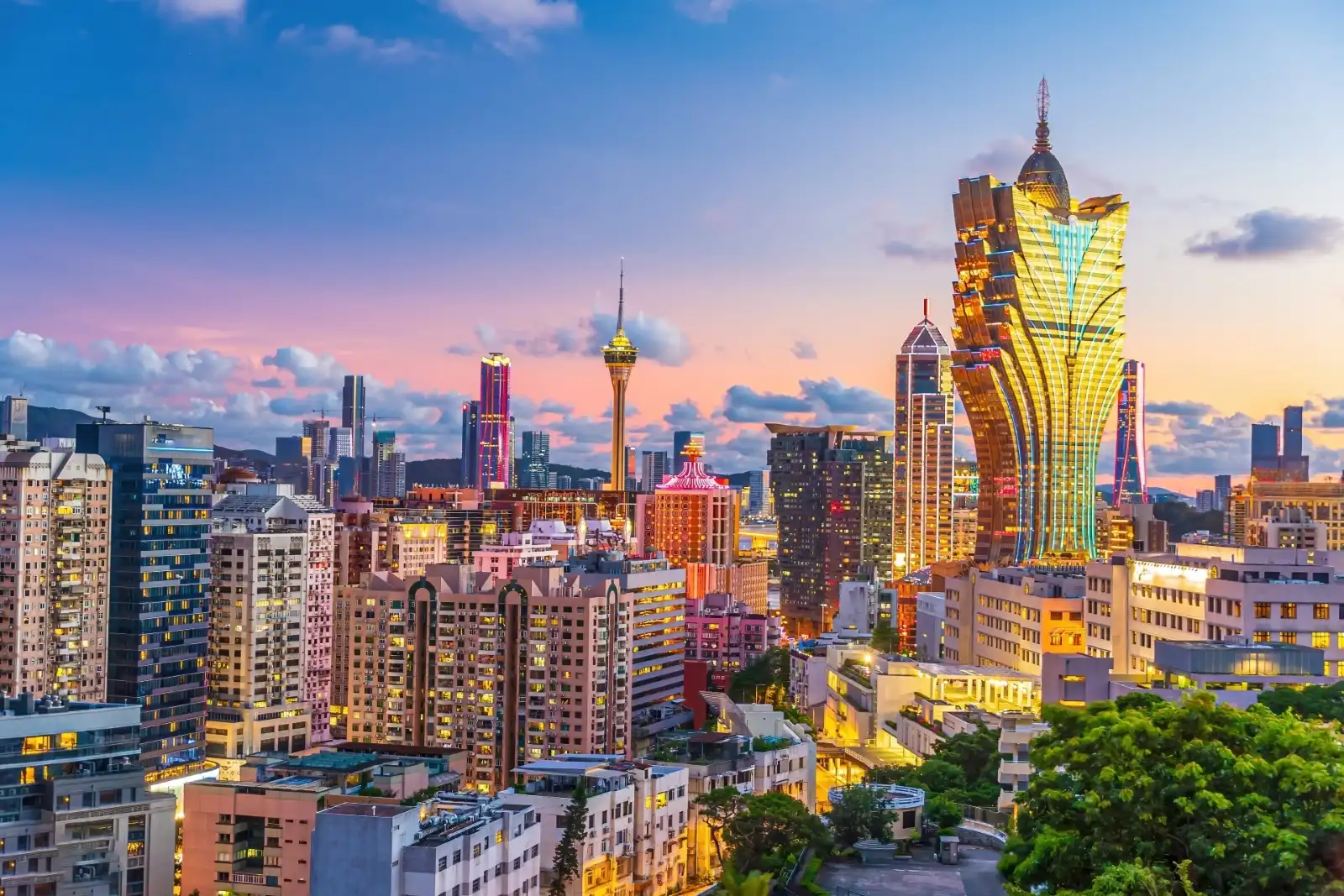
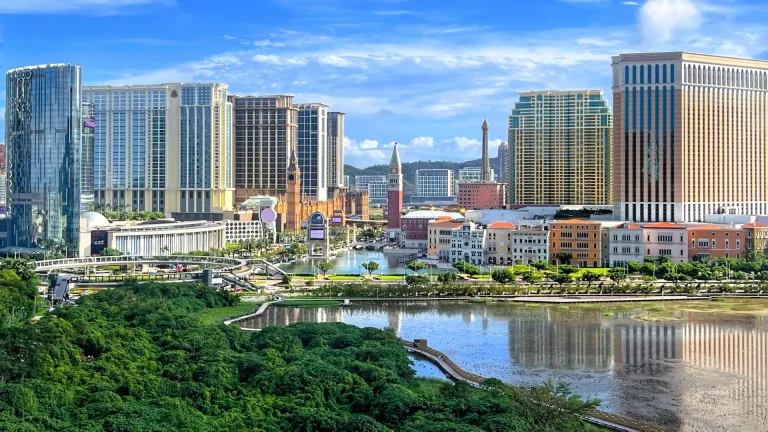
The MGM Osaka IR is expected to become a major tourism destination, aiming to attract millions of visitors annually and compete with established Asian gaming hubs such as Macau and Singapore.
Las Vegas Sands reported a drop in results for the first quarter of 2025, but highlighted its confidence in its ongoing investments in both Macau and Singapore.
The company reported a consolidated net revenue of $2.86 billion, reflecting a 3.4 percent decrease from $2.96 billion in the same quarter last year. Net income also saw a decline, reaching $408 million, down 30 percent from $583 million in the first quarter of 2024.
The consolidated adjusted property EBITDA for the first quarter was $1.14 billion, a reduction of 5.8 percent from $1.21 billion in the prior year.
In Macau, the adjusted property EBITDA stood at $535 million, impacted by a low hold on rolling play, which negatively affected earnings by $10 million.
Meanwhile, Marina Bay Sands in Singapore demonstrated resilience, contributing an adjusted property EBITDA of $605 million.
Despite the results Robert G. Goldstein, Chairman and CEO of Las Vegas Sands, expressed optimism about the company’s prospects in both markets.
“We continued to execute our strategic objectives during the quarter. We remain enthusiastic about our opportunities to deliver industry-leading growth in both Macau and Singapore as we execute our capital investment programs,” he stated.
Goldstein acknowledged the softer market growth in Macau but reaffirmed the company’s commitment to enhancing its tourism appeal. “Our decades-long commitment to investments that support Macau’s development as a world center of business and leisure tourism positions us well for future growth.”
In Singapore, he highlighted the strong performance of Marina Bay Sands, noting that new suite products and elevated service offerings are set to drive additional growth as travel and tourism spending in Asia expands.
In a bid to return excess capital to shareholders, LVS repurchased $450 million of its common stock during the quarter. The Board of Directors also increased the stock repurchase authorization to $2 billion, underscoring confidence in the company’s financial strength and future prospects.
The company continued to invest in its operations, with capital expenditures amounting to $379 million during the quarter, including $197 million dedicated to construction, development, and maintenance activities in Macau.
Macau and Singapore
Marina Bay Sands
In the first quarter of 2025, Sands China reported total net revenues of $1.7 billion, reflecting a 5.7 percent decline from $1.80 billion in the same period last year.
The company’s net income also fell to $202 million, down from $297 million in the first quarter of 2024, a 32 percent decline. Adjusted property EBITDA stood at $535 million, compared to $610 million in the previous year, indicating a need for continued focus on operational efficiency and market positioning.
Robert G. Goldstein emphasized the company’s long-term commitment to enhancing Macau’s appeal as a premier business and leisure tourism destination.
“While market growth has softened in the current environment, our decades-long investment strategy positions us well for future growth,” Goldstein stated. He expressed enthusiasm about the opportunities ahead, particularly as Sands China implements its capital investment plans in both Macau and Singapore.
The financial report also highlighted a decrease in interest expenses for Sands China, which totaled $174 million for the first quarter of 2025, down from $182 million in the same quarter of the previous year.
The weighted average borrowing cost was slightly lower at 4.9 percent, compared to 5.0 percent in the first quarter of 2024.
Sands China continued to invest in its operations, with capital expenditures reaching $379 million during the quarter. This included $197 million dedicated to construction, development, and maintenance activities in Macau, underscoring the company’s commitment to enhancing its facilities and services.
As for Marina Bay Sands, the Singapore property recently completed a substantial $1.75 billion capital investment program, enhancing its offerings significantly. The resort now features 1,844 keys, including 775 suites.
Net revenue for Marina Bay Sands remained steady at around $1.2 billion for the first quarter, with improvements in service offerings and the introduction of new suite products contributing to this stability.
Revenue from rooms grew by 2.4 percent year-on-year to $129 million, while hotel occupancy increased by 0.6 percentage points to 95.6 percent in the latest quarter.
The average daily room rate rose significantly to $925, up from $713 in the same period last year, resulting in a revenue per available room of $884 compared with $677 a year earlier.
BMM Testlabs, the gaming test lab known for its compliance and certification expertise, has officially received approval to evaluate gaming products for the UAE’s licensed lottery – The UAE Lottery, and its commercial gaming program.
This approval comes from the General Commercial Gaming Regulatory Authority (“GCGRA”), which holds exclusive jurisdiction to regulate, license, and supervise all commercial gaming activities and facilities, including lottery, internet gaming, sports wagering, and land-based gaming facilities. BMM’s certification falls under the ‘Independent Testing Laboratories’ category.
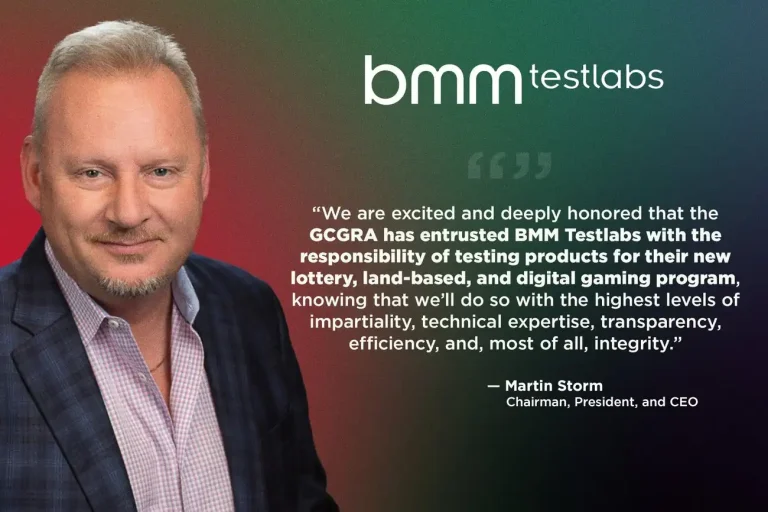
BMM Testlabs’ Chief Executive Officer Martin Storm said, “We are excited and deeply honored that the GCGRA has entrusted BMM Testlabs with the responsibility of testing products for their new lottery, land-based, and digital gaming program, knowing that we’ll do so with the highest levels of impartiality, technical expertise, transparency, efficiency, and, most of all, integrity.”
BMM Testlabs brings 44 years of global leadership in product compliance across regulated markets and is trusted by games, systems, and lottery manufacturers, suppliers, developers, and regulators worldwide.
In addition to product compliance testing, BMM Testlabs’ BIG Cyber provides end-to-end cybersecurity protection solutions, including penetration testing, vulnerability assessments, PCI:DSS evaluations, and managed security services. Through RG24seven Virtual Training, BMM also offers compliance-grade virtual training on responsible gaming, anti-money laundering, and other important topics – presented by industry experts and available in multiple languages.
BMM Testlabs is another giant that has secured its place in the promising UAE gaming market, following recent announcements from Aristocrat Gaming and Novomatic—both of which obtained a Gaming Related Vendor License from the General Commercial Gaming Regulatory Authority (GCGRA).
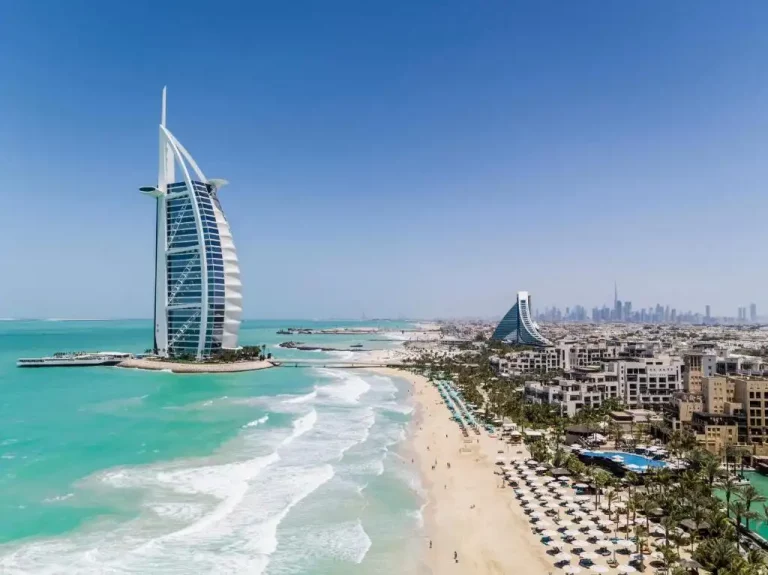
The UAE gaming market is projected to generate gross gaming revenue (GGR) ranging from $5 to $8 billion, according to Wynn Resorts CEO Craig Billings.
The UAE issued Wynn its first commercial gaming operator’s license, allowing the company to develop the Wynn Al Marjan Island casino resort in Ras Al Khaimah, which aims to cater to the local market.
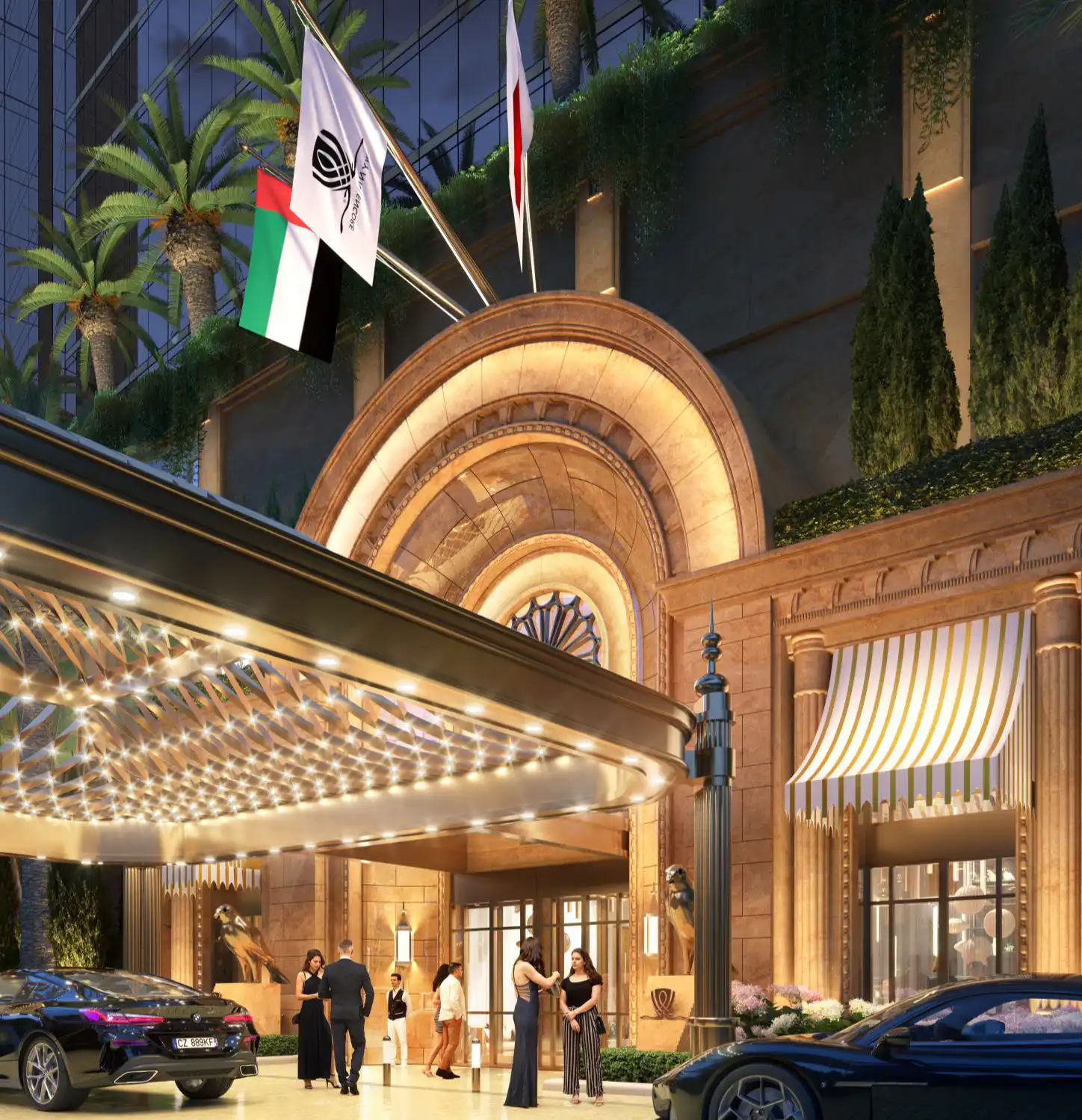
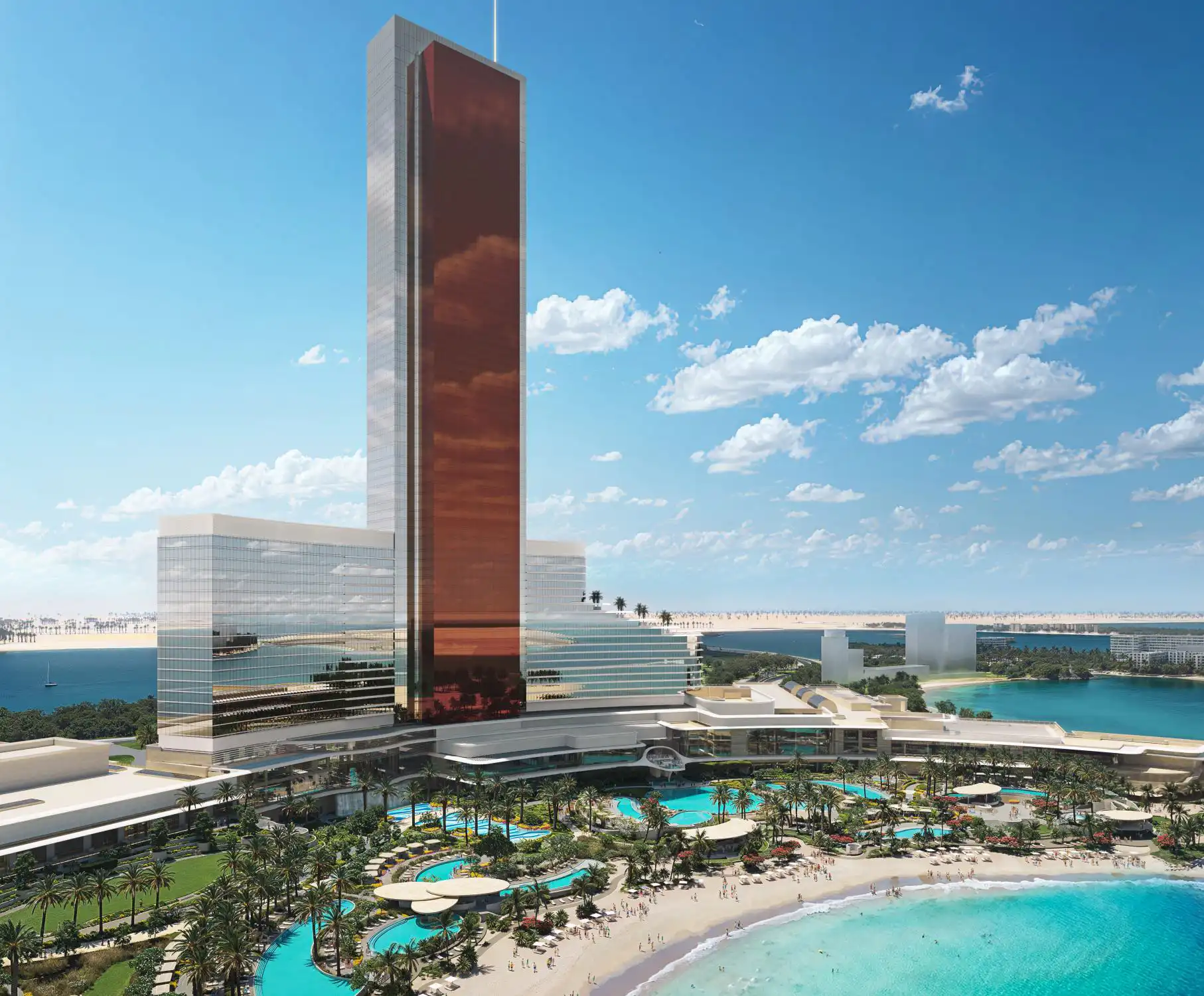
Hotel arrival at Wynn Al Marjan IslandView from the pool at Wynn Al Marjan IslandWynn Al Marjan Island TowerSource: Wynn Resorts
The project will cover approximately five million square feet, featuring 1,500 hotel rooms, over 25 dining options, a substantial gaming floor, and a unique production show being created from scratch.
Macau’s economy is stable, but it’s facing mounting pressure, as consumption patterns change and force the city to adapt. For gaming operators, from the government point of view, this means doubling down on diversification investments, even as the operators try to improve their margins amidst a slowdown in gaming revenues. International headwinds are also starting to be felt, prompting further concerns about how successful the non-gaming investments can be.
Information from the Statistics and Census Service (DSEC) indicated that in the first quarter of 2025 the number of visitors from the nine Pearl River Delta cities in the Greater Bay Area rose by 18.8 percent year-on-year to 3,582,016, driven by a 50.3 percent increase in visitors from Zhuhai.
The rise in visitor numbers is believed to have been supported by new visa policies implemented on January 1st this year.
The policies in question are the “one trip per week” scheme and the “multiple-entry visa.” Previously, before the introduction of the “one trip per week” visa for Zhuhai residents and the “multiple-entry visa” for Hengqin residents, these citizens were only permitted to visit Macau once every two months.
The new visa policies were announced last year as part of the celebrations for the 25th anniversary of the Macau SAR and have been referred to as a “gift” from Beijing.
According to official statistical data, 97,957 visitors entered under the “multiple-entry” scheme and 28,671 entered under the “tourist group multi-entry visa.” The “tourist group multi-entry visa” was implemented on May 6th last year, aiming to facilitate tour groups to make multiple entries between Macau and Hengqin within a seven-day period. This arrangement is particularly beneficial for budget tour groups, allowing them to visit Macau or attend MICE activities while securing more economical accommodation in Hengqin.
In 1Q25, visitors from the Taiwan region (221,146) went up by 21.6 percent year-on-year, while those from the Hong Kong Special Administrative Region (1,753,042) decreased by 3.6 percent.
In general, visitor arrivals increased by 11.1 percent year-on-year to 9,862,665 in the first quarter of 2025.
Visitors from mainland China increased by 14.5 percent year-on-year to 7,206,035 in the first quarter, with those traveling under the Individual Visit Scheme (4,011,208) rising by 15.6 percent.
International visitors grew 16.9%
International visitors totalled 682,442 in the first quarter, up by 16.9 percent year-on-year. Regarding the Southeast Asian markets, visitors from the Philippines (126,559), Indonesia (53,643), Malaysia (47,094), and Singapore (26,356) rose by 10.4 percent, 36.5 percent, 18.2 percent, and 2.8 percent year-on-year respectively, while those from Thailand (35,073) decreased by 9.2 percent.
With respect to the South Asian markets, visitors from India (19,135) dropped by 3.4 percent year-on-year. For the Northeast Asian markets, visitors from the Republic of Korea (172,255) and Japan (44,663) grew by 33 percent and 23.6 percent respectively. As regards long-haul markets, visitors from the USA (36,629) went up by 9.7 percent year-on-year.
In March 2025, the number of visitor arrivals totaled 3,068,920, up by 12.8 percent year-on-year.
The Government of Sri Lanka announced on Monday its decision to publish the draft Bill on the Gambling Sports Regularization Act in the official gazette and submit it to Parliament for approval.
According to local media outlet Daily News, Cabinet Spokesman and Minister Dr. Nalinda Jayatissa stated that the Cabinet of Ministers, at its meeting on Monday, April 21st, approved the proposal presented by President Anura Kumara Dissanayake, in his capacity as Minister of Finance, Planning, and Economic Development, to proceed with the publication and submission of the draft Bill.
Speaking at the weekly Cabinet media briefing, Dr. Jayatissa explained that this step follows a previous Cabinet decision made on February 24th, 2025, to prepare legislation aimed at creating a regulatory body for the gambling sports sector in Sri Lanka. The draft Bill, which has received clearance from the Attorney General, proposes the establishment of the Gambling Regularization Authority.
The Authority is envisioned as an independent entity responsible for monitoring all gambling activities related to the sports sector. Its scope would cover traditional gambling, offshore gambling operations conducted on ships, activities within the Colombo Port City, and online gambling platforms.
Colombo Port City
Colombo Port City is a land reclamation project located on the western edge of Sri Lanka’s capital, Colombo.
Melco Resorts & Entertainment Ltd is set to operate a land-based casino at City of Dreams Sri Lanka, situated in the southeastern area of Colombo Port City. The City of Dreams Sri Lanka casino is slated to open in the third quarter of this year.
Global sports technology company Sportradar is expecting to report net profits above €20 million ($23.5 million) in the first quarter of this year.
In its preliminary unaudited results, Sportradar reported revenues of approximately €307 million to €311 million ($354.8 million to $358.5 million), an increase from the €265.9 million ($288 million) reported last year. The company considers this is the result of ‘successful strategies and expanding market presence’.
The profit for the period is estimated to be between €20 million and €24 million ($23.5 million to $28.2 million), an improvement from the €0.6 million ($0.65 million) in losses registered in the same period last year.
Sportradar considered in its announcement that this increase underscores the company’s effective cost management and operational efficiency.
The group also recorded an adjusted EBITDA of approximately €56 million to €58 million ($65.8 million to $67.9 million), stating that the figure demonstrates its ‘strong operational performance’ and its ability to generate substantial earnings before interest, taxes, depreciation, and amortization.
The company plans to release its full financial and operational results for 1Q25 on May 12th, 2025.
Macau’s gaming industry is headed for stricter supervision and a strategic shift toward non-gaming development, Secretary for Economy and Finance Tai Kin Ip said on Wednesday, as he outlined the government’s economic priorities for 2025.
In his policy address to the Legislative Assembly, Tai warned that although Macau’s economy remained generally stable, the gaming sector faced mounting challenges from international competition and shifting consumption patterns.
Gross gaming revenue was “practically unchanged year-on-year” in the first quarter of 2025, he said, adding that financial revenues may fall short of earlier expectations.
“We must carefully assess the economic situation and respond prudently,” Tai said. “The challenges and risks should not be overlooked.”
The International Monetary Fund (IMF) has decided to halve its gross domestic product (GDP) growth forecast for the Macau SAR in 2025, revising it from 7.3 per cent projected in October last year to 3.6 per cent in its latest World Economic Outlook report released on Tuesday.
In the first quarter of 2025, Macau’s total gaming revenue rose just 0.6 per cent year-on-year to MOP57.66 billion ($7.21 billion), or MOP19.2 billion ($2.40 billion) per month—falling slightly short of the government’s full-year forecast of MOP240 billion ($30 billion), or MOP20 billion ($2.50 billion) per month.
A major pillar of Tai’s plan is the creation of an interdepartmental working group, led by the Economy and Finance team, tasked with overseeing gaming concessionaires’ commitments. The group will also guide operators to rebalance their investment portfolios, steering more resources into strategic industries in Macau and neighboring Hengqin.
“We will continue to strictly supervise the healthy and orderly development of the gaming sector according to the law, enhancing the smart management of the sector,” Tai said. “At the same time, we will actively develop non-gaming elements to strengthen Macau’s global competitiveness.”
Diverting investment
Secretary for Economy and Finance Tai Kin Ip
The government expects concessionaires to channel greater investments into key areas including culture, sports, exhibitions, and leisure tourism. The aim, Tai said, is to bolster Macau’s resilience to external shocks and to further its transformation into a World Center of Tourism and Leisure.
“Our mission is to promote the adequate diversification of the economy,” Tai said, emphasizing that gaming companies must align with the broader “1+4” diversification strategy — which includes emerging sectors such as modern finance, high technology, traditional Chinese medicine, and conventions and exhibitions.
Macau’s efforts to broaden its economic base come as the global environment remains volatile, Tai noted. “The intensification of unilateralism and protectionism has impacted economic development and the stability of global supply chains,” he said. As a small, open economy, Macau is particularly sensitive to such shifts.
Nevertheless, Tai struck a confident tone about the city’s future, crediting the strong backing from Beijing. “Having the strong support of the Motherland and being closely connected to the world has always been Macau’s greatest advantage,” he said.
Beyond gaming, the government will also step up efforts to attract international tourists, focusing on younger Generation Z travelers and emerging visitor markets in Southeast Asia, South Asia, and South America. New overseas offices for economic, trade, tourism, and cultural affairs are expected to drive these initiatives.
But the centerpiece of Tai’s remarks remained the gaming industry — still the engine of Macau’s economy — and its path ahead.
By tightening oversight and demanding greater contributions to Macau’s diversified growth, authorities hope to ensure that the sector continues to play a sustainable role in the city’s evolving economic landscape.
“We are full of confidence and determination for the future,” Tai said.
Macau tourism authorities are planning to organize promotional events and roadshows in Middle Eastern cities as part of their efforts to attract more international visitors.
Several legislators expressed concerns during the 2025 Legislative Assembly’s policy debate regarding the expansion of international visitor sources and efforts to attract tourists to the region.
Macao Government Tourism Office (MGTO) Director Maria Helena de Senna Fernandes has revealed that the department has looked to expand visitors from Southeast Asia and from the Middle East, with several roadshows and promotional events prepared.
The MGTO is organizing five overseas roadshows to take place between late April and June, including events in Seoul, Singapore, Jakarta, Bangkok and Kuala Lumpur.
Additionally, relevant travel agencies from Europe and Portugal will participate in meetings in Macau, and the authorities continue to seek more exchanges with relevant chambers of commerce and associations visiting the city.
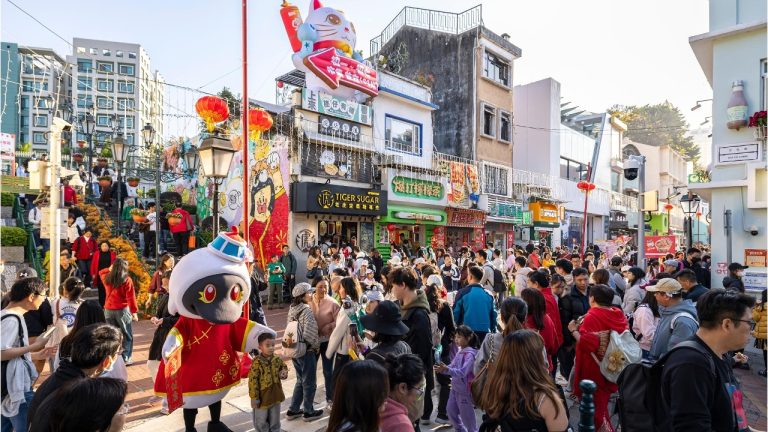
The bureau will also launch activities in partnership with “known cartoon brands” in four neighborhoods in the city in June, as part of efforts to attract international travelers and bring visitors into the region.
International visitors totaled 682,442 in the first quarter, up by 16.9 percent year-on-year. Regarding the Southeast Asian markets, visitors from the Philippines (126,559), Indonesia (53,643), Malaysia (47,094) and Singapore (26,356) rose by 10.4 percent, 36.5 percent, 18.2 percent and 2.8 percent year-on-year respectively, while those from Thailand (35,073) decreased by 9.2 percent.
With respect to the South Asian markets, visitors from India (19,135) dropped by 3.4 percent year-on-year. For the Northeast Asian markets, visitors from the Republic of Korea (172,255) and Japan (44,663) grew by 33 percent and 23.6 percent respectively.
As regards long-haul markets, visitors from the USA (36,629) went up by 9.7 percent year-on-year.
Senna Fernandes mentioned that this year, the MGTO has temporarily planned five international roadshow projects, collaborating with cities in the Greater Bay Area to develop overseas visitor sources, and organizing promotional activities in conjunction with the National Games.
Investment bank Citigroup has marginally increased its Macau April 2025 GGR forecast from MOP18.0 billion ($2.24 billion) to MOP18.25 billion ($2.27 billion), considering the resilience data recorded during the Easter period.
According to the latest investment memo, analysts George Choi and Timothy Chau note that the adjustment was made in light of the month-to-date strength and considering that Sunday, April 27th, is scheduled as a make-up working day in mainland China ahead of the upcoming Labor Day holidays.
This revised projection represents approximately 77 percent of April 2019 levels and reflects a slight year-on-year decrease of 2 percent.
The modest adjustment suggests cautious optimism about Macau’s gaming market performance as the region continues its recovery trajectory while navigating seasonal patterns and mainland China’s holiday schedule.
It is also worth noting that the Macau government has established a MOP240 billion ($30 billion) GGR target for 2025, requiring an average monthly GGR of approximately MOP20 billion ($2.5 billion). Should April achieve only MOP18.25 billion ($2.28 billion) in GGR, it would continue a pattern of underperformance against official projections, a concern previously highlighted by Macau’s Chief Executive last month.
Citigroup’s investment memo notes that industry sources indicate that Macau’s GGR reached approximately MOP13.0 billion ($1.61 billion) during the first 21 days of April. This represents a daily revenue rate of about MOP650 million ($80.7 million) during April 14th-21st, marking a 6 percent increase compared to the previous week’s daily rate of approximately MOP614 million ($76.3 million).
The analysts attribute this resilient performance primarily to the Easter long weekend, which brought more than 520,000 visitors to Macau, despite the holiday not being observed in Mainland China. Weekend concerts in the gaming hub likely contributed additional support to revenue figures.
According to industry sources, VIP volumes experienced a slight decrease of approximately 2 percent month-on-month, while Mass GGR declined between 2-3 percent compared to the previous month. The report notes that VIP hold rates appeared stronger than the preceding week.