
Home Blog Page 354

Sands China posts 2.5% revenue growth in 2Q25 driven by Londoner Macao renovation

Macau gaming operator Sands China reported net revenues of $1.79 billion for the three months ending June 30th, 2025, marking a 2.5 percent year-on-year increase.

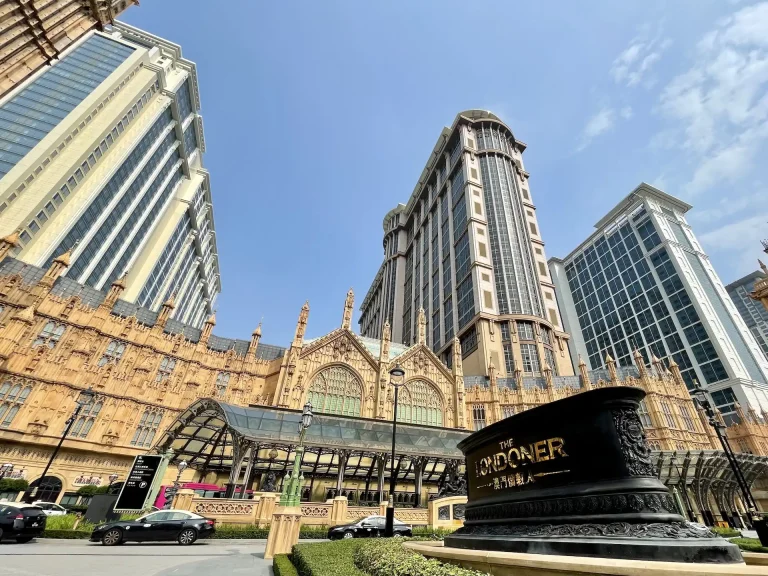
The modest revenue growth was primarily driven by strong performance at The Londoner Macao, following the completion of a comprehensive renovation program.

Parent company Las Vegas Sands (LVS) released its 2Q25 financial results on Thursday morning, highlighting The Londoner’s exceptional performance as the key contributor to overall revenue growth.

The property, located in the renowned Cotai Strip, generated net revenues of $642 million—up from $444 million in the same quarter last year.

The strong results followed the completion of the $1.2 billion Phase 2 renovation, which included the reopening of all 2,405 hotel rooms and suites—formerly the Sheraton Grand Macao, now rebranded as part of The Londoner Macao—shortly before the May Golden Week holiday.

Casino revenues at The Londoner surged 55.7 percent year-on-year to $495 million, while Adjusted EBITDA doubled to $205 million. The property also saw a substantial improvement in EBITDA margin, rising from 23.2 percent in 2Q24 to 31.9 percent in 2Q25.

However, performance across Sands China’s other properties varied significantly. The Venetian Macao, the company’s longtime flagship, posted a 3.4 percent year-on-year decline in net revenues to $663 million, although this represented a 3.9 percent improvement from the March quarter. Adjusted Property EBITDA fell 11.0 percent year-on-year to $236 million. Despite the dip, the Venetian remained the top revenue-generating property in Sands China’s Macau portfolio.

The Parisian Macao saw the steepest decline, with net revenues dropping 26.8 percent year-on-year and 14.5 percent quarter-on-quarter to $194 million. Adjusted EBITDA fell nearly 50 percent year-on-year to $44 million, as casino revenues plummeted 30.9 percent to $143 million.

Other properties also faced headwinds. The Plaza and Four Seasons posted a 22.4 percent year-on-year revenue decline to $194 million, while Sands Macao recorded a 10.1 percent drop to $71 million.

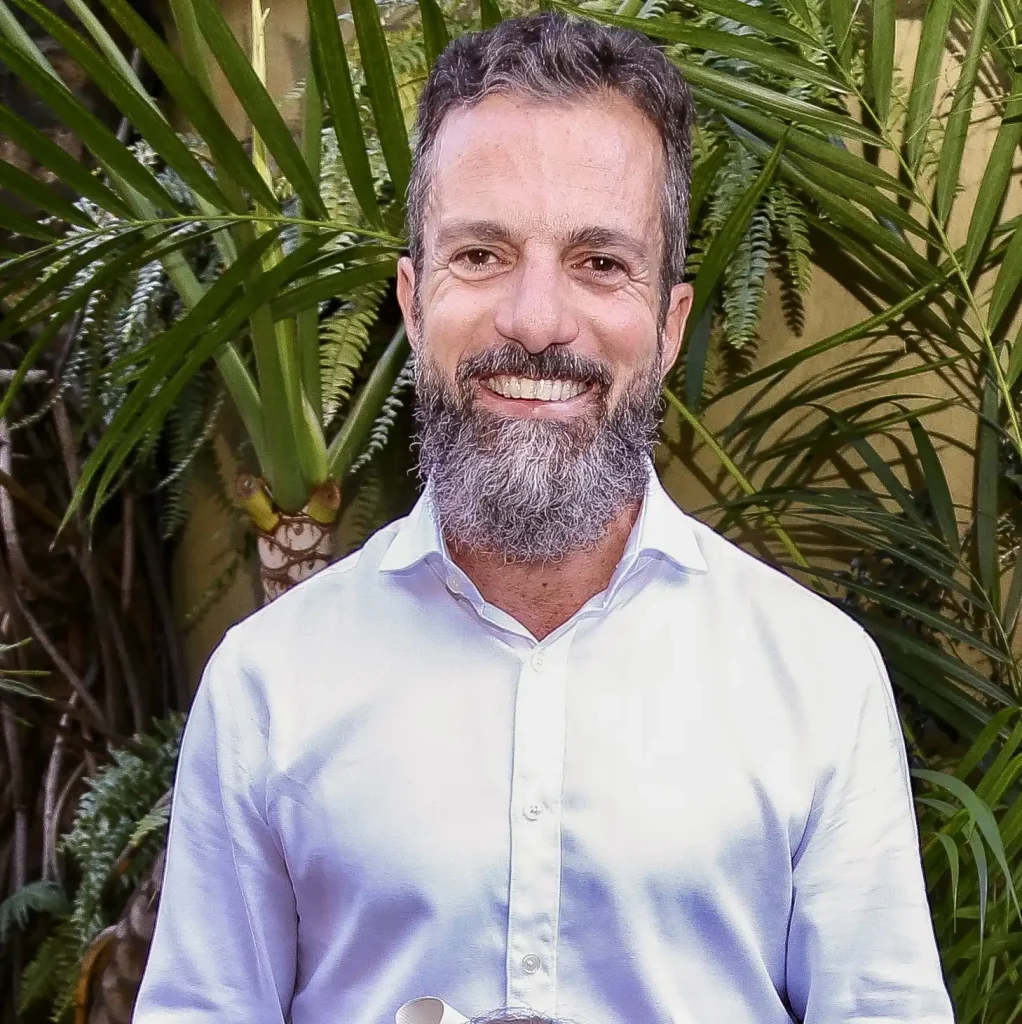
Rob Goldstein, Sands Las Vegas

“We remain enthusiastic about our opportunities to deliver industry-leading growth in both Macao and Singapore, as we realize the benefits from our recently completed capital investment programs in both markets,” said Robert G. Goldstein, chairman and chief executive officer.

Goldstein reaffirmed the company’s long-term commitment to Macao’s development as a global tourism destination and emphasized the financial strength that enables continued investment across both markets.

Marina Bay Sands in Singapore once again delivered record financial and operational results, with net revenues soaring 36.6 percent to $1.39 billion and Adjusted EBITDA rising 36.9 percent, achieving a 55.3 percent margin. LVS noted that a favorable win rate contributed to a $107 million increase in 2Q25 EBITDA.

“Our new suite product and elevated service offerings position us for additional growth as travel and tourism spending in Asia expands,” said Goldstein, referring to the MBS property.
Konami Gaming secures Gaming-Related Vendor License in the UAE

0
GCGRA, UAE

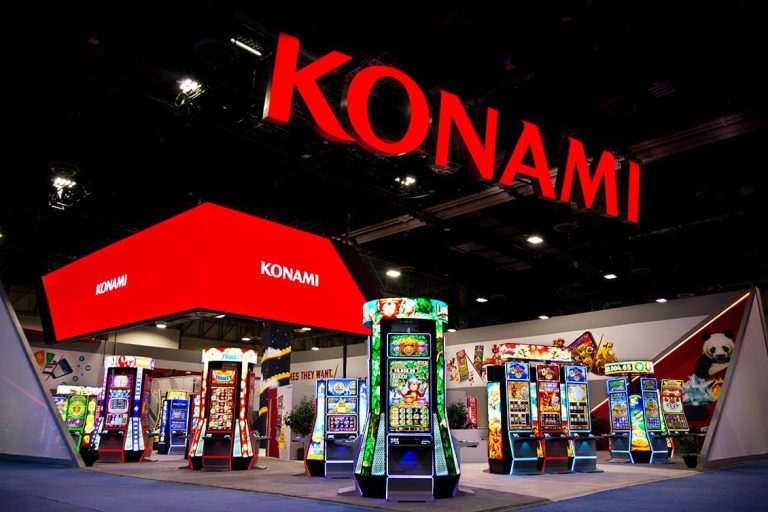
Konami Gaming is among the first in the industry to be awarded a Gaming-Related Vendor License by the General Commercial Gaming Regulatory Authority (GCGRA), an independent entity of the UAE Federal Government with exclusive jurisdiction to regulate, license, and supervise all UAE commercial gaming activities. A leading global provider of casino games and casino management systems, Konami has been awarded official permit to serve the UAE’s developing gaming market with its award-winning products and services. 

Tom Jingoli, President and COO, Konami Gaming
Tom Jingoli, President & COO at Konami Gaming

Tom Jingoli, recently appointed President and Chief Operating Officer at Konami Gaming, stated: “Since Konami Gaming’s inception, our global growth has been achieved with an unwavering commitment to compliance. As the United Arab Emirates expands its economy to the regulated commercial gaming space, Konami is dedicated to supporting this market with the same integrity, innovation, and excellence we bring to all 431 gaming jurisdictions we serve worldwide.”

For a quarter century, casino players have enjoyed Konami Gaming’s slot machines for the Class III gaming space, in which game outcomes are determined by random number generators (RNG).

The company has since expanded its world-famous casino entertainment to online gaming and a variety of central determination market sectors. Additionally, Konami Gaming has spent over 20 years delivering its industry-leading SYNKROS® casino management system to some of the largest and most diverse gaming destinations on earth, with ultra-reliable 99.99% uptime.

Recently, Wynn Al Marjan — the largest gaming investment in the region to date — announced plans to feature a 101-berth superyacht marina capable of accommodating vessels up to 85 meters in length, reinforcing its vision to become an iconic yachting destination.

Wynn Al Marjan Island is slated to open in 2027, with 1,530 rooms and suites, 22 restaurants, lounges, and bars, a theater, a nightclub, a beach, a casino, and diverse retail and entertainment offerings.

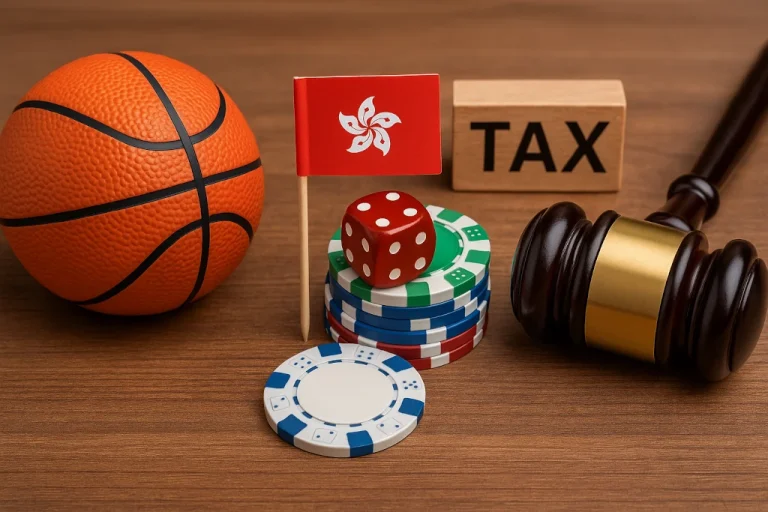
Hong Kong says tax is not the goal of the basketball betting proposal

0

The proposed legislative change would amend the Betting Duty Ordinance and allow The Hong Kong Jockey Club (HKJC), currently the territory’s sole legal betting operator, to offer wagers on basketball. At present, the Club is limited to horse racing, football, and lottery games.

If approved, basketball bets would be taxed at the same 50 percent rate currently applied to football wagering, and the HKJC would be responsible for implementing expanded responsible gambling safeguards, particularly targeting young fans.

Despite speculation that the move could help shore up government finances, officials have stressed that taxation is not the driving force. Alice Mak, Secretary for Home and Youth Affairs, emphasized that the primary goal is to curb the influence of black-market operators.

Hong Kong
A Hong Kong Jockey Club betting shop at night.

Mak made the comments as the Legislative Council continues deliberations on the proposal. She acknowledged that some feedback during public consultation included suggestions that legal basketball betting could help reduce the city’s budget deficit, but maintained that this is not the government’s objective.

The purpose is to offer a regulated platform for those who are already betting, so they’re not pushed toward illegal channels,” said Mak. She added that the administration has no intention of encouraging gambling, but rather aims to provide a safe and controlled environment for those who choose to engage in it.

Details around implementation, such as when basketball betting might be launched or how additional safeguards will be enforced, are still being finalized. If passed, the measure would mark a rare expansion of Hong Kong’s tightly controlled gambling landscape, which has traditionally taken a conservative approach to legal betting.

Isle of Man regulator bans former licensee over Singapore laundering links

0

The Isle of Man Gambling Supervision Commission (GSC) has indefinitely prohibited Phua Cheng Wan, the ultimate beneficial owner of former licensee Boldwood Software Limited, from holding any role in the island’s regulated gambling sector.

The move follows concerns over Phua’s integrity and potential links to international criminal networks, including a high-profile Singaporean money laundering case.

The action, announced on July 22nd, was taken under powers granted by the Gambling (Anti-Money Laundering and Countering the Financing of Terrorism) Act 2018 (GAMLA) and is aligned with the island’s recently issued National Risk Appetite Statement (NRAS), which outlines a stricter stance on financial crime risks, particularly from Southeast Asia.

Phua’s company, Boldwood Software, had held a gambling license from November 2022 until May 14th, 2025, when it voluntarily surrendered its license. The surrender came after the Commission issued an enforcement report and notification indicating that a formal meeting was scheduled to consider license cancellation.

Isle-of-man-GSC

The GSC investigation focused on whether Phua met the “fit and proper person” standard required under Section 4(2) of the Online Gambling Regulation Act 2001 (OGRA), which mandates that a licensee must be under the control of persons with integrity. As part of this probe, the Commission reviewed open-source materials and found sufficient evidence suggesting Phua’s association with criminal elements.

Although Phua has not been convicted of any offense, the Commission cited “evidence of association with bad actors” and concluded that this was grounds for regulatory action. The prohibition will remain in place unless and until Phua successfully petitions the Commission to lift or vary the ban.

This follows reports from Singapore media in June that Phua allegedly conspired with Wang Deha – one of the central figures in the country’s 2023 multi-billion-dollar money laundering case – to produce falsified documents for an employment pass. Acting as a director of Craft Digital, Phua is accused of instructing his human resources team to submit false statements claiming that Wang would be hired as a brand manager or business consultant, despite Wang having no intention to work for the firm.

The GSC highlighted that its regulatory objective includes preventing gambling from being a source or facilitator of crime. It emphasized that its decision to bar Phua is part of a broader commitment to protect the Isle of Man’s reputation as a credible jurisdiction for online gambling.

Isle of Man Peel GSC licensing gambling, responsible gambling

“Any controller of an entity regulated by the Commission is required to be a person of integrity at all times,” the Commission stated. “The Commission typically considers a person who lacks integrity not to be a controller and will also consider that person to not be fit and proper to perform any roles or engage in any functions within the regulated gambling sector.” The regulator also acknowledged Phua’s cooperation during the investigation, which helped bring the matter to a quicker resolution.

The ban underscores growing scrutiny of gambling operators with connections to Southeast Asia. The perception of rising infiltration by questionable Asian-facing operators has damaged the island’s international standing and prompted stricter regulatory enforcement in recent times. The NRAS, published earlier this year, specifically addressed concerns regarding geographic risk exposure. The GSC’s tougher approach is also impacting legitimate operators in the region, as regulators seek to apply broad integrity standards more stringently.

Despite this, the Commission reaffirmed its stance: “In seeking to fulfil its regulatory objectives, and in seeking to protect the Isle of Man’s reputation, the Commission will not hesitate to act robustly and in line with the Isle of Man’s risk appetite.”

Nepal introduces $7.4K reporting threshold for casino transactions

0

Casino operators in Nepal must now monitor and report customers who spend over NPR1 million ($7,400) within a twenty-four hour period, following a new directive from the country’s Department of Tourism, according to G2G News. 

This requirement is embedded within the recently introduced “Directive on Anti-Money Laundering and Combating Financing of Terrorism Related to Casino Operators (Designated Non-Financial Businesses), 2025.”

The regulation stipulates that gaming establishments must track both individual and combined transactions that meet or surpass the NPR1 million ($7,400) daily spending limit per customer. Casino operators have a fifteen-day window to submit these reports to Nepal’s Financial Information Unit through either the GoAML platform or alternative formats specified by the agency.

Nepal’s Financial Information Unit functions as the country’s central hub for collecting, analyzing, and distributing financial intelligence to law enforcement and regulatory bodies. The organization collaborates with India’s Financial Intelligence Unit and participates in the international Egmont Group network.

Beyond transaction reporting, the directive establishes comprehensive compliance obligations for casino operators. These include developing sophisticated internal monitoring systems, conducting thorough risk evaluations, and implementing enhanced customer verification processes. Operators must also identify politically exposed individuals and trace the source of gambling funds.

The new reporting requirements come just one week after the government implemented stricter entry barriers for casino operators under the revised Casino Regulation 2080 BS. The Ministry of Culture, Tourism and Civil Aviation increased the minimum paid-up capital requirement to NPR200 million ($1.48 million) for casino applicants, representing a substantial rise from the previous NPR150 million ($1.11 million) threshold that applied to mini-casinos operating modern or electronic gaming machines.

Galaxy Entertainment boss gives $3.7M to UTM, gets building named after him

0

Galaxy Entertainment Group Chairman Francis Lui Yiu Tung donated MOP30 million ($3.7 million) to the Macao University of Tourism (UTM), with the institution naming its main educational building after him in recognition of the contribution. 

Hong Kong
Galaxy Entertainment Group Chairman Francis Lui Yiu Tung

The Yiu Tung Building was officially inaugurated during a ceremony held on July 23rd, according to a press release from the university’s website on Wednesday.

The 14-storey building, formerly known as the Silver Jubilee Building, spans approximately 16,000 square metres and houses 58 theoretical classrooms, 54 academic offices, 4 educational kitchens, and mock hospitality facilities. The facility can accommodate over 2,000 students simultaneously and will serve as the primary teaching venue for degree programmes starting from the new academic year.

Lui, who also chairs K. Wah Group and serves as inaugural Chair of the Trustees Committee of the UTM Development Foundation, designated his donation to support academic development initiatives. The funding will establish teaching excellence awards, research excellence awards, outstanding paper awards, and foster exchange and collaboration programmes.

Cheung Kin Chung, Chair of the Executive Committee of UTM Development Foundation, expressed gratitude to Lui as the Foundation’s first Honorary Patron. He stated the Foundation would enhance its financial management mechanisms to ensure efficient resource utilisation, positioning the Yiu Tung Building as a benchmark for “high-quality teaching, breakthrough research, and effective talent cultivation” in tourism education and industry research.

Gaming expert warns total ban on Philippines online gambling could be “complete mistake”

A veteran gaming industry consultant has warned that implementing a total ban on online gambling in the Philippines would be a “complete mistake,” advocating instead for stricter regulation to maintain the sector’s substantial economic contributions while protecting players.

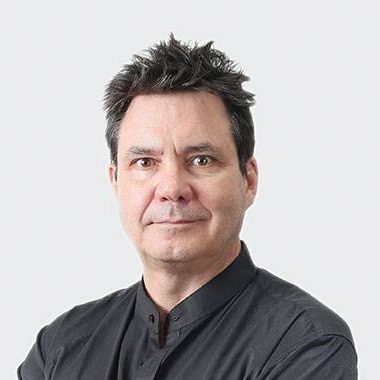
Alex Czajkowski
Alex Czajkowski

Alex Czajkowski, CEO of gaming market research firm Players Today and veteran iGaming consultant, told AGB that robust regulatory frameworks should strengthen rather than undermine investor confidence in the Philippine gaming sector. His comments come as lawmakers intensify calls for a complete prohibition on online gambling, with President Ferdinand Marcos Jr. expected to address the issue during his State of the Nation Address (SONA) scheduled for July 28th.

“Having a robust and active regulatory body that is looking to protect players and protect the operators from predatory offshore competitors shows how serious the Philippines is about building a healthy and thriving industry,” Czajkowski said, arguing that regulatory activity should boost rather than diminish investor confidence.

Hong Kong

Lawmakers push for complete prohibition

The debate over online gambling regulation has intensified following the formalization of the Philippine Offshore Gaming Operator (POGO) ban seven months ago. Several senators, including Juan Miguel Zubiri and Raffy Tulfo, have filed bills seeking a complete ban on online gambling activities, describing the industry as an “epidemic” requiring immediate government intervention.

However, the Philippine Amusement and Gaming Corporation (PAGCOR) has rejected proposals for total prohibition, citing the industry’s massive economic impact. PAGCOR Chair and CEO Alejandro H. Tengco revealed that the government generates more than 100 billion pesos ($1.8 billion) annually from online gambling operations, supporting approximately 32,000 direct employees and numerous ancillary businesses.

Czajkowski emphasized that complete prohibition represents a fundamental misunderstanding of both Filipino culture and regulatory best practices. “Gambling is the world’s 2nd oldest profession, and has been part of Filipino culture for 100s of years,” he noted, referencing how national hero José Rizal used gambling winnings to purchase a farm and citing the centuries-old tradition of games like jueteng and sabong.

Hong Kong

International regulatory failures offer cautionary tales

The consultant warned that overly restrictive regulations could drive the industry underground, pointing to failed regulatory models in Germany and the Netherlands where players migrated to offshore operators.

“We’ve seen disastrous results from regulations in Germany and the Netherlands, where players are leaving the overly-regulated sites for offshore operators … None of those proceeds make it back to the players’ countries.”

Alex Czajkowski

His warnings carry particular weight given Indonesia’s experience with complete online gambling prohibition. Despite deploying 150 specialists operating 24 hours daily and blocking close to 3.8 million gambling sites between July 2023rd and October 2024, underage gaming remains prolific in the country. 1 major slots provider has identified Indonesia as their top revenue source, highlighting the ineffectiveness of total bans.

We know banning it doesn’t work. It’s banned in China, yet more bets are made on EPL on a weekend than in a month in the UK,” Czajkowski concluded.

Online gambling, Philippines, ONline gambling ban, gambling addiction

Industry demonstrates strong growth momentum

The Philippine gaming sector has demonstrated remarkable growth, with Gross Gaming Revenue in the first quarter of 2025 maintaining a 27.44 percent growth pace. Notably, half of this revenue came from e-games, marking a historic first for the industry.

Current regulatory discussions encompass various measures including minimum wager restrictions, age verification improvements, e-wallet limitations, enhanced self-exclusion tools, and advertising restrictions. The government is also considering a 10 percent tax increase on online gambling operators, though gaming lawyer Tonet Quiogue has warned that operators already face some of the world’s heaviest tax burdens.

Stakeholder collaboration essential for effective regulation

Czajkowski stressed that effective regulation requires collaboration between all stakeholders, including operators, e-wallets, and telecommunications companies. He highlighted the importance of properly implementing existing Know Your Customer (KYC) and responsible gaming regulations rather than creating entirely new frameworks.

“The nightmare scenario for the industry is when an under-21 child of a prominent politician joins a site on their phone, deposits from their GCash account, and either wins and gets blocked at KYC or loses and complains.”

Alex Czajkowski emphasized the need for coordinated age verification across all platforms.

The consultant noted that Filipino players prefer PAGCOR-regulated sites when they can access desired games and competitive odds, suggesting that proper regulation can effectively compete with offshore operators. However, he acknowledged that no Tier-1 Western operators are currently seeking Philippine licenses, attributing this partly to infrastructure and political challenges.

OpenBet powers the launch of betting brand Bet do Milhão in Brazil

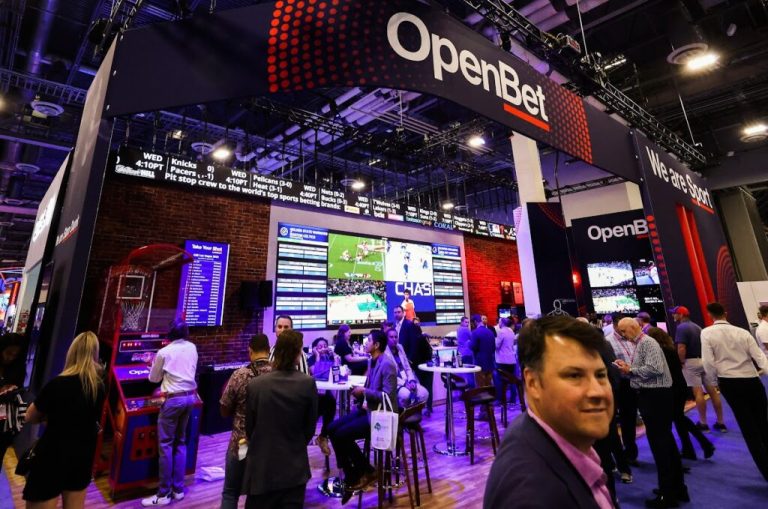
The global leader in betting & gaming technology, OpenBet, has launched its full end-to-end product suite with Todos Querem Jogar (TQJ), an investee company backed by Grupo Silvio Santos (GSS) and the operating entity behind the new betting brand Bet do Milhão.

bet do milhao, grupo Silvio Santos Brazil

This milestone debut positions the consumer brand — Bet do Milhão — at the forefront of Brazil’s regulated market, powered by OpenBet’s ecosystem, including Sportsbook and Casino technology, Player Account Management (PAM), BetBuilder, Managed Trading Services (MTS), and Responsible Gambling technology.

Grupo Silvio Santos (GSS), founded in 1958, is one of Brazil’s most influential and well-known media conglomerates. With the backing of Grupo Silvio Santos, TQJ’s first brand, Bet do Milhão, enters the market with a powerful combination of national reach, strong brand trust, and cutting-edge technology. The launch comes at a pivotal time, as Brazil’s Secretariat of Prizes and Bets (SPA) places Responsible Gambling and Compliance at the heart of its regulatory agenda – areas where Bet do Milhão is positioned to lead.

Todos Querem Jogar (TQJ)

At the core of TQJ’s safe and compliant offering is Neccton – the industry’s widely adopted responsible gambling solution and part of OpenBet’s player protection portfolio. As Brazil’s first operator to launch with Neccton, TQJ’s Bet do Milhão leverages its AI-powered platform to monitor player behavior in real time, enabling personalized interventions such as limit-setting prompts, live alerts, and behavioral feedback.

To deliver a safe, scalable, and high-performance betting experience, Bet do Milhão is utilizing OpenBet’s modular technology platform, built specifically for Brazil’s regulated market. The platform combines seamless Casino content delivery, advanced Player Account Management, and Managed Trading Services backed by 75+ expert traders and 24/7 coverage, powering more than 300,000 in-play events annually. Combined with dynamic BetBuilder across 11 sports and deep localized content, Bet do Milhão enters the market with the operational firepower and flexibility to lead from day one.

Leonardo Gadelha Sampaio, Chief Operating Officer at TQJ said: “Launching Bet do Milhão with OpenBet’s full technology stack gives us the confidence and ability to lead in Brazil. This is more than a product launch – it’s a statement of intent. With OpenBet’s support, we’re delivering a safe, exciting, and fully compliant betting experience that reflects the values of Grupo Silvio Santos and the expectations of Brazilian players.”

Jordan Levin, CEO of OpenBet, said: “Brazil is a hugely exciting and complex betting and gaming landscape, and we’re proud to be powering TQJ’s entry into this dynamic market with Bet do Milhão. Grupo Silvio Santos is a cultural institution for Brazilians, and this partnership reflects our shared commitment to trust, innovation, and regulatory excellence. From sportsbook and PAM to BetBuilder and player protection, we’re not just launching a brand, we’re raising the bar for the entire region.”

Groove Technologies & Azərlotereya OJSC partner to transform the iGaming landscape in Azerbaijan

The leading global iGaming platform and game aggregation solutions provider, Groove Technologies, has announced a landmark partnership with “Azərlotereya” OJSC, the official lottery organizer, iGaming and sports betting operator in Azerbaijan.

This collaboration will leverage Groove’s cutting-edge gaming platform and proven technological reliability to deliver an unparalleled digital experience to players across Azerbaijan.  

With a vast portfolio of over 15,000+ games from over 150 top-tier providers and a robust, scalable infrastructure, Groove’s platform ensures seamless performance, security, and innovation.

The partnership will introduce “Azərlotereya” players to a new era of immersive gaming, powered by Groove’s industry-leading payment solutions, real-time analytics, and player engagement tools.  

Rachel Tourgeman, Head of Partnerships at Groove Technologies, stated: “This partnership is a testament to Groove’s ability to deliver world-class gaming technology at scale. “Azərlotereya” recognised our platform’s unmatched reliability and depth of content, key factors in providing players with a premium, frictionless experience. Together, we’re setting a new standard for digital lottery entertainment.”  

Commenting on the partnership a representative of “Azərlotereya” OJSC added: “Our mission is to bring innovation and trust to “Azərlotereya” gaming landscape, and Groove’s proven platform aligns with that vision. Their technology’s stability and expansive game library allow us to elevate our offerings while maintaining the high standards of security and compliance. This partnership marks a major leap forward for our digital transformation.”

Groove’s platform is engineered for high-traffic environments, ensuring zero downtime and lightning-fast transactions, a critical advantage for “Azərlotereya” OJSC’s growing player base. The integration also includes advanced responsible gaming features, reinforcing both companies’ commitment to safe and sustainable play.  

Trusted by partners worldwide, Groove turns complexity into competitive advantage. With a commitment to transparency and player satisfaction, “Azərlotereya” continues to pioneer the future of gaming in the region.  

Yahale Meltzer, Co-Founder and COO of Groove Technologies, concluded: “At Groove, we don’t just power gaming platforms, we power possibilities. Collaborating with a forward-thinking partner like “Azərlotereya” allows us to demonstrate how technology can redefine an industry. This is just the beginning of a partnership that will drive innovation, engagement, and growth for years to come.”  

Slotegrator’s 6 key rules for defeating the ‘silent killers’ in online casinos

While success stories in the online casino industry often steal the spotlight, tales of failure remain in the shadows. Yet behind most unsuccessful ventures lie the same elusive threats — the “silent killers.” Slotegrator reveals six golden rules to help iGaming businesses uncover these hidden dangers and stop them before they cause lasting damage.


If companies want to avoid big problems, they need to solve the small ones before they grow. That’s the key principle behind finding the silent killers that can take down iGaming businesses. 

First of all, most casino operators focus on traffic, acquisition, and design — and don’t notice the invisible factors that slowly destroy their business, day after day. These “silent killers” don’t make headlines, and they don’t call much attention to themselves, but they do cause lost revenue, player churn, and even legal troubles. 

Slotegrator’s experts have identified the six most common “silent killers” threatening online casinos worldwide and explain how to protect online casino platforms.

Not having a license

Operating without the proper license limits access to payment systems, pushes away partners, and leads to player distrust. Worse, it can easily attract the attention of the regulatory authorities. Without the right license, the business, finances, and reputation will be at risk.

Rule 1: Select and secure a license that aligns with your target market and long-term business objectives.

Weak platform  

The platform is the foundation of every iGaming business. If it loads slowly, if it crashes under traffic, if it’s outdated or not mobile-optimized, players will simply leave. In the modern iGaming market, there’s always another option just a few clicks away. If online gaming platforms aren’t operating at the highest performance, there’s absolutely nothing stopping players from finding one that is. 

Rule 2: Choose a reliable online platform that is fast, flexible, and built to scale — with built-in modules for casino and sportsbook operations. Slotegrator’s turnkey online casino platform is one of the strongest solutions in the iGaming market.

Poor compliance

Ignoring KYC and AML requirements may seem like a shortcut, but it leads to serious risks: frozen funds, license revocation, and massive fines. Poor compliance can destroy everything that has been created. 

Rule 3: Invest in tools and integrations to automate KYC, verify users, and maintain compliance in real time.

Outdated game portfolio

If a platform portfolio lacks diversity, trending formats, or local hits, there won’t be anything to grab players’ attention. This is why we see so many headlines in industry news outlets about new partnerships; everyone wants to keep their game portfolio filled with fresh options. This is the key to avoiding bored, dissatisfied players. 

Rule 4: Find a smart API solution to save effort, time and money. Slotegrator aggregates 180+ top game providers in a single API for an up-to-date, localized, and high-performing game library.

No real customer support

When technical issues occur, slow or robotic support can turn minor issues into major losses. Players contacting support aren’t just tickets in a system; they’re frustrated human beings with an issue that they need resolved. Using AI chatbots for support has become standard, but they need to know when to kick the problem up to a real human with emotional intelligence.

Support is about constructive dialogue as much as it’s about the technical solution

Rule 5: Build a multilingual and a client-focused support team which is available 24/7 so players are never alone when it matters most.

Ineffective marketing

Many operators pour massive budgets into advertising without a clear strategy, burning cash on traffic that doesn’t convert or retain. Generic campaigns, poor segmentation, and a lack of understanding of local markets lead to high CPA, low LTV, and player churn. Without data-driven marketing and localized user acquisition tactics, even great platforms struggle to grow.

Rule 6: Create a data-driven, localized marketing strategy focused on long-term player value — so the budget brings real, measurable growth.

Summing up

Naman Bajaj, senior sales manager at Slotegrator
Naman Bajaj, Senior Sales Manager at Slotegrator

Naman Bajaj, senior sales manager at Slotegrator, emphasizes: “Too often, operators don’t understand how to prioritize investments: some of them start from design and marketing but overlook the foundation; others think only about the technical stuff, but underestimate the value of marketing, licensing and other points. Without the right license, a stable platform, regulatory compliance, a strong game portfolio, and smart marketing, a casino becomes vulnerable — even if the metrics look promising at first. These risks don’t always appear on a dashboard, but they silently “corrode” player trust, revenue, and growth. At Slotegrator, we help operators build a solid, scalable system where every critical component — from licensing to support — works together seamlessly.”