Home Blog Page 328

PH casino operator Hann Holdings delays IPO citing weak market conditions

0

Hann Holdings Inc., operator of the Hann Casino Resort in Pampanga, has deferred its PHP13 billion ($232 million) initial public offering (IPO) due to unfavorable market conditions.

The casino firm notified the Securities and Exchange Commission and Philippine Stock Exchange of the postponement, confirming earlier reports that cited ‘prevailing market conditions’ as the primary reason for the delay. The IPO was originally scheduled to run from September 9th-15th, with listing on the PSE main board planned for September 23rd.

According to the company’s preliminary prospectus, Hann Holdings intended to offer 500 million primary shares at PHP23.60 ($0.42) each, with an over-allotment option of up to 50 million additional shares at the same price from existing shareholder Hann Group Holdings WLL. The primary offering was expected to raise PHP11.43 billion ($204 million) for capital expenditure, development, expansion plans, and general corporate purposes.

The postponement occurs as Hann Holdings expands beyond traditional casino operations into the digital gambling space. The company launched its online platform, Hann Live Online, in the Philippines in August 2024, entering a market experiencing dramatic growth but increasing regulatory scrutiny.

The Philippine online gambling sector has exploded from PHP7.8 billion ($140 million) in gross revenues in 2022 to PHP133.4 billion ($2.4 billion) in 2024, prompting lawmakers to describe it as a “silent epidemic” requiring urgent intervention. The Philippine Amusement and Gaming Corporation (PAGCOR) has advocated for stricter regulation rather than outright bans, while the central bank has directed e-wallet companies like GCash and Maya to remove in-app gambling platform links.

Hann Philippines operates an 11-hectare property in Pampanga featuring the Clark Marriott, Central Luzon’s first five-star luxury hotel, and the country’s first Swissotel. The company plans to pursue its IPO once market conditions improve.

With Hann’s deferment, only one IPO has been completed this year—Cebu-based fuel retailer Top Line Business Development Corp. in February—highlighting investors’ cautious approach amid geopolitical tensions and global trade uncertainties.

Breakdown of the key points for India’s new law to ban real money gaming

0

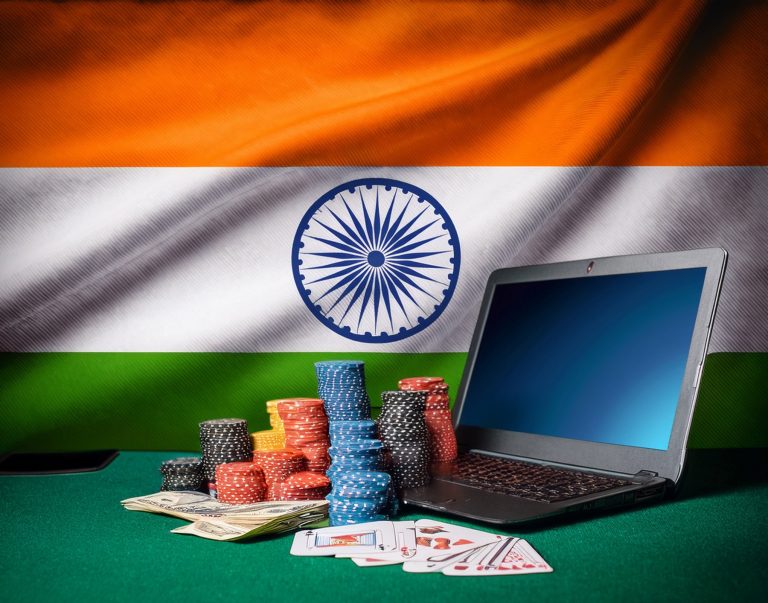
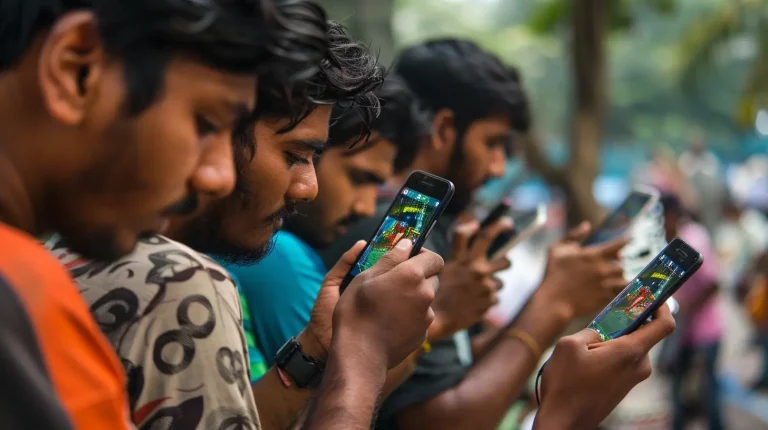
India has moved to ban real money games and, while still lacking the president’s approval for implementation, it has the sector reeling. Here are some key takeaways from what it’s targeting and why it’s being enacted.

India real money games ban

What’s in the bill?

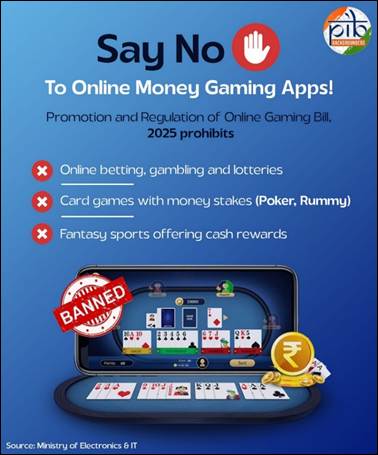
‘The Bill imposes a complete ban on online money games […] Advertising and promotion of such games is strictly prohibited. Financial transactions related to these platforms cannot be processed by banks or payment systems’.

Any ‘unlawful platforms’ can be blocked.

The bill also notes that an online gaming authority, at a national level, will be established, ‘or an existing one may be designated for oversight’.

The function of the body? ‘Categorizing and registering online games, deciding whether a game qualifies as a money game, and addressing public grievances’.

Penalties

  • Offering or facilitating online money games can lead to imprisonment of up to three years and a fine of up to RS10 million ($114K)
  • Financial transactions ‘linked to these games are also punishable with similar penalties (above)
  • Advertising such games can attract a jail term of up to two years and a fine of up to RS5 million ($57.2K)

Note: repeat offenders can face penalties including up to five years in jail and fines of up to RS20 million ($228.7K). ‘Police can arrest without a warrant and bail is not a right’.

While companies and their officers will be held accountable for offenses, independent directors and non-executive directors (not involved in day-to-day decisions), won’t be punished if they ‘can show that they acted with due diligence’.

Investigations

The right to potentially enter premises and make arrests without a warrant is also encompassed ‘in certain cases’. When authorized, officers may ‘investigate, search and seize both digital and physical property linked to offenses’.

Reason for implementation

India

The Government of India’s Press Information Bureau released a detailed explanation of the Promotion and Regulation of Online Gaming Bill 2025.

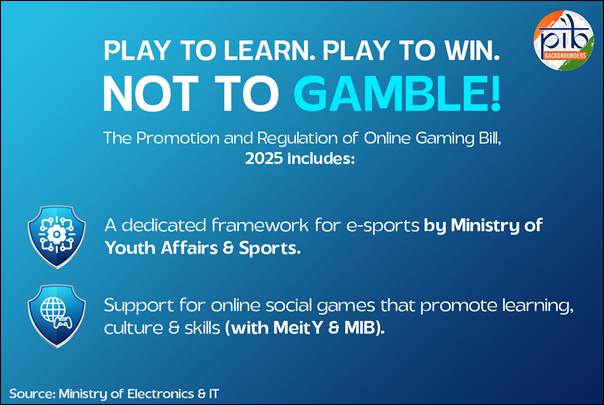
One key highlight of this is that, while its goal is to shut down real money games, it aims to promote e-sports and online social games.

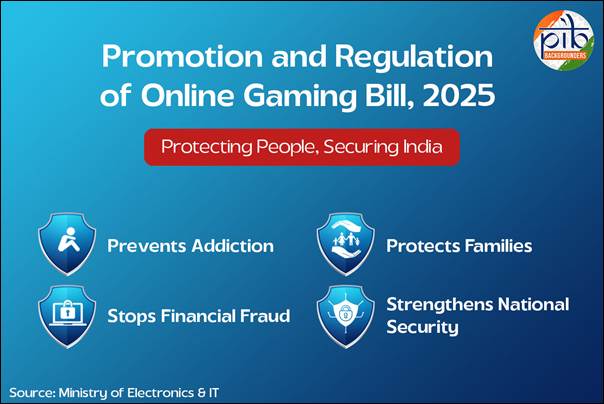
According to its extensive release on the bill, the government highlights five key reasons for its implementation:

  • ‘Addiction and financial ruin’: ‘compulsive play’ causes players to ‘lose their entire savings chasing the illusion of quick profits’
  • ‘Mental health and suicides: ‘the bill seeks to prevent such tragedies by banning these exploitative platforms’
  • ‘Fraud and money laundering’: platforms have been ‘misused for illegal activities’
  • ‘Threat to national security’: ‘some gaming platforms were being used for terror financing and illegal messaging’
  • ‘Closing legal loopholes’: ‘the bill ensures that the same standards apply in both physical and digital spaces’
  • ‘Encouraging healthy alternatives’: ‘e-sports will be promoted as a legitimate sort […] while social and educational games that build skills and cultural values will receive government support’

Online money games are defined as ‘games where financial stakes are involved, whether based on chance, skill, or a combination of both’.

India online gambling 2025

Information by the bill claims some 450 million people in India are ‘negatively affected by online money games’ and ‘faced a loss of more than’ RS200 billion.

‘There is a lack of coherent and enabling legal framework that can promote structure growth of the sector and allow responsible gaming practices to evolve’.

The bill also notes that ‘many gaming platforms operate from offshore jurisdictions’, which ‘presents challenges in terms of extra-territorial jurisdiction and inter-state inconsistencies’.

The government’s viewpoint

According to its published statement, the government notes that ‘The Promotion and Regulation of Online Gaming Bill, 2025, marks a decisive step in India’s digital journey. It recognizes the dangers of unregulated money gaming and responds with firm safeguards to protect citizens. At the same time, it carves out space for e-sports and educational games that nurture skills and creativity. By balancing innovation with responsibility, the Bill sets the tone for a safer and healthier digital future. It also strengthens India’s standing as a nation that can lead in shaping global digital policy. Most importantly, it ensures that technology serves society rather than harms it.’

Daily Asia Gaming eBrief: India’s parliament passes bill banning real money games

0

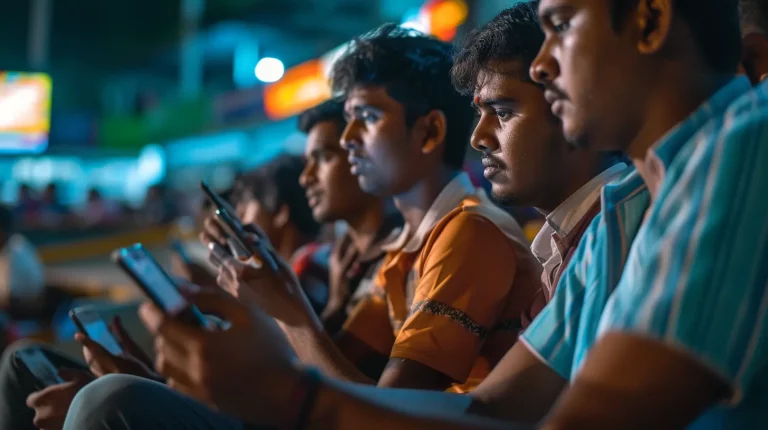
Good Morning. Bills and bans appear to be the trend for 2025. The most recent is India’s Promotion and Regulation of Online Gaming Bill 2025, which was passed by the upper house of parliament and now only requires the president’s approval before implementation. But operators are banding together to attempt to appeal the move. Moving to restrictions in the Philippines, TikTok is now banning all gambling ads in the country, amongst a call for a large-scale transformation of the sector. In Macau, things are looking up for this year, as analysts predict GGR could see a double-digit increase, boosted by mass-oriented operators such as Sands.

What you need to know


On the radar


AGB Intelligence

Google, Gambling Apps, real money gaming, illegal online gambling, India

Parliament passes ban on real money games

India is one step away from passing a total ban on real money games in the country, after the nation’s parliament approved the new bill, despite vehement opposition. The Promotion and Regulation of Online Gaming Bill 2025 now only requires the rubber stamp from the nation’s president to come into effect, potentially curtailing a sector that was estimated to see explosive growth. Operators are now trying to band together to appeal the legislation, lobbying for increased distinction between types of games covered by the ban, such as skill-based games and opinion trading.


Corporate Spotlight

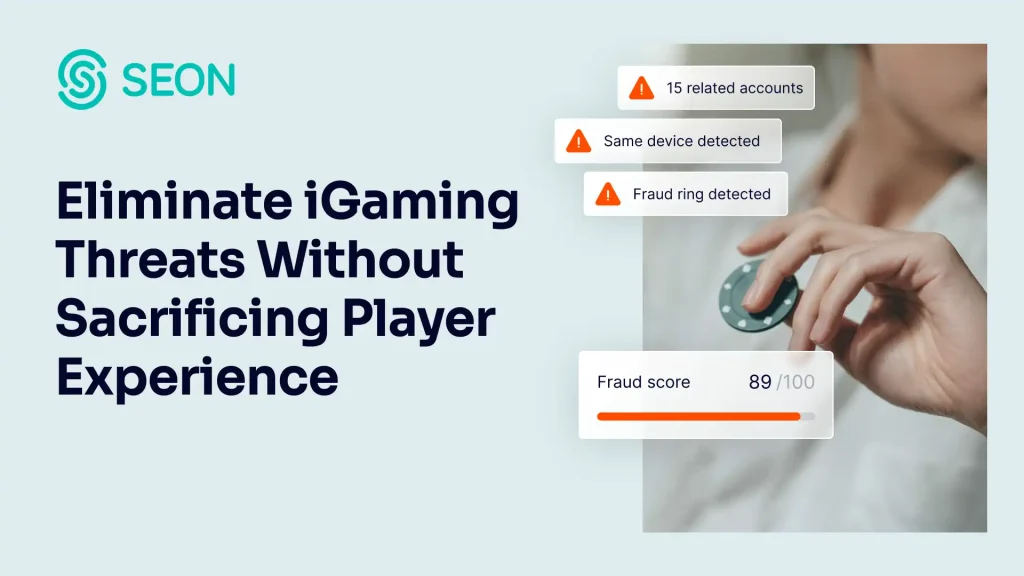
Why Asia’s iGaming operators must rethink risk strategy | SEON

SEON,Winning Trust, Stopping Fraud: Why Asia’s iGaming Operators Must Rethink Risk Strategy

Winning Trust, Stopping Fraud. Asia Pacific’s iGaming market is expanding extremely fast, and a new wave of digital-savvy players is pushing demand through the roof. But the rise in adoption has outpaced regulation in many markets, and fraudsters have taken notice.


Industry Updates


INTELLIGENCE | ASEAN | CAREERS

Product Madness launches NFL Super Bowl Slots, first-ever free-to-play NFL-licensed social casino mobile game

0

Product Madness, Aristocrat Leisure Limited’s market-leading free-to-play social casino business, has announced the official worldwide launch of NFL Super Bowl Slots, the first-ever NFL-licensed free-to-play (for 18+) social casino mobile game.

Developed in collaboration with the National Football League (NFL) and the National Football League Players Association (NFLPA), this innovative free-to-play mobile application invites social casino players to play their fandom—anytime, anywhere.

To celebrate the launch, Product Madness has teamed up with standout NFL linebacker, Micah Parsons, as a brand ambassador to help spotlight the game’s unique blend of sports passion and free-to-play social casino entertainment.

“With NFL Super Bowl Slots, we set out to do more than just build a game – we wanted to create a new way for fans to experience the sport they love,” said Matt Labbat, Senior Vice President and Head of Product Madness. “Every detail was crafted to channel team pride and authenticity into one free-to-play mobile game experience.”

NFL Super Bowl Slots reimagines social casino entertainment by blending the electrifying energy of the NFL gameday experience with the excitement of social casino slots. Available for free to download and play on both Android and iOS, the game offers a variety of free-to-play slot games to choose from, all of which allow players to customize their experience by selecting any of the NFL’s 32 teams, unlocking fully branded content tailored to each franchise.

“NFL Super Bowl Slots represents a fresh take on gaming at the league that will reach new fans who can engage with their favorite teams through exciting and interactive gameplay,” said Ed Kiang, vice president of video gaming at the NFL. “Through our partnership with Aristocrat and the expertise from Product Madness, we can provide fans (18+) a free-to-play gaming experience right at their fingertips, that will keep them engaged with our sport while also enjoying the liveliness and enthusiasm that is embedded in social casino entertainment.”

Yggdrasil releases 4 Wolves of Fortune with popular GEM DoubleMax

0

Yggdrasil has rolled out 4 Wolves of Fortune, the latest core title to feature the high-performing DoubleMaxTM Game Engagement Mechanic (GEM) which offers unlimited multipliers and infinite thrills.

Set in an American canyon, the game features four different colored wolves as the high performing icons. All winning symbols are removed and new icons drop down to replace them for another chance to win and also sees an extra wild added.

With the DoubleMax GEM, every consecutive avalanche doubles the game’s multiplier with no limit for extra win potential.

Three Free Spins symbols triggers the bonus round, where players are first given the opportunity to gamble for even more free spins.

4 Wolves of Fortune sees Yggdrasil expand its vast collection of GEM slots which now include 10 proprietary mechanics which have gained a fan-following around the globe. 

Tomasz Kowalik, Head of Games Production at Yggdrasil, said: “DoubleMax is one of our best performing GEMs, offering unlimited multipliers, turning every spin into a chance for rising rewards

“With a proven theme, a generous bonus round and popular mechanics, this title will appeal to players of all demographics.”

SkyCity completes institutional component of equity raising

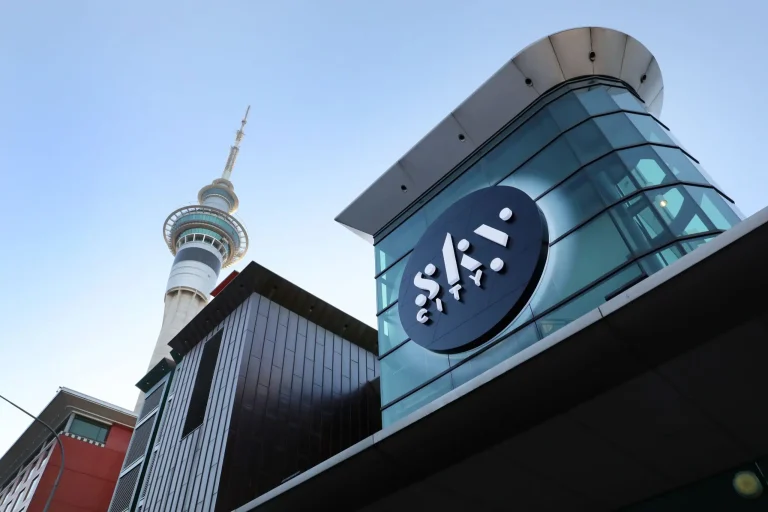
New Zealand and Australia gaming operator SkyCity Entertainment Group has announced that it has finalized the institutional component of its equity raising action and will move ahead with the retail component of the capital increase.

According to a Friday statement by the firm, the Placement and Institutional Entitlement Offer ‘raised gross proceeds of approximately NZ$195 million ($113.5 million), with strong take up from investors’.

The group highlighted that the Institutional Entitlement Offer, of approximately NZ$159 million ($92.55 million), saw 95 percent of institutional shareholders elect to take up their entitlements.

The Retail Entitlement Offer will now open on August 26th and close on September 4th, with the same price point of the institutional offer.

Speaking of the move, which had faced some opposition from shareholders, SkyCity Chief Executive officer Jason Walbridge noted that “We are pleased with the success of the Institutional Offer, and the strong take up from eligible institutional investors. The equity raise will strengthen SkyCity’s balance sheet, allowing us to better navigate the current environment and execute on our near-term priorities”.

The company is now set to resume normal trading on Friday on the New Zealand Stock Exchange and Australian Securities Exchange. Trading of the new shares is expected to begin on August 28th, with the shares ranking equally with existing and fully paid ordinary shares of SkyCity quoted on the exchanges.

Sri Lanka passes bill to establish independent Gambling Regulatory Authority

0

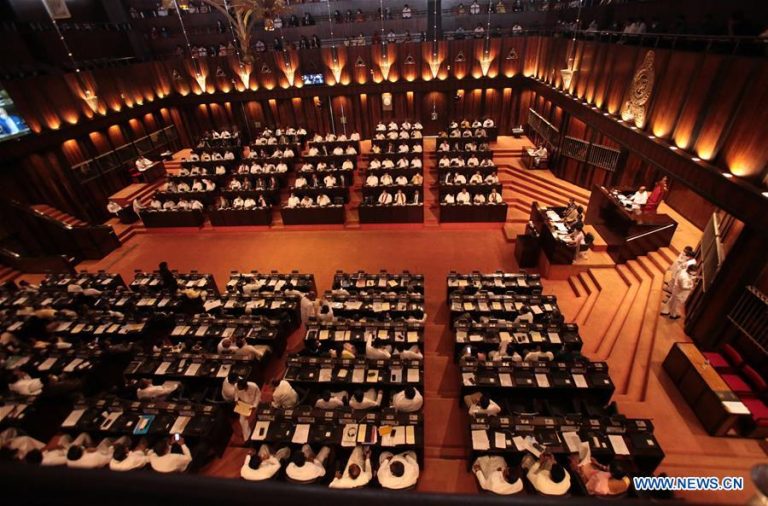
Sri Lanka’s parliament has passed a bill to set up the Gambling Regulatory Authority, paving the way for the establishment of the nation’s official oversight body.

According to local media reports, the bill was passed unanimously.

Its successful passage comes just over a week since the proposed bill was approved by the Parliamentary Committee on Public Finance.

The bill allows for the establishment of the Gambling Regulatory Authority as an independent oversight body, aimed at standardizing betting and gaming operators within the country, developing tourism and growing the economy while also minimizing possible social harm from its growth.

The regulator will also license casinos and ensure their compliance with regulations, including those for anti-money laundering.

Currently operating casinos will be given time to come under the oversight of the new regulator.

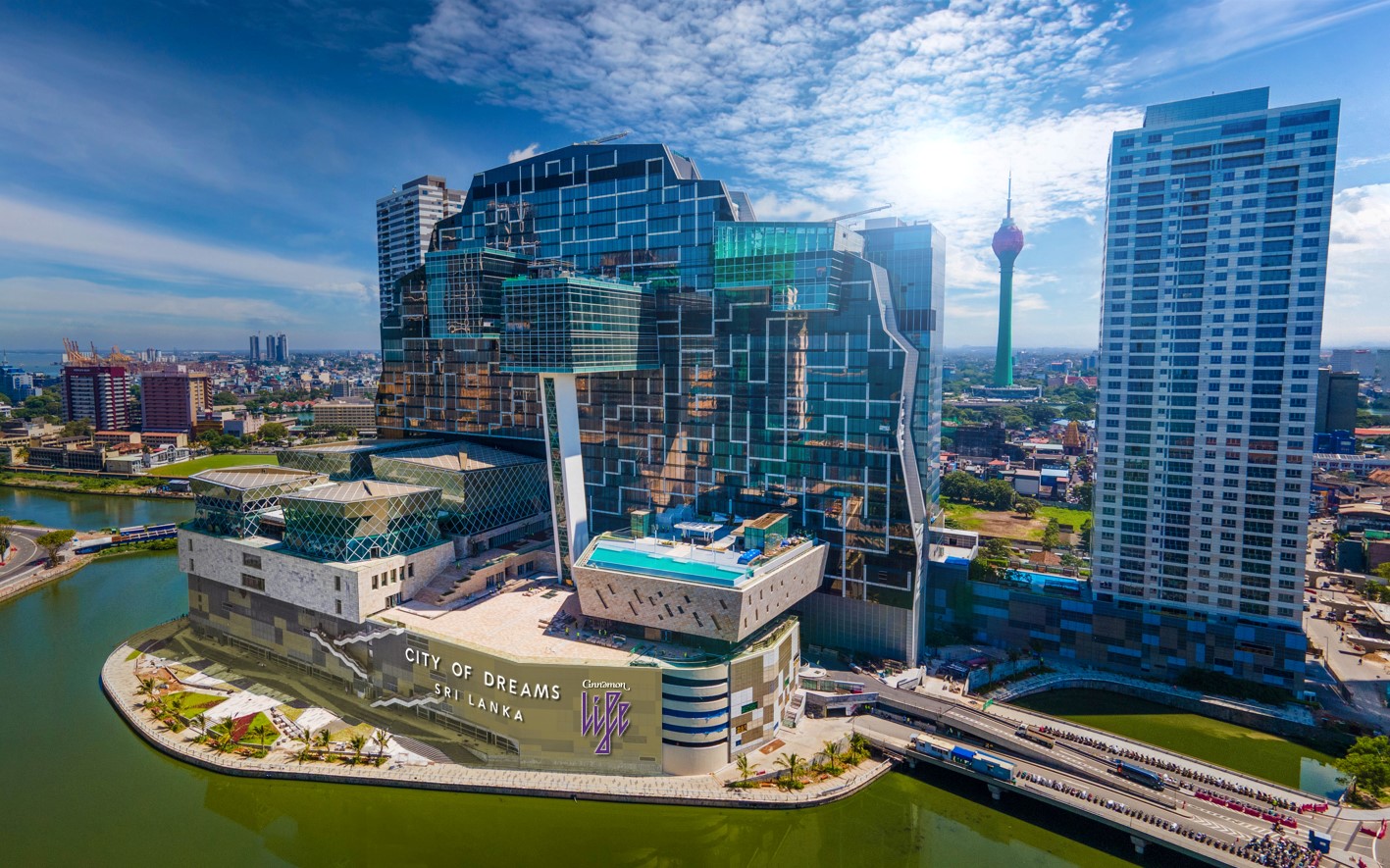
Melco Resorts, City of Dreams Sri Lanka
City of Dream Sri Lanka

The bill is of particular importance given the recent opening of Melco’s City of Dreams Sri Lanka, which aims to shape the nation into “India’s Macau”, due to its geographic proximity to the target market.

Experts previously told AGB that shaping Sri Lanka into such a gaming hub would require consistent regulatory frameworks and careful management of public opinion, if it hopes to achieve the success that Macau has seen.

The $1.2 billion property officially fully opened on August 2nd, marking the country’s largest-ever private investment and Melco’s first foray into South Asia.

India passes bill banning real money games, despite industry opposition

India’s Parliament has passed a bill banning online games played with money, which now only requires the nation’s President to sign into law.

According to Reuters, the signing by the top official is considered a formality, and no date has been set yet for this to take place.

Earlier in the week, the Promotion and Regulation of Online Gaming Bill 2025 was passed by the lower house, despite industry opposition.

Gaming groups in the country are now in talks to lobby the Supreme Court for a possible reversal on the ban, citing the success of the industry, the lack of consultation and the inclusion of skill-based games – which critics argue should be exempted, notes the publication.

It’s not currently clear how successful the attempts to block the new legislation may be.

Under the new legislation, online money games are defined as being played by a user by depositing money in expectation of winning monetary and other enrichment.

The bill aims to prohibit online money gaming services, advertisements and financial transactions deemed psychologically ‘harmful’.

Speaking in parliament on Thursday, Ashwini Vaishnaw, the federal IT minister heading the department that crafted the bill, noted “It is the duty of the government and the parliament to take strict action against social evils, which keep erupting time and again”.

India real money games ban

Industry voices in opposition

According to some estimates, the online money games industry (or real money games – RMG) was expected to be worth up to $3.6 billion by 2029.

Under the new legislation, penalties of up to three years in jail and fines for non-compliance can be levied.

In a statement to AGB prior to the bill’s passage of the upper house, online skill-based trading platform Probo noted that it welcomed the government’s push for regulation but warned that a total ban could choke the sector.

‘A blanket ban on all real-money games could unintentionally limit the sector’s potential and stifle innovation’. The group proposed differentiated rules that could help protect users, generate sustainable tax revenues, create jobs, and prevent users from migrating to unregulated markets.

Differentiated products

The Indian legal system makes a clear distinction between games of skill and games of chance. According to the Supreme Court of India, any game that requires knowledge, logic, and expertise is legal and is not gambling.

Probo describes itself as an online skill-based platform where you’re rewarded for answering binary questions on events and taking positions on issues such as cricket, news, or politics, and being skill-based is compliant with Indian laws and can operate freely across most states.

Central to its appeal is the recognition of opinion trading — also known globally as prediction markets. Probo argued that the format should be explicitly acknowledged in law as a skill-based activity distinct from gaming.

‘In India, opinion trading has been characterized as a game. However, in the United States of America, it has been regulated by the Commodity Futures Trading Commission as a Designated Contract Market — or in layman’s terms, a financial market for information exchange and trading,’ Anurag Dhandhi, Business Head at Probo, said in the statement.

‘At its very core, opinion trading (prediction markets) is a tool for economic insight, information aggregation, and forecasting that enables users to apply judgment, knowledge and analysis to real-world developments. By fostering informed and responsible participation, it goes beyond entertainment,’ he added.

Dhandhi said the sector, though nascent, is already thriving worldwide and contributing to ‘financial literacy, data-driven decision-making and strengthening the larger digital economy.’

He urged Indian regulators to seize the opportunity: ‘While we applaud the government’s intent to introduce a progressive framework, we urge the government to build on this vision by explicitly recognizing opinion trading as a permissible skill-based activity and by adopting a differentiated regulatory approach instead of a blanket prohibition.’

The company also highlighted the broader socioeconomic value of prediction markets — from promoting digital inclusion and employment to combating misinformation and democratizing access to trading and innovation.

‘As India shapes the future of its online gaming industry, we are committed to collaborating with regulators to establish opinion trading as a recognized, skill-based format. This clarity is paramount to safeguarding users, fostering responsible innovation, and unlocking substantial economic value — ultimately positioning India as a pioneer of a transformative, regulated technology sector on the global stage,’ Dhandhi said.


Macau FY25 GGR increase could reach double digits: Seaport after LVS meeting

0

The rebound in Macau’s gross gaming revenue in recent months has been driven by ‘higher spend by wealthy Chinese, increased agency and junket business, more visitation and higher frequency’.

According to Seaport Research Partners Senior Analyst Vitaly Umansky, growth has mostly been ‘driven by higher ends of the market’. However, the overnight base mass is still ‘weak’ even as day-tripper business grows.

For the year overall, the outlook ‘looks good, with double-digit growth in GGR (gross gaming revenue) for the market possible’.

Macau saw a total of MOP140.89 billion ($17.51 billion) in GGR during the first seven months of the year, up by 6.5 percent yearly.

Earlier this month, Umansky highlighted that July had delivered the best GGR month since COVID, at MOP22.12 billion ($2.75 billion), up 19 percent yearly, noting it was ‘significantly better’ than initial expectations.

The analyst also noted that ‘visitation growth remains robust and spend per visitor is improving’.

The new analysis of the Macau market notes the possibility GGR growth could exceed its revised FY25 GGR growth forecast of 9 percent, driven by ‘increased marketing and improving China consumer sentiment, coupled with stronger higher quality average visitation into Macau’.

Outlook for Sands China

The indication of the possibility for double-digit growth this year comes after Seaport’s meeting with Las Vegas Sands, during Day 2 of its 2025 Seaport Annual Summer Conference.

Aside from the overall market takeaways from the meeting, Umansky noted that ‘Sands has been revamping its marketing and player reinvestment to be more competitive in the market and to grow revenue, EBITDA and share’. But he does caution that ‘Sands is still in the early days of the revamped marketing effort’.

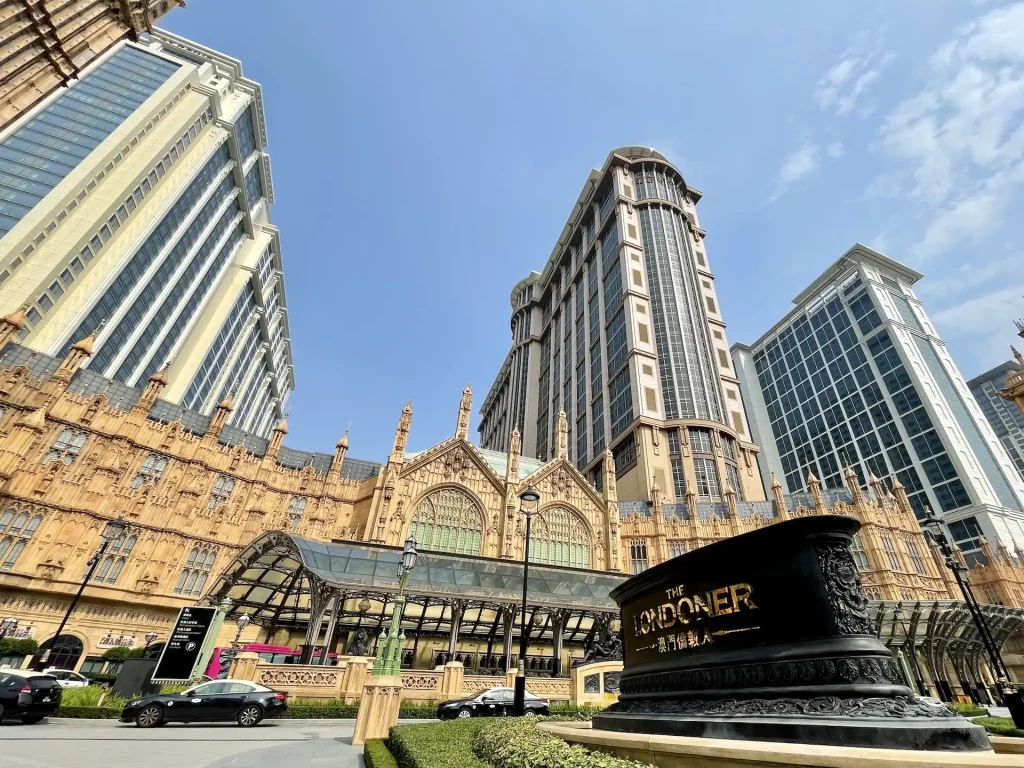
The Londoner Macao, Sands China, Macau, Las Vegas Sands

Now that the revamp of its Londoner property is finalized, marketing efforts are likely to redouble.

‘Player reinvestment dollars will go up, but ratio to revenues may start coming down/holding steady from last quarter levels,” notes the analyst, also pointing out how operational expenditure should increase in the low single digits as more labor is required to operate more open gaming tables.

‘The company will grow EBITDA sequentially. Higher growth in the market may benefit Sands due to its large capacity in hotel rooms and gaming positions,’ he furthers.

The expectation is that Sands China could raise dividends ‘as business improves’, hoping to hit up to $1.5 billion, of which – notes Umansky – Las Vegas Sands will receive over 72 percent.

The analyst also opines that LVS may ‘continue to buy back some Sands China stock to increase its ownership’.

Reef Casino Trust profit plunges 23.9% in 1H25 amid regulatory costs and takeover bid

0

Reef Casino Trust, operator of the Reef Hotel Casino in Cairns, Australia, reported a significant decline in financial performance for the first half of 2025, with net profit attributable to members falling 23.9 percent to AU$1.65 million ($1.02 million) compared to AU$2.17 million ($1.34 million) in the same period last year.

The trust’s revenue from ordinary activities also decreased, dropping 3.3 percent to AU$11.24 million ($6.94 million) from AU$11.62 million ($7.18 million) in the first half of 2024. This decline in revenue, combined with higher operational costs, contributed to the reduced profitability.

Distributable profit, a key metric used to determine distributions to unitholders, fell 23.9 percent to AU$3.30 million ($2.04 million) from AU$4.34 million ($2.68 million) in the prior period. Consequently, unitholder distributions were reduced to 6.63 cents per unit compared to 8.71 cents per unit in the first half of 2024.

Chair Wendy Morris attributed the challenging performance to several factors impacting the trust’s primary income source – rentals from the Reef Hotel Casino complex. “Total revenues at the Reef Hotel Casino were above the prior comparative period, however, higher costs primarily the casino supervisory levy and costs in relation to achieving regulatory uplift requirements resulted in lower rentals for the Trust,” Morris explained.

The trust’s performance was further impacted by transaction-related costs associated with a proposed takeover bid. According to the report, distributable profit would have been approximately AU$536,000 ($331,000) higher without these costs.

Despite revenue challenges at the complex level, some segments showed resilience. Hotel room revenues increased 9.4 percent, supported by strong bookings from interstate visitors. Table gaming revenues also rose 6.8 percent, though this was offset by a 0.3 percent decline in electronic gaming revenue and a 3.3 percent decrease in food and beverage sales.

The trust faces ongoing challenges from regulatory changes following the Casino Control and Other Legislation Amendment Act 2024, which has resulted in increased compliance costs and regulatory fees. Additionally, the slow recovery of international tourism to pre-COVID levels continues to impact visitor numbers.

In the near future, the trust is subject to a takeover bid from Iris Cairns Property Pty Ltd, offering AU$3.72 ($2.30) per unit, which would value the trust at approximately AU$185.3 million ($114.5 million). The board has unanimously recommended unitholders accept the offer, subject to certain conditions including regulatory approval and an independent expert’s assessment.

The trust maintains total assets of AU$100.96 million ($62.39 million) and an unused debt facility of AU$13.0 million ($8.03 million), providing financial stability despite the current performance challenges.