
Home Blog Page 265

Macau gaming revenue hits post-2019 high as high-end play fuels growth: Seaport

0

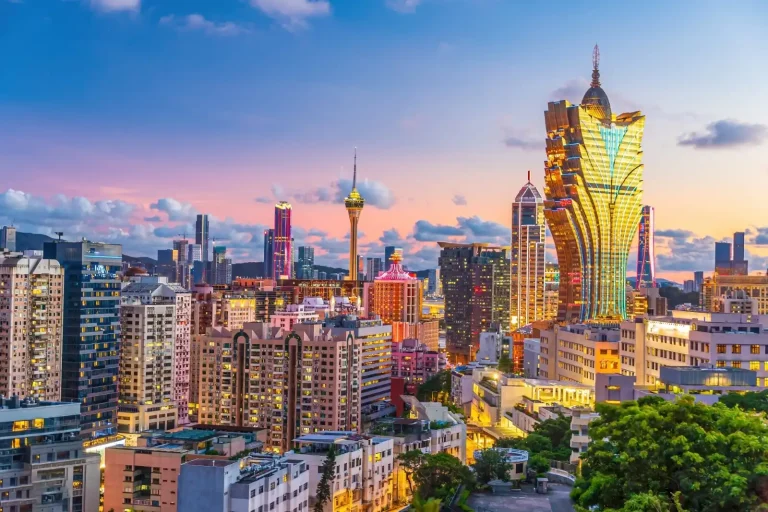
Macau’s gaming revenue in October soared 15.9 percent year-on-year to MOP24.09 billion ($3 billion), the highest monthly gross gaming revenue (GGR) since 2019, driven by robust high-end play that offset softer Golden Week performance, according to Seaport Research Partners.

The result sharply beat market expectations of an 11.7 percent rise and marked 91 percent of pre-pandemic levels for the same month in 2019.
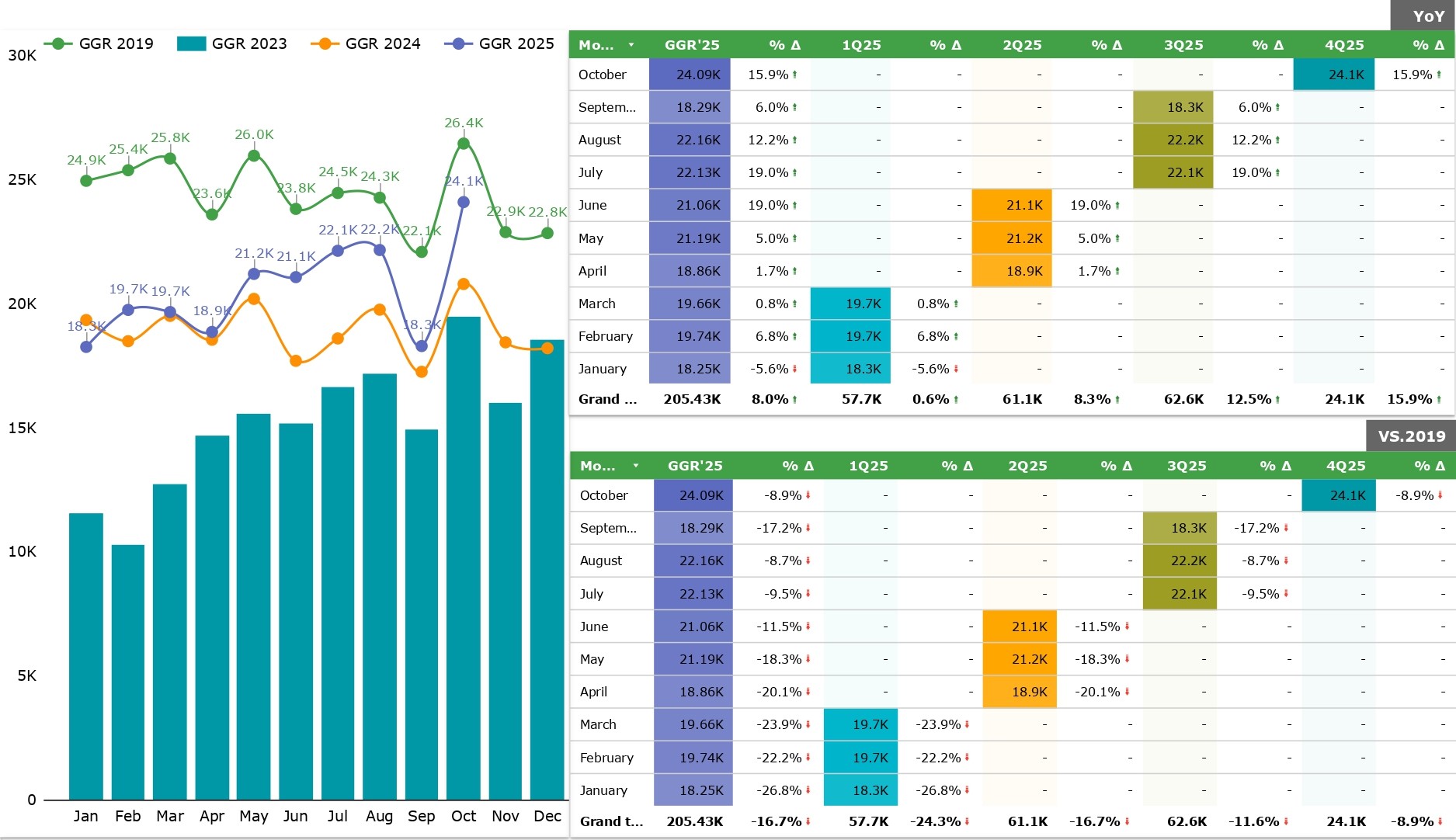
Senior analyst Vitaly Umansky of Seaport said October’s performance ‘obliterated expectations’ as premium mass and VIP segments outperformed. ‘While Golden Week was softer than anticipated, high-end play for the rest of the month more than compensated,’ he noted. The strong result was also supported by favorable VIP hold rates and sustained liquidity in the system.

Macau’s gaming industry continues to benefit from a shift toward premium mass players and affluent tourists from mainland China, particularly from Guangdong, Shanghai, and Zhejiang. Although base mass recovery remains uneven, Umansky pointed out that the mid-tier segment has shown improvement, suggesting broader stabilization across visitor spending patterns.

macau

Forecasts point to continued growth

Seaport projects that November GGR will increase by 11.5 percent year-on-year, reflecting a typical month-on-month slowdown after October’s peak but maintaining double-digit annual growth. The firm expects fourth-quarter growth of 14.4 percent and forecasts Macau’s overall GGR to grow 9.2 percent in 2025 (in USD terms), with continued gains of around 7 percent annually in 2026 and 2027.

Macau October GGR tops $3B, breaking record since pandemic

According to Umansky, ‘Macau remains a secular growth story driven by the rising wealth effect in China, a high propensity to gamble, and growing travel expenditure.’ He added that easing visa policies and sustained liquidity will remain key factors supporting gaming demand, especially for the high-end segment.
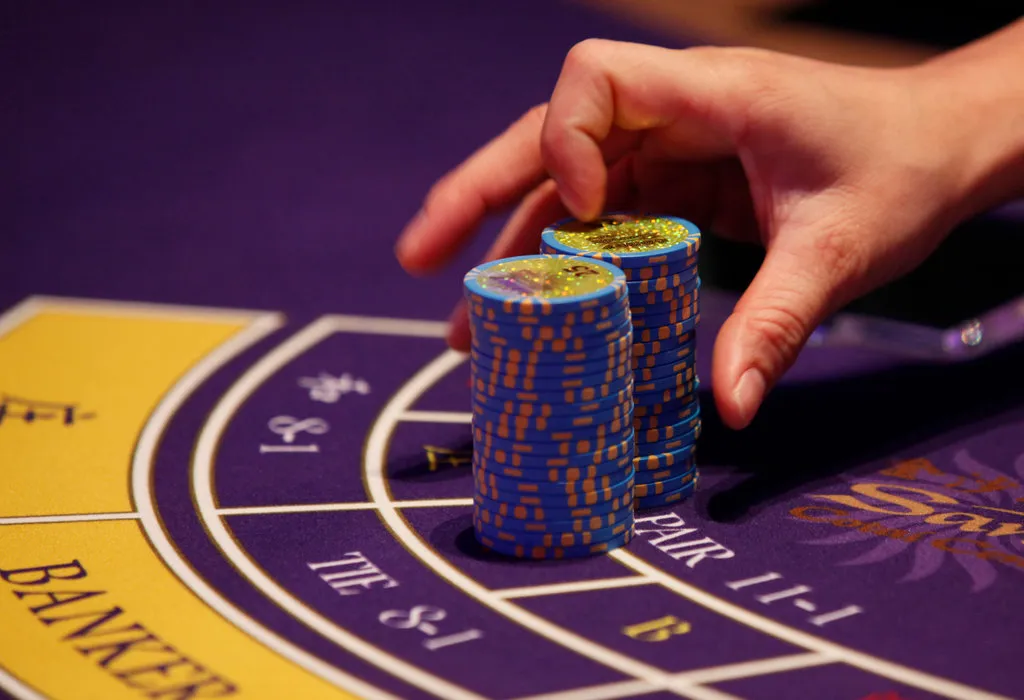
Macau, Casino Gaming Tables

Market too pessimistic on valuations

Despite the strong operating recovery, Seaport believes investor sentiment toward Macau gaming stocks remains excessively cautious. ‘Current valuations are still too low given the sector’s performance,’ Umansky said, emphasizing that the market is overly pessimistic about structural risks.

The Macau gaming sector — encompassing six major operators — trades at a forward EV/EBITDA multiple of 9.3 times, representing a 22 percent discount to the 2018–2019 pre-COVID average of 11.9 times. The sector has hovered below 10 times for the past year, which Seaport views as an unwarranted discount.

‘At current valuation levels, investors are being well compensated to take on China-related risk,’ Umansky stated, highlighting that the sector’s fundamentals have improved meaningfully since mid-year. Seaport’s top picks include Wynn Macau, Wynn Resorts, Melco Resorts, and Las Vegas Sands, which the firm expects to benefit most from the ongoing premium segment expansion.
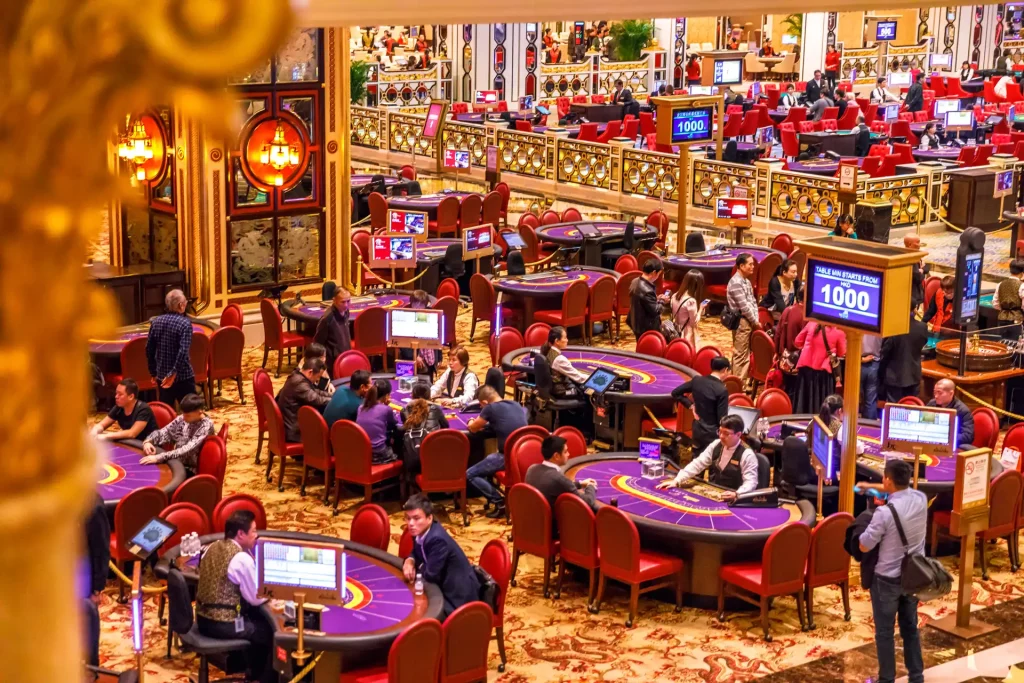
Macau, Mass Table Gaming, Venetian Casino Floor, Macau GGR, croupiers

High-end play to remain key driver

Seaport noted that Macau’s October rebound was mainly fueled by affluent customers, underscoring the dominance of the premium mass and VIP markets. The brokerage estimates that mass GGR now exceeds 118 percent of 2019 levels, while the VIP segment has recovered to about 30 percent. Within the mass segment, premium play is estimated to be around 45 percent above 2019, compared with base mass still roughly 5 percent below pre-pandemic levels.

As Macau’s casinos continue to refine digital table operations and expand side-betting options, Umansky expects profitability to rise further. He notes that the city’s gaming recovery has been ‘solidified by structural improvements,’ with potential upside from a stronger overnight visitor base in 2026.
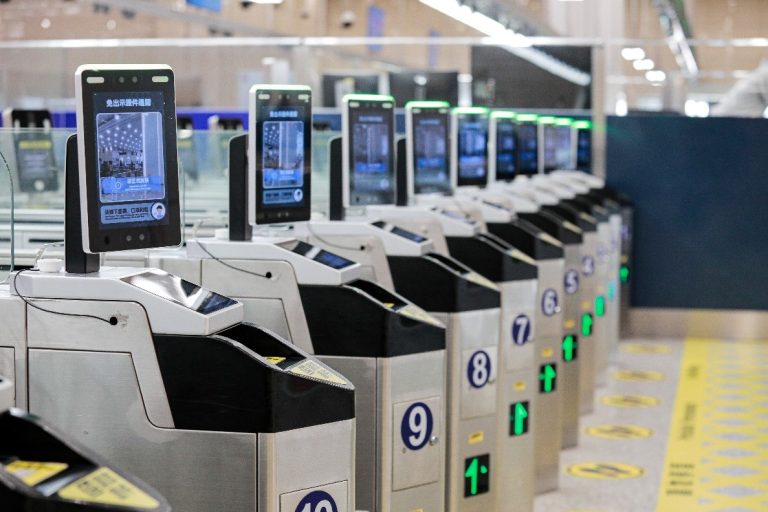

Macau–Hengqin border to launch document-free clearance on November 5th

0

The Hengqin Port will introduce a “Smart Immigration Clearance” system on November 5th, allowing eligible travelers to cross between Macau and Hengqin without presenting physical travel documents.

The new system, jointly launched by authorities from Macau and Zhuhai, aims to make border crossings faster and strengthen regional integration.

Using advanced facial recognition technology, the upgraded automated channels will enable travelers to complete immigration procedures with a “face scan” instead of a “card scan.” The system will initially be available at 48 automated lanes in the Passenger Inspection Hall and 16 lanes in the On-board Passenger Hall of Hengqin Port. Authorities said the system will simplify operations, shorten processing times, and significantly improve the cross-border travel experience.

Currently, the document-free clearance applies only to specific groups, including Macau residents, Hong Kong permanent residents, eligible mainland Chinese with multiple-entry permits, and Taiwan residents who have registered for automated immigration clearance on both sides. Travelers aged 14 and above can use the new service, while minors aged 14 to 17 must register in advance with parental consent.

In a statement, authorities said they are closely monitoring the rollout and may consider expanding eligibility to a broader range of mainland Chinese visitors in the future. The system upgrade also complements earlier visa policy relaxations, such as the introduction of multiple-entry permits for Hengqin residents visiting Macau and multi-entry visas for tour groups announced in May last year.
These measures have increased flexibility for travelers participating in tourism and MICE (meetings, incentives, conferences, and exhibitions) activities, offering more accommodation options in Hengqin while supporting Macau’s hospitality and events industries.

By next year, 46 additional automated channels supporting the “Smart Immigration Clearance” system are expected to be installed, increasing overall clearance capacity by at least 65 percent and further streamlining travel between the two zones.

ZITRO introduces “Lions Falls”, the newest title in its FANTASY games collection

0

ZITRO continues to build momentum in its FANTASY cabinet line, unveiling “Lions Falls” as the newest addition.

After Gold Space and Brave Dragon, this time the journey leads to a mystical water-powered sanctuary where a majestic golden lion stands guard over ancient treasures.

In Lions Falls, players can discover a Bonus Link with up to three combinable features: TRIPLE multiplies your rewards x3, MAGIC FALLS increases Link symbol values, and MIRROR duplicates Link symbols for bigger wins.

As players explore deeper into the sanctuary, the quest leads towards the ultimate treasure—the giant Jackpot Wheel, where the MEGA or GRAND MEGA jackpots await.

PAGCOR profit surges 49% to $243M, outpacing revenue growth

0

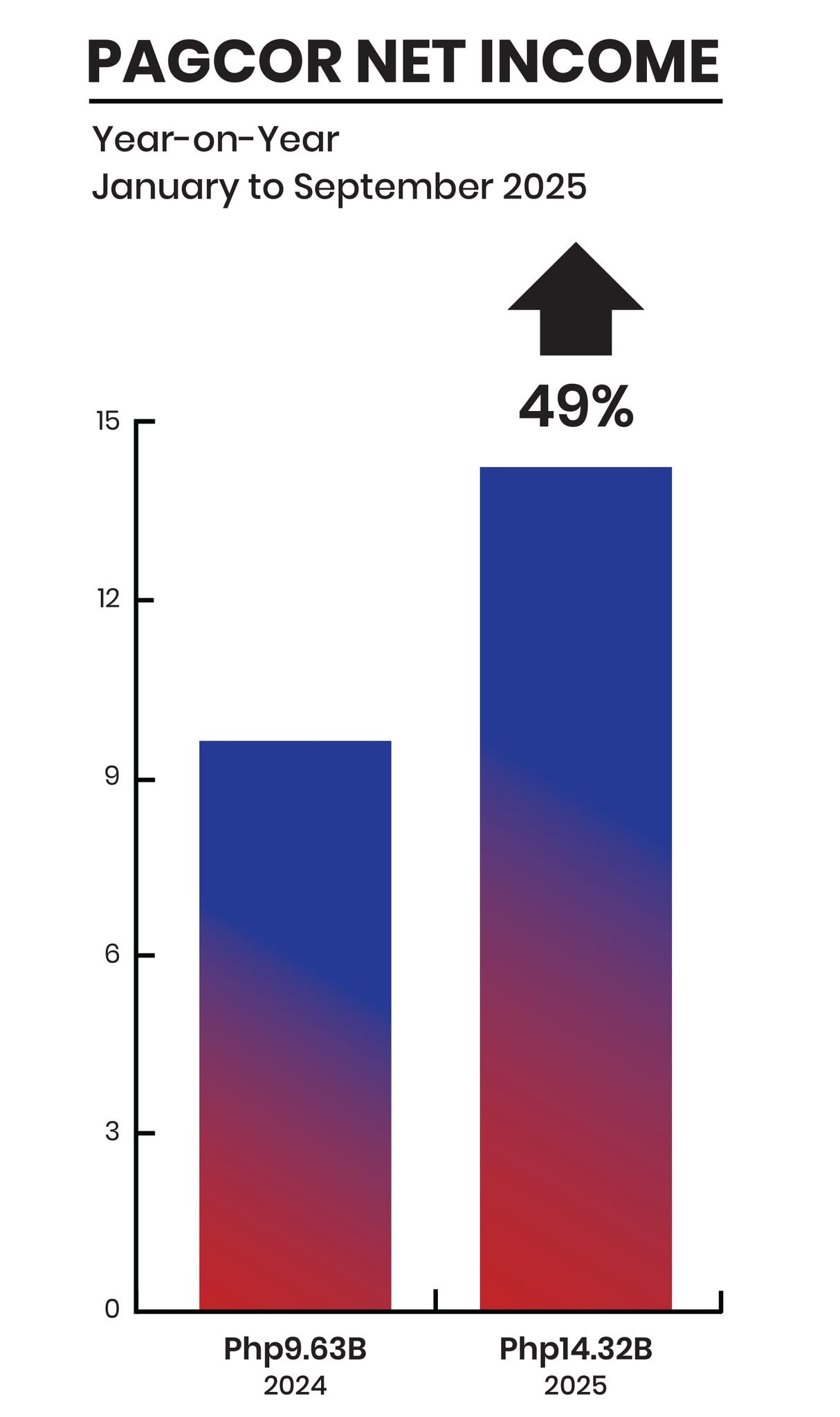
The Philippine Amusement and Gaming Corporation (PAGCOR) reported a 49 percent increase in net income for the first nine months of 2025, reaching PHP14.32 billion ($243 million) compared to PHP9.63 billion ($164 million) a year earlier. 

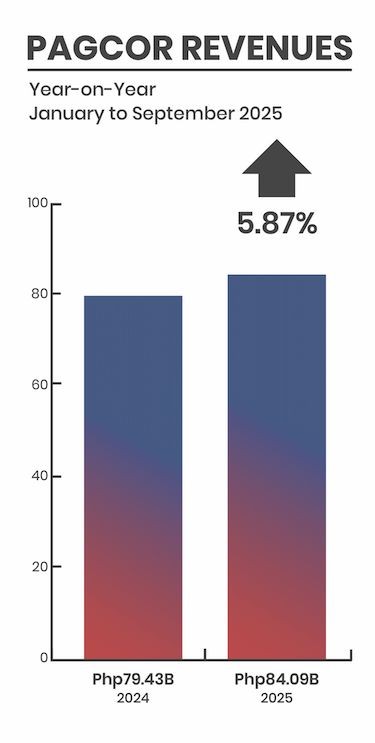
The profit growth significantly outpaced the 5.87 percent rise in total revenues, underscoring improved efficiency and cost management across operations.

From January to September, PAGCOR’s total revenues rose to PHP84.09 billion ($1.43 billion) from PHP79.43 billion ($1.35 billion) in the same period last year. Gaming operations remained the backbone of the agency’s income, contributing PHP75.93 billion ($1.29 billion), while other services and miscellaneous income added PHP8.16 billion ($139 million).

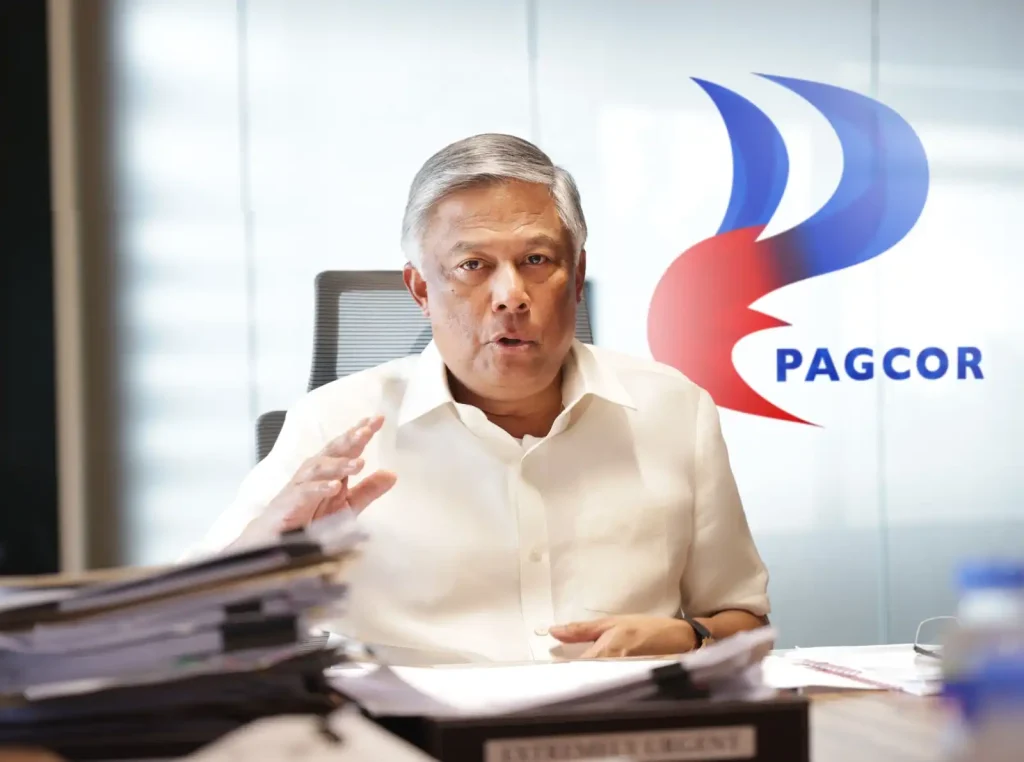
PAGCOR Chairman and CEO Alejandro H. Tengco said the results highlight the success of ongoing reforms. “Our financial performance is a clear reflection of PAGCOR’s renewed focus on governance, digital transformation, as well as sustainable and responsible gaming,” Tengco said.

macau

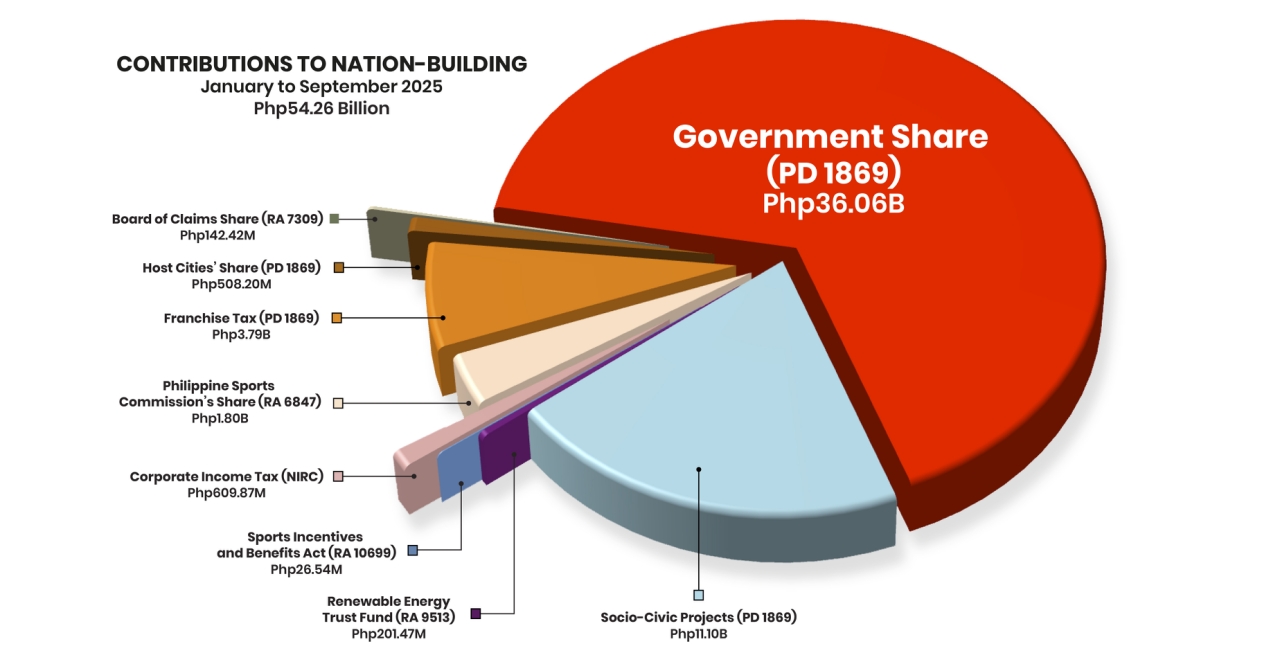
The state-run gaming regulator also increased its total contributions to nation-building (CNB) by 11 percent to PHP54.26 billion ($922 million), up from PHP48.88 billion ($832 million) last year. Of this, roughly two-thirds—or PHP36.06 billion ($613 million)—were remitted to the National Government, as mandated by Presidential Decree 1869. This share, equivalent to half of PAGCOR’s gaming revenues minus a 5 percent franchise tax, supports national programs such as those run by the Dangerous Drugs Board and PhilHealth.

PAGCOR paid PHP3.79 billion ($64 million) in franchise taxes and PHP609.87 million ($10 million) in corporate income taxes to the Bureau of Internal Revenue. It also allocated PHP11 billion ($187 million) to socio-civic projects, including remittances to the President’s Social Fund.

The Philippine Sports Commission received PHP1.80 billion ($31 million), an 8.66 percent increase, while athletes and coaches who won in international competitions received PHP26.54 million ($451,000) in incentives. Other beneficiaries included the Board of Claims (PHP142.42 million / $2.4 million) and the Renewable Energy Trust Fund (PHP201.47 million / $3.4 million). Cities hosting Casino Filipino branches were granted PHP508.20 million ($8.6 million) in revenue shares.

Alejandro H. Tengco, Chairman, PAGCOR, Philippines
AGCOR Chairman and CEO Alejandro H. Tengco

Tengco reaffirmed PAGCOR’s commitment to aligning its growth with public service goals.

Daily Asia Gaming eBrief: Quarterly revenue improves for Star Entertainment

0
Good Morning. Surviving the storms. The Star Entertainment Group reported a narrower quarterly loss with $184.6 million in revenue, facing ongoing regulatory challenges and uncertainties regarding financing. Still in Oceania, SkyCity Entertainment anticipates trading to align with forecasts and reaffirmed earnings recovery guidance for fiscal 2026, while implementing cost-saving measures and addressing regulatory compliance issues. Meanwhile, Macau’s gross gaming revenue in October reached its highest level since the start of the pandemic, rising to $3 billion.

What you need to know


On the radar


AGB Intelligence

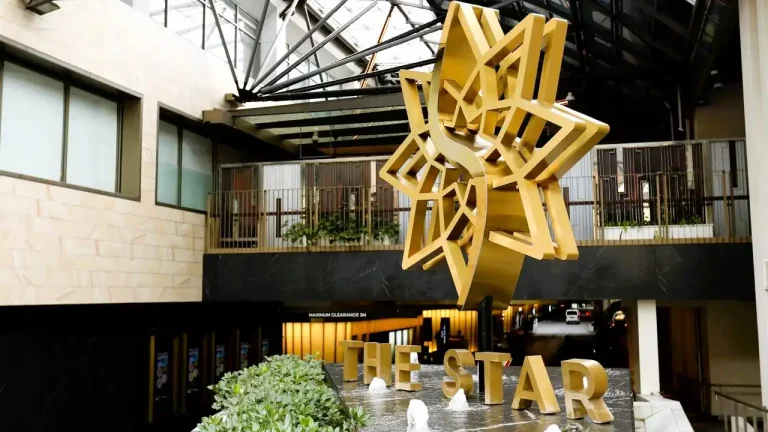
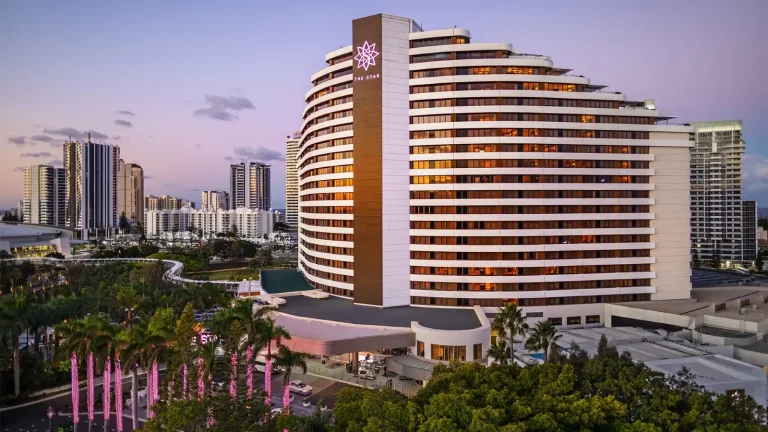
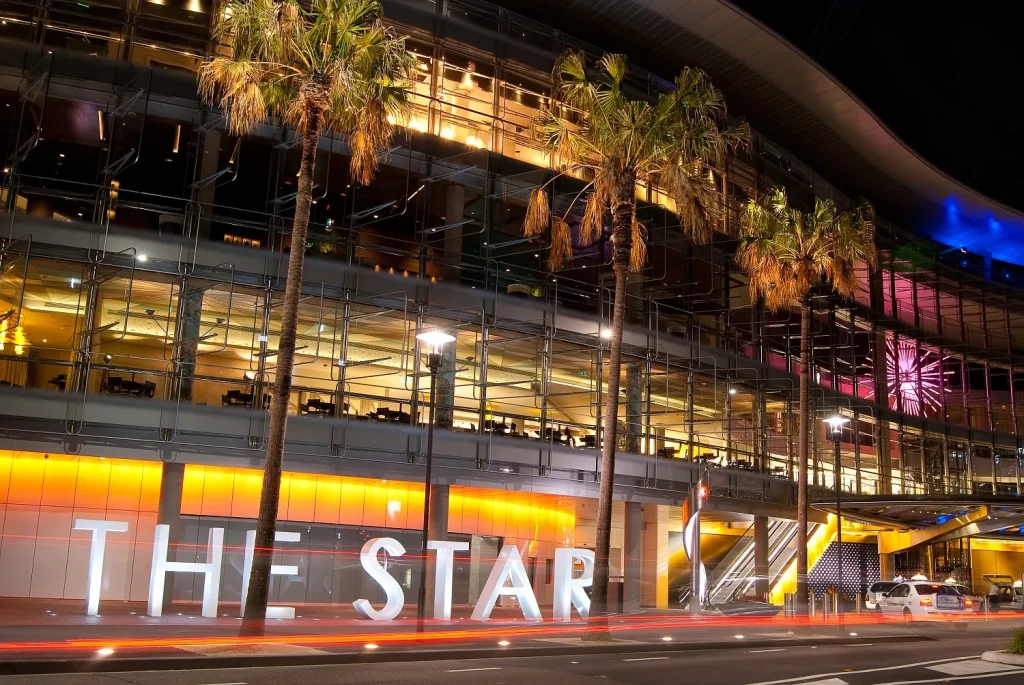
The Star Gold Coast, The Star Entertainment, Australia

Star Entertainment narrowed losses but regulatory scrutiny intensifies

The Star Entertainment Group reports improved quarterly results with revenue of $184.6 million for the three months ending September 30, marking a 5 percent increase from the previous quarter but a 19 percent decline year-over-year. Despite improved EBITDA losses, the company faces challenging operating conditions due to regulatory pressures, mandatory cash and carded-play rules, and uncertainties regarding financing and legal outcomes. The Star Sydney’s revenue remained flat, while the Gold Coast saw a 9 percent increase in revenue.

Corporate Spotlight

90-Day Playbook for Winning Asia’s Gaming Market | GR8 Tech

GR8 Tech, Kate Pozdnysheva

Every operator can launch, but few can lead. In Asia, leadership is won in the 90 days after go-live, when payments feel effortless, content resonates locally, and every touchpoint builds trust.


Industry Updates


INTELLIGENCE | ASEAN | CAREERS

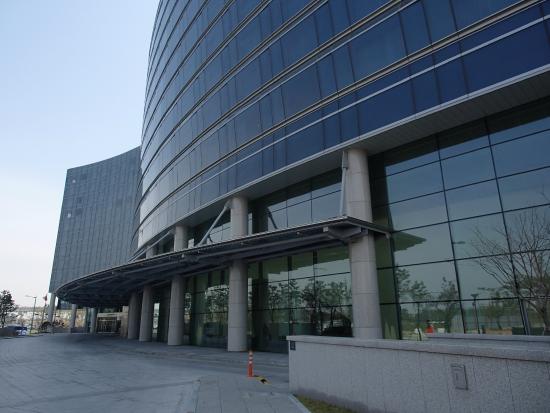
Paradise delays acquisition of Grand Hyatt Incheon West Tower

0

Paradise SegaSammy, a major subsidiary of Paradise Co., has delayed the scheduled acquisition date for the Grand Hyatt Incheon West Tower.

According to the disclosure, the acquisition date has been moved from October 31st, 2025, to December 19th, 2025. The change was made to align with the revised progress schedule of pre-closing requirements.

The asset in question is the Grand Hyatt Incheon West Tower, specifically the building, as the land remains under the ownership of Incheon International Airport Corporation. 

The acquisition price is set at KRW210 billion ($146.9 million), and the counterparty to the transaction is Kal Hotel Network Co., Ltd.

Paradise SegaSammy explained that the purpose of the acquisition is to strengthen its competitiveness as an integrated resort operator and to expand demand from overseas tourists, thereby securing a foundation for sustainable growth.

The board of directors approved the decision on September 23rd, 2025. At that time, outside directors and auditors were noted as present. The acquisition represents 5.34 percent of Paradise Co.’s consolidated total assets as of year-end 2024.

Paradise SegaSammy itself holds assets of KRW1.58 trillion ($1.1 billion), accounting for 40.22 percent of the parent company’s consolidated assets.

Cambodian authorities suspend casino license after tech-based scam uncovered

0

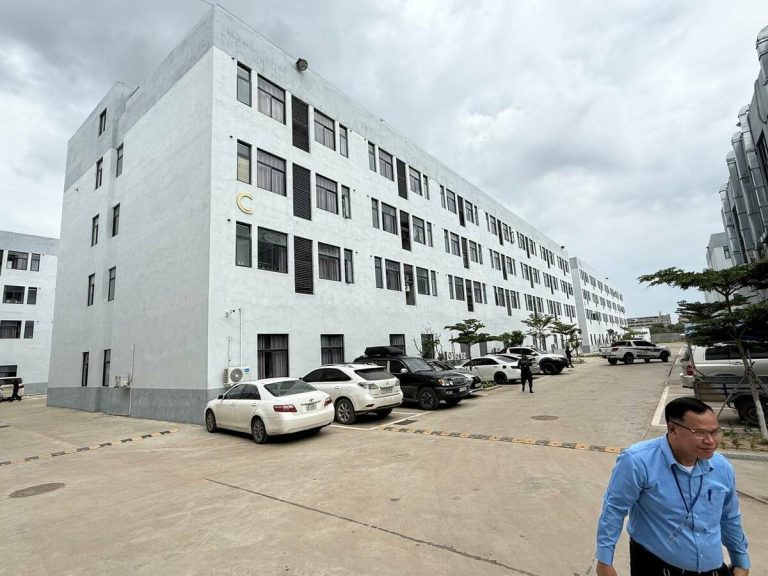
Cambodian authorities have shut down the Silver Star Casino in Svay Rieng province following a coordinated raid that uncovered evidence of technology-based fraud.

The operation, carried out on November 1st, 2025, was led by the Secretariat of the Commission for Combating Cybercrime (CCCC) in coordination with the Cambodian Commercial Gambling Commission (CCGC), the National Police General Directorate, and the Svay Rieng Provincial Court prosecutor.

During the raid, officers arrested 23 suspects of multiple nationalities. Those detained include six Sri Lankans (one female), seven Pakistanis (two females), two Filipinos (two females), two Nepalese (two females), one Indian, one Nigerian, one Algerian – whom authorities suspect may have been a victim – and three alleged ringleaders identified as Chinese, Taiwanese, and Malaysian nationals. Authorities also confiscated 24 call center phones, 19 passports, and 20 mobile phones believed to have been used in the operation.

The Cambodian Gambling Commission subsequently suspended the casino’s license after confirming evidence of organized cyber-enabled fraud activities. Officials stated that the Silver Star Casino is prohibited from resuming operations pending further investigation.

The three suspected ringleaders – a Taiwanese national and two Malaysians – have been referred to the Svay Rieng Provincial Court for prosecution under Cambodian law. The remaining 20 foreign nationals have been handed over to the General Department of Immigration for deportation proceedings. Authorities emphasized that they will continue to enforce Cambodia’s anti-cybercrime and gambling laws rigorously, warning that all individuals involved in technology-driven fraud schemes will face the “strictest legal action, without exception.”

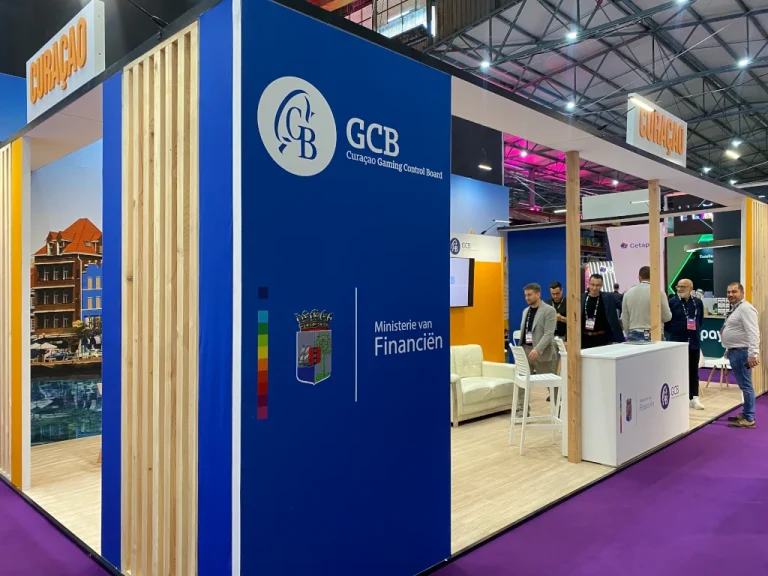
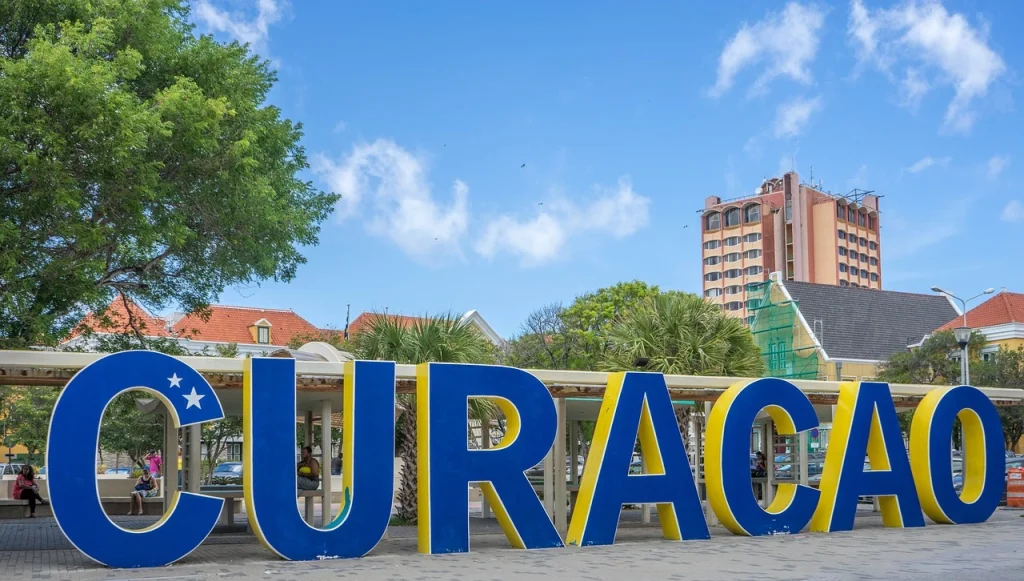
Curacao Gaming Authority updates fee policy under new LOK framework

0

The Curacao Gaming Authority (CGA) has released Version 2.0 of its License Fees under the National Ordinance on Games of Chance (LOK), detailing important updates to application and annual fee procedures for B2C and B2B licensees.

The updated framework reflects two major changes: the removal of the previously-included transitional section for NOOGH, and the addition of provisions for the treatment of annual fees in the first year following LOK enactment, plus a clarified invoicing and collection policy.

Application fees remain unchanged: EUR4,592 ($5,340) for both B2C and B2B license applications. In addition, the annual fee for B2C operators continues at EUR47,450 ($55,140), comprising a EUR24,490 ($28,470) License Fee paid to the National Treasury and a EUR22,960 ($26,660) Supervisory Fee payable to the CGA. B2B suppliers are required to pay a single annual Supervisory Fee of EUR 24,490 ($28,470). Other administrative charges – including EUR250 ($290) for adding a main domain, EUR383 ($445) for certificate applications, and EUR128 ($149) for updates involving UBOs or qualified interest-holders – are unchanged.

On the annual fees side, the document introduces a pro-rata six-month billing model for the first year of LOK enforcement (from enactment until the first full license cycle completion). Licensees will be invoiced in two parts: one covering the initial six months and a second covering the subsequent six months prior to moving into a standard annual cycle. The first invoice must be paid before formal license grant and the second invoice is contingent on eligibility for continuation. After completion of the first year, licenses will transition to the full-annual fee schedule.

Curacao, online gaming, igaming

Invoicing and collection policy are now more explicitly defined. Invoices are due within 14 days of issuance. Failure to pay triggers escalating reminders and notices. Failure to settle within 71 days will lead to formal license revocation and removal from the public register. The CGA emphasizes that receipt of an invoice does not constitute license continuation, and written confirmation from the Authority is required for a license to remain valid.

The removal of the NOOGH transitional section signals that Curaçao now treats the old regime as fully phased out and moves directly to the LOK-driven structure. Industry stakeholders should review their budgeting and compliance calendars accordingly, especially given the shortened first-year billing period. Licensees must also ensure that payments meet the deadlines, or risk immediate regulatory consequences.

For operators active or planning entry into the Curaçao market, the clarity around pro-rata billing and stricter enforcement of invoice terms reinforce the need for robust financial planning. Those launching within the first year post-LOK enactment will face a shorter billing cycle and must budget accordingly. Meanwhile, longstanding operators should ensure that their annual fee cycle aligns with the new schedule and that no legacy arrangements remain outstanding.

Thailand’s Anutin reaffirms no-casino stance in talks with China’s Xi

0

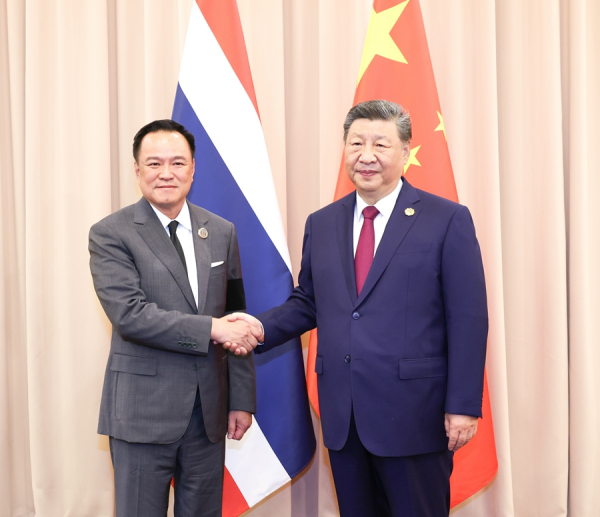
Thai Prime Minister Anutin Charnvirakul has reaffirmed that Thailand will not pursue casino legalization during high-level talks with Chinese President Xi Jinping.

He instead emphasized a shared commitment to safety, cybercrime prevention, and deeper economic cooperation ahead of the 50th anniversary of diplomatic relations between the two nations in 2025. The meeting underscored Thailand’s intention to strengthen ties with China while maintaining its long-standing stance against casino development. Anutin framed the anniversary as a key milestone to outline a joint vision for what he called a “safe and prosperous future.”

The Prime Minister extended a warm invitation for Chinese tourists to return to Thailand, assuring that the government would prioritize their safety and security – an important message as the tourism sector continues its post-pandemic recovery. He also praised President Xi’s commitment to regional efforts aimed at combating cybercrime, calling it a national priority that requires close cross-border coordination.

For his part, President Xi expressed China’s readiness to expand cooperation with Thailand across multiple sectors, including trade, investment, tourism, and cultural exchange. The two leaders also discussed future growth opportunities in innovation, science and technology, the digital economy, clean energy, and sustainable agriculture, areas expected to define the next phase of Thailand-China collaboration.

The Star narrows quarterly loss but warns outlook remains clouded by regulatory pressure

0

The casino operator posted revenue of AU$284 million ($184.6 million) in the three months to September 30, up 5 percent from the previous quarter but 19 percent lower than a year earlier. Its EBITDA loss narrowed to AU$13 million ($8.5 million) from AU$27 million ($17.6 million) in the June quarter.

The period “reflected stabilised trading in Sydney — albeit at historically low levels — and seasonally stronger volumes on the Gold Coast,” the company said. Trading conditions remain tough due to mandatory carded play and daily cash limits in New South Wales, alongside stricter regulatory oversight across its properties.

The Star Entertainment, Sydney

At The Star Sydney, revenue was flat quarter-on-quarter at AU$161 million ($104.7 million), while EBITDA improved but stayed negative at AU$10 million ($6.5 million). At The Star Gold Coast, revenue rose 9 percent to AU$105 million ($68.3 million) and EBITDA jumped to AU$6 million ($3.9 million).

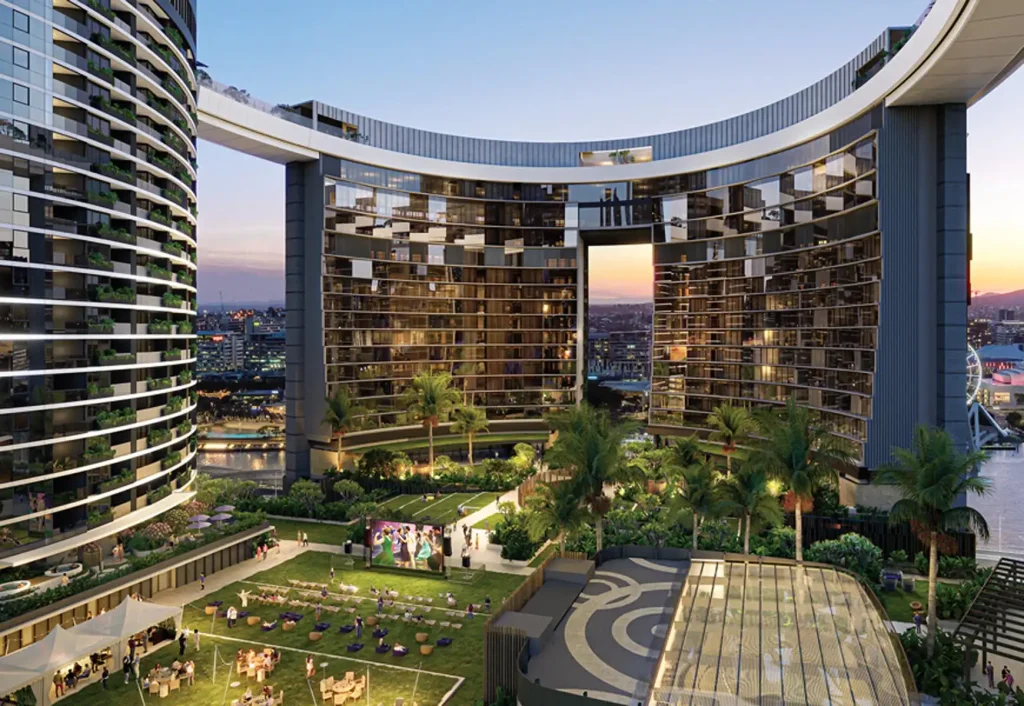
Brisbane operations recorded an operator-fee revenue contribution of AU$14 million ($9.1 million) and an EBITDA loss of AU$9 million ($5.9 million) as the new integrated resort ramps up.

Queen's Wharf Brisbane, The Star Entertainment, Star Brisbane
Queen’s Wharf Brisbane, The Star Brisbane

The group ended the quarter with AU$168 million (109.2 million) in available cash and said its ability to continue as a going concern depends on several material uncertainties, including future covenant waivers, a refinancing requirement if waivers are unavailable beyond December, and the outcome of an ongoing enforcement case by AUSTRAC.

Senior lenders waived covenant tests for September, but the company said it may need to refinance its main facility to avoid default if future waivers cannot be secured.

The Star also confirmed the receipt of the final AU$67 million ($43.6 million) tranche of its AU$300 million strategic investment from Bally’s Corporation and its investment partner in October, with completion still subject to regulatory approval.

Regulatory oversight across its casinos remains intense. The New South Wales casino regulator extended the appointment of the external manager overseeing Sydney operations until March 31, 2026, while Queensland regulators extended special management arrangements for Brisbane and Gold Coast until September 2026.

The group reiterated that licence suspensions and compliance supervision, along with the financial restructuring and asset-sale programme linked to its Brisbane joint-venture exit, continue to shape trading and capital-management priorities.