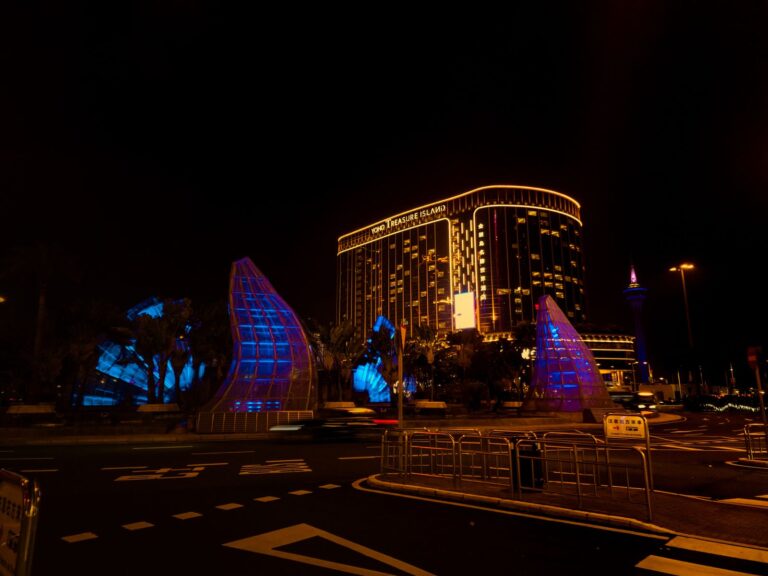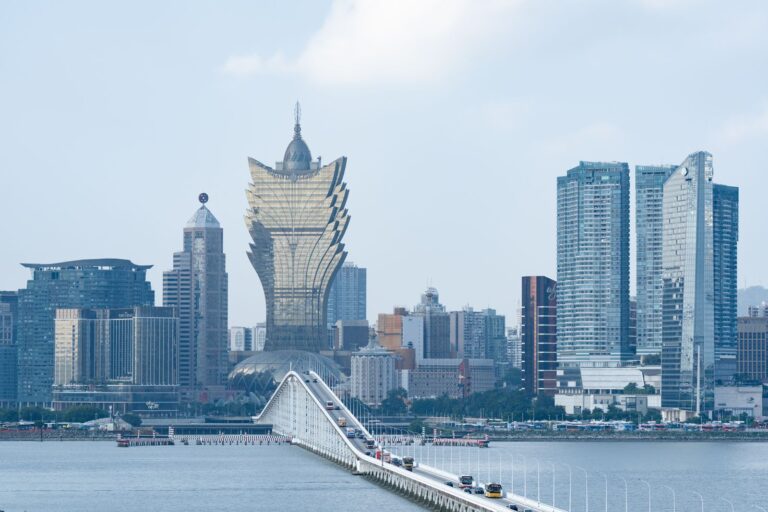

Macau’s gaming sector is expected to face continued margin pressure despite a moderation in cost growth in 2026, according to a recent note by Seaport Research, as elevated player reinvestment and commission structures continue to weigh on profitability.
The brokerage said that while operating expense growth is likely to slow to around 6 to 7 percent in 2026—down from higher increases seen in 2025—this is unlikely to translate into meaningful margin recovery in the near to medium term. High levels of player reinvestment and agent commissions are expected to persist, with no immediate structural improvement anticipated.

‘Margins in Macau will remain pressured for some time unless we see a strong recovery in higher-margin base mass or curtailment of agency business and/or reduced player reinvestment,’ Seaport senior analyst Vitaly Umansky wrote.
The report highlighted that while cost escalation is expected to moderate, the overall competitive environment remains largely unchanged. Operators continue to rely on reinvestment strategies to capture or defend market share, particularly in higher-end segments.
Seaport noted that if premium or agent-driven business grows faster than the broader market, reinvestment levels could rise further relative to gross gaming revenue (GGR), reinforcing pressure on margins. At the same time, expectations that authorities might intervene to cap commissions or reinvestment have diminished, with the brokerage stating such measures are unlikely in the foreseeable future.
Growth moderates after strong Q1
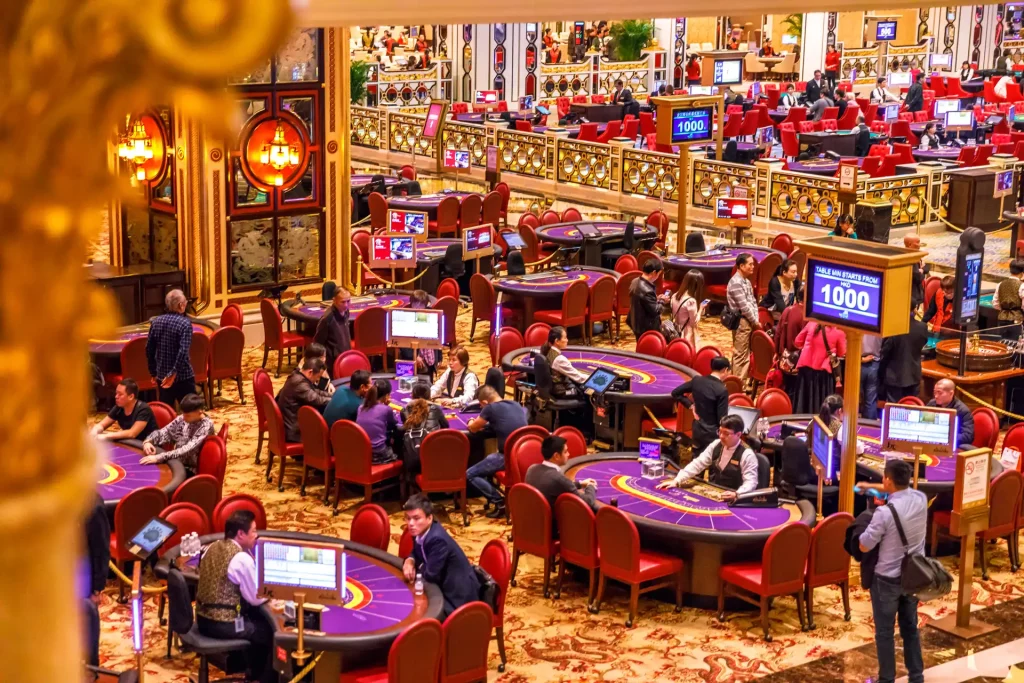
Macau posted stronger-than-expected growth in the first quarter, with industry-wide GGR rising 14.2 percent year-on-year. Market-wide EBITDA is estimated to have increased by around 9 percent, although margins declined slightly by approximately 30 basis points year-on-year.
However, this momentum is not expected to continue at the same pace. Seaport warned that more challenging year-on-year comparisons beginning in May will lead to a ‘material growth deceleration’ for the remainder of 2026.
As growth slows, operators are likely to place greater emphasis on cost control, market share gains, and optimizing reinvestment strategies in what is expected to be a lower-growth environment.
Singapore remains resilient but exposed to external risks
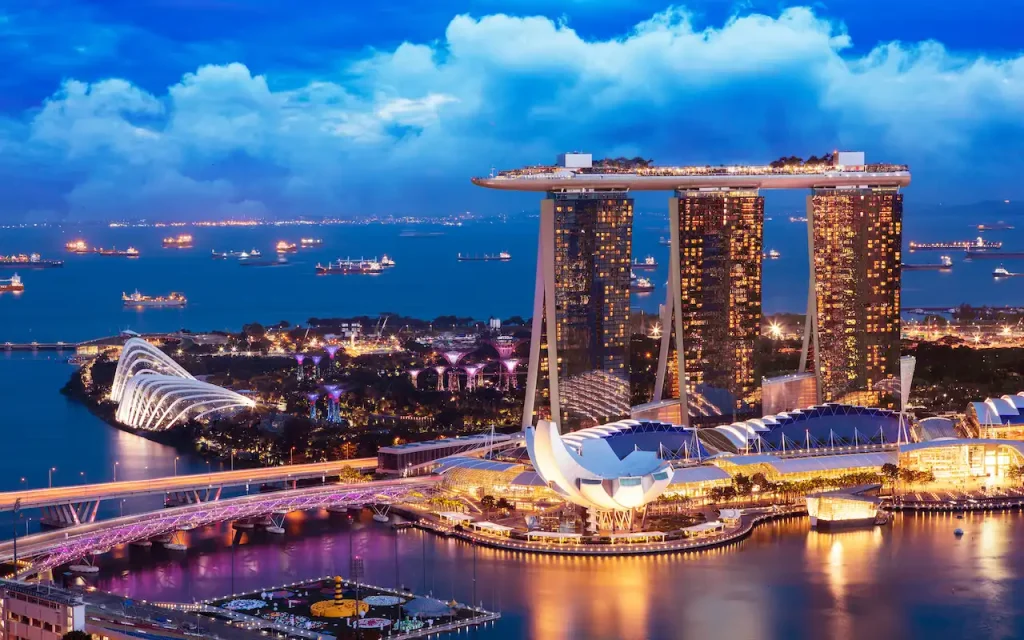
Outside Macau, Singapore continues to stand out as a strong performer, with Marina Bay Sands (MBS) maintaining its position as a leading high-end gaming destination in Asia.
The property has benefited from strong liquidity flows, ease of travel access, and a premium product offering, supporting robust performance in recent quarters.
However, Seaport cautioned that Singapore’s gaming market remains sensitive to external factors. Potential disruptions to cryptocurrency transactions, tighter controls on capital flows from China, or impairment of stablecoin activity could negatively impact revenues.
Geopolitical risks also remain a concern. The report noted that a prolonged conflict in the Middle East or a broader economic slowdown in Asia could dampen high-end demand, potentially leading to reduced visitation and spending.