Wynn Resorts’ approach to regional expansion is increasingly shaped by capital allocation priorities, with management weighing competing investment opportunities across multiple markets, according to an industry analysis from Octus.
Kyle Owusu, Director of Credit Research at Octus—a financial firm specializing in credit intelligence and data—told AGB that capital allocation “plays a significant role” in Wynn’s strategic decision-making. Management and the board aim to channel capital toward the highest-return opportunities, creating a competitive environment in which regional assets must vie for funding alongside share buybacks and international projects.
Wynn is currently juggling several development opportunities that draw from the same pool of capital. These include undeveloped land holdings in Las Vegas and Everett, Massachusetts, as well as its flagship international project: Wynn Al Marjan in the UAE, which is expected to open in 2027.
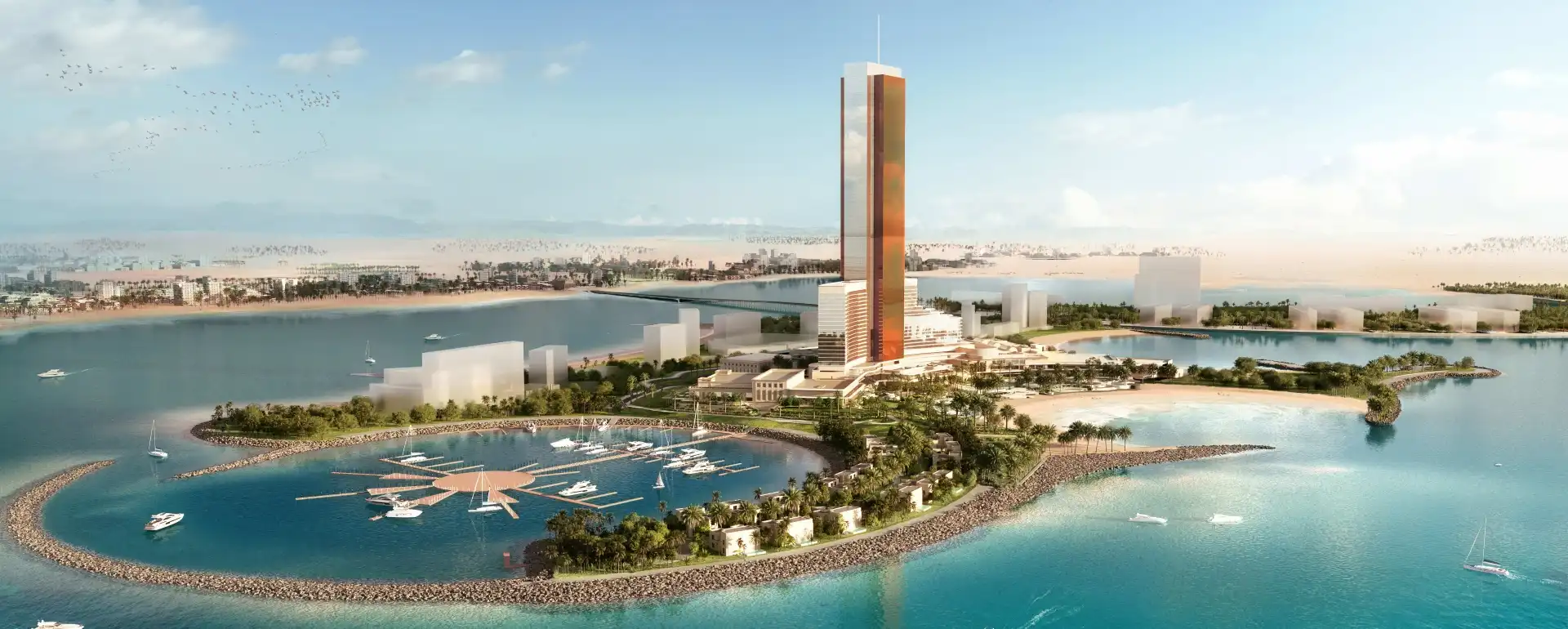

As reported in October 2024, the estimated budget for Wynn Al Marjan in Ras Al Khaimah is $5.1 billion, with approximately $1.1 billion contributed in equity by the company. The latest update indicates that construction is 60 percent complete.
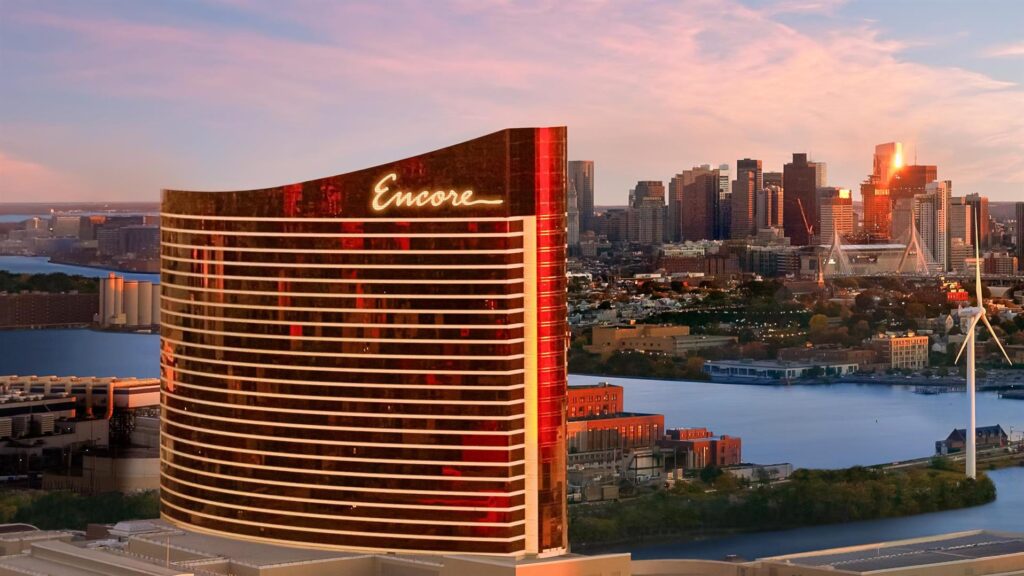
In Everett—home to Encore Boston Harbor, formerly known as Wynn Everett—expansion plans were paused in early 2023 following a deadlock with local authorities over taxes and fees, highlighting how regulatory friction can delay or derail capital deployment. Similarly, Wynn’s decision to withdraw from the race for a New York casino license underscores its cautious and selective market entry strategy.
During Wynn’s fourth-quarter 2024 earnings call, CEO Craig Billings noted that the opening of Wynn Al Marjan—paired with reduced capital expenditure in North America—would mark “an important inflection point in Wynn’s free cash flow profile.”
Owusu emphasized that this positioning, conveyed in the CEO’s opening remarks, “says a lot about management’s priorities regarding regional expansion.”

Thailand opportunity awaits regulatory clarity
Despite capital allocation constraints, Wynn’s interest in Thailand remains strong, although the company is awaiting greater regulatory clarity. Craig Billings has repeatedly described Thailand as an “amazing potential market with unbelievable airlift and infrastructure” during earnings calls.
Earlier reports indicate that Deputy Finance Minister Julapun Amornvivat held meetings with MGM and Wynn executives, suggesting continued government engagement with international operators. However, Thailand’s casino legislation has not yet passed, leaving the timeline and conditions for market entry uncertain.
While Billings did not specify the exact regulatory concerns, he acknowledged that “some components of the bill probably won’t work.” With delays now on the bill, it’s unclear what Wynn’s best path forward is for its casino aspirations in the nation.

The bill faced a major setback this month, with the Prime Minister’s suspension and the bill’s withdrawal. The draft—which the cabinet approved earlier this year—still outlines strict conditions for Thai citizens. These include a THB5,000 ($147) entry fee and requiring proof of at least THB50 million ($1.5 million) in bank deposits. Such requirements would effectively exclude most of the local population.
These restrictions are a key concern for investors, raising doubts about the law’s commercial viability and the overall potential of Thailand’s gaming market. Should the casino bill be revisited, these existing “obstacles” will undoubtedly require careful consideration.
The confluence of capital allocation discipline and regulatory uncertainty has created a complex decision-making landscape for Wynn’s regional expansion. Owusu noted that if management sees progress toward feasible legislation in Thailand, “they will be a lot less likely to evaluate large-scale development opportunities regionally (i.e., in the US).”