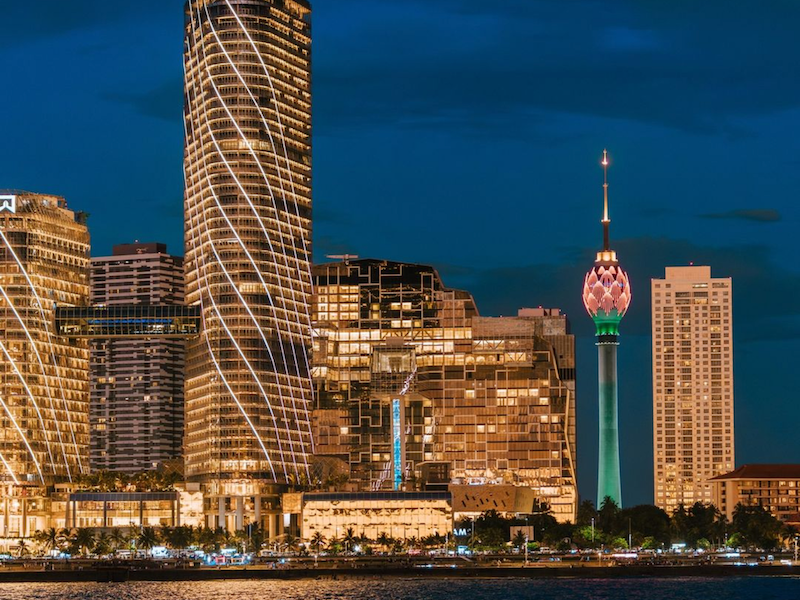
The launch of City of Dreams Sri Lanka, South Asia’s first integrated resort, could transform the island nation into “India’s Macau” — but its success hinges on the government’s ability to balance regulation, ethics, and economic opportunity, according to tourism and hospitality specialist Dharshana Weerakoon.

Dharshana Weerakoon, a specialist in tourism and hospitality
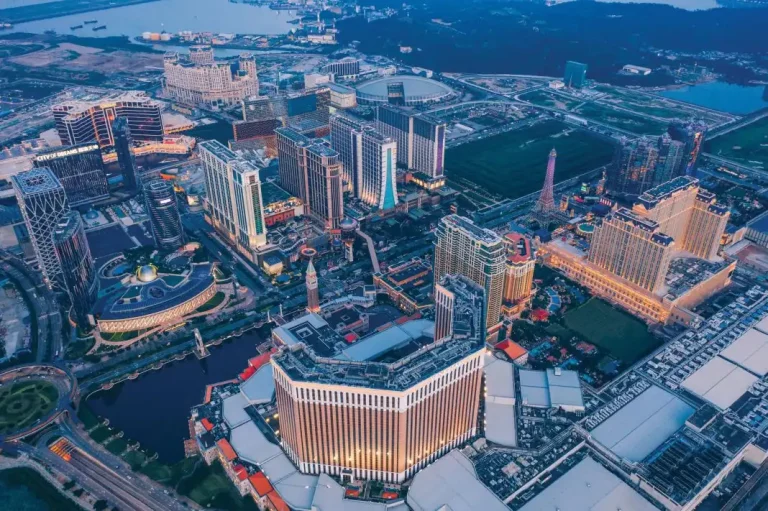
Speaking to AGB, Weerakoon noted that the comparison between Sri Lanka’s potential role for India and Macau’s position for China is “aspirational but not without merit,” pointing to geographic proximity, cultural familiarity, and improving connectivity as key advantages.
“From Chennai or Bangalore, Colombo is closer than Mumbai to Goa,” he said. “With visa simplification and improved flight frequencies, Sri Lanka could indeed become India’s luxury playground—especially for gaming, entertainment, and premium escapes.”
However, he cautioned that replicating Macau’s trajectory would require clear and consistent regulatory frameworks, careful management of public opinion and religious sensitivities, and parallel infrastructure development. “Macau succeeded because of regulatory clarity and consistent policy signals. Sri Lanka will need to emulate that,” he stressed. “Success will depend on whether the government can strike a balance between regulation, ethics, and economic opportunity.”
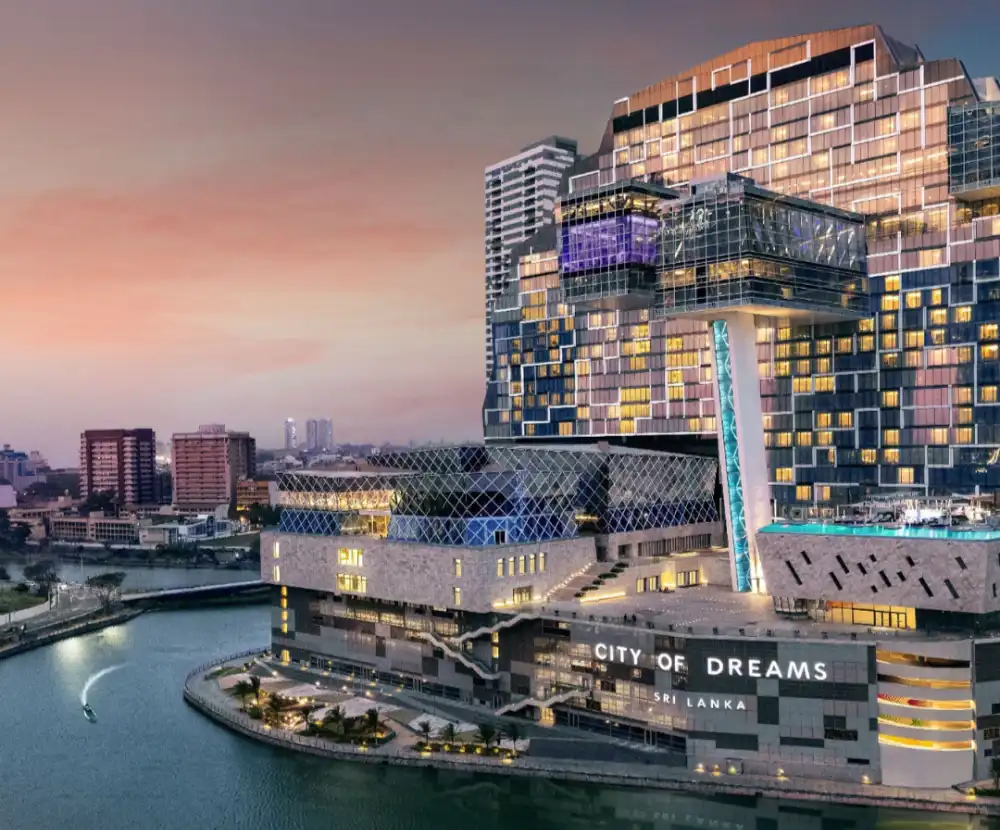
The $1.2 billion City of Dreams Sri Lanka project officially fully opened on August 2nd, marking the country’s largest-ever private investment and Melco Resorts & Entertainment’s first venture into South Asia. The property is a collaboration between Hong Kong-listed Melco and conglomerate John Keells Holdings.
Chairman Lawrence Ho described the integrated resort as a potential game-changer, telling attendees at the launch that Sri Lanka could become “India’s Macau” as the company targets the lucrative South Asian market. The resort features two hotels with a combined 800 rooms, gaming facilities licensed for 20 years, 17 restaurants and bars, luxury retail outlets, and extensive conference spaces. Its marketing strategy focuses on attracting high-spending tourists from India, the Middle East, Russia, and China.
Shift in tourism model
Weerakoon described the resort’s opening as “a transformative milestone” for Sri Lanka’s tourism sector. “It’s not merely another property opening, but a strategic pivot point for the nation’s tourism positioning,” he said. Traditionally, Sri Lanka has promoted its beaches, tea plantations, and cultural heritage sites, with a focus on longer, lower-yield stays.
By contrast, the integrated resort model is “vertically integrated, high-yield, short-stay, and experience-rich,” drawing on models from Macau and Singapore. “It centralizes premium offerings under one roof—gaming, luxury retail, world-class dining, performances, and VIP hospitality—attracting a very different traveler profile: high-spending, time-constrained, and experience-oriented,” he explained.
Economic potential
The resort’s impact is expected to be measured more in revenue than in visitor volume. “Average Daily Spend and Tourism Receipts per Visitor are the critical metrics here,” Weerakoon noted. Other indicators include per capita spending from key source markets, increases in direct air connectivity and private jet movements, and growth in Colombo’s premium hotel rates.
“If the model works as intended, Sri Lanka will see a shift from low-yield group travel to high-yield independent travelers—high-net-worth individuals and aspirational luxury seekers—especially from India, UAE, and ASEAN markets,” he said.
While there is potential for the integrated resort to create a “self-contained bubble,” Weerakoon believes it could also become a gateway for high-end cultural and adventure tourism. “It could become a feeder system for curated, high-end excursions—artisan tours, private heritage experiences, wildlife safaris—with appropriate partnerships,” he said.
For smaller businesses to benefit, he urged them to upgrade service standards, embrace storytelling, and form strategic alliances. “Cultural tourism doesn’t have to compete—it needs to complement,” he added.

Indian market focus
India remains Sri Lanka’s largest source of visitors, and Weerakoon highlighted several lucrative segments: wedding and MICE travelers seeking high-end venues; short-stay leisure seekers from South India; spiritual pilgrims; and affluent millennials and Gen Z travelers.
“There is a rapidly growing elite class, particularly from Tier-1 cities, accustomed to Dubai, Bangkok, and Singapore standards,” he said. “These travelers are willing to spend on experiences, provided service quality and brand confidence match.”
The primary target for the resort, he suggested, should be ultra-high-net-worth individuals and high-net-worth clients, young affluent professionals, destination gamers and VIP junket clients, and millennial couples and families seeking bundled luxury experiences.

Beyond the integrated resort, Weerakoon recommended developing complementary high-end tourism products, including private island getaways, luxury tea plantation retreats with aviation transfers, African-style wildlife safaris, culinary tourism, and festival-linked travel itineraries. “The golden rule is convenience, privacy, and Instagram-worthiness,” he said.
Risks and challenges
Weerakoon identified several potential obstacles to success: inconsistent policy, overregulation, cultural backlash against gaming, service quality gaps, currency volatility, and infrastructure limitations. “Mitigating these risks requires transparent regulation, robust stakeholder engagement, and investment in human capital,” he advised.
He concluded that City of Dreams Sri Lanka represents a bold new chapter for the nation’s tourism industry, but its long-term impact will depend on how well it is integrated into a broader national tourism strategy. “If leveraged wisely, this could mark Sri Lanka’s ascent into Asia’s premier league of high-value tourism destinations,” he said.