A Macau legislator has questioned whether the city’s casino sector has sufficient safeguards against supply-chain risks. He warned that its heavy reliance on imported gaming equipment leaves a key pillar of the local economy exposed and called for greater local participation in casino-related supply chains.
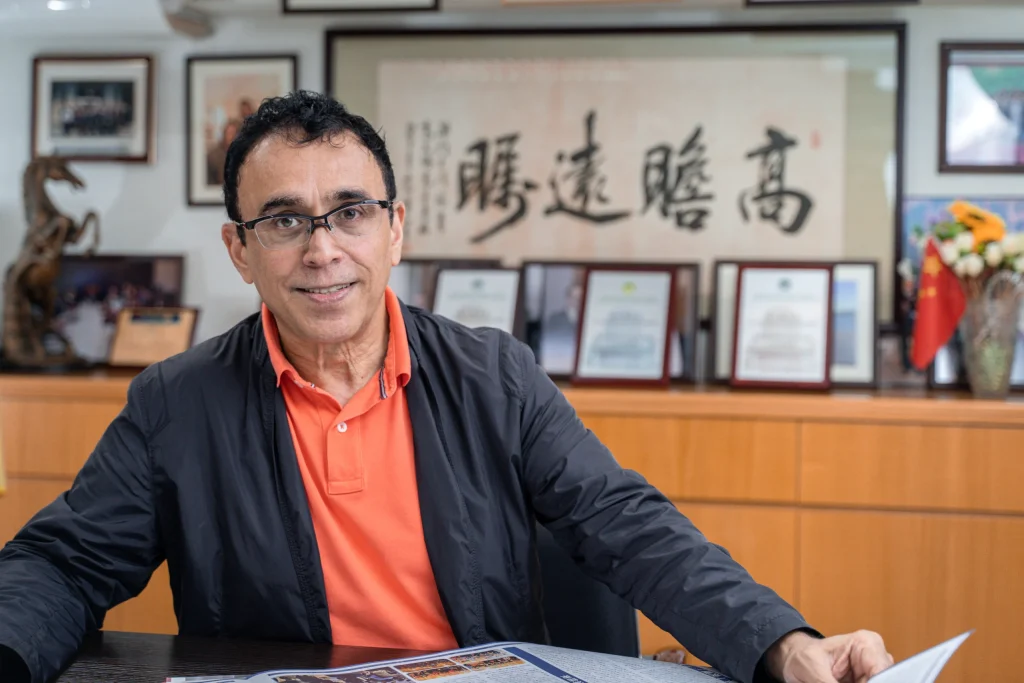
In a written interpellation dated June 8th, Legislative Assembly member José Pereira Coutinho asked the government to explain how it identifies and responds to national security risks in the gaming industry, and to set out how it plans to promote the localization of the sector’s supply chain.
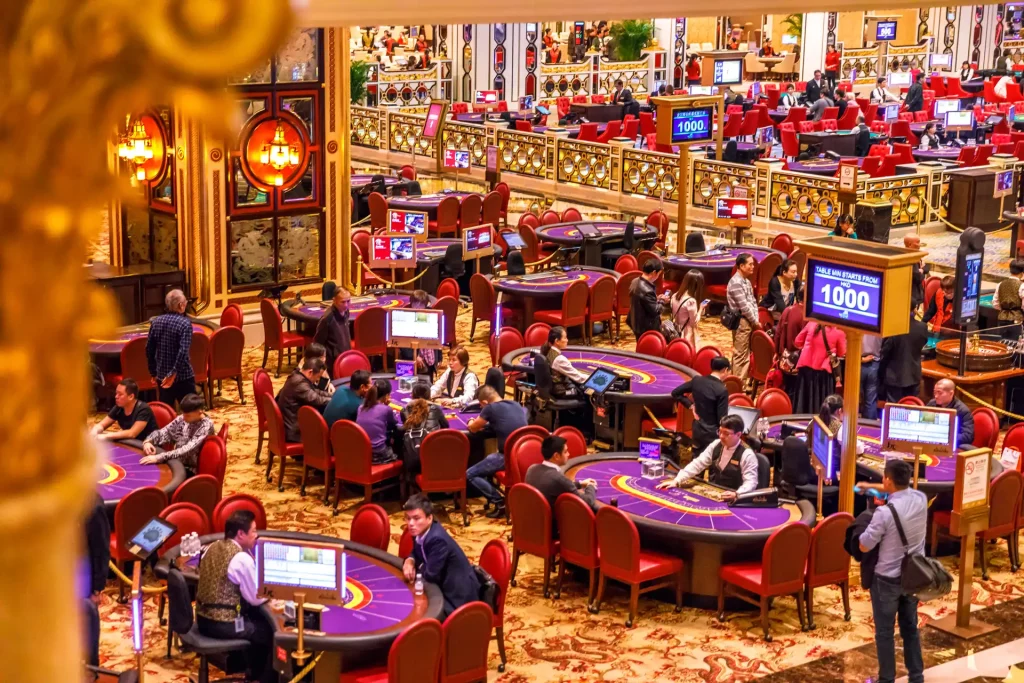
Coutinho noted that the main equipment used by Macau’s large casinos — including playing cards, chips, gaming machines, shuffling machines, software systems and data centers — depends almost entirely on foreign procurement, which he described as a source of high vulnerability in the supply chain. Research, design, production and maintenance of essential gaming equipment within Macau remain insufficient, he added.
He warned that such dependence carries broad risks. ‘If suppliers suffer supply interruptions, if security vulnerabilities arise, or if information is deliberately exploited, this could lead to data breaches, damage to the gaming industry’s reputation and Macau’s image, and even a loss of control over social safety,’ the interpellation stated.

Reliance on imported equipment
To illustrate the scale of consumption, Coutinho cited data indicating that Macau uses nearly 500,000 decks of playing cards each day. He noted that production of such items has long depended on imports, and that Macau’s first playing card factory built for gaming use only recently began large-scale production.
The lawmaker framed the issue within national policy. He said the 15th Five-Year Plan calls for establishing and improving a supply-chain security mechanism and strengthening self-control over industrial chains. He also pointed to regulations on supply-chain security promulgated by the State Council in March 2026, which identify the security and controllability of supply chains as important measures for safeguarding economic and social stability and national security.
Gaming has been the main pillar of Macau’s economy for decades and accounts for a significant share of public revenue, Coutinho said. He noted that the special gaming tax funds much of the government’s recurrent spending and public investment, including large infrastructure projects such as the Light Rapid Transit system, bridges, hospitals, schools and urban renewal works, making the industry’s stability directly relevant to the city’s economic and social development.
Calls for local production
Coutinho argued that promoting a self-sufficient and controllable supply chain could strengthen the sector’s security, help safeguard national security, and incubate local gaming-related companies. He said this could support economic diversification and create jobs for young university graduates.
Coutinho put three questions to the government: what mechanisms and guidelines currently exist to assess national security risks in the sector, particularly on supply-chain security under the Gaming Law; how authorities plan to localize the supply chain and bring existing local firms in; and what studies have been carried out on supply-chain security and industrial self-control.
The interpellation follows the recent opening of Bee Macau, described as the city’s first casino-grade playing card factory. The joint venture between Belgium’s Cartamundi Group and Hong Kong-listed Asia Pioneer Entertainment Holdings entered full-scale production in May following an investment of about HK$500 million ($64 million), and aims to supply Macau’s six gaming operators while reducing import reliance.
A small number of other local firms also manufacture gaming equipment in the city, though such production remains limited in scale and is geared largely toward export.