
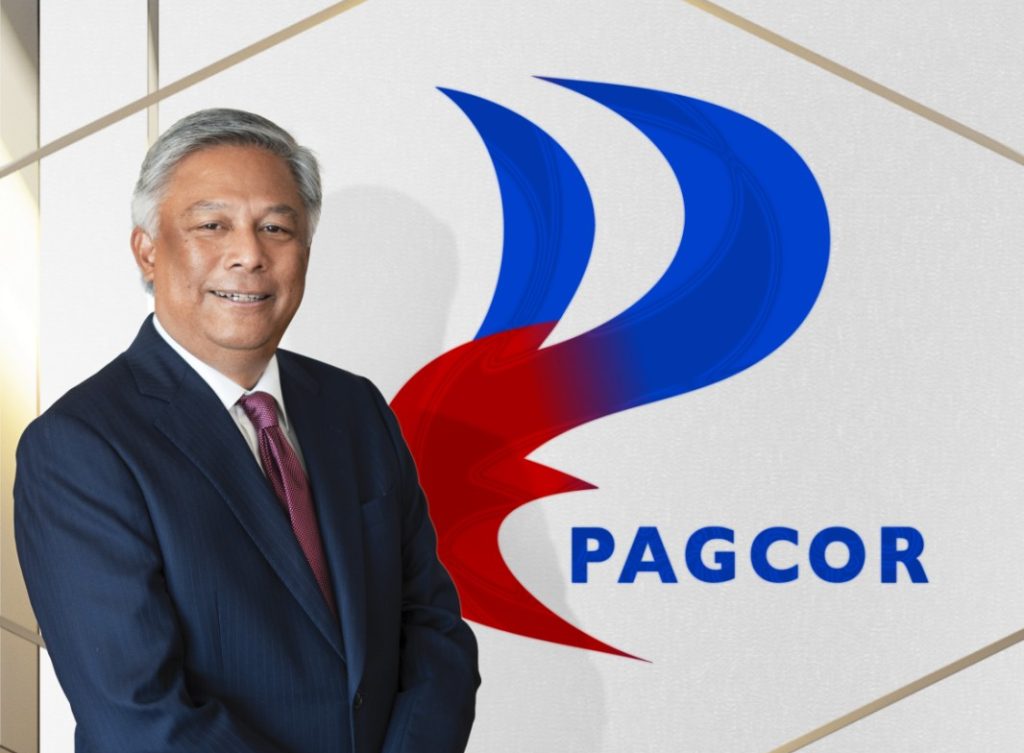
The Philippine Amusement and Gaming Corporation (PAGCOR) played a crucial role in strengthening the government’s finances in the first eight months of 2025, with profit remittances helping the Bureau of the Treasury (BTr) surpass its non-tax income targets.
According to the BTr’s latest cash operations report, as cited by the Philippine News Agency, total revenue collections from January to August reached PHP3.09 trillion ($52.5 billion), up 3.07 percent from PHP2.99 trillion ($50.8 billion) in the same period of 2024. While tax revenues remained the dominant source, non-tax contributions—including those from PAGCOR—provided a significant boost.
Non-tax revenues stood at PHP298.3 billion ($5.1 billion) as of the end of August, already reaching 97.33 percent of the revised full-year program of PHP306.5 billion ($5.2 billion). Of this, income from BTr operations amounted to PHP189.3 billion ($3.2 billion), or 63.46 percent of the total.
This performance exceeded the upward-adjusted target of PHP179.2 billion ($3.05 billion), largely due to higher interest earnings on national government deposits, dividend remittances, and profit shares from PAGCOR and the Manila International Airport Authority (MIAA).

“The Bureau of the Treasury’s overperformance was driven by increased remittances from state-run corporations such as PAGCOR, which continue to provide vital non-tax income to the government,” the BTr said.
Gaming revenues on the rise
Earlier this month, PAGCOR reported that online gaming had emerged as one of the government’s biggest revenue drivers in 2025. Licensed operators generated PHP69 billion ($1.17 billion) in license fees from January to July, including PHP41 billion ($697 million) from electronic games (E-Games) and PHP28 billion ($476 million) from other online offerings.
PAGCOR Chairman and CEO Alejandro H. Tengco said that, in the first seven months of the year, online gaming contributed PHP27.47 billion ($467 million) to nation-building programs, with PHP14.72 billion ($250 million) allocated to the Universal Health Care Law. Additional funds were earmarked for schools, socio-civic centers, wellness facilities, and e-learning hubs.
“Every peso we collect from the gaming sector translates to meaningful projects such as classrooms for our children, health programs for our people, and safe spaces for communities in times of calamity,” Tengco highlighted.