
The Philippine government has formalized a coordinated enforcement framework to implement its sweeping ban on offshore gambling operators, marking a decisive step in dismantling an industry long linked to criminal activity.
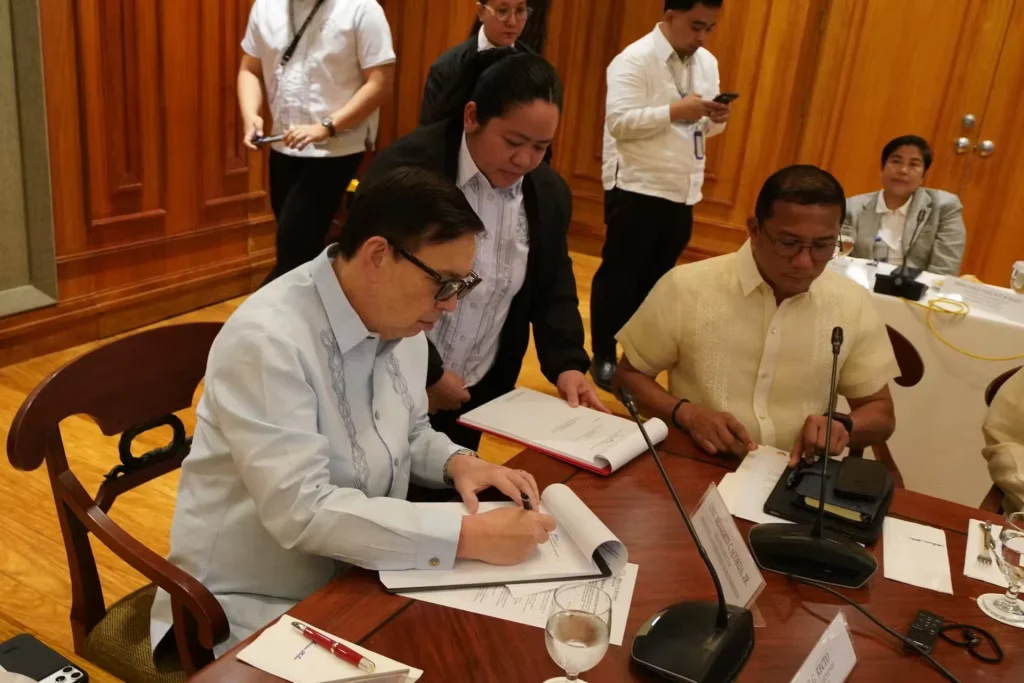
Multiple state agencies on Wednesday signed the “Inter-Agency Standard Operating Procedures (SOP) on the Implementation of Executive Order 74,” a unified operational blueprint designed to enforce the country’s prohibition on so-called Philippine Offshore Gaming Operators (POGOs) — online gambling firms previously licensed to target overseas players but widely criticized for their links to fraud, trafficking and money laundering.
Executive Order 74, issued by President Ferdinand Marcos Jr. in November 2025, mandated the immediate shutdown of all POGO operations, citing national security risks. The order is reinforced by Republic Act 12312, known as the “POGO Ban Act,” signed into law a month earlier, which provides the statutory basis for the crackdown. Executive Secretary Ralph Recto described the signing of the SOP as effectively “the final nail in the coffin” for the sector.
The SOP establishes a standardized, legally aligned workflow across government agencies to address not only remaining illegal POGO operations but also unlicensed gambling entities and associated criminal activity. It covers the full enforcement lifecycle, including intelligence gathering, coordinated raids, evidence handling, prosecution strategies and asset preservation. In practice, this creates a whole-of-government approach, integrating 15 existing laws and departmental directives into a single operational framework.
A key component is the formal handling, management and safeguarding of seized assets linked to illegal operators, reflecting a shift toward targeting financial gains rather than simply shutting down physical hubs.
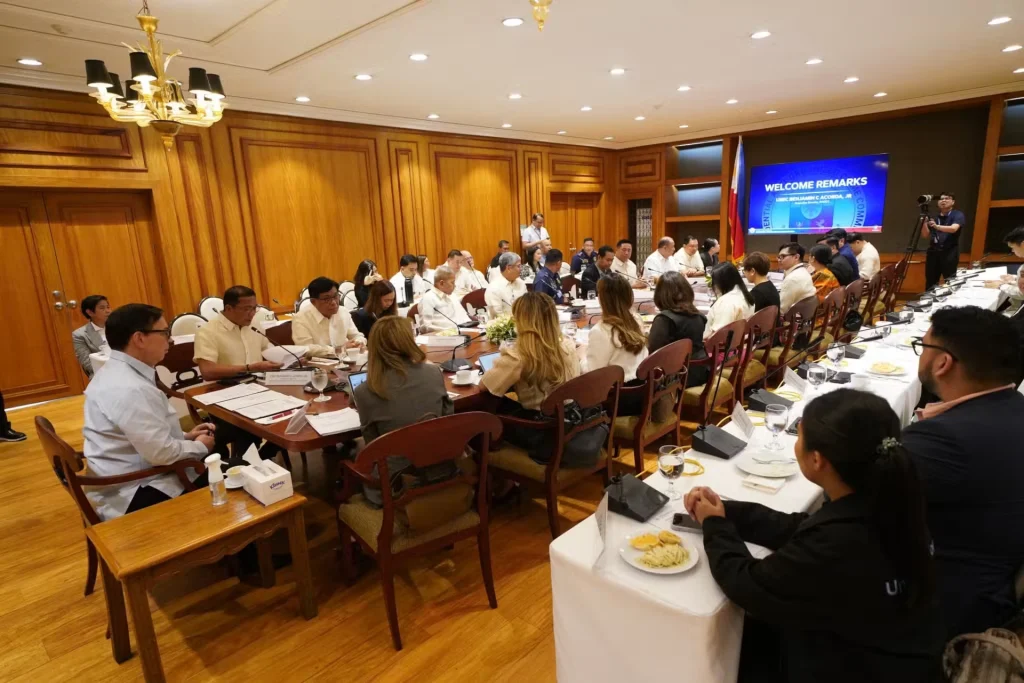
Under the framework, the Presidential Anti-Organized Crime Commission will act as the lead coordinating body, overseeing inter-agency efforts. The Department of Justice will embed prosecutors early in investigations to strengthen case-building and improve conviction rates. Financial intelligence will play a central role.
The Anti-Money Laundering Council and the Securities and Exchange Commission are tasked with tracing illicit financial flows and corporate structures tied to POGO-related activities, helping authorities identify and seize proceeds of crime.
The framework also incorporates victim protection measures. The Department of Social Welfare and Development will provide temporary shelter and support services, ensure that trafficked individuals are not treated as offenders, and facilitate access to witness protection programs. Officials emphasized that the SOP is informed by operational experience and international cooperation, including input from the United Nations Office on Drugs and Crime. Authorities say this reflects the increasingly transnational nature of crimes associated with offshore gambling operations, which often span multiple jurisdictions and adapt quickly to enforcement pressure.
Recto warned that illegal operators have proven highly adaptable, frequently re-emerging under new corporate structures, branding or technological setups. As such, the SOP is designed to be dynamic, enabling authorities to move beyond reactive closures toward a more comprehensive strategy focused on dismantling underlying networks.