The tension on US-China relations has lessened slightly, as both nations announced a suspension on part of their tariffs on exports for 90 days, potentially offering a reprieve from speculation over the impact on Macau’s US-backed gaming operators.
In a joint statement on Monday, the US announced that levies on many Chinese imports will be reduced from about 145 percent to 30 percent, while those imposed by China on US goods would fall from 125 percent to 10 percent.
The move marks a significant stride in strained relations between Washington and Beijing, with US President Donald Trump aiming to pressure Chinese President Xi Jinping to the negotiating table, even as both nations suffered economic declines due to the tariffs.
A reduction in the levies had been expected, due to the massive amount of trade between the world’s top economies.
Macau can breathe easy, for awhile, maybe
Before the tariff reductions were announced, AGB caught up with Senior Analyst at Seaport Research Partners Vitaly Umansky to get his view on how US-backed gaming operators in Macau were reacting.

“I don’t think it’s the government’s objective, either in Macau or China, to go after this (gaming) industry […] I think they view the operators in Macau as largely having done what they’re supposed to do”.
Umansky is not of the opinion that the gaming concessions would be a potential pressure point for Beijing, noting that “having well-regulated operators that are trustworthy, that have been here for (nearly) 25 years is critically important”.
But not everybody has the same standpoint.
Gaming consultant Ben Lee, Managing Partner of IGamiX Management & Consulting questions, “What makes the US operators in Macau untouchable?”
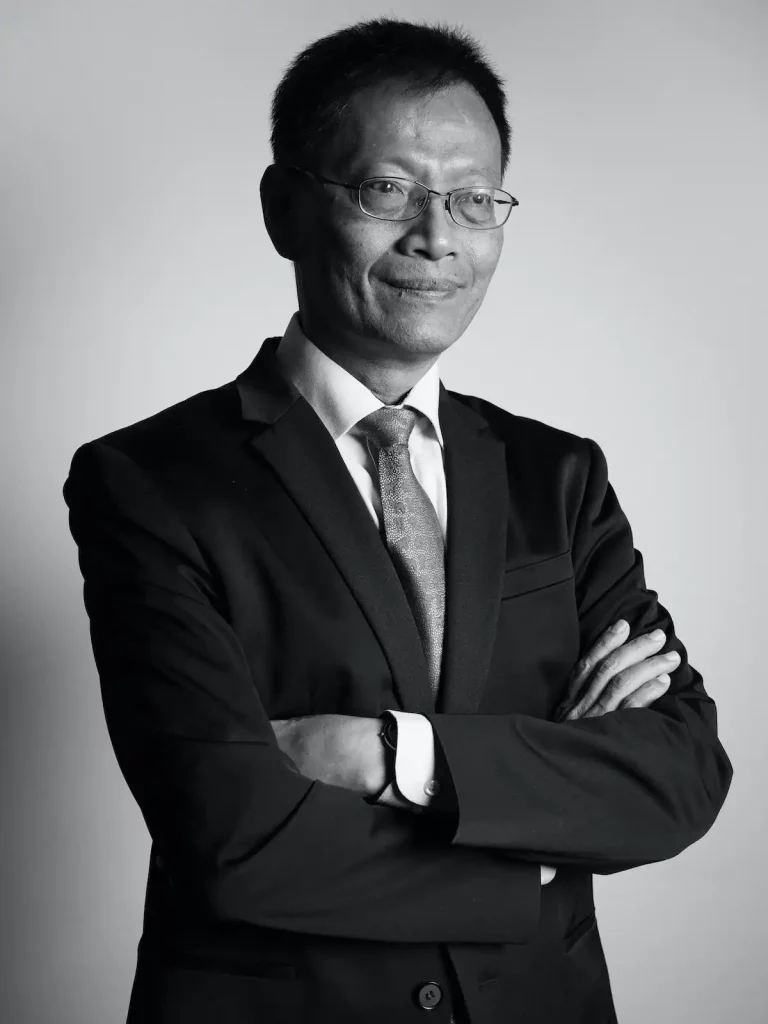
Lee questions in particular what physical goods that the three US-backed gaming operators manufacture, an interesting point given that the tariffs also target goods and not services.
But even more so, Lee questions exactly how the gaming operators are contributing to China’s economy directly.
The operators “take liquidity out of China into Macau and from Macau it goes to the US as profits or dividends”. And little can be said to contradict this fact, since the post-COVID rebound, Las Vegas Sands, Wynn Resorts and MGM Resorts have all engaged in significant stock buyback programs.
Macau likely safer, but US operations impacted
The last US-backed Macau operator to announce its 1Q25 results recently, Wynn Resorts, did have some questions to management in its earnings call about tariffs, and the group indicated that the increased pressure had caused a rethink on financial investments.
“That has to do with material costs, because they’re doing some large-scale renovation work, and obviously most of that is imported. So, it raises their costs. They’re just debating whether to delay some of the renovation work,” opines Umansky.
But Macau continues to be a cash cow for US operators and also a cause for massive expenditure.
Las Vegas Sands Chairman and CEO, in the group’s 1Q25 results announcement, indicated that Sands China had invested “approximately $17 billion” in Macau so far. A huge part of that is in non-gaming efforts. And while they’re the largest of the three US-backed Macau operators, the other two also face significant exposure to any changes in the status quo of their Macau operations.
Analysts at Fitch point out that Las Vegas Sands derived 63 percent of consolidated FY24 revenues from Macau, which drops to 52 percent for Wynn Resorts and 23 percent for MGM Resorts International.
However, “all six operators are publicly traded companies”, effectively listed on the Hong Kong Stock Exchange (Melco being a slight exception).
“If you cut off or limit dividend distributions, you’re affecting Hong Kong-listed companies, which sets a very bad precedent around investment […] so it’s not really realistic,” notes Umansky.
“It’s more important for China to see Macau as a stable, growing place that they can point to and say ‘we’ve done a great job managing this for 25 years, having an industry that’s relevant and trustworthy’”.
“And I think all the operators back in the US, when they speak with government officials etc, they are one of the industry groups that actually speaks more favorably about China,” indicates the analyst.
The tariff topic was even raised by the head of the Hong Kong & Macau Affairs Bureau during a visit to Macau over the weekend, demonstrating that the business impact on the SAR has been under evaluation by Beijing, with hopes that tensions would lessen, but with preparations to handle any eventuality.
Discussions will continue between China and the United States, as both sides still hold strong views over the relevance or necessity of tariffs, but at least – for now – both sides have sat down at the table to hash it out, with hopes that dialogue will trump political posturing (and all the negative impacts it can bring).