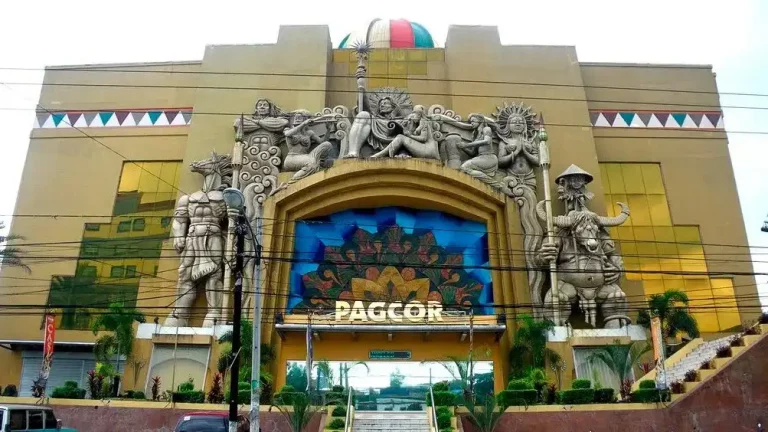
The Philippine Amusement and Gaming Corp. (PAGCOR)’s contribution to the government increased by 25 percent yearly in May, highlighting the sustained resurgence of the gaming sector in the Philippines.
Bureau of the Treasury data reveal that the country’s gaming regulator and operator remitted PHP3.27 billion ($55.9 million) to the state in May 2024, compared to PHP2.6 billion ($44.4 million) in May 2023.
According to the Manila Bulletin, PAGCOR’s remittance in May boosted its total for the first five months of the year to PHP17.38 billion ($297 million), a 31 percent increase from PHP13.25 billion ($226.5 million) in the same period last year.
Moreover, PAGCOR’s contributions to the Treasury from January to May this year surpassed the pre-pandemic total of PHP13.25 billion ($226.5 million) in 2019, reflecting the gaming sector’s recovery and resilience after the Covid-19 pandemic.
The government had introduced strict lockdown measures starting March 16th, 2020, which lasted two years, making it one of the longest lockdowns globally.
During the extended pandemic period, the Philippine gaming industry faced challenges, with casinos operating at reduced capacity and restrictions on foreign gamblers’ entry.
By law, PAGCOR, the third-largest revenue-generating agency for the government, must allocate 50 percent of its net revenue to the national government.
For 2024, the Treasury expects to receive PHP29.87 billion ($511 million) from PAGCOR.
Earlier reports from PAGCOR indicated that the country’s gross gaming revenues (GGR) in the first quarter of the year reached PHP81.70 billion ($1.4 billion), an 18.5 percent increase from the PHP68.92 billion ($1.18 billion) recorded in the same period last year.
PAGCOR Chairman and Chief Executive Alejandro H. Tengco previously stated that the electronic games sector continues its record-breaking performance, bringing in PHP22.5 billion ($385 million)—over six times the first quarter revenues of PHP3.5 billion ($59.8 million) in 2023.
In general, PAGCOR anticipated its GGR in 2024 to reach PHP336.38 billion ($5.9 billion).
This target represents a significant increase of 17.9 percent, equivalent to PHP51.11 billion ($906.3 million) compared to the actual GGR recorded in 2023, which stood at PHP285.27 billion ($5 billion).
Specifically focusing on PAGCOR-run casinos, the projections indicate a robust performance, with anticipated revenues from gaming operations expected to reach PHP81.27 billion ($1.4 billion) by the end of the year.
This forecast marks a 2.39 percent growth, amounting to PHP1.9 billion ($33.6 million) more than the actual PAGCOR casino revenues recorded in 2023, which amounted to PHP79.37 billion ($1.4 billion).
The Philippines’ Presidential Anti-Organized Crime Commission (PAOCC) rejected a proposal on Saturday to designate suspended Bamban, Tarlac Mayor Alice Guo as a state witness, asserting that such a move would only be considered if she could identify someone “higher” and more culpable than herself.
According to the Philippine News Agency, PAOCC spokesperson Winston Casio expressed his belief that the suspended local government chief is not the least culpable among the suspects under investigation for human trafficking.
In fact, the PAOCC official stated during the Saturday News Forum in Quezon City, Guo holds the highest position in the “food chain” when questioned about Guo’s level of culpability among those identified and currently in custody.”
Casio added that any state witness, in any case, must be the least guilty in the entire conspiracy behind the crime.
“Based on authorities’ assessment of the current evidence, Guo does not qualify as the least guilty at this time,” Casio mentioned. He also noted that if future evidence suggests Guo is the least guilty, they could consider her as a state witness.
Meanwhile, David & Jamilla Law Offices, legal counsel for Alice Guo, sent a letter to Senator Risa Hontiveros refuting any association with Jian Zhong Guo, Sheila Leal Guo, Wesley Leal Guo, Seimen Leal Guo, and Wenyi Lin, who are accused of involvement in illegal POGO operations.
According to The Philippine Star, “As much as we want to comply with the processes of the Senate Committee, we regret to inform you that we do not represent the above-named individuals… We would like to clarify and make it of record that our law firm only represents Mayor Alice Leal Guo, and her alone,” their statement read.
Senator Risa Hontiveros is one of the Philippine political figures who stands on the frontline calling for a POGO ban.
Alice Guo “POGO Mayor” is the focal point of the Senate investigation concerning the raided POGO hub in Bamban, with documents indicating her direct involvement in processing operations.
Additionally, she is under suspicion of involvement in a criminal syndicate run by Chinese nationals.
Questions have arisen about Guo’s citizenship due to inconsistencies in her testimonies regarding her background and alleged questionable documents related to her Filipino citizenship.
Despite these issues, Guo has denied any involvement in illegal POGO activities and continues to assert her Filipino citizenship.
Imperial Pacific International (IPI) has notified the US federal bankruptcy court that it has reached an agreement with the Committee of Unsecured Creditors to sell its unfinished hotel-casino in Garapan.
According to local media outlet Saipan Tribune, the goal is to sell the hotel by the end of the year.
Last Friday, IPI attorneys filed a motion opposing the Commonwealth of the Northern Mariana Islands’ (CNMI) motion to convert IPI’s Chapter 11 Bankruptcy to Chapter 7 Bankruptcy, which would involve liquidating all of IPI’s assets.
IPI’s lawyers contend that converting to Chapter 7 liquidation would not serve creditors’ interests. They argue first that liquidations are typically more expensive and time-consuming.
Additionally, they note that Chapter 7 Trustees often lack funds to adequately maintain and secure assets. Given the building’s poor condition and insufficient security funds, they suggest a Chapter 7 Trustee might opt to abandon the asset altogether.
Earlier, the Commonwealth filed a motion to convert the case from Chapter 11 to Chapter 7, citing ongoing losses, lack of prospects for rehabilitation, and absence of insurance. The Office of the US Trustee supported the motion and has requested dismissal of the case.
IPI operated a casino for about four years until the Covid-19 pandemic forced its closure in March 2020. Hotel construction also halted due to a lack of funds. The estimated cost to complete the hotel ranges from $100 million to $150 million.
Although IPI is currently not operating, it employs around 15 people, 10 of whom provide security services.
Macau’s failed ultra-luxury hotel The 13 has reopened its doors, despite its parent company having been declared bankrupt and a failed attempt at auctioning off the property last March.
According to an exclusive by TDM Radio Macau, the hotel still has a valid hotel operating license until December 31st, with the renewal of that license expected between October 1st and the end of the year.
The broadcaster cites information from the Macao Government Tourism Office (DST), noting that the hotel’s reopening is limited and coincides with renovation works.
The building has been shuttered for years after failing to attract clientele – in part due to its inability to get one of Macau’s six gaming operators to help it operate a satellite casino.
In previous Hong Kong Stock Exchange filings it was indicated that the hotel’s operator was in talks with Melco, an international gaming operator led by Lawrence Ho, to allow it to operate a casino.
When questioned on the issue during the initial stages of the collapse of The 13’s parent company, the executive denied that Melco would be helping the hotel to get a casino.
Initially under Paul Y. Engineering, Louis XIII and later South Shore Holdings, the property underwent name and management changes as it struggled to open and bring in clientele.
Located on the end of the Cotai Strip, and envisioned by extravagant Hong Kong businessman Stephen Hung, the property always failed in one major aspect: location.
Expert Ben Lee previously told AGB that the property’s iconic, if questionable, aesthetic also didn’t keep up with the times.
“The design, while it may have been appropriate at a certain point in time, when they finally did get it built, was out of touch”.
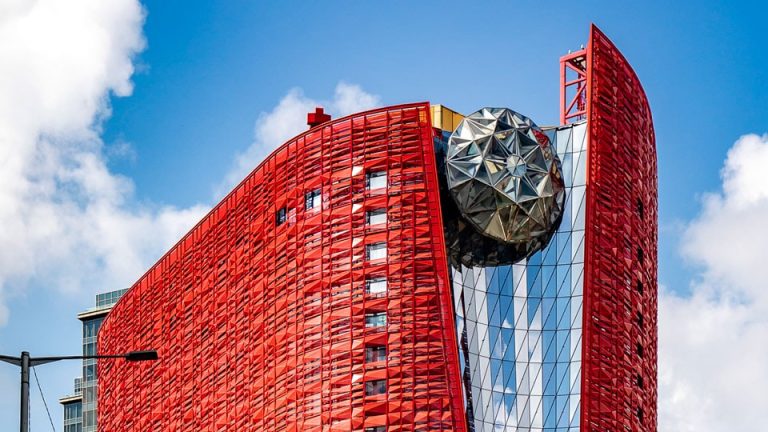
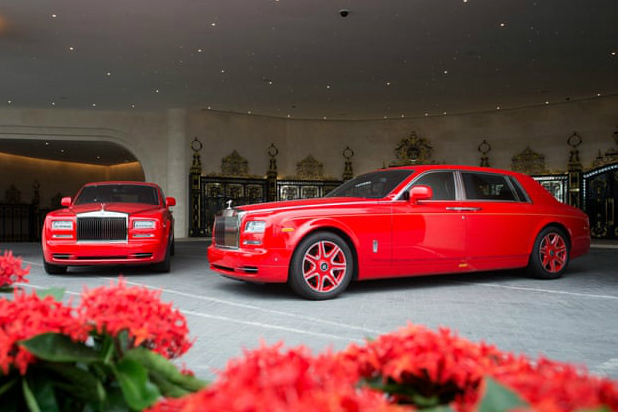
With its cherry-red exterior and large faux diamond at the top, the property certainly stands out, but isn’t visible from the majority of the Cotai Strip, as clients were expected to be shuttled in via a fleet of 30 custom made Rolls-Royce Phantoms (for some $20 million), of which most have since been auctioned off.
Its operators were also unable to accurately target the ultra-rich faction – aiming for VIP and premium mass play, being kneecapped by not having a casino – especially due to China’s crackdown on corruption and Macau implementing a table cap.
The 199 room property had initially hoped for up to 66 gaming tables, Lee previously told AGB.
Under the liquidation process, real estate group Jones Lang La Salle attempted an auction of the property for HK$2.4 billion, unsuccessfully.
Now it remains to be seen what will happen with its renovation works, what management intends, and in what condition the property currently is, having been dormant for so long.
A recent study by Macao Polytechnic University (MPU) researchers reveals that the pandemic has significantly altered the gambling behaviors of mainland Chinese gamblers in Macau.
The research, led by Dr. Jinquan Zhou and his colleagues Hong-Wai Ho and Chi Biu Chan, highlights a major shift from land-based to online gambling during the pandemic, and key findings indicate notable differences based on marital status, duration of stay, and demographic factors.
The study surveyed 334 mainland Chinese gamblers, revealing that more than half (51.2 percent) of the participants stopped gambling entirely during the pandemic.
The strict public health measures and travel restrictions played a crucial role in deterring gamblers from visiting Macau’s casinos. Consequently, many turned to online gambling as an alternative.
The data show a notable rise in online gambling activities, with 52.4 percent of respondents engaging in online platforms. This shift was more pronounced among younger gamblers, indicating a generational trend towards digital gambling options.
Men were particularly inclined to switch to online gambling, with 77.7 percent of the online gamblers being male.
Socio-demographic factors and gambling behavior
The study also delved into the socio-demographic characteristics influencing gambling behavior. Significant differences were observed based on gender, gambling habits, income levels, and the frequency of gambling before the pandemic.
Interestingly, marital status affected decisions to travel to Macau for gambling but did not significantly influence online gambling habits.
For instance, married individuals who did travel to Macau during the pandemic spent more time and money in casinos compared to their single counterparts.
However, their gambling budgets remained consistent before and during the pandemic. Across all marital statuses, there was no significant change in gambling expenditure during the pandemic.
Among those who did visit Macau’s casinos during the pandemic, high-value gamblers tended to extend their stays, spending more money compared to those who stayed for shorter periods (1-2 days).
Respondents who stayed at the casinos for six to 12 hours or more than two days were more involved in gambling activities than those who stayed for only one to two days. Prior to the pandemic, individuals with gambling budgets exceeding RMB30,001 ($4,137) were more common, indicating that high-value gamblers had larger budgets before the pandemic.
Age demographics showed that gamblers under 25 and those aged 26 to 35 were more prevalent during the pandemic than those over 36, suggesting a higher participation rate among younger gamblers. This was seen as a sign that this age group is more adaptable to changing gambling environments.
Regular gamblers before the pandemic, particularly those who gambled daily, maintained a higher frequency of play compared to those who gambled weekly, monthly, or irregularly. Younger gamblers also showed a higher frequency of social gambling.
The study also noted significant differences in online gambling behaviors based on educational attainment. College-educated individuals were more likely to engage in online gambling than those with a high school education or below. Frequent gamblers before the pandemic continued to gamble more frequently during the pandemic.
In terms of age, online gamblers aged 26 to 35 exhibited significantly higher expenditure compared to those aged 35 to 45. Additionally, gamblers under 25 and those aged 26 to 35 demonstrated higher gambling moods and social gambling involvement compared to older age groups.
Gamblers engaging in sessions longer than two days were more common than those participating for one to two days, indicating that online gambling meets the socialization needs of gamblers over extended periods.
According to the study, the shift to online gambling presents new public health challenges. While the decrease in land-based gambling could help control problem gambling to some extent, the rise of online gambling necessitates targeted public health strategies.
Dr. Zhou and his team emphasized the need for a coordinated approach involving policymakers, gaming operators, and the community to mitigate the negative impacts of gambling.
The researchers then called for enhanced support services and education to safeguard individuals and communities from the potential harms of gambling addiction.
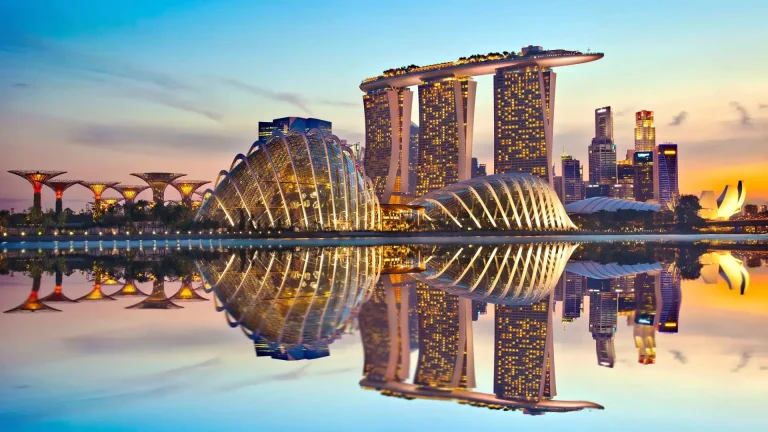
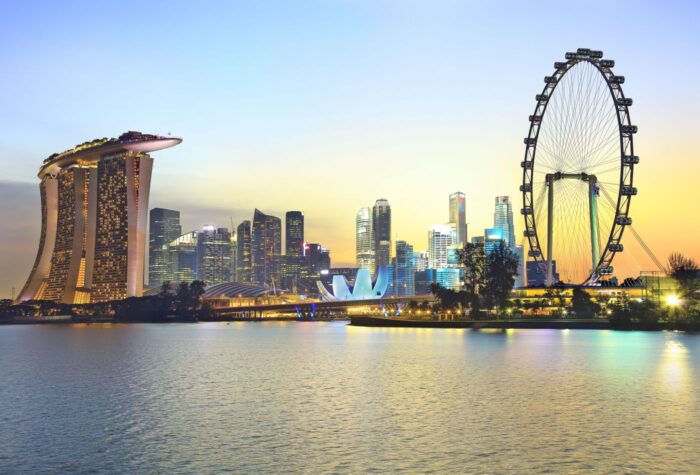
Good Morning. Just wait for it. Multi-billion dollar investment commitments by gaming operators Las Vegas Sands and Genting Singapore are expected to bring new and unique attractions to Singapore, according to industry expert Christopher Khoo, managing director at MasterConsult Services. The investments are anticipated to further strengthen the positions of Marina Bay Sands and Resorts World Sentosa in the gaming and tourism industries. Meanwhile, Macau’s Judiciary Police seized 1,924 money changers between January and May 2023, many of whom have been banned from entering local casinos.
Industry expert Christopher Khoo, managing director at MasterConsult Services, expects the multi-billion dollar investment commitments from Las Vegas Sands and Genting Singapore to bring innovative and distinctive new attractions to Singapore. The two operators have pledged a combined $6.65 billion to expand their non-gaming and tourism facilities, extending their duopoly in the market until 2030. According to Khoo, these forthcoming attractions will be “sufficiently different and outstanding” given the significant price tag associated with the projects.
Macau’s hotel occupancy rate for this year’s summer season is anticipated to surpass 90 percent, according to a local insider in the hotel industry.
Lou Chi Leong, director of the Macau Hoteliers & Innkeepers Association, shared with local media outlets that the sector holds optimistic expectations for the upcoming summer, especially from mid-July to late August, when hotels are expected to experience a significant increase in guests.
He noted that despite the increased supply of hotel rooms in Macau since the pandemic, achieving a 90 percent occupancy rate would indicate that the hotel industry’s recovery has exceeded pre-pandemic levels.
As of May 2024, Macau had 143 hotel establishments, marking a 13 percent increase from the previous year, according to the latest data from the Statistics and Census Service (DSEC). The number of guest rooms grew by 9.3 percent to 47,000, with the average occupancy rate rising by 4.9 percentage points year-on-year to reach 83.6 percent.
In a previous investment memo, UBS noted that despite the weakened gaming market in June, hotel booking data show positive momentum for the upcoming summer season. According to data from 33 hotels tracked by UBS, one-month-forward hotel prices have risen for the summer holiday period, reaching HK$3,400 ($435) per night, marking a 4 percent increase week-on-week and a 15 percent increase year-on-year.
Lou mentioned that hotel room rates would remain stable throughout the summer, without notable increases. He also noted that hotels planned to introduce a variety of promotions and discounts to attract guests during the summer holiday season.
From January to May this year, the average occupancy rate for guest rooms saw a significant year-on-year increase of 7.7 percentage points, reaching 84.3 percent. The number of guests also showed substantial growth, rising by 25 percent to 6,135,000. The average length of stay remained steady at 1.7 nights.
Digitain, a global leader in Sportsbook and iGaming solutions, expanded its award-winning technology with the release of its Centrivo Affiliate platform.
The introduction of the Centrivo Affiliate platform enables operators to expand their new player acquisition marketing, retention, and reactivation for a complete, seamless solution that includes the creation, tracking, and reporting of affiliate marketing campaigns.
Edmond Ghulyan, Digitain’s Group Chief Strategy Officer / Chief of Centrivo Product, said: “We continue to innovate our platform for iGaming partner operators, so that operators can create promotional campaigns for acquisition, retention, reactivation, that delivers player engagement and revenue growth.
The Centrivo Affiliate platform, is intuitive and can be customised to meet the operator’s unique requirements, offering various commission models, redirection automation, tracking optimisation and comprehensive reporting capabilities. Our platform allows you to set up and launch your affiliate marketing program with a single click, guaranteeing maximum exposure and player engagement during high-profile events.
MGM has launched the Barra District “Summer Hype” Series Event this July, marking a new milestone in the area’s revitalization progress. This exciting series features not only an array of international art events.
It also sees MGM collaborating with local budding SMEs and creative partners, transforming Barra District into a vibrant hub brimming with trendy, artistic, leisure and retail activities.
Through this initiative, MGM strives to foster a broader synergy with various sectors of society, to jointly integrate Barra District into the everyday lives of Macau — jointly creating an inclusive space where residents, tourists, and even pets can revel in its countless joy and warmth. The series embodies the spirit of “co-building and sharing,” as the most pivotal catalyst for the sustainable development of Barra District.
To enhance public understanding of Barra District’s revitalization and community engagement efforts, MGM today hosted a dedicated Sharing Session around the “Summer Hype” Series Event at Navy Yard No. 2, with various partners sharing insights and aspirations into collaborative revitalization endeavors.
During the sharing, Nono Leong, founding president of the Macao Illustrators Association, expressed excitement about co-hosting an impactful visual design competition revolving around urban enhancement, which will invite public participation to infuse Barra District with fresh artistic energy.
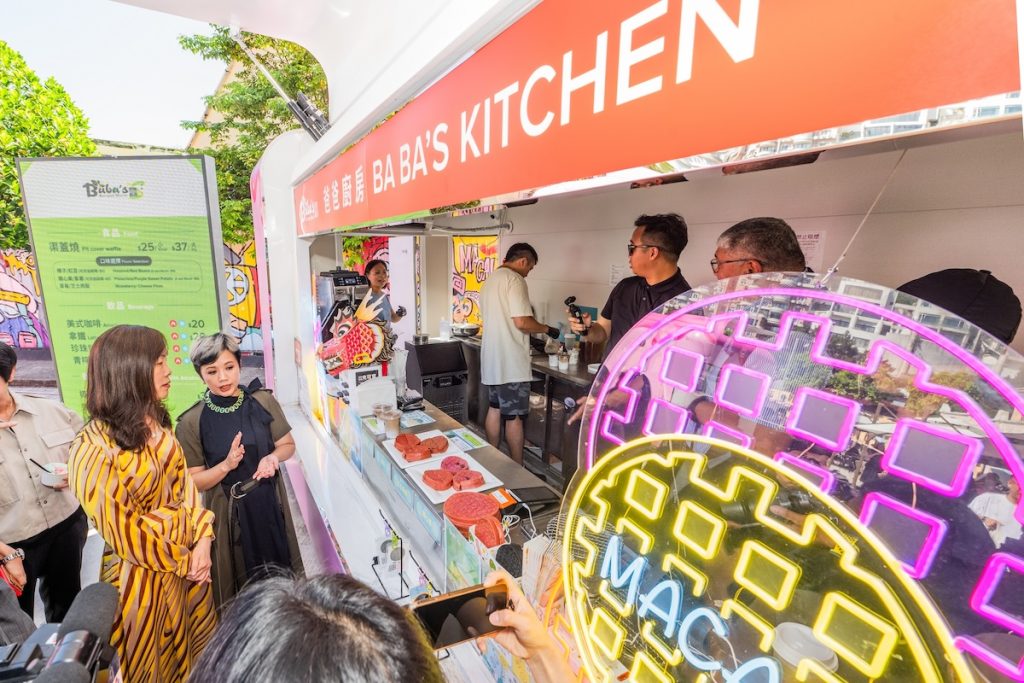
Besides, Billy Kuok, co-founder of Macau’s fashion retail brand THE BIG APPLE, shared how he pioneers new business models under this initiative, leading to his brand’s first “Retail x Art” fusion project. Wallace Chan, representing the local tea brand “HoHo HotCha” talked about the opportunities and challenges for young entrepreneurs in Macau, highlighting how this partnership in a creative food truck has expanded his trendy tea offerings from the old town to Barra District.
The session attracted over 80 guests, including government officials, local youth entrepreneurs, and prominent figures from the arts and culture sectors.
Catarina Lio, Senior Vice President of Brand Marketing of MGM, said, “A District’s revitalization requires community collaboration. This is especially true for Barra District which is a brand-new area in Macau.
Its transformation relies on the city’s collective effort. MGM would like to thank the Macao SAR government for its continuous support, enabling us to initiate many cultural events since the beginning of this year.
And now, we are devoted to strengthening our partnerships across sectors, and leveraging our corporate resources to help Macau’s young entrepreneurs and talents attain their breakthroughs in cross-disciplinary innovations. Together, we aspire to enrich the district with captivating cultural tourism elements.
Macau is an ideal walkable city. I encourage both residents and visitors to experience Barra District through Citywalk routes, experiencing its makeover only made possible by community efforts and Macau’s neighborly warmth.”
Leong Wai Man, Director of the Cultural Affairs Bureau, said, “In the past, revitalization projects primarily involved only the government and property owners. Now, with the involvement of MGM and a variety of SMEs, the revitalization of Barra district has reached a new dimension, allowing for closer cooperation and innovative models.
Although Barra district is a historical area, its future holds many possibilities, and can host a wide range of creative projects. I believe future revitalization happenings here will combine the rich historical and cultural elements of the district injected with innovative elements, gradually sparking a new wave of vitality to the district.”
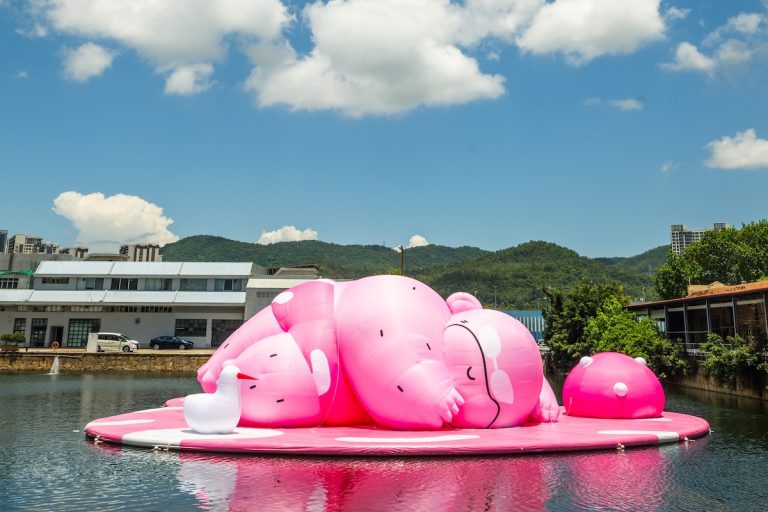
Following the Sharing Session, MGM hosted the opening ceremony for its lead-off event —a large-scale public inflatable art installation titled “BERTILO Drifts in Barra” at Barra District. The ribbon-cutting ceremony was graced by Ao Ieong U, Secretary for Social Affairs and Culture of the Macao SAR Government.
Yin Rutao,Deputy Director of the Department of Publicity and Culture of the Liaison Office of the Central People’s Government in the Macao SAR; Ho Ioc San, Chief of Office of the Secretary for Social Affairs and Culture; Leong Wai Man, Director of the Cultural Affairs Bureau; Hoi Io Meng, Acting Director of the Macao Government Tourism Office.
Bertil Butturini and Jingo Li, the creative duo of “BERTILO Drifts in Barra“; Kenneth Feng, President and Executive Director of MGM China Holdings Limited; and Catarina Lio, Senior Vice President of Brand Marketing of MGM. The duo later shared their bespoke public art concept crafted especially for Lago da Barra.
The Barra District “Summer Hype” Series Event is comprised of four major artistic pillars – They are novel landmarks in Macau with “contemporary, trendy, artistic, and lifestyle” elements. Seizing this mega event, MGM aims to expand its corporate network and resources to empower local SMEs with cross-sector integration capabilities. Additionally, MGM maximizes various processes within revitalization to mobilize SMEs of different industries, providing young local entrepreneurs with new business avenues. MGM doubles down on taking the leading role to help foster growth and collaborative success with SMEs.
In July, the “BERTILO Drifts in Barra” art installation is shaping Lago da Barra into an adorable pink photo-spot. MGM teams up with local bus company to co-launch 10 pink-themed buses, spreading the charm of the “pink chubby Italian” all over Macau.
The Company also collaborates with local F&B SMEs to offer exclusive pink-themed snacks, including Pink Chubby Burger Sticks, Pink Chubby Summer Ice Cream, Canal cover-shaped Pink Grills, and Chubby Custard Bun Drinks. These are to help SMEs boost their business opportunities.
Also in July, MGM will open the newly-revitalized former Barra slaughterhouse site – where the Company will collaborate with the Cultural Affairs Bureau and the renowned Centre Pompidou from France to launch the “Fantastic Art World from Centre Pompidou: The Plantamouves”.
This art exhibition is specially designed for children, enabling Macau’s kids and their parents to “co-craft” a vibrant giant art installation using light, color, and lines. This creative space in Barra District serves not only as a playground but also as an interactive educational platform to nurture children’s artistic potential.
To strengthen the public connection with Barra District, MGM will join hands with the Macao Illustrators Association in July to co-organize the “Barra District Visual Identity Design Contest“. This innovative approach is intended to create a unique visual symbol system for Barra District. With community creative co-creation, the competition aims to revitalize the maritime history and industrial heritage of the area.
In August, MGM will partner with Macau’s fashion retail brand THE BIG APPLE, which marks its 10th anniversary this year, to jointly bring in famous Japanese artist Matsui to host his first illustration exhibition in Macau named “Matsui’s the dog exhibition“. The event will come with themed dining and fashionable retail elements, infusing a fun lifestyle into Barra District. MGM will also extend its efforts to create a pet-friendly space in the area.
The Philippines Department of Justice (DOJ) has vowed to fairly evaluate cases involving figures linked to illegal Philippine Online Gaming Operators (POGOs), saying it will act based on available evidence.
According to the Philippines News Agency, DOJ spokesperson Assistant Secretary Mico Clavano stated that the department immediately evaluates all cases regardless of the respondent.
This comes after reports that a former Cabinet official allegedly lobbied for illegal POGOs.
Clavano emphasized that the DOJ’s role is to be evidence-based, and it will ensure that any cases are properly evaluated and filed in court if the evidence warrants it. The same principle applies to the suspended Bamban, Tarlac Mayor Alice Guo, who was recently accused of human trafficking in connection to a raided POGO hub.
Commenting on reports of alleged torture in POGO hubs, Clavano said the DOJ will act on any filed charges as long as they are supported by sufficient evidence, reiterating the department’s commitment to being evidence-based in its approach.