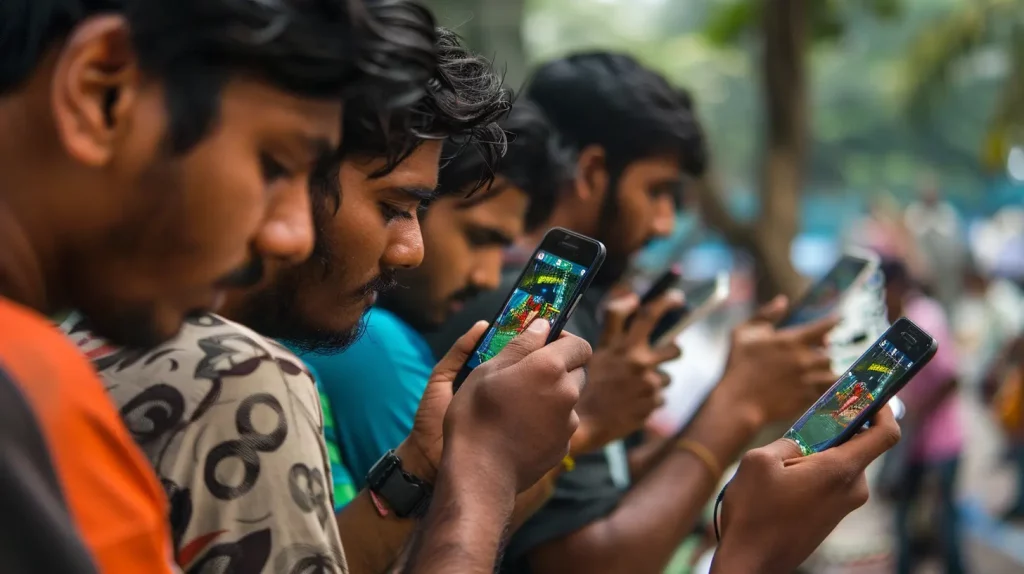
Good Morning. India’s online gaming sector has rampant potential for growth, but current taxation measures are limiting the options, according to a report. Retroactive taxation is causing even established companies to up their operating costs and layoff employees, limiting profitability and reducing the possibilities for operators in the space. Meanwhile, in Macau, concerns over increased pressure by authorities appear to be overdone, as whales continue to play in the SAR and their movement of funds appears unperturbed.
What you need to know
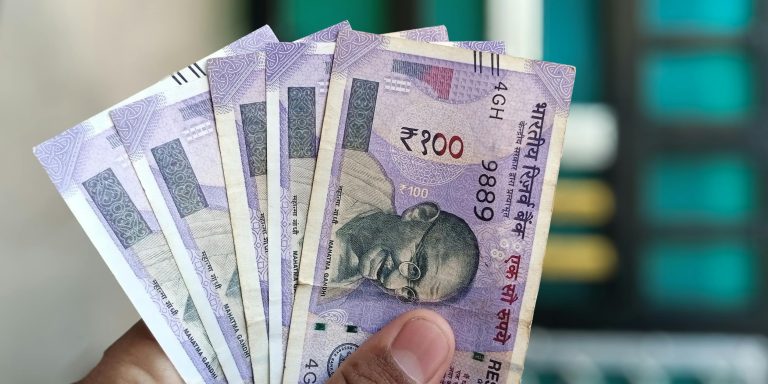
The Indian online gaming industry is expected to generate some INR140 billion ($1.68 billion) in taxes in the next financial year.
India’s online gaming sector holds massive potential for growth, but experts are worried that the current tax structure is prohibiting companies from reaching their full potential, and limiting market entrants. The current GST rate of 28 percent is stifling FDI, but the industry is still looking to add some 150,000 jobs next year. But retrospective taxing is also weighing down already established companies, with increased costs leading to more layoffs in the sector.
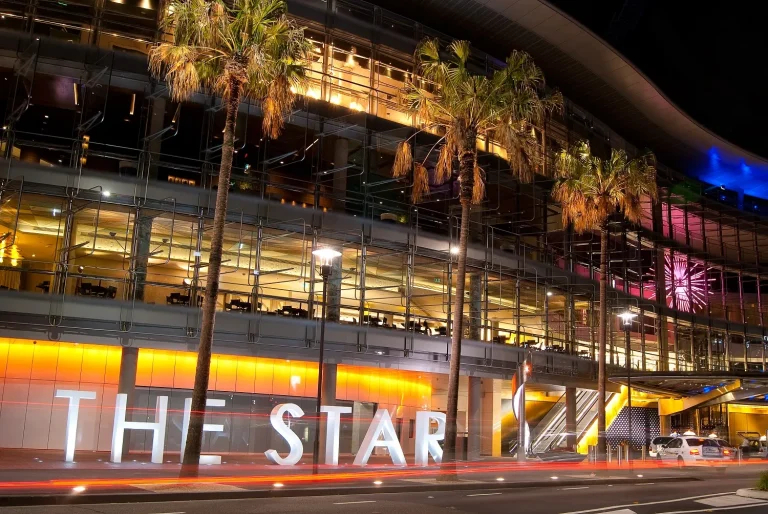
The Star Entertainment Group has switched off all of its Electronic Gaming Machines and Electronic Table Games at three properties from July 13th due to ‘system performance issues’.
In a Monday filing, the group indicated that EGMS and ETGs at its Treasury Brisbane, The Star Gold Coast and The Star Sydney had been ‘disrupted due to system performance issues identified in post-upgrade testing’.
The machines are being readied to comply with ‘the introduction of cashless gaming’.
The operator has now called on its external provider, Konami, ‘to address the operational issues as soon as possible’.
It notes that the company will ‘provide an update once operations return to normal’.
The Monday filing indicates that the shutdown commenced on July 13th at 10pm.
The Star assures that its three properties ‘remain open with table games, restaurants, bars and entertainment available’.
According to a July edition of its premium mass table survey, Citigroup has observed improving trends in gaming demand in Macau. Analysts note that concerns among some investors about a crackdown on illegal cross-border fund flows and its potential negative impact on Macau’s gross gaming revenue (GGR) are likely ‘overdone.’
The analysts highlight that most players in Macau have established legitimate means to transfer their funds into the region. These methods are ‘sufficient for them to wager as much as HK$1 million ($128,000) per hand.’
The research aims to evaluate the impact of China’s crackdown on illicit money exchange movement. According to a previous report, Macau’s Judiciary Police apprehended 1,924 money changers between January and May this year, who are now banned from entering Macau. Additionally, 927 individuals were included on the casino entry ban list.
In Citigroup’s survey, the total premium mass wagers observed in July amounted to approximately HK$12.2 million ($1.6 million), a 34 percent increase from the roughly HK$9.1 million ($1.2 million) recorded in the same month a year ago. The number of premium mass players in this month’s survey reached 575, marking a 61 percent increase from a year ago.
‘This implies that the wager per player in July 2024 has recovered to HK$21,193 ($2,715), which is 15 percent higher than June 2024’s HK$18,478 ($2,367). Our survey once again indicates that gaming demand remains robust,’ noted Citigroup.
High rollers’ watch
A ‘whale’ describes players whose bet size ranges from HK$100,000 to HK$500,000 ($12,800 – $64,000) per hand or more. The number of whales observed was 23, compared to only 19 in July 2023.
Analysts George Choi and Ryan Cheung indicate that ‘to our surprise, we encountered a HK$1 million ($128,000) whale for the second consecutive month (before 2024, we encountered HK$1 million whales only five times since our Whale Watch started in January 2018).’
Among the ‘whales’ observed, 11 out of 23 high rollers were playing at casinos operated by Galaxy Entertainment and Sands China.
At Sands China, the survey noted two Japanese high rollers at its Plaza property, betting HK$100,000 ($12,811) and HK$200,000 ($25,623), respectively, within its Apex gaming room, a high-limit play zone.
The Player of the Month, with a HK$6 million ($768,700) chip stack, was betting at the high-limit area of MGM Cotai. The survey also mentions a HK$700,000 ($89,680) whale at the Supreme Room of MGM Cotai and three HK$500,000 ($64,060) whales at Wynn Palace‘s Chairman Club.
Citigroup also observed a wider use of smart gaming tables across high-limit and grind mass baccarat play zones at properties operated by Galaxy Entertainment, Sands China, and Wynn Macau Ltd.
Buildings seized from illegal Philippine Offshore Gaming Operators (POGOs) could potentially be repurposed for use by government agencies following civil forfeiture cases.
That’s according to Gilbert Cruz, Undersecretary of the Presidential Anti-Organized Crime Commission (PAOCC).
“That’s very feasible. The properties we seized, such as those in Bamban, are exceptionally nice,” Cruz said during the Bagong Pilipinas (New Philippines) pre-State of the Nation interview, highlighting the quality of the raided POGO hubs in Bamban, Tarlac.
Cruz reported that at least five of these raided POGO hubs, along with the seized vehicles, are currently undergoing civil and criminal forfeiture processes in favor of the government.
“For example, one of the properties we forfeited in Pasay is now being used by the Department of Social Welfare and Development to house rescued victims,” Cruz explained.
“We also converted another property into a detention facility for individuals apprehended from POGOs, due to the Bureau of Immigration’s lack of detention space. I suggested we improvise the 6th floor as a jail, and that’s where the detainees are now held,” he added.
The civil and criminal forfeiture process is governed by Republic Act 1379, which mandates the forfeiture of any property unlawfully acquired by public officers or employees.
Cruz also suggested that the raided POGO hub in Porac, Pampanga, could be converted into a school. “These buildings have boarding houses, so they could be used to accommodate students,” he said.
He noted that during the previous administration, there were about 448 POGOs in the country, but only 46 have renewed their licenses with the Philippine Amusement and Gaming Corp. (PAGCOR).
“We are still pursuing 402 illegal POGOs,” Cruz stated.
According to Cruz, these illegal POGOs often use their licenses as a facade, presenting them to authorities during inspections while engaging in scamming and other illegal activities.
He added that 10 out of the 12 recently raided POGO hubs had foreign workers who are fugitives.
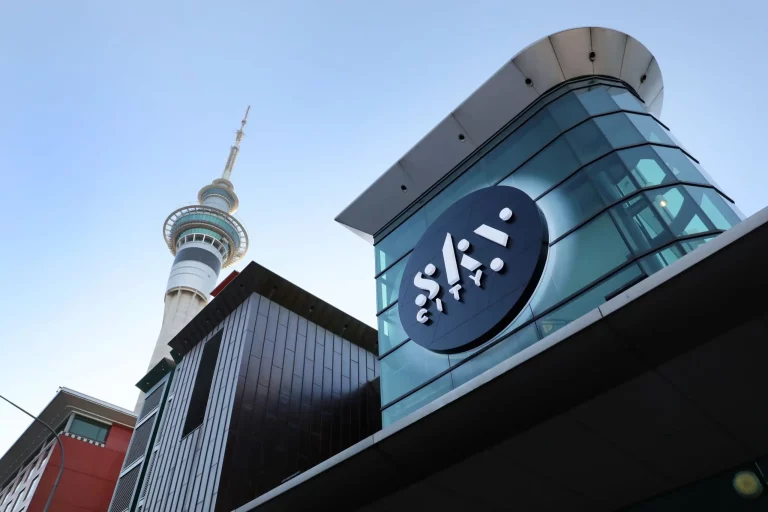
Walbridge, who takes over from former CEO Michael Ahearne, brings with him 18 years of industry experience from his previous roles at Aristocrat Leisure Ltd and Light & Wonder.
Walbridge’s top priority will be stabilizing SkyCity’s operations. In response to economic and regulatory challenges, the company has decided to suspend dividend payments for the remainder of 2024 and all of 2025 to protect its financial stability.
Meanwhile, SkyCity’s Australian casino, SkyCity Adelaide, is in the process of recovering after agreeing to pay approximately $45.5 million to settle compliance issues with AUSTRAC related to anti-money laundering regulations.
The company also announced several executive changes. Callum Mallet, who served as interim CEO, will return to his former position as Chief Operating Officer in New Zealand starting July 15th. Julian Cook will be leaving his executive role, and Brad Burnett will move from Interim Chief Operating Officer in New Zealand to General Manager of Gaming Auckland.
The Hong Kong Jockey Club (HKJC) reported a total turnover of HK$134.7 billion ($17.3 billion) for the 2023/24 Season, slightly down 4.5 percent from HK$141.1 billion ($18.1 billion) in the previous year.
In addition, the Hong Kong Jockey Club saw an 8.7 percent increase in overall turnover from simulcasting (including World Pool commingling) for the 2023/’24 season, reaching HK$12.8 billion. The results offset the total wagering decline.
Winfried Engelbrecht-Bresges, CEO, HKJC
Throughout the year, the club hosted 88 local race meetings, including seven twilight sessions, staging a total of 831 races. Additionally, 368 overseas races were simulcast during the season, according to the Jockey Club.
The club’s Chief Executive Officer Winfried Engelbrecht-Bresges described the overall season racing turnover as “satisfactory” amid a challenging economic situation.
“While the club will continue to grow and expand its overseas customer base, the decline in local racing wagering turnover underlines that it must constantly engage and reengage with Hong Kong racing fans,” Engelbrecht-Bresges emphasized.
The Indian online gaming industry is expected to generate some INR140 billion ($1.68 billion) in taxes in the 2024-2025 fiscal year, and help create 150,000 additional jobs, a recent report estimates.
The report underscored that, while revenue generated from the online gaming industry in India is lower compared to China, the United States, Japan, and the United Kingdom, its growth rate in the past six years has been the highest, with a compound annual growth rate (CAGR) of 30 percent from 2017 to 2023.
Regardless, the recent decision to impose a 28 percent Goods and Services Tax (GST) on the full deposit value in India’s online gaming sector has sparked concerns about its negative impact on the market’s development.
The study, developed by the EGROW Foundation and Primus Partners India spotlights the remarkable expansion of India’s online gaming sector and its main challenges, forecasting that the industry’s revenue will soar to $2.4 billion by FY2029, marking a robust CAGR of 20 percent from 2017 to 2029.
The online gaming sector’s contribution to GDP has surged, with a 27.5 percent CAGR from 2019 to 2022. Fiscal gains from this boom include INR16 billion ($191.6 million) in GST collected from gaming companies in FY 2022-23.
For the fiscal year ending March 31st, 2024, INR75 billion ($897.5 million) is expected to be collected from the tax, with INR35 billion ($419 million) generated in the October-December quarter alone. Looking ahead, India anticipates collecting up to INR140 billion ($1.68 billion) in GST from online gaming companies in FY 2024-25.
The sector’s attraction for investors remains strong, drawing INR15,000 crores ($1.8 billion) in FY2022. Expectations are high for an increase in foreign direct investment, targeting INR25,000 crores ($2.99 billion) by the close of FY2024.
Currently, the industry employs 100,000 individuals, with an optimistic outlook of creating an additional 150,000 jobs by 2025, fostering considerable employment opportunities.
Reflecting its dynamic growth, the online gaming workforce in India expanded 20-fold from 2018 to 2023, with a significant CAGR of 97 percent. The workforce grew from 100 percent in 2018 to 2,910 percent by 2023.
The technical workforce experienced a staggering 3,900 percent increase by 2023, with a CAGR of 109 percent. Gender dynamics in the workforce are also noteworthy, with the male workforce growing by 1.315 percent (69 percent CAGR) from 2018 to 2023, while the female workforce outpaced this with a 3.360 percent increase (103 percent CAGR).
The female workforce saw a notable gain of 740 percent in 2020 and a remarkable increase of 1640 percent in 2021.
The report India’s online gaming industry is on a trajectory of rapid expansion, significantly impacting revenue, employment, and technological innovation. Still, it warned of some of the regulatory obstacles curtailing its expansion, specifically the recent Goods and Services Tax (GST) increase for the sector.
Since October 1st, 2023, online gaming companies are required to charge a 28 percent GST on the full value of bets.
For the report, the GST increase aligns the taxation of online gaming with that of lottery, betting, and gambling but sparked concerns about its negative impact on the market’s development.
‘However, the issuance of retrospective show cause notices by the Directorate General of GST Intelligence (DGGI) has compounded industry woes, with a GST demand totaling up to INR1.5 lakh crore ($18.52 billion), far exceeding the industry’s total revenue,’ the report highlights.
‘Industry experts warn that this move will discourage gamer participation, drive away legitimate platforms, create opportunities for illegal operators, and ultimately reduce the sector’s economic contribution,’ the report underscores.
The increase in GST was said to have already led to a significant reduction in profitability for gaming companies.
‘Operating costs have surged by 4x to 6x, forcing many companies to cut marketing budgets and lay off employees to mitigate financial strain. Startups are particularly vulnerable, with many promising ventures struggling to survive under the weight of the new tax regime. This could result in the loss of innovation and job opportunities, posing significant challenges for the industry’s growth,’ the report adds.
While the government has attempted to bring clarity to the industry by levying a 28 percent GST on the full face value of deposits, tax authorities have issued notices for GST dues, stating that all online gaming companies are akin to betting and gambling and must pay taxes on the full value paid by users.
This retrospective action significantly impacts smaller companies, pushing them towards unsustainable operations and potential closures, but the report warns that job cuts and operational streamlining are expected as companies face decreased revenue and increased expenses due to the new taxation policy.
Several gaming companies have raised concerns that this tax rate is unsustainable, especially for budding start-ups in the industry. Many online gaming platforms are already absorbing a portion or the full cost of the 28 percent GST to remain competitive.
The report cities the CEO of a leading online gaming start-up who commented that the high GST rate acts as a major hindrance in attracting much-needed foreign direct investment (FDI) into the sector.
As start-ups rely heavily on external funding to fuel expansion, innovate products, and enhance operations, a decline in FDI would directly impact the growth of both existing and new players in this rapidly evolving market.
Despite the government of India providing 100 percent clearance for FDI in the online gaming industry, the steep 28 percent GST levy is also seen as a significant deterrent for potential foreign investors.
Industry experts argue that a more sustainable tax structure is crucial to unleash the true potential of India’s vibrant online gaming ecosystem, which has emerged as a key driver of the country’s digital economy.
According to the report, these experts also urge the government to consider rationalization of the GST rate to ensure the long-term prosperity and global competitiveness of the sector.
Newcomer SpinOn has officially announced the launch of its innovative games studio to the iGaming industry, along with the release of its first games, Gates of Thunder, Book of Evil and Shipwrecked.
Founded by a team of industry experts, SpinOn aims to provide a fresh and engaging approach to online slots, setting a new benchmark for gaming quality and boosting player involvement.
This exciting launch is supported by a partnership with Yggdrasil (YGG) Masters’ platform where SpinOn’s games are available. This collaboration allows the studio to leverage Yggdrasil’s extensive network and expertise to enhance its market presence and deliver high-quality gaming experiences.
SpinOn is set to enhance traditional gaming by building a player community, using engaging stories and immersive gameplay to connect users and create shared experiences beyond the screen.
SpinOn’s Marketing Team said: “As a brand-new studio, we needed a partner who can support us with the right tools to take off at speed and with Yggdrasil, we gain access to a platform that can propel our growth efficiently.”
James Curwen, Chief Executive Officer at Yggdrasil, added: “SpinOn’s mission is to deliver innovation and entertainment that keeps players excited and engaged from the first spin, hence their name! From the first game we have seen, “the Gates of Thunder” we are incredibly impressed with the quality of the content. Their studio is one to watch and will definitely be one of the rising stars in the future.”
EvenBet Gaming, a leading developer of online gaming software and solutions, has launched Mystery Bounty tournaments, the latest addition to its portfolio of poker products during which randomized prizes are awarded for player eliminations.
The release aligns with the surge in popularity of Mystery Bounty games across the globe, particularly in burgeoning South American markets such as Brazil, where EvenBet has committed to substantial commercial growth.
The format has seen increased engagement due to the potential for bigger winnings, with some tournaments set to include Mystery Bounty payouts of over $180,000. EvenBet’s new product mirrors the structure of standard bounty tournaments but transitions to the Mystery phase when a predetermined condition is met. The bounty part of the prize pool is then split into unequal portions and randomly assigned to the remaining players anonymously, generating anticipation and excitement.
Dmitry Starostenkov, CEO at EvenBet Gaming, said: “We are committed to continually upgrading and diversifying our range of poker products, and the introduction of Mystery Bounty tournaments to our platform is an addition which we are sure will resonate with players.”
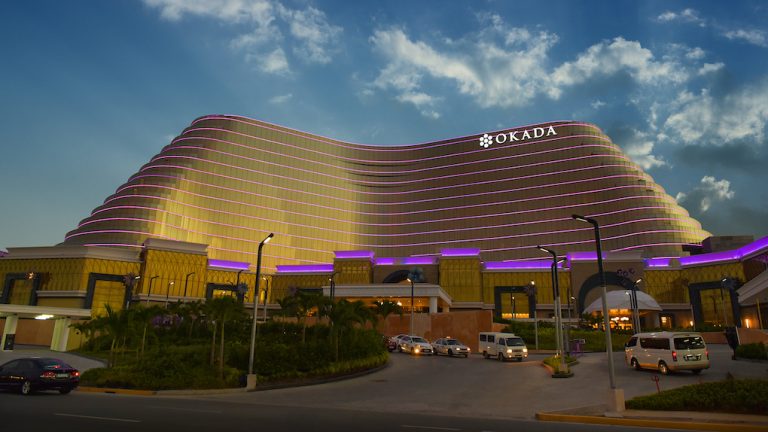
Tiger Resort, Leisure and Entertainment Inc., the operator of Okada Manila in the Philippines, disclosed gross gaming revenue (GGR) of PHP11.3 billion ($194 million) for 2Q24, marking a 21.8 percent decrease, largely attributed to declines in VIP and gaming machine segments.
Despite this, the result showed a slight improvement over 1Q24 GGR.
According to the latest business update, in 2Q24, Okada Manila’s VIP gaming tables saw a 34.5 percent year-on-year decline, generating PHP2.9 billion ($49.7 million), while gaming machines fell by 21.8 percent to PHP2.97 billion ($50.9 million).
Mass gaming table revenue also decreased by 3.4 percent to PHP2.97 billion ($50.9 million), contrasting with a 9.7 percent increase in non-gaming revenue to PHP1 billion ($17.1 million).
Adjusted segment EBITDA for the period declined by 30 percent year-on-year to PHP2.15 billion ($36.8 million), despite an uptick in total property visitors to 1.45 million from 1.42 million in 2Q23.
For the first half of 2024, Okada Manila’s combined GGR dropped 23 percent year-on-year to PHP17.6 billion ($301 million), with adjusted segment EBITDA also decreasing by 30 percent to PHP4.45 billion ($76.2 million).
TRLEI, a subsidiary of the Japanese conglomerate Universal Entertainment Corp., also recently terminated a term sheet earlier this month with PH Resorts Group. This decision halts plans for Tiger Resort’s investment in the stalled Emerald Bay casino resort project in Cebu.