Popular iGaming content provider BGaming is taking players back to the age of retro game consoles in Street Power. The throwback casual game features rewarding mechanics, three fighter options and feel-good audiovisual effects.
Every tap in this three-in-one release offers a guaranteed payout as the fighter shows off his power. Similar to Plinko, players win back no less than a minimum percentage of their bet at the end of each round, meaning there will be a reward.
In this vintage title, fans can choose their hero, Red Braid, Mr Blue Hands or Tommy Sun, on the opening select screen. Each champion kickstarts their own version of the game with differing levels of volatility, multipliers of x5, x25 or x100, and individual max wins, with Tommy Sun offering €250,000 default max exposure. The max win values are displayed throughout the game and shift as the player adjusts their bet amount in every game mode.
Street Power is easy to follow and clearly displays the choice of stakes in the betting field, with the max win displayed to the right. The higher the bet placed, the higher the max win.
Mikalai Dzeneladze, Chief Casual Game Producer at BGaming, said: “We are delighted to add this old-school video game–inspired title to our portfolio and reward our players with the win-only mechanic fans of Plinko will be familiar with. Street Power strengthens BGaming’s line-up of casual releases, standing out with the unique theme and wins-only mechanics.”
Wynn Resort’s Macau operations saw some $885.3 million in revenue during the second quarter, with rises from both its Macau peninsula and Cotai property – up by $35.7 million and $79.7 million yearly, respectively.
The group’s Macau operations brought in a total of $161.93 million in operating income during the quarter, a strong increase from the $121.68 million recorded in 2Q23.
Meanwhile, property EBITDA rose from $246.19 million in 2Q23 to some $280.37 in 2Q24.
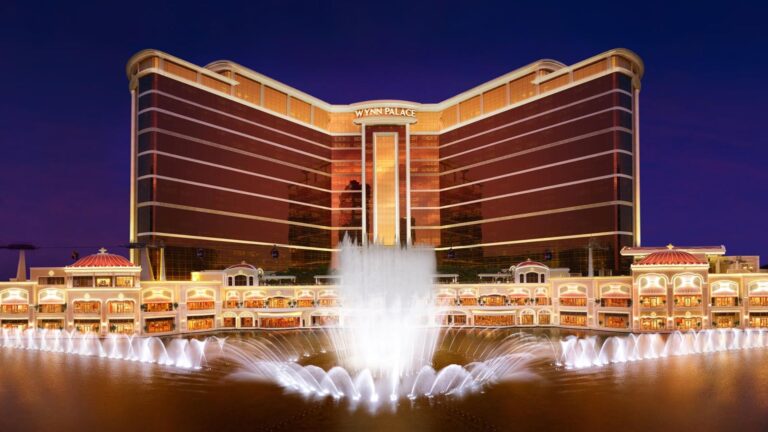
For the group’s Cotai property, Wynn Palace, casino revenues were up 21.8 percent yearly, to $444.96 million during the period, while total revenue hit $548.05 million – a rise of 17 percent yearly. Adjusted property EBITDAR totalled $184.46 million, up by 17.8 percent yearly.
VIP turnover at Wynn Palace fell by 7.6 percent yearly in the second quarter, at $2.81 billion, while mass market table drop amounted to $1.73 billion, up by 15.3 percent yearly.
The slot machine handle also increased, by some 10.9 percent, totaling $642.7 million.
Looking to the peninsula, Wynn Macau brought in some $280.71 million in casino revenue, up by 15.5 percent yearly. Total revenue rose by 11.8 percent, to $337.27 million, while adjusted property EBITDAR increased by 7.1 percent, to $95.91 million.
Similar to Cotai, VIP turnover was down, by 16.3 percent yearly, to $1.16 billion, while mass drop rose by 31 percent, to $1.6 billion.
Looking at the group’s Las Vegas operations, overall casino revenue was actually down by 6 percent yearly during the quarter, to $129.67 million, however overall revenue was up by 8.8 percent yearly, topping $628.65 million. Adjusted property EBITDAR also rose, by 2.8 percent, to $230.33 million.
Total operating revenues for Wynn Resorts, parent company of Wynn Macau, amounted to $1.73 billion, up by $137.1 million yearly, while net income amounted to $111.9 million, a slight rise from the $105.2 million in 2Q23.
Wynn Resorts’ adjusted property EBITDAR rose to $571.7 million, from $524.4 million in 2Q23.
“Our second quarter results, including a new second quarter record for Adjusted Property EBITDAR, reflect continued strength throughout our business. I am incredibly proud of our teams in Las Vegas, Macau and Boston,” said Craig Billings, CEO of Wynn Resorts, Limited.
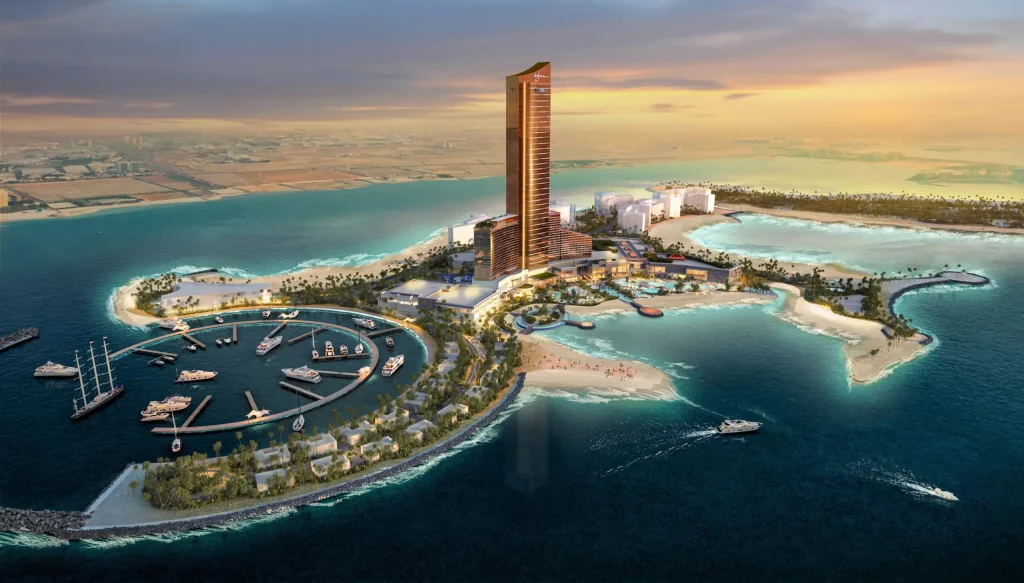
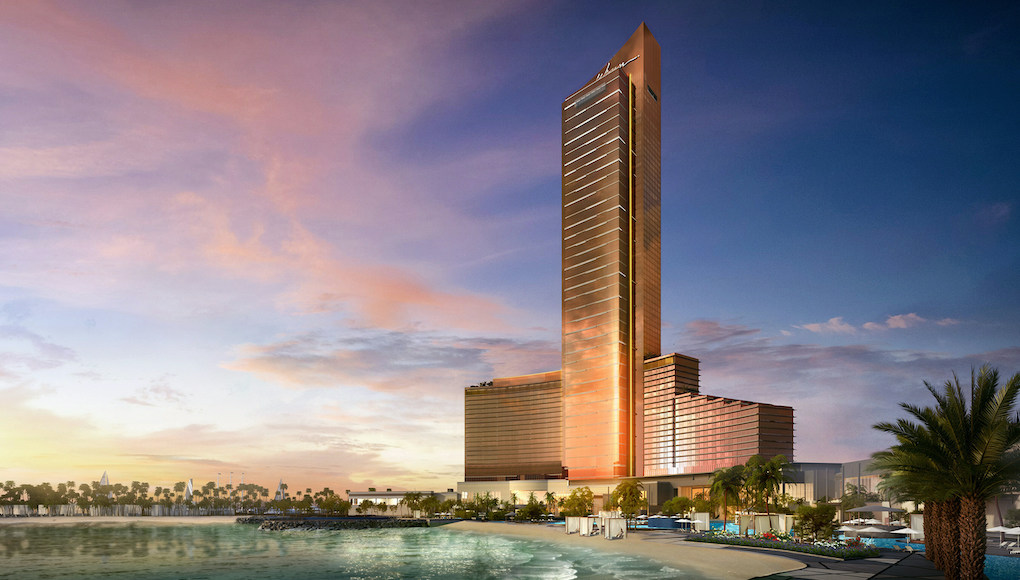
Looking to the United Arab Emirates, the company noted that “we continue to invest in growing the business, with construction on Wynn Al Marjan Island in the UAE progressing at a rapid pace. During the quarter, we also finalized a transaction to acquire our pro-rata share of the land on Al Marjan Island Three, including a sizable land bank for potential future development opportunities for Wynn Resorts or for selected third parties complementary to Wynn Al Marjan.”
Wynn Al Marjan Island, Ras Al-Khaimah
During the quarter, the group put in some $356.5 million into its 40-percent owned joint venture constructing Wynn Al Marjan Island – bringing its total contributions to the project to $514.4 million.
The group has used the funding to purchase some 155 acres of land for the integrated resort – including more than 70 acres for ‘potential future development iin Ras Al Khaimah’.
The group notes that it still expects to open Wynn Al Marjan Island in 2027.
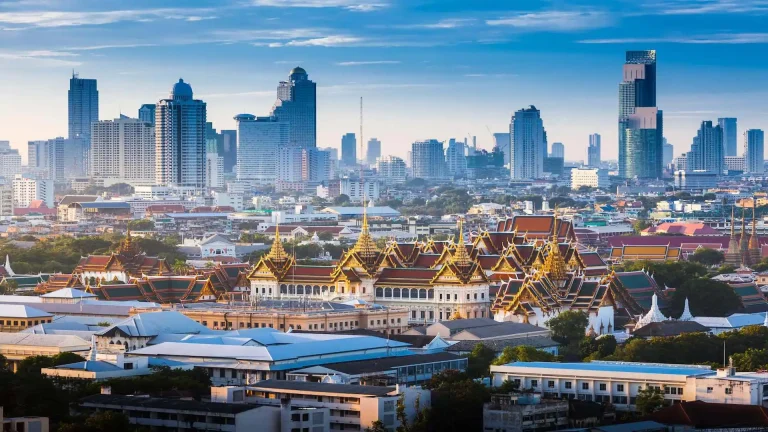
Good morning. Much awaited and dearly appreciated. Thailand’s revealing of its draft IR law has all the potential players in the market excited, with operators eager to get a piece of the pie now that more details have been revealed. This can only be a boon for its tourism and foreign investment, note top experts. Specifics of the law aim to clear up uncertainties from past legislation, paving the way for strong supervision, and tax collection (despite the heavily competitive rate), once enacted.
Thailand’s move forward with its Integrated Entertainment Business Act, currently under consultation until August 18th, is a major step for boosting the country’s tourism sector and encouraging foreign investment, point out experts. The push forward with legislation puts it on par to compete with upcoming jurisdictions such as the UAE and Japan, emerging as a top attraction for foreign companies looking to (further) make their mark on Asia.
Online gaming fraud is on the rise in the iGaming industry. In Q1 2022, there was an 85% increase in fake account registrations compared to Q4 2021. While players are undoubtedly affected by gaming fraud, iGaming platforms also suffer due to damaged reputations, huge financial losses, and legal consequences.
The Thai government aims to rejuvenate the nation’s tourism and entertainment sector, which has long been a cornerstone of the economy, with the introduction of a detailed integrated resort draft law.
The proposed Integrated Entertainment Business Act is currently under public consultation until August 19th and seeks to modernize outdated laws and create a comprehensive framework to support and regulate the industry’s growth.
‘Thailand’s vibrant tourism industry, featuring diverse attractions and entertainment venues, is pivotal for economic prosperity, generating substantial employment and revenue. However, stringent regulations have historically governed these businesses to maintain public order and morals’, states the draft law published by the country’s Council of State.
The proposal includes the revision of the Entertainment Venue Act B.E. 2509 from 1966, which classifies entertainment venues as establishments offering commercial services, including dance halls, food and drink venues with service partners, bathhouses, massage parlors, and live music or entertainment spots.
Other laws to be revised include the Gambling Act of 1935 – which specifies permissible gambling types and venues, and the Royal Decree on Gambling Conditions of 1939 – which allows gambling in government-established casinos.
‘These laws are outdated and do not support modern integrated entertainment venues. New legislation is essential to promote and regulate such venues, ensuring comprehensive supervision and clear operational guidelines’, the draft law adds.
According to Thai authorities, the pandemic dealt a severe blow to tourism and service sectors, drastically reducing income.
‘As the situation eases, there’s an urgent need to explore measures to revive the industry, particularly the entertainment economy which spans tourism, sports, entertainment, and MICE (Meetings, Incentives, Conferences, and Exhibitions)’, the document reads.
‘The government proposes establishing integrated entertainment venues that combine multiple businesses such as hotels, convention centers, malls, hospitals, banks, amusement parks, sports stadiums, and casinos. Legalizing and regulating casinos would enable the government to supervise these venues and collect taxes, thus boosting national income’.
The liberalization of the gaming industry is expected to boost Thailand’s tourism revenue by $12 billion, according to studies, with the new draft allowing for 30-year licenses with 10-year extensions.
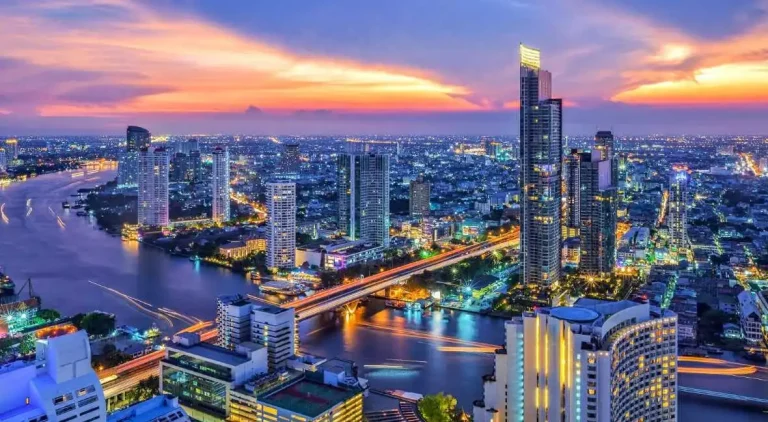
Potential locations to host the Entertainment Complexes include Greater Bangkok, Phuket, Chiang Mai, and Chonburi (Pataya), to be established within 100 kilometers of major airports, and with a paid-up capital of at least $283 million. Thailand will be competing with the emerging market of the UAE and, to some extent, Japan.
The new legislation aims to ensure well-regulated operations, employee management, and impact mitigation. It seeks to attract more tourists and generate income for locals and operators, while also increasing tax collection from regulated entertainment businesses.
The Integrated Entertainment Policy Committee, chaired by the Prime Minister, will set policies, manage impacts, issue licenses, and regulate integrated entertainment venues. The Executive Board will be responsible for criteria, strategic plans, budget approval, fee setting, and staff regulations.
The Office of the Full-Service Entertainment Regulatory Commission, a juristic entity in Bangkok, will be tasked with administration, policy implementation, supervision, inspection, and fee collection. The Secretary-General, appointed for a four-year term, will manage the Office, set regulations and oversee staff.
Official personnel will be appointed to inspect, investigate, and enforce regulations at entertainment venues. Only companies with at least THB10 billion ($283.9 million) in capital can obtain a 30-year license for integrated entertainment venues, which must combine multiple business types, including casinos.
Operation control will be regulated by specific laws and conditions, with enforceable gambling debts and strict guidelines for casinos, including age restrictions and employee ratios. Non-compliance will result in fines and potential license revocation.
Initially, a civil servant will temporarily perform the duties of the Policy Committee and Executive Committee until the Office receives budget allocations.
Thai-based market analysts told AGB that, if approved, the new integrated resort industry could be a boost to both tourism and foreign investment in the Southeast Asian country.
The proposed Integrated Entertainment Business Act is currently under public consultation until August 19th and seeks to modernize outdated laws and create a comprehensive framework to support and regulate the industry’s growth.
The IR Act aims to align Thailand’s entertainment and tourism industry with international standards, fostering economic growth and enhancing government revenue.
Kent Jenkins, a Bangkok-based market analyst and CEO of Sportzplanet, told AGB the gambling legislation is key for Thailand to strategically position itself for the future and capitalize on its global popularity as a tourist destination.
Kent Jenkins, CEO of Sportzplanet
“In doing so, it needs to consider its options, and there’s probably none bigger than the lucrative casino industry to boost the tourism sector’s revenues, some say by up to $12 billion. The proposal to construct multiple entertainment (casino) complexes is massive and will boost both tourism and attract foreign investment”, Jenkins indicated.
The analyst also highlighted the proposed 17 percent casino tax rate as a competitive edge, saying it aligns well with neighboring Singapore’s tax bracket for mass gross gaming revenue (GGR), making the country an attractive prospect for investors, especially compared to the Philippines’ 25 percent and Japan’s 30 percent tax rates.
“Overall, the convergence of favorable tax policies, government initiatives, and the booming tourism industry does paint a promising picture for the future of the Thai casino sector”, Jenkins added.
Reflecting on Thailand’s progressive stance, Jenkins believes it to be “only a matter of time before Thailand moves ahead”.
“It’s important to remember that, in 2022, Thailand became the first country in Asia to decriminalize cannabis and is on course to become the first in Southeast Asia to legalize same-sex marriages. There is no doubt that Thailand casinos would attract tourists and investment“, he told AGB.
Meanwhile, Bangkok-based commercial sponsorship and marketing expert Paul Poole expressed support for the changes, describing the proposed amendments to Thailand’s gambling laws as “crucial for regulating the industry more effectively”
The founder of Paul Poole (South East Asia) Co., Ltd. emphasized that updating the legislation would help protect consumers and capitalize on the economic benefits, particularly in the tourism and MICE sectors.
“The proposed amendments to Thailand’s gambling laws will undoubtedly open up the category for sponsorship. This regulatory shift is poised to create substantial opportunities for rights holders and brands, facilitating new sponsorship and partnership avenues in both the sports and entertainment sectors”, Poole noted to AGB.
“The timeline for these changes will be crucial in allowing stakeholders to strategically plan and secure deals ahead of major events, ultimately driving significant economic benefits,” indicated the executive.
Korean foreigner-only casino operator Grand Korea Leisure saw a 48.1 percent drop in its casino sales compared to the year prior, totaling KRW19.22 billion ($14.07 million).
According to the most recent data from the company, the figure was also a 38.2 percent yearly fall.
Table games continued to contribute the majority of casino revenue, at KRW16.56 billion ($12.12 million) – a monthly drop of some 51.6 percent and a yearly fall of 40.4 percent.
Meanwhile, gaming machine revenue saw a smaller fall, of 4.3 percent monthly and 20 percent yearly, to KRW2.66 billion ($1.95 million).
Overall July’s casino drop was actually up both monthly and yearly, by 2.6 percent and 23.4 percent, respectively – totaling KRW303.87 billion ($222.3 million).
For the first seven months of the year, casino sales overall were down just 11.4 percent, to KRW211.79 billion ($154.96 million).
Table games were down by 11.8 percent yearly, to KRW191.85 billion ($140.37 million), while machine revenues fell 7.6 percent, to KRW19.94 billion ($14.59 million).
Casino drop in the seven-month period totaled KRW2.16 trillion ($1.58 billion) – an increase of 17.7 percent yearly.
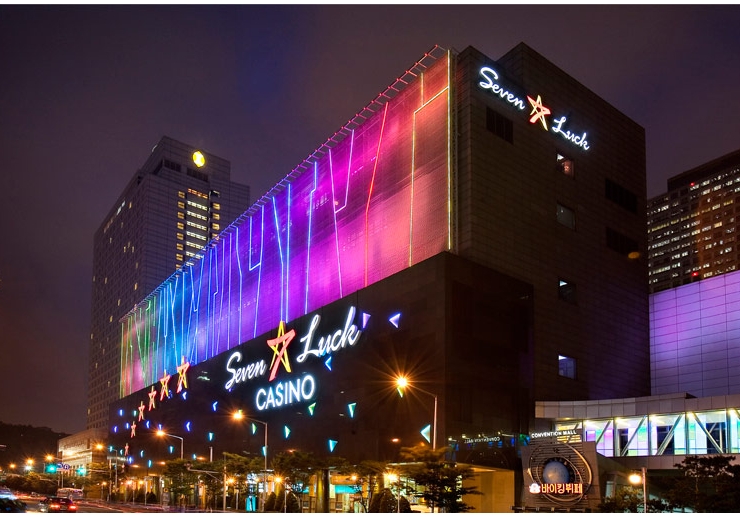
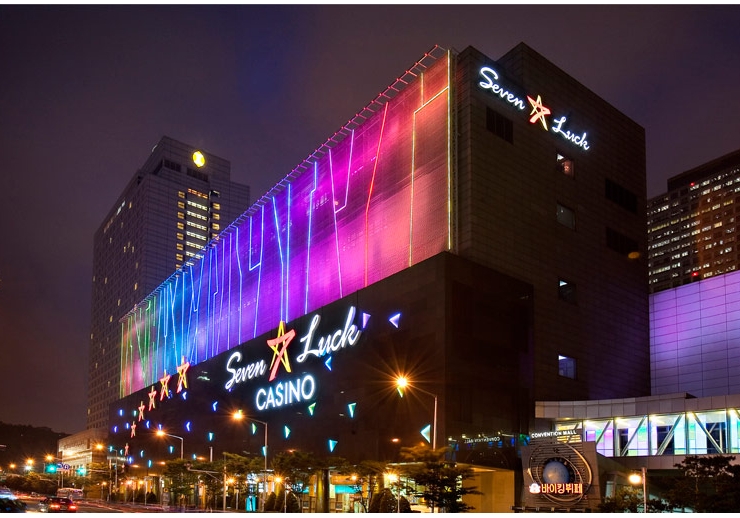
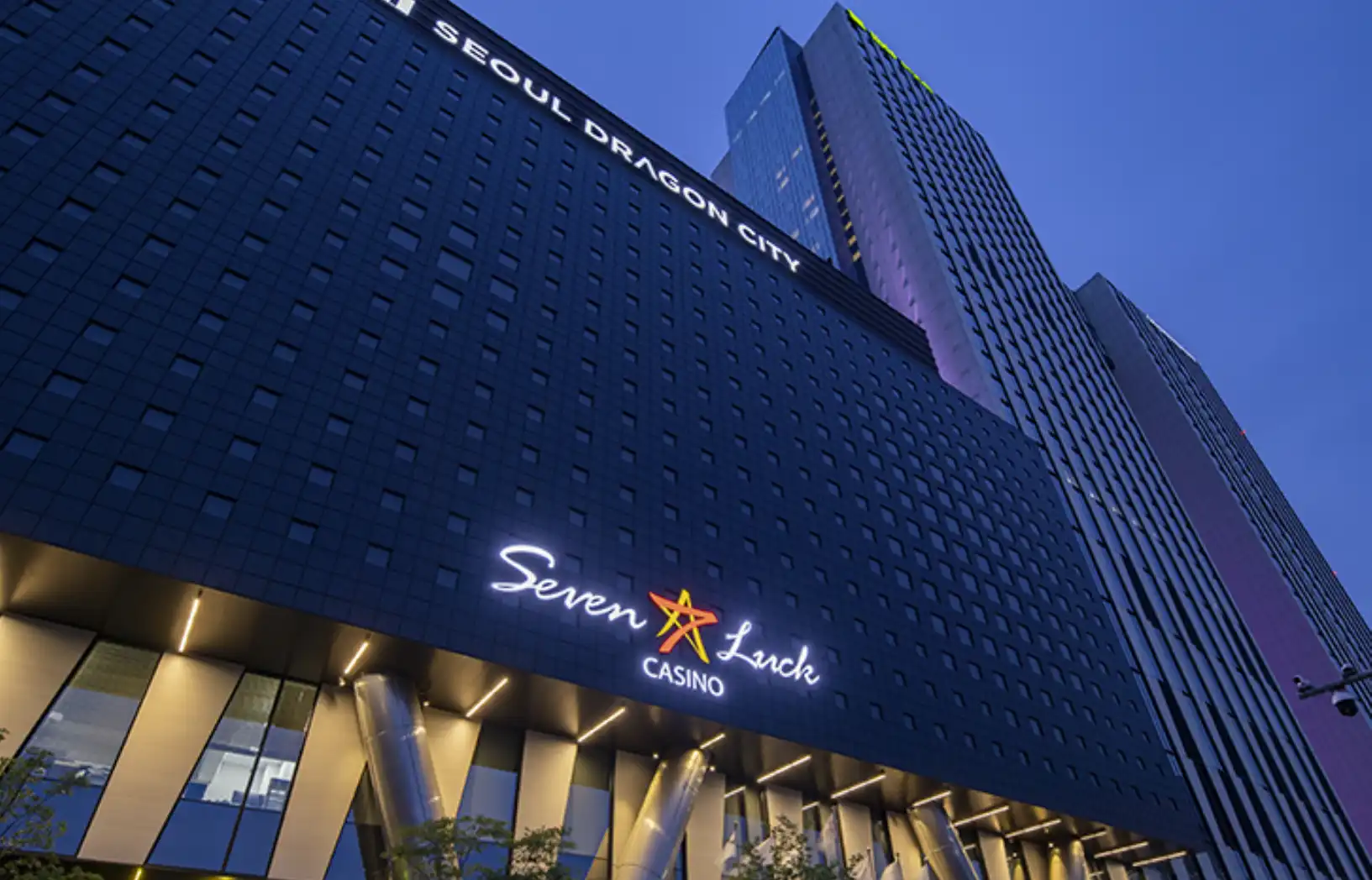
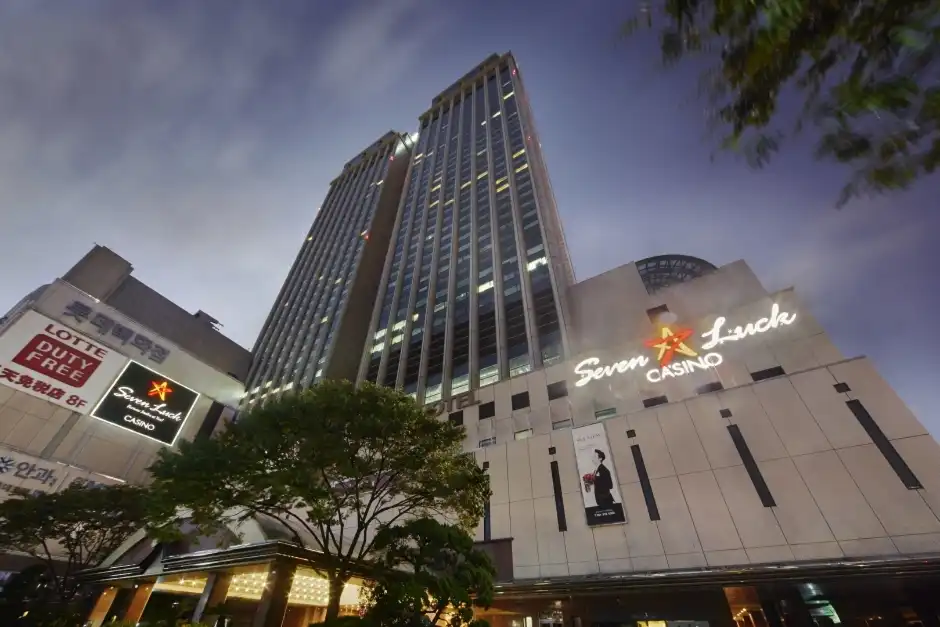
GKL operates its casinos under the Seven Luck brand, being a ‘quasi-market-based public corporation’, under the Korea Tourism Organization.
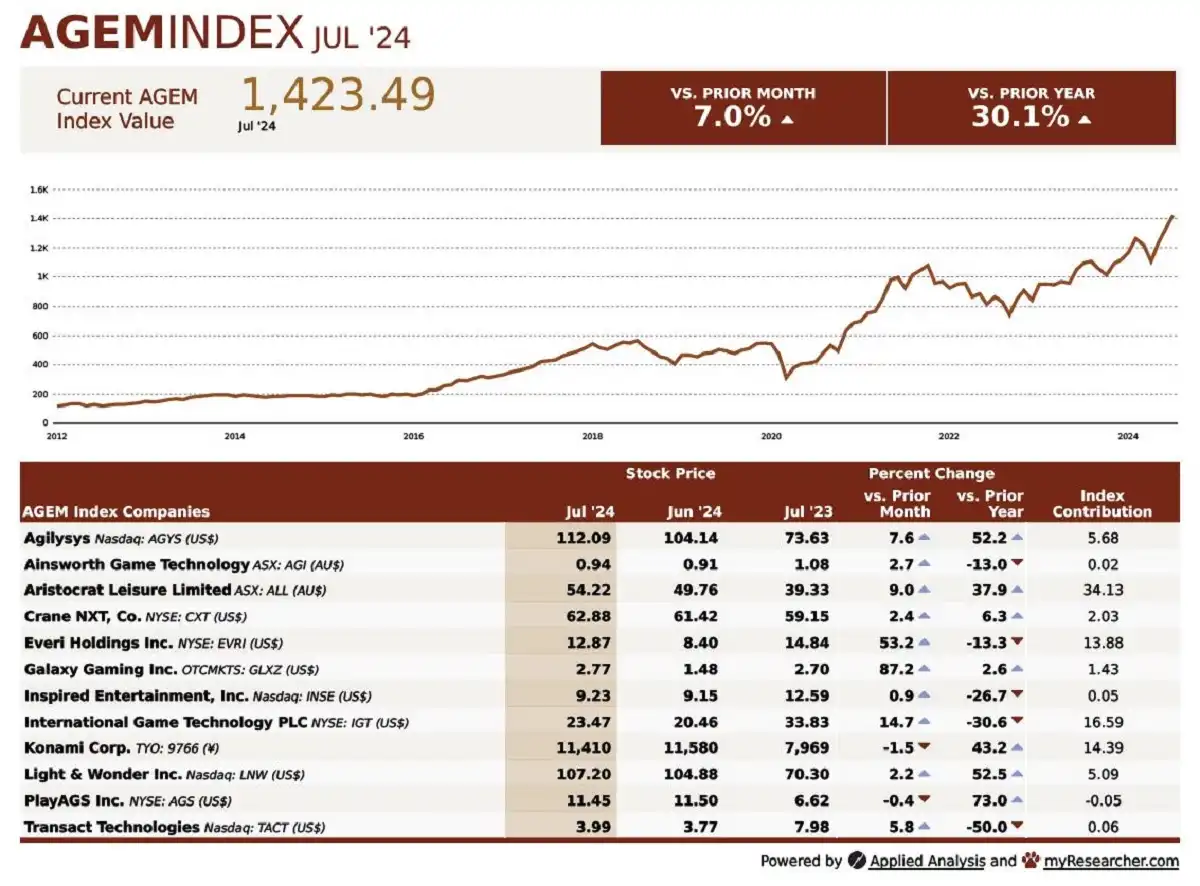
The AGEM Index marked the half-year point on a high note, rising by 7 percent from the prior month. Compared to one year ago, the index was up by 30.1 percent.
During the month, 10 of the 12 AGEM (Association of Gaming Equipment Manufacturers) Index companies reported stock price increases, which resulted in 11 positive contributions and six negative contributions to the AGEM Index.
The largest positive contribution to the monthly index was Aristocrat Leisure Limited, whose 9 percent increase in stock price led to a 34.13-point gain for the index.
Meanwhile, International Game Technology (IGT) saw its stock price increase by 14.7 percent, leading to a 16.59-point gain for the index.
The sole negative contribution to the index was PlayAGS, whose 0.4 percent decrease in stock price resulted in a 0.05-point loss to the AGEM Index.
The AGEM Index has seen 16 consecutive months of positive yearly growth, with all but one period showing double-digit growth – the longest period of sustained growth since November 2020 to April 2022.
In July, two of the three major US stock indices decreased. The NASDAQ fell by 3.2 percent month-on-month, while the S&P 500 dropped by 0.6 percent. Meanwhile, the Dow Jones Industrial Average increased by 2.7 percent from the prior month.
Play’n GO, the world’s leading casino entertainment provider, has today announced its first foray into the South African market following the agreement of a new operator partnership with Betway in South Africa.
Betway are synonymous with betting in the region and following the announcement of this partnership, the brands’ customers in South Africa can exclusively enjoy classic Play’n GO titles such as Book of Dead, Reactoonz and Rise of Olympus on the Betway platform.
Magnus Olsson, Chief Commercial Officer at Play’n GO, said: “We’re thrilled to be making our first foray into the South African market following this partnership with Betway.
“We are on the record as saying that we are committed to being active in every regulated market in the world, and it’s always exciting to add a new market for our business.
“Betway is one of the premiere betting brands, and we look forward to many years of success together in one of their most popular markets globally.”
Phillip Superamonien, Country Manager, Betway South Africa added: “We’re excited to be the exclusive hosts of Play’n GO’s legendary portfolio of games on our platform here in South Africa, and we’re confident our customers will be just as excited as we are.”
GoldenRace, a global provider of award-winning Virtual Sports and betting solutions, has renewed its partnership with Lottomatica, Italy’s leading gaming operator.
This renewed alliance is a significant win for both companies, reaffirming their top positions in Italy’s betting industry.
The group notes that its products will continue to be available across Lottomatica’s entire Better, Goldbet and Intralot network, which includes around 3,000 points of sale in shops, bars and tobacconists, ensuring players receive the best betting experience ever.
Alessandro Fiumara, CEO of GBO Italy S.p.A. (the company, part of the Lottomatica Group, that manages the Goldbet, Better and Intralot brands), emphasised the importance: “This extended partnership will allow us to further strengthen our leadership in the betting industry in Italy across all our brands – Goldbet, Better and Intralot – creating the best offer of virtual games for our players, with games such as GoldenRace’s incredible 4K virtual football, among others.”
Martin Wachter, CEO & Founder of GoldenRace, said: “This new agreement with Lottomatica highlights the strong and positive partnership we have built over the years as both leading companies. We are confident that the players will be more than happy with this continued collaboration.”
Philippine lottery firm Pacific Online Systems Corp saw a 17 percent drop in its revenues during the first half of the year, totaling some PHP259.1 million, amongst a strong increase in expenses and a transition from the legacy lotto operating system.
The results also indicate that the group saw a net loss of some PHP200K for the six-month period, down from profit of PHP145.5 million in 1H23.
The group attributes the major shift in revenue and profit trends to ‘the transition from the legacy system to the nationwide lottery system under its joint operation, PinoyLotto Technologies Corp’.
In particular, the group noted high depreciation expenses (totaling PHP75.3 million in 1H24) ‘in line with the depreciation of the new equipment deployed, as well as higher variable costs such as communications and repairs and maintenance in line with the requirements of the PCSO (Philippines Charity Sweepstakes Operator) and the PLS (Philippine Lottery System)’.
PCSO came under fire after requests for a congressional inquiry into its deal with the PCSO – based upon a one-year trial of a web-based application betting platform to be operated by POSC for the PCSO.
The group still operated the PinoyLotto’s PLS for the PCSO from October of last year, incurring expenses of PHP251.7 million during the first half of this year.
Back in May, POSC was the only bidder for the operation of the PCSO’s five-year license of its e-lotto program, getting a PHP4.08 billion contract in June of this year. But this was only under a trial period, and ended on July 12th, after the PCSO wanted to make ‘the e-lotto services better and as it transitions to a new platform’.