Good morning. Singapore is looking way, way ahead. The new proposed amendments to its Casino Control Act not only are aiming to plug loopholes and improve efficiencies, but also introduce the possibility of lotteries and betting in the city’s casinos – even though that’s not yet on the cards. A top gaming law expert notes that the changes are timely, and likely to be ongoing, as the city aims to be a compliance beacon in the region. Meanwhile, the policy shift to ban POGOs in the Philippines could finally get the country off the FATF grey list, say experts at Spectrum Gaming, although many questions still remain.
The proposed new amendments to Singapore’s Casino Control Act aim to remove inefficiencies and plug holes in the existing legislation in place since 2012. Top gaming law expert Lau Kok Keng points out how the changes open up the jurisdiction to new avenues, while ensuring that casino operators stay strictly compliant and make sure their operations are ready to handle any future adaptations.
Online gaming fraud is on the rise in the iGaming industry. In Q1 2022, there was an 85% increase in fake account registrations compared to Q4 2021. While players are undoubtedly affected by gaming fraud, iGaming platforms also suffer due to damaged reputations, huge financial losses, and legal consequences.
Singapore’s recent proposed change to its Casino Control Act (CCA) is a “timely amendment,” notes Tier 1 gaming lawyer Lau Kok Keng, indicating that the move “reflects a continuing commitment by the government towards maintaining a robust regulatory framework for legalized casinos in Singapore”.
In response to AGB inquiries, the Partner and Head of Gaming Law Practice at Rajah & Tann Singapore LLP, indicate that the updates are aimed at plugging gaps in the current framework “which have been created due to advancements in technology and changes to the way gambling and casino operations are or may in the future be carried out”.
Lau Kok Keng, Partner and Head of Gaming Law Practice at Rajah & Tann Singapore LLP
When announcing the proposed updates at the bill’s first reading, authorities indicated that they wanted to future proof Singapore’s casino sector.
This includes allowing the Gaming Regulatory Authority (GRA) to regulate all other forms of gambling offered in casinos, expanding its oversight beyond just games of chance to betting and lotteries.
“The effect of such an amendment would potentially open the door for future betting and lotteries to be offered within casinos, perhaps within the context of collaborative tie-ups between the casinos and Singapore Pools, although it is uncertain if this will ever take place,” notes the gaming law expert.
Authorities were clear to note earlier this month that there are no current plans to introduce betting and lotteries within casinos.
Sports betting and lotteries are currently operated in Singapore under Singapore Pools, allowing football and motor racing betting, horse racing, 4D, TOTO and Singapore Sweep Lottery.
Focus on operators
Other future proofing measures are also to be introduced, allowing the GRA’s Evaluation Panel to take into account “future industry standards and market demands”.
Lau Kok Keng indicates this is not likely in response to regional competition, but “is instead likely to be motivated by the primary benefits behind considering not just prevailing […] but also future market demand and industry standards,” meaning “the evaluation panel can assess whether an integrated resort will remain relevant and competitive in the long term, as well as whether the resort is positioned to capitalize on anticipated industry shifts and stay ahead of competition”.
This can also help ensure integrated resort operators “will be in position to comply with anticipated regulations and industry practices, reducing the risk of subsequent costly adjustments or unexpected legal issues”.
Information sharing and future liability
One major shift is legislating that casino operators (COs) will be able to directly share personal information on patrons without the patron’s consent.
This “allows the casino operators to take quicker action at their end” in regards to information which could be pertinent to combat money laundering, terrorism financing and proliferation financing risks. The current framework is “operationally inefficient” as all such information exchanges had to be facilitated by the GRA.
The changes also mean that “casino operators are liable to disciplinary action if they contravene their obligation to disclose risk information as required by the GRA’s written notice […] and/or disclose risk information received or accessed under this section to other persons, unless lawfully required to do so”.
Casino operators, under the newly proposed framework, can also be found liable for regulatory breaches even after their licenses have lapsed, if the action occurred before the lapse.
“This move applies not only to casino operators, but also to special employees, international market agents and international market agent representatives,” highlights the gaming law expert. This extended liability period already applied to “other non-casino gambling licensees regulated under the GCA (Gambling Control Act). Hence this amendment is also another move to bring the CCA (Casino Control Act) in line with the GCA in this regard”.
Oversight and protection
While many of the updates focus on expanding possibilities, authorities are also aiming to crack down on cheating, improving the Casino Control Act to cover scenarios not previously envisioned in 2012.
One such move is to label an offense withdrawing bets after the result of a game is known. According to reports cited by the lawyer, 10 people were investigated for this activity between 2010 and 2023. “To avoid the police having to use offenses in other laws to deal with such cheating cases, the proposed amendment right-places this offense under the CCA,” notes the expert.
And while crime at Singapore’s casinos has historically been low (at just 137 reported cases in 2023, or 0.2 percent of all reported crime cases), “the move to take steps to establish new offenses under the law to deter casino-related crime thereby further protects the integrity of gaming operations”.
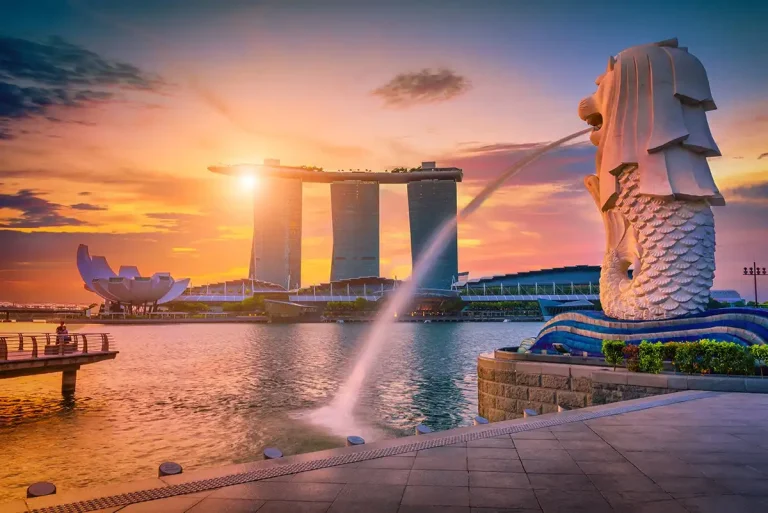
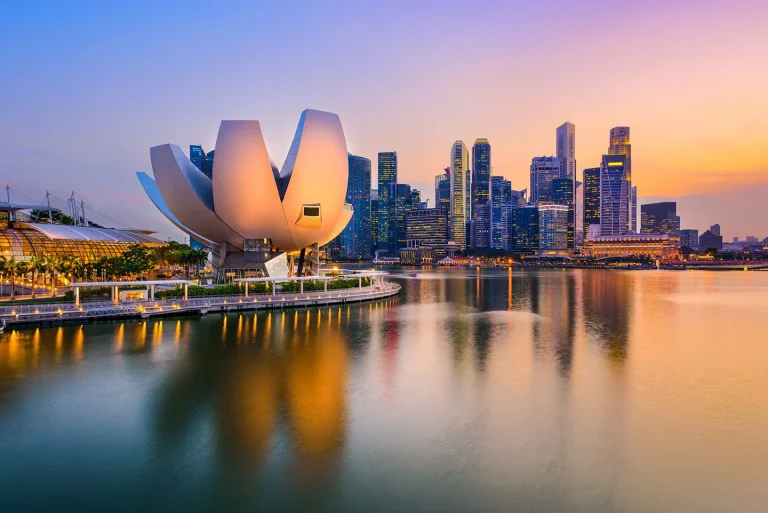
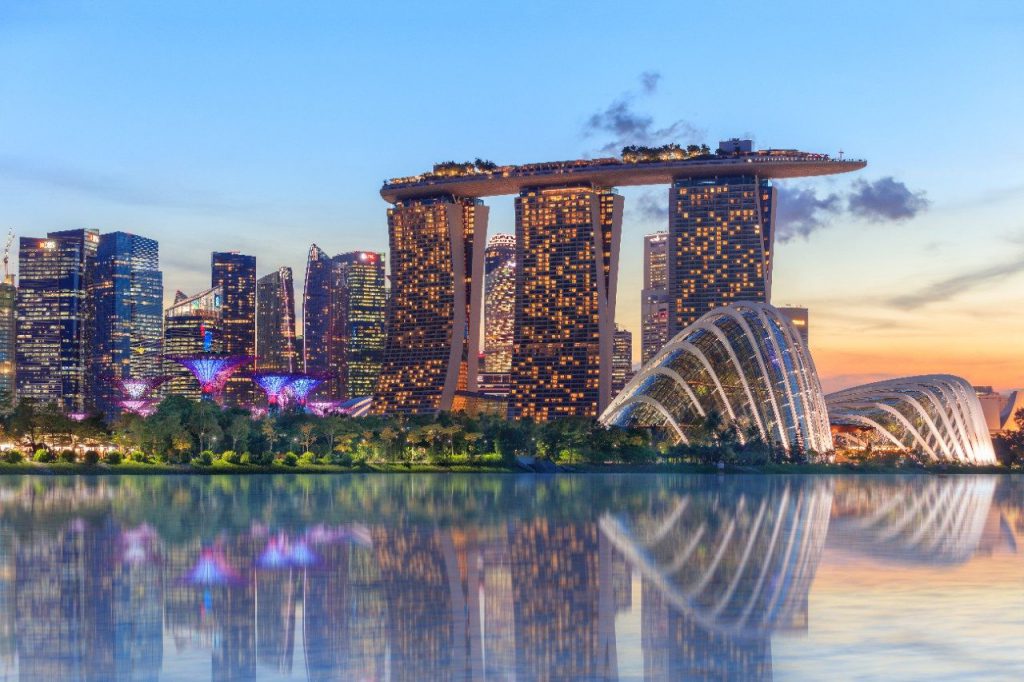
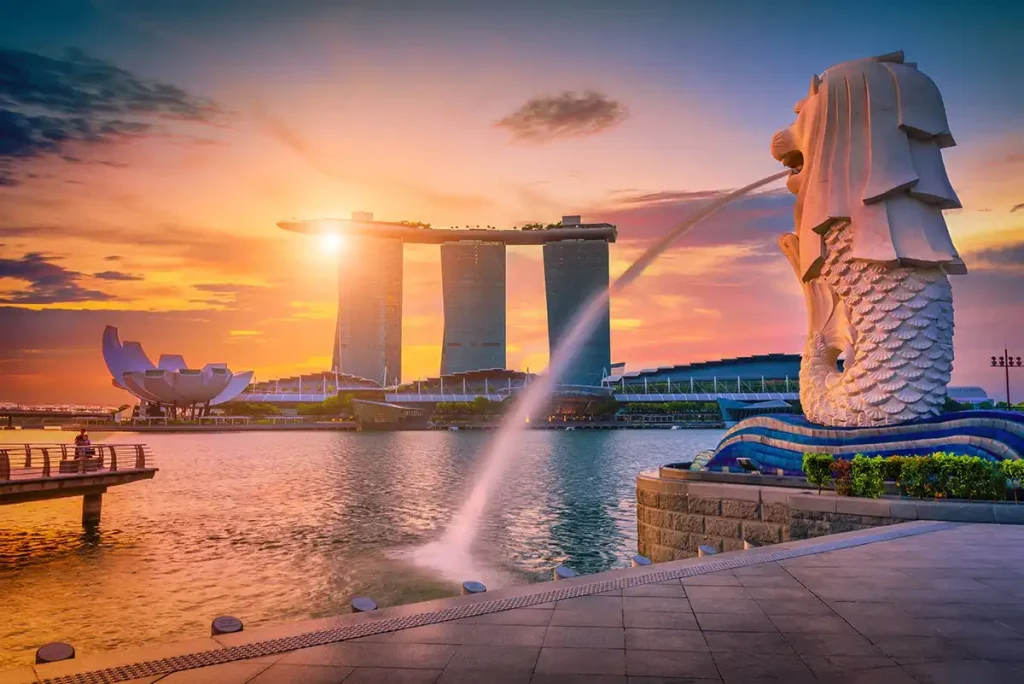
Marina Bay SandsResorts World Sentosa
Virtual instruments and crypto?
Also looking ahead, authorities are aiming to allow the introduction of new wagering instruments, namely virtual credits.
This, notes the expert, could help improve both operational efficiency and the player experience, reducing transaction costs caused and potential fraud linked to fiat. “Nonetheless, it should also be pointed out that […] these new wagering instruments will only be introduced should the GRA assess them to be suitable. As such, there is unlikely to be an immediate move towards crypto adoption, though this change certainly does signal the recognition of the benefits that such virtual credits can bring”.
While cryptocurrency is not currently considered legal tender in Singapore, it can be used as an alternative means of payment and it appears to be open to crypto use – evidenced by changes in April by the Monetary Authority of Singapore (which regulates crypto) focused on digital payment token (DPT) service providers.
Given its continual evaluation of the gaming framework, Singapore is likely to continue to adjust legislation and regulations to ensure its strict compliance with Financial Action Task Force (FATF) standards, promoting a healthy and vibrant gaming industry in the Merlion city.
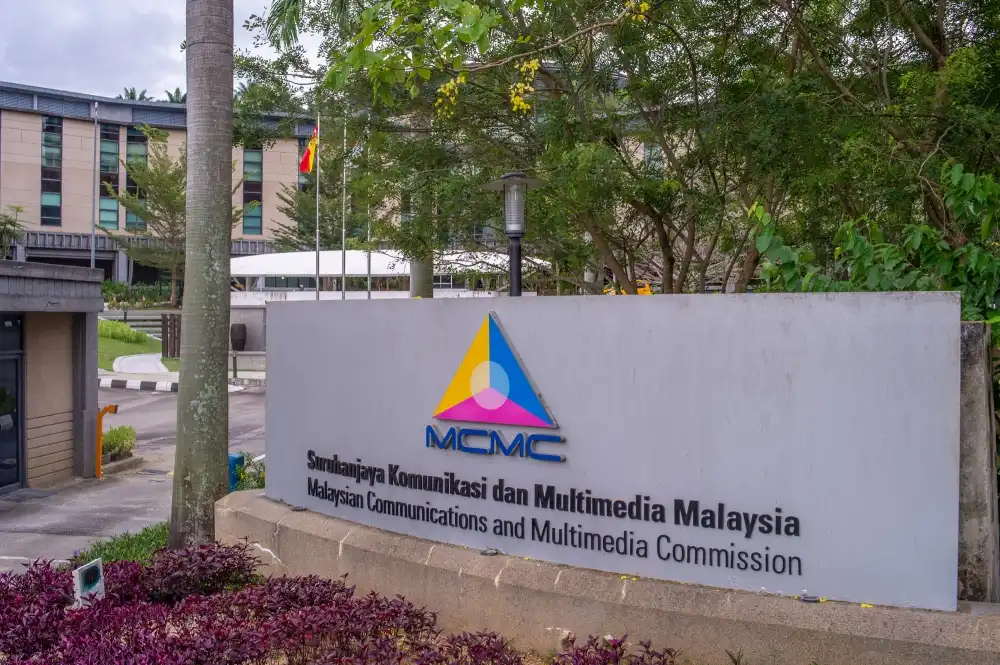
Gambling websites constituted the majority of sites blocked by the Malaysian Communications and Multimedia Commission (MCMC) from January of 2022 to August of this year.
According to the MCMC, a total of 10,423 websites were blocked during this period due to various legal violations.
Out of these, 4,484 websites were blocked for online gambling activities, 3,271 for pornography, and 1,654 for copyright infringement. Additionally, 316 websites were removed for involvement in scams or illegal online investments, and 249 were blocked for prostitution-related content. The reasons for blocking the remaining 449 websites were not specified.
The MCMC reported that the highest number of harmful websites blocked in the past five years was in 2021, with a total of 6,571. The number of blocked websites has since shown a declining trend: 4,572 were blocked in 2022, 3,724 in 2023, and 2,127 between January and August 1st of this year.
The actions taken against these websites are in accordance with the Communications and Multimedia Act 1998, alongside other laws enforced by the police, the domestic trade and cost of living ministry, and the Securities Commission. The MCMC noted that blocking these websites also helps curb broader crimes such as human trafficking, child grooming, the sale of illegal substances, and other organized criminal activities.
To maintain the effectiveness of these blockages in the face of advancing technology, the MCMC emphasized its commitment to collaborating with local service providers. This partnership aims to enhance and strengthen preventive measures, including the management of the domain name system, ensuring a secure online environment for users.
On Tuesday, Sinar Project reported that Maxis Bhd and Time dotCom Bhd had implemented a “transparent DNS proxy” approach, resulting in users being unable to access websites officially blocked by the MCMC through alternative DNS servers. The tech group explained that this action means when users attempt to use alternative DNS services like Google’s or Cloudflare’s, their requests are automatically redirected to the local service provider’s DNS servers.
Top executives from the Spectrum Gaming Group believe that the move to ban offshore gaming operators (POGOs) in the Philippines could go a long way towards getting the nation removed from the Financial Action Task Force’s (FATF) grey list. Fredric Gushin and Paul Bromberg share their opinions on what the ban could mean and what will happen next.
Frederic E. Gushin, CEO, Spectrum Gaming Group
The recent decision by the Marcos Administration to ban Philippine Offshore Gaming Operators (POGOs), latterly known as Internet Gaming Licensees (IGLs), was a bold and unprecedented measure.
The pressure to do something about the POGOs had been building for quite some time. The Philippines was placed on the “Grey List” of Money Laundering Countries by the Financial Action Task Force (FATF) almost two years ago and was having difficulty in taking affirmative measures to get off the list—one of the primary issues raised by the FATF related to the role of POGOs.
Paul Bromberg, SVP Investigations and Research, Spectrum Gaming Group
Offshore online gaming is perceived by governments and law enforcement worldwide to be one of the highest risks for money laundering.
In the Philippines, the specific concerns lay in the failure by the licensing agencies to conduct the necessary due diligence of applicants and the failure to identify beneficial ownership of these companies and their parent companies. In addition, the methods by which POGOs operate raised major money laundering issues, including their source of funding, payment methodologies and other similar issues1.
POGOs had been a source of revenue for the Philippines—though the actual amount and true benefit has been disputed—but President Marcos framed the requirement for a ban correctly in that they have negatively impacted on the country’s reputation and caused multiple domestic criminal and social issues.
In addition to the Philippines, other countries licensing offshore online gaming have also run into regulatory and law enforcement issues with the FATF in the past. Malta and Gibraltar have both been on and off the “Grey List” for many years. Curacao has recently modified its oversight of online gaming companies licensed in its jurisdiction under pressure from the Netherlands to comply with international standards of licensing and regulation.
The new system is about to be implemented in the next several months. In Asia, Cambodia has also been on and off the “Grey List” for, among other issues, its thriving online gaming operations in Sihanoukville. Laos has recently again been placed on the “Grey List” for the second time in ten years.
It is not just the FATF that is trying to encourage compliance with Anti-money laundering (AML)-related issues in both casino and online gaming. International organizations have been ratcheting up pressure on countries that license offshore online gaming. For example, the UN Office of Drugs and Crime published its “Report on Casinos, Money Laundering and Transnational Organized Crime in East and Southeast Asia” in January 2024 while The Journal of Economic Criminology issued a report in June entitled “Defining and Estimating the Illegal Gaming Market – a Scoping Review”, which addressed some of the same issues2.
These reports discuss problems relating to casinos and, more importantly for the purposes of this article, online gaming. The intersection between online gaming, transnational criminal enterprises, human trafficking and illegal narcotics trafficking has been known by law enforcement for a long time. These reports respectively highlight how junkets have become the effective bankers for Organized Crime – meaning in Asia primarily triads creating safe havens for money laundering.
Unregulated and under regulated casinos run by junkets serve as a useful channel to collect funds between players/junkets related to credit issuance and are determined to circumvent traditional and effective casino controls. Online casinos are an attractive opportunity for criminals and organized crime to hide illegal funds as casinos and regulators often have a “Heads Down” approach: this is what seems to have taken place in those countries on the “Grey List”.
As Spectrum has noted over the years at several ASEAN Gaming Summits, money laundering is a critical component of these illegal activities, which is why these countries have been placed on and off the Grey List over several years. Being placed on the FATF Grey List has a negative impact on a country’s reputation and on its ability to undertake US dollar banking transactions, and is thus designed to strongly encourage countries to take requisite action to implement laws, regulations and oversight of the banking, gaming and financial sectors, which face a high degree of risk related to money laundering.
POGOs will be effectively banned at the end of this year. In the interim and going forward, it will be important to see if PAGCOR and other governmental agencies have the “governmental will” to assure the public that the ban is being maintained. Another question is whether the ban will also be applied to the Cagayan Special Economic Zone and Freeport (CEZA).
Although Cagayan has not been specifically mentioned, government scrutiny should also be paid to its operations and the continuation of licensing of online gaming companies or online gaming operations there should also be curtailed or it will be perceived as yet another significant loophole or circumvention of the country’s efforts to meet its AML requirements.
As for the online gaming companies themself, do not fear: they will find another “safe haven” in which to operate—perhaps in Cambodia again, Myanmar, or further afield in Vanuatu. The same circumvention efforts will certainly be repeated in other jurisdictions. In due course, perhaps other countries will also find themselves on the FATF “Grey List” and encouraged to address these same issues.
There is no doubt that the actions taken to ban POGOs is a significant step in the right direction to bring the Philippines in line with the Combating Terrorist Financing (CTF)/AML regulatory regime and general practices of other countries, and thus removal from the “Grey List”.
That said, other steps clearly need to be taken related to junket licensing, such as in-depth background investigations and identification of beneficial ownership. Moreover, the government must ensure a higher level of regulation for the Philippine Inland Gaming Operators (PIGOs) and PAGCOR’s own planned online gaming operations. However, the POGO ban counts as one win for proper public policy.
Fredric E. Gushin is CEO, Paul Bromberg is Senior Vice President of Investigations and Research at Spectrum Gaming Group
Table of Contents
A number of other concerns raised by the FATF included, but was not limited to, the use of junkets in casinos and the failure to file suspicious transaction reports for the scope and volume of gaming that exists in the Philippines.↩︎
The United States Institute of Peace – Transnational Crime in Southeast Asia – A Growing Threat to Global Peace Security May 2024.↩︎
Cambodian gaming operator NagaCorp has indicated that it’s expecting to record either a loss of some $6.9 million or a profit of $3.1 million for the six month period ended June 30th.
According to a Monday filing with the Hong Kong Stock Exchange, the wide variance in possible profit or loss comes down to the ‘preliminary findings from the independent revaluation of the Group’s gaming and resort project in Vladivostok, Russia’.
The group notes that the independent firm engaged to carry out the evaluation indicated the group should expect an impairment ‘of approximately $85 million to $95 million […] whereas no such impairment was recorded for the previous financial periods’.
This was also ‘due to an increase in the discount rate used for the purpose of determining the project present value and the lower business volume expected to be generated from the Vladivostok Project’.
The group opted to invoke a ‘force majeure’ clause in its investment agreement in the best interests of group and its shareholders.
This announcement came just a week after Russia’s invasion of Ukraine and subsequent sanctions leveled on Moscow.
The March 2022 statement did not explicitly mention the war.
The first phase of the project was envisioned to be an 11-storey four-star hotel with 279 rooms, a casino and a multipurpose concert hall with 2,000 seats. The first construction stage was planned to occupy an area of almost 55,000 square meters.
The total planned complex was to occupy some 302,000 square meters and include 2,719 rooms, as well as a water park.
The Naga project was one of multiple investments scheduled for the Primorye zone, which was seen as the most promising of Russia’s designated gambling hubs due to its proximity to Northern Asia.
Hong Kong-listed Summit Ascent, a unit of former Suncity Group Holdings (now LET Group), was the first to open there with its Tigre de Cristal making its debut in 2015. That was followed Shambala, backed by a Russian businessman, in May 2020.
Okada Manila is taking significant steps toward sustainability with the launch of its Okada Green Heart program.
This comprehensive initiative reflects the resort’s dedication to environmental, social, and corporate governance (ESG) principles. The program is structured around a seven-year roadmap aligned with the United Nations’ Sustainable Development Goals, ensuring that Okada Manila’s efforts contribute meaningfully to global sustainability targets.
At the heart of the Okada Green Heart program are six key focus areas designed to reduce environmental impact, promote sustainable development, and foster community well-being.
Waste Management
Waste management is a major component, with the resort implementing advanced recycling facilities, on-site composting, and eco-friendly packaging solutions. Okada Manila has also partnered with PETValue Philippines to recycle single-use plastic bottles in compliance with the Extended Producer Responsibility Law in the country.
The resort also collaborates with Scholars of Sustenance (SOS) Philippines to rescue surplus food and has converted 162 kilograms of used soap into 800 new soaps, which were donated to Fresh Hope Inc.
Energy Efficiency
Energy efficiency is another priority, with Okada Manila incorporating innovative technologies and practices to reduce energy consumption. Motion sensors and in-room tablets are used to automatically adjust lighting, heating, ventilation, and air conditioning systems, while the resort has transitioned to LPG usage in its Batangas Laundry facility to reduce air pollution. Additionally, 75 percent of the lighting in the resort’s retail outlets now consists of energy-saving LED lights.
Water Conservation
Water conservation efforts at Okada Manila are equally robust. The resort has installed graywater recycling systems and high-efficiency fixtures to minimize water usage. Its sewage treatment plant recycles all wastewater for non-potable uses, achieving zero discharge into Manila Bay. The plant utilizes an ultrafiltration system to recycle water for the cooling tower and employs reverse-osmosis reject water for makeup water in non-potable tanks and cooling towers. Rain and condensate technology are also in place to collect and treat rainwater for use in The Fountain, one of the resort’s signature attractions.
Talent and Community
Okada Manila is also deeply committed to investing in its team members and the wider community. The resort offers a range of health and development programs, including an annual free flu vaccination program that benefits 6,000 employees. It also organizes blood donation drives in partnership with the Philippine Blood Center and has launched a pioneering cervical cancer awareness and HPV vaccination program in collaboration with the Department of Health and the Paranaque City Health Office.
Safety, Security, and Welfare
When it comes to safety, security, and welfare, Okada Manila prioritizes advanced technologies and robust health programs, ensuring strict compliance with government standards. The resort has achieved leading compliance with occupational safety regulations and has completed extensive CCTV installations. Okada Manila won the 2023 and 2024 Overall Champion titles in the 11-IN-1 National Fire Brigade Competition for high-rise hotels, organized by the Safety Organization of the Philippines Inc.
Responsible Gaming
As an entertainment and gaming destination, Okada Manila is committed to promoting responsible gaming. The resort has implemented a comprehensive player support program that includes education, counseling services, and advanced monitoring technology. This includes an Exclusion Program in compliance with PAGCOR, which offers self-exclusion and family exclusion options, as well as Help Centers providing information and assistance for gambling problems.
Games Global, a prominent content supplier to the iGaming industry, has welcomed Flip Five Gaming as an exclusive studio partner, with the emerging provider bringing a modern flair to video poker.
Initially set to roll out 13 new exclusive titles, Flip Five Gaming specializes in the production of the most innovative video poker products in the industry and will significantly enhance Games Global’s offering with a variety of engaging content that take video poker play to the next level.
The diverse portfolio modernizes the player experience, providing a fresh take on the popular game segment, while retaining the classic elements of video poker.
Based in Durban, Flip Five Gaming is raising the bar in video poker through a portfolio of innovative variants of the popular vertical, with quick deals for faster game play. With fast loading times and optimized portrait-first design, every title is compatible with all devices and contains advanced features and customizations to ensure a smooth user experience.
Mark Willett, Director at Flip Five Gaming, said: “As an exclusive Games Global studio partner, we aim to differentiate our product offering to that of our competitors and to bring an innovative and contemporary video poker portfolio to a market that is saturated with slots.”
Andy Booth, Chief Product Officer at Games Global, said: “Our ethos at Games Global is to partner with standout studios in the industry and Flip Five Gaming is a perfect example of that. With forward-thinking content that enhances video poker experiences, the integration of such a fantastic portfolio into our platforms will be greatly received from our customers and players alike.”
Casino management services and electronic gaming equipment company Paradise Entertainment, has announced a positive profit alert for the six month period ended June 30th, 2024, expecting profit of some HK$119.4 million ($15.32 million).
The figure compares to a loss of HK$3 million ($384,880) for 1H23.
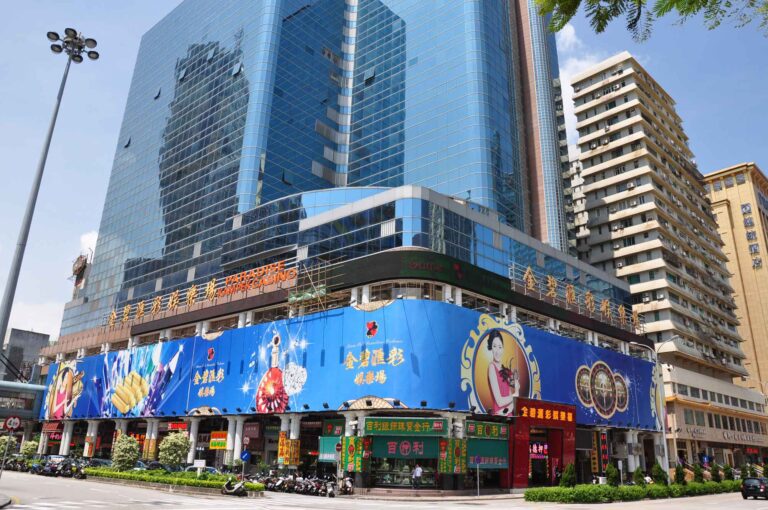
The group attributes the profit increase to a 48.5 percent increase in revenue from the provision of casino management services – as a result of the increase in GGR from Casino Kam Pek Paradise in Macau (pictured), under the group’s management, ‘following the increase in the number of patrons to the casino’.
The group also noted that there was a 1,743 percent increase in revenue from its sale and leasing of EGMs and systems due to a ‘significant rise in demand for live multi game (LMG) terminals and related products in Macau’.
Revenue from the segment rose by HK$64.5 million ($8.27 million) year-on-year.
The group expects to publish its interim results ‘by the end of August’.
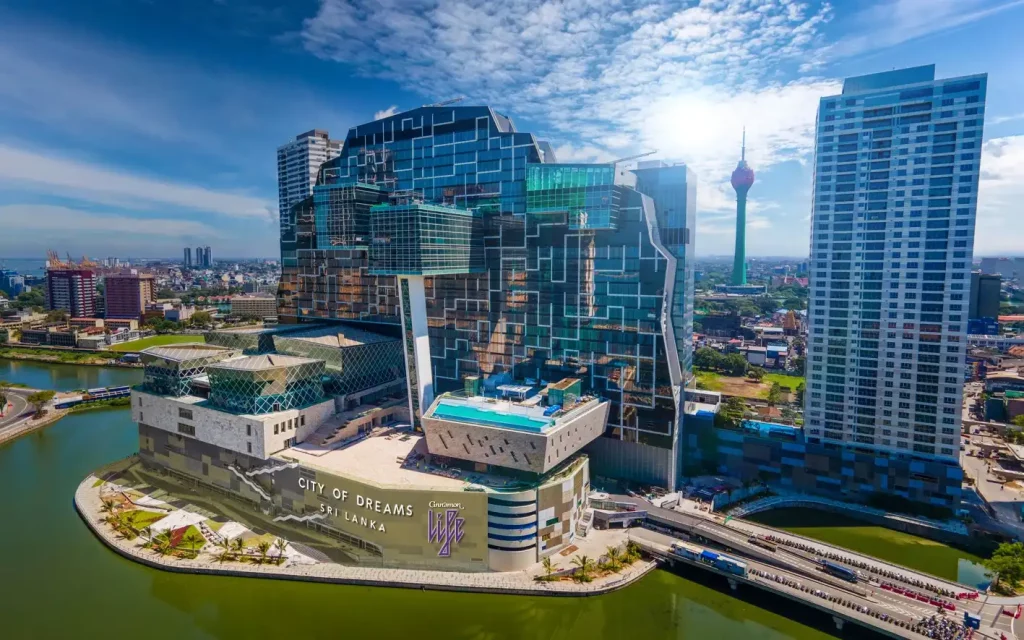
Golden Island Hospitality Private Limited has officially teamed up with India’s Majestic Group Hotels & Casinos to establish a Majestic Pride Casino in Colombo, Sri Lanka.
This new casino will be located in the city’s Lotus Tower landmark in Colombo 10, with the company promising a ‘premium gaming experience’. The tower is an iconic landmark in the county’s capital, with a height of more than 350 meters.
Majestic Pride Casino is the largest offshore casino in Goa, with Sri Lanka hotel group Golden Island operating 5-star hotels, villas and restaurants in Kandy and Nuwara Eliya.
The Sri Lanka’s Ministry of Finance, Economic Stabilization & National Policies of Sri Lanka has issued a Casino Business License to Golden Island Hospitality on July 5th, 2024.
An agreement with the Board of Investment of Sri Lanka was also signed on August 1st, to solidify the project. The project was previously reported to be part of a $1 billion makeover of Lotus Tower, transforming it into an ‘entertainment hub’.
‘The Majestic Pride Casino is poised to transform Sri Lanka’s gaming sector with a wide variety of gaming options, setting a new standard for entertainment in the region’, the group noted.
‘This venture is expected to boost tourism, enhance the local economy, and generate employment opportunities for Sri Lankan youth in the gaming and hospitality industries.’
Goa’s government recently has vowed to take action against unauthorized advertisements for Sri Lankan casinos promoting online gaming in the coastal state.
The Thai government is pressing ahead with a bill to allow casinos to operate legally within entertainment complexes in the country, with cabinet and coalition representatives discussing the issue on Monday.
A draft of the Entertainment Complex Act is currently under public consultation, as required by the constitution before being presented to the cabinet for consideration. After this process, the bill, along with public feedback, will be presented to the cabinet for consideration.
According to the Bangkok Post, Deputy Prime Minister and Commerce Minister Phumtham Wechayachai said the entertainment complex bill will be on of the topics being discussed in a monthly meeting at Government House between leaders and representatives of the coalition parties
The bill – which the report says is already completed – aims to promote and regulate integrated entertainment complexes that meet standard requirements, as a measure to encourage domestic investment and support sustainable tourism.
Under the bill’s provisions, an entertainment complex must acquire a license to operate, valid for up to 30 years. Operators must pay a THB5 billion ($142.7 million) registration fee and an annual payment of THB1 billion ($28.3 million).
The complexes will be assessed every five years, and the license can be renewed for another 10 years after the initial 30-year period.
The bill prohibits individuals under the age of 20 from entering the venues, and Thai citizens must pay a THB5,000 ($141.8) entrance fee, while foreigners have free access. A policy board chaired by the prime minister will be responsible for setting the rules and regulations governing these gaming complexes.
According to government estimates, the global business value of casino-based entertainment complexes in 2022 amounted to $1.5 trillion, with the figure expected to rise to $2.2 trillion by 2028. The project is expected to generate at least THB12 billion ($340.3 million) in taxes for Thailand in the first year.
However, the opposition Thai Sang Thai Party has criticized the project, stating that lax law enforcement could hinder efforts to regulate the casino industry.
Potential locations to host the Entertainment Complexes include Greater Bangkok, Phuket, Chiang Mai, and Chonburi (Pataya), to be established within 100 kilometers of major airports, and with a paid-up capital of at least $283 million. Thailand will compete with the emerging market of the UAE and, to some extent, Japan.