Alice Guo announced on Tuesday that she would not seek reelection as mayor of Bamban in 2025 in an effort to clear her name amid the ongoing cases filed against her.
According to local media outlet Inquirer.net, Senate President Pro Tempore Jinggoy Estrada raised the issue during the Senate panel’s 15th hearing regarding Guo’s connections to Philippine offshore gaming operators (POGOs).
Guo expressed her commitment to confronting the accusations against her and emphasized her dedication to her constituents.
During the hearing, Senator Joel Villanueva cautioned that POGOs might be sponsoring candidates for the 2025 elections, highlighting that this phenomenon of “POGO politics” represents a new form of corruption.
Guo, who is currently detained at the Pasig City Jail, faces charges including graft, qualified human trafficking, money laundering, and tax evasion related to her alleged involvement with the illegal activities of a POGO hub in her town.
She was dismissed from her position as mayor of Bamban in August.
The Department of Foreign Affairs revoked Guo’s Philippine passport after discovering that her biometrics matched those of Guo Hua Ping, a Chinese passport holder, in the National Bureau of Investigation’s records.
FeedConstruct, a data-providing company that delivers the most precise sports data and streaming from sporting events globally, has announced a new partnership with the Korean Handball Leagues, securing exclusive worldwide streaming and data collection rights for the prestigious handball competitions.
Through this partnership, FeedConstruct will provide comprehensive coverage of more than 160 matches for each upcoming season throughout the partnership. Companies worldwide will have access to high-quality streaming and precise data, ensuring they capture every moment of the action.
Established in 2011, the Korean Handball League is entering its 14th edition, and the upcoming season promises to be highly competitive. In the women’s tournament, all eyes will be on the SK Sugar Gliders, the reigning back-to-back champions of the Asian Women’s Club League Handball Championship. On the men’s side, the Doosan Handball Club, which has claimed the league title an impressive 12 times, will be a dominant force.
South Korea is recognized as the most successful handball nation in Asia, boasting a combined total of 25 titles in the Asian Handball Championship between its Men’s and Women’s National Teams. This partnership with the Korean Handball League aims to enhance the visibility of handball, offering unparalleled access to the excitement and intensity of H League matches.
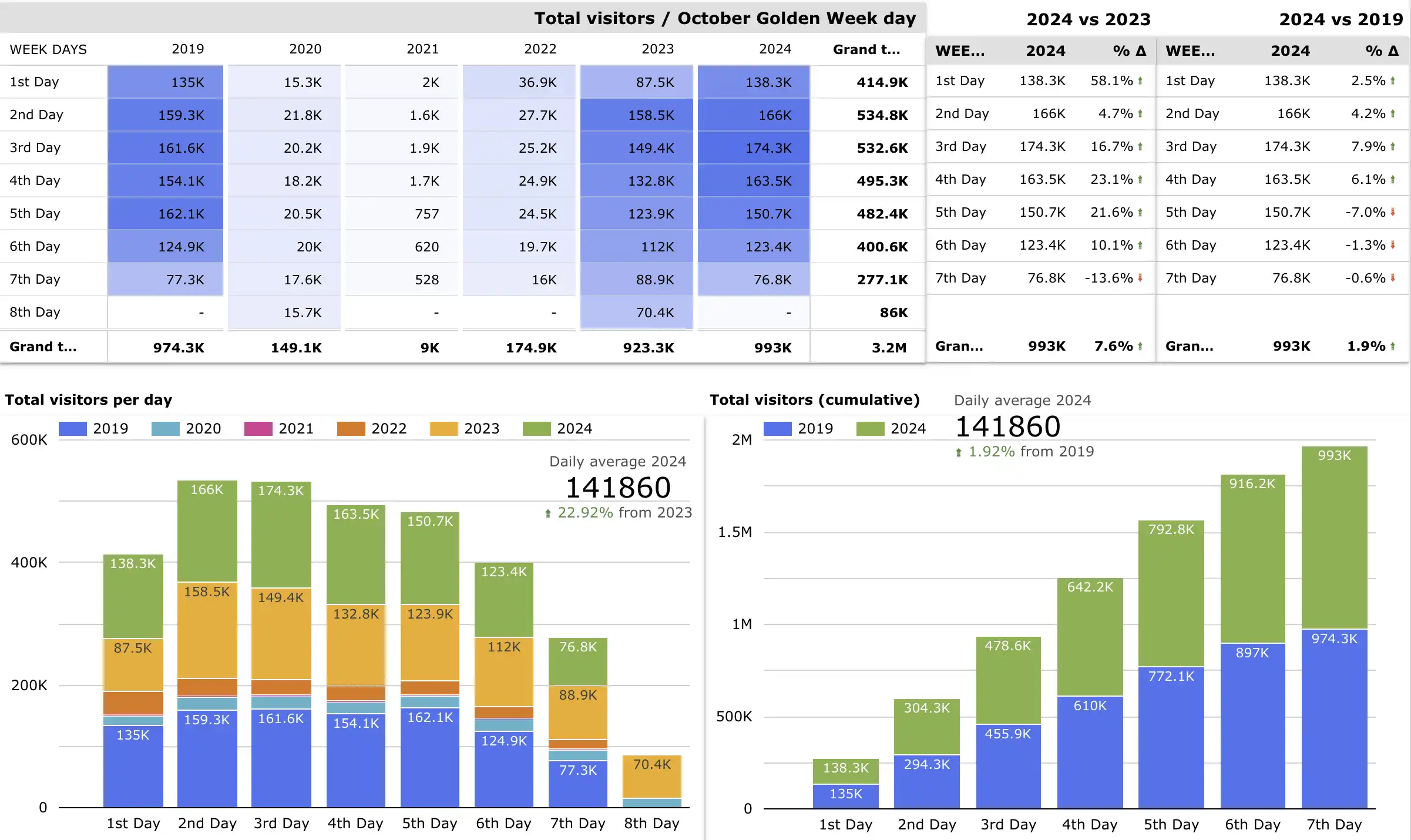
Provisional tourism data from the Macao Government Tourism Office (MGTO) shows that during the seven days of October Golden Week (October 1st-7th), a total of 993,000 visitors arrived in Macau, averaging nearly 142,000 visitors per day.
This represents a 22.9 percent increase compared to the same period last year.
Daily visitor arrivals surpassed MGTO’s earlier projection of 130,000 visitors per day.
Macau October Golden Week 2024 stats as of 08/10/2024-MGTO
Of the total visitor arrivals, 826,000 were from Mainland China, averaging 118,000 per day—a year-on-year increase of 34.7 percent. Visitors from Hong Kong totaled 117,000, averaging 16,000 per day, reflecting a year-on-year decrease of 21.8 percent.
October Golden Week is a seven-day public holiday in Mainland China, which is the main tourist feeder for Macau. In Hong Kong, however, only October 1st is recognized as a public holiday.
Seaport Research Partners previously projected that Macau’s daily gross gaming revenue (GGR) during October Golden Week could reach MOP950 million ($118.5 million), representing a 4 percent increase compared to May’s Golden Week and a 25 percent rise over the Chinese New Year period.
Looking ahead, Seaport forecasts that Macau’s total GGR for October will reach MOP21.5 billion ($2.68 billion), reflecting a 10.3 percent year-on-year increase and a 24.6 percent month-on-month rise. This estimate is supported by strong hotel bookings and positive market sentiment, in line with historical trends.
Slotegrator, a gaming content aggregator and provider of solutions for online casinos and sportsbooks Slotegrator has announced a new partnership with game developer TopSpin.
TopSpin brings to the industry its impressive portfolio of 20+ online casino games. Founded with a vision to blend Asian culture with top-performing games, TopSpin’s offerings are intricately designed around Asian folklore and culture, promising a unique and captivating gaming experience.
Featuring simple yet engaging mechanics, TopSpin’s games cater to a diverse global audience, with availability in eight languages, including 21 International and Indian languages. This localization ensures an immersive and culturally rich experience for Indian players worldwide. The adaptability of the titles extends to support 92 major currencies and crypto.
TopSpin’s user-friendly game interface introduces exciting features such as free spins and configurable promotions, enhancing the overall gaming experience for players. A robust reporting tool provides detailed insights into player game preferences, sessions, history, bets/wins, and player retention statistics, empowering operators with valuable data for strategic decision-making.
Committed to excellence, TopSpin Games sets a high standard by aiming for a 99.99% uptime for its services. This commitment is upheld through continuous monitoring and optimization of game performance, ensuring players enjoy a seamless and uninterrupted gaming experience. With a focus on a mobile-first approach and multiplatform compatibility, TopSpin’s games are optimized for peak performance on a variety of devices.
“We greatly appreciate our partnership with Slotegrator. Their exceptional cooperation and vast operator network has been a crucial part of our constant growth, and we’re excited for what the future holds as we continue to grow together.” — team of TopSpin.
“This partnership between TopSpin and Slotegrator represents an important milestone in our commitment to pioneering in iGaming but also promises a fusion of experience and innovation.” — Khoren Ispiryan, Senior Sales Manager at Slotegrator.
Evoplay, the award-winning game development studio, is expanding the availability of its flagship 3D racing title Adrenaline Rush to all of its operator partners, following a successful exclusive release.
Adrenaline Rush combines the thrill of high-speed racing with skill-based gaming mechanics, providing an immersive experience for players who enjoy a strategic and competitive edge in their gameplay. Players can engage in intense races where success is determined by both speed and skill, making it a standout title in Evoplay’s diverse portfolio.
Following its main global release on October 8th, Evoplay is set to launch two additional versions of the game, slot title Adrenaline Rush: Super Boost on October 22nd, and crash game Adrenaline Rush: XCrash on November 5th, creating an expanded offering that caters to a variety of player preferences.
Released initially as an exclusive, Adrenaline Rush has already garnered attention for its innovative mechanics and immersive gameplay, earning the Skill Games Supplier award at the prestigious EGR B2B Awards. With this wider release, Evoplay’s global operator network will now be able to offer the title to an even broader audience.
Ivan Kravchuk, CEO at Evoplay, said: “Adrenaline Rush is a one-of-a-kind experience that perfectly blends competitive racing with skill-based gaming. Since its launch, it has resonated strongly with players, and we’re thrilled to now offer this exciting title to all of our operator partners globally. The upcoming releases of the equally popular slot and crash versions will ensure that Adrenaline Rush remains a fan favorite across multiple formats.”
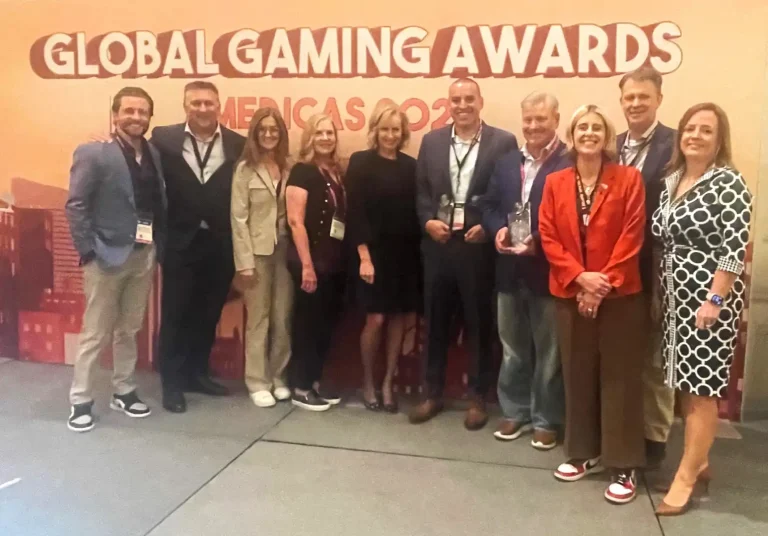
Aristocrat Gaming was awarded by the gaming industry with The Land-Based Industry Supplier of the Year for the sixth consecutive year at the annual Global Gaming Awards Americas.
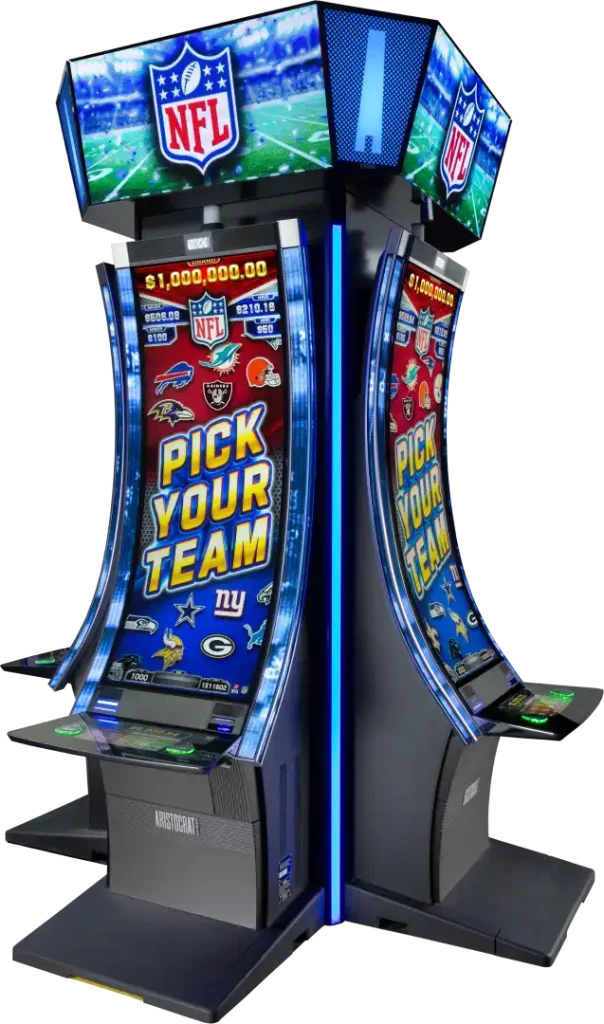
Aristocrat Gaming was also recognized for Slot of the Year for the seventh year in a row for NFL Super Bowl Jackpots™, and the MarsX™ Flex and Cyclone Sign Package was awarded Best Land-Based Product, the second time the company has received the recognition.
Hector Fernandez, CEO of Aristocrat Gaming
“We are humbled to once again be recognized by our peers for our ongoing commitments to moving the gaming industry forward,” said Hector Fernandez, CEO of Aristocrat Gaming.
Innovation is in the DNA of Aristocrat Gaming and the company’s customer-centric approach delivers top-performing game titles, unique mechanics, groundbreaking sports partnerships and player favorite licenses. Aristocrat Gaming recently announced the second season of NFL Slots which will incorporate three new titles, the House of the Dragon™ slot game based off of the hit TV series and a multi-year partnership with the Dallas Cowboys.
NFL Super Bowl Jackpots on the King Max™ cabinet launched a new era in gaming. It was the most anticipated game of the year and was the first of several NFL-themed games in the NFL Slots lineup. Players can select their favorite team from any of the NFL’s 32 clubs. The game has a 63” high-definition display, integrated LED edge lighting and feature-rich gameplay including game footage, licensed fan-favorite stadium anthems and a $1 million dollar progressive jackpot.
NFL Super Bowl Jackpots by Aristocrat GamingBuffalo Ultimate Stampede on MarsX Cyclone Package by Aristocrat Gaming
The MarsX™ Flex and the Cyclone Sign Package is the next level of innovation in both placement configuration and premium quality content. Its large box top cabinet has an expansive 55” top monitor that towers over the casino floor visible for all to see and can be placed anywhere. The all-new 4-pod LED sign package completely surrounds each game in the pod – top and sides, expanding the branding and providing a seamless player experience for customers.
Experience innovations from Aristocrat Gaming this week at booth #1133 at the Global Gaming Expo (G2E).
Despite the recent Dragon Train injunction, Deutsche Bank notes that the gaming equipment and services group, Light & Wonder, had a solid 3Q24.
Analysts Carlo Santarelli and Steven Pizzella expressed this optimism following their meeting with Light & Wonder management during the Global Gaming Expo (G2E).
According to the investment memo, Deutsche Bank emphasizes that management appears confident it can mitigate the headwinds posed by the Dragon Train removals, which are expected to impact unit sales by approximately $70 million in the upcoming fourth quarter and beyond.
Analysts anticipate that Light & Wonder will effectively backfill this projected $70 million shortfall within its broader guidance of $1.4 billion. The strategy involves a deeper dive into the gaming title portfolio, along with growth from SciPlay and the iGaming segments.
The Dragon Train titles are required to be removed from casino floors by October 23rd due to the injunction. Deutsche Bank expects the company to adjust its mathematical models while retaining most of the secondary features. To compensate for the removal of fixed daily fee Dragon Train titles, Light & Wonder is likely to rely on popular franchises such as the Huff N’ Puff Money Mansion, as well as other top performers.
Additionally, Light & Wonder is expected to optimize its costs, although the analysts do not foresee these reductions being a significant aspect of the overall strategy.
Furthermore, management remains open to the prospect of smaller-scale mergers and acquisitions (M&A), though Deutsche Bank views this as an incremental component rather than a core strategy. Management reaffirmed its belief that it is still in the early innings of its growth strategy after years of investments in non-traditional slot adjacencies.
Deutsche Bank also mentions that one area worth monitoring is the potential for larger-scale replacement opportunities in Macau due to evolving technology standards. Additionally, there are ongoing discussions regarding Historical Horse Racing (HHR) in several international markets, presenting further opportunities for growth.
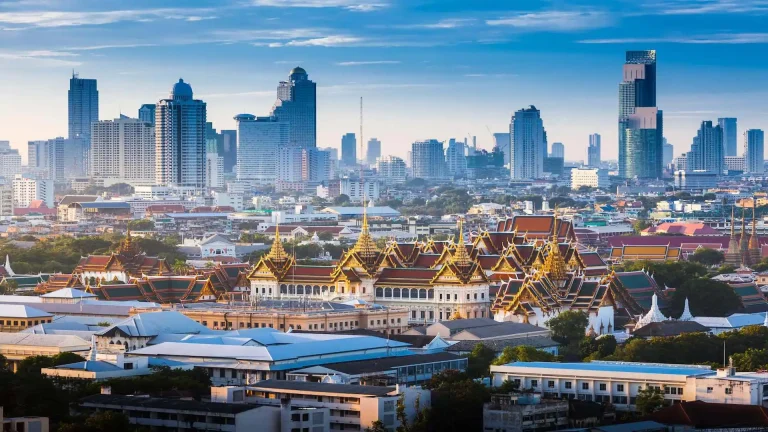
Good morning. Let’s roll the dice! Thailand’s casino bill may change after the Fiscal Policy Office presented 45 recommendations following public hearings. These include renaming it the “Integrated Resort Act” and adjusting ownership, license durations, and location options. Meanwhile, Macau’s premium mass wagers surged to record levels during the October Golden Week, with the number of high-rollers and table utilization rates reaching all-time highs. In the Philippines, some observers are warning that the country’s effort to shut down POGOs faces challenges from deep-rooted corruption, which may allow the industry to persist or relocate to other countries.
What you need to know
Thailand’s Fiscal Policy Office compiled a report with 45 significant recommendations on the entertainment complex bill currently under review.
Macau’s premium mass gaming hit historic highs in October, with a significant rise in wagers and record participation from high-rollers.
Despite a nationwide POGO ban, insiders warn that corruption may allow them to persist illegally or shift to other countries.
Thailand’s casino bill could face considerable overhaul in light of the Fiscal Policy Office (FPO)’s extensive recommendations. Among these changes, one significant suggestion is to rename the law from the “Entertainment Complex with Casino” to the “Integrated Resort Act”. This name change aims to convey the broader scope of the proposed developments. Additionally, the FPO recommends adjusting the shareholder structure to ensure that Thai ownership ranges from 30 to 51 percent, encouraging local participation and investment in the entertainment sector.
Altenar, a leading sportsbook provider is bringing its global expertise to Asia, looking to expand its operations. Since 2011, Altenar has powered hundreds of online sports betting sites worldwide and is a major B2B provider in Europe and Latin America licensed markets.
For global betting company 1xBet, Asia is a key market for several reasons. This is why 1xBet pays special attention to the Asian market and actively promotes its sports betting platform and the most popular gambling games on the continent.
A public consultation for the draft bill on the legalization of comprehensive entertainment complexes with casino gambling in Thailand was conducted between August 2 and 18, 2024. The Ministry of Finance has collated the responses, which will be presented to Cabinet and thereafter tabled in the House of Representatives for further deliberation.
The following is a summary of the key issues raised in the consultation process.
INDUSTRY FRAMEWORK
Locations of Complexes
The draft law should explicitly specify eligible locations for entertainment complexes outside of Bangkok and its metropolitan area to promote regional development. Suitable locations proposed include tourism-driven regions such as Phuket, Chiang Mai, Chonburi, Rayong, Hua Hin, and other areas with high tourist potential.
Components of the Entertainment Complex
The number of component categories should be expanded from four to seven. Support for spaces dedicated to promoting Thai culture should be included. Clearer definitions of each component, including minimum area requirements for shopping malls and specific criteria for casino areas, should be established. To promote Thai products, provisions for OTOP (One Tambon One Product) should be incorporated. Additionally, value-added components that contribute to national development, such as large convention centers and museums, should be considered.
LICENSING
Number of Licenses
The number of licenses should be clearly specified in the Act to avoid an excessive number. For example, the law could limit licenses to 3-7 nationwide. Licenses should be allocated regionally, with no more than 2-3 in Bangkok and 5-7 in other areas.
Duration of License
There is debate over the appropriate duration of licenses. Some argue that a 30-year term is excessive and should be reduced to 10 years. Others contend that 30 years is insufficient and propose extending it to 50-60 years with the option for renewal. There are suggestions for the license term should commence on the date of operational commencement.
License Fee Quantum
Concerns have been raised that the proposed license fees are excessively high, which could deter potential operators. Annual license fees should be adjusted to a reasonable level. The draft bill should clarify whether the annual fee is required in the first year following the initial payment. To accommodate potential future economic fluctuations, license fees should not be fixed in the draft law. A more flexible approach, such as periodic reviews and adjustments, would be advisable.
Shareholder Composition of Licensees
At least 30-51 percent of the ownership in a licensee should be held by Thai entities. Licensees must be registered Thai companies, whether private or public. Measures should be implemented to prevent foreign nominees from holding ownership in Thai companies.
Selection Process for Licensees
A fair and transparent tender process should be adopted for selecting licensees. Foreign investment should be permitted in the entertainment complex industry.
Specifications and Bid Tender for Licenses
The policy committee should establish clear criteria, procedures, and conditions for the bid invitation documents related to integrated entertainment venue businesses. This will ensure a fair and transparent bidding process.
Changes in Directors, Executives, or Shareholders of Licensees
Prior approval should not be required for changes in directors, executives, or shareholders as long as the individuals involved meet the necessary qualifications. Shareholder changes of up to 25 percent should be permitted in certain cases.
Licensee Penalties
The penalties outlined in the draft bill are currently considered insufficient. To ensure compliance, license suspension should be introduced as a potential consequence of violations. Fines for license holders who negligently allow prohibited persons to enter casinos should be substantially increased. In severe cases, criminal penalties should be imposed. For egregious offenses, businesses should face revocation of their licenses and potential seizure of assets or land. These stricter penalties will serve as a deterrent and help maintain the integrity of the industry.
Licensee Accounting Reports
To maintain transparency and accountability, licensees should be required to submit financial reports of their integrated entertainment venues to Parliament. This will allow for public scrutiny and oversight of the industry’s financial performance.
Transfer of License Rights
Partial transfers of license rights to other individuals should be prohibited.
CASINO
Casino Entry Fees
The entry fee for Thai citizens is currently considered too high and should be reduced to a range of 1,000-2,000 baht. An annual entry fee should be considered, potentially between 20,000-40,000 baht. To maintain affordability for Thai citizens, entry fees should remain unchanged for a 10-year period, similar to the approach in Singapore. Entry fees for Thai citizens should be standardized nationwide to ensure consistency and fairness.
Casino Area
The casino area should be clearly defined and proportionate to the overall size of the integrated entertainment venue. A specific casino area ratio should be established in the draft law, potentially between 5-20 percent. There is another suggestion that the casino area should be commensurate with the projected revenue of the integrated entertainment venue. Casinos should be allowed to operate 24 hours a day to cater to the preferences of visitors and maximize revenue potential.
Types of Gambling Products
The policy committee should retain the authority to add new game types beyond those explicitly listed in Section 52. Requests for the inclusion of boxing, horse racing, and online gambling. Sports betting and skill-based games like poker should also be considered. A comprehensive study of casino games offered in other countries would provide valuable insights for determining appropriate options.
Casino Access
Individuals entering casinos should be required to present their account details or a specified amount of cash intended for gambling. This will help prevent underage gambling and monitor spending habits. To mitigate potential social issues, it may be considered to restrict casino access to foreigners or Thai citizens who have traveled abroad and are returning to Thailand. Biometric data, such as fingerprint or facial recognition, should be utilized to control entry and exit to enhance security and prevent unauthorized access. This technology can also help track patron behavior and identify potential risks.
Qualifications of Casino-Related Employees
Prescribing specific qualifications for all casino-related employees could impose unnecessary burdens on government agencies and operators. Qualifications should be primarily focused on management-level employees or individuals with critical casino-related responsibilities.
Casino Promotion, Advertising, and Sales Activities
License holders should be explicitly authorized to organize promotional activities that are customary in international integrated entertainment venues. Junket operations should be prohibited, and a clear definition of “junkets” should be included in the draft law to prevent any ambiguities. This will help ensure that promotional activities are conducted ethically and do not involve illegal or exploitative practices.
Credit for Casino Players
Credit should be permitted for both Thai and foreign players, subject to stricter controls to mitigate risks. Credit limits, interest rates, and repayment periods should be clearly defined and enforced. There are also proposals to prohibit credit for Thai nationals or residents of Thailand. This approach could help protect domestic populations from excessive gambling-related debt.
Casino Regulations
Licensing requirements should be streamlined to avoid unnecessary burdens on operators. Gambling in casinos should be strictly conducted using individual player accounts. Clear regulations on casino chips should be established. To ensure fair play, rules and tools used for gambling should be precisely defined to prevent cheating. This includes guidelines for game mechanics, equipment specifications, and surveillance protocols.
ORGANIZATION
Formation of the Policy Committee
It has been suggested that the establishment of the Policy Committee need not be tied to a strict 180-day deadline following the Act’s enactment. The 180-day period is primarily intended for appointing expert members, setting up necessary offices, and ensuring operational readiness.
Composition of the Policy Committee
It has been proposed that expert members of the Policy Committee should be selected through an open recruitment process. The committee should include representatives from diverse sectors, such as community development, human rights, child and youth welfare, economics, sociology, and mental health. Additionally, there are recommendations to include representatives from key national bodies like the National Child and Youth Development Promotion Committee, the Community Organization Council, and the National Human Rights Commission to ensure a well-rounded and inclusive approach.
Powers of the Policy Committee
Concerns have been raised that the Policy Committee holds excessive authority. It is recommended to either delegate these powers to the Executive Committee or provide clearer guidelines and limitations within the Act itself to ensure a more balanced distribution of responsibilities.
Composition of the Executive Committee
Recommendations for the Executive Committee align closely with those for the Policy Committee but with the added suggestion of including representatives from private businesses and the tourism industry. Additionally, it is proposed to establish provincial-level Executive Committees in regions where entertainment complexes are situated to ensure localized oversight and governance.
Powers of the Executive Committee
It has been proposed that the committee should be granted the authority to suspend or revoke the operations of an entertainment complex if its impact proves to be more detrimental than beneficial.
However, some believe that the Executive Committee is redundant, as the Secretary-General could handle these responsibilities independently.
Function of the Regulatory Commission
The Regulatory Commission should serve as a centralized hub for all matters related to entertainment complex operations, including application processing, documentation management, and fee collection. To foster effective interagency collaboration, senior officials should be designated as liaisons with relevant regulatory bodies. To ensure robust oversight and governance, it should be placed under the purview of the Prime Minister’s Office.
Clear guidelines should be established for the management and utilization of its funds and assets. A portion of the commission’s revenue should be allocated to the regions hosting entertainment complexes to directly benefit local communities. Specific criteria should be outlined for this distribution to ensure equitable allocation and maximize contributions to national revenue.
Qualifications and Appointment of the Regulatory Commission Secretary-General
A strict age limit of 60 might limit the pool of qualified candidates, potentially excluding individuals with valuable experience. The appointment process should be transparent and inclusive, allowing for public input.
Powers of appointed officials
Appointed officials should have the authority to request necessary documents, evidence, and information. They should also have the power to temporarily suspend operations or services in response to complaints. To prevent potential abuses of power, broad discretionary authority should be limited.
Centralization of Consideration Under Other Laws
The policy committee should be empowered to coordinate and approve, permit, license, endorse, or serve as the authorized body for registration or notification under relevant laws. This centralized authority will streamline processes and ensure consistency across different regulatory frameworks.
BUSINESS OPERATIONS
Land Lease Agreements
Foreign entities should not be permitted to lease or own land for more than 25 years. This restriction aims to protect national interests and prevent excessive foreign control of land resources.
Employee Proportion
At least 80 percent of the workforce in entertainment complexes should be comprised of Thai employees. This requirement aims to promote local employment and contribute to the Thai economy.
Reserve Funds
License holders should be required to maintain a minimum reserve fund in escrow to guarantee payments to gamblers and any fines imposed by the government. This will safeguard the interests of both players and the regulatory authority.
Payment Guarantees
To enhance financial security and facilitate debt payments, lease rights and other assets within the integrated entertainment venue should be allowed as collateral. This will provide lenders with greater confidence in the borrower’s ability to repay obligations.
SOCIAL AND SECURITY
Social Impact Compensation Fund
To address potential social impacts of integrated entertainment venues, a Social Impact Compensation Fund should be established. This fund would be managed by a board composed of experts, civil society representatives, and public representatives to ensure transparency and accountability. The fund should be financed by a portion of the revenue generated by integrated entertainment venues. It would have its own office and focus on gambling prevention, health promotion, and improving the quality of life for local residents. By investing in these areas, the fund can help mitigate negative social consequences and ensure that the benefits of integrated entertainment venues extend to the broader community.
Prevention of Money Laundering
Integrated entertainment venues pose a potential risk of becoming hubs for money laundering. To mitigate this risk, strict anti-money laundering measures must be implemented. The source of funds used for gambling should be thoroughly verified. High-value transactions should be reported to relevant authorities. Close cooperation with the Anti-Money Laundering Office (AMLO) is essential to ensure effective enforcement of anti-money laundering regulations.
Negative Social Impacts
There are legitimate concerns about the potential negative social impacts of integrated entertainment venues, including gambling addiction, family breakdowns, crime, moral decline, and disruptions to national order. Legalizing casinos in these venues may not fully address the issue of illegal gambling or online gambling. There is also a risk of corruption among government officials involved in the regulation of the industry. To mitigate these potential negative consequences, a comprehensive approach is needed, including:
Limiting access for Thai citizens: Restricting access to certain demographics, such as Thai nationals or residents, could help protect vulnerable populations.
Promoting responsible gambling education: Public awareness campaigns and educational programs can help individuals understand the risks of gambling and make informed decisions.
Establishing counseling centers: Providing access to counseling and treatment for gambling addiction is essential for supporting those affected by problem gambling.
Promoting creative community activities: Encouraging alternative forms of entertainment and community engagement can help reduce the appeal of gambling.
Increasing security around integrated entertainment venues: Enhanced security measures can help prevent crime and maintain public order.
Conducting ongoing studies and monitoring social impacts: Regular research and monitoring of social impacts will allow for timely adjustments and interventions to address emerging issues.
MISCELLANEOUS
Title of the draft law
Concerns were raised that the current title is too broad and lacks specificity. A suggestion was made to rename it to “Integrated Resort Act” to better reflect international standards, positioning the project as a tourism initiative, which could enhance its public image and align with global practices.
Public Share Offerings
License holders should be restricted from raising funds through public share offerings in the Thai and international stock markets. If public shareholding is permitted, the maximum ownership should be limited to 24.99 percent to ensure that the licensee retains effective control over the business.
Revenue Distribution to Local Areas
Fees and taxes generated by integrated entertainment venues should primarily benefit the local government where the venue is situated. Revenue should be distributed to local administrative organizations to support development and infrastructure projects in the area. The draft law should clearly delineate the revenue-sharing ratio between the central and local governments to ensure equitable distribution and avoid excessive centralization of resources. This will help promote balanced regional development and ensure that local communities directly benefit from the presence of integrated entertainment venues.
Investor Protection
To enhance investor confidence, the regulatory office should have the authority to enter into contracts that provide compensation in the event of significant changes in laws or other unforeseen circumstances. This will help mitigate risks for investors and promote a stable investment environment. Dispute resolution should be handled through internationally recognized arbitration mechanisms to ensure a fair and impartial process that is independent of domestic legal systems. This will help attract foreign investment and foster confidence in the industry.
Exemptions from Other Laws
Considerable exemptions from relevant laws, such as those governing urban planning, building control, tobacco products, and alcohol control, may be necessary to facilitate the development and operation of integrated entertainment venues. However, these exemptions should be carefully evaluated to ensure they do not compromise public safety or welfare.
The feedback collated in the consultation process offers valuable insights and suggestions for improvement and demonstrates a positive step toward a more comprehensive consultative process. To further enhance the regulatory framework, industry feedback and input from subject-matter experts should be actively sought to ensure that the final regulations are practical, effective, and aligned with industry best practices.
The Isle of Man Gambling Supervision Commission (GSC) has imposed a GBP140,000 ($183,000) civil penalty on one of its previous licensees, CyberHorizon Limited, after uncovering several regulatory breaches during an investigation.
These violations include failure to conduct proper customer risk assessments and implement required technology risk evaluations before launch, as well as insufficient enhanced due diligence processes. CyberHorizon was previously called Wow Entertainment and operated the Wow Casino brand. The company was licensed from March 2021 to September 2023, cooperated with the GSC, accepting responsibility, and settling early.
The GSC emphasized the importance of maintaining strict compliance with anti-money laundering and counter-terrorism financing regulations to uphold the Isle of Man’s reputation as a well-regulated jurisdiction. This was the second time this year that the regulator took action, having previously suspended and then cancelled the gambling license of Isle of Man-based King Gaming.
The investigation revealed that CyberHorizon had fallen short in critical areas, including customer relationship cessation after failing to meet due diligence requirements and ensuring data retrieval processes after the cessation of operations.
One of the key factors that led to the investigation was the identification of multiple infractions in a routine inspection in June 2023, which revealed non-compliance with the Gambling (Anti-Money Laundering and Countering the Financing of Terrorism) Code 2019. This prompted the GSC to take immediate regulatory action. Despite the seriousness of the breaches, the GSC acknowledged CyberHorizon’s cooperation and willingness to engage constructively in addressing these issues, which contributed to a 30% reduction in the civil penalty.
The Isle of Man continues to be the primary Tier 1 jurisdiction for companies active in pre-regulated markets but has seen the number of licensees stagnate in recent times. The departure of some big Asian facing names and the King Gaming case, as well as this latest enforcement action will likely have a signaling effect for some companies, while continued uncertainty in jurisdictions like Curacao has benefited the island and seen operators relocate there who are willing to comply with stricter rules in exchange for a politically stable and safe environment.