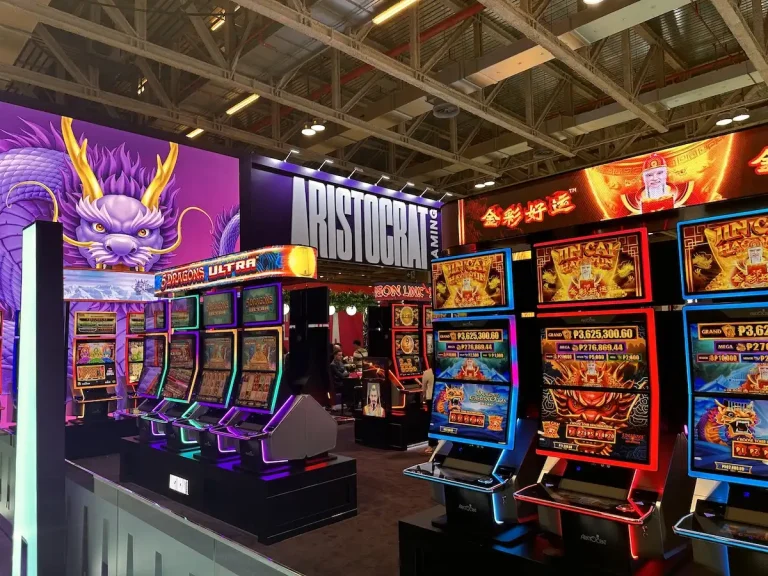
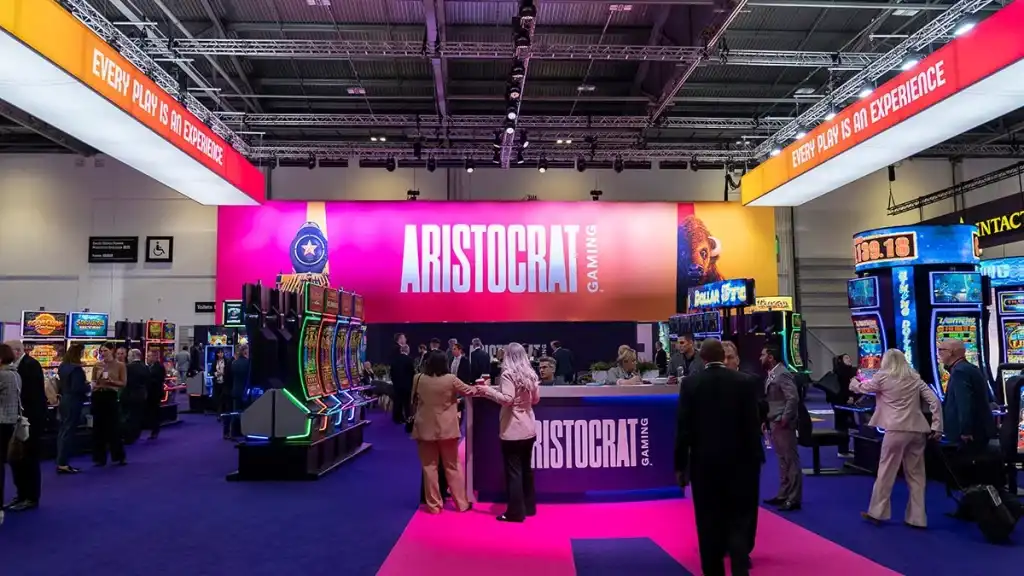
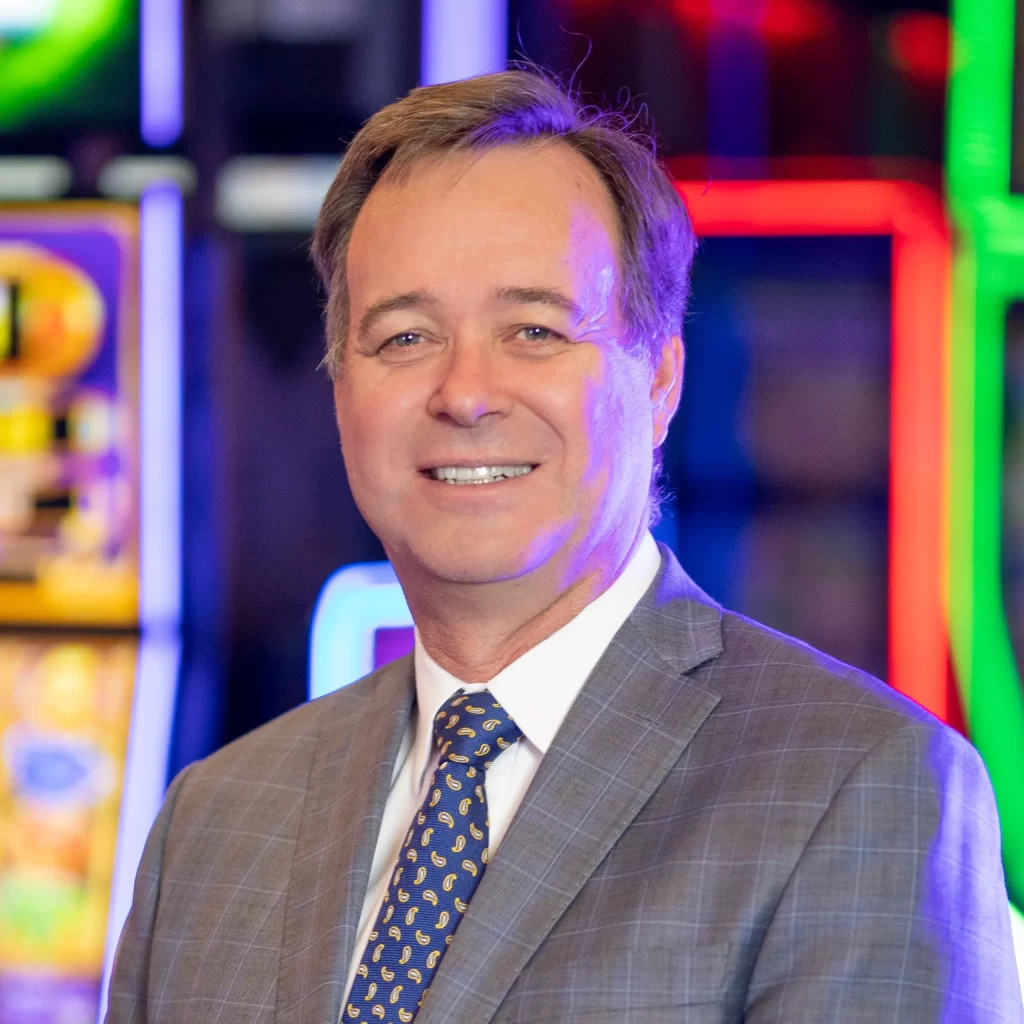
Aristocrat saw 17 percent growth in its net profit after tax (NPATA) during its fiscal year ended September 30th, bringing in AU$1.6 billion ($1.04 billion), according to its financial results released on Wednesday.
This was boosted by revenue growth of 4.9 percent yearly, to AU$6.6 billion ($4.31 billion), helping boost EBITDA by 18.5 percent, to AU$2.47 billion ($1.61 billion).
The Aristocrat Gaming segment saw strong growth in its North American operations, with a 9 percent increase in profit and over 71,000 units installed during the year.
Rest of World revenue was down by 1.9 percent yearly, ‘mainly driven by a reduction in unit sales in ANZ’, with approximately 3,800 fewer unit sales. However, profit was up by 6 percent, due to ‘strong volume growth and product mix in Asia’.
The group’s Pixel United segment saw flat bookings, but the social casino saw over $1 billion for the first time, outperforming the market.
Aristocrat Interactive saw a heady increase of 85 percent for its revenue, ‘driven by organic growth in Platforms and continued scaling of iGaming across North America and Europe.
This was also boosted by five months of revenue from NeoGames and a full year from Roxor.
Looking ahead, the group is expecting continued NPATA growth for the next fiscal year, based on ‘continued strong market share, revenue and profit growth from Aristocrat Gaming’. This is expected to be further boosted by Pixel United after some belt-tightening.
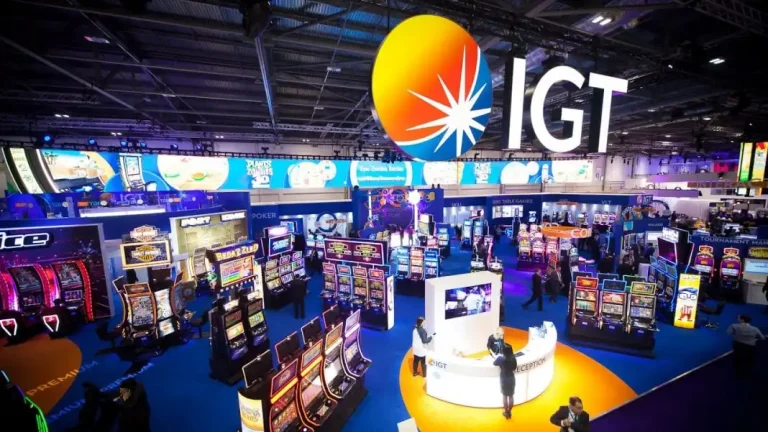
International Game Technology (IGT) saw a slight drop in its revenue during the third quarter, dropping by 2 percent to $587 million, also pushing down operating income by one-third, to $110 million.
Adjusted EBITDA for the company also retracted during the quarter, by 6 percent, to $264 million.
The quarter marks the first period where its Gaming & Digital arm are not included, due to the sale of the segment earlier this year for $4.05 billion in cash.
Looking at the results, the group highlighted increased multi-state jackpot activity in the United States, with improvements in same-store sales in Italy and increases in US instant ticket and draw-game trends.
During the period, the group boosted in research and development budget to $12 million, compared to $9 million in the previous year, ‘related to increased investment in growth initiatives’.
Speaking of the results, CEO Vince Sadusky noted “Our third-quarter and year-to-date performance underscores the strength and resilience of our business model marked by our scale, attractive margin structure, and strong cash generation.”
Zitro, a world leader in entertainment offering Video Bingo & Video Slots games, systems, and online gaming, released Triple Charm Journey, a new slot experience featuring four game titles that transport players into a world of fortune and charm.
Each title offers a Bonus Link with 3 combinable features activated by special Link symbols. The “Rise” symbol progressively increases its value with each spin; the “Collect” symbol gathers the sum of all Link symbol values, and the “Enigma” symbol awards a high mystery value while boosting the value of some Link symbols.
With up to 7 Bonus Link combinations and a chance to win the Mega Jackpot by landing 15 symbols of any kind, this charming adventure promises luck and good fortune!
A study released by the University of Queensland has uncovered troubling practices by Facebook in how it targets Australian users who may be at risk of harm from alcohol and gambling advertising.
The research introduced an innovative mobile app that allows participants to capture and share data on the ads directed at them on the platform.
This pilot study utilized a novel digital data donation method to collect ads that would typically remain hidden from public view, offering insights into the digital advertising targeting practices of alcohol, gambling, and social media companies.
The findings reveal that Facebook tagged 10 Australian participants with 89 different interests related to alcohol and gambling. The research was funded by VicHealth and the Foundation for Alcohol Research and Education (Fare).
This targeting was facilitated by data shared from 201 alcohol companies and 63 gambling companies, which provided Facebook with insights into the individuals involved in the study.
Collectively, 264 alcohol and gambling companies uploaded data about these participants to Facebook’s marketing algorithm.
Among the participants, one individual was identified with 25 alcohol-related advertising interests and had data shared by 123 alcohol companies. Another participant, who has struggled with gambling issues, was tagged with 41 gambling-related interests, receiving data from 52 gambling companies.
Notably, one participant who has been attempting to reduce her alcohol consumption over the past decade had her information shared by 95 alcohol companies.
Participants expressed frustration over how alcohol and gambling companies undermine their efforts to reduce their consumption. Many felt that these companies were working against their attempts to limit their drinking and gambling, particularly as they were profiled and targeted with ads for harmful products.
For example, one participant reported being bombarded by gambling ads, often seeing them in rapid succession, while another described how ads tailored to her social activities served as constant reminders to drink.
An example included in the study of some gambling ads shown on the Facebook wall of one of the study participants
Giselle Newton, Research Fellow at The University of Queensland
Dr. Giselle Newton, the Chief Investigator of the study, emphasized the “report is just the tip of the iceberg” regarding how alcohol and gambling companies gather and exploit personal data to “market their harmful products”.
“Individuals trying to limit their alcohol use or gambling are often overwhelmed by targeted advertising, making it difficult to escape these promotions on platforms like Facebook”, she stated.
Participants were particularly alarmed to learn that their preferences, behaviors, and browsing history could be used to target them with alcohol and gambling advertising at a high frequency. The study noted that individuals had been targeted by over 34,346 advertisers, highlighting the pervasive nature of this marketing.
Oliver, a participant in the study, expressed his frustration with the barrage of alcohol ads on Facebook.
“It’s everywhere, and it’s not just billboards; it follows me into my home through my phone. Even when I’m browsing Facebook Marketplace, I’m bombarded with these ads…The fact that I can’t opt out of these ads is incredibly frustrating.”
Martin Thomas, CEO of Alliance for Gambling Reform
The Australian government has looked to enact reforms to betting advertising aimed at reducing problem gambling, after calls from multiple civil and political groups.
Martin Thomas, CEO of the Alliance for Gambling Reform (AGR), stated that the report highlights the predatory marketing practices of gambling companies and the role Facebook plays in enabling them.
“Australians expect the Federal Government to take stronger action to protect those at risk from constant exposure to ads for harmful products”, notes the report’s public announcement.
Caterina Giorgi – CEO of the Foundation for Alcohol Research and Education
Meanwhile, Caterina Giorgi, CEO of the Foundation for Alcohol Research and Education (FARE), called for urgent reform, emphasizing that individuals should not be targeted for advertising based on their vulnerabilities.
“It’s disturbing to see how alcohol and gambling companies exploit those who are most susceptible to harm”, she remarked. “We urge the Federal Government to implement protective measures that prioritize the health and well-being of families and communities over corporate interests.”
The study’s participants expressed the need for better measures to prevent them from being targeted with alcohol and gambling ads online. They desire more control over the digital advertising they receive, particularly the ability to opt out of and permanently block harmful advertising. However, they feel that social media platforms will not take these steps without government intervention.
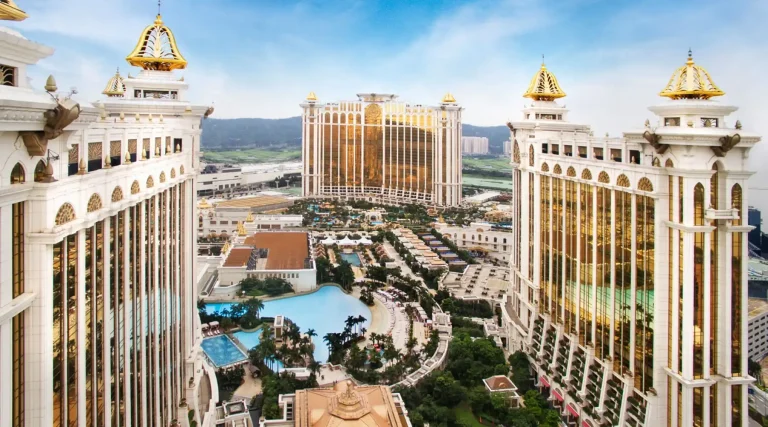
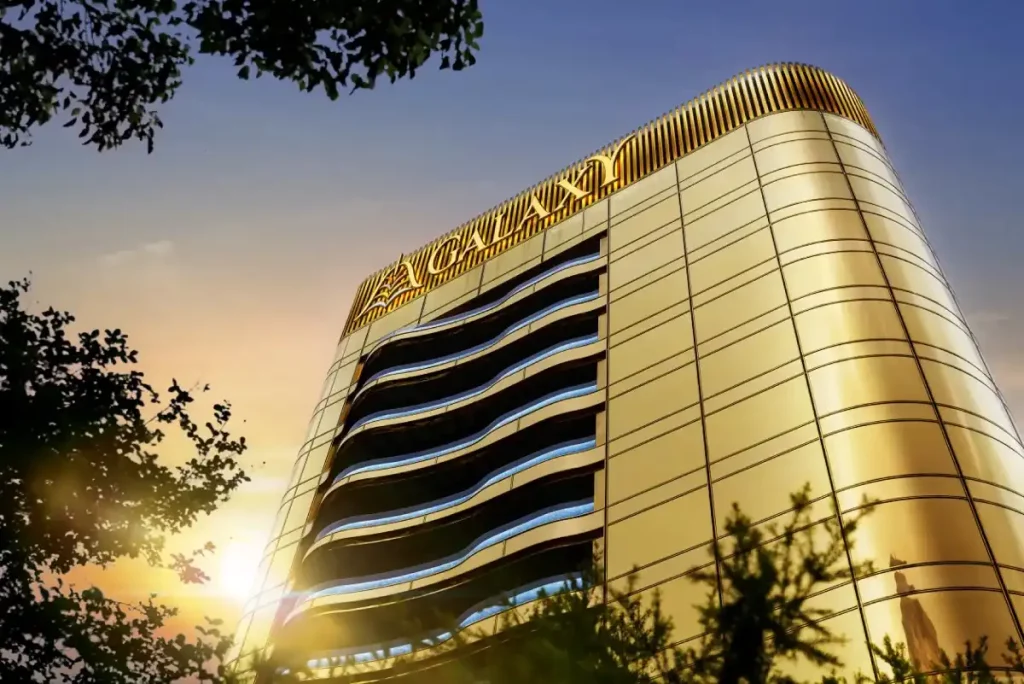
Macau gaming operator Galaxy Entertainment Group (GEG), despite being one of the few debt-free casino companies in Macau, has significant potential to enhance shareholder returns by strategically incorporating low-cost debt into its capital structure, according to Vitaly Umansky, senior analyst at Seaport Research Partners.
This could substantially increase equity returns, especially as operating cash flow improves in the coming years. The company’s current debt-free status provides ample capacity to take on debt while maintaining a solid investment-grade credit rating, which could further boost capital returns to shareholders.
Leveraging debt could also lead to a notable increase in dividends, delivering more value to investors. While Galaxy has already demonstrated its commitment to returning capital, with a HK$0.50 ($0.064) dividend in October and an additional special HK$0.30 ($0.039) dividend earlier this year, the real game-changer may lie in expanding these returns further through debt integration. The potential for rising dividends over the next few years, as the company’s cash flow strengthens, is substantial.
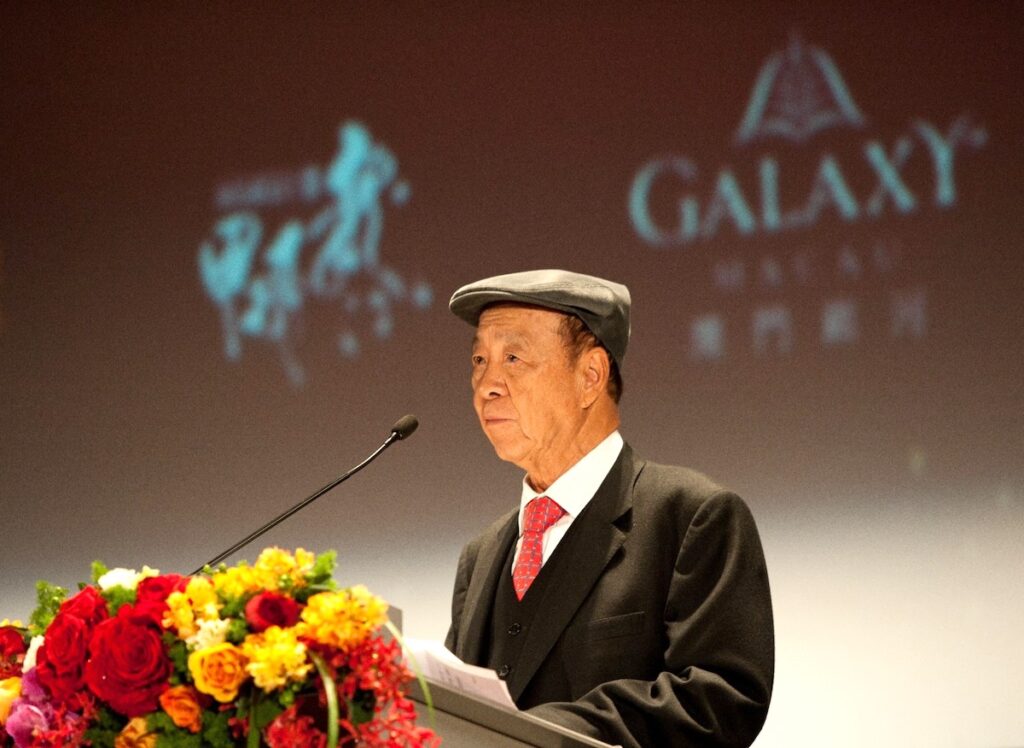
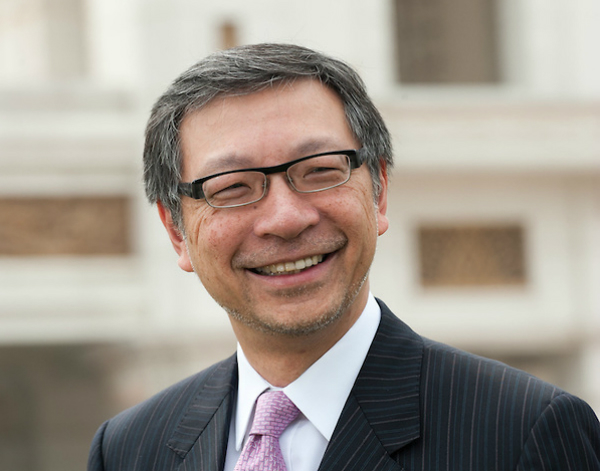
Lui Che Woo, the founder of Galaxy Entertainment
Leadership transition
The passing of Lui Che Woo, the founder of Galaxy Entertainment, at 95, has raised questions about the company’s future. However, the company has reassured investors that its operations and strategy will not be disrupted. In fact, Lui Che Woo’s son, Francis Lui, who has effectively been managing the company as de facto CEO, is set to officially assume the role of Chairman.
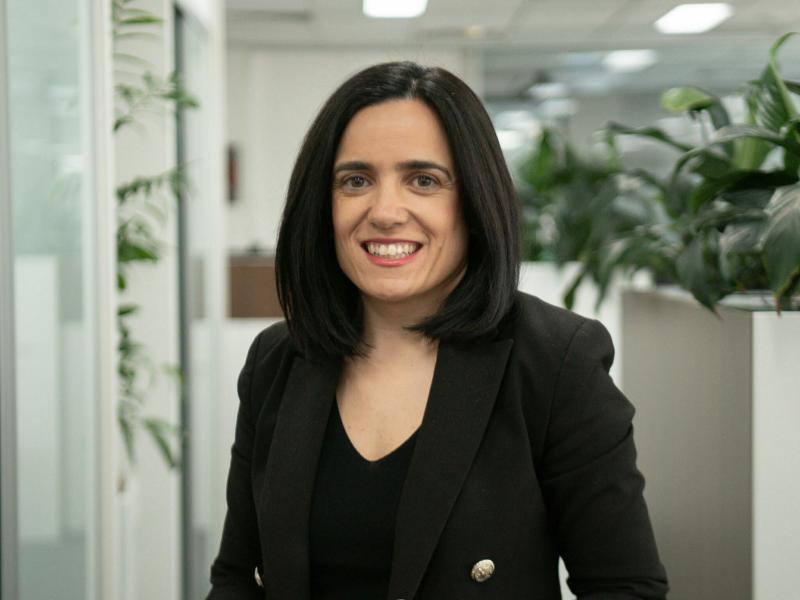
Francis Lui, CEO, Galaxy Entertainment Group
This leadership transition is expected to be seamless, with no anticipated changes in the company’s strategy or day-to-day operations.
‘Francis Lui has effectively been the CEO of the company (in form, if not in title),’ stated Umansky, emphasizing that the continuity of leadership will ensure the company’s steady course.
Lui’s leadership has been central to Galaxy’s evolution into a key player in the Asian casino industry. With his transition to Chairman, the company is expected to maintain its solid growth trajectory.
Strong position in Macau
Galaxy Entertainment remains one of the dominant players in Macau, holding the position of the second-largest casino operator in the region.
Analyst Umansky notes that the company has made significant strides in adapting to changing market conditions, particularly with the decline of the VIP sector, which had previously been a major revenue driver.
In response to this shift, Galaxy has successfully pivoted its focus to the premium mass and mass market segments, where it continues to maintain a competitive edge. Its large-scale entertainment offerings, service excellence, and diverse product portfolio help differentiate Galaxy from other operators in the region. A key element of this success has been the company’s robust event programming, including major music performances, which have significantly boosted business during peak periods.
Looking ahead, Galaxy has well-positioned plans for further expansion. The Capella luxury resort at Galaxy Macau, slated to open in mid-2025, will enhance the company’s premium positioning in the market. With 94 villas and suites, alongside extensive amenities and gaming offerings, Capella is expected to drive market share gains in late 2025 and into 2026.
This will be followed by the opening of Galaxy Macau Phase 4 in 2027, which will further support the company’s expansion and share growth in the region.
Macau gaming operator SJM Holdings has reported strong financial performance for the third quarter of 2024, driven by significant growth in net gaming revenue and improved profitability.
For 3Q24, SJM recorded net gaming revenue of HK$6.99 billion ($899 million), a 29 percent increase from HK$5.41 billion ($696 million) in the same period last year. This surge in revenue reflects the continued recovery of Macau’s gaming market, supported by a steady influx of visitors and an overall boost in gaming activity.
The company also reported a notable improvement in its EBITDA. Adjusted EBITDA for 3Q24 reached HK$1.04 billion ($133 million), up from HK$566 million ($73 million) in 3Q23. This represents an 83 percent year-on-year increase, signaling enhanced operational efficiency and strong cost management.
SJM’s adjusted EBITDA margin also saw significant improvement, rising to 13.8 percent in 3Q24 from 9.6 percent in the same quarter last year. This increase reflects the operator’s efforts to boost profitability through cost optimization and better revenue generation.
For the first nine months of 2024, the Group’s adjusted EBITDA margin was 13 percent, compared to 6.7 percent for the same period in 2023, further highlighting the company’s positive trajectory.
Additionally, SJM recorded a profit attributable to the owners of the company in 3Q24 of HK$101 million ($13 million), a turnaround from a loss of HK$410 million in 3Q23.
Despite this positive result, the Group posted a loss attributable to owners of HK$61 million ($7.8 million) for the nine months ending 30th September 2024, a marked improvement from the loss of HK$1.67 billion ($215 million) during the same period in 2023.
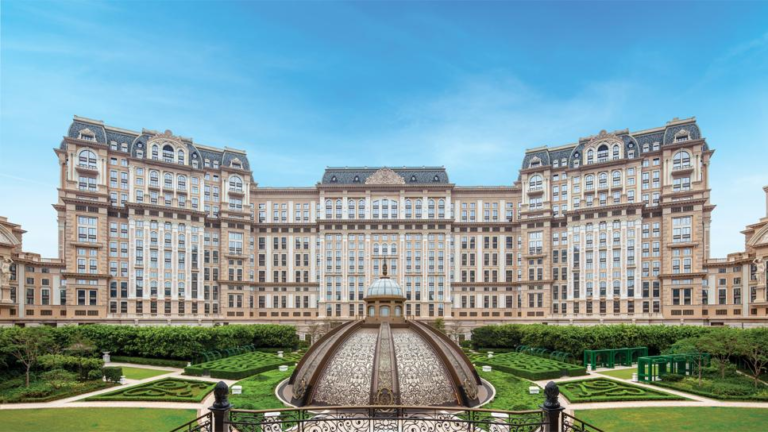
Grand Lisboa Palace
In 3Q24, the operator’s flagship integrated resort, Grand Lisboa Palace, posted robust gross revenue of HK$1.78 billion ($228 million), driven by a significant increase in both the gaming and non-gaming sectors.
GGR reached HK$1.42 billion ($183 million), a notable rise from HK$783 million ($101 million) in the same period last year. Non-gaming revenue also saw a solid increase, rising to HK$354 million ($45.5 million) from HK$301 million ($38.7 million) in 3Q23. This growth reflects the strong recovery and ongoing appeal of the resort’s offerings.
The resort’s adjusted property EBITDA turned positive, reaching HK$165 million ($21 million) in 3Q24, a significant improvement from the negative HK$27 million ($3.5 million) posted in 3Q23. This marks a clear sign of improved operational efficiency and profitability.
For the nine months ending 30th September 2024, Grand Lisboa Palace achieved gross revenue of HK$4.73 billion ($608 million), with HK$3.75 billion ($482 million) from gaming and HK$985 million ($127 million) from non-gaming. In comparison, during the first nine months of 2023, gross gaming revenue (GGR) was HK$1.82 billion ($234 million), and non-gaming revenue was HK$697 million ($90 million).
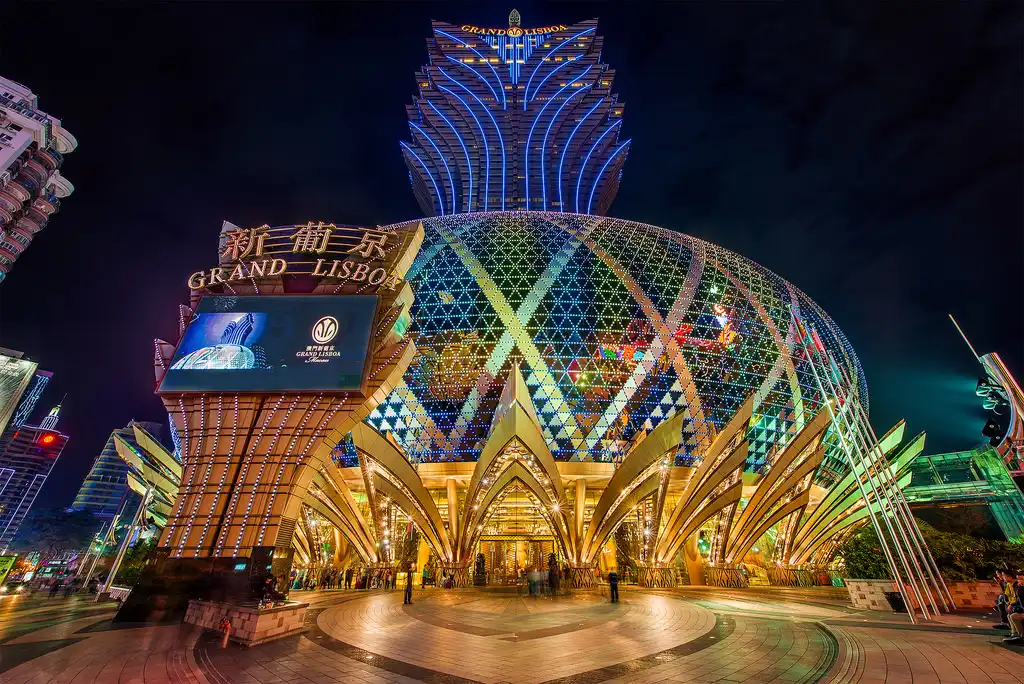
Grand Lisboa Hotel
Grand Lisboa reported gross revenue of HK$2.02 billion ($257 million), driven primarily by strong gaming performance in the period. GGR reached HK$1.94 billion ($249 million), a significant increase from HK$1.47 billion ($188 million) in 3Q23. Non-gaming revenue totaled HK$74 million ($9.4 million), slightly lower than the HK$81 million ($10.4 million) recorded in the same period last year.
The property’s adjusted property EBITDA for the quarter was HK$545 million ($69.5 million), reflecting a solid increase from HK$373 million ($47.6 million) in 3Q23, highlighting improved operational performance.
For the nine-month period, Grand Lisboa’s gross revenue amounted to HK$5.82 billion ($740 million), with HK$5.60 billion ($715 million) coming from gaming and HK$214 million ($27.3 million) from non-gaming. This marked a notable rise compared to the first nine months of 2023, when GGR was HK$3.73 billion ($476 million) and non-gaming revenue was HK$218 million ($28 million).
The president of the Philippines, Ferdinand R. Marcos Jr., has announced that there is no necessity for new legislation to prohibit Philippine offshore gaming operators (POGOs) aside from his recent Executive Order (EO).
According to a report by the Philippine News Agency, while speaking to reporters at an event on Monday, Marcos emphasized that the recently issued EO banning these operations is adequate.
Marcos clarified that his EO signed on November 5th, already encompasses not only POGOs, internet gaming licensees (IGLs) but also illegal offshore gaming operations, as well as any license applications and renewals related to these activities, effectively addressing concerns surrounding these activities.
He reiterated that casinos and integrated resorts operated by the Philippine Amusement and Gaming Corporation (PAGCOR) are not permitted to engage in offshore gaming.
“There is just no way because it’s the nature of the operation that we are banning. It’s not because it’s under PAGCOR or not,” Marcos stated. “As long as it’s POGO or has a similar license, it’s banned.”
The President’s comments come in response to concerns raised by Senator Risa Hontiveros, who pointed out potential loopholes in the executive order that could allow POGOs to continue operations through PAGCOR-operated casinos or licensed establishments with junket agreements.
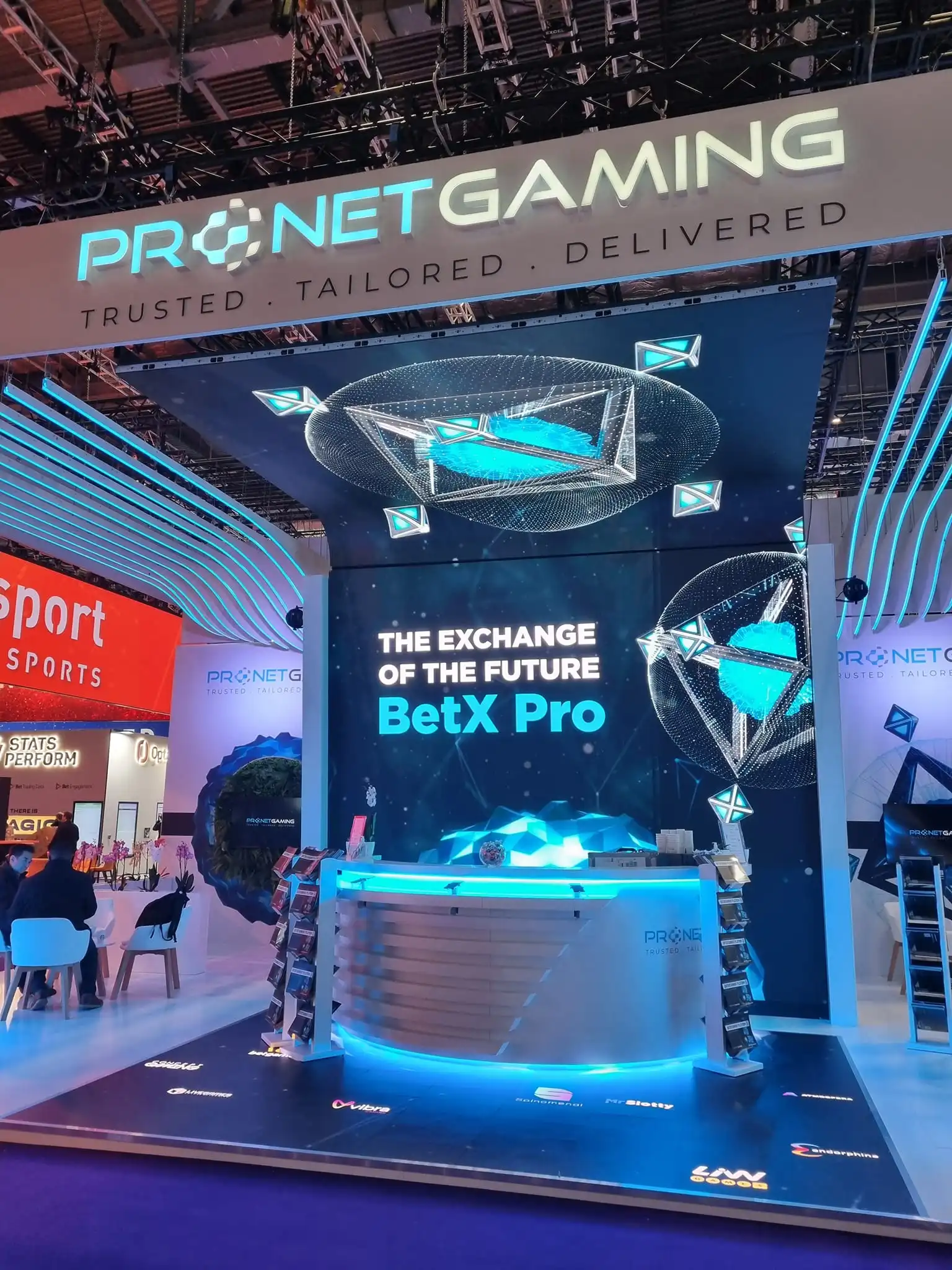
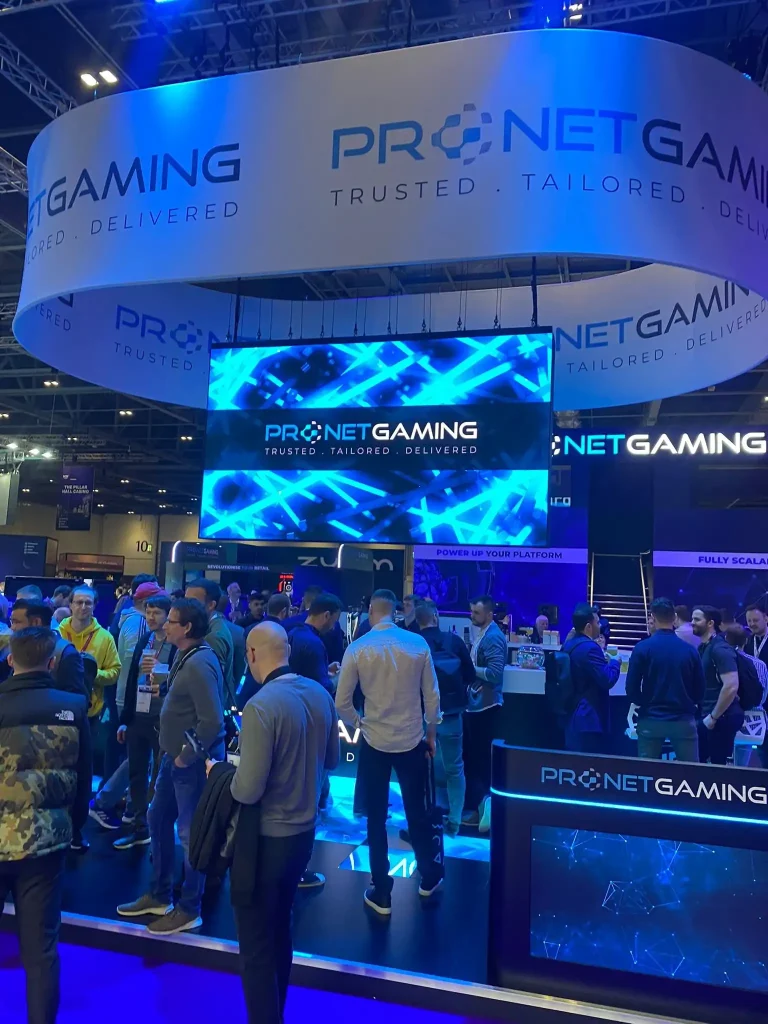
Jade Sienna Ricciardi, Events Coordinator at Pronet Gaming, the award-winning full turnkey platform provider operating across all global markets from Asia, LATAM, Europe, and Africa, has had the privilege of organizing and managing the company’s presence at major industry events like ICE London and, most recently, SiGMA Asia in Manila.
In this piece, she discusses the importance of these events for networking and highlighting innovations that propel both the brand and the industry.
What are the key characteristics of the iGaming industry, and how do they influence the planning of major events?
The iGaming industry is characterized by its dynamic nature. Huge events like ICE and SiGMA attract a diverse mix of stakeholders, from game developers and operators to regulatory bodies and affiliates. With such a wide array of participants, the importance of crafting a tailored experience cannot be overstated. Each event presents a unique opportunity to engage with different facets of the industry, and understanding this landscape is crucial for effective event planning.
How do you determine the objectives for your stand at events, and why are these objectives important for your approach?
Before embarking on the logistics of setting up our stand, we begin by establishing clear goals. Are we looking to generate leads, build brand awareness, or introduce a new product? Each goal requires a different approach, and aligning our stand’s design and activities with these objectives is essential. For instance, when launching a new product, we focus on interactive experiences via demo pods that encourage attendees to engage with the product directly.
What strategies do you use in the design of your event stand to attract attendees and differentiate your brand from competitors?
The design of our stand plays a critical role in attracting attendees. With so many exhibitors competing for attention, our space must stand out. We typically use bold graphics, innovative lighting, and interactive elements to create an inviting atmosphere. Earlier this year at SiGMA, we integrated fun elements like a photo booth and a spin-to-win wheel with exciting prizes up for grabs. This not only caught the eye of passers-by but also provided a memorable interaction that kept our brand top-of-mind.
How do you engage attendees at your events beyond just the design elements?
In addition to an eye-catching design, the content we present is equally important. We host “fireside chats” featuring our CEO and panel discussions with industry leaders, offering insights into emerging trends and best practices. This not only positions our brand as a thought leader but also draws in attendees who are eager to learn. By promoting discussions around relevant topics such as regulatory compliance and technological advancements, we create a space that encourages dialogue and connection.
How do you fit in networking at these events while also showcasing your products?
Events like ICE and SiGMA are as much about networking as they are about showcasing products and so we ensure that our stand serves as a hub for meaningful interactions. This means strategically planning our schedule to allow our team members to engage with key partners, clients, and the press while also building new connections. We also harness the power of social media to invite industry peers to visit our stand for informal meet-and-greets, where attendees can engage with our team in a relaxed setting over coffee or a cocktail, fostering relationships that can lead to future collaborations.
What steps do you take after an event to ensure that the connections made are developed into lasting partnerships?
Yes, the work doesn’t end once the event concludes! Follow-up is crucial for building upon the connections made during the two to three hectic days of the event. We collect and compile contact information via business cards and digital tools at our stand, which allows us to reach out to attendees after the event, and vice versa.
How are you adapting your event strategies to keep up with changes in the iGaming industry?
As the iGaming industry continues to evolve, so too must our approach to events. Being in-the-know of technological advancements and player trends is essential. Innovating events in the iGaming industry is a team effort that requires creativity, strategic thinking, and an understanding of our audience. By continually adapting to new trends and embracing innovative solutions, we ensure that our presence at major events remains impactful and relevant.
LET Group has lost another director, leaving Andrew Lo, the company’s Chairman and owner, as the only remaining member of its board—marking the second time in less than a year that Lo has been the sole director.
The resignation was announced after trading hours on Monday via a filing to the Hong Kong Stock Exchange (HKEX).
Bennie Kwok Kai Bun, who had recently stepped down, officially tendered his resignation on November 11, citing personal reasons. According to the filing, Kwok stepped down to ‘devote more time to his other pursuits and family commitments’.
Following his resignation, LET Group disclosed that it now has no independent non-executive directors and is without members on its key board committees, including the audit, remuneration, and nomination committees. As a result, Lo Kai Bong, the company’s chairman, has become the sole member of the risk management committee.
Kwok’s departure follows the resignations of two other non-executive directors, Tou Kin Chuen and John Lo Wai, on November 5, 2024.
This marks the second time in less than a year that LET Group’s board has been reduced to just Lo. In January 2024, five out of six directors resigned in protest over the proposed sale of the Tigre de Cristal casino in Russia.
While three directors returned in May, LET Group’s shares remain suspended by the Hong Kong Securities and Futures Commission (SFC), which raised concerns about the legitimacy of the sale of the company’s stake in Tigre de Cristal, particularly the lack of proper shareholder approval.
LET Group is currently seeking candidates to fill these critical board positions to restore compliance and resume trading. However, with board committees underrepresented, there is increasing pressure for swift appointments.
Australian gaming machine group Aristocrat Leisure Limited has announced the sale of its mobile gaming business, Plarium, to Modern Times Group (MTG) for a total enterprise value of up to $820 million.
According to a Tuesday filing with the Australian Stock Exchange (ASX), the transaction includes a fixed consideration of $620 million, with the potential for an additional $200 million based on the achievement of financial targets between 2025 and 2028.
Aristocrat’s subsidiary, Pixel United Holdings Limited, entered into a binding agreement with MTG, a leading international mobile-first gaming group known for its popular game franchises. The fixed payment of $620 million consists of $600 million payable upon completion of the deal, with a deferred $20 million payment due in April 2026.
The decision to sell Plarium follows a strategic review initiated by Aristocrat in May 2024, marking a key step in the company’s focus on strengthening its core areas, including land-based gaming, real-money gaming, and social casino operations. The proceeds from the sale will be reinvested to fund Aristocrat’s long-term growth strategy.
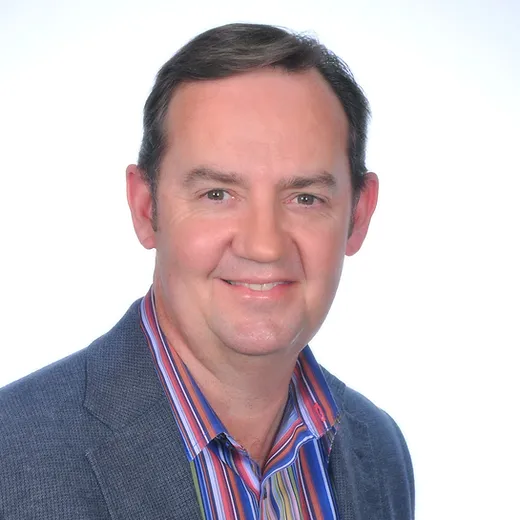
Aristocrat CEO Trevor Croker
Aristocrat CEO Trevor Croker explained, “The sale of Plarium is a result of our review of our casual and mid-core gaming assets. As Aristocrat continues to expand its interactive business alongside Aristocrat Gaming and our leading mobile social casino offerings, we are increasingly focused on leveraging our strengths in regulated gaming and social slots.”
Plarium, acquired by Aristocrat in October 2017, contributed to the company’s portfolio diversification during the COVID-19 pandemic and has delivered a mid-teens internal rate of return (IRR) under Aristocrat’s ownership. The sale is part of Aristocrat’s ongoing strategy to streamline its operations and focus on its most promising growth areas.