FeedConstruct, a leading data-providing company that delivers the most precise sports data for sporting events worldwide, has announced its new Exclusive, Multi-dimensional Partnership with the Football Federation of Armenia (FFA), marking a significant collaboration after a one-year pause.
We are entering a new, multi-layered contract with the FFA at this challenging but promising stage, providing a variety of solutions such as audio-visual, data, SaaS, and integrity-focused. The company aims to equip the FFA with the means to develop sports with its innovative solutions and protect from integrity risks.
As part of the partnership, FeedConstruct will secure exclusive video streaming and data rights for the FastEx Armenian Premier League, Armenian Cup, and Armenian Supercup, covering around 190 matches.
This agreement reinforces FeedConstruct’s commitment to delivering high-quality, real-time sports data and video content to its partners. Additionally, rich odds data will be provided through FeedConstruct’s BetGuard – a combination of comprehensive Odds Feed and risk management service designed to deliver the highest level of data accuracy and security.
Founded in 1992, the Football Federation of Armenia is the governing body of football in the country and plays a crucial role in shaping Armenia’s football landscape. In this comparatively challenging but promising period for the Football Federation of Armenia, FeedConstruct aims to assist the FFA in protecting the integrity of sport and commercialize exclusive data and video rights for iGaming, global expansion and fan engagement purposes, supporting the federation’s continued success.
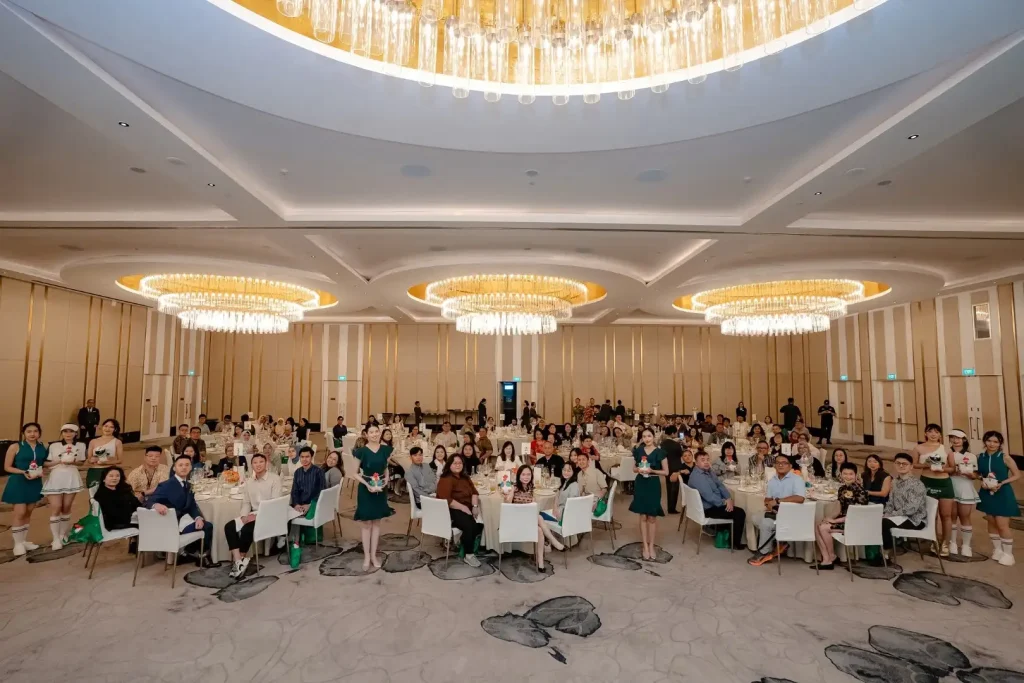
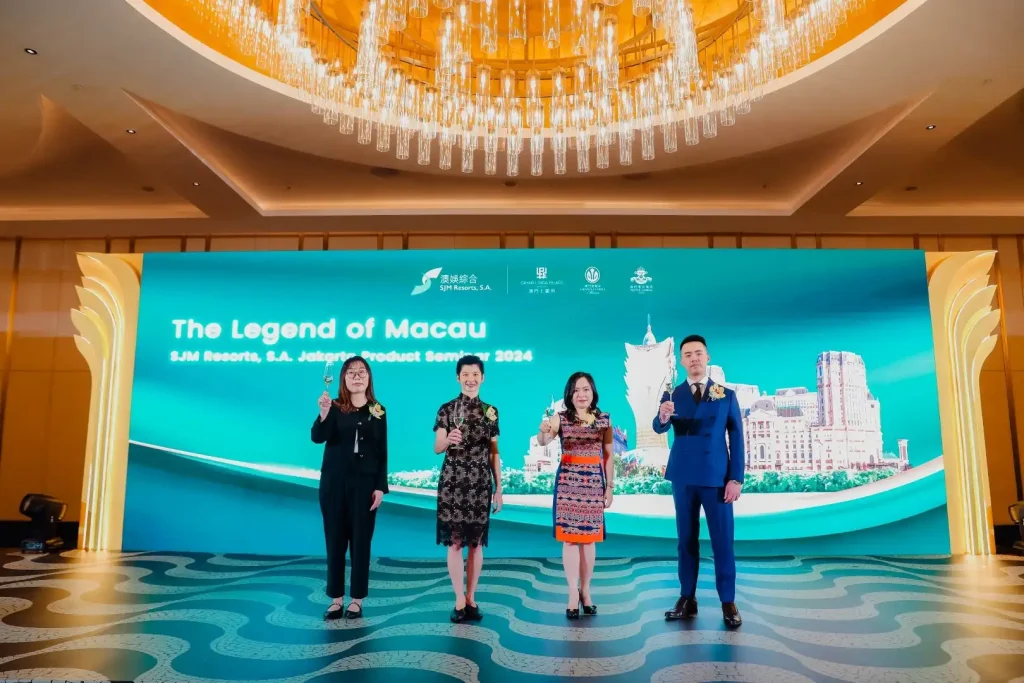
On December 10th, Macau gaming operator SJM hosted the SJM Resorts, S.A. Jakarta Product Seminar, the latest stop in its “The Legend of Macau” travel trade series. Held in Jakarta, this seminar follows successful events in Shenzhen, Shanghai, Beijing, Taiwan, Bangkok, Singapore, Tokyo, and Malaysia.
During the seminar, SJM presented its premier resort, hotels, tourism products, and exclusive time-limited offers to about 100 participants from local travel agencies, airlines, MICE planners, and corporate clients.
SJM Resorts, S.A. Jakarta Product Seminar 2024 drew an enthusiastic crowd, with about 100 industry professionals in attendance.
SJM Resorts, S.A. (“SJM”) continues to lead efforts in promoting Macau and expanding its global visitor base. In addition to supporting the Macao Government Tourism Office’s (MGTO) initiatives, SJM has hosted a series of overseas seminars to promote Macau’s diverse tourism offerings in key markets.
SJM’s management team inaugurated the seminar alongside Indonesian travel industry representatives.
Ms. Daisy Ho, Managing Director of SJM, remarked, “Indonesia is Macau’s fourth largest international source market and a key focus within Southeast Asia. Following our product seminar last year in Indonesia, and participation in the ‘Experience Macao’ Roadshow in Jakarta in May, this seminar provided an excellent opportunity to further deepen local awareness of Macau’s diverse tourism offerings and strengthen our partnerships with local industry stakeholders.”
“With a 33% year-on-year increase in visitors from Indonesia in the first three quarters of 2024, we are excited to present SJM’s world-class tourism products to this high-potential market. From luxury resort to a vibrant calendar of cultural, festive, and culinary events in the coming months, we look forward to welcoming more Indonesian friends to enjoy the full spectrum of Macau’s unique charm and cultural heritage.”
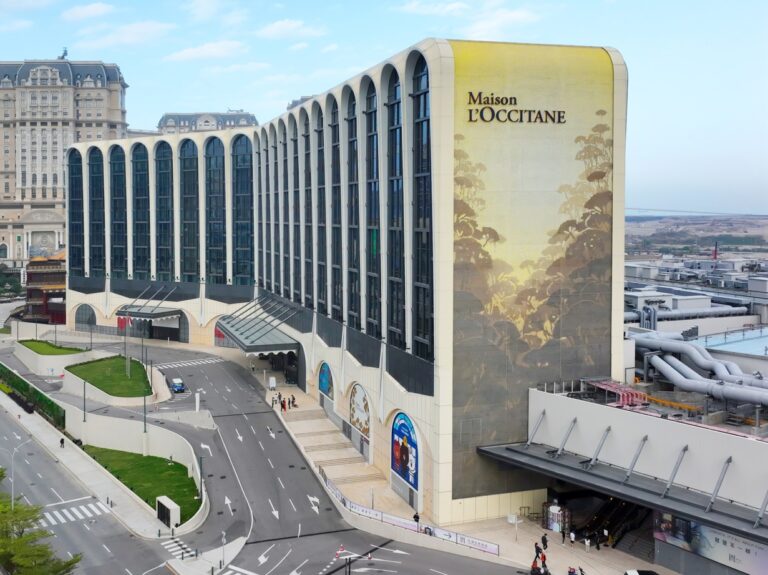
At the event, SJM introduced its flagship properties, the Grand Lisboa Palace and Grand Lisboa Macau to the participants, as well as the long-rooted tourism assets under its parent entity, Sociedade de Turismo e Diversões de Macau, S.A. (“STDM”), that resonate with both heritage and innovation.
Industry partners were showcased with a range of SJM’s exceptional accommodations, international dining, rejuvenating spa treatments, shopping options, cand aptivating cultural and “Tourism + Education” experiences, including the two unique themed experience zones at Grand Lisboa Palace, the “Martial Arts Arena” and “AI Wonderland,” along with art workshops in “GLP Arte.” During the seminar, a number of lucky draw winners were awarded exclusive accommodation packages at SJM’s flagship properties, adding an extra layer of excitement to their future Macau adventures.
SJM also showcased a series of events in the upcoming months to celebrate the festive season and beyond. The excitement includes a variety of themed activities held at Grand Lisboa Palace:
The “Snoopy Winter Holidays” themed installations that spread festive cheer with special editions for Christmas and Chinese New Year;
The “FORTUNE REALMS: Pop-Up Museum of Chinese Culture & Arts (Macau Station)” art installations highlighting the transformation of China’s magnificent traditional culture and its innovative development through time;
“SJM presents: Macau Art City · NAKED OCEAN,” a captivating journey through an immersive light and shadow art-themed amusement set against a vibrant underwater world, all bringing Indonesian visitors delightful surprises and unforgettable memories at SJM’s world-class facilities, offering a fresh perspective on the city as a vibrant crossroads of Eastern and Western cultures.
Moving forward, SJM will continue to fully support the Macao SAR Government’s tourism initiatives. SJM will showcase Macau’s diverse “Tourism+” offerings and multicultural appeal, encouraging Indonesian visitors to gain a fresh appreciation of its culture, and heritage and reinforcing the city’s status as a “World Centre of Tourism and Leisure.”
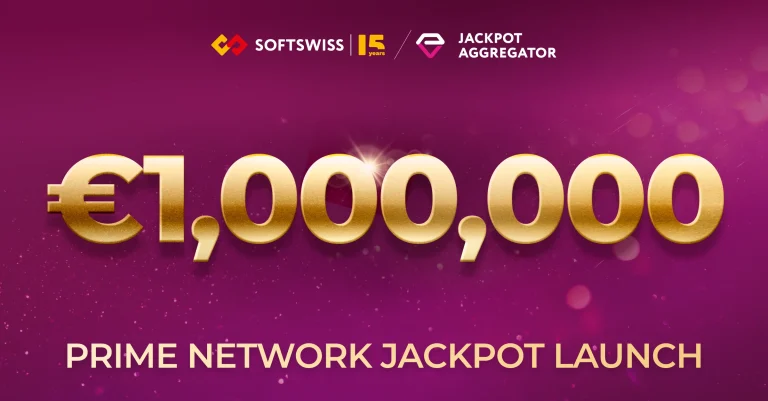
SOFTSWISS, the international iGaming company supplying certified software solutions to manage gambling operations, is inviting operators to join the current Prime Network Jackpot, which began with an initial prize pool of over 1,000,000 euro.
This base amount is ten times larger than the starting pool of the first Prime Network Jackpot launched in October 2023.
Operators can join the current Prime Network Jackpot at any time before the drop. The prize pool will continue to grow as more participating casinos contribute to it. Ultimately, one lucky winner from a single casino will claim the grand prize of over 1,000,000 euro.
The Prime Network Jackpot is especially appealing due to its collaborative approach: a shared prize pool is formed across participating operators, significantly increasing the jackpot’s appeal to players.
The SOFTSWISS Jackpot Aggregator, a player engagement management solution, launched the Prime Network Jackpot feature last year. Since its launch, the feature has attracted a growing number of operators, resulting in larger prize pools with every draw.
“It’s a very exciting milestone for us. Over the past year, the SOFTSWISS Jackpot Aggregator and its Prime Network Jackpot feature have evolved significantly. Beyond the hard work of our professional team, this success reflects the high interest in engagement tools within the market. In iGaming, prize size matters. I’m proud that we’ve reached a level where we can offer the best solutions,” said Anhelina Stasiuk, Head of Business Line at SOFTSWISS Jackpot Aggregator.
Recently, the SOFTSWISS Jackpot Aggregator announced the improvement of its product by introducing the Multi-Prizes feature. This new functionality enables operators to split winnings among several players or groups, offering customisable distribution methods tailored to various engagement strategies.
The SOFTSWISS Jackpot Aggregator continues to set the standard for collaboration and innovation in the iGaming industry.
Angela Leong, Chairman, Lisboeta Macau Board of Directors
The decision comes ahead of the Macau Outdoor Performance Venue’s debut, located next to Lisboeta Macau, which will host a concert on December 28th, expected to attract 15,000 spectators.
Angela Leong, Chairman of Lisboeta Macau’s Board of Directors, expressed excitement about the large-scale venue, which can accommodate up to 50,000 spectators. She believes it will become a key attraction for tourists attending concerts in Macau.
The company has been actively planning for next year’s events and is fully committed to supporting the development of cultural and tourism initiatives, indicated the executive,
Lisboeta Macau is a hotel managed by Macau Theme Park and Resort, an entity founded by Angela Leong’s son, Arnaldo Ho. The hotel does not feature gaming facilities.
The hotel, which opened in April 2021, features three themed hotels with a total of 820 rooms.
Leong further revealed that hotel occupancy rates are expected to remain stable during this year’s Christmas, New Year, and next year’s Chinese New Year. She remains optimistic about the market outlook, anticipating gradual improvements over time.
The Macau gaming sector is expected to adopt a more cautious approach to bond issuance in 2025, following strong performance in 2024.
According to HSBC’s Macau gaming operators credit watch report, gross bond issuance in the sector is projected to reach around $2.25 billion for FY25, with net issuance anticipated to be significantly lower.
‘After another strong year, we turn less bullish on Macau gaming, as we believe the potential upside in 2025 is largely priced in,’ the report states.
Commenting on the sector’s performance this year, HSBC concludes that the Macau gaming sector has performed well, with Macau gaming bonds showing a year-to-date unannualized return of 8 percent, outperforming the Asia ex-Japan benchmark index, which stands at 5.7 percent. After maintaining an overweight stance for two years, HSBC is adjusting its credit strategy for Macau to a slight overweight heading into 2025.
HSBC analysts Cathy Cheng and Keith Chan outline three key themes likely to shape the gaming sector in 2025: growth normalization, dividends, and uncertainties surrounding satellite casinos.
HSBC notes that after rapid post-pandemic growth in both gross gaming revenue (GGR) and EBITDA, it is not surprising to see growth beginning to normalize. Year-on-year EBITDA growth has already slowed, dropping from 80 percent in 1Q24 to 21 percent in 2Q24 and just 5 percent in 3Q24.
This trend of slower growth could negatively affect credit metrics, especially as, except for SJM and Studio City, most operators have seen their net debt-to-EBITDA ratios remain flat or trend slightly upwards in recent quarters.
For 2025, the Macau SAR Government forecasts GGR to reach MOP240 billion ($29.7 billion), marking a 5.3 percent increase from the estimated MOP228 billion for 2024, a significant slowdown from the 27 percent year-on-year growth in GGR seen through November 2024.
While HSBC acknowledges the conservative nature of the government’s growth target, it believes the trend toward normalization will persist. This suggests that any improvements in credit profiles will depend heavily on the pace of debt deleveraging across the sector.
Dividends and debt deleveraging
The return of dividends to the sector could slow the pace of debt deleveraging. MGM China and Wynn Macau were the first two operators covered by HSBC to resume dividend payouts in 2024, distributing $342 million and $101 million, respectively.
With stable cash flow generation, more operators are expected to follow suit. Melco Resorts plans to resume dividends in the second half of 2025, depending on its debt repayment schedule. Similarly, Las Vegas Sands, the parent company of Sands China, has indicated the possibility of paying dividends next year.
Despite the return of dividends, HSBC does not foresee any significant changes to sector fundamentals, given the generally strong liquidity of Macau operators. The analysts also do not expect any major releveraging of balance sheets.
However, when comparing cash inflows and outflows for each operator in 2025, HSBC suggests that the pace of net debt deleveraging at Sands China, MGM China, and Melco Resorts may be constrained by dividend payments. These operators will likely continue to rely on internal cash resources, undrawn banking facilities, or USD bond refinancing to meet their cash outflows, which would likely keep their net-debt positions neutral.
Satellite casinos: Credit impact on SJM ‘manageable’
Macau’s satellite casinos are now well into their three-year transition period, set to conclude on December 31st, 2025. With the clock ticking, the key question is how the new Macau SAR government will manage the remaining 11 satellite casinos. Of these, SJM operates nine, while Galaxy and Melco Resorts each manage one.
Regarding credit impact, the research team believes the situation for SJM is ‘manageable.’ Although satellite casinos contributed 38 percent, or HK$8 billion ($1.03 billion), of the company’s 9M24 GGR, they accounted for just HK$5 million ($643,000) of SJM’s HK$2.9 billion ($373 million) adjusted property EBITDA during the same period.
For SJM, the more pressing concerns are likely to revolve around the reallocation of gaming tables and the future structure of management fees. Currently, SJM operates approximately 220 gaming tables at the Grand Lisboa Palace casino, with the capacity to host up to 350. The government’s decision on the future of satellite casinos could significantly impact how these resources are managed.
Galaxsys, the innovative games studio, has announced the release of its new branded game in partnership with football legend and Ballon d’Or winner, Luís Figo, called FlGOAL.
This is the first time Galaxsys has collaborated with the football icon to develop a branded game. Through this collaboration, Galaxsys has combined Figo’s legendary status and football legacy with its expertise in developing dynamic and engaging gameplay.
Luís Figo
The result is a game that not only celebrates a football legend but also resonates with players worldwide, highlighting Galaxsys’ commitment to producing creative, bold and innovative games.
Figoal is a football-themed turbo game featuring the iconic footballer Luís Figo. To launch the game, players select their desired bet amount and press and hold the “Hold” button. This action sets Figo into motion as he starts freestyling the ball while a multiplier for potential winnings steadily increases. If players release the hold button before the ball falls, they secure a win multiplied by the current round’s multiplier.
The game features two bonuses and allows players to choose Figo’s jersey from five options, including the four clubs he played for and the Portugal national team jersey.
Hayk Sargsyan, CEO of Galaxsys, commented on this special game launch, “Collaborating with Luís Figo on FIGOAL has been an extraordinary milestone and a project of high importance for the whole team. We were committed to making sure every detail was perfect, as this is not just a game but a celebration of Luís Figo’s incredible legacy. This collaboration also marks a huge step for Galaxsys, as we have partnered up with a football icon of this level to create a game that represents him and resonates with millions of football enthusiasts around the world.”
Vigen Safaryan, Chief Product Officer of Galaxsys, added, “From the very beginning, we knew this would be a big and challenging project, but we were incredibly excited to take it on. We dedicated extensive time to developing detailed storyboards and intricate game mechanics. Recognising the remarkable legacy and unique journey of this legendary football player, we introduced a special feature allowing players to choose Figo’s jersey from five options, representing the four clubs he played for and the Portugal national team. We’re proud of the outcome, and I’m confident it will resonate with partners and players, reflecting the care and dedication we put into every detail.”
ALL FOR ONE Studios, an exclusive partner of Games Global, has launched Inferno Fortunes: Rising Rewards King Millions™, the newest addition to Games Global’s progressive jackpot network, offering up to €30 million in prizes.
Following the early success of the original Inferno Fortunes: Rising Rewards™, ALL FOR ONE Studios has integrated the King Millions™ mechanic, fusing the high-intensity gameplay and existing Rising Rewards™ jackpots with even greater win potential to deliver an engaging player experience.
Dice, horseshoes, 7s and cherries line the grid of this red-hot release, where landing a flame icon on any reel increases the value of the corresponding Rising Rewards™ pot and provides an opportunity to spin the wheel for a guaranteed jackpot prize.
Each diamond wild that lands is collected by the King Millions™ pot and has a random chance of triggering the progressive jackpot feature, where players can win a cash prize up to 100x or one of the Major or Grand jackpots.
Free spins are triggered when a letter scatter lands across all five reels, spelling ‘BLAZE’. Each letter awards an additional free spin or increases the multiplier by 1x up to a maximum of 15x. Landing four letter scatters prior to activating the bonus levels up the multiplier meter by 0.5x, increasing the value of wins throughout the feature.
Inferno Fortunes: Rising Rewards King Millions™leverages the popularity of the original, supplementing the existing jackpots with two network-wide progressive pots to enhance win potential and drive player engagement.
Andy Booth, Chief Product Officer at Games Global, said “The King Millions™ Major and Grand jackpots start at €1 million and €2 million respectively, meaning they drastically increase the potential of any title integrated. ALL FOR ONE Studios has effectively merged two fan-favourite mechanics to deliver a slot that builds on the first iteration, ensuring even greater anticipation with every spin.”
Julia Saburova, Head of ALL FOR ONE Studios, added: “Tapping into the power of King Millions™ was a natural choice for ALL FOR ONE Studios given the progressive jackpot’s undeniable track record for attracting players. To maximize the potential of our debut King Millions™ title, we further developed one of our strongest recent releases, which combines the Rising Rewards™ mechanic with an immersive fireball theme. With these winning formulas driving it, we’re sure that Inferno Fortunes: Rising Rewards King Millions™ will be a hit for our studio and the first of many King Millions™ slots to come.”
Momentoom, a fast-growing provider of iGaming solutions, has announced its latest integration with Alea, one of the leading casino game aggregators in the industry.
This collaboration provides Momentoom’s partners access to an extensive library of premium casino games from the best content providers worldwide.
Alea is renowned for its innovative approach to casino game aggregation, offering a diverse selection of games that cater to a wide range of player preferences. From classic slots to modern video games, Alea’s portfolio ensures operators can provide an engaging and memorable gaming experience.
With this integration, Momentoom reinforces its commitment to delivering high-quality solutions that empower operators to stand out in a competitive market. By combining Alea’s vast game selection with Momentoom’s advanced Turnkey and API offerings, operators can now access a seamless, scalable platform designed to drive player satisfaction and revenue growth.
Artyom Dovlatyan, CPO of Momentoom, commented: “This partnership with Alea is another step in our mission to offer our clients access to the best tools and content the industry has to offer. By integrating Alea’s exceptional game library, we’re ensuring our partners have everything they need to provide their players with an unparalleled gaming experience.”
Momentoom remains dedicated to growing its portfolio of partnerships with industry-leading providers, delivering innovative solutions that meet the evolving demands of operators worldwide.
The annualized gross gaming revenue (GGR) for online gaming in the Philippines reached approximately $2.4 billion in the third quarter of 2024, accounting for 70 percent of the country’s land-based gaming GGR, Morgan Stanley calculated based on PAGCOR figures.
This percentage went from about 40 percent in the first quarter of the year, to 60 percent in the second and now 70 percent.
While online gaming has become the largest contributor to gaming taxes in the Philippines since the first half of 2024, the brokerage warned that a notable discrepancy between actual and expected tax collections suggests that increased setup fees for newly licensed B2C operators may be influencing the figures.
In a report published recently, Morgan Stanley compared the online/land-based rate to that of the US, where online gaming represented only 30 percent of land-based gaming revenue, at $23 billion.
However, the same report noted that, while PAGCOR collected around PHP28 billion ($490 million) in taxes from online gaming, this figure falls short of the estimated $540 million US authorities would be expected to collect based on a 35 percent blended tax rate.
Leading the online gaming sector, DigiPlus has overtaken Bloomberry in both GGR and EBITDA since the second quarter, claiming a market share of 50 percent.
‘With over 30 million registered users, DigiPlus is well-positioned in a market with a total adult population of 70 million’, Morgan Stanley analysts indicated.
According to the brokerage, the competitive landscape in the Philippines is set to evolve further, with a planned reduction in the online gaming tax rate by 5 percentage points to 30 percent in 2025, and Bloomberry’s forthcoming launch of its online gaming app in the third quarter of 2025, which will target a different clientele under a distinct brand from Solaire.
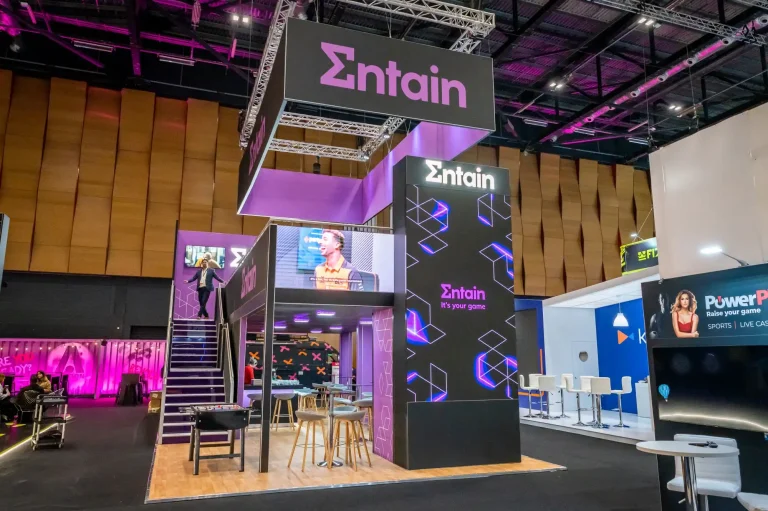
Australia’s financial watchdog has commenced civil penalty proceedings against the Entain Group, alleging ‘serious and systematic non-compliance with Australia’s anti-money laundering and counter-terrorism financing (AML/CTF) laws’.
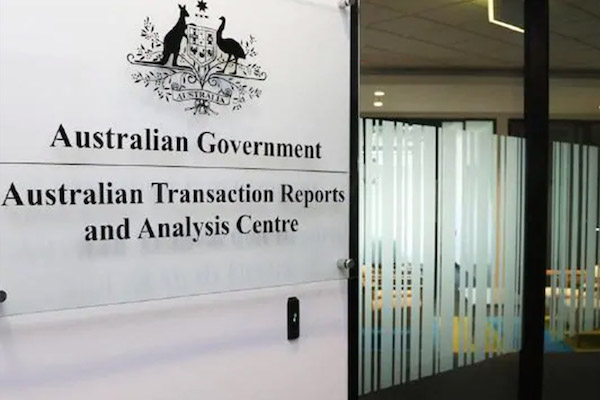
The Australian Transaction Reports and Analysis Center (AUSTRAC) indicated on Monday that the proceedings commenced ‘today’.
The investigation was announced by AUSTRAC in September of 2022.
In the Monday release, AUSTRAC CEO Brendan Thomas noted that “AUSTRAC’s proceedings allege that Entain did not develop and maintain a compliant anti-money laundering program and failed to identify and assess the risks it faced. We are alleging this left the company at serious risk of criminal exploitation”.
Allegations include:
Entain’s board and senior management ‘did not have appropriate oversight of its AML/CTF program’;
Entain’s 24/7 business model meant that there were ‘risks that persons unknown to Entain’ could access and use its betting platform, ‘including third party providers’;
Third parties ‘accepted cash and other deposits on behalf of Entain to be credited into betting accounts in ways that could obscure the proceeds of crime’;
Entain lacked ‘appropriate controls to confirm the identity of customers’ both making deposits and the source of funds;
Entain ‘did not conduct appropriate checks on 17 higher risk customers’, with allegations ‘Entain deliberately obscured the identity of some high risk customers […] through the use of pseudonyms’.
Speaking of the move, AUSTRAC’s CEO noted that “This is the first time AUSTRAC has brought civil penalty proceedings against businesses operating in the online betting sector”.
Thomas furthered that “The online betting sector, and all other businesses regulated by AUSTRAC, must take their AML/CTF obligations seriously”.
The matter will now proceed in the Federal Court of Australia, which will decide if Entain Australia violated the AML/CTF act and what potential action to be taken.
Entain acknowledged the civil penalty proceedings against its Australian subsidiary, noting that since December 2022 it has been making ‘further enhancements’ to its AML/CTF systems and processes – an initiative set to be completed in June of 2025.
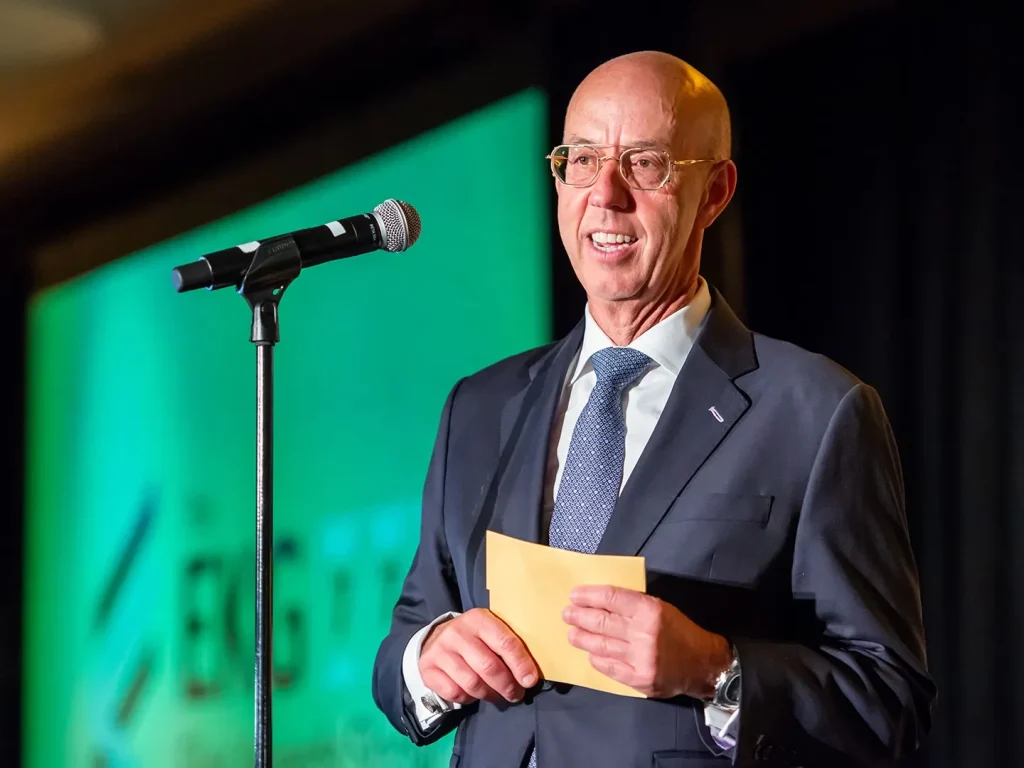
Gavin Isaacs, CEO of Entain
Entain’s CEO, Gavin Isaacs, noted “We note the allegations made, which we take extremely seriously.
“Whilst we still have some further improvements to make, we expect these to be implemented in line with the plan we communicated to AUSTRAC in 2023.”