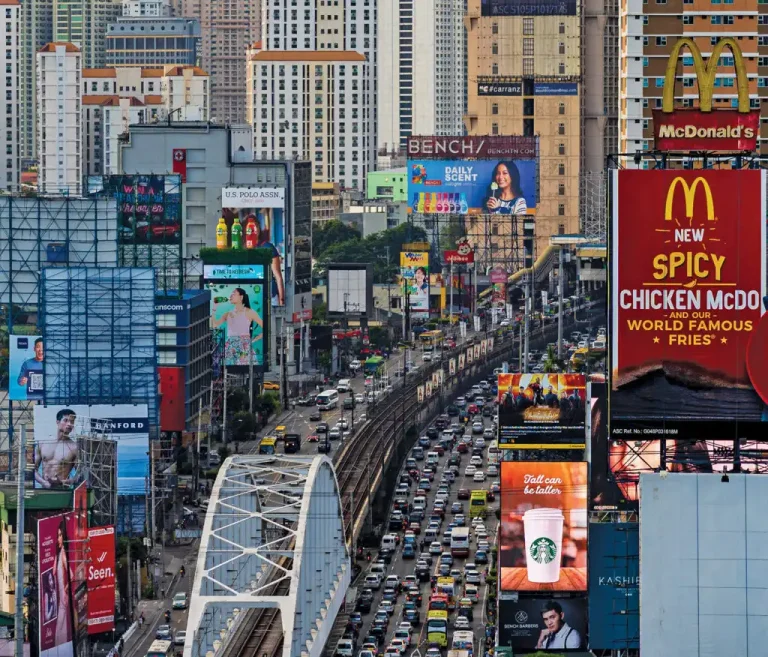
According to data from the Department of Tourism (DOT), the Philippines welcomed just over 5.4 million international visitors between January and December 2024, falling short of its target of 7.7 million international arrivals for the year.
This figure represents an 8.7 percent increase compared to 2023, when the Philippines recorded 5 million international visitors.
In December alone, the country received 520,549 international visitors.
South Korea remained the top source of inbound tourists, with 1,569,071 visitors recorded in 2024—a rise of 8.2 percent compared to the previous year. South Korean visitors accounted for approximately 26.4 percent of the total international arrivals, significantly outpacing other markets.
The United States retained its second-place ranking, with 947,891 visitors in 2024, marking a modest growth of 4.9 percent.
Japan ranked third, with 388,316 arrivals during the twelve-month period, showing a substantial surge of 27 percent. This makes Japan the tourist feeder market with the largest growth among the top 10 source markets.
China followed closely, with 312,222 visitors traveling to the Philippines in 2024.
Suntrust Resort Holdings has announced the appointment of Yip Ho Chi as its new Chief Financial Officer, in a decision announced following a Board of Directors meeting on January 2nd, 2025.
In a dispatch submitted to the Philippine Stock Exchange, the group revealed that Yip will assume the role for the remainder of Sutharshan Kandiah’s term and until a successor is elected.
The company indicated that Kandiah has officially resigned from his position as Chief Financial Officer and has relinquished all related duties and responsibilities.
Yip, a 55-year-old Chinese citizen from Hong Kong, served as CFO for various publicly listed companies on The Stock Exchange of Hong Kong Limited. His previous roles include CFO at Summit Ascent Holdings Limited since 2013, Melcolot Limited (now Crypto Flow Technology Limited) from 2009 to 2013, and Sandmartin International Holdings Limited from 2000 to 2009.
In addition to his CFO experience, Yip has eight years of audit experience with Deloitte Touche Tohmatsu, one of the Big Four accounting firms, from 1992 to 2000.
He also has expertise in initial public offerings (IPOs) and is a Fellow of The Hong Kong Institute of Certified Public Accountants and The Association of Chartered Certified Accountants. Mr. Yip holds a Bachelor’s Degree in Business Administration with a focus on Accounting and Finance from The University of Hong Kong, graduating in 1992.
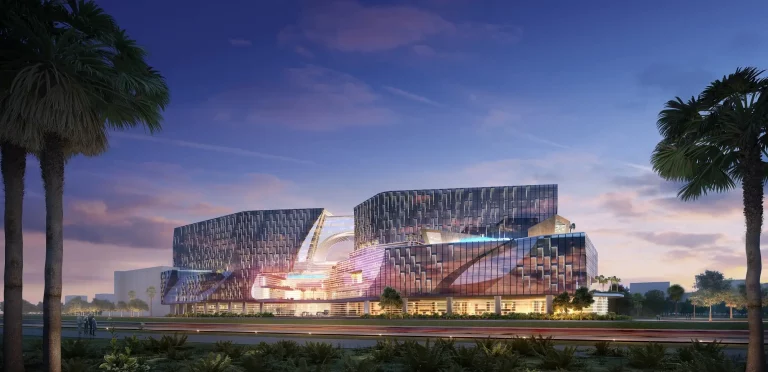
Suntrust’s sole activity is the development of the $1.1 billion Westside City project, a five-star hotel and casino being operated under a lease agreement with a subsidiary of Newport World Resorts operator Travellers International Hotel Group (under the Alliance Global Group – AGI).
Westside City had previously been expected to open in the first quarter of 2025, shifting back from 4Q24. The most recent Suntrust Resort results indicate that the 1Q25 commencement of operations at Westside City is on track.
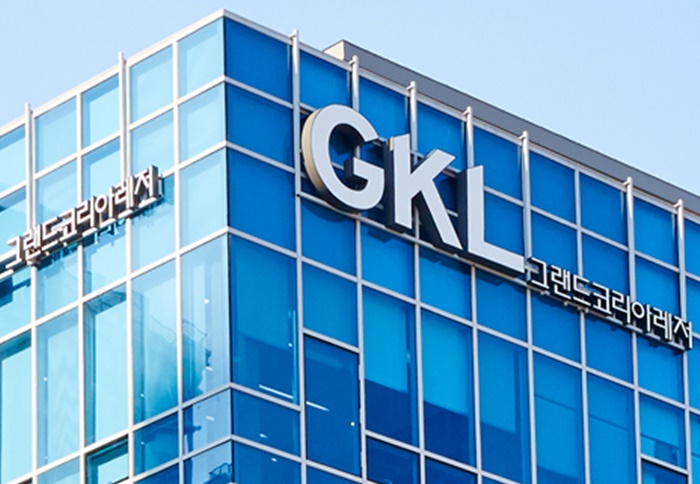
Korean foreigner-only casino operator Grand Korea Leisure saw a 4.6 percent rise in its casino sales in December of 2024, and a 10.7 percent yearly rise during the month.
According to the most recent data from the company, the December figure amounted to KRW38.7 billion ($26.35 million).
Table games continued to contribute the majority of casino revenue, at KRW35.63 billion ($24.26 million) – a monthly rise of some 5.6 percent and a yearly increase of 11.5 percent.
Meanwhile, machine gaming revenue declined slightly month-on-month, at KRW3.06 billion ($2.08 million). The figure, however, was a yearly rise of 2.7 percent.
Overall December’s casino drop was down both monthly and yearly, falling 5 percent and 24.8 percent, respectively – totaling KRW3366.6 billion ($249.55 million).
Regarding results for the whole of 2024, casino sales were down slightly, by 0.9 percent, to KRW393.61 billion ($267.94 million).
Table games were down by 0.4 percent yearly, to KRW358.73 billion ($244.19 million), while machine revenues fell by 6 percent, to KRW34.88 billion ($23.74 million).
Casino drop in the 12-month period totaled KRW3.64 trillion ($2.48 billion) – an increase of 7.5 percent yearly.
GKL operates its casinos under the Seven Luck brand, being a ‘quasi-market-based public corporation’, under the Korea Tourism Organization.
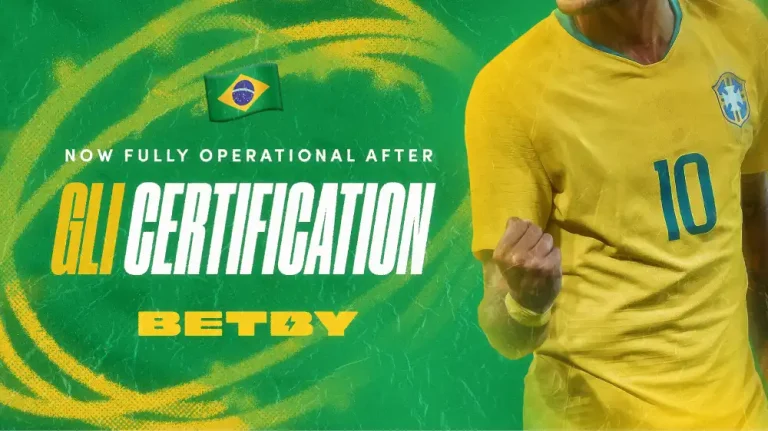
BETBY, a leading sportsbook supplier, is amongst the first sportsbook suppliers to go live in a regulated Brazilian market after successfully achieving certification from Gaming Laboratories International (GLI).
Having secured certification for the Brazilian market, BETBY is authorized to deliver its innovative and tailored sportsbook solutions in one of the world’s most anticipated and rapidly expanding regulated betting markets.
BETBY received Brazil federal certification mid-December, 2024, which allows the company to provide its advanced software to operators who obtained the license and went live on January 1, 2025 or will obtain a license to operate in Brazil. GLI’s certification, recognized as a benchmark for excellence, validates BETBY’s ability to meet Brazil’s strict technical requirements, including regarding functionality of the sportsbook, information security management systems and information security standards.
“Having our sportsbook solution certified and to be operational in a regulated Brazilian market is a major milestone for BETBY,” said Ilze Ramolina, Head of Legal at BETBY. “Brazil represents one of the most dynamic and high-potential markets globally, with its unparalleled passion for sports and rapidly growing digital ecosystem. Securing GLI certification underscores our commitment to integrity, compliance, and long-term success in this region. Brazil is central to our global growth strategy, and we are excited to collaborate with operators who desire to deliver world-class sports betting experiences to Brazilian players.”
Launched on 1st January, Brazil’s regulated sports betting market is expected to become one of the largest worldwide, fueled by its enthusiasm for sports—especially football—and an increasing shift toward digital gaming. BETBY’s localized approach ensures a seamless user experience designed specifically for Brazilian players, cementing its role as a key innovator in shaping the future of sports betting in the region.
Good morning. “Take the money and run”. It’s not only the name of a genius art piece but also a strategy too-often utilized by online gambling-linked companies. And, despite high-profile sponsorship of sporting teams and events, the fact that some companies can simply vanish overnight is concerning – as evidenced by the disappearing act of 8XBet. Meanwhile, gaming suppliers are playing a balancing act, trying to leverage their $16.4 billion in debt while ensuring positive returns. Land-based operations aren’t immune from the debt threat, as Mohegan’s INSPIRE feels the crunch as loans come due.
Sponsorship of major sporting teams by gambling-linked companies has been a hot topic recently, and will likely continue to be so, as more cases emerge of enterprises making a big splash before quickly fading from view. The recent disappearance of former Manchester City sponsor 8XBet highlights the oftentimes shadowy nature of the corporate leadership, and ability for companies to dodge regulators by setting up shop, raking in the cash, and disappearing into the sunset.
Industry Updates
Soft2Bet highlights turnkey and gamification solutions at ICE Barcelona 2025.
Established over a decade ago, The MongolZ has experienced numerous roster changes. However, in 2023, The MongolZ made a triumphant return, fueled by a robust partnership with 1xBet and the emergence of a new generation of talented Mongolian players.
Altenar, a leading sportsbook provider is bringing its global expertise to Asia, looking to expand its operations. Since 2011, Altenar has powered hundreds of online sports betting sites worldwide and is a major B2B provider in Europe and Latin America licensed markets.
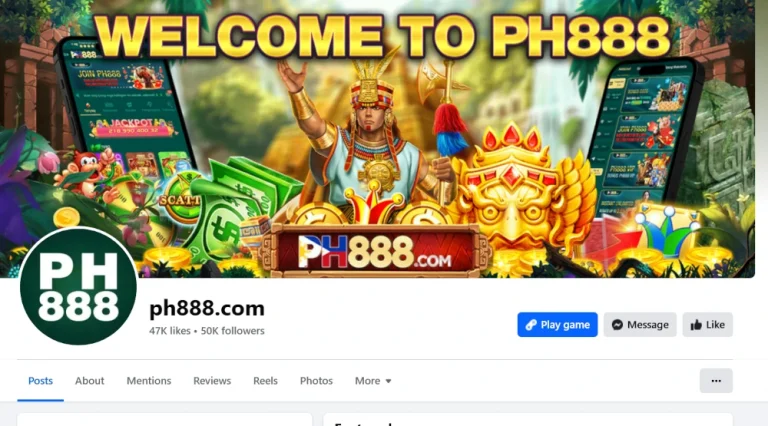
The Philippine Amusement and Gaming Corporation (PAGCOR) has flagged a misleading Facebook video promoting a fake online gaming platform, PH888.COM, which falsely claims to be licensed by the agency.
The ad employs deepfake technology to impersonate ABS-CBN newscaster Karen Davila and Pragmatic Play‘s Irina Cornides, raising serious concerns about the growing use of AI-generated disinformation.
The video begins with what appears to be a legitimate news report featuring well known Philippine newscaster Karen Davila announcing the launch of PH888.COM, purportedly in partnership with a global software company called “Problematic Play.” The ad promotes the platform as a safe and guaranteed way to win jackpot prizes within a week. However, an analysis using AI detection tools confirmed the video is a deepfake.
The advertisement incorrectly features the logo of Pragmatic Play, a well-known iGaming provider, misleading viewers into associating the platform with a reputable company. A clip in the ad shows Irina Cornides, Pragmatic Play’s COO, speaking in an interview originally conducted at an iGaming event in 2023. Her English responses have been edited into a fabricated narrative, with Tagalog dialogue implied in the video.
A search on Pragmatic Play’s website confirms no affiliation with PH888.COM, and the platform is not listed among its recognized games.
PAGCOR has confirmed that PH888.COM is not included in its list of licensed electronic and offshore gaming platforms as of December 18th, 2024. The agency also emphasized that it has not launched any online gaming platforms under the name PH888.COM.
The Facebook ad for PH888.COM was posted by a page with over 1,100 followers and has amassed significant engagement, including at least 24,300 likes, 3,200 comments, and 352 shares. Its reach underscores the potential for disinformation to spread rapidly via social media, deceiving unsuspecting players and damaging the credibility of legitimate gaming providers.
For players, this latest AI scam serves as a stark reminder to verify gaming platforms through official channels, such as PAGCOR’s list of licensed providers. For regulators, it underscores the importance of proactive measures to counter illegal platforms and protect consumers from sophisticated scams.
Soft2Bet, a leading iGaming turnkey solutions provider that delivers high-quality products and services for online gambling operators, has announced that will be showcasing its industry-leading iGaming turnkey solutions during meetings with partners, industry panels and new workshop sessions at ICE 2025 from 20-22 January in Barcelona at Stand 2C30.
Soft2Bet is known for its Motivational Engineering Gaming Application (MEGA), which has been proven to enhance retention and engagement. Soft2Bet has deployed numerous successful iGaming brands and holds more than 14 global licenses.
The workshop will provide an in-depth perspective into MEGA’s player engagement strategies and how they boost customer lifetime values, screentime and revenues, all the while providing sustainable business models and returns.
Soft2Bet’s turnkey solutions provide comprehensive online gaming and betting product portfolios to its B2B partners. The services are implemented to deliver full differentiation that increases LTVs through enhanced personalisation.
Available through off-the-shelf or bespoke packages that maintain operators’ flexibility, Soft2Bet’s data-driven insights optimise customer retention.
MEGA’s unique gamification options are delivered through a simple API-led integration process.
The ‘Gamification: what’s next?’ workshop is a unique opportunity to discover how the iGaming industry’s leading gamification solution raises performance levels at the same time as it drives sustainable profitability and major revenue increases for operators.
The past 12 months have seen Soft2Bet obtain licences in major markets such as Mexico, Ontario in Canada, Sweden, Greece and Romania. This regulatory and commercial expansion has been carried out in coordination with the launch of our brands in those countries and further extending our technology services to these territories to serve other partners. The group will be following all this up with swift expansions into new markets in 2025
The next 12 months will also see Soft2Bet focus on New Jersey, a key iGaming state in the US, and Spain, an important European market.
Martin Collins, Chief Business Development Officer at Soft2Bet, commented: “At the start of 2024 we wanted to focus on commercial growth and regulatory expansion and I’m delighted to say that we have achieved and in many cases surpassed those objectives. Our MEGA workshop will feature even more updates and insights into how gamification drives revenues for our partners. See you there!
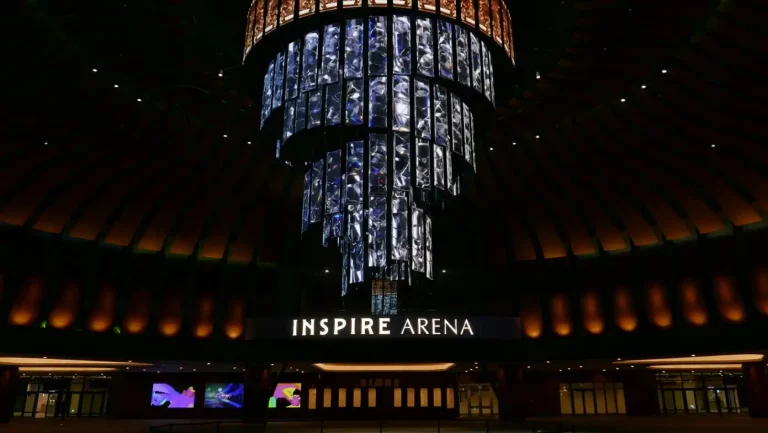
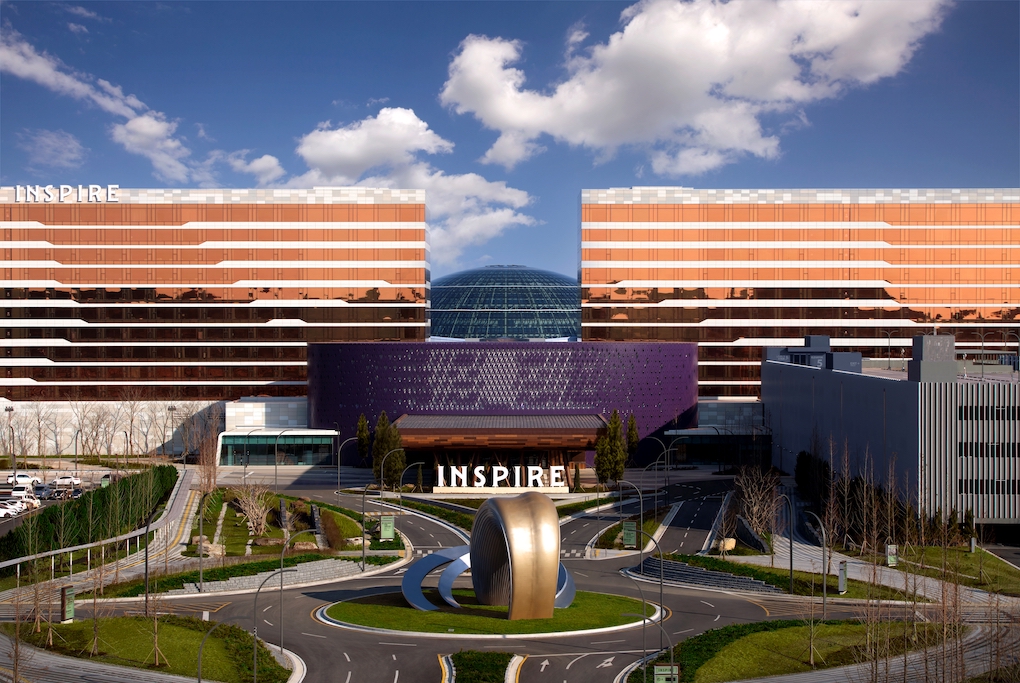
The slower-than-expected ramp-up of the $1.6 billion Mohegan INSPIRE, an integrated resort in South Korea that debuted in November 2023, is raising concerns about the company’s financial stability. Potential loan defaults suggest deeper operational issues.
High operating expenses tied to non-gaming facilities, such as the 15,000-seat arena, multi-purpose indoor water park, large-scale food court, and MICE facilities, along with underwhelming gaming revenue, may have contributed to a negative aggregate cash flow from both gaming and non-gaming segments at the Mohegan INSPIRE Entertainment Resort.
According to the latest financial results for the September quarter, Mohegan INSPIRE’s net revenue was just above $62 million, which is less than that of the company’s other non-US property, Niagara Resorts, which generated over $63 million in the same period. It is important to note, however, that the scale of Niagara Resorts – located in Canada next to Niagara Falls – is not comparable to Mohegan INSPIRE, as Niagara Resorts has a much smaller scale (with 374 room hotel versus 1,275 room hotel facilities in Korea’s Mohegan INSPIRE).
Despite the similar net revenue, capital expenditures for the two international properties under the Mohegan Tribal Gaming Authority show a significant difference. In the September quarter, Mohegan INSPIRE’s capital expenditures totaled more than $12.6 million, more than three times the $4.1 million spent by Niagara Resorts over the same three-month period.
Regarding the gaming performance of the international units, which includes both Mohegan INSPIRE and Niagara Resorts, gaming revenues were $82.7 million in the June quarter. By the September quarter, however, gaming revenues had decreased to $58.4 million. Meanwhile, casino visitation data show a steady increase throughout the year, with the number of visitors rising from 10,771 in February 2024 to 32,043 in September 2024.
Loan defaults
The Mohegan Tribal Gaming Authority, the parent entity of Mohegan INSPIRE, has disclosed upcoming debt maturities and an anticipated default on its Korea Term Loan in its FY24 annual report. The company is also facing litigation from the main contractor involved in the development of its South Korea property.
The company has stated that it plans to refinance a separate KRW1.04 trillion ($704 million) Korea Credit Facility, which is set to mature in November 2025. It warned that, without this refinancing, it may not have the liquidity to meet its debt obligations when due, raising concerns.
A gaming expert, who requested to remain anonymous, told AGB that both the gaming and non-gaming segments are likely losing money, leading to negative aggregate cash flow. This situation makes it impossible for the company to service its debt, forcing it to cut operating expenses, which could impact service quality. Further cost-cutting may include reductions in SG&A (Selling, General, and Administrative Expenses) and salaries, potentially leading to employee attrition.
The resort’s financial struggles are further highlighted by its negative EBITDA. This worsening financial situation makes it highly likely that the company’s loan facility will default, which could result in the seizure of assets at Mohegan INSPIRE.
Adding to the pressure, the parent company is facing its own liquidity issues and appears unable to provide the necessary financial support to resolve the crisis. To make matters worse, Mohegan INSPIRE is embroiled in a lawsuit with construction companies over outstanding payments.
As of September 30th, the Korea Term Loan had a face value of approximately $441.8 million, with a book value of about $351.9 million, reflecting a discount based on an imputed interest rate of 25.7 percent. The loan is scheduled to mature in 2027.
At the end of September 2024, Mohegan Gaming’s long-term debt had a face value of just over $3.14 billion, with a book value nearing $2.96 billion. This includes a separate Korea Credit Facility, which matures in November this year. The Korea Credit Facility has a face value of $761.6 million and a book value of $738.5 million.
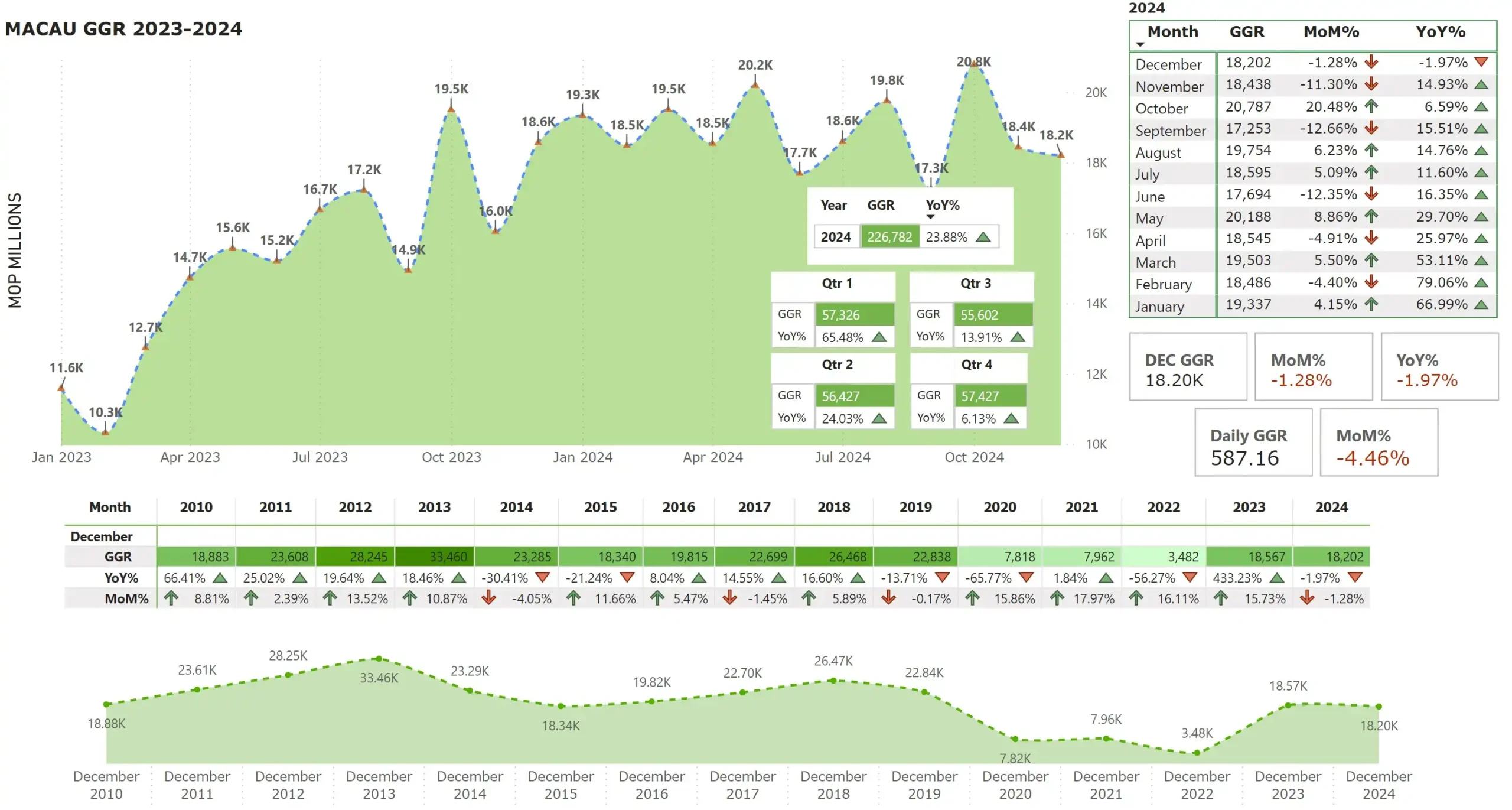
Experts say that the ongoing growth in tourist numbers could help push Macau’s gross gaming revenue in 2025 to MOP250 billion ($31.2 billion), beyond government estimates.
Total GGR for 2024 amounted to MOP226.78 billion ($28.31 billion), a near-24 percent yearly increase.
The government is expecting 2025’s gaming results to reach MOP240 billion ($29.96 billion), a figure experts believe is not only feasible but surpassable.
Speaking to TDM Radio, Lau Pun Lap, the president of the Macau Economic Association, noted that “our association is optimistic, but prudent for the prospects of local economic growth. We believe that GDP growth could be between 6 and 7 percent, meaning that the government estimates are achievable”. The expert indicated that the GDP growth would be driven by increased tourism and gaming revenue, as China’s economy improves and Macau continues its “healthy development”.
Davis Fong, the director of the Institute for the Study of Commercial Gaming at the University of Macau, noted that the 2024 GGR results were in line with government expectations, noting that the primary source was the mass market segment, due to the growth in tourism numbers.
“Regarding the visitor numbers, the tendency is for continued growth, therefore I’m optimistic about the estimate for MOP240 billion in gaming revenue in 2025. There’s even a possibility to reach MOP250 billion”.
On another note, Lau Pun Lap also noted that the three-year transition period for satellite casinos will finish at the end of 2025, “but I estimate that the impact on the gaming revenues will not be significant”.
In the fast-paced world of online gambling, brands rise and fall with alarming frequency, but few vanish as abruptly as 8XBet.
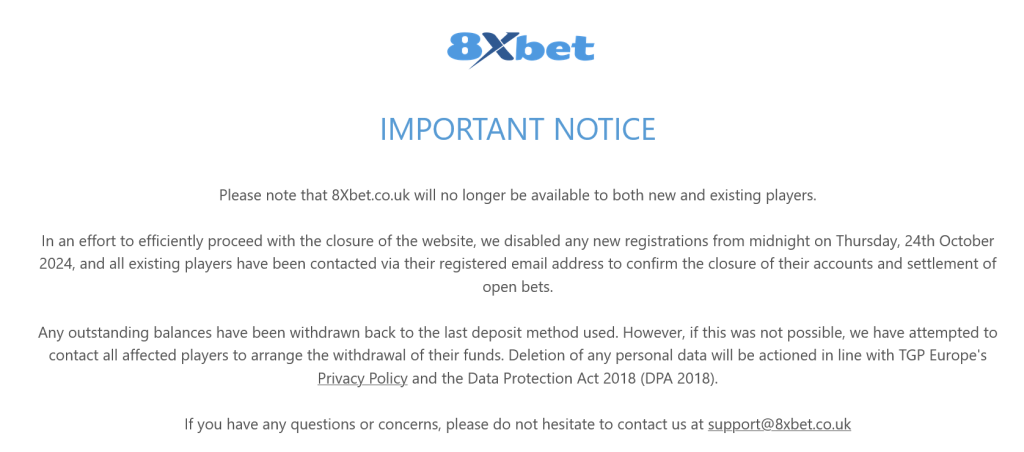
Once a prominent sponsor in the football world and an emerging name in the Asian betting market, the brand has seemingly disappeared overnight. Its websites appear offline or no longer functioning, and its digital footprint is disappearing fast. The future of its numerous sports sponsorships also appears to be hanging in the balance.
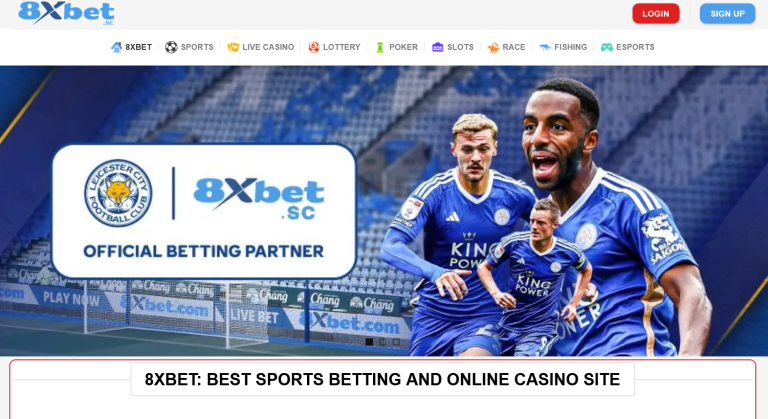
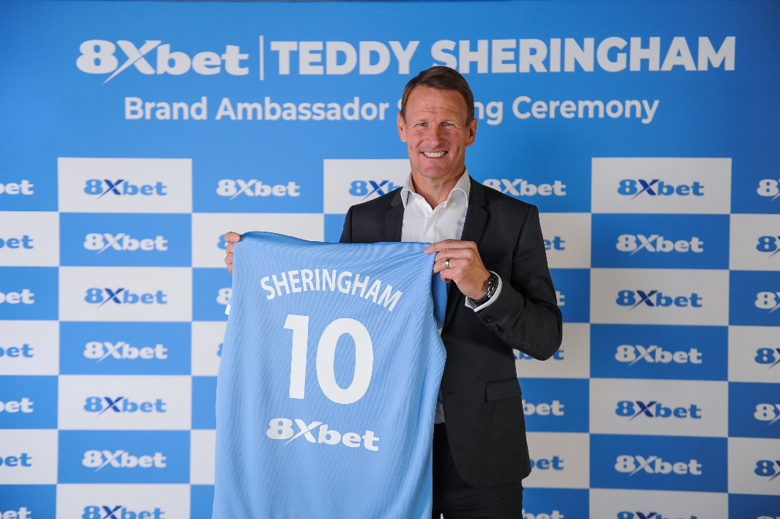
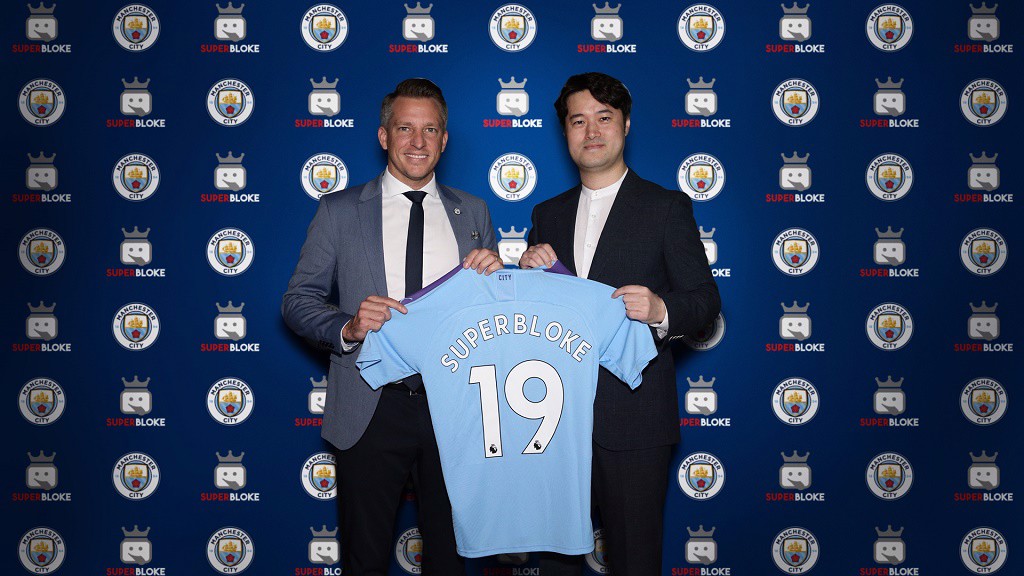
8XBet made headlines in 2022 when it signed a partnership deal with Manchester City, becoming the football giant’s official Asian betting partner. The move was seen as part of a broader strategy to cement its presence in the lucrative Asian gambling market. The brand also brought on former Manchester United striker Teddy Sheringham as a brand ambassador, further bolstering its credibility among football fans.
The company’s association with such high-profile entities suggested deep pockets and ambitious goals. Its logo appeared on digital billboards, its name was tied to global campaigns, and its social media presence was carefully curated to project legitimacy. Yet behind the glitz and glamour of sponsorships lay troubling questions about the company’s origins and operations.
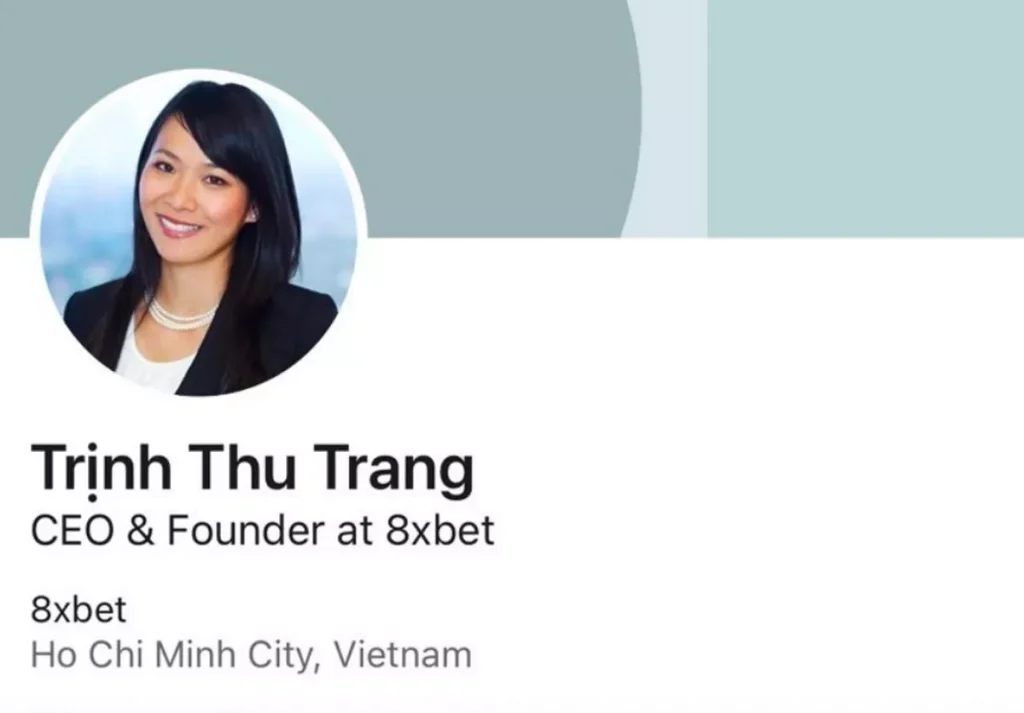
Even during its peak, 8XBet’s legitimacy was called into question. Investigations revealed that its founder Ryan Li, and its CEO Trinh Thu Trang, were virtually invisible figures. Little to no verifiable information existed about them, with online profiles either scant or suspicious—Trang’s LinkedIn page once featured a stock photo as a profile picture, a red flag that was quickly noticed and led to the account’s deletion.
The company did hold a license from the UK Gambling Commission, facilitated by TGP Europe, but the website also seems to have been closed recently. The license for the 8xbet.co.uk domain shows as inactive on the UKGC website, which should mean the company is no longer allowed to sponsor British teams.
Further complicating matters, 8XBet’s operations were reportedly run out of Dubai, where gambling is illegal. Such a setup raised eyebrows, particularly when coupled with the lack of transparency around the company’s ownership structure. Critics argued that 8XBet was emblematic of a growing trend in online gambling – brands that exist primarily to profit from regions with lax oversight while shielding themselves from scrutiny in more tightly regulated markets.
Football has long been a fertile ground for gambling sponsorships, with clubs eager to cash in on lucrative deals. For companies like 8XBet, aligning with globally recognized teams provided instant credibility. But this symbiotic relationship also created an ethical dilemma. By associating with football clubs, brands like 8XBet gained access to fans worldwide, often sidestepping regulatory oversight in the process.
Manchester City’s partnership with 8XBet drew particular attention. Critics questioned why one of the world’s wealthiest football clubs would align itself with a brand that lacked transparency. Some speculated that the deal was less about long-term partnerships and more about short-term financial gain, regardless of the reputational risks involved. The Premier League eventually investigated the partnership amid concerns about financial irregularities and the opaque nature of 8XBet’s operations. However, the findings were never made public, leaving many questions unanswered.
By late 2024, whispers began circulating about 8XBet’s decline. Websites affiliated with the brand started going offline, and its social media channels became inactive. The brand’s disappearance was as sudden as its rise, leaving former employees, partners, and customers in the dark.
Industry insiders point to several potential reasons for the abrupt vanishing act. Regulatory pressure may have finally caught up with the company, forcing it to shut down to avoid legal repercussions. Alternatively, the brand could have been a victim of its own internal issues, from financial mismanagement to disputes among stakeholders.
Another possibility is that 8XBet was never intended to be a long-term venture. Its meteoric rise and fall align with a pattern seen in other questionable gambling operations: establish a presence, rake in profits, and disappear before regulators can act.
The case of 8XBet serves as a cautionary tale for the gambling industry and its stakeholders. It highlights the risks inherent in prioritizing quick financial gains over due diligence and ethical considerations. For football clubs, the saga underscores the importance of vetting potential sponsors, as short-term financial windfalls can lead to long-term reputational damage.
For regulators, 8XBet’s disappearance is a reminder of the challenges in policing an industry that operates across borders and thrives on anonymity. As online gambling continues to grow, the need for stringent oversight and international cooperation becomes increasingly urgent.