

Home Blog Page 482

Blueprint Gaming secures Swiss market entry with Swiss Casinos

0

Blueprint Gaming, a prominent UK-based slots developer and part of the Merkur Group, has officially entered Switzerland’s regulated iGaming market through a significant partnership with the renowned operator Swiss Casinos.

The landmark launch sees a host of the supplier’s top performing games made available to a new wave of slot enthusiasts through Swiss Casino’s online offering, including its branded library which features the likes of Rick and Morty™: Strike BackThe Flintstones™ and ted™ Afterparty.

Swiss Casino is one of the largest land-based and online operator groups in Switzerland. Its online slot library is set to be elevated by the addition of Blueprint’s internationally recognised titles that are proven to attract a wide audience and deliver high quality entertainment.

Entering the Swiss iGaming market underlines Blueprint Gaming’s continuous ambition to expand its global footprint, offering its captivating portfolio to a growing number of partners and players in regulated markets worldwide.

Samuel Haggblom, Director of Key Accounts at Blueprint Gaming, said: “We are excited to partner with Swiss Casinos and mark our entry into Switzerland’s prosperous iGaming market, bringing our iconic and ever-expanding portfolio to a new pool of players. Launching with the country’s leading operator demonstrates our ambitious plans for 2025 as we seek to elevate Blueprint’s global footprint. We believe our diverse portfolio of games will resonate with a wide range of players, delivering increased engagement for Swiss Casino.”

Patrick Mastai, Director Online Casino at Swiss Casinos, added: “Integrating Blueprint’s content onto our online platform is extremely exciting as it sees us gain a host of the most beloved games collections from the industry. As an industry leader ourselves, it remains a priority to provide our players with engaging content that drives acquisition and retention rates, and we look forward to gauging the reaction from our player bases.”


European Cricket Network (ECN) announces 1xBet as official partner

0

Established in 2018, the European Cricket Network (ECN), Europe’s digital hub for cricket, has revealed 1xBet as the exclusive Official Betting Partner for all its cricket properties, including the renowned European Cricket Series and European Cricket Championships.

The partnership includes significant branding across the international TV program graphics to a worldwide audience at more than one thousand matches over the initial term.

The European Cricket Network, with over thirty member cricket federations from around Europe, is delighted to collaborate with 1xBet.com to engage fans globally and bring the sport’s passion to millions of cricket enthusiasts, enabling them to be a part of the action on and off the field.

Roger Feiner, CEO of the European Cricket Network said: “‎European Cricket is excited to partner with 1xBet, one of the most innovative and engaging companies within this sector. With this partnership, European Cricket Network sits alongside other first-class sponsorships of 1xBet such as their partnerships with FC Barcelona, FIBA, Volleyball World and many other high-level rights holders.”

Mark Wilson, a representative of 1xBet added, “This agreement is important to our global strategy to support sports. We share the ECN’s desire to promote cricket around the world and are delighted about securing our partnership with the European Cricket Network to add to our portfolio of first-class rights holders. We are sure this partnership will be a resounding success for all involved.”

ESL FACEIT & Shikenso Analytics partner to unlock Brand Partnership insights

0

ESL FACEIT Group (EFG), a leading esports and video game entertainment company, and Shikenso Analytics have announced their collaboration to evaluate brand partnership performances across the largest esports events worldwide.

With this agreement, Shikenso will provide EFG with advanced media valuation services on a holistic level.

As part of the multi-year agreement, Shikenso Analytics will deploy its brand partnership tracking solution at all major esports events organised and hosted by EFG, including Intel® Extreme Masters, ESL Pro League, ESL One, DreamLeague, Overwatch Champions Series, Call of Duty® League, and the Snapdragon Pro Series. By using a wide selection of tools as well as AI technology, Shikenso Analytics will provide detailed data insights and tracking viewership trends over time, accompanied with relevant metrics and reports. 

By integrating advanced technologies, EFG can set new benchmarks in brand partnership management and commercial operations, further elevating its role as a leader in the esports and video games industry. 

“Partnering with Shikenso Analytics marks an important step in optimizing the impact of our Brand Partnerships,” said Tobias Vogt, VP Commercial Planning & Operations, EFG. “Their cutting-edge technology and data-driven insights will help us better understand the value we create for our partners across our events, ensuring we continue to drive meaningful engagement and maximize media performance across the most-watched and most-celebrated esports events worldwide.” 

Arwin Fallah Shiraz, Co-CEO & Co-Founder at Shikenso Analytics: “The partnership with ESL FACEIT Group marks a new chapter for us at Shikenso. Providing our AI-technology to one of the leading forces in the esports entertainment industry solidifies our vision of establishing an industry-wide sponsorship analytics standard. We are excited to empower EFG with our data and support them for the years to come.”

Thai protesters demand complete withdrawal of casino bill

0

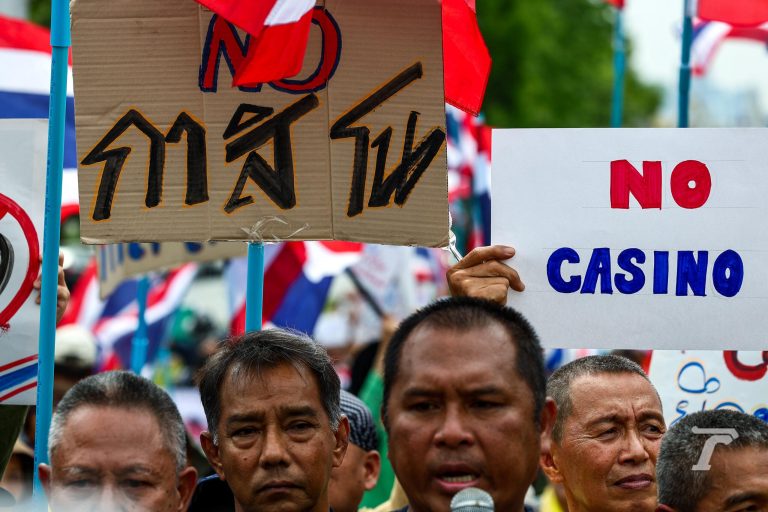
Protesters continued to gather outside the Thai parliament on Wednesday, undeterred by the government’s decision to postpone the first reading of the Entertainment Complex Bill, originally scheduled for April 9th.

The proposed legislation, which would legalize casinos in Thailand, has sparked growing opposition. Demonstrators, many dressed in white and waving Thai flags, are demanding the bill be scrapped altogether rather than merely delayed, citing concerns about its potential social impact.

According to the Bangkok Post, Warong Dechgitvigrom, leader of the Thai Pakdee Party, warned of further action if the government does not fully abandon the proposal.

Chief government whip Wisut Chainarun confirmed that the bill had only been delayed, not withdrawn. He stressed the need to foster public understanding of the issue and noted that differing views are part of the democratic process.

Pichit Chaimongkol, leader of the Network of Students and People for Thailand’s Reform, expressed concern that the government’s push for the legislation might serve vested private interests. He argued that, despite the government’s focus on an integrated entertainment complex, the plan still fundamentally includes a casino that could harm people and the country.

Religious leaders have also joined the opposition, with the Roman Catholic Archbishop of Bangkok, Francis Xavier Vira Arpondratana, petitioning against the casino proposal due to concerns about potential social problems.

Prime Minister Paetongtarn Shinawatra, Thailand

Another local media outlet, The Nation, reported that Prime Minister Paetongtarn Shinawatra defended the bill during a meeting with senior officials, characterizing the opposition as political gamesmanship that distorts the legislation’s intent.

Paetongtarn insisted that the casino would occupy only 10 percent of the entertainment complex, dismissing claims that the country would be filled with casinos as untrue.

She emphasized the economic benefits, stating that the complexes would create jobs and boost local economies. Each complex, she explained, would include multiple hotels and restaurants, creating thousands of jobs, with casino profits helping to repay investment costs.

Fertitta expands Wynn Resorts holdings by $28M during stock price dip

Tilman Fertitta, Wynn Resorts’ largest single shareholder, has further increased his stake in the company by buying $27.87 million worth of shares.

According to documentation filed with the SEC, Fertitta purchased 400,000 additional shares of Wynn Resorts common stock across several trading sessions, strengthening his position in the Las Vegas-based gambling and hospitality corporation.

Wynn Resorts serves as the controlling entity of Wynn Macau, which manages the Wynn Macau and Wynn Palace establishments in Macau, China’s renowned gambling destination.

The acquisitions occurred at varying prices between $67.62 and $70.39 per share.

Following this investment, Fertitta’s aggregate holdings in the company have grown to 13 million shares. The purchase timing appears calculated, as the stock currently hovers near its 52-week bottom of $66.20 and exhibits oversold indicators according to market analysis.

These share purchases were executed through various Fertitta-controlled entities, including Fertitta Entertainment, Inc., Hospitality Headquarters, and Fertitta Entertainment, LLC. As the sole proprietor of these organizations, Fertitta maintains shared beneficial ownership of the acquired securities.

Poker machine venues warned ahead of Easter and ANZAC day trading hours

0

The Victorian Gambling and Casino Control Commission (VGCCC) has issued a stern warning to pubs and clubs regarding the use of poker machines during the upcoming Good Friday and ANZAC Day public holidays.

Venues found allowing customers to operate poker machines outside of permitted trading hours will face significant fines and penalties.

Suzy Neilan, the new CEO of the VGCCC, announced today that 14 venue operators have already been fined a total of $195,000 for violating trading hour regulations on these important days in 2024. Additionally, four operators received censure warnings.

“In Victoria, the availability of poker machines is restricted to a venue’s liquor licence hours, which may include further limitations on Good Friday, ANZAC Day, and Christmas Day,” Neilan stated.

“With Good Friday approaching, I strongly advise venues to understand and comply with their licence obligations and only operate their poker machines during permitted hours.”

Notably, the Melbourne Racing Club was fined AU$60,000 ($36,084) for three venues—Steeples, The Coach and Horses, and Peninsula Club—that allowed poker machine use before noon on Good Friday last year.

Similarly, Hoppers Crossing Club Limited faced an AU$30,000 ($18,030) fine for breaches on both Good Friday and ANZAC Day, resulting in a poker machine turnover of AU$22,234 ($13,357).

The Sale & District Greyhound Racing Club also received a censure for violating ANZAC Day trading hours.

When determining penalties, the VGCCC considered factors such as the duration of gambling outside permitted hours, the revenue generated by the venue, and the venue’s compliance history.

New regulations implemented in August 2024 mandate that venues must close their poker machine areas daily between 4 and 10 a.m., reinforcing the importance of compliance during these significant public holidays.

Daily Asia Gaming eBrief: Thailand delays casino bill due to trade concerns

0
Good Morning. The sweeping blow that the US president has dealt to the worldwide economy, with no real understandable reason, has now even derailed Thailand’s ambitions for a casino, temporarily. The government now says that it has put the brakes on the reading of its ambitious new legislation, as it seeks to counter the damage being done. Meanwhile, Thailand was in particular focus, alongside the UAE and Japan, in a top panel of experts looking to see what’s the next golden goose. And in regulatory news, a top presentation at the ASEAN Gaming Summit examined why companies are shifting into the white and what they have in store for them due to compliance.

What you need to know


On the radar


AGB Intelligence

THAILAND

Thailand’s casino bill reading halted due to trade war

While emphasizing strongly that the government is not withdrawing the bill, Thailand’s parliament is not going to be considering the new entertainment complex legislation today, as previously expected. The nation cites the trade war, started by US president Donald Trump, as the new hindrance towards its casino aspirations, as it aims to tighten its belt in the aftermath of the recent earthquake. But the work done so far should help push the legislation through, if it can garner enough support.


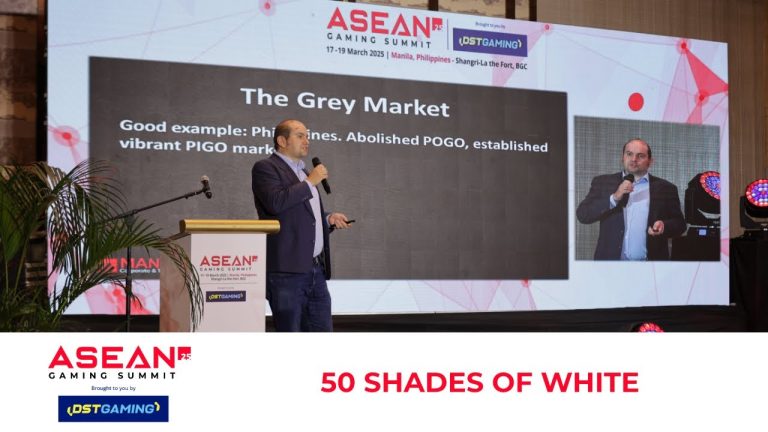
50 Shades of White | ASEAN 2025

50 Shades of White, ASEAN Gaming Summit 2025

Licensing has fought its way to the forefront as one of the most important aspects of the online gaming industry. A top licensing professional delves into regional issues and opportunities and what companies truly need to ensure compliance, with a healthy degree of success on top.

Emerging Markets: What’s the Story | ASEAN 2025

Emerging Markets: What’s the Story - ASEAN Gaming Summit 2025

Thailand, the UAE, and Japan. The top emerging markets have everyone in a vortex of obsession, hope, and (sometimes) defeat. But there is much to be taken advantage of, as a top panel of gaming-focused veteran journalists delve into the nuances.


Industry Updates


Corporate Spotlight

UU Wallet: Bridging traditional finance and Web3 flexibility

UU Wallet unveils comprehensive Digital Finance Solutions at ASEAN Gaming Summit 2025

With a strong focus on security and efficiency, UU Wallet stands out with its instant cryptocurrency exchange capabilities and globally accepted prepaid card, making it a preferred choice for those navigating the complexities of digital finance.


INTELLIGENCE | ASEAN | CAREERS

Emerging Markets: What’s the Story | ASEAN 2025

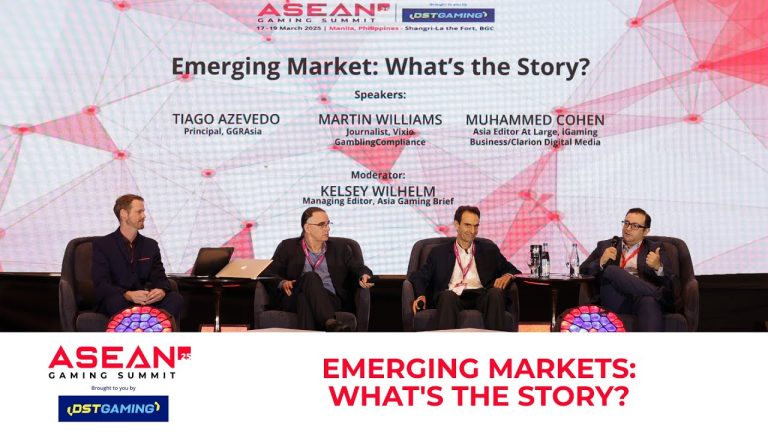
AGB was graced with the presence of a top panel of gaming journalists at the ASEAN Gaming Summit 2025, who gave their insights into the premier emerging gaming markets. While Thailand appears at the forefront, many questions remain, and the UAE is forging ahead strongly, as Japan pushes forward with its only likely IR in Osaka.

The panel was moderated by AGB’s Kelsey Wilhelm and counted with in-depth insights from Martin Williams – Journalist at Vixio GambingCompliance, Muhammad Cohen – Asia Editor at Large for iGaming Business/Clarion Digital Media, and Tiago Azevedo – Principal at GGRAsia.

The conversation elaborates on the complexities surrounding the requirement of substantial financial means for Thai nationals wishing to gamble—and the significant influence of Chinese political dynamics—as well as the local political landscape’s response to gambling interests.

As the discussion shifts to the UAE, it explores the establishment of a regulatory body for commercial gaming and the anticipated developments from Wynn and other operators. The panelists deliberated the effects of potential online gambling legalization and the regional implications for tourism, international investment, and regulatory compliance.

The risks tied to political instability and public sentiment are also discussed substantially, with a focus on how they would affect investor confidence. The wrap-up includes a consideration of how these developments in the UAE might impact other Asian markets while intertwining responses to vibrant tourism prospects fueled by the growing Indian market and surrounding regional influences.

Highlights

  • Thailand’s Casino Legislation: There is uncertainty surrounding the paused casino legislation, raising concerns among investors.
  • Local Sentiment: Despite the anticipated public opposition to gambling, many Thai citizens reportedly gamble regularly, complicating the public sentiment narrative.
  • Chinese Influence: Thailand’s political calculations are affected by China’s strict stance against its citizens participating in foreign gambling activities.
  • Investor Sentiment: Investors express hesitance due to unclear legislation surrounding casino operations and governmental changes.
  • UAE’s Regulatory Milestone: The UAE establishes a gaming regulatory body with Wynn expected to open a major casino by 2027.
  • Potential Tourism Boom: The UAE’s strategic location may turn it into an attractive destination for international tourists, particularly from the Indian subcontinent.
  • Online Gambling Prospects in Thailand: The growing discussion of online gambling legislation indicates a shifting attitude in Thai politics regarding gambling.

Key Insights

  • Market Uncertainty in Thailand: The departure from enthusiasm for Thailand’s proposed casinos highlights investor scrutiny in the legislative reform process. Investors are likely to remain on the sidelines until regulations are stabilized. The initial enthusiasm surrounding investments has waned as seen with the hesitance to proceed without a more favorable legislative draft. This creates a risk for potential foreign investors as they fear the political landscape’s volatility and fluctuating legislative support, which could lead to insufficient returns on investment.
  • Implications of Chinese Political Decisions: The Chinese government’s influence on Thailand’s political decisions brings a broader concern about sovereignty and human rights. As political pressures unfurl, the Thai government may feel compelled to adhere to Chinese directives that could further complicate the casino landscape as they venture into this new regulatory territory. The narratives raised regarding historical ties and pressures also indicate a potential trade-off between sovereignty and investment from China.
  • UAE’s Emerging Casino Market: The regulatory framework in the UAE sets the stage for significant investment opportunities given the government’s support for large-scale casino developments. Wynn’s ambitious growth plan signals an unfolding competition for attracting more international players into the region. Furthermore, the Emirates’ efforts in expediting this process suggest a keen awareness of their competitive position against traditional casino hubs like Las Vegas and Macau.
  • Regulatory Challenges: Thailand faces the challenge of balancing political interests with the necessary tax and social safeguards that casinos require. Without the proper regulatory framework, the inherent risks surrounding gambling operations could deter significant investments. The lack of clarity regarding tax frameworks and operational expectations makes the market challenging for investors, as they cannot forecast potential expenditure or potential returns effectively.
  • Tourism as a Vehicle for Success: The potential of tourist influx as a result of new gambling operations in both Thailand and the UAE presents a unique opportunity to utilize gaming as a catalyst for broader economic growth. The marketplace’s connections with Southeast Asia, particularly India, emphasize the great business possibilities that lie ahead—contingent on developing strong marketing strategies to align with traveler habits. Particular emphasis is placed on driving awareness to ensure a sustainable influx of tourist dollars.
  • Online Gaming Legislation Discussions: As the conversation shifts towards online gambling, it’s apparent that while there is potential, political opposition remains a concern. The forward movement in Thailand may be hindered as long as there is uncertainty surrounding land-based casino operations. Regulatory frameworks will need to expand thoughtfully to incorporate online participation which many believe could alter perceptions about gambling in the public eye.
  • Investment Dynamics in Japan vs. Southeast Asia: The differing responses from locals in Japan compared to Thailand regarding casino developments reflect varied cultural and operational landscapes. Japan struggles with market entry due to political and social dynamics that inhibit mass public engagement, whereas Thailand may not face the same level of resistance based on existing gambling behaviors. Both regions exemplify how local culture shapes legislative outcomes, impacting how international operators strategize their investments.

In summary, the discussions capture the essence of emerging gaming markets in Thailand and the UAE, uncovering legislative complexities, investor sentiments, and potential impacts on broader tourism dynamics. The balance between tourism enhancement, local legislation, and investor confidence remains pivotal for the future of casino operations in these regions.

50 Shades of White | ASEAN 2025

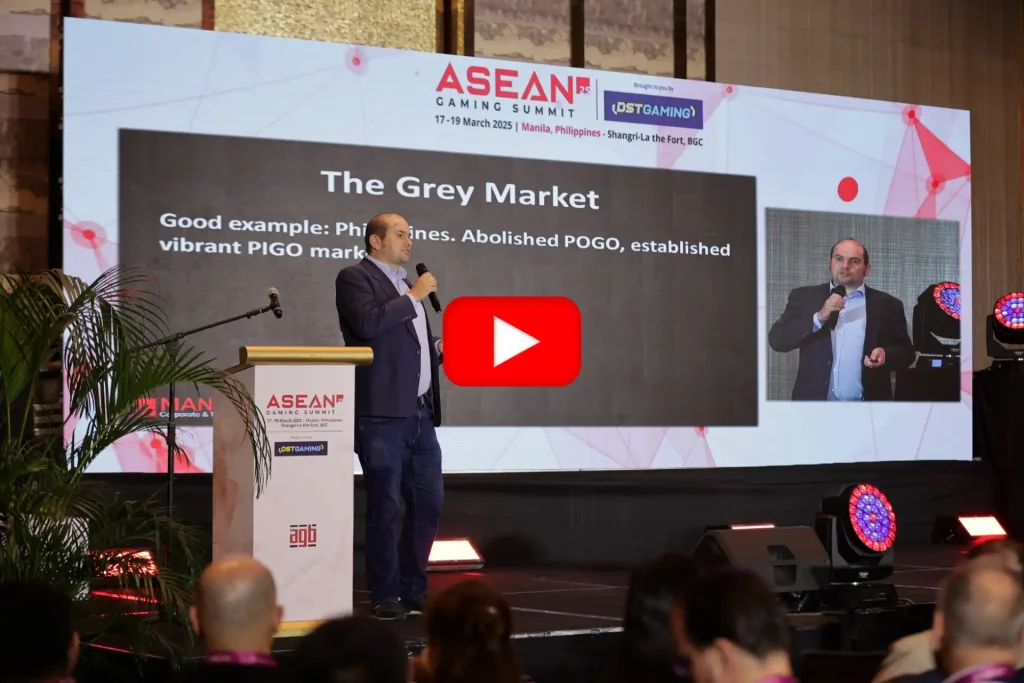
Licensing is undoubtedly one of the primary concerns of those hoping to bleach their operations into something more acceptable on a global scale. Top eGaming licensing expert Frank Schuengel breaks down exactly how important this oversight is and the impact that investigation into bad actors can have, highlighting why grey markets are shrinking.

Key themes include the evolution of pre-regulated and grey markets, the importance of governments recognizing the financial benefits of regulating gambling, and the necessity of balancing regulation to ensure a sustainable industry. Schuengel stressed that while some jurisdictions are doing well—like the Philippines with its POGO elimination —others, such as Germany, are mismanaging regulations, resulting in thriving black markets due to prohibitive tax policies and cumbersome restrictions.

Moreover, the expert discussed the rise in media scrutiny on the gambling industry, particularly via investigative journalism, which shines a light on malpractices and calls out bad actors. The risks associated with operating in grey markets were highlighted, alongside a prediction that these markets will continue to shrink as countries advance towards establishing local regulations. Future challenges were also addressed, including adapting to new technologies like AI within gambling and ensuring compliance without stifling business viability.

Overall, the future lies in obtaining legitimate local licenses, aligning with industry maturation, and moving towards a more regulated and visible market landscape.

Highlights

  • Return to Manila: The speaker noted Manila’s vibrant revival as a hub for the gambling industry, emphasizing that the city is still a key location.
  • Grey Market Dilemmas: The grey market landscape is shifting, where some jurisdictions are successfully transitioning to equipped regulations while others are not.
  • Economic Viability Issues: Countries with overbearing regulations—like Germany—are seeing their grey markets flourish due to unfavorable conditions for licensed operators.
  • Increased Media Scrutiny: The gambling industry is under more media scrutiny than ever, with notable investigative coverage revealing problematic practices.
  • Shift Towards Local Licenses: The talk stressed the necessity of obtaining local licenses to ensure business sustainability and legitimacy, drawing comparisons to the ‘Entain model.’
  • Adapting to New Technologies: Operators must be mindful of integrating new technologies like AI into their products and terms to avoid regulatory pitfalls.
  • Future of Regulation: The speaker ultimately predicted a gradual reduction in grey markets as countries advance and more jurisdictions recognize the need for regulation.

Key Insights

  • The Importance of Regulation: The speaker illustrated that when countries acknowledge the revenue potential of a regulated gambling market, it leads to a more structured and economically sustainable environment. Governments recognized that it’s not just about prohibition; responsible regulation can yield significant fiscal benefits. However, care must be taken to create regulations that don’t drive consumers to unlicensed alternatives.
  • License Viability: In discussing different jurisdictions, the speaker underscored that an operator’s decision to pursue a license, particularly in grey markets, hinges on reputational factors and economic viability. Licenses seen as legitimate, such as B2B licenses, are becoming increasingly important, while grey market licensing is often a short-term solution that could pose long-term operational risks.
  • Germany as a Case Study: Germany was used as an example of how restrictive regulations can hinder business. With deposit limits and high turnover taxes, operators are finding it nearly impossible to remain compliant while making profits, leading to widespread black-market activity. This is a reminder that legislation needs to be carefully calibrated to promote both compliance and business sustainability.
  • The Role of Investigative Journalism: The advent of thorough investigative work into the gambling industry signifies a shift where transparency is becoming non-negotiable. This puts pressure on operators to maintain high ethical standards, and for poor practices to be promptly exposed, which can ultimately benefit compliant operators.
  • Transition Away from Grey Markets: The speaker projectingly emphasized that with the growth of local regulations in various countries, the prevalence of grey markets will inevitably diminish. This necessitates that operators adapt their business models, move towards compliance, and favor markets that respect regulatory frameworks.
  • Impacts of AI on Gambling: The industry’s growth should also consider the implications of AI technology, especially how operators manage and regulate its use amongst players. The speaker cautioned that without clear terms concerning AI’s role, operators could face significant financial and legal repercussions in future disputes.
  • Sustainable Business Models: Moving towards practices that ensure sustainability not only comes from compliance with regulations but also from adopting comprehensive strategies that consider economic viability and social responsibility. The speaker pushed for establishing models—what they referred to as the “50 shades of white” strategy—that guide operators to legitimate practices, ultimately allowing them to manage risk effectively and profitably.

The talk encapsulated essential themes regarding the evolving landscape of the gambling industry, highlighting that both regulatory frameworks and societal pressures are steering the industry away from grey markets and towards legitimate growth pathways.

One in three teenagers in Victoria gambling – Research

0

Nearly 30 percent of young people aged 12 to 17 in the Australian state of Victoria have reported participating in some form of gambling within the past month, a recent study shows.

The research, conducted by The Australia Institute academics Matt Saunders and Morgan Harrington, urges policymakers to adopt a broader public health perspective, as growing evidence shows that even low-risk gamblers collectively contribute to a significant burden of harm.

The study was based on data from Victoria, and estimates that gambling-related harm in the state rivals that of alcohol abuse and major depressive disorders.

“The public health burden is not confined to a small minority,” the authors wrote. “Even gamblers who do not meet the criteria for a gambling disorder can experience harm at a personal and social level.”

But perhaps most alarming is the study’s focus on teenage gamblers. According to the findings, nearly 30 percent of young people aged 12 to 17 reported participating in some form of gambling within the past month. 

While many of these activities—such as scratch cards or private betting—may seem innocuous, the researchers warn that adolescent gambling is linked to riskier behaviors, poor academic performance, and early signs of addictive tendencies.

“Gambling during adolescence is strongly associated with increased risk of gambling problems in adulthood,” the report notes. It adds that the normalization of gambling through sports sponsorships, online platforms and gaming features such as loot boxes is blurring the line between entertainment and gambling for younger audiences.

Further restrictions requested

cashless gaming Australia, NSW, victoria, gambling harm

The study challenges traditional frameworks that treat gambling harm solely as a matter of individual responsibility. Instead, the authors argue, structural changes are needed—including restrictions on high-risk gambling products like electronic gaming machines (pokies), stronger consumer protections, and targeted interventions for vulnerable groups such as minors.

“The cumulative harm from non-problem gamblers, due to their large numbers, is actually greater than that from problem gamblers alone,” the study states. And when it comes to young people, the authors call for urgent prevention strategies in schools and media, where gambling is often glamorized or downplayed.

Australia has one of the highest per capita gambling losses in the world, with pokies accounting for a large portion of these losses. The study suggests the machines are intentionally designed to promote compulsive play and should be more strictly regulated.

“The current framing of gambling harm as an issue of personal responsibility is inadequate,” said the report. “This is a public health issue that requires a systemic response—especially when it begins affecting our youngest citizens.”

The country has been actively debating gambling reform, particularly in response to concerns about youth gambling and the broader public health impact.

The Victorian government has introduced legislation requiring poker machine venues to close between 4am and 10am to curb gambling harm. Meanwhile, a recent report from the Grattan Institute has also called for a complete ban on gambling advertisements and the introduction of maximum loss limits for pokies and online betting.

The report criticizes Australia’s lax regulatory approach, noting that the country has the highest gambling losses per capita in the world. The federal government is under pressure to act on recommendations from a Senate inquiry that proposed banning gambling ads within three years.

Legal scholars have also highlighted gaps in Australia’s gambling regulations, particularly concerning sports betting and eSports. Proposed reforms include banning gambling advertisements near schools, on public transport, and during live sporting events.