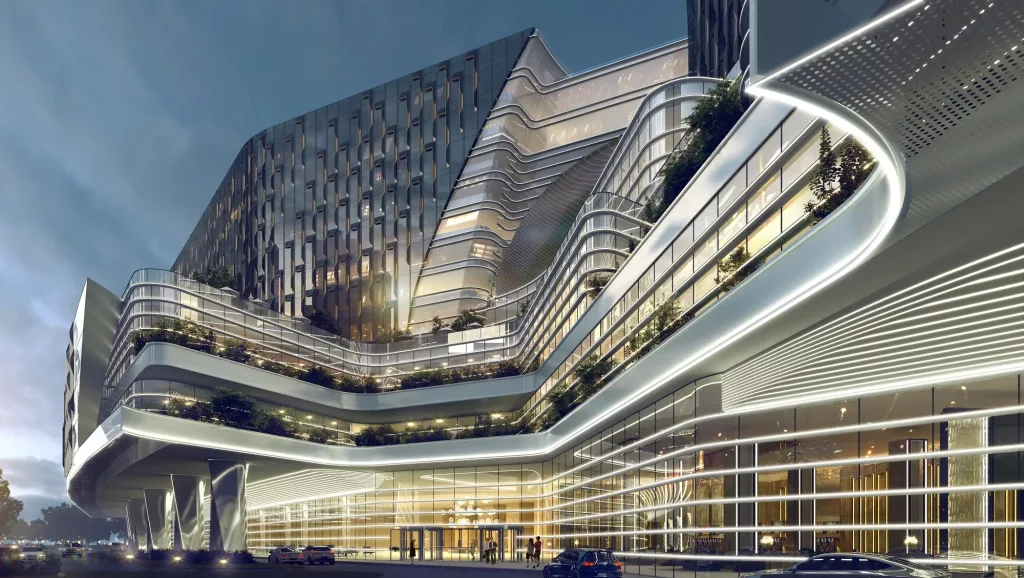
Suntrust Resort Holdings is apparently handing over the reins of the development and operation of its billion-dollar Westside City integrated resort in Entertainment City in Manila.
In a filing published on Monday, the group – a subsidiary of the LET Group – indicated that it was pursuing a ‘strategic working agreement with Travellers International Hotel Group, Inc., Westside City Inc., Westside Bayshore Holding Corporation and Entertainment City Resorts Corporation (ECRC) to expedite the completion of the now-expanded Westside Integrated Resort Project’.
Under the agreement, Suntrust would effectively only hold a 20 percent indirect interest in ECRC.
As announced on Monday, ‘ECRC will assume all rights and obligations related to the project’.
Suntrust notes that the move is to ‘ensure the timely construction, development, completion and operation of the Westside Integrated Resort Project’.
Just in August, Suntrust had assured that it was able to sustain operations and complete the Westside City development, citing funding arrangements and the project’s proximity to revenue generation.
Similarly, parent company LET Group, which holds a 51 percent stake in Suntrust, in a recent Hong Kong Stock Exchange filing indicated that as the end of 1H25, Suntrust ‘would be the sole and exclusive operator and manager’ of Westside City ‘upon commencement of operation of the Main Hotel Casino in the third quarter of 2026’.
The new arrangement significantly dilutes LET Group’s stake in Westside City, with Travellers Group parent company Alliance Global taking an additional stake – as has long been expected.
The cost of Westside City has risen to over $1 billion and the project has yet to generate any revenue, while weighing down its developers with heavy capital expenditure.
Macau recorded 7.68 million visitor arrivals during July and August, averaging 123,000 arrivals per day. This marked a 7.4 percent increase compared to the same period in 2019, before the pandemic.
The peak single-day visitor count reached 195,000 during the summer months.
The Public Security Police Force announced on Monday, September 1st, that Macau’s border checkpoints processed 41.01 million crossings in July and August, averaging 661,000 daily.
This represented an 8.5 percent increase from last year and a substantial 21.4 percent rise compared to the pre-pandemic period in 2019. The highest single-day crossing volume reached 832,000.
Border crossing distribution showed the Gongbei checkpoint, also known as the Border Gate, handling the largest share at 52.7 percent of total traffic. This was followed by the Qingmao checkpoint at 14.9 percent, the Hong Kong-Zhuhai-Macau Bridge checkpoint at 12.7 percent, and the Hengqin checkpoint at 12.4 percent. The airport and three ferry terminals accounted for 3.2 percent and 3.9 percent, respectively.
Visitor demographics revealed that mainland Chinese tourists dominated arrivals, comprising 75.8 percent of all visitors. Hong Kong visitors represented 17 percent, while those from Taiwan and foreign countries accounted for 2.4 percent and 4.8 percent respectively. The 15.2 percent year-on-year increase underscores Macau’s continued recovery in the tourism sector.
As of August 24th, Macau’s cumulative border crossings for the year exceeded 150 million, reaching this milestone 23 days earlier than last year. This accelerated pace highlights sustained momentum in cross-border travel and tourism recovery.
It is also noteworthy that Macau’s gross gaming revenue (GGR) set new post-COVID records in July and August, with July marking the first new high since the pandemic and August surpassing it again.
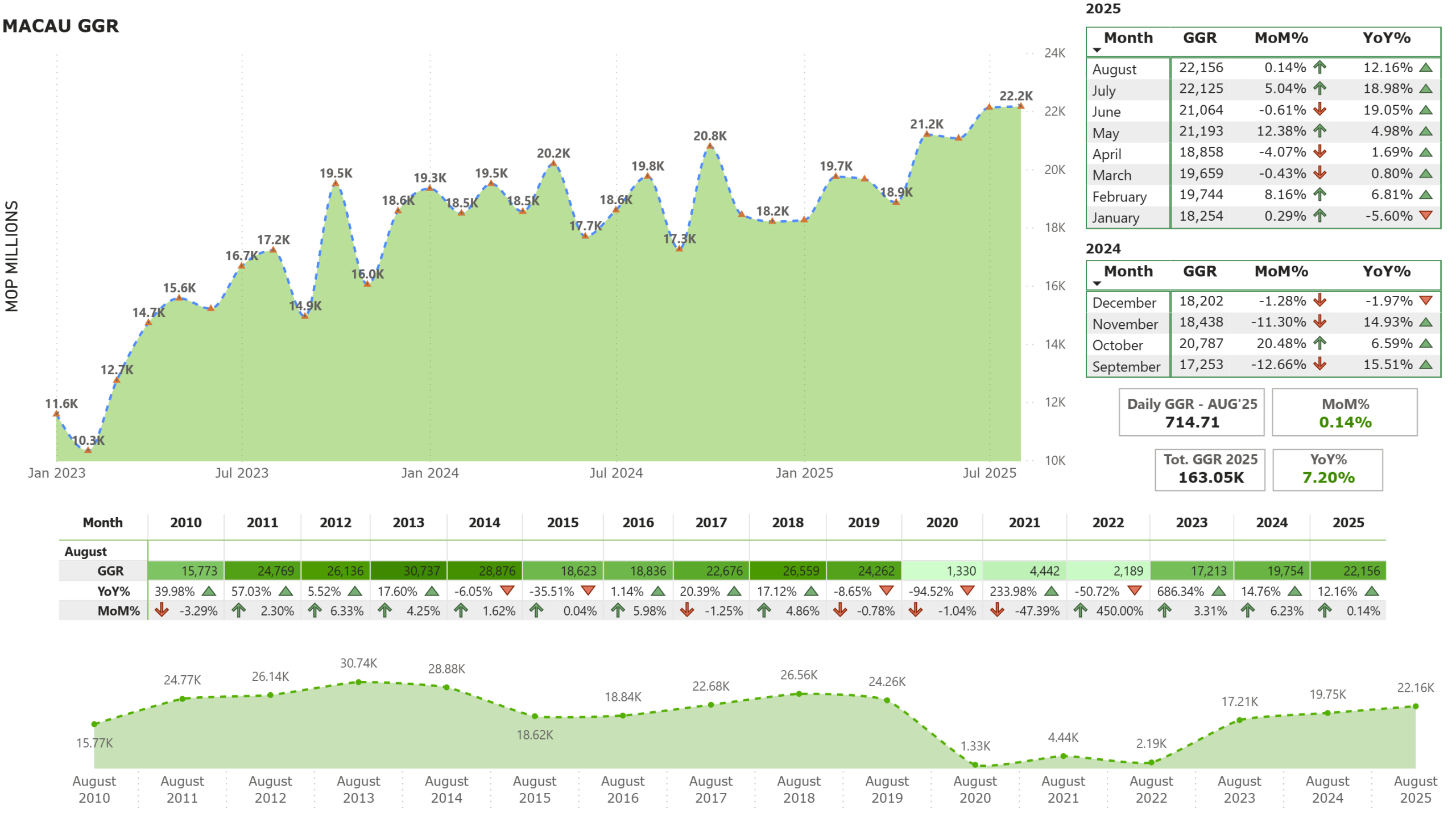
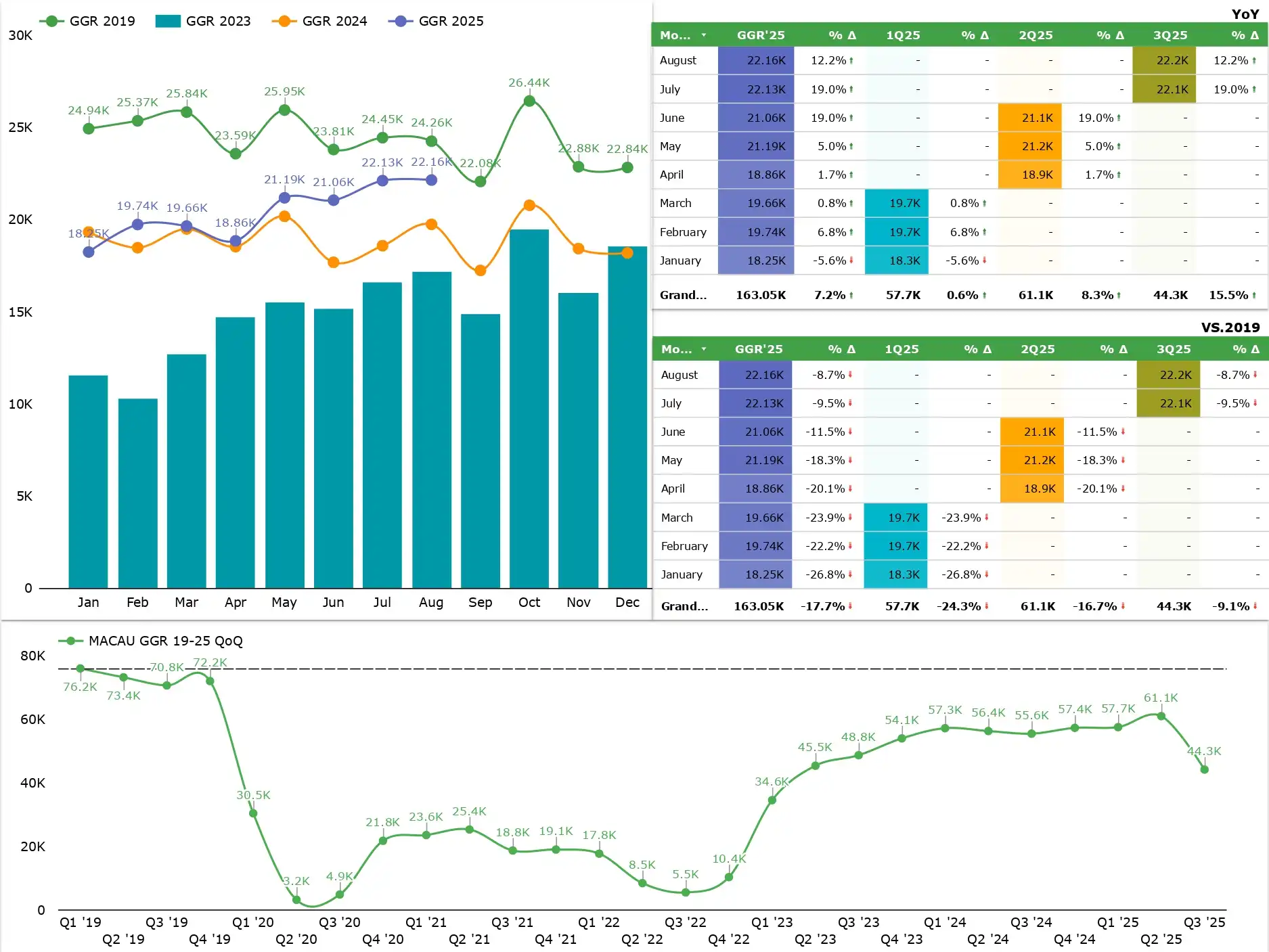
Macau’s gross gaming revenue (GGR) recorded solid growth in August, supported by strong visitor arrivals during the summer. GGR reached MOP22.16 billion ($2.77 billion), marking a 12.2 percent increase compared to the same month last year.
It was the best-performing month of the year, not only surpassing July’s record but also reaching a new post-COVID high.
August also marked the fourth time this year that monthly GGR exceeded MOP20 billion ($2.5 billion).
According to data from the Gaming Inspection and Coordination Bureau (DICJ), August’s total was slightly higher than July’s, up 0.14 percent.
The stronger performance was largely driven by resilient player demand, despite disruptions caused by typhoon-related weather during the month.
For the first eight months of 2025, Macau’s casino GGR reached MOP163.05 billion ($19.11 billion), up 7.2 percent year-on-year. However, the figure remains 17.7 percent below pre-pandemic levels, compared to MOP198.22 billion ($24.75 billion) recorded in the same period of 2019.
Satellite casino operator Macau Legend has reported a loss of HK$1.42 billion ($182.32 million) for the first half of the year, primarily due to the upcoming closure of its casino operations in the SAR.
The loss was in line with expectations announced at the end of August but is still a 1,192 percent increase compared to 1H24.
The group is now working to change its strategy to survive the closure of its Legend Palace Casino by December 31st, hoping to generate more revenue from its non-gaming operations at Macau Fisherman’s Wharf and raise more funds.
Given that the banks that have issued loans to Macau Legend could demand immediate repayment on these loans, the group has classified its bank borrowings totaling HK$2.05 billion ($263.93 million) as ‘current liabilities’ as of the end of June.
While the group has applied for a waiver on non-compliance loan covenants from the banks, it has not yet received it, but it also indicates that it hasn’t received any demand for immediate repayment of the borrowings.
Macau Legend has already defaulted on a HK$85.5 million ($10.97 million) outstanding loan but was granted until October 2026 to repay it. It has also been granted an extension on its repayment of a HK$2 billion ($256.67 million) outstanding bank loan and has been required to pay HK$1 million ($128K) for 19 consecutive months (from February 2025 to August 2026) with outstanding installments of loan principal which were due in 2025 to be deferred to September 2026.
The group notes that ‘there exist circumstances that cast significant doubt on the Group’s ability to continue as a going concern’.
Hengqin Ponto Legend Square
In line with its efforts to raise capital, the group in a separate filing indicated that a public tender has been opened by a partially-owned subsidiary to dispose of its property in the neighboring region of Hengqin.
According to a Monday posting on its ponto-legend website, the group aims to sell the entire Hengqin Legend Ponto Square. The tender was opened on September 1st and runs until October 30th. No opening price was disclosed regarding the bidding.
The property comprises 971 real estate properties, including 109 commercial shops and 862 parking spaces and is to be sold ‘as is’ – ‘in the physical state and condition as it stands’.
Macau Legend holds a 21.5 percent stake in the company which owns the property.
Good Morning. Yet another Shinawatra has been ousted from office in Thailand, calling into question if there’s any future for casino legislation in the country. The nation stands at a crossroads, but one that it arrived at through skilled and unskilled political maneuvering, with the hand of Thaksin Shinawatra evident in many political plays. But what could potentially happen next? Moving on to Macau, SJM continues its uphill battle with its flagship Cotai property, the Grand Lisboa Palace. But it is struggling to gain market share amongst its rivals, dragging down the company’s overall performance.
Thailand’s road towards casino legislation has been long. And it appeared to be finally nearing a grand finale. But the ousting of the nation’s Prime Minister lays bare the political maneuvering that has led up to this point, exposing the fragility of alliances and opposing interests. Author and expert Daniel Cheng points out what led the nation to this stage and where it could potentially go from here.
Every operator can launch, but few can lead. In Asia, leadership is won in the 90 days after go-live, when payments feel effortless, content resonates locally, and every touchpoint builds trust.
Winning Trust, Stopping Fraud. Asia Pacific’s iGaming market is expanding extremely fast, and a new wave of digital-savvy players is pushing demand through the roof. But the rise in adoption has outpaced regulation in many markets, and fraudsters have taken notice.
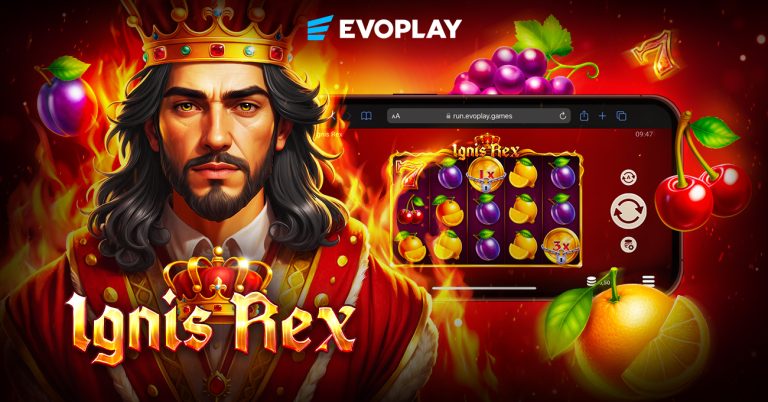
Evoplay, the award-winning game development studio, has launched Ignis Rex, a fiery slot where classic fruit icons meet regal treasures.
Played on a 5×3 grid, the title blends the familiarity of traditional slot play with dynamic bonus features. Players will encounter gleaming Coins and the commanding King, who appears as a Sticky Wild symbol and oversees every spin. The Sticky Wild can land on any reel, locking in place for one to three respins to boost win potential. It substitutes for all symbols except Scatters and Coins.
The centerpiece of the action is the King’s Coins Bonus, activated when three or more Coin symbols land on the same row. The round starts with three spins, resetting whenever a new Coin appears. Each time at least one new Coin lands, all previously collected Coins on the grid double their values, rapidly boosting win potential. Once the feature ends, all visible coin values, which can grow far beyond their base range of x1 to x20, are combined for a potentially lucrative payout.
In the base game, unlocked coins award instant wins, and scatters on reels one, three, and five pay from any position.
With its polished visuals, accessible gameplay, and rewarding bonus rounds, Ignis Rex offers operators a versatile, high-performing addition to their portfolios, designed to engage both casual players and slot enthusiasts.
Ivan Kravchuk, CEO at Evoplay, said: “Ignis Rex takes the essence of classic slot gaming and elevates it with engaging features like sticky wilds, instant wins, and our King’s Coins Bonus.”
Leading games provider, BetGames, has set its sights on Brazilian commercial expansion following a partnership with leading operator Betsul.
After receiving full certification to provide its content to the burgeoning market earlier in 2025, BetGames has prioritized establishing its position in the nation.
The deal with Betsul, a respected operator in Brazil and the wider Latin American region since its 2019 inception, highlights BetGames’ drive to capitalize on the potential of the fast-growing market by delivering its class-leading live dealer and RNG content to the country’s players.
Betsul received its permanent Brazilian operational license in Q1 this year, granting it access to the market until 2029. The collaboration emphasizes BetGames’ commitment to supporting regulated operators as it expands its footprint on the continent.
Known for its localized operations and comprehensive product portfolio, Betsul has carved out a strong position in Brazil, and the partnership with BetGames will enhance its offering further as it rolls out the provider’s full catalogue of high-quality titles in the coming months.
Gary Francis, Head of Account Management at BetGames, said: “This deal marks a key milestone for BetGames as we continue to amplify our brand in Latin America. The spotlight has been on Brazil since the announcement of its new online betting framework, and ever since, we have emphasized partnering with those operators fueling the market’s growth.
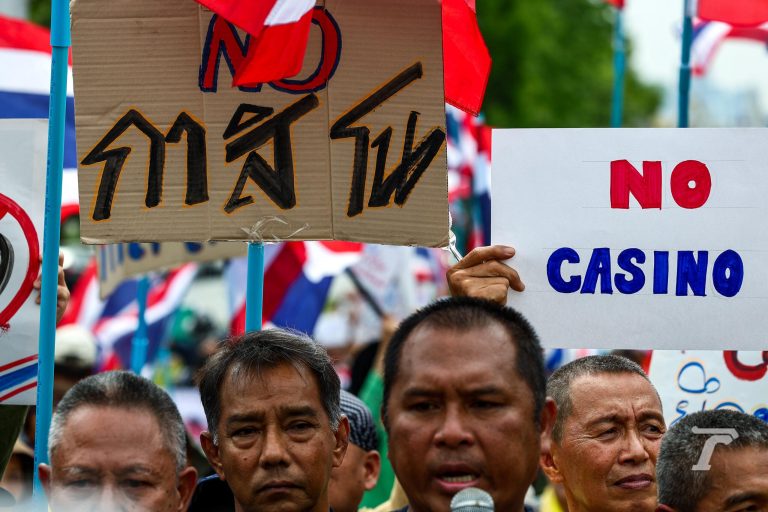
The ousting of Thailand’s Prime Minister has exposed the fragility of the political alliances which have accompanied the nation’s move towards casino legislation. Expert and author Daniel Cheng points out what has led to the current unraveling and what could possibly happen next.
Daniel Cheng, author ‘How I Built an Integrated Resort’
Riddle me this: How many prime ministers does it take to flip the casino switch in Thailand? That is the $64,000 question, really the $6.4 billion riddle because that’s the ballpark money at stake which the gaming industry will genuflect to whoever has the answer. There was a palpable sense that to offer a precise number would descend into a cheap betrayal, veering into the realm of the kind of tired punditry of a Magic 8-ball. The stark truth being, of course, that the figure was now comfortably five or more.
Pheu Thai’s grip on the casino baton has given way to a kind of glorious, maddening schizophrenia. It’s been a ride of exhilarating highs and gut-wrenching lows, careening wildly between mania and despair.
For the Shinawatras, the need for speed has been a siren song, a potent aphrodisiac to which the investment class in the bleachers has responded with fist-pumping glee. All of this urgency, however, is a race against a clock that is fast approaching 2027. That crossroad, the end of the government’s term, looms large, and the ruling party and their allies were desperate to have their bird in hand before the final grains of sand run out.
The return of Thaksin
The neutrals on the sidelines, myself included, are lone devil’s advocates, and my bylines had served as little more than unheeded omens. I’ll admit, in the beginning, even I had my pom-poms out.
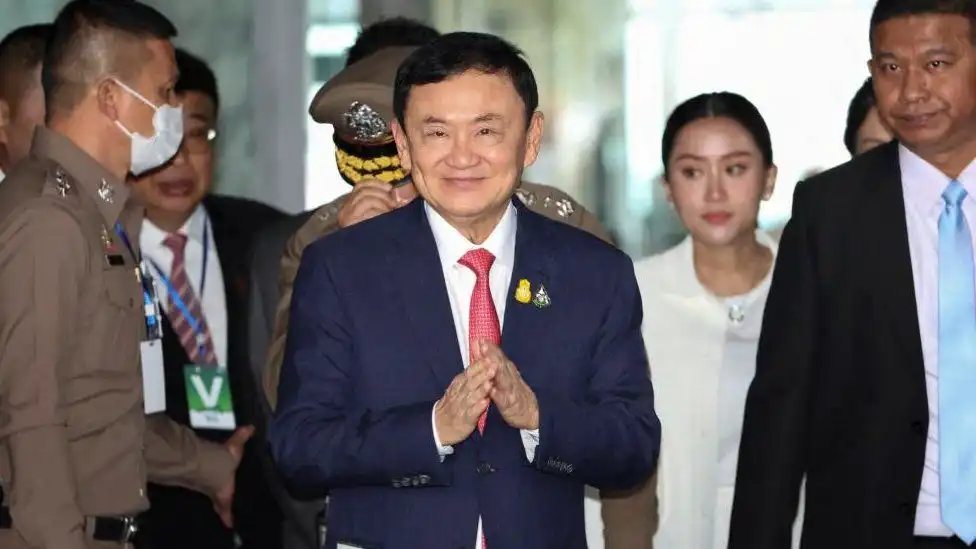
Thaksin Shinawatra
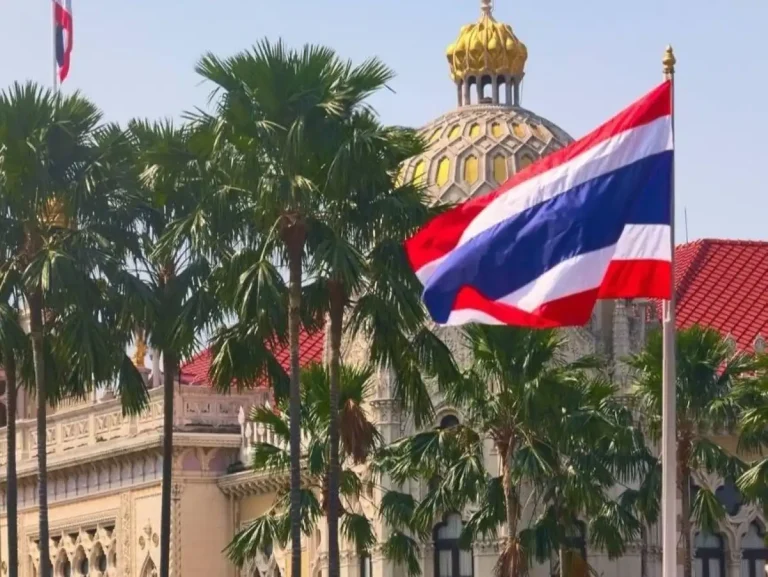
The greatest showman had returned to home soil to a hastily-assembled guard of honor of American operators, an odd parade of corporate ambassadors, raucously waving the red, white and blue flag, not of the land of the free, but of Thailand. This homecoming was, at its heart, a corporate-political pantomime offering an unblushing promise of unfettered capitalism that had shifted the entertainment complex legislation into breathless overdrive.
Thaksin, it must be said, had conducted the entire grand symphony with a maestro’s touch, save for one sour note that is proving to be his undoing. He captured the rapt attention of the industry’s global leviathans to sit at his feet with tongues hanging out in rabid anticipation.
Two months ago, the legislation had been brought to the very cusp of the House floor, poised for a historic rubber-stamping. But his hubris- fueled ambition and a desire to sculpt the law into his own personal Aphrodite led him to a fatal excision. In creating his masterpiece, he had amputated the multi-partisan support that the original bill was grounded upon, leaving it tragically flawed with missing limbs because a work of art it was not.
Pheu-Thai
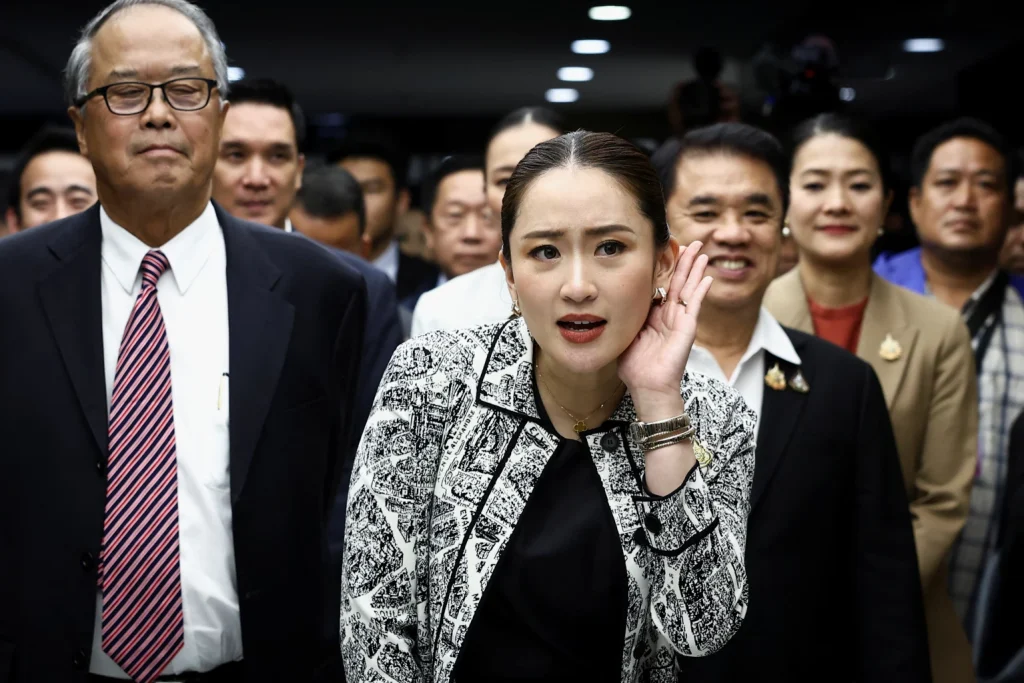
The Pheu Thai-only approach was its unraveling, not just on the bill but on the very body of Thai politics itself. It had sowed the seeds of a political and civic discontent which his dynastic ingenue would struggle to handle, all while he pulled the strings ever more in plain sight, and that only further undermined her and the party. The deep chasm of the Shinawatra-Chidchob family feud hung the government on a highly fragile coalition that always seemed one tiff away from a bitter divorce.
Ung Ing’s Cambodian faux pas was the ill- timed final blow. In a brutal dose of irony, that one stumble elevated the stature of the military that her father so perfidiously betrayed and led to her dismissal as prime minister. It was beginning to feel like a doomed and perpetual quest to create a new gaming jurisdiction in Asia.
At least Japan, after twenty years of trying, had already gotten a toe through the door. Somewhere in their spanking new offices in Bangkok, freshly-hired casino executives are drumming anxious fingers on their desks overlooking the Chao Phraya, a rhythmic dread of when their final paychecks would be.
What is to come?
This coming week will see a mad circus of horse-trading between political parties to garner support for the prime ministerial keys. Trending memes on Thai social media, likening the candidate choices to either cancer or diabetes, capture the weary sentiment of the populace.
Chaikasem Nitsiri, Pheu Thai Party, Courtesy: BK Post
Pheu Thai is maintaining a brave face that belies a deeper dread, insisting it will remain in power despite a now-slimmer majority after the departure of Bhumjaithai to the opposition benches. Their nomination of another Thaksin proxy in the ageing Chaikasem Nitsiri hardly inspires confidence. But if he does get elected, Pheu Thai may still push the casino law through by brute force, à la Japan, a move seen to only serve to hasten this government’s demise. This might be the very reason other political parties could allow it to happen and let Pheu Thai self-implode.
It seems to be the only remaining permutation left for Thai entertainment complex prospects, a hollow victory that would see the bill dead on arrival, but passed nonetheless. A military prime minister is now unthinkable, given the universal distaste for such a move among the political class. The other viable PM candidate, Anutin Charnvirakul, or even a fresh election that might usher in the People’s Party all spell a quick death for casino hopes.
Does casino legislation stand a chance?
Should Chaikasem get his fleeting spell as prime minister long enough to legalize casinos, it permits a minuscule hope that the next political leadership might contemplate picking up the pieces and shape them back into a multi-partisan framework and revive it. The solution is as simple as it is complicated, and I’ve dropped breadcrumbs into my past narratives more than once. In one word—Referendum.
There is, however, the small matter of September 9th before all that. On that fateful Tuesday afternoon, the criminal court will rule on whether Thaksin’s six-month hospital stay counted as a legitimate part of his jail term. An adverse ruling would probably all but scupper Pheu Thai’s chances of putting forward a prime minister to succeed Paetongtarn, and with it, the prospect of entertainment complexes.
It all hinges on whether the government moves for the House to vote on the next prime minister before or after this critical date, which will provide a telling clue to the old master’s confidence in his remaining hand.
Hong Kong-listed LET Group has announced surprising results for the first half of the year, stating that total revenue was up by 65 percent, to HK$312.85 million ($40.13 million).
The group also announced that its profit rose to HK$99.54 million ($12.77 million), from HK$58.88 million ($7.55 million) in 1H24.
This comes after the group, on August 11th, issued a profit warning noting that it was expecting to record a loss of HK$42.8 million ($5.5 million), down from a 1H24 loss of HK$75.3 million ($9.66 million).
The new data include a HK$133.79 million ($17.16 million) profit from ‘holder of perpetual securities’, while still noting that shareholders of the company saw a loss of HK$34.25 million ($4.39 million) during the period.
The figures were significantly bolstered by a HK$246.9 million ($31.67 million) gross gaming revenue contribution from its 77.5 percent subsidiary’s interest in the Tigre de Cristal integrated resort in Russia. Overall revenue from Tigre de Cristal was up by 12 percent yearly, to HK$212.75 million ($27.29 million), with gaming operations revenue from the property rising by 13 percent yearly.
While the group has been trying to divest of its interest in Tigre de Cristal, it has fully set its sights on its upcoming operation in the Philippines: Westside City.
The group holds an indirect 51 percent stake in the Westside City project, alongside Alliance Global (AGI).
While questions have arisen over LET Group’s ongoing stake in the project, it notes that, as of June 30th, its subsidiary Suntrust ‘would be the sole and exclusive operator and manager to operate and manage the Main Hotel Casino upon commencement of operation of the Main Hotel Casino in the third quarter of 2026’.
No revenue was derived from the project in 1H25.
Despite some concerns raised by auditors, the LET Group assures that – based on its moves to mitigate liquidity risks – ‘the Directors are of the opinion that the Group will have sufficient working capital to maintain its operations and to meet its financial obligations and to raise adequate funds to finance development of the Main Hotel Casino project in the next 12 months from 30 June 2025’.
South Korean integrated resort operator Shin Hwa World saw a lower-than-expected loss for the first half of the year, rising just 5.55 percent compared to 1H24.
According to a recent filing, the company saw its loss rise to HK$244.39 million ($31.35 million) in 1H25. However, this is significantly below the 12 percent loss increase it announced it was expecting earlier in August.
The group attributes the loss to ‘the overall economic headwinds’, resulting in the cancellation of numerous flights which disrupted travel to Jeju – where its main operation (Jeju Shinhwa) is based. The group also noted that there was a decline in revenue from both its integrated resort and gaming business segments, ‘due to the pressure on room prices and dampened customer spending’.
Revenue for 1H25 amounted to HK$410.37 million ($52.65 million), down by 21.8 percent yearly.
Gaming revenue took a particular blow, falling from HK$114.87 million ($14.74 million) in 1H24 to just HK$61.95 million ($7.95 million) in the first six months of this year. This was noted as due to ‘the decrease in rolling and non-rolling volume’, despite the success of the Korea Poker Series 2025.
Meanwhile, the group’s integrated resort development segment generated revenue of HK$300.01 million ($38.49 million), down by 11.58 percent yearly. The group attributed this to less tourist numbers in Jeju, pressure on room prices, and the depreciation of the Korean Won.
Both the integrated resort development and gaming segments delivered overall losses, amounting to approximately HK$129.98 million ($16.67 million) and HK$59.64 million ($7.65 million), respectively.
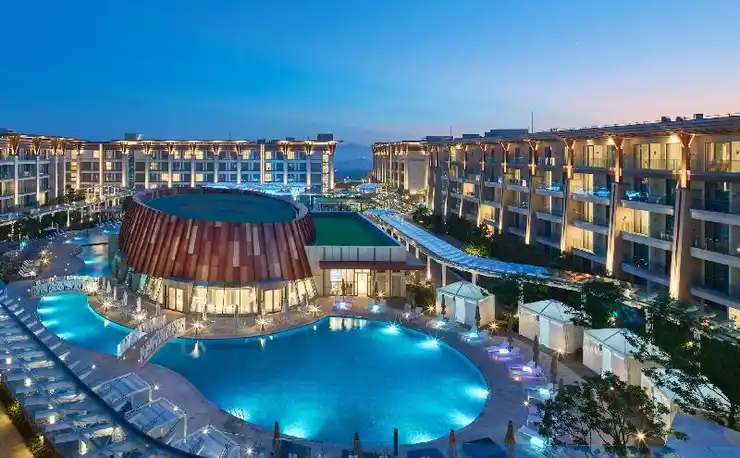
Looking ahead, the group aims to ‘transform Jeju Shinhwa World into a multi-purpose, all day destination that extends far beyond hospitality and gaming’.
Events are set to include ‘large-scale poker tournaments, golf clinics, live concerts, seasonal festivals, and themed cultural events’ to encourage repeat visitation, also helping boost synergy with non-gaming spend.