

Certain Asian gaming manufacturers have been quietly preparing and setting their sights on markets outside of the continent, expanding from online to land-based operations amongst short-term and long-term potential.

While the concept of taking tried-and-true games from the social gaming or online casino environment and shifting them into a physical cabinet on a casino floor is not new, it gained fresh blood for savvy manufacturers based in Asia due to the pandemic.
Chris Wieners, gaming industry veteran and Managing Partner of marketing firm HOGO, notes that its client Velvix identified a perfect opportunity when it saw that Asian casinos would take longer to reopen than their counterparts in other markets due to COVID restrictions.
Taking a risk, getting it right
Velvix, a Taiwanese company initially focused on social and mobile games, “had all of this content and IP (intellectual property). They had game studios, mathematicians, developers […] and they basically wanted to port that because they know that they had built successful games”.
First focusing on a slot machine manufacturing business that would target Asia – looking mostly at the Philippines, Singapore, Macau etc – the group’s CEO (after COVID altered the in-person gaming experience) noticed that the United States in particular was a market to bounce back more quickly.
After significant research (essential to any manufacturer aiming to enter a new market), finding the correct people and the right locations, “everything was perfect”, but it wasn’t an immediate success story.
But relatively new manufacturers do have a strength, as operators can often be willing to take risks – speaking to markets such as the United States and Mexico – as they don’t want to depend too largely on a couple manufacturers having the “upper hand” by being able to dominate their casino floors.
Plus, the risk to the casino of a small number of underperforming games is minimal, while the upside for grabbing onto a title in its early days could mean significant earnings for the future.
How to transition into land-based
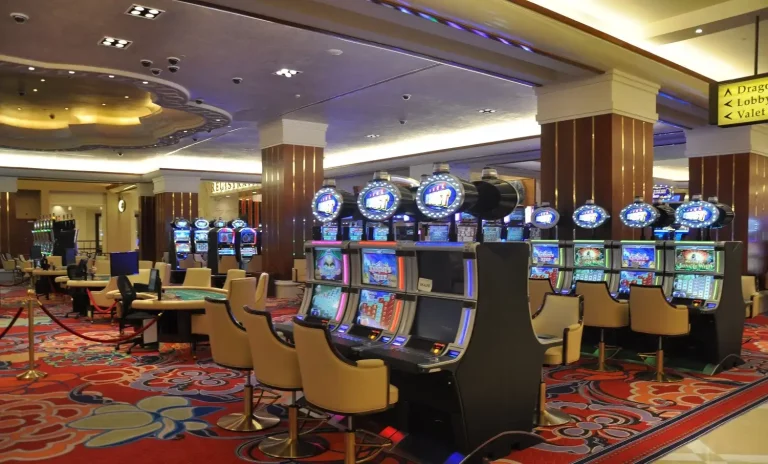
Many large-scale EGM manufacturers have chosen to buy up digital businesses to complement their land-based offerings, but what does it take to truly shift something from an online social gaming type platform into a Las Vegas style slot machine?
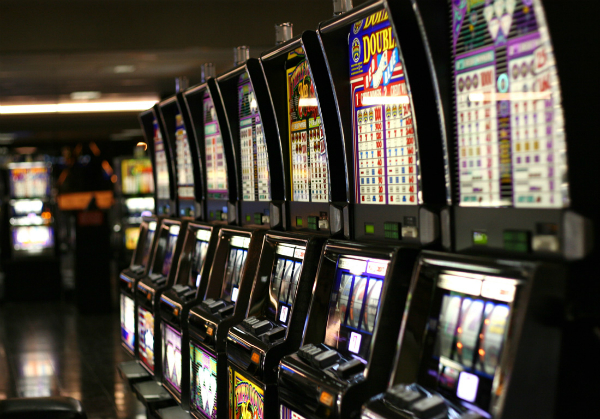
It starts with thinking about how best to translate those features into the right type of slot machine, as various modalities (and therefore licensing needs) exist.
For the Vegas-style slot, first companies need to get a Random Number Generator (RNG) and get the engineers and mathematicians that “understand how to build (the physical product) by taking what was already there”.
Then you need a cabinet. “Even if you’re using a template, you’re going to Frankenstein your own cabinet together […] as most manufacturers will own the IP to their cabinet”.
Wieners notes that “you’re not going to have two cabinets look the same, but you’ll have some basic building blocks that will be similar”.
Next? “Then you’re going to build out the look and feel. Build up the speakers and the lighting and the virtual button deck or the physical button deck and you’re going to make it your own”.
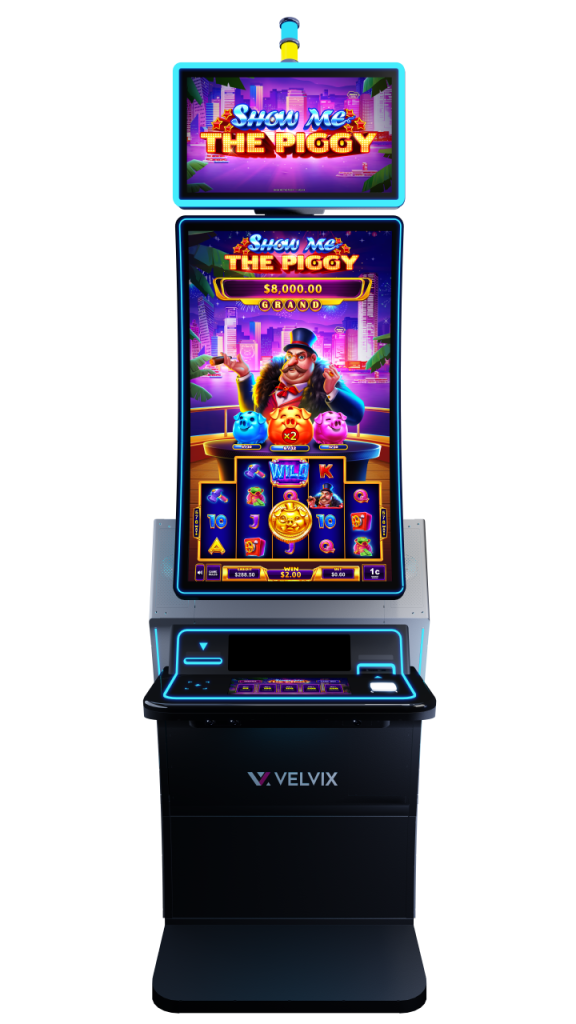
But what’s the most important part?
“The screen,” notes the gaming veteran.
However, even with all of the elements perfectly crafted, it depends on the venue they’re being placed in. Gaming operators regularly shift around EGMs on the floor to see what gets the most traction, and sometimes nostalgia or notions of luck regarding the certain look and feel of a machine can outweigh improved user amenities – such as charging ports.
“You’ve got to understand the player mentality and what they’re looking for. So, the hardware is just as important as the game software. You could have the best game software in the world but if the hardware doesn’t attract people, the game doesn’t get a fighting chance.”
Scale and opportunity in the US market
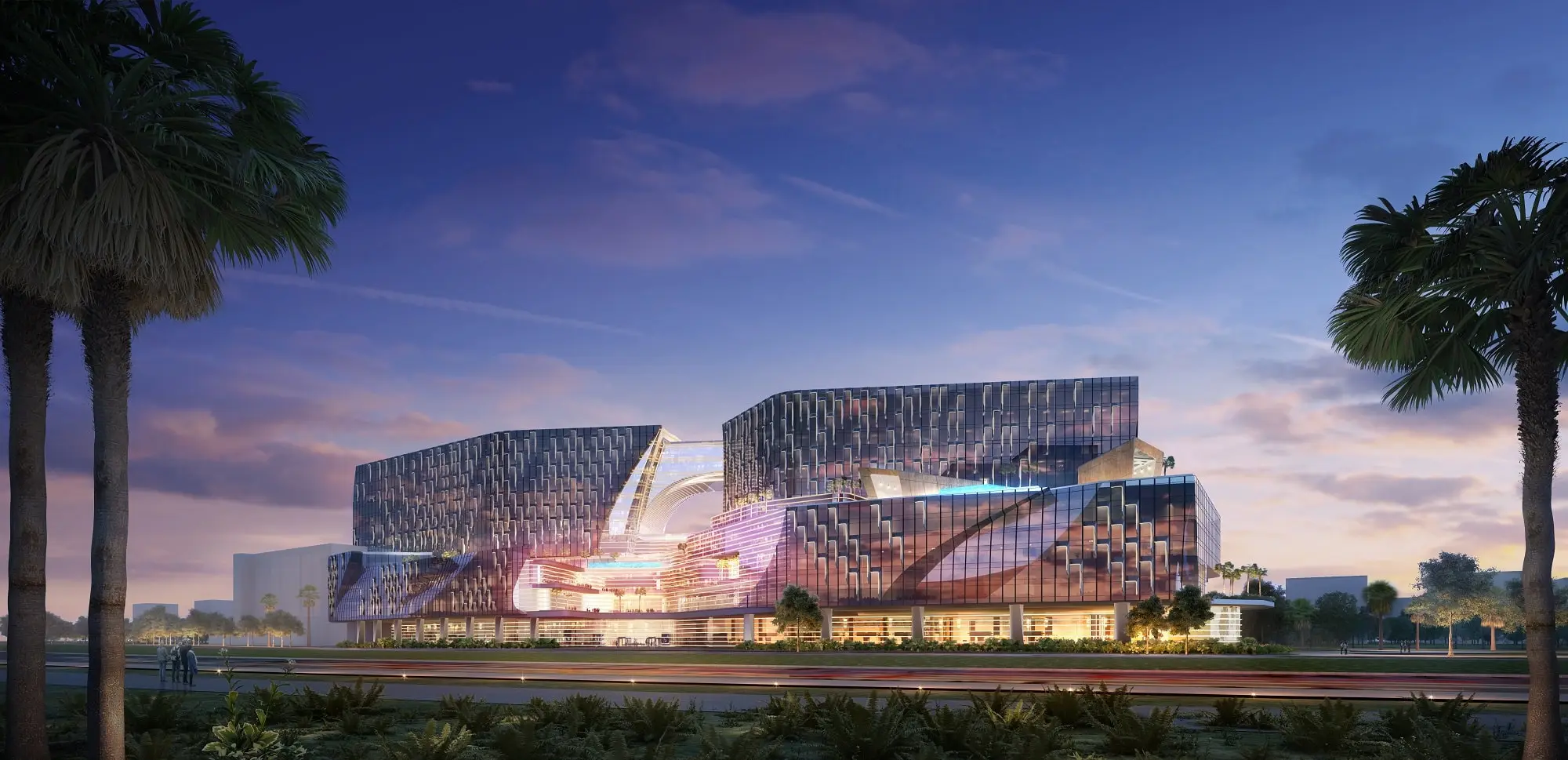
While Las Vegas has long been the epicenter of gambling in the United States, with massive multi-billion-dollar properties, that doesn’t mean that there isn’t money to be made in placing EGMs in smaller venues outside of the main cities. But the definition of ‘smaller’ is already evolving.
“There are casinos just outside San Francisco that I visited. Regarding the construction, the development there, these operators are building massive gaming floors. They’re building hotels, nightclubs, arenas”. And through this they’re also garnering the attention of those that would normally seek out Las Vegas – through concerts and other entertainment offerings, F&B, hundreds of hotel rooms and thousands of slot machines.
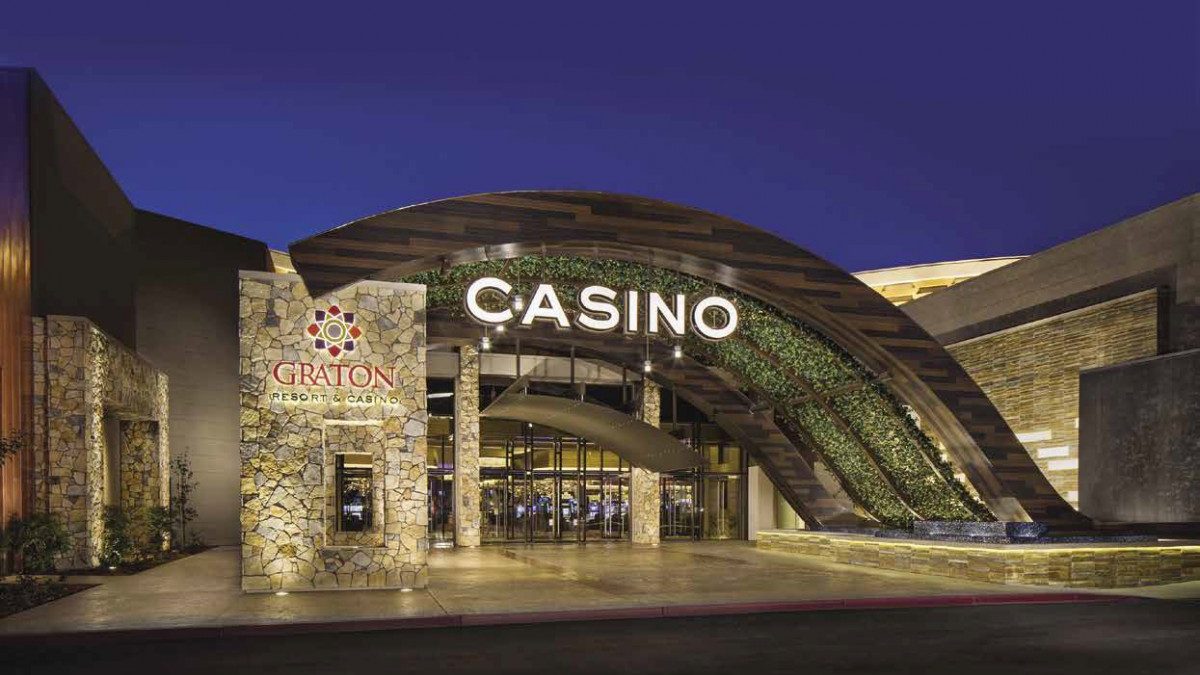
The investment isn’t small but also, these operators don’t need to depend entirely on convention visitors or a purely inbound market, as they can draw from a significant Asian consumer base right nearby.
Looking at casinos around San Francisco, “Asian play is massive […] There is a very large amount of Chinese play. If you go to Palm Springs or out to the desert outside of Los Angeles, there’s a massive Vietnamese community that plays”.
“Asia based marketing domestically within the United States is a huge opportunity. There are a lot of people that are relying on Asian players”.
But even though marketing teams are working hard to garner these clients, some elements – such as communicating opportunities in their native language – can be lacking and are being improved.
This can be even more reason to have Asian-focused gaming manufacturers crafting their successful products for the US market, providing all the elements that make a punter feel at ‘home’, and ready to try their luck.