
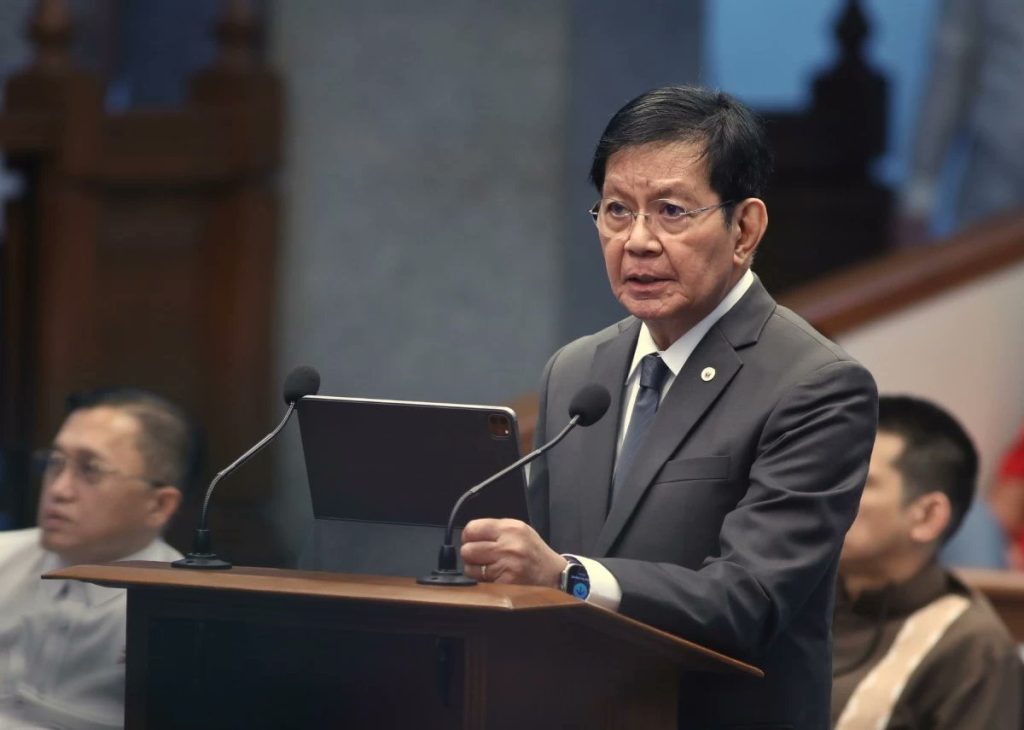
Former Department of Public Works and Highways (DPWH) engineers from Bulacan Province in the Philippines allegedly laundered billions of pesos through 13 casinos across Metro Manila, Cebu, and Pampanga between 2023 and 2025, according to local media reports citing Senate President Pro Tempore Panfilo Lacson.
The officials, dubbed the “Bulacan Group of Contractors, “lost nearly PHP950 million ($17.4 million) in casino transactions while their total cash-to-chips and chips-to-cash conversions exceeded PHP1 billion ($18.3 million), Lacson revealed in a speech on Tuesday.
Lacson did not reveal the names of the casinos, but he disclosed that the loss amount was calculated based on documents obtained from the Philippine Amusement and Gaming Corporation (PAGCOR), the country’s gaming regulator.
The scandal involves five key figures who used aliases during their casino activities. Lacson suggested the alleged scheme involved exchanging cash for chips, playing minimally, then cashing out to declare the money as gambling winnings. “This is not mere luck. It bears the hallmarks of a money laundering scheme,” he stated, citing validated documents from PAGCOR.

The senator has submitted the officials’ names and aliases to the Anti-Money Laundering Council, seeking to freeze their assets. The case stems from investigations into anomalous flood control projects in Bulacan, where residents remain submerged in floodwaters despite billions allocated for infrastructure improvements.
The revelations include evidence of rigged bidding processes, manipulated progress reports, and falsified public documents. One project worth PHP92.58 million ($1.7 million) in Bulacan reportedly claimed 46 percent completion just 2 days after receiving a notice to proceed, with contractors billing nearly half the project cost despite minimal actual progress.
Officials involved in the case continued visiting casinos even after government investigations began, with one last seen at a casino on September 1st, 2025, while the Senate Blue Ribbon panel was conducting its probe.
The Anti-Money Laundering Act covers casinos as monitored institutions, making these transactions subject to government scrutiny and potential prosecution for money laundering and graft offenses.