



“Esports is moving closer to gambling, but it’s doing so with a seatbelt on”. Even as traditional sports see increased oversight on wagering and betting company sponsorship, Esports provides a new and focused alternative, with a massive appeal to younger audiences.
Speaking to AGB, VP of Marketing for Shikenso Benedikt Becker highlights how massive labels in the space are adapting their policies away from “no gambling sponsors” to “allowing regulated betting companies to sponsor their top-tier teams in Americas and Europe”.

However, this is not a free-for-all, as companies like Riot Games – behind two of the world’s largest Esports franchises – League of Legends and VALORANT – are “doing it with heavy guardrails: vetting every betting partner, requiring official data usage, and keeping their own broadcasts betting-free”.
According to Statista, the Esports revenue this year is set to hit $4.8 billion, with an annual growth rate of 5.56 percent, pushing market value to $5.9 billion by 2029. Most of the revenue is expected to be generated in the United States, but other avenues are opening, as no single Esports ‘mecca’ has yet been defined.
That being said, the Middle East and North Africa (MENA) has emerged – with a particular focus in the UAE and Saudi Arabia – as a growing hub, with a massive amount of investment in the space and hosting of events such as the Esports World Cup and the Esports Awards.
Becker points out how different regions have their own attraction points. South Korea, for example, saw a massive boost with renowned studio Blizzard’s StarCraft, pushing the country to “take Esports as seriously as regular sports”. Looking to China, there is “massive viewership numbers and government support,” with Becker noting that “the scale there is huge.

Turning further abroad, the Shikenso VP highlights that cities such as Paris, London and Cologne are hosting major international events, drawing players, viewers and revenue.
But the United States will continue to be the lifeblood of the sector, as “North America runs the business side – streaming, content creation, and getting deals done”. Analysts predict market volume of $1.2 billion in 2025 alone from the US, which is only expected to grow as sponsorship deals increase, venues are built, and advertisers begin to see ROI.
Gambling-related operators moving into Esports
“Esports has been going through what many call the “Esports winter” – viewership stagnating, sponsors pulling out, and unsustainable growth models collapsing. This hit betting operators too, as cracking the Esports code seemed impossible. We witnessed companies folding on both sides,” notes Becker.
But the seasons can change.
“But what we’re seeing now is more of a reconciliation. The operators that stayed in the game have doubled down – securing exclusivity deals, understanding the market better, and building sustainable strategies rather than chasing quick wins.”
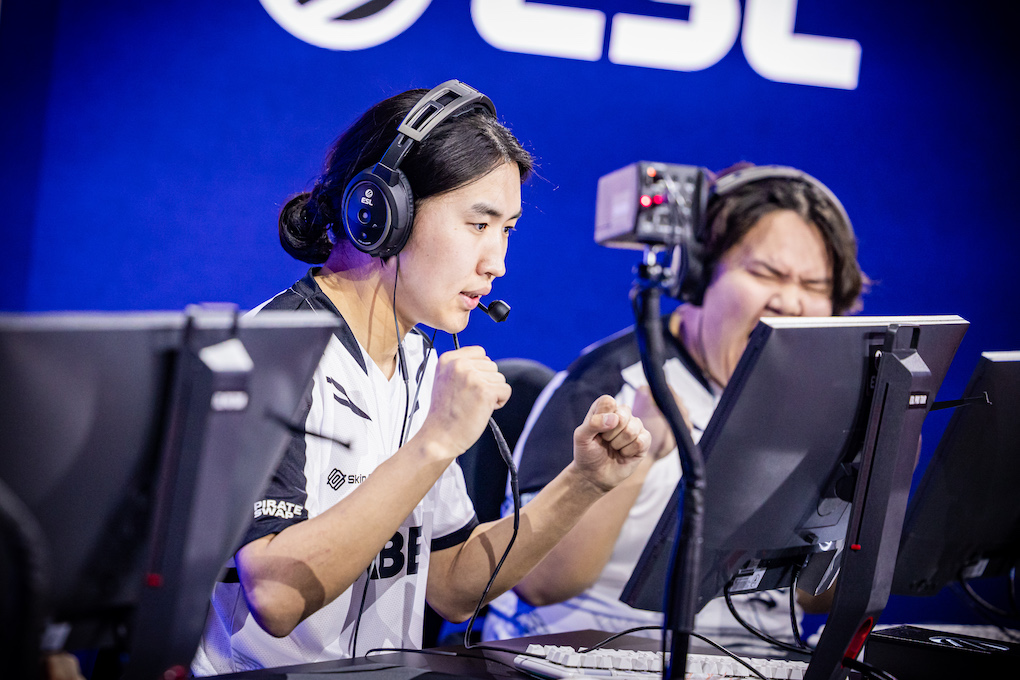
This is fueled by strong infrastructure and regulatory oversight, with groups such as the Esports Integrity Commission (ESIC) “bridging integrity gaps with proper legal backing”.
Also, the expansion of events – including the Esports World Cup which was launched last year and the Esports Nations Cup coming next year – are driving viewership and showcasing that global brands can get in touch with a massive growing audience.
“The fundamentals are there. Digital natives are growing up, global connectivity is improving, and the technology keeps getting better. Traditional sports took decades to build their infrastructure – Esports is doing it in years,” notes Becker.
“While pinnacle events are crucial for mainstream spotlight, the real growth happens through smaller, strategic steps – better grassroots development, sustainable business models, and building genuine fan loyalty rather than chasing viewership numbers.”

Opportunities and ROI
Shikenso had the privilege to be the Official Sponsorship Analytics Provider for the Esports World Cup 2025, offering the “biggest analytics operation at this scale in Esports history”.
Looking at a breakdown of what the company had to do, Becker notes that “the complexity was unprecedented – managing data from dozens of different broadcasts, social platforms, regional streams, even brand lift studies and offline activations all at once”.
And this highlighted a new possibility.
“What really stood out was how this format creates huge opportunities for the wider industry. We saw new sponsors and partners getting involved who might never have considered Esports before. When you have that level of celebrity involvement and mainstream media coverage, it opens doors that traditional tournaments can’t”.
And Shikenso is aiming to provide true, complex data that matches the needs of operators who want to get into the sector, offering “near-time analysis” that focuses on brand exposure across broadcasts, streams, and social media, “not just counting logos, but measuring genuine engagement and media value,” notes Becker.
“Brands get clarity instead of assumptions, and that translates into better sponsorship investments and measurable business impact,” notes the VP.
Esports versus online gaming
While the Esports market continues to grow, it doesn’t necessarily mean that online gaming will be left in the dust, but operators need to constantly evolve to make sure that they can capture clientele amongst a smorgasbord of entertainment options.
“There’s absolutely a necessity to continue developing online gambling products – innovation is crucial for staying relevant,” notes Becker.
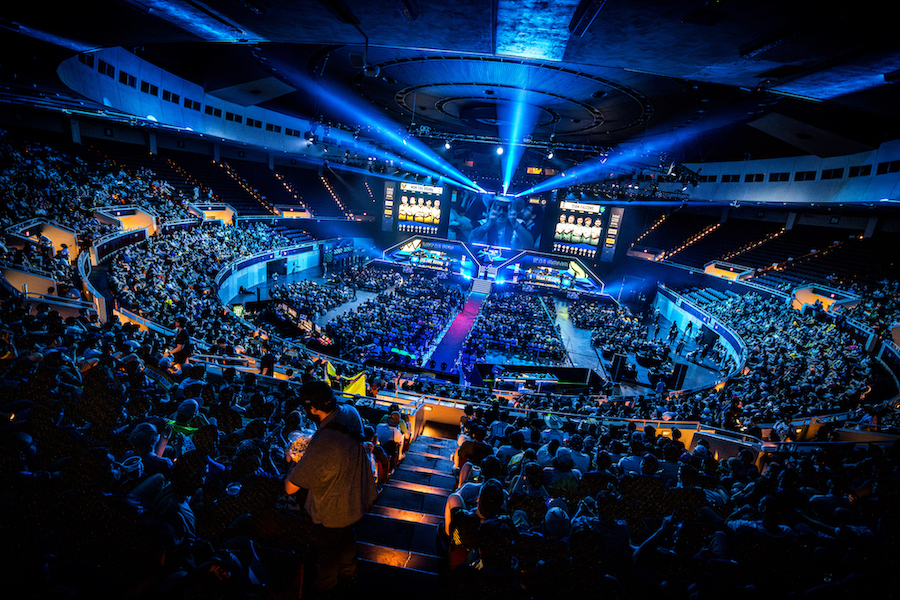
“Look at Esports games themselves – industry voices are calling for new Esports titles because the biggest ones like League of Legends and Counter-Strike are legacy games. Even when the core doesn’t change dramatically, they evolve: new heroes, map updates, CS:GO to CS2.
“Online gambling products need the same approach. You can’t rely on traditional sportsbook formats when targeting digitally native Esports audiences who expect constant innovation.”
The VP furthers that “The Esports audience craves new experiences – they’re used to games that evolve seasonally and introduce new mechanics. Gambling operators need to match that energy with new bet types around in-game events, fantasy-style competitions, or completely different engagement models”.
That being said, don’t abandon the old titles, but instead work to diversify beyond them.
“The key is understanding that Esports audiences aren’t just traditional sports bettors who happen to like gaming – they’re fundamentally different with different expectations around innovation and digital experiences. Products that don’t evolve will get left behind”.