Executives from the gaming, sports and entertainment sectors said sponsorship support, talent development, logistics coordination and cross-border collaboration remain among the biggest challenges to expanding non-gaming and entertainment activities in Macau and Hong Kong, during a panel discussion held at the Asian IR Expo in Macau on Thursday.
The session focused on the integration of sports, culture and tourism as part of broader efforts to diversify regional tourism economies beyond gaming.
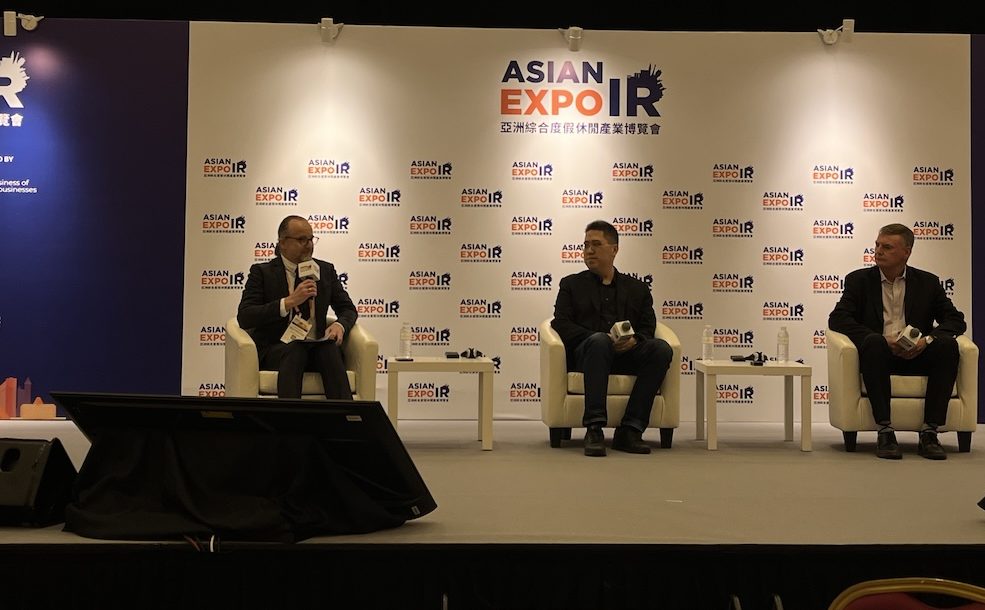
Speaking during the discussion, Jeffrey Jiang, executive vice president of entertainment services at Galaxy Entertainment Group, said sports events have evolved into broader tourism and lifestyle platforms capable of generating spending across integrated resorts and surrounding businesses.
“Nowadays, sports is beyond an event only. It’s an integration of fan experience, a leverage to the local business,” Jiang said.
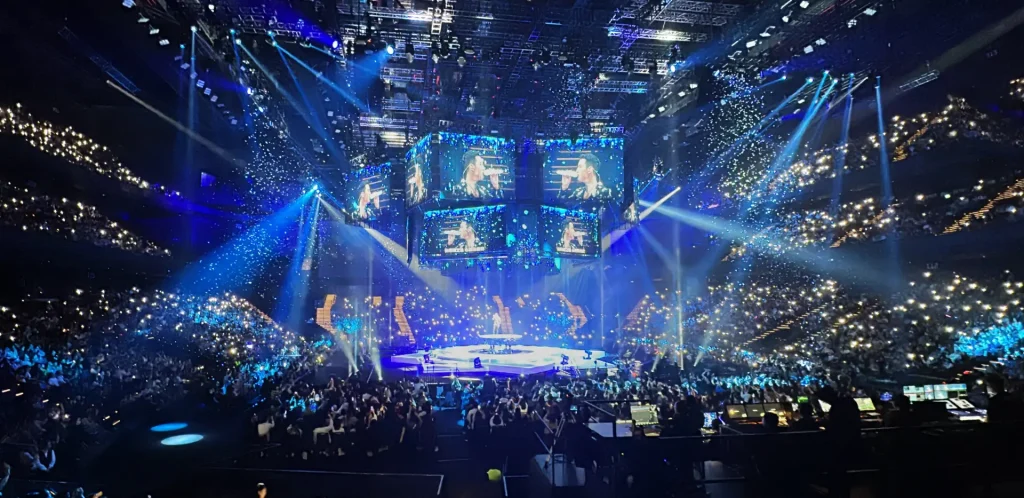
He noted that restaurants, sports bars, retail outlets and tourism attractions all benefit when major sporting events and concerts are hosted at integrated resorts.
“The fans get together here, they enjoy the experience, they share on social media, which also brings extensive exposure for Macau, the city itself,” he added.
Sponsorship and funding remain major hurdles
Panelists said large-scale events in Hong Kong and Macau still depend heavily on sponsorships and government support, particularly given the limited size of local broadcasting markets.
Robbie McRobbie, general manager of sports and content development at Kai Tak Sports Park, said many events struggle to generate meaningful domestic broadcast revenue.
“For a lot of events in Hong Kong, you’re not going to derive much income from [broadcasting],” McRobbie said. “Without that support, putting on events [is] very, very difficult.”
McRobbie added that sponsorship and government funding were particularly important for emerging sports and entertainment events that lack established international media rights revenue.
The panel also discussed how organizers are increasingly adopting a “festivalization” model that extends events beyond the main competition itself through fan villages, retail experiences, food and beverage offerings, community activities and supporting entertainment programs.
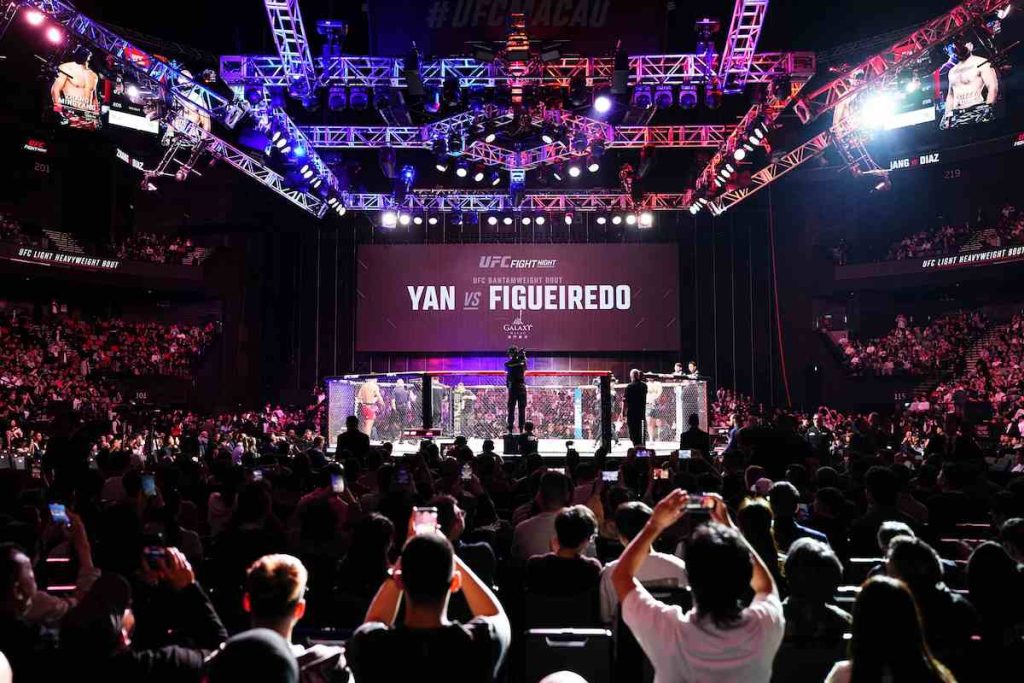
Jiang said Galaxy had signed a three-year agreement with UFC to establish an annual “UFC Macau Week,” combining fight events with open workouts, community engagement activities and fan experiences throughout the week.
“We start to build up the IP to make it sustainable for the global audiences and the regional fans to come over,” Jiang said.
Cross-border audiences reshape event planning
Executives said cross-border tourism has become a defining trend for the regional entertainment industry following the COVID-19 pandemic.
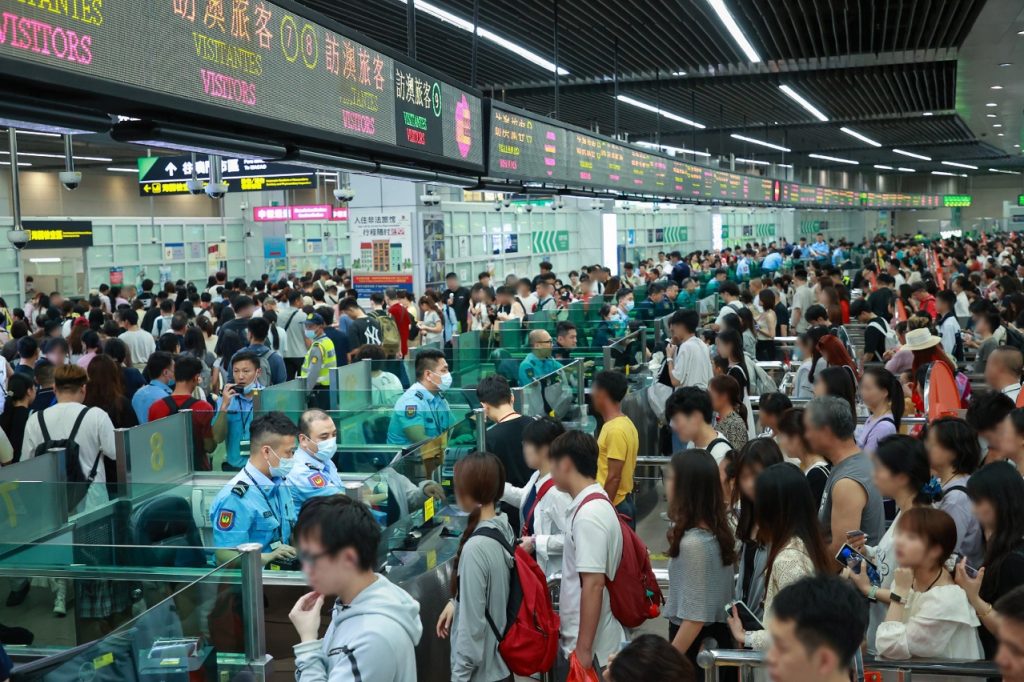
According to Jiang, more than 65 percent of audiences attending live entertainment and sports events now travel across cities to attend events, while over 55 percent of Galaxy’s entertainment customers come from the Greater Bay Area, primarily Guangdong province.
Both speakers said managing transportation, border crossings and visitor flow has become increasingly important as Macau and Hong Kong host multiple large-scale events simultaneously during peak holiday periods.
“We work closely with the local police and local traffic to ensure the in and out and cross-border becomes relatively more smooth,” Jiang said.
Talent shortages and hotel capacity concerns
The panel also highlighted talent shortages and infrastructure constraints as ongoing challenges for the non-gaming sector.
McRobbie said venue development in Hong Kong and Macau had progressed faster than the supporting talent ecosystem.
“The hardware is in a pretty good place. The ecosystem in terms of the software, the talent pool etc. is just lagging behind a bit,” he said.
Jiang, meanwhile, pointed to Macau’s limited supply of mid-range hotel rooms as a challenge for attracting mass-market concertgoers and sports tourists.
“One critical thing in Macau is there are lack of let’s say four-star hotels in this city,” Jiang said, adding that the company was studying future hotel development options targeting non-gaming visitors and event audiences.
The panel concluded that recurring international events, local promoter development and increasing participation-based sports tourism could support longer-term growth in Macau and Hong Kong’s entertainment sectors.