
Macau’s economic outlook for the second quarter of 2026 is expected to remain stable, supported by the continued recovery of the gaming sector and strong tourism activity, according to a monthly assessment released by the Macau Economic Association.
The association said Macau’s economic climate indicators for the first two months of the year remained within the ‘stable’ range and are expected to stay broadly steady into the second quarter, despite ongoing external uncertainties.
The outlook is supported by the sustained rebound in the gaming sector. Gross gaming revenue reached MOP22.63 billion ($2.8 billion) in January and MOP20.63 billion ($2.6 billion) in February, a combined year-on-year increase of 13.9 percent. Average daily gaming revenue during the two months ranked as the second- and third-highest monthly averages recorded since the pandemic.
Market expectations are for March’s gross gaming revenue to reach between MOP21 billion ($2.6 billion) and MOP21.5 billion ($2.7 billion).
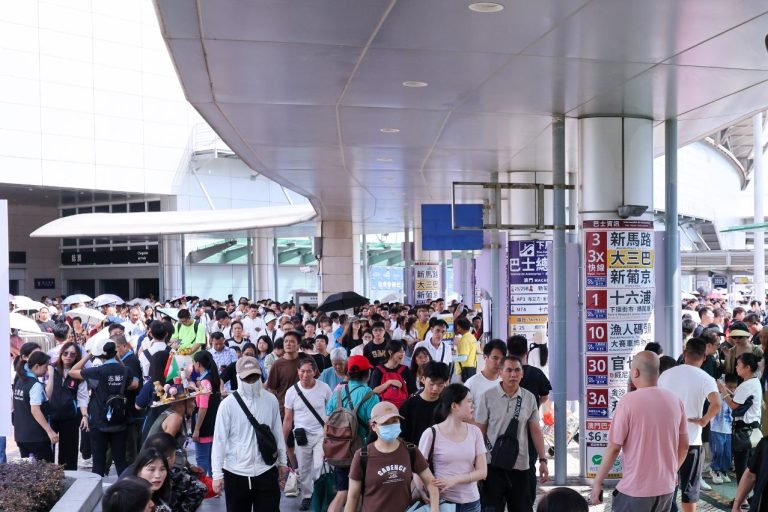
Tourism-related indicators have also remained strong. Visitor arrivals and hotel occupancy rates have entered what the association described as an ‘overheating’ range, while labor market conditions remain stable, with total employment and unemployment at favorable levels.
At the macro level, liquidity conditions remain ample. Macau’s broad money supply (M2) increased 9.3 percent year-on-year to MOP859.15 billion ($106.8 billion), reaching a new record high. The value of imported goods also entered an ‘overheating’ range for the first time in nearly two years, indicating a pickup in economic activity.
However, the association noted that indicators linked to domestic demand and market confidence remain relatively weak. Housing prices and the share prices of Macau’s six gaming operators continue to hover near recent lows, suggesting a slower recovery in asset markets and consumer sentiment.
The report also warned that external factors, including geopolitical tensions in the Middle East and potential increases in energy prices, could raise living costs and weigh on consumption in the months ahead.