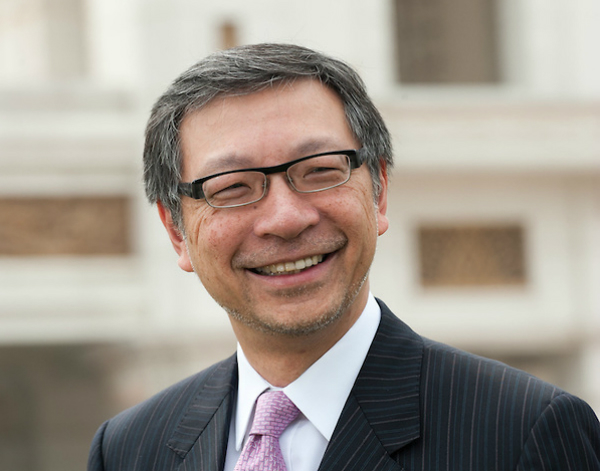
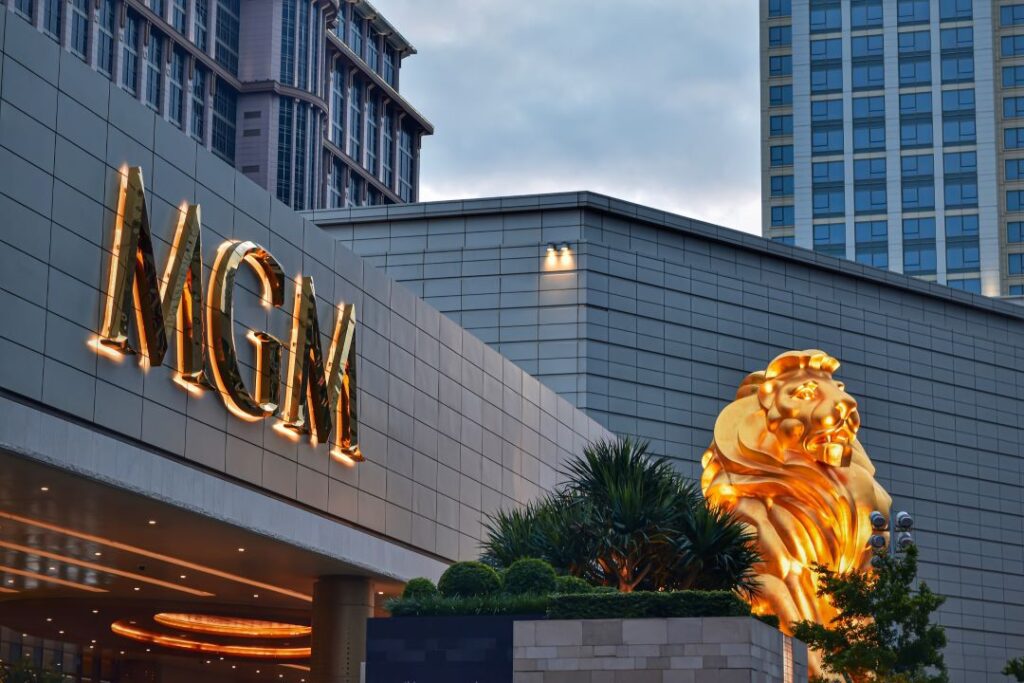
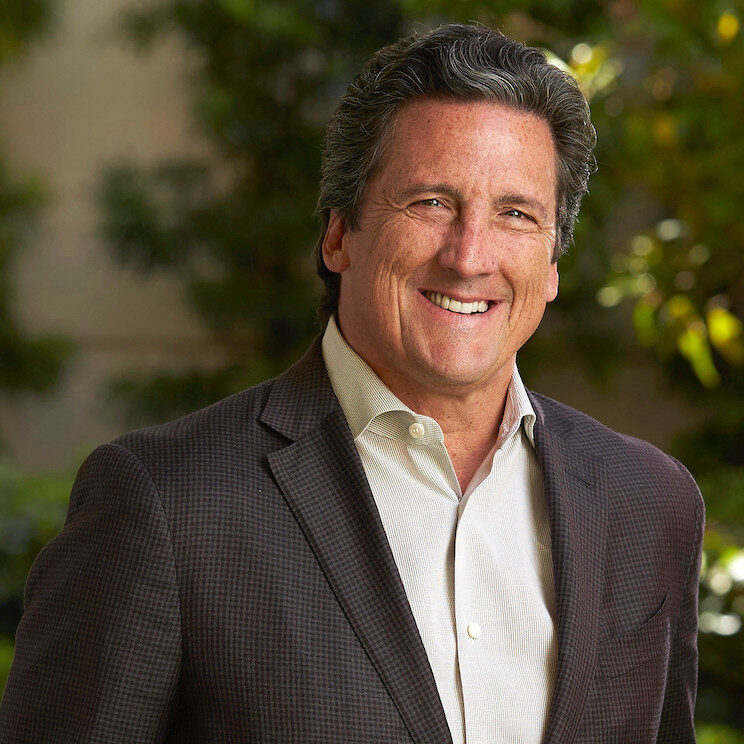
Macau’s swift rebound from the pandemic downturn has been propelled by Chinese authorities’ relaxation of travel restrictions, according to MGM Resorts International CEO and President Bill Hornbuckle.
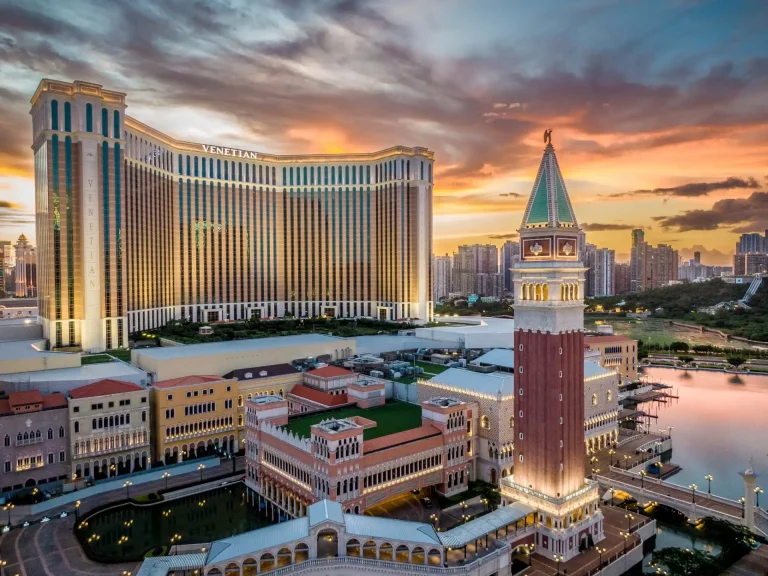
MGM Resorts International is part of Macau gaming concessionaires of MGM China.
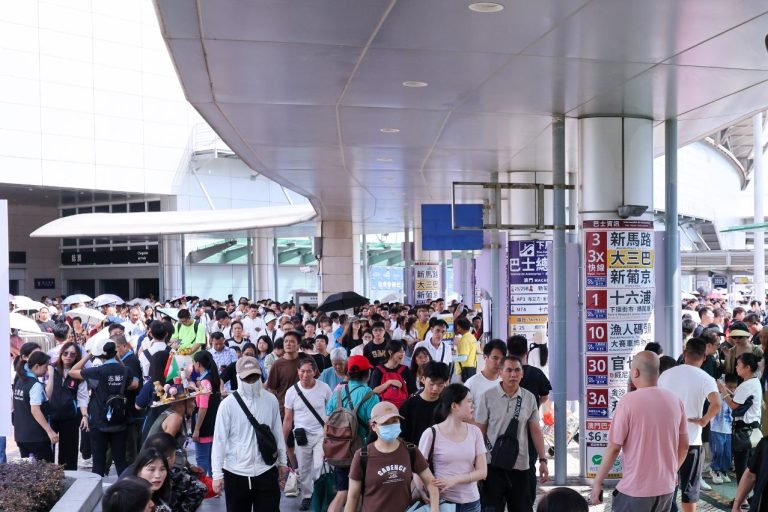
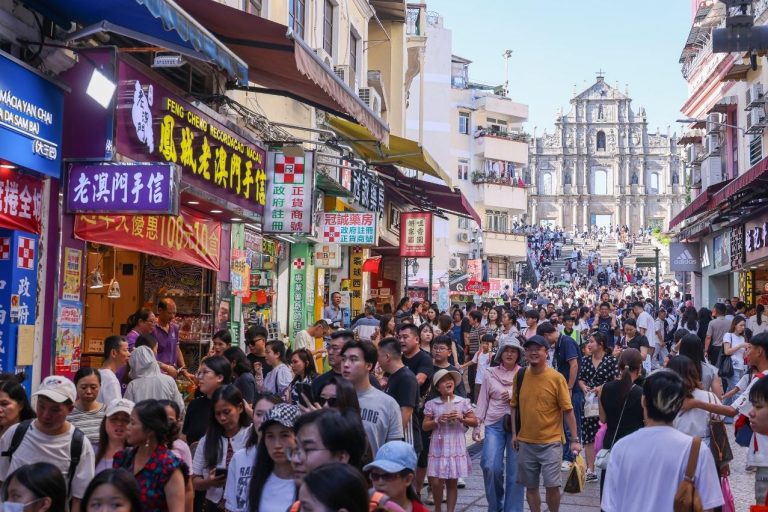
Speaking at the BofA Securities 2025 Gaming and Lodging Conference on September 4th, Hornbuckle said that Macau has recorded significant prosperity and outperformed the broader Chinese hospitality sector this year, with visitor volumes and gaming revenues rising steadily as travel limitations were lifted.
“Macau is an exception,” he noted. “They have allowed people to come. If you go back a year or two years ago, they were telling individuals, ‘I’m sorry, you’ve been four times, you can’t go a fifth time.’ Any and all of that has stopped for now. I think they’re letting the market run.”
The statement aligns with public policy announcements by China’s authorities over the past one or two years, which included expanding the Individual Visit Scheme (IVS) to new areas and removing some visitation limits for neighboring regions. Previously, Chinese authorities had implemented strict monitoring and control measures for mainland Chinese visitors, largely through visa issuance and immigration controls. This recent policy shift reflects a strategic decision to support Macau’s economic recovery.
Hornbuckle highlighted that the city welcomed about 25 million visitors this year, underscoring the relatively small penetration compared to China’s population of 1.4 billion. “If you really start to think about it, it’s 7 or 8 million people coming three times a year,” he said. “So what we need to feed that marketplace is slim compared to the broader population.”
He added that the removal of junket operators has not hindered growth, with MGM seeing strong demand from Southeast Asia and premium players. “VIP customers are still coming and in mass,” Hornbuckle explained, adding that MGM’s established direct relationships with customers had provided a competitive advantage.
Promotional environment remains disciplined
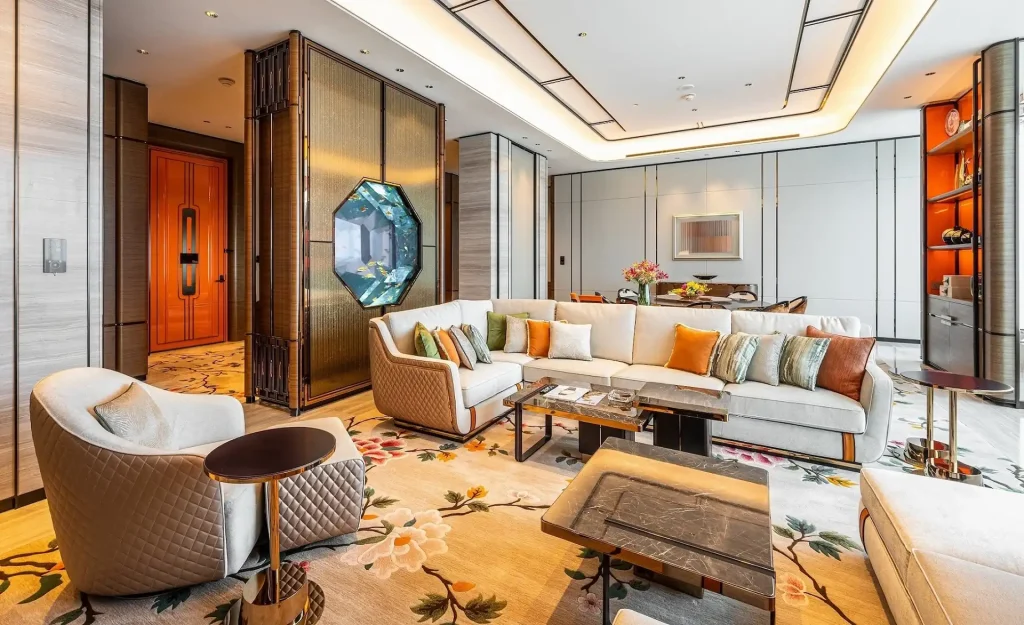
While MGM has been aggressive in revamping its casino floor, adding new tables, and expanding suite offerings, Hornbuckle stressed that the promotional environment in Macau has remained under control amid escalating competition.
“Fortunately, I don’t think we’ve seen—although it’s always aggressive there—we haven’t seen marketing dollars continue to creep out of control,” he said. “I think the programming is in play, and I think the government watches that all now closely anyway. So I think there’s a check and balance there.”
Hornbuckle projected a margin of around 28 percent, pointing to efficiencies in floor design, customer service, and premium offerings. “We’ve been rewarded for making those changes,” he added.
Asked whether market-share competition might push up promotional spending, he responded: “We had this very conversation a year ago, and a year later, we still haven’t gone crazy. I would challenge that concern.”
Osaka IR advances with major investment
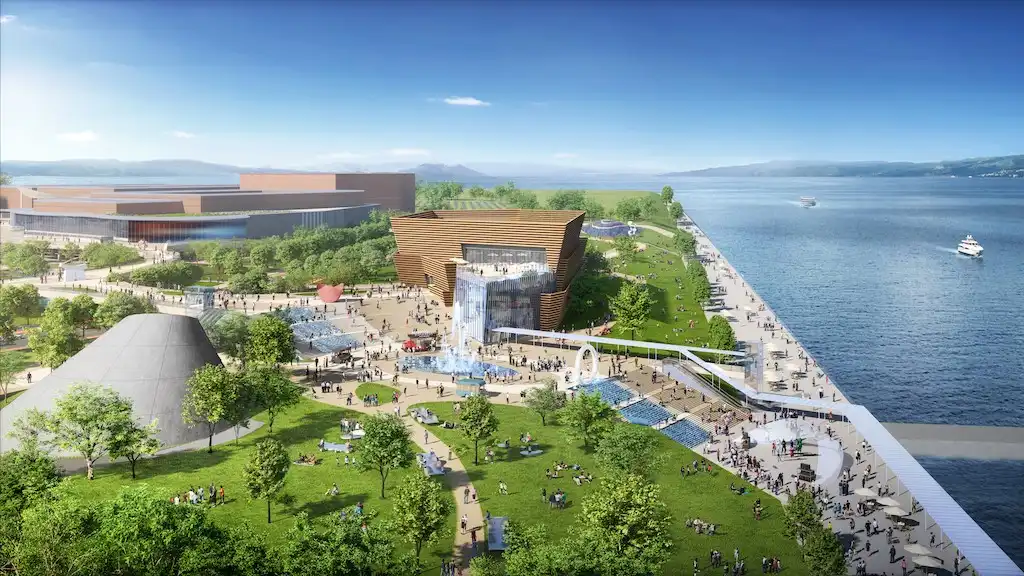
Turning to MGM’s Japan plan, Hornbuckle confirmed progress on the company’s integrated resort in Osaka, which is expected to open in the third or fourth quarter of 2030. Construction is already underway, with significant capital committed.
“We are literally in the ground. We have poured our 52nd pile as of this morning,” Hornbuckle said.
“Five years from now, this will come to life. Between the 2,800 rooms, 750 tables, over 6,000 slot machines, and more than 70 food and beverage outlets, it will become one of the world’s largest casino resorts.”
Sarah Rogers, MGM’s senior vice president of corporate finance, outlined the financial commitments to the Osaka development. “This year will be around $300 million and the future years at around $500 million to $600 million,” she said. “The financing in place is JPY380 billion, with about $2.6 billion in outstanding dollars remaining.”
Hornbuckle called the Osaka integrated resort a “once-in-a-lifetime opportunity” for the company, noting the Kansai region’s robust pachinko market and improved transport infrastructure. “We’ve been at this for 16 years,” he said. “It will be 20 years before we open from the first day I met my first Diet member. But we couldn’t be more excited.”