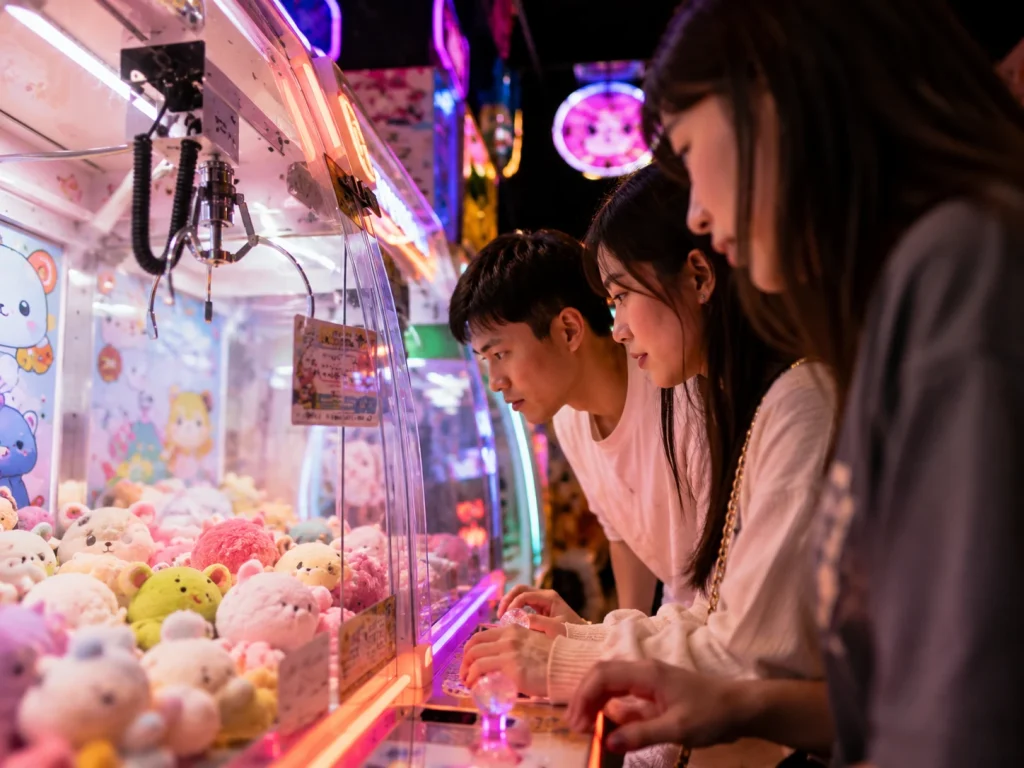
Hong Kong is moving to tighten oversight of claw machine arcades after a rapid expansion of the sector raised concerns around gambling-like behavior, youth participation and unlicensed prize redemption schemes.
The Home and Youth Affairs Bureau on the 5th of May submitted proposals to the Legislative Council that would bring claw machines and other prize-based amusement devices more firmly under the Amusements with Prizes License (AWPL) framework. The proposed measures include device-by-device licensing, mandatory display of licenses at venue entrances, addiction warning signage and a review of licensing fees that have remained unchanged since 2000.
The move follows years of regulatory uncertainty after a 2022 High Court ruling determined that standard claw machines did not fall under the definition of “entertainment” within the Places of Public Entertainment Ordinance. Because operators previously required a Places of Public Entertainment License in order to obtain an AWPL, the ruling effectively removed licensing requirements for many claw machine venues.
The market subsequently expanded rapidly. According to Midland IC&I data cited in local media, the number of claw machine shops across Hong Kong’s four major shopping districts (Central, Tsim Sha Tsui, Mong Kok and Causeway Bay) rose from nine in the first quarter of 2021 to 58 by the third quarter of 2025. Low staffing requirements, remote management systems and short-term leasing flexibility helped drive growth, particularly as landlords sought tenants to fill vacant retail spaces following the pandemic downturn.

While claw machines have traditionally been viewed as low-stakes entertainment, authorities and gambling experts have raised concerns over the increasing value of prizes and the emergence of secondary resale markets. Players have reportedly spent substantial sums pursuing collectible anime merchandise, limited-edition cards and rare character goods that can later be resold at a profit. Local media quoted one regular player as saying he spent around HK$1,000 ($128) per week attempting to win items that could be resold for HK$300 ($38) to HK$400 ($51) each, while certain rare collectibles could command significantly higher prices.
Hong Kong authorities are also scrutinizing “pinball machine” style venues and claw machine operators accused of offering cash-equivalent rewards through gift redemption systems or private buy-back arrangements. Under Hong Kong’s Gambling Ordinance, prize games that effectively allow players to win money or property can fall within the definition of illegal gambling activity.
In November 2024, Hong Kong’s Organized Crime and Triad Bureau carried out what local reports described as its first operation targeting a suspected unlawful gambling establishment using claw machines for cash winnings in Mong Kok. Seventeen people were arrested, including operators, staff and players. Legal commentators have also noted that prize credits or points may still constitute gambling winnings under Hong Kong law even where no direct cash payout is offered.
The government has expressed particular concern regarding younger players. There is currently no minimum age requirement for entry into claw machine venues, while the Consumer Council warned earlier this year that existing gambling legislation does not explicitly prohibit minors from participating in simulated gambling-style games. Under the proposed framework, Hong Kong would cap play fees at HK$5 ($0.64) per attempt and prize values at HK$300 ($38). Comparable restrictions already exist in several Asian jurisdictions. Singapore caps prize values at SGD100 ($74), while South Korea limits prizes to KRW5,000 ($3.60). Japan also restricts certain prize categories entirely.
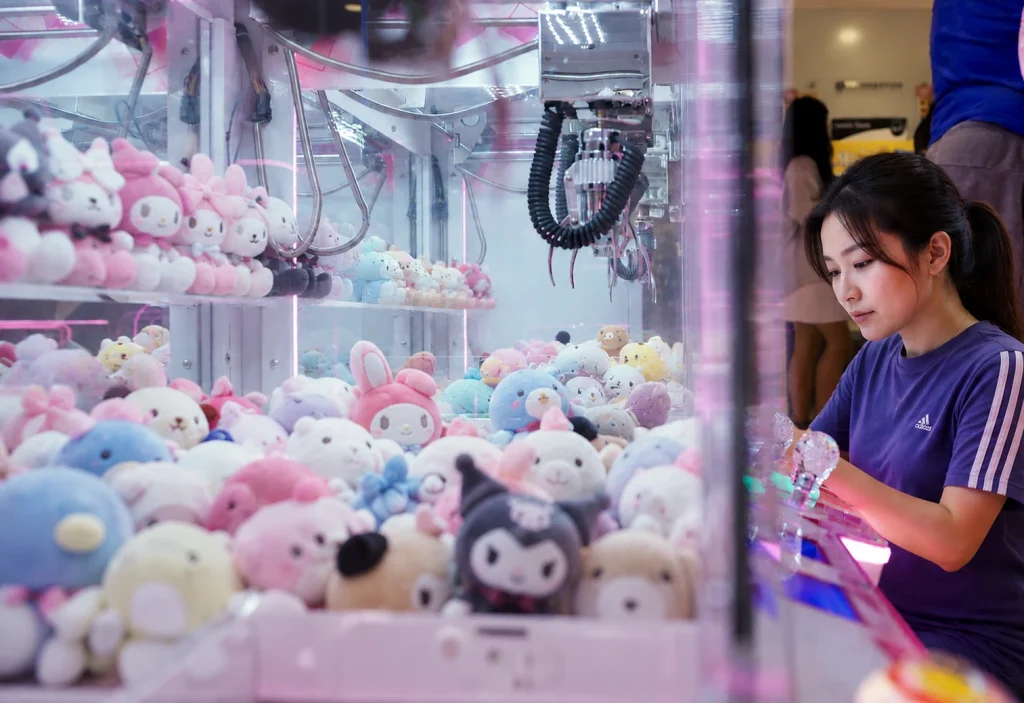
Taiwan, often viewed as one of the region’s most mature claw machine markets, tightened controls again in October 2024 after years of rapid sector growth. Taiwan’s number of claw machine arcades reportedly expanded from 920 in 2016 to more than 10,000 by 2019 before regulators introduced stricter operational requirements.
Elsewhere in the region, Brunei moved in the opposite direction entirely. In 2024, authorities banned claw machines nationwide over concerns that the machines contained gambling elements and could negatively influence younger players.
Macao currently maintains a more permissive approach. Billy Song, president of the Macau Responsible Gaming Association, told local media that claw machines in Macao are treated primarily as skill-based electronic amusement devices, provided prizes cannot be redeemed for cash.
Hong Kong lawmakers are now debating whether the proposed licensing regime will adequately address the sector’s growth without creating excessive compliance burdens for operators. The Office of the Licensing Authority had already received 53 AWPL applications from pinball machine shop operators by late March.
Some industry observers have also raised concerns regarding existing player credits and prize vouchers if operators are forced to alter or close businesses under the new rules. The Legislative Council is expected to continue discussions on the proposed framework later this year.