Aviatrix, the fast-growing crash game featuring innovative engagement mechanics, has landed yet another content deal, this time with platform provider Games Global.
Aviatrix joins Games Global’s portfolio of world-class content and its distribution network, which reaches hundreds of iGaming brands worldwide.
It means players at Games Global’s operator partners will enjoy the most talked-about crash game on the market, complete with NFT-based engagement mechanics and regular updates.
Aviatrix regularly launches new features and functionality to keep the game fresh and exciting. These include free bets that can be accessed in-game via promo codes, and seasonal themes related to major events and celebrations, like St. Patrick’s Day or Euro 2024.
Mikalai Pobal, Co-founder and CBD at Aviatrix, said: “We really respect Games Global, because like Aviatrix, they’ve very quickly assembled a great team which is driving genuine innovation in our sector.”
Andy Booth, Chief Product Officer at Games Global, said: “We constantly strive to offer operators the industry’s very best gaming content, bringing together the highest quality partner games to complement our exclusive portfolio.”
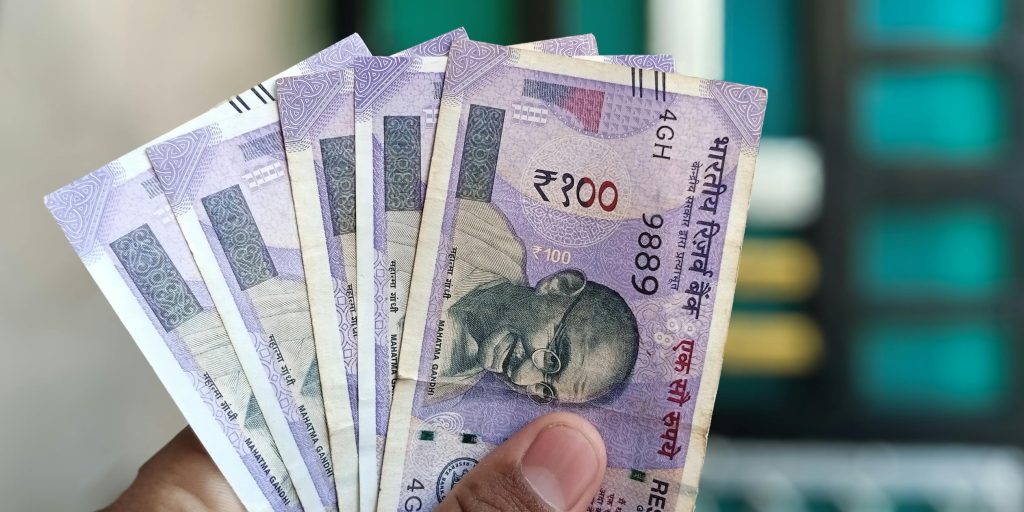
A comprehensive whitepaper on illegal gambling and betting in India has underscored the alarming connection between illegal gambling operations and national security threats, while advocating for a regulated domestic e-gaming market as a possible solution.
The whitepaper, titled ‘Illegal Gambling and Betting in India: Risks, Challenges, and Responses’, was co-authored by Lt. General Vinod G. Khandare and Vinit Goenka, and reveals the staggering impact of illegal gambling on India’s economy, national security, and data sovereignty.
The report, highlighting a burgeoning underground industry, calls for urgent regulatory measures, and estimates the illegal betting market in India attracts around $100 billion annually.
The authors highlight the intricate methods used by offshore entities to siphon funds abroad, often through the use of benami (money mule) accounts and complex financial networks.
The report underscores the threat these illicit activities pose to India’s economy, national security, and data sovereignty, with the involvement of offshore servers, cryptocurrencies, and the exploitation of vulnerabilities, particularly among minors.
Economic impact and regulatory evasion
According to the report, offshore betting companies were described as often operating in the grey market, flouting laws with impunity and posing significant challenges to regulatory authorities.
‘These entities use offshore servers to circumvent legal oversight and conduct transactions through individual accounts rather than legitimate businesses, complicating tracking efforts,’ the report adds.
The Indian Financial Intelligence Unit (FIU) reported to a Parliamentary Standing Committee on Finance in July 2023 about suspicious transactions tied to offshore gambling entities exploiting Unified Payments Interface – an Indian instant payment system – IDs linked to Indian bank accounts.
These entities, initially registered in jurisdictions like Curacao, Malta, and Cyprus, divert funds collected through false inducements to select individuals and entities domestically and abroad.
‘Funds collected by this network of foreign-registered websites were not disbursed to investors or players as expected but were diverted to bank accounts of select individuals and entities,’ the whitepaper explains.
Indian central agencies, including the Intelligence Bureau (IB) and Research and Analysis Wing (R&AW), have also conducted technical analyses of certain betting apps, uncovering ‘alarming features’.
These apps, operating on Android and iOS platforms, were found to steal and transmit user data and monitor real-time activities covertly to servers outside India.
‘These upgraded apps seek extensive permissions, enabling them to record user movements, transfer backup data to their servers, erase data, and access the camera for video recording. Such capabilities raise serious concerns regarding national security, particularly amid the current tense border situation,’ the report adds.
Several investigations were said to have revealed that offshore entities use “Benami” accounts to route and layer illicit funds, ultimately transferring them abroad under the guise of bogus entities, illustrating the elaborate schemes that evade detection and enforcement.
The term “Benami” in Hindi translates to “no name” or “without name”. Benami transactions or Benami property would be one where a person’s own name is not used but the name of another person or a fictitious person is used instead.
A threat to cybersecurity
Illegal gambling platforms were then described as posing a severe threat to cybersecurity, given the volume of sensitive data and financial transactions they handle. The report underscores the use of cryptocurrencies and instant peer-to-peer payment systems, which facilitate anonymous transactions and complicate law enforcement efforts.
‘Cryptocurrencies have become a favored medium for transactions in the realm of illegal betting and gambling, promoting anonymity and enabling illicit activities on a global scale,’ the whitepaper notes.
The research also sheds light on the exploitation of vulnerable consumers, particularly minors, by illegal operators, with many offshore websites bypass essential KYC and age verification checks, making it easy for minors to access gambling platforms, lead to significant ‘financial and psychological harm’ among young users.
‘Offshore websites like Parimatch offer payment options such as cash on delivery, allowing gaming platform agents to collect cash payments from consumers to top up their gaming wallets, thus simplifying the exploitation of minors,’ the report details.
Fomenting a domestic e-market
In addressing the multifaceted challenges posed by illegal gambling, the whitepaper authors recommend a three-pronged approach by authorities, namely: recognizing illegal, offshore gambling operators as a national security threat; accepting the deep-rooted propensity for gambling and the limitations of outright bans; and developing a transparent and regulated domestic e-gaming market to provide a legal alternative and ensure consumer protection.
‘A regulated, domestic e-gaming market can offer oversight and transparency, safeguarding citizens’ interests and curbing the outflow of funds,’ the report advocates.
The authors called for law enforcement agencies to intensify efforts to track and prosecute offshore operators, leveraging technology and international cooperation, while encouraging the domestic gaming industry was also seen as a viable strategy with both economic and strategic benefits.
‘The gaming industry is a rapidly growing sector globally, with the potential to surpass the movies and music industries. India should take an assertive and ambitious stance to capture this emerging market by providing platforms, subsidies, and tax breaks, as well as developing a skilled workforce in the sector,’ the report underscores.
‘Promoting domestic pay-to-play game alternatives is not just a viable option, but one that can yield significant rewards’.
The authors concluded by saying that they hope the findings and recommendations of the whitepaper could prompt significant policy discussions and legislative actions to combat the growing menace of illegal gambling and betting in India.
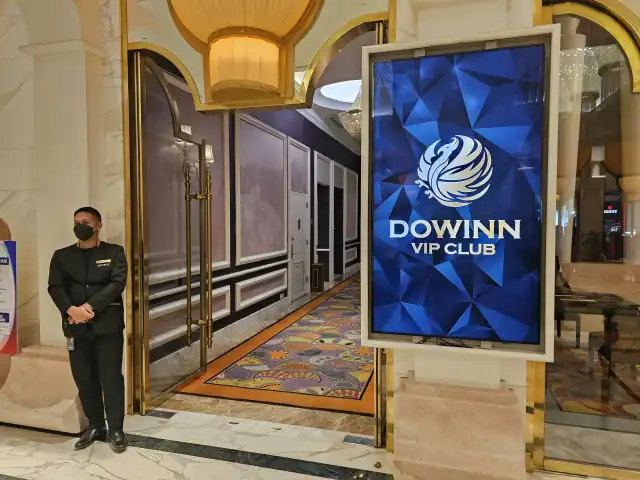
Dowinn Group, a leading junket operator in the Philippines, failed to fulfill its commitment to resume operations on Monday at 2pm. According to a report from Korean news portal Daum, the operator has postponed its reopening until July 19th.
This delay has heightened industry suspicions amid rumors of potential collapse.
Dowinn Group ceased operations on the evening of June 17th, 2024, at prominent casinos such as Solaire, Okada Manila, City of Dreams Manila, Clark D’Heights Resort & Casino, and Royce Hotel & Casino.
Despite announcing a reopening at 2pm on Monday the 24th, the scheduled resumption did not take place. A notice sent to clients via WhatsApp indicated that the reopening would now be postponed for approximately 25 days.
In a previous statement provided to AGB, Dowinn Group described the closure as an emergency temporary cessation, denying any suggestion of permanent closure.
According to the report from the Korean media outlet, this cessation has caused confusion among numerous customers and foreign exchange dealers who had deposited funds with Dowinn, fueling speculation about bankruptcy and rumors regarding management fleeing overseas. The report also noted that Dowinn Group employs over 700 staff from Korea, China, and the Philippines.
An unnamed investor quoted in the report stated: “The industry has nearly lost faith in Dowinn’s reopening, and the rescheduling of the opening date has severely undermined market and customer trust.”
It is known that many Korean customers were affected in Dowinn’s venues due to the company’s targeted marketing towards Korean VIP customers, along with numerous foreign exchange dealers who had deposited funds. Additionally, many individuals in the Seoul area ventured into multi-level investment funds, using convenient apps for deposits and withdrawals to capitalize on high returns from Philippine casino investments.
In another report from the same media outlet last week, an insider mentioned that “Dowinn has developed a more user-friendly app compared to other junket operators, earning praise from local currency exchange dealers, although these dealers are expected to face losses due to a large-scale withdrawal situation. Consequently, Dowinn’s junket rooms in Clark and Manila are effectively closed.”
Furthermore, Korea’s Kangwon Land signed a contract in March this year to export 30 slot machines to Dowinn. According to Kangwon Land, they received a down payment but have yet to export any machines due to delays in receiving the balance.
AGB has reached out to sources close to the matter, but as of publishing this article, Dowinn has not issued any comment.
PH Resorts Group has denied reports suggesting that the deal with Okada Manila operator Tiger Resort, Leisure and Entertainment Inc. (TRLEI) to purchase its Cebu resort, Emerald Bay, is on the verge of collapse.
The clarification was shared via a filing with the Philippine Stock Exchange on Monday. PH Resorts Group confirms it remains on schedule to finalize the sale of Emerald Bay to the operator of Okada Manila by July.
A report last week, citing industry insiders, indicated that discussions for the Okada Group to salvage PH Resorts Group’s stalled $300-million Emerald Bay casino are nearing collapse. The issue appears to stem from a disagreement over commercial terms.
Sources cited indicate that the challenge does not concern the project’s feasibility but rather what one insider described as “unrealistic” conditions set by the selling party. For instance, Dennis Uy seeks a premium for his remaining stake in the project and repurchase rights after selling and leasing back the project land to settle substantial debts owed to the Sy-led China Banking Corp.
The same report noted that discussions during the standard due diligence review seemed promising, with the Okada side making nonrefundable down payments totaling over PHP327 million ($5.56 million) to PH Resorts.
However, PH Resorts has indicated that the information provided in the report is ‘inaccurate’.
‘The report that there is a disagreement on commercial terms as there are “unrealistic terms” set by the selling party is largely unfounded and not even part of the current discussions between the relevant parties.’ clarified the statement.
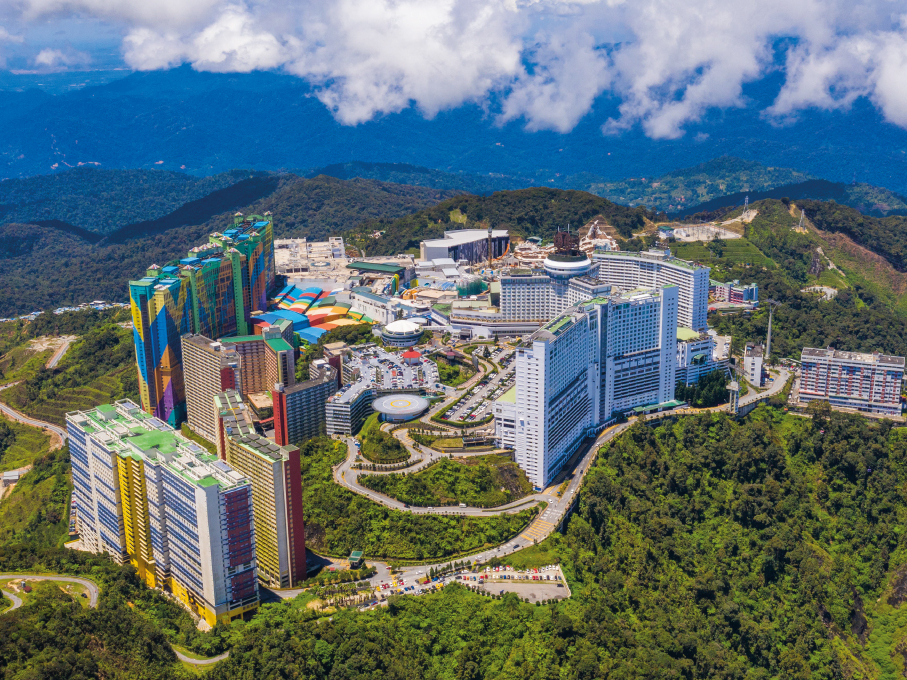
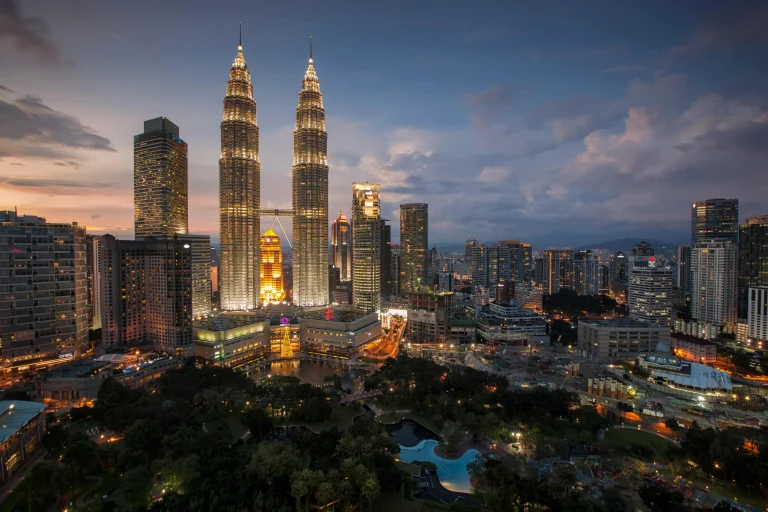
Good Morning. From gaming to energy. Genting Bhd, the largest casino conglomerate in Southeast Asia, is expanding its presence in the non-gaming sector with a RM5 billion ($1.06 billion) investment plan in the energy industry. The company inked two deals with Chinese power and oil-and-gas firms, marking a significant expansion into energy generation. Still, Genting’s President emphasized that these investments do not signify a departure from the company’s core gaming business. Meanwhile, Philippines labor authorities have warned that approximately 22,000 Filipinos employed by legal POGOs in Metro Manila may face unemployment if the online gaming companies are banned in the country.
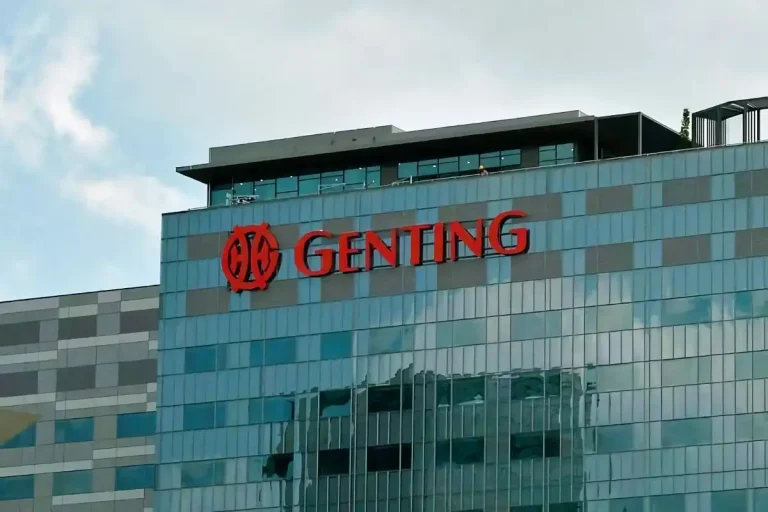
Genting Bhd, the largest casino conglomerate in Southeast Asia, is expanding its presence in the non-gaming sector with a RM5 billion ($1.06 billion) investment plan in the energy industry. The company has signed two deals with Chinese firms – a 49 percent stake acquisition in a gas power plant and a $1 billion contract to construct a floating liquefied natural gas facility in Indonesia. However, Genting’s management emphasizes that these investments do not signify a departure from the company’s core gaming business, which remains its mainstay.
Genting Bhd, the largest casino conglomerate in Southeast Asia, is expanding its presence in the non-gaming sector with a RM5 billion ($1.06 billion) investment plan in the energy industry.
Last Thursday, Genting’s energy division inked two deals with Chinese power and oil-and-gas firms, marking a significant expansion in its energy generation capacity and its commitment to clean energy.
One agreement involves acquiring a 49 percent stake in China’s SDIC Jineng (Zhoushan) Gas Power Generation for 100 million yuan ($13.8 million) through Genting’s indirect subsidiary, Genting MZW.
The other deal is a contract exceeding $1 billion with China’s Wison New Energies to construct a floating liquefied natural gas (FLNG) facility in Indonesia’s West Papua province.
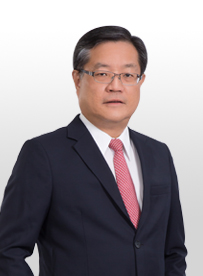
Tan Kong Han, Genting Bhd’s President and Chief Operating Officer
However, Tan Kong Han, Genting Bhd’s President and Chief Operating Officer (COO), emphasized that these investments do not signify a departure from the company’s core gaming business, which has been its mainstay for over 50 years.
According to local media outlet The Edge Malaysia, citing from the press conference, “We are not out of the gaming business,” Tan emphasized. The media brief was described as “rare.”
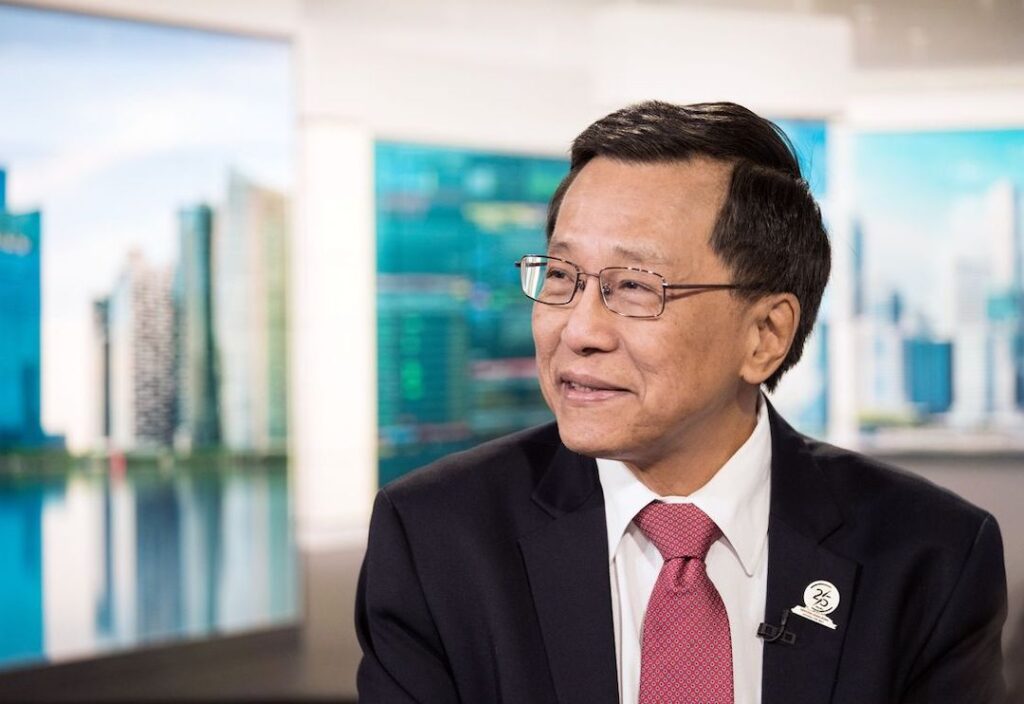
Meanwhile, commenting on this significant bet on the non-gaming segment, Genting’s chairman and chief executive, Lim Kok Thay, highlighted that the energy investment is part of the company’s long-term business strategy. “When it comes to the expansion or diversification of our business, away from gaming, we work very quietly and hard to prove it. So in this case, as you notice — the energy business itself has been transformed,” Lim said.
Lim Kok Thay, Genting Group boss
Lim reiterated that Genting’s core business remains firmly rooted in gaming, a sector in which the company has made its mark over the past five decades. “To still be sitting here in this room with you [the press] and to talk about the expanded footprint of that [energy] sector of the business… I think it is clear and it is very rare that we try to explain our long-term strategy [to the press],” Lim explained.
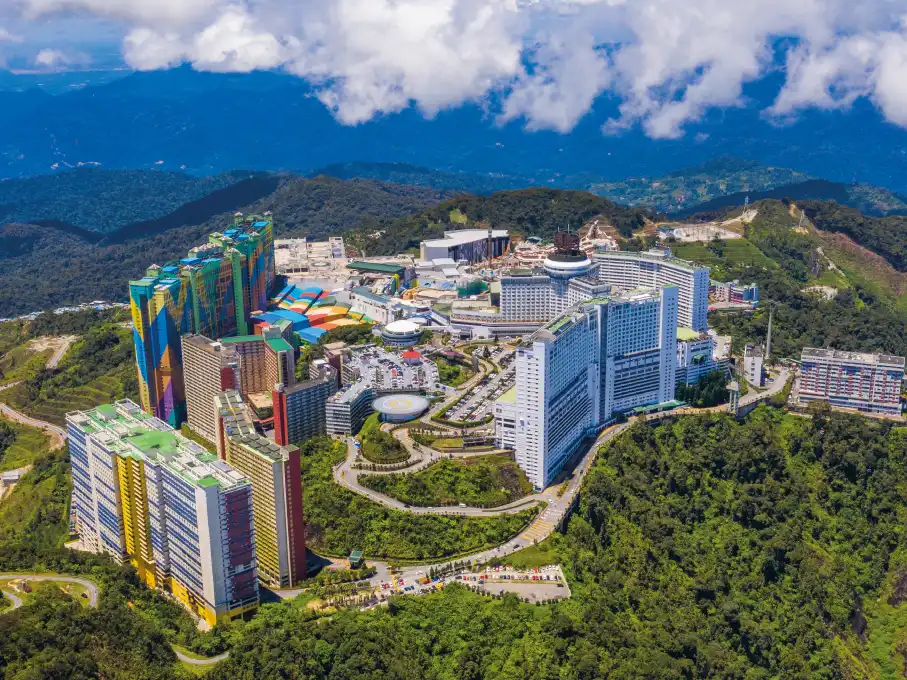
The statement aligns with revelations made during the company’s annual general meeting (AGM) earlier this month. Concerns about casino closures arose following the announcement that two out of its three casinos at Resorts World Genting (RWG) would be closed starting February 28th this year.
At that time, company’s COO Tan Kong Han assured shareholders that Genting casinos would remain operational due to positive results recorded in the past.
Genting reported an annual net profit of RM929.2 million ($197 million), marking a turnaround from three consecutive years of losses. This compares to a net loss of RM299.91 million ($63.7 million) in FY2022, driven by increased revenue from its leisure and hospitality division. Annual revenue grew by 21.15 percent to RM27.12 billion ($5.8 billion) from RM22.39 billion ($4.8 billion) the previous year.
According to the group’s financial update for 1Q24, its net profit reached RM36.7 million ($7.8 million), reversing a loss of RM45.4 million ($9.65 million) recorded in the same quarter last year.
Total gaming revenue for the group hit RM1.99 billion ($423.1 million), while non-gaming revenue totaled RM715.5 million ($152.1 million).
The company’s core gaming business benefited from an increase in inbound travelers. Since China and Malaysia entered into a visa-free agreement in December last year, Chinese tourists and the favorable exchange rate have been seen as key factors boosting its revenue.
Currently, Malaysia’s visa-free policy for Chinese passport holders has been extended twice, allowing Chinese tourists to visit until the end of 2026.
Maybank maintains earnings estimates with positive outlook
Analyst Samuel Yin Shao Yang from Maybank notes that they will maintain Genting’s earnings estimates are ‘unchanged due to dearth of details’, but believes that the deal with Wison New Energies will allow Genting to ‘monetize its Indonesian gas fields which it has been working on since the mid-2000s’.
In the lates investment memo, the brokerage notes that ‘on balance of probabilities, we believe these 2 developments will be long-term earnings and value accretive to Genting’.
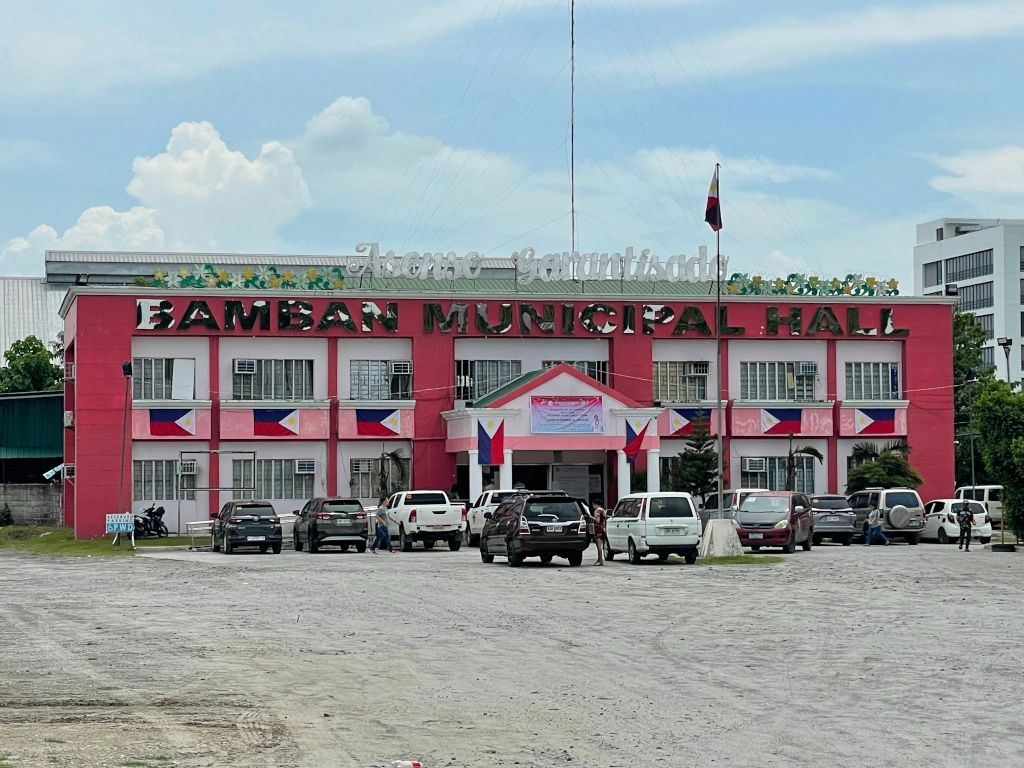
Authorities in the Philippines have filed a qualified human trafficking complaint against suspended Bamban, Tarlac “POGO Mayor” Alice Guo at the Department of Justice (DOJ).
The complaint was brought on on Friday by the Presidential Anti-Organized Crime Commission (PAOCC) and the Philippine National Police-Criminal Investigation and Detection Group (PNP-CIDG).
The DOJ accepted the complaint against Guo, also known as “Guo Hua Ping,” and several others for violations of Sections 4 and 6 of Philippines Republic Act (RA) 9208, or the Anti-Trafficking in Persons Act of 2003, amended by RA 10364 and further by RA 11862.
The complaint includes former Technology and Livelihood Resource Center (TLRC) deputy director general Dennis Cunanan, 12 officers and incorporators of three companies, and Guo’s alleged business partners Huang Zhiyang, Zhang Ruijin, and Baoying Li.
Huang is a fugitive in China, while Zhang and Baoying are purportedly tied to a major money laundering case in Singapore.
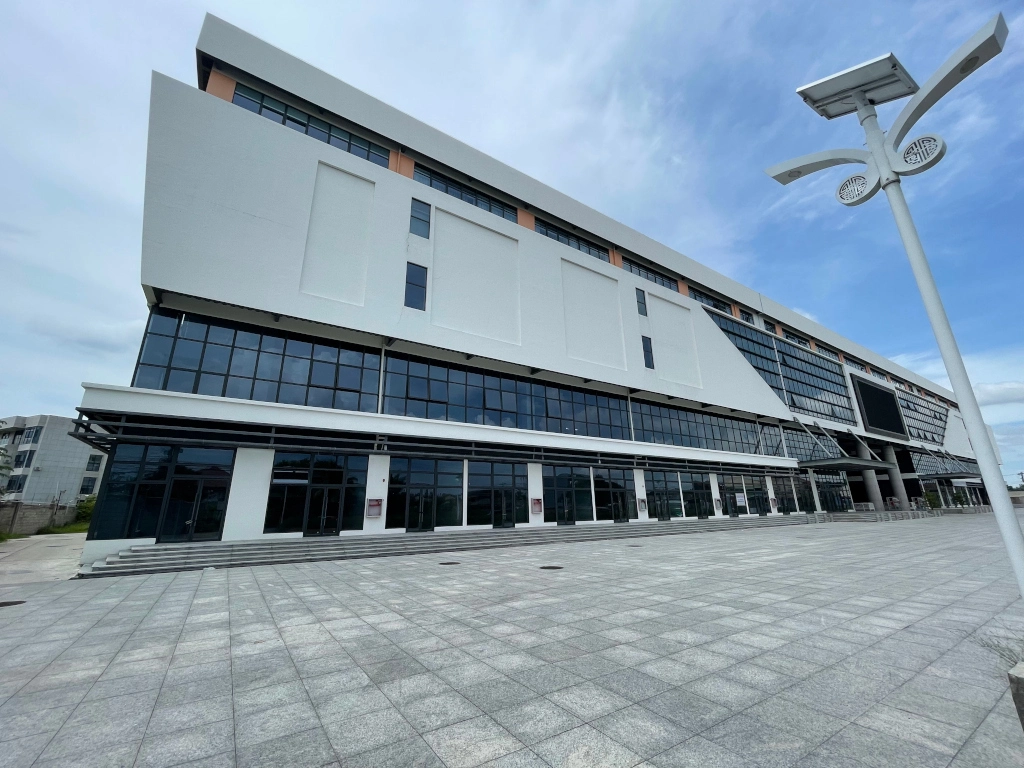
The charges arise from a raid at the Philippine Offshore Gaming Operator (POGOs) hub Zun Yuan Technology Inc. in Bamban town in March this year.
The PAOCC presented two boxes of documents as evidence.
“Evidences surfaced, like her applying for permits for the former POGO from the local government, and her involvement in the lessor company. Her name also appeared in various documents found in the POGO compound,” DOJ Undersecretary and Inter-Agency Council Against Trafficking chairperson Nicholas Ty said in a press briefing.
Ty mentioned that more cases could be filed against Guo and others as further evidence is collected. State Prosecutor Benjamin Samson, during the briefing, said authorities believe Cunanan is part of a “grand conspiracy.”
“We discovered Zun Yuan’s operation started with one corporation, Baofu, and then another was created. In one corporation, we found a document with Mr. Dennis Cunanan’s name. After compiling the evidence, we concluded he is part of the grand conspiracy to commit labor trafficking,” he said.
With the case now filed, Ty stated the DOJ is processing the Immigration Lookout Bulletin Order (ILBO) against Guo, hoping for it to be signed by Justice Secretary Jesus Crispin Remulla next week.
“We can’t deny that anyone charged with a crime is a flight risk, especially with resources to leave the country. However, Mayor Guo and her representatives have expressed she wants to face the allegations,” Ty said.
Meanwhile, PNP-CIDG chief Major General Leo Francisco pledged to intensify efforts against illegal POGOs.
“In collaboration with PAOCC and other law enforcement agencies, we are strengthening our fight against these illegal POGOs, and the PNP, especially the PNP-CIDG, is united in this effort,” he said.
Malaysia‘s internet regulator has clarified that 72 percent of online content removals were due to gambling and scam promotions.
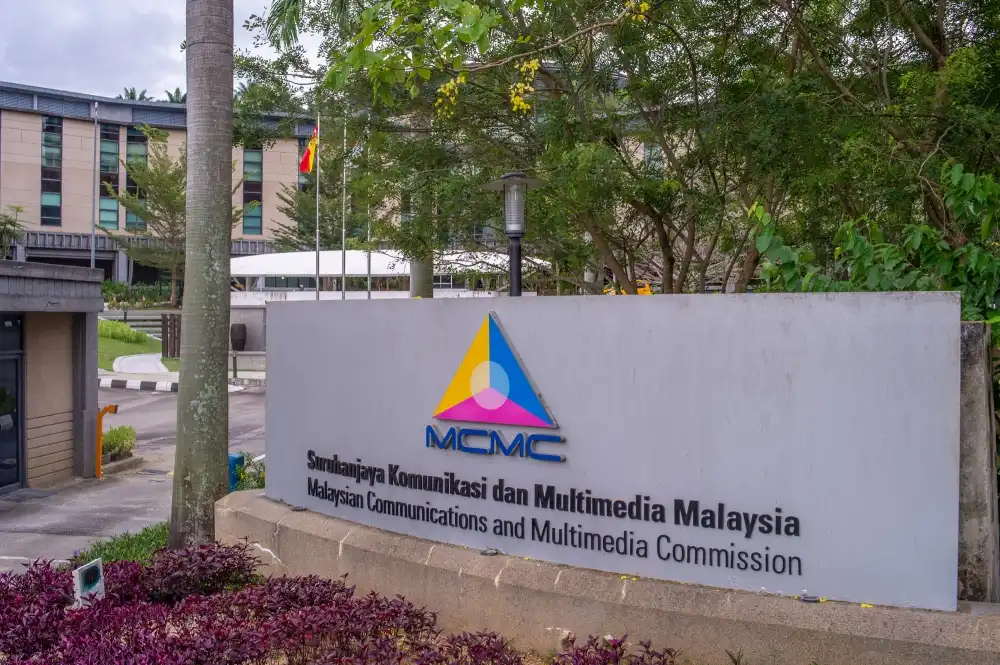
The Malaysian Communications and Multimedia Commission (MCMC) rejected claims of being a “state apparatus” to stifle public discourse on government matters.
“MCMC wishes to stress that its primary responsibility under the Communications and Multimedia Act 1998 (CMA 1998) is to protect Malaysian Internet users and ensure a safe online space for all, especially children,” the statement read.
This response came after veteran journalist R. Nadeswaran, in a June 19th opinion piece, suggested the Anwar administration was using agencies to suppress dissent.
“In his article, the writer cited data from TikTok’s bi-annual ‘Government Removal Requests Report’, implying government and regulatory intolerance of criticism.
“This view is incorrect and does not accurately depict the operations of MCMC and social media platforms,” MCMC stated.
It added that content removal requests are only made when content is believed to breach community standards, the CMA 1998, or other Malaysian laws.
“Content removal decisions are based on social media platforms’ assessments,” it noted.
As of June 13, MCMC reported that 53 percent of its content removal requests across platforms were linked to online gambling.
“Additionally, 19 percent involved online scams, 15 percent were identified as fake news, 6% related to race, religion, and royalty (3Rs), and 5 percent involved harassment.”
MCMC emphasized that content removal is part of ongoing efforts to protect the public from harmful and illegal activities.
“Ensuring a safe online environment is a shared goal between MCMC and social media platforms. To this end, social media platforms routinely and consistently perform proactive removals of content violating their community standards.
“For instance, public data from one social media platform showed that 1.8 million pieces of content in Malaysia were proactively removed in Q4 2023 without any prior request from authorities, for various violations.
“These include content promoting bullying, harassment, privacy violations, hate speech, misinformation, spam, coordinated inauthentic behavior, misinformation interfering with the political process, and highly deceptive manipulated media,” it explained.
MCMC acknowledged that while criticisms of the government or politicians are allowed, there are legal limits to media freedom, especially concerning sensitive issues like race, religion, and royalty.
“We invite the public, civil societies, and the media to continue engaging and collaborating with us to create a safe and secure online environment,” it added.
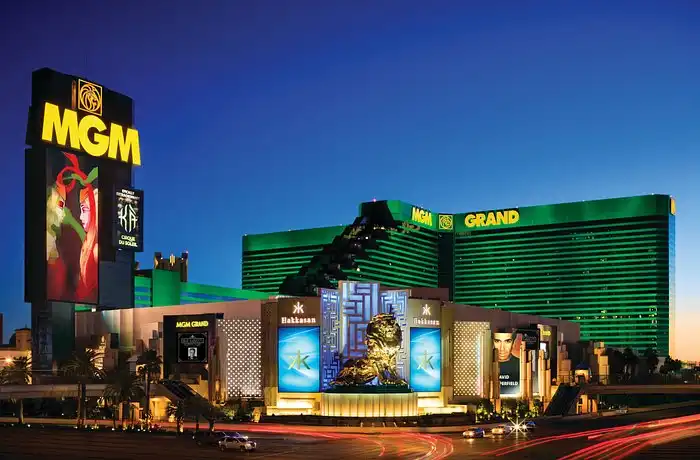
Playtech, the leading platform, content and services provider in the online gambling industry, is pleased to announce a new strategic partnership with MGM Resorts International to produce proprietary, live casino content directly from the gaming floor at two of their resorts on the Las Vegas Strip.
Playtech, as the technology partner of MGM Resorts, will be providing players with on-demand, online access to immersive entertainment experiences directly from Bellagio and MGM Grand. Live casino content, branded as “MGM Live“, will be licensed to operators for end-user play in regulated markets throughout the world outside the United States. Both brands look forward to working with operators to support and promote a safe gambling experience.
The initial live casino offering will include single and double-zero roulette and baccarat games streamed live from the casino floors at both MGM Grand and Bellagio Resort & Casino in Las Vegas, and allow online players to simultaneously participate in the same game as players at the physical game table on the casino floor.
Bellagio Las VegasMGM Grand Las Vegas
Future phases of the partnership will expand our offering to include access to several proprietary Playtech games as well as exclusive branded TV game shows, celebrity-hosted trivia shows, and immersive entertainment experiences.
Mor Weizer, Chief Executive Officer at Playtech, said: “This partnership combines the strength of MGM Resorts’ global prestige with Playtech’s extensive international market knowledge and innovative games
Genius Sports Limited, the official data, technology and commercial partner that powers the global ecosystem connecting sports, betting, and media, today announces changes to the Genius Sports Board of Directors which became effective June 2024.
Kenneth J. Kay, former Chief Financial Officer at MGM Holdings, Inc. will be appointed as Chair of Genius Sports’ Board, leading the Board’s oversight of Genius Sports’ operations and strategy.
Ken will take up the position of Chair from David Levy, currently co-CEO of Horizon Sports and Experiences and former President at Turner Broadcasting, Inc. As one of the most respected figures in the global sports industry, David will remain as a Strategic Advisor to Genius Sports.
Claire Valoti, Co-founder of Haylo Ventures and former Vice President, International at Snap, will be appointed as an Independent Director.
Mark Locke, CEO of Genius Sports, said, “I am thrilled to welcome the appointment of Ken Kay as our Chair and Claire Valoti as a Director. Their expertise and vision will be instrumental in driving the next phase of Genius Sports’ growth.”
Kenneth Kay, incoming Chair, added, “I now look forward to taking the lead as Chair and contributing to Genius Sports’ further advancements in pioneering sports data and delivering value for all shareholders.”