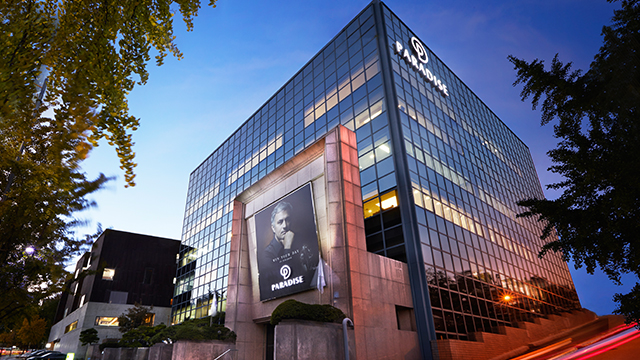
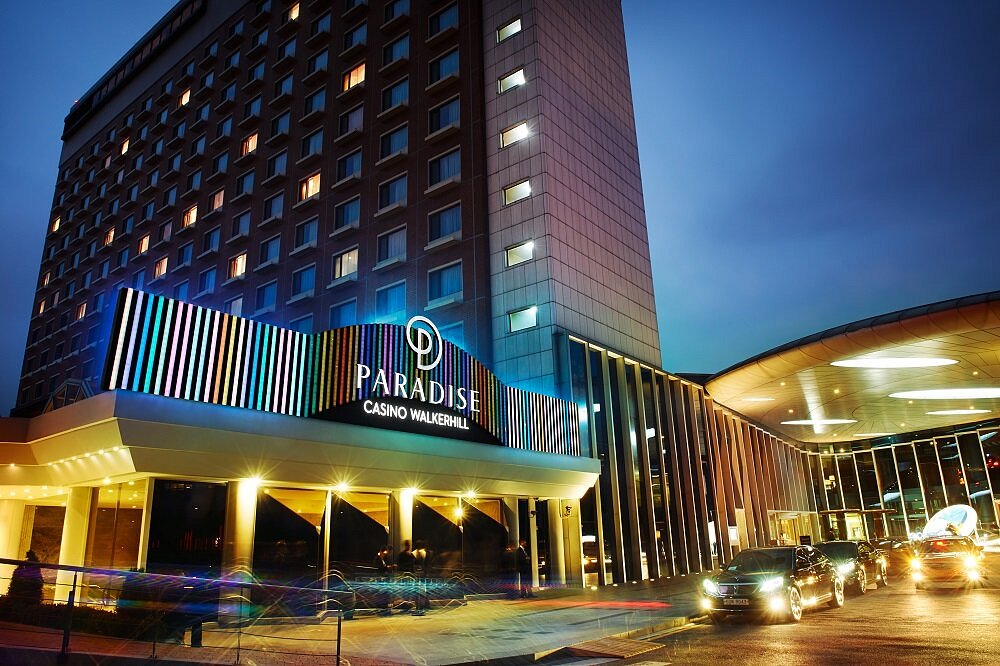
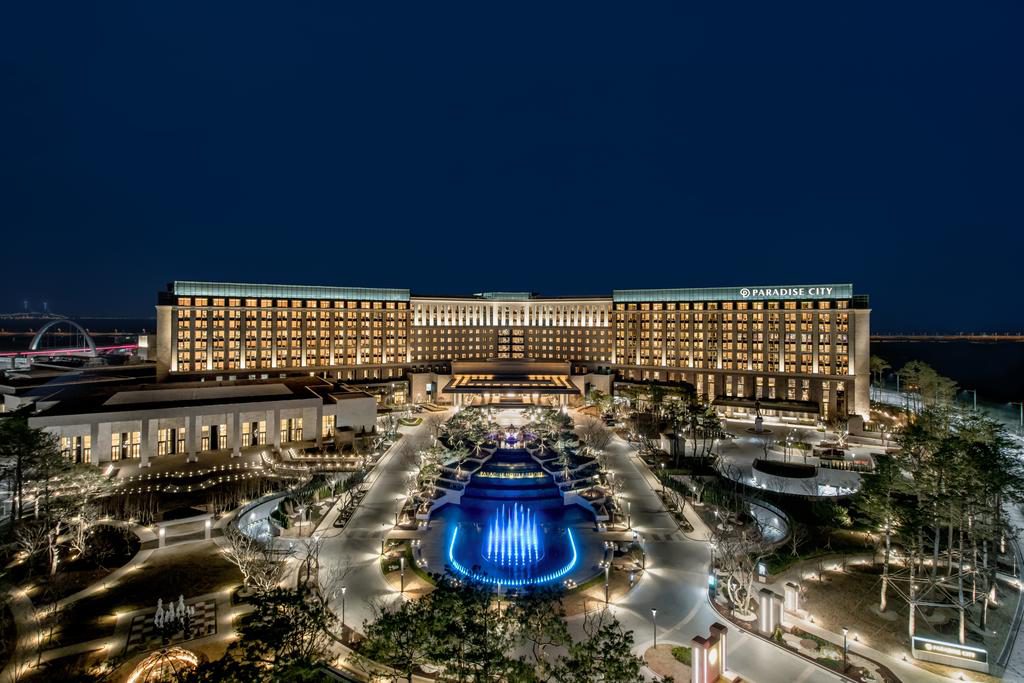
South Korean foreigner-only casino operator Paradise Co. has released its July 2024 performance metrics, showcasing some growth across various operational indicators.
Paradise Co. directly operates three casino venues: Walkerhill in Seoul, Paradise Jeju on Jeju island, and a property in the port city of Busan. Additionally, it has a venture with Japan’s Sega Sammy Holdings Inc. for the Paradise City casino resort in Incheon, near South Korea’s main airport.
The group reported July sales from gaming at KRW62.04 billion ($45.17 million), reflecting a 7.3 percent sequential increase, although this figure was 1.3 percent lower year-on-year.
Walker Hill CasinoIncheon Paradise City
Table games contributed nearly KRW57.58 billion ($42.14 million), accounting for approximately 93 percent of the overall monthly casino sales, while machine-game sales were nearly KRW4.47 billion ($3.27 million).
The total casino drop, which represents money exchanged for chips at the gaming tables, was nearly KRW542.18 billion ($396.89 million), showing a sequential increase of 1.9 percent and a 2.3 percent rise compared to the same period last year.
The majority of the July casino drop was attributed to VIP gaming, with KRW420.82 billion ($307.91 million) coming from VIP play and KRW121.35 billion ($88.80 million) from mass play.
VIP drop – primarily generated by players from China, Japan, and other unspecified feeder markets – showed little change from July 2023 but saw an increase of nearly 2 percent compared to June.
Notably, the Chinese VIP drop in July reached nearly KRW100.93 billion ($73.86 million), marking a 31.8 percent increase from a year earlier.
This segment was the second most significant contributor to Paradise Co’s July VIP drop, following the Japanese VIP drop, which logged nearly KRW223.82 billion ($163.80 million).
The mass drop increased by 1.87 percent sequentially and was nearly 10.6 percent higher year-on-year.
For the first seven months of 2024, Paradise Co’s casino drop totaled nearly KRW3.98 trillion ($2.91 billion), an 18 percent improvement over the prior-year period.
Lotte Tour Development Co. Ltd, the backer of the Jeju Dream Tower casino resort on South Korea’s Jeju island, has indicated that the property’s foreigner-only casinosaw a record number of visitors in July 2024.
Overall, the property’s casino welcomed 34,274 visitors in July 2024, setting a new record for monthly visitor numbers, but that has not translated into record casino revenues.
For July 2024, total casino drop reached KRW143.52 billion ($105.03 million), with table games contributing KRW124.39 billion ($91.01 million) and machine games adding KRW19.13 billion ($13.99 million).
The hold percentage for table games was 16.8 percent, while machine games held steady at 10.3 percent.
Net revenues from table games amounted to KRW20.87 billion ($15.27 million), while machine games generated KRW1.97 billion ($1.44 million). The total net revenues for July 2024 were KRW22.84 billion ($16.72 million).
In the first half of this year, the Jeju Dream Tower casino reported its highest net gaming revenue in May, when some KRW27.1 billion ($19.8 million) were tallied.
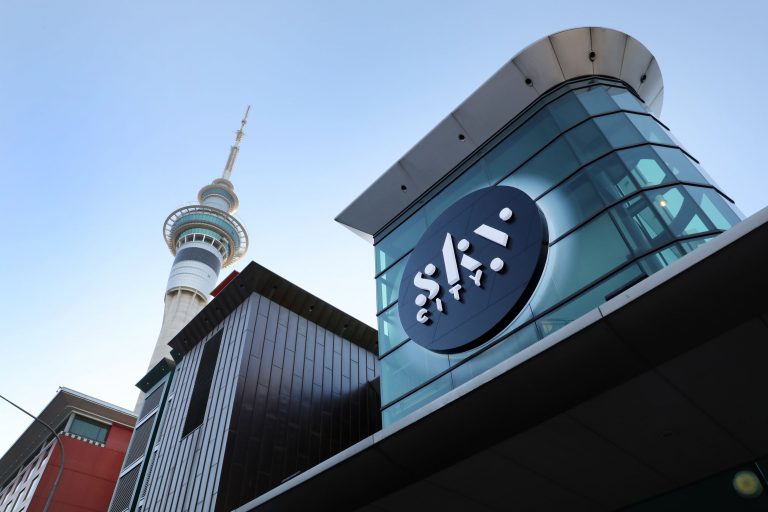
SkyCity Entertainment Group revealed that its Auckland casino will be temporarily closed for five consecutive days in 2024 between September 9th and 13th.
This decision follows an agreement between the company and the Department of Internal Affairs (DIA) to temporarily shut down operations for five days after SkyCity admitted to breaching host responsibility protocols.
‘All SkyCity Auckland hotels, attractions, and restaurants and bars outside of the gambling area will continue to remain open as usual during this period’, the gaming company added.
This resolution stems from the DIA’s decision to withdraw its initial application for a temporary suspension of SkyCity’s casino operator’s license.
The original application, filed in September 2023, requested a suspension of approximately 10 days following a complaint from a former customer who gambled at the Auckland casino from 2017 to early 2021. The suspension was later reduced to five days, between Monday and Friday.
The DIA accused SkyCity of failing to adhere to host responsibility regulations concerning the customer’s continuous play.
The company admitted it did not exercise the necessary vigilance in using staff observation and intervention to identify and act on incidents of continuous play by the customer.
SkyCity conceded it did not independently or adequately use staff observations alongside technology to monitor and address problematic behavior, particularly in cases where such behavior was silent or hidden.
Callum Mallett, SkyCity’s New Zealand chief operating officer, issued an apology for the “significant” failings, stating that the company is rightfully being held accountable.
The five-day closure is expected to impact SkyCity’s underlying earnings by approximately $5 million.
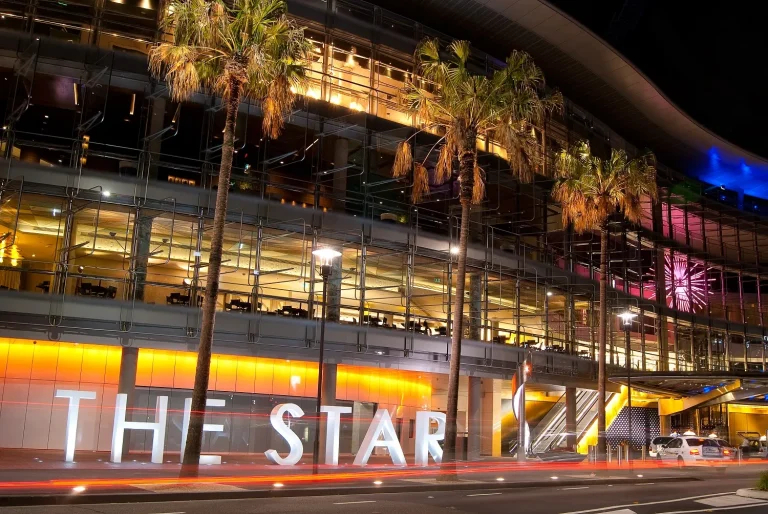
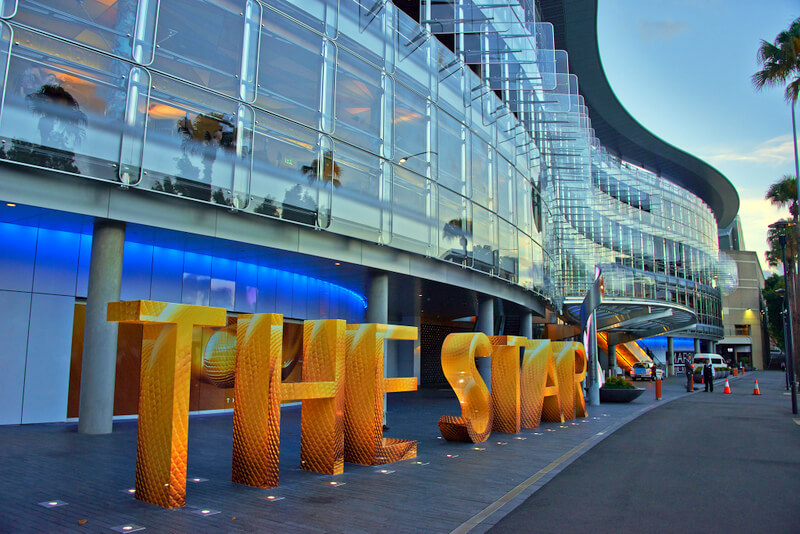
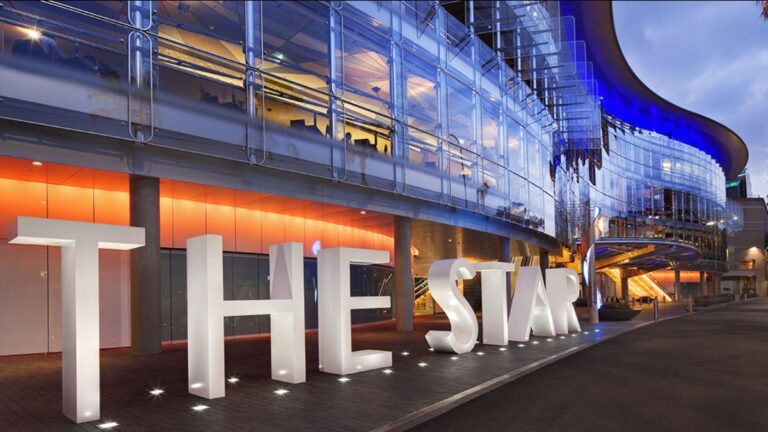
Good morning. It’s a series of ups and downs for embattled The Star. The newest extension on its Sydney casino special manager’s tenure could bode well for its remediation efforts, but a top former regulator says there’s zero chance it will get its license back at this point. And a total license cancellation is still possible, with potential investors circling, weighing the gains and risks – a beneficial price point but with knock-on obligations. Meanwhile, in Macau, MGM is firmly pursuing its Thailand exploration, with the group’s CEO taking a visit to see how to leverage the investment through MGM China.
What you need to know
The Star has zero chance of being given back its Sydney casino license after Bell Two, but is being given heady leeway to improve: expert
Despite The Star’s executive reshuffle and efforts for remediation at its Sydney casino, the results of the Bell Two inquiry are unlikely to be positive for the operator, with a top expert predicting that there will be an extension on the current casino license suspension to allow The Star to get its house in order. An extension on the mandate of the current special manager until March 2025 could bode well for the operator, either to fend off or invite takeover bids from parties better positioned to keep the license.
Online gaming fraud is on the rise in the iGaming industry. In Q1 2022, there was an 85% increase in fake account registrations compared to Q4 2021. While players are undoubtedly affected by gaming fraud, iGaming platforms also suffer due to damaged reputations, huge financial losses, and legal consequences.
A top former Victorian gaming regulator has predicted that there is a 70 percent chance that The Star Entertainment Group can see the license suspension period of its Sydney casino extended, while seeing zero chance it will be granted back after the Bell Two inquiry.
On Thursday, The Star informed that the New South Wales Independent Casino Commission (NICC) had received approval to further extend the appointment of the special manager for the property, Nicholas Weeks, until March 31st, 2025, ‘unless terminated earlier by the NICC’.
While this extension does not directly refer to the license itself, it gives a strong indication of the way the NICC is leaning in regards to the leeway it’s giving The Star to improve its remediation efforts, rather than cancel its gaming license.
Peter Cohen, former Victoria gaming regulator, Director of Regulatory Affairs for The Agenda Group
In an interview with AGB on July 31st, the day that the Bell Two inquiry report was submitted to the New South Wales Independent Casino Commission (NICC), Peter Cohen – the former CEO of Victoria’s gaming regulator – indicated that there was a 70 percent chance that The Star would see its Sydney casino license suspension extended, while there was a 30 percent chance it would see its license canceled entirely and a zero percent chance that it would be given its license back.
The regulatory expert, currently Director of Regulatory Affairs for The Agenda Group, justified his estimates on the comprehensive executive house cleaning that The Star underwent in the wake of both the first inquiry and the proceedings of the second inquiry.
But why would authorities choose to extend the casino license suspension period?
Why not cancel?
While noting that providing a third chance (via the casino license suspension extension) could communicate that the “operator is too big to fail”, Cohen anticipates that the findings of Bell Two will likely indicate that “The Star is not ready to get their license back yet”.
But for the regulator it’s a difficult decision, with the best “political cover” being to “give them more than every chance to get their license back”.
The suspension extension does not mean that the casino will close, notes the former regulator, merely that it will continue under a manager (as now will be the case until end-March 2025) “and that the government and the regulator will go through a process of relicensing or retendering for the license for the casino […] that would probably take maybe 18 months to do […], and in 18 months’ time, who knows, Star might be eligible or suitable to get it back anyway”.
What happens if it’s canceled?
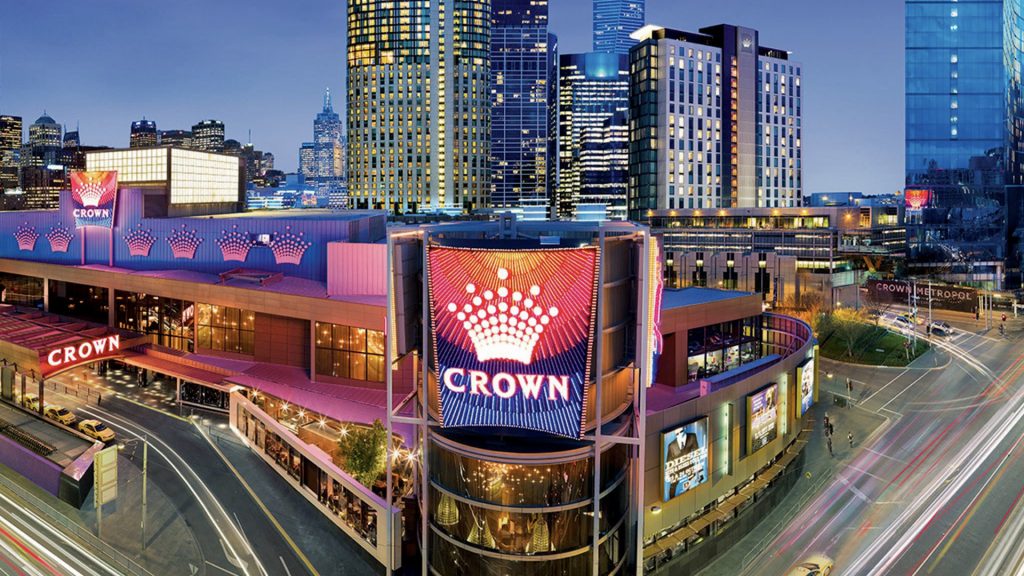
Unlike Melbourne, where Crown Resorts holds a monopoly on the casino license, Sydney was set up to encourage competition, with the Australian Competition and Consumer Commission (ACCC) potentially choosing to weigh in on what should happen if The Star Sydney’s casino license is canceled. However, the decision regarding that competition necessity “was 12 years ago, and circumstances have changed,” notes the expert.
Rumors have abounded that Crown Resorts, Australia’s largest gaming operator and controlled by investment giant Blackstone Group, could be on the market to acquire The Star’s Sydney casino.
“But there are equally the same number of rumors saying Blackstone doesn’t want to spend any more money because they’re underwater in the deal,” Cohen references other opinions circulating in the gaming space.
But why would Crown want another gaming venue across the harbor? It already has Crown Sydney on Barangaroo’s coastline, what’s the advantage of something across the harbor?
“It does provide Blackstone with the one thing they don’t have, that’s poker machines,” notes Cohen.
Who’s interested and why?
Options aren’t just limited to local contenders, but they do have to run the gambit of being deemed suitable by regulators.
Rumors previously circulated that a Hard Rock entity was interested, and The Star has indicated that there was interest in ‘investment’ while not totally detailing the possibility of a takeover. The Hard Rock rumors were later dispelled but investors could be circling.
“It is certainly at a very depressed price point. So perhaps that’s a reason why people might think that it’s a good purchase, but it comes with an element of risk, because it’s licensed. It’s not guaranteed here, and it’s not guaranteed in Queensland either. Though it’s more secure there, it’s nevertheless not secure”.
On a pure hypothetical, Cohen notes that a potential highly regulated entity based in a jurisdiction like Macau or Las Vegas (including Blackstone), or a consortium (possibly put together by pubs and clubs king Bruce Matheson, who had previously expressed interest in upping his stake in The Star beyond 9.6 percent), if found suitable, could mean “the moment they’re in the marketplace and get those licenses, I think those licenses become more secure. Not in a technical sense, but in a process sense. They put the wheels in motion to satisfy the regulator that they’ll get those licenses secured”.
Ripple effect
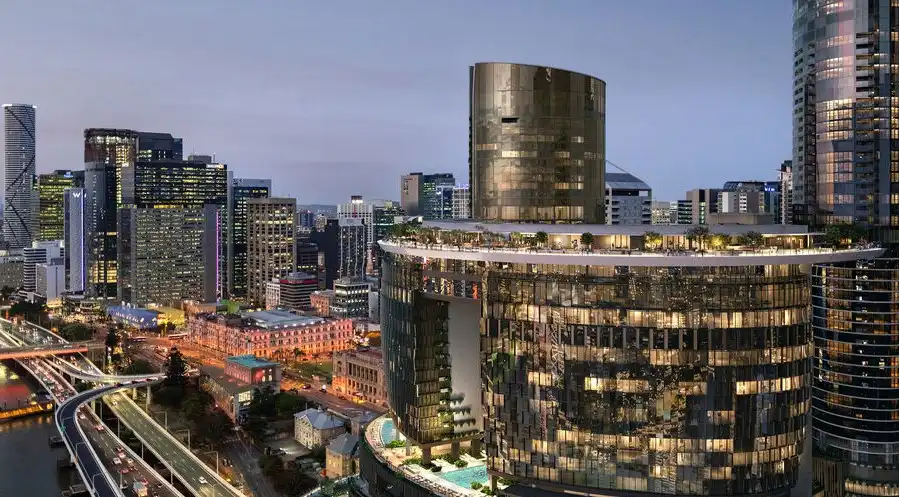
A key sticking point of the whole affair is how the potential cancellation of The Star Sydney’s casino license could reflect on the parent company itself, and possible impacts on the group’s other properties, such as the soon-to-open multi-billion-dollar project Queen’s Wharf Brisbane.
“The regulatory risk for them is if The Star in New South Wales is found to be unsuitable and loses their license in Sydney […] it calls into question whether the parent company is suitable and that becomes an issue for the Queensland regulator”.
However, “it’s quite possible for regulators to come to different decisions on the same facts,” notes Cohen.
The Star’s first five-star hotel and casino is set to open at Queen’s Wharf Brisbane on August 29th, a 50-percent joint venture between The Star and two Hong Kong-listed entities Chow Tai Fook and Far East Consortium.
Queen’s Wharf Brisbane
The project was first envisioned as a way to “tap into the international Asian market,” notes Cohen, “designed a bit like Crown Sydney, at least partially for an international business which is not there anymore”.
Regarding further challenges for The Star’s Brisbane property, Cohen notes that its regulatory hurdles – aside from the potential ripple effect from Sydney – are largely behind it, but that “commercially it might have some difficulties”.
“I don’t really know whether they’re going to get their money back or not,” he opines.
Overall, The Star faces an uphill battle, with more details likely to emerge as the Bell Two report comes out (if released publicly) and rampant curiosity over whether the group can keep its Sydney casino license, or suffer serious consequences – potentially creating opportunities for those with the cash, and the risk appetite, to move in.
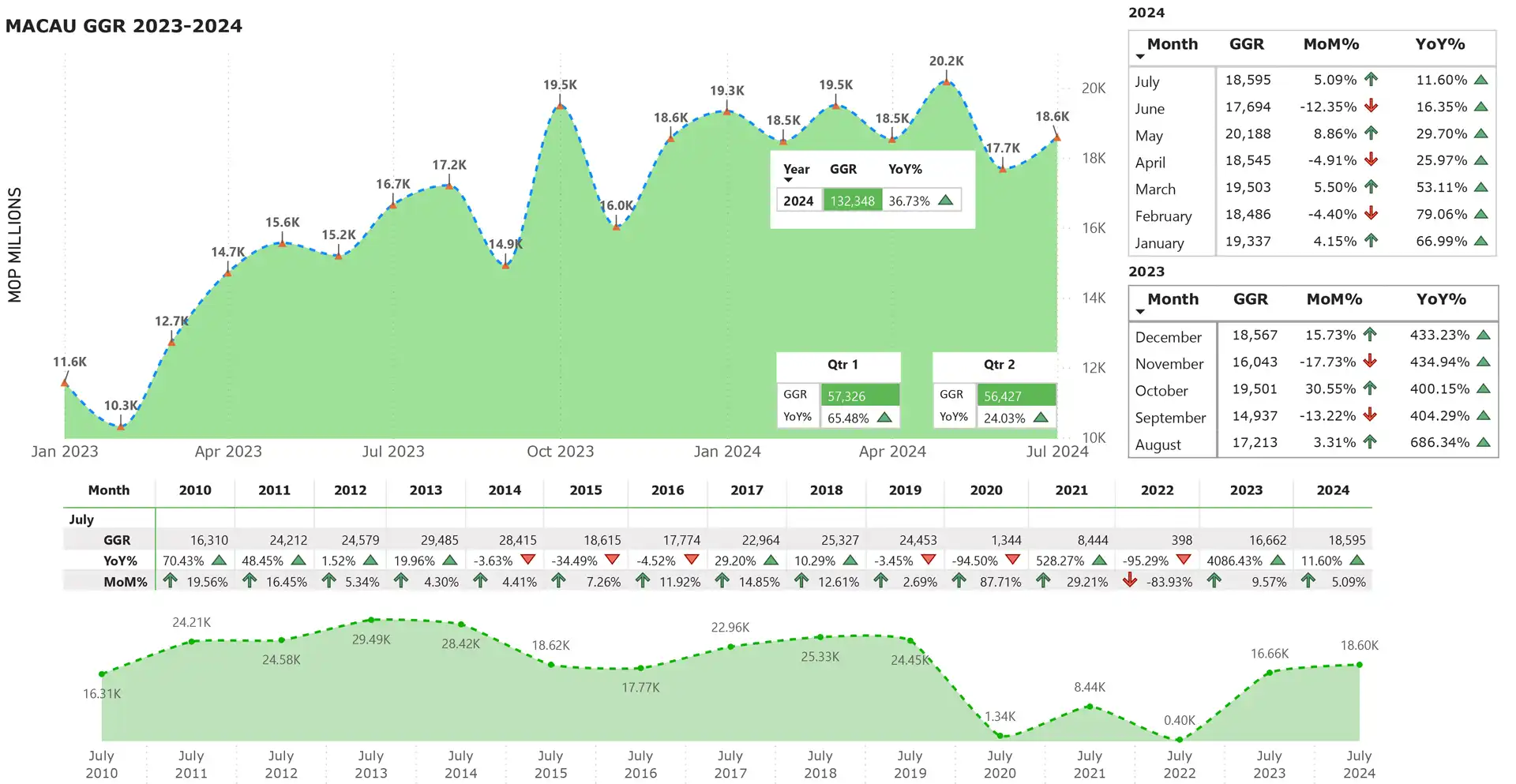
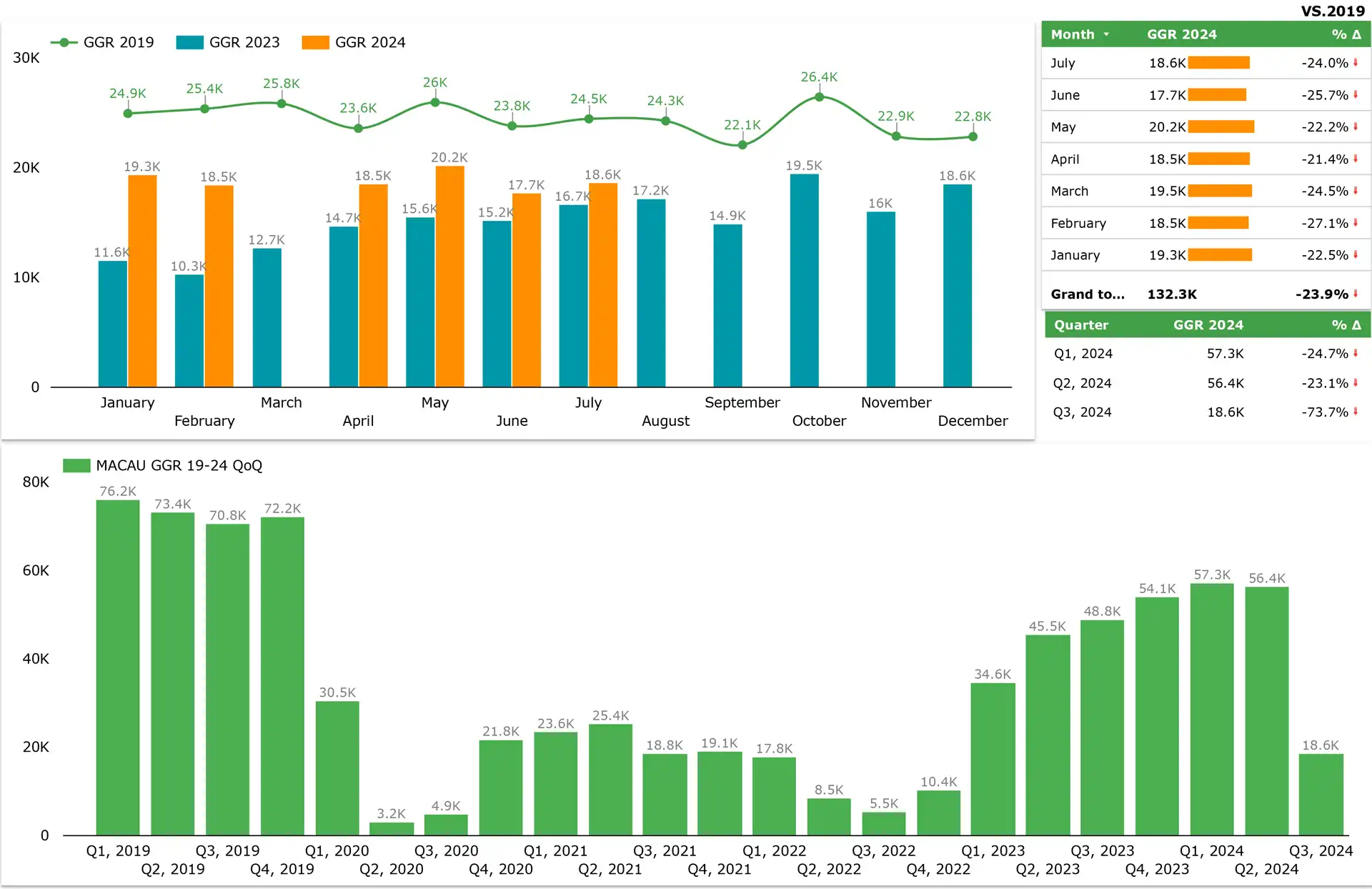
Macau’s Gross Gaming Revenue (GGR) for July did not meet expectations, closing the month at MOP18.6 billion ($2.31 billion), according to analyses by Seaport and Deutsche Bank.
While this figure represents an 11.6 percent year-on-year increase and a 5.1 percent month-on-month rise, it fell short of historical averages and market predictions.
Seaport analyst Vitaly Umansky noted that July’s 5.1 percent month-on-month increase is below the historical average of 9-10 percent, Bloomberg consensus had anticipated a 14 percent year-on-year rise, with Seaport estimating a 15 percent increase.
Meanwhile, July exhibited a weak start and finish, despite a solid mid-month performance. Daily visitation averaged 95,000 through July 25th, a 6.7 percent year-on-year increase, indicating a stronger average gaming spend per visitor, despite GGR growth being modest.
Several factors affected July’s performance. The month had only 12 weekend days compared to 15 in July 2023, impacting GGR – since weekends typically yield 20 percent higher revenue than weekdays.
Despite these challenges, Seaport remains cautiously optimistic, forecasting a 6-7 percent increase in GGR for August, potentially reaching MOP19.84 billion ($2.4 billion). This optimism is based on a favorable calendar with more weekend days and an expected rise in visitation, including package tours.
Seaport acknowledges potential risks to August’s recovery, including weather disruptions and the ongoing crackdown on illegal money activities.
Despite these headwinds, there is cautious optimism for a GGR rebound, contingent on increased visitation and favorable calendar conditions.
Deutsche Bank’s analysis showed that the 5.1 percent month-on-month increase in July was equivalent to a 1.7 percent per day rise from June, which is 310 basis points below the historical trend of a 4.8 percent sequential increase.
The July GGR was down 24.0 percent compared to July 2019, worse than their pre-month forecast of a 20.7 percent decline, with forecasts expecting a 21.1 percent drop.
For August, Deutsche Bank projects a GGR of $2.3 billion, down 21 percent from August 2019. This forecast assumes a 3 percent sequential per day increase, above the historical average of 2.1 percent for August relative to July.
Year-to-date, Macau’s total GGR is at 76.1 percent of the same period in 2019. The mass market segment is performing robustly at 113 percent of 2019 levels, while VIP gaming lags significantly at 23 percent.
At the same time, Deutsche Bank analysts estimated that the base mass market recovery is still subdued, estimated at 75-80 percent of pre-pandemic levels, offset by strong premium mass performance.
Oddin.gg is proud to announce that it has received a temporary license from the West Virginia Lottery Commission. As a B2B esports specialist, Oddin.gg has taken another major step in its North American expansion.
The West Virginia license demonstrates that Oddin.gg offers services that fully comply with the state’s regulatory system, which is known for its rigorous standards and comprehensive framework for sports betting.
The West Virginia sports betting license allows operators to offer both online and retail betting, ensuring broad reach and accessibility for users across the state. The licensing process includes stringent checks on financial stability, operational integrity, and compliance with state laws, underscoring the reliability and trustworthiness of Oddin.gg’s services.
Vlastimil Venclik, CEO, Oddin.gg
Vlastimil Venclik, co-founder and CEO of Oddin.gg, said, “We are thrilled to achieve yet another important milestone for Oddin.gg. Acquiring the West Virginia license strengthens our position in the US market. Combined with new US-based operators becoming our clients, this license marks another significant step in our North American expansion strategy. The work doesn’t stop here; we are actively working on acquiring further US licenses to support both existing clients and future prospects.”
He added, “The esports betting volume is approximately 80 billion USD with 5.5 billion USD revenue at app. 7 % margin. We offer US betting companies a partnership that will allow them to surge opportunities in the booming segment. The new generation of bettors, the fans of competitive gaming, are constantly on a lookout for a solution that will bring them more markets, more live opportunities, higher engagement, simply said, more fun. In reward, they offer loyalty and high ARPU to operators that demonstrate understanding and passion for esports. Oddin.gg has both”.
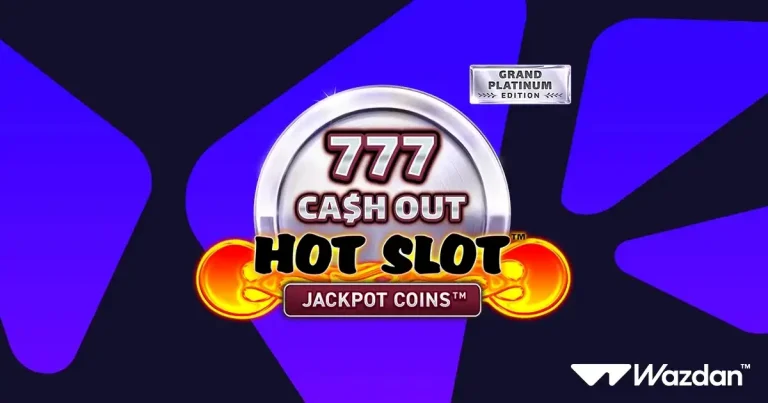
Wazdan, the leading gain-focused game developer, has released the latest installment of one of its ever-popular games series with the highly anticipated Hot Slot: 777 Cash Out Grand Platinum Edition.
Blending a classic retro feel to gameplay with innovative mechanics, players enter the 5×3 grid occupied by familiar fruit symbols, platinum coins and the coveted slot-themed Cash Out symbols, with 20 lavish paylines on offer and a maximum win of 3,000x the bet.
Landing a Cash Out symbol will allow players to accumulate all values from Cash and Jackpot symbols that land on the reels during the spin. The Sticky Cash Out feature also makes a welcome return. Landing it on any reel will result in it becoming stuck for the next 10 to 20 spins. When the countdown hits zero, the Sticky Cash Out gathers all values from Cash and Jackpots drawn on the reels and pays the total win.
With its innovative features and captivating gameplay, Hot Slot: 777 Cash Out Grand Platinum Edition showcases Wazdan’s Online gaining approach, guaranteeing unparalleled player engagement and rewarding experiences through proven, high-performing software.
Andrzej Hyla, Chief Commercial Officer at Wazdan, said: “Players are consistently drawn to the straightforward yet entertaining gameplay found in the Hot Slot series and with Hot Slot: 777 Cash Out Grand Platinum Edition, we have continued to up the ante with stimulating features and mechanics that players resonate with.”
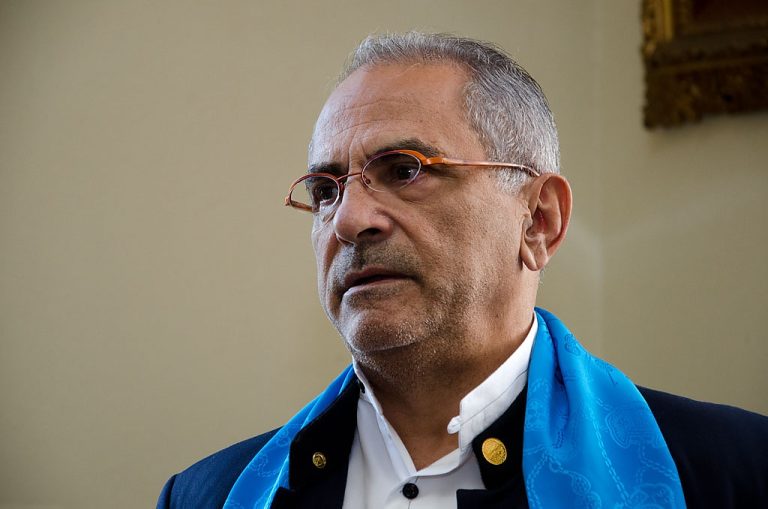
East Timor president José Ramos-Horta has commented that he is in favor of allowing online gambling licenses targeting the overseas gambling market, but that his government has no interest in land-based casinos in the country.
“[Gambling] is not something that interests me unless it targets foreigners. I don’t want some poor Timorese to lose everything in gambling with all the human and sometimes tragic consequences. But if foreigners want to gamble online and Timor offers an online gambling possibility, fine,” Horta said in an interview with Macau’s public broadcaster TDM Canal Macau.
An independent administrative body aiming to promote and initiate an online gaming industry in East Timor has been recently established.
The Virtual Gaming Association of Timor-Leste (VGA) has recommended to the East Timor government the issuance of both B2C and B2B licenses, with a goal of ensuring that these can be issued by the second quarter of next year.
In its recommendations, the group suggests online gaming regulation should be modeled on that in force in Malta and the Isle of Man.
The Star Entertainment Group has seen the appointment of the special manager for its Sydney Casino extended until March 31st of 2025, potentially offering insight into the results of the Bell Two inquiry into its suitability to maintain its casino license in the state.
According to a Thursday release, the New South Wales Independent Casino Commission (NICC) requested and received approval from authorities to extend the appointment of Nicholas Weeks by a further six months.
This marks the third such extension, with the most recent deadline for Weeks’ exit previously set for September 30th, 2024.
The first Bell inquiry, in 2022, resulted in the group being stripped of its operating license, with the special manager being put in place to run the property until it was deemed compliant.
Adam Bell presented his first report in August of 2022, while in August of 2023, the gaming group was found to have implemented 22 of the 30 recommendations issued in the report.
But this was not sufficient for authorities, and in February of 2024 Bell Two was launched – to evaluate how The Star handled the recommendations, as the NICC ‘was not satisfied The Star was progressing its remediation in a timely fashion’.
The positive results were largely attributed to the special manager’s “oversight and direction versus what is being driven by The Star’s reform agenda,” remarked the NICC’s Chief Commissioner, Philip Crawford, at the time.
The Bell Two inquiry report has not yet been made public, but the extension serves as a potential sign that The Star could see a further extension of its casino license suspension, giving the operator even more time to fix its remediation efforts.